
2027 Most Popular Nursing Degree Programs Ranking in Syracuse

Co-Founder and Chief Data Scientist
Choosing the right nursing degree program in Syracuse can feel overwhelming with so many options available. Our article presents the 2027 Most Popular Nursing Degree Programs Ranking in Syracuse, carefully crafted by the Research.com team of data scientists. This ranking helps you make an informed choice about which programs truly stand out.
Exploring these top programs can open doors to a fulfilling nursing career. Whether you're starting fresh or advancing your skills, a nursing degree offers rewarding opportunities to make a real difference. Let this guide support your journey toward a bright future.
Key benefits of getting nursing degree in Syracuse
- Graduates with a nursing degree in Syracuse can expect competitive salaries, such as $94,480 annually for roles like Registered Nurse or Public Health Nurse, and even higher wages, up to $128,490, for specialized positions like Operating Room Nurse.
- A nursing degree opens diverse career paths, including clinical nursing, public health, and emergency care, as demonstrated by many successful Syracuse graduates who thrive in various healthcare settings.
- Obtaining a nursing degree online offers flexibility and convenience, allowing students to balance study with personal commitments while gaining credentials respected in the Syracuse healthcare community.
- 2027 Most Popular Nursing Degree Programs Ranking in Syracuse
- What can I expect from nursing degree in Syracuse?
- Where can I work with nursing degree in Syracuse?
What can I expect from nursing degree in Syracuse?
The average cost of pursuing a nursing degree in Syracuse varies notably but remains within reach for most dedicated students. Graduates from Onondaga Community College's ADN program often share stories of balancing part-time jobs while benefiting from tuition costs between $5,000 and $8,000 per year as in-district students. This affordability makes the dream of becoming a registered nurse feel tangible and realistic, especially when paired with strong clinical experiences at local hospitals.
On the other hand, those attending Syracuse University for a Bachelor of Science in Nursing (BSN) describe a more intensive journey, with tuition surpassing $20,000 annually. Yet, these students often emphasize the value in their comprehensive education blending theory and hands-on practice, which prepares them thoroughly for nursing's challenges. Many recount how financial aid and scholarships helped ease the pressure, reinforcing that investment in quality nursing education in Syracuse is both significant and supported.
Where can I work with nursing degree in Syracuse?
Graduates with a nursing degree from Syracuse's colleges, like those at SUNY Upstate or local community colleges, often find themselves immersed quickly in diverse healthcare environments. Many begin their careers at Upstate University Hospital, where the fast pace of emergency rooms or the focused intensity of oncology wards shapes their skills and builds confidence. One graduate described stepping into the ICU for the first time as overwhelming yet profoundly rewarding, witnessing how critical care can transform lives in real time.
Others embrace roles within St. Joseph's Health system, navigating varied settings from outpatient clinics to rehabilitation centers. Here, the daily encounters with patients bring a constant sense of purpose and personal growth. Nursing students often share stories about how this environment fosters resilience and adaptability, key traits beyond textbooks.
The career paths extend beyond hospitals-home healthcare agencies and public health roles offer nurses meaningful alternatives. Imagine providing personalized care in a patient's home or leading community health initiatives through the Onondaga County Health Department, where your work visibly impacts families and neighborhoods.
Working in Syracuse's school systems also provides uniquely gratifying experiences, allowing nurses to promote wellness directly to students, creating healthier futures starting with young lives.
Graduates from nursing programs in Syracuse often find that their education quickly translates into rewarding income. For example, recent alumni from well-known institutions like SUNY Upstate Medical University report starting salaries near $77,000 for registered nursing roles, closely matching the broader regional averages. This baseline reflects a stable entry point, yet the data suggests you can aim much higher.
Clinical Nurse Educators and Public Health Nurses also command mean annual wages around $94,480 in Syracuse, demonstrating that specialization pays off. Emergency Room Nurses share this salary bracket, reflecting the critical skills they bring to high-pressure environments.
The real standout is the Operating Room Nurse, with a mean annual wage soaring to $128,490. Graduates pursuing advanced pathways in surgical nursing highlight the satisfaction and financial gain that comes from this demanding yet fulfilling career choice. These figures challenge the assumption that nursing wages plateau early, revealing clear routes for increased earnings through specialization and experience.
Living and working in Syracuse allows graduates to benefit from a lower cost of living compared to other cities, making these salaries feel even more empowering in daily life-whether it's paying for housing near campus or enjoying community events after a demanding shift.
- Nursing degrees in Syracuse are available at community colleges and universities, offering associate, bachelor's, and advanced degrees.
- Costs for an Associate Degree in Nursing (ADN) typically range from $6,000 to $12,000 per year for in-state students, while Bachelor of Science in Nursing (BSN) programs cost between $20,000 and $30,000 annually.
- Registered nurses in Syracuse earn an average starting salary of about $70,000, which can grow to $85,000 or more with experience.
- The local healthcare sector is expanding due to an aging population, leading to strong demand and employment rates for new nurses.
- Nursing programs in Syracuse prepare students for the NCLEX-RN exam, with graduation and pass rates close to national averages.
Completing a nursing degree in Syracuse often challenges the notion that education must be a lengthy, rigid process. For many, like graduates from Onondaga Community College, an Associate Degree in Nursing (ADN) can be finished in just two years, providing a swift jumpstart into the nursing workforce. This rapid pathway allows students to experience the satisfaction of helping patients much sooner than expected.
Others, inspired by alumni from Le Moyne College, embrace the more immersive four-year Bachelor of Science in Nursing (BSN). These students find value in a curriculum that extends beyond clinical skills to leadership and research, reflecting their ambition to impact healthcare on a broader scale. The commitment feels substantial but rewarding, opening doors to advanced roles and higher salaries - a trade-off many feel is worth the wait.
Accelerated BSN programs compress this journey into 12 to 18 months for those pivoting careers, while part-time options offer flexibility for working adults maintaining life's delicate balance. These varied timelines invite students to reflect on what pace fits their priorities and personal stories in Syracuse's diverse nursing landscape.
. When selecting a nursing program, it is crucial to consider several key factors that can significantly impact your educational experience and future career. One of the most vital considerations is the accreditation status of the program, as it ensures that the institution meets specific standards of quality and can affect your eligibility for licensure and career opportunities. Another essential factor is the program's curriculum and clinical experience offerings, which should provide a comprehensive education and hands-on training in various healthcare settings. Additionally, the cost of tuition, availability of financial aid, and location of the program are also critical factors to weigh. Prospective students can explore popular nursing colleges to find the best fit for their needs and goals, considering aspects such as program length, learning formats, and support services. By carefully evaluating these factors, aspiring nurses can make an informed decision that sets them up for success in their nursing careers.
Choosing between online and on-campus nursing degrees in Syracuse is more than a matter of convenience-it shapes your entire learning journey. Graduates from SUNY Upstate Medical University often recall the energy in face-to-face clinical labs, where hands-on practice and instant feedback forged their confidence. The buzzing campus environment creates a support system that's hard to replicate online.
On the other hand, those who pursued nursing through Onondaga Community College's online program highlight a different kind of resilience-the discipline to manage coursework alongside life's demands. The flexibility to attend lectures after work or during school pickups was invaluable, though the challenge of securing local clinical hours pushed them to take initiative beyond the virtual classroom.
Both paths involve clinical practice but sourcing those real-world experiences differs profoundly. While on-campus students lean on institutional connections, online learners must navigate local healthcare placements in Syracuse, fostering unique community ties. This nuanced contrast forces you to consider not just where you study but how you engage with the profession from day one.
After graduating from an accredited nursing program in Syracuse, your next critical step is to secure state licensure and pass the NCLEX-RN exam-milestones that transform your degree into professional practice. Many graduates also explore advanced practice pathways, such as the best nurse practitioner programs in california, to boost their long-term career prospects. Follow these steps to streamline your licensure journey: 1. Apply to the New York State Board of Nursing (NYSBON) • Submit official transcripts directly from your institution • Complete a background check and provide any required fingerprinting • Pay the licensure application fee online via NYSBON’s portal 2. Register with Pearson VUE for the NCLEX-RN • Create an account on Pearson VUE and choose your preferred test date and center in New York • Review the Candidate Bulletin for exam policies, rules, and test-day procedures 3. Develop a Targeted NCLEX Study Plan • Use reputable review materials (e.g., Saunders Q&A, UWorld, Kaplan) that mirror NCLEX question formats • Schedule daily study blocks with focused topics-pharmacology, medical-surgical nursing, maternal/newborn, pediatrics, psychiatric • Take timed practice exams to improve critical-thinking speed and reduce test anxiety 4. Leverage Local Support and Simulation Labs • Many Syracuse nursing schools offer NCLEX prep workshops, simulation-lab drills, and group study sessions-take advantage of these free or low-cost resources • Connect with program alumni or join online study groups to share tips and maintain accountability 5. Track Your Authorization to Test (ATT) and Exam Results • After NYSBON approves your application, Pearson VUE issues your ATT-book your exam within this valid window • Receive unofficial scores immediately after testing; official results arrive from NYSBON within several weeks By following this structured approach-pairing thorough application management with disciplined, practice-driven exam prep-you’ll maximize your chances of passing the NCLEX-RN on the first try and stepping confidently into your nursing career.
The average nursing degree cost in Syracuse challenges many assumptions about affordability in higher education. Graduates from local institutions often share the relief of managing expenses effectively, with the median total cost of nursing programs around $57,885. This figure reflects a balance between in-state options, such as public universities offering in-state rates near $40,330, and private colleges where tuition can be significantly higher.
Those who pursued nursing degrees at colleges like Le Moyne or Syracuse University often recall carefully navigating tuition fees alongside additional costs like books, uniforms, and clinical placement expenses. For some, these combined costs added a layer of unexpected complexity, reminding future students to budget beyond just tuition. The total cost of nursing programs Syracuse-wide encourages students to weigh program benefits against financial investment-a crucial step in making a meaningful career choice that lasts a lifetime.
Reflecting on the financial journeys of graduates highlights how scholarships, grants, and loans provided essential support throughout their studies, turning daunting costs into achievable goals. If you're considering where to study, exploring options at popular nursing colleges revealed in the popular nursing colleges list can offer insights on cost structures and aid opportunities.
Ultimately, the investment in nursing education in Syracuse can unlock rewarding careers, especially when students approach the process informed and prepared. Understanding the financial landscape firsthand helps future nurses focus on their passion and purpose, confident in their decision to pursue this vital profession.
After earning a nursing degree in Syracuse, you must secure licensure and any specialty certifications to practice legally and advance your career.
- Graduate from an accredited NY nursing program.
- Submit your application and fees to the New York State Education Department (NYSED).
- Register for and pass the NCLEX-RN exam to obtain your Registered Nurse license.
- Complete required continuing education credits every three years to maintain your RN license.
Specialty certifications-such as Pediatric or Gerontological Nursing-enhance expertise and competitiveness in the job market. For nurses aiming at advanced practice roles, consider exploring accelerated dnp programs.
Many nursing students in Syracuse find relief through federal financial aid, a fundamental resource that unlocks opportunities often viewed as out of reach. By submitting the FAFSA, they access Pell Grants offering up to $7,395 annually-funds that don't add to debt, a lifeline for those juggling jobs and studies at SUNY Upstate Medical University.
Graduates often reflect on how state programs like New York's Tuition Assistance Program (TAP) eased their burden, awarding up to $5,665 based on income, which made attending Onondaga Community College viable without sacrificing essential living costs.
Beyond grants, scholarships from local healthcare groups and the National Student Nurses' Association recognize dedication, rewarding merit and commitment to underserved communities. One nurse recalled how these scholarships transformed ambition into manageable reality.
For those continuing to graduate-level roles at Syracuse-area institutions, the Nursing Faculty Loan Forgiveness program reduces stress by offering up to $5,000 yearly, encouraging a cycle of teaching that sustains the profession locally.
Work-study and employer tuition reimbursements weave practical work experience with financial support, embodying how nursing education in Syracuse extends well beyond traditional funding methods.
When evaluating the true cost of a nursing degree, it’s essential to consider both average student debt and long-term earning potential. In Syracuse, ADN graduates from community colleges carry an average debt load of approximately $14,500, while BSN holders from public universities report debt around $28,000. With median starting salaries of $61,000 for ADNs and $72,000 for BSNs in Upstate New York, the debt-to-earnings ratio for Syracuse nursing graduates remains favorable compared to national averages. Most nurses report breaking even on their educational investment within 3 to 5 years of practice. Beyond salary statistics, the intangible benefits-such as job security, career advancement opportunities, and professional satisfaction-enhance ROI. Registered Nurses in Syracuse boast a 96% employment rate within six months of graduation, and specialized roles like Operating Room Nurses or Nurse Practitioners can see salary increases of 30–45% over base RN wages. Factoring in tuition costs, living expenses, and available financial aid, prospective students should weigh program reputation, clinical partnerships, and alumni outcomes when selecting a school. For those prioritizing cost efficiency, consider comparing local program expenses with offerings in other states. If affordability is a key factor, you may also explore our Most Affordable Online Nursing Degree Programs Ranking in Louisiana to benchmark tuition rates, scholarship opportunities, and graduation outcomes. By analyzing both debt projections and earning trajectories, you can make an informed decision that maximizes your financial and professional returns in the thriving Syracuse healthcare market.
Meeting prerequisites for nursing programs in Syracuse goes beyond checking boxes; it's about building a foundation that truly prepares you for the demanding journey ahead. At Syracuse University and other local colleges, students often recall how completing courses like general biology with lab sessions, human anatomy, and chemistry felt both challenging and empowering-a crucial step that transformed abstract concepts into tangible skills. This rigorous preparation aligns perfectly with the real-world clinical settings they soon enter.
Many graduates emphasize that having a solid GPA, often around 2.75 to 3.0, was not just a requirement but a motivating benchmark pushing them toward academic excellence. Standardized tests like the ACT or SAT can be a hurdle, but they help schools identify those ready for the intensity of nursing studies in our city's healthcare landscape.
Additionally, clinical prerequisites-CPR certification, immunizations, background checks-are often mentioned as early confidence builders, signaling a student's readiness to engage safely and professionally with patients. These steps aren't mere formalities; they're deeply tied to the pride graduates feel when stepping into Syracuse's hospitals for their first hands-on experiences.

Understanding NCLEX pass rates is essential for evaluating the quality of nursing programs in Syracuse, NY. The National Council Licensure Examination (NCLEX-RN) measures entry-level competency and directly impacts a graduate’s ability to practice. Here’s what you need to know: • Average Pass Rates: - Syracuse University BSN: 93% first-time pass rate - Le Moyne College BSN: 89% first-time pass rate - Onondaga Community College ADN: 86% first-time pass rate • Benchmarking Quality: Programs with pass rates above 85% consistently produce well-prepared nurses. Prospective students should compare these figures when selecting schools, as higher rates often reflect stronger curricula and more rigorous clinical training. • Preparing for the Exam: Nursing schools typically integrate NCLEX review into the final semester, offering dedicated workshops and simulation labs. Students benefit from targeted practice questions, study groups, and faculty-led debriefings that mirror exam conditions. • Timeline for Advanced Practice: After passing the NCLEX-RN, many graduates pursue nurse practitioner roles. If you’re considering advanced practice, explore our guide on how long is the nurse practitioner program to plan your educational trajectory. • Licensing Steps: 1. Graduate from an accredited program. 2. Register with your state Board of Nursing and submit fingerprints. 3. Receive Authorization to Test (ATT) and schedule the NCLEX. 4. Pass the exam and apply for licensure in New York. By prioritizing NCLEX outcomes, you’ll ensure your investment in a nursing degree translates into a successful, licensed career.
Nursing degrees in Syracuse are built around a rich blend of foundational sciences and specialized nursing courses that truly prepare students for real-world challenges. Graduates from well-known local colleges often reflect on how studying human anatomy, physiology, and microbiology wasn't just theory-they saw how these subjects directly impacted patient care during their clinical rotations at St. Joseph's Hospital Health Center.
Core nursing classes dive deeper into areas like pharmacology, teaching students the delicate art of medication management, and medical-surgical nursing, which unveils the complexity of treating adults with varied health conditions. One graduate shared how maternal and child health nursing courses made the moments in labor and delivery units both awe-inspiring and humbling, reinforcing the importance of compassionate care.
What truly distinguishes Syracuse's nursing programs is the emphasis on mental health nursing and community health, encouraging students to confront psychiatric and public health issues head-on. These experiences ignite a passionate commitment to leadership and ethics that transcends textbooks, proving why Syracuse nursing programs stand out in preparing confident, empathetic nurses ready to thrive post-graduation.
Among the diverse nursing degree specializations in Syracuse, students often find opportunities that challenge traditional perceptions of nursing roles. Graduates from Le Moyne College and SUNY Upstate Medical University frequently highlight specializations like Family Nurse Practitioner (FNP), which empowers them to provide comprehensive primary care across all age groups-a rapidly expanding field nationwide. Others focus on Critical Care Nursing, where real-world clinical experiences in intensive care units transform theoretical knowledge into lifesaving skills.
Many students pursuing the best nursing programs with specializations Syracuse offers appreciate the chance to dive deeply into areas such as neonatal nursing or public health nursing, where their work impacts vulnerable newborns or entire communities. These specializations connect classroom learning to hands-on practice in local hospitals, fostering a visceral connection to patient outcomes that graduates find intensely rewarding.
For those contemplating advanced nursing roles, exploring the best nurse practitioner programs in california can provide valuable insight into career trajectories that began with foundational specializations in Syracuse's respected nursing schools.
Choosing the best nursing degree in Syracuse means weighing not just the reputation of schools like SUNY Upstate Medical University or Onondaga Community College but also the real-life experiences of graduates who balanced studies with life's demands. Many find that affordable nursing schools Syracuse offers allow them to start their careers sooner with ADN programs, while others pursue BSN degrees despite the higher cost-knowing these often unlock stronger salary prospects and leadership roles. Consider how graduates from these programs describe their pride passing the NCLEX-RN and stepping confidently into clinical roles, knowing their education was respected by employers.
Be cautious of solely chasing the quickest path; instead, reflect on long-term goals and how flexible schedules might serve your life balance. Visiting campuses and engaging with students gives you a vivid picture of program culture and support. For those wondering about advanced steps, check out how long is the nurse practitioner program to plan ahead.

Nursing degree graduates in Syracuse encounter a dynamic range of career possibilities beyond the traditional bedside RN role. Graduates from local institutions often find themselves thriving in diverse settings-from hospital ICUs offering critical care to community clinics where pediatric and geriatric nursing address unique local needs. These graduates describe a sense of fulfillment balancing direct patient care with the evolving demands of Syracuse's healthcare landscape, fueled by its aging population and expanding outpatient services.
The nursing career opportunities in Syracuse extend further into advanced roles such as Nurse Practitioners or Clinical Nurse Specialists, where additional education enables them to independently impact patient health within both rural and urban communities. These career paths reflect a deliberate choice to engage deeply with patient wellbeing, leveraging the strong clinical training available at Syracuse-area universities and the supportive infrastructure of major local employers like Upstate University Hospital.
For those weighing financial considerations, nursing programs here cost between $7,000 and $15,000 annually for in-state students at public colleges, a practical investment compared to national averages. Exploring options like the Most Affordable Online Nursing Degree Programs Ranking in Louisiana can also provide insights, helping prospective students navigate educational expenses wisely while embracing Syracuse's promising nursing degree job prospects Syracuse offers.
The nursing job opportunities in Syracuse reflect a dynamic and robust healthcare environment fueled by steady local demand. Graduates from nursing programs at Syracuse-area colleges often find themselves quickly employed in diverse settings-ranging from Upstate University Hospital to community health organizations. Many describe their transitions from student to professional as both encouraging and empowering, as these well-regarded institutions maintain strong connections with area employers eager for qualified nurses.
Salary expectations align with the region's cost of living, with a mean annual wage near $75,000 reported for registered nurses. This is motivating for new graduates who weigh the cost of their nursing degrees, typically between $10,000 and $20,000 annually at public institutions in New York State. These figures highlight a practical return on investment, especially given the opportunities for advancement in specialty areas or management roles through further education.
Considering entry points in the industry, many explore alternatives such as 6-month certificate programs that pay well to supplement their qualifications and increase employability. For those who take a reflective approach, Syracuse nursing employment outlook isn't just about numbers but about stable careers with meaningful community impact.
2027 Most Popular Nursing Degree Programs Ranking in Syracuse
Investing in your education is a significant decision that can shape your future, and the Research.com team understands the importance of making informed choices. To assist prospective students in Syracuse, we have meticulously crafted the "2027 Most Popular Nursing Degree Programs Ranking in Syracuse." Our commitment to quality, credibility, and accuracy is reflected in the extensive research and analysis conducted to compile this ranking. We utilized the following reputable data sources to ensure a comprehensive evaluation of nursing programs:
By exploring this ranking, readers will gain valuable insights into the most popular nursing degree programs in Syracuse, helping them make well-informed decisions about their educational futures. For more details on our methodology, please visit our
Research.com methodology page
.


Frequently Asked Questions About nursing
Nursing degree students in Syracuse can maximize their learning experience by actively engaging in clinical placements offered through local healthcare facilities such as Upstate University Hospital. These hands-on experiences are crucial for developing practical skills and understanding patient care. Additionally, students should take advantage of simulation labs available at institutions like SUNY Upstate Medical University, which use advanced technology to replicate real-life medical scenarios.
Participating in local nursing organizations and networking events helps build professional connections and exposes students to current trends in healthcare. According to the New York State Education Department, Syracuse nursing programs have consistently supported students with strong academic advising, which is essential for tailored curriculum planning.
Balancing coursework with volunteer opportunities in Syracuse-area clinics also enhances practical knowledge and community awareness, preparing students for diverse patient populations.
The nursing field is rapidly evolving, with several emerging niches gaining attention in Syracuse and across the U.S. One key area is geriatric nursing, driven by the growing elderly population. According to the U.S. Census Bureau, by 2030, one in five Americans will be 65 or older, increasing demand for specialized elder care. Another expanding niche is telehealth nursing, which surged during the COVID-19 pandemic and continues growing due to advances in technology and patient preference for remote care.
Behavioral health nursing is also rising in importance. The National Institute of Mental Health reports that mental health needs have increased significantly, necessitating more nurses with psychiatric expertise. Additionally, informatics nursing, combining patient care and information technology, is creating new opportunities as healthcare systems modernize.
After completing a nursing degree in Syracuse, preparing for the job market involves several important steps. First, graduates must pass the National Council Licensure Examination for Registered Nurses (NCLEX-RN) to become licensed. This credential is required to practice in New York State and nationwide. According to the New York State Education Department, the NCLEX pass rate for Syracuse-area nursing graduates averages above 85%, reflecting strong program preparation.
Networking through local healthcare facilities like Syracuse University's affiliated hospitals and attending nursing job fairs can enhance employment opportunities. Additionally, gaining experience via internships or volunteering in Syracuse-area clinics strengthens resumes. The Central New York healthcare sector is growing, with nursing roles projected to increase by 15% through 2030, according to the Bureau of Labor Statistics.
Employers in Syracuse seek nursing graduates with a strong foundation in clinical skills, including patient assessment, medication administration, and wound care. According to the New York State Department of Labor, critical thinking and effective communication are highly valued, as nurses must collaborate with healthcare teams and interact compassionately with diverse patients.
Technical proficiency with electronic health records (EHR) systems is increasingly important given the rise of digital healthcare. Syracuse nurses benefit from familiarity with these tools as part of their education and training.
Additionally, adaptability and cultural competence are essential, reflecting the region's diverse patient population and fast-changing medical environments. These skills enhance patient outcomes and workplace efficiency, making graduates more competitive in the job market.
Finding nursing internships in Syracuse involves a combination of research, networking, and understanding local healthcare opportunities. Syracuse has several hospitals and healthcare facilities, such as Upstate University Hospital and St. Joseph's Health, which offer clinical placements for nursing students. These institutions often partner with local colleges to provide structured nursing internships.
Students should start by contacting the career services or nursing departments at their schools for internship listings and application advice. Additionally, websites like Nurse.org highlight regional internship programs and opportunities tailored to nursing students.
Professional associations such as the New York State Nurses Association also provide resources and networking events that connect students with internship positions within the Syracuse area.
Obtaining a nursing degree in Syracuse significantly enhances career mobility and advancement opportunities within the local healthcare sector. According to the New York State Department of Labor, registered nurses (RNs) in the Syracuse area experience steady job growth, projected at 6% through 2028. A formal nursing education, such as an Associate Degree in Nursing (ADN) or a Bachelor of Science in Nursing (BSN), equips graduates with the essential clinical skills and knowledge required to meet employer demands.
Employers in Syracuse increasingly prefer BSN-prepared nurses for leadership roles and specialized positions, reflecting national trends highlighted by the American Association of Colleges of Nursing. Higher degrees can also lead to roles in management, education, and advanced practice, improving earning potential.
The Syracuse healthcare market, supported by major institutions like Upstate University Hospital, values continuing education, making a nursing degree a critical step for career progression locally.
Studying for a nursing degree in Syracuse equips students with skills essential for interdisciplinary healthcare roles. Nursing programs emphasize collaboration with professionals from medicine, social work, and pharmacy to ensure comprehensive patient care. For example, SUNY Upstate Medical University includes simulation labs where nursing students work alongside other health disciplines.
The integration of evidence-based practice and communication training prepares graduates to contribute effectively within diverse teams. According to the New York State Center for Nursing, interdisciplinary competence improves patient outcomes and is increasingly prioritized in regional hospitals.
This approach reflects the growing demand in Syracuse's healthcare sector for nurses adept in teamwork and leadership beyond traditional nursing tasks.
Choosing between a thesis and a non-thesis nursing degree program in Syracuse depends largely on your career goals and learning preferences. Thesis programs, often preferred by students aiming for research, clinical specialization, or doctoral study, involve conducting original research and writing a detailed paper. They can take more time, typically adding six months to a year, but develop strong critical thinking and analytical skills important in nursing science.
Non-thesis programs focus more on clinical practice and coursework, making them suitable for those planning to work directly in nursing roles or administration. Syracuse universities often report that non-thesis graduates enter the workforce faster.
According to the New York State Education Department, Syracuse-area nursing employment is expected to grow 15% by 2030, highlighting demand for both research and practice skills in the region.
Students based in Syracuse who wish to study nursing abroad have several pathways to consider. Many US institutions, including those in Syracuse, offer exchange programs or study abroad partnerships with universities in countries like Canada, the United Kingdom, and Australia. These programs often allow students to complete part of their nursing clinicals internationally while earning credits back home.
According to the Institute of International Education, about 10% of US nursing students engage in study abroad programs, benefiting from exposure to diverse healthcare systems. For Syracuse students, programs through local colleges such as SUNY Upstate Medical University often include international opportunities tailored for nursing majors.
It is important for students to verify that any overseas coursework aligns with accreditation standards set by the Commission on Collegiate Nursing Education (CCNE) or the Accreditation Commission for Education in Nursing (ACEN) to ensure transferability and licensure eligibility in the US.
Students pursuing nursing degrees in Syracuse have multiple part-time job opportunities that align well with their education. Healthcare facilities such as St. Joseph's Hospital Health Center and Upstate University Hospital frequently hire nursing assistants and patient care technicians, providing hands-on experience in clinical settings.
Local clinics and long-term care facilities also offer roles like home health aides or medical scribes. These positions build patient communication and documentation skills vital for future nurses. According to the New York State Department of Labor, Syracuse's healthcare support sector is projected to grow by 10% by 2028, increasing job availability.
Additionally, campus-based jobs in health services can complement coursework and networking opportunities.
Nursing students in Syracuse benefit from numerous networking opportunities that connect them with healthcare professionals and fellow students. Local universities, such as Syracuse University and Onondaga Community College, host nursing clubs and organizations promoting professional development.
Students can engage with the Syracuse Nurses Association, which offers events, workshops, and mentoring, facilitating connections with experienced nurses in Central New York. Additionally, clinical placements in major hospitals like Upstate University Hospital provide hands-on experience and valuable professional contacts.
Annual healthcare conferences and seminars held regionally also allow students to meet industry experts, helping them stay informed about nursing trends and job openings. According to the New York State Education Department, over 1,200 registered nurses graduate annually in the Syracuse area, contributing to a robust professional network.
Alumni networks play a significant role in supporting nursing degree students in Syracuse by providing valuable professional connections. Graduates often gain access to local job opportunities through these networks, which is crucial given the competitive healthcare environment in the region. According to the Syracuse University School of Nursing, over 70% of their nursing graduates secure employment within six months, often with assistance from alumni referrals.
These networks also offer mentorship programs, where experienced nurses guide current students in clinical skills, resume building, and interview preparation. Such support enhances students' confidence and readiness for the workforce.
Furthermore, Syracuse nursing alumni frequently organize continuing education workshops, keeping students informed about the latest healthcare practices and regional health trends tracked by Syracuse's healthcare system partners.
Customizing a nursing degree program in Syracuse allows students to align their education with specific career goals. Many local institutions offer flexible curricula with elective courses in specialties such as pediatric, geriatric, or psychiatric nursing. Students can also choose between traditional in-person, hybrid, or fully online formats to fit their schedules.
Options for clinical placements are often available within Syracuse's diverse healthcare settings, including hospitals and community clinics, providing practical experience tailored to career interests. Additionally, certificates and continuing education in areas like leadership or informatics can be added to enhance professional qualifications.
According to the New York State Education Department, nearly 35% of Syracuse nursing students pursue such specialized tracks for career advancement.
Nursing students in Syracuse commonly face several challenges that can impact their academic success. One major difficulty is managing the demanding coursework alongside clinical rotations, which often require long hours and intense focus. According to recent data from the New York State Education Department, retention rates in nursing programs have shown that balancing work and studies remains a critical issue.
Another hurdle is access to clinical sites, as local healthcare facilities may have limited placement availability, causing scheduling conflicts. Financial concerns also play a role, with many students needing to manage tuition and living expenses on limited budgets. Additionally, adapting to evolving healthcare technologies requires continuous learning, adding to student stress.
With a nursing degree in Syracuse, you can pursue several professional certifications to advance your career and specialization. Common certifications include the Registered Nurse (RN) license required for basic nursing practice. Beyond RN licensure, many nurses obtain certifications such as Certified Nurse Assistant (CNA) or Certified Clinical Nurse Specialist (CNS) depending on their focus.
Specialty certifications like Certified Pediatric Nurse (CPN) or Adult-Gerontology Acute Care Nurse Practitioner (AGACNP) are popular among local nurses. According to the New York State Education Department, Syracuse-area nurses often seek credentials from nationally recognized bodies such as the American Nurses Credentialing Center (ANCC).
These certifications can improve job prospects in hospitals, clinics, and long-term care facilities prevalent in the Syracuse healthcare market.
Writing a winning application for a nursing program in Syracuse involves careful preparation and clear presentation. Start by researching programs thoroughly, such as those offered by institutions like Onondaga Community College, which reported a 72% acceptance rate in recent years. Strong academic performance is critical; aim for a GPA of 3.0 or higher to meet most program requirements. Highlight relevant healthcare experience, including volunteering or paid work, to demonstrate commitment and hands-on skills.
Craft a compelling personal statement explaining your motivation for nursing and connection to the Syracuse community. Reference data from the New York State Education Department, showing a growing demand for nurses in the region, to emphasize your career goals.
Finally, secure at least two professional references who can attest to your character and work ethic. Each element combined can increase your chances of acceptance significantly.
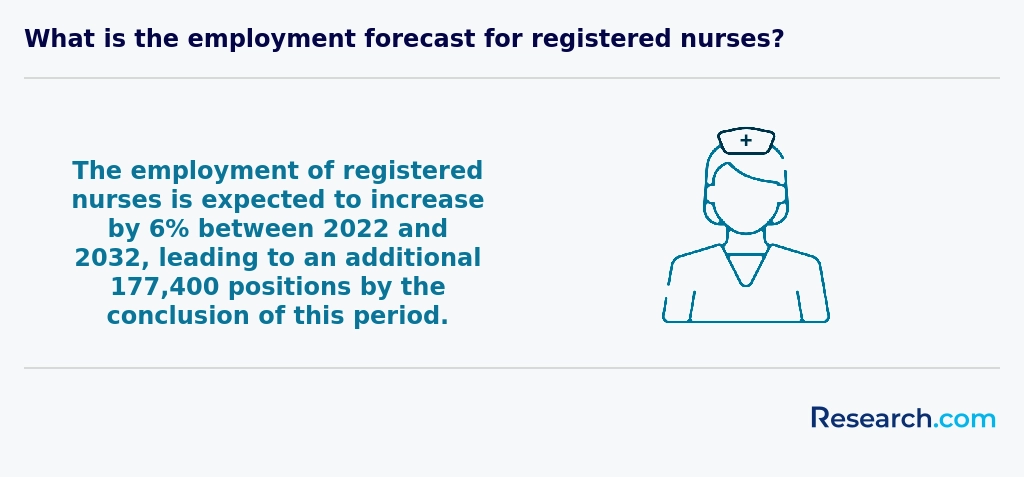
The nursing profession is increasingly recognized worldwide for its critical role in healthcare systems. Globally, nursing careers offer diverse opportunities, from clinical practice to public health and research. In the United States, including Syracuse, nursing is one of the fastest-growing fields, with the Bureau of Labor Statistics projecting a 9% increase in registered nurse jobs from 2022 to 2032.
Internationally, many countries face nursing shortages, highlighting the global demand for skilled nurses. This encourages cross-border collaboration and exchange programs, enhancing education and practice standards. Syracuse nursing programs benefit from this trend by incorporating global health perspectives into their curricula, preparing students to work in diverse environments.
According to the New York State Department of Labor, Syracuse's healthcare sector is expanding steadily, reflecting national trends. Graduates from Syracuse nursing degrees often find employment locally or have options to practice abroad, depending on licensure requirements and international agreements.
Gaining practical experience while studying for a nursing degree in Syracuse is essential for developing clinical skills and preparing for licensure. Many accredited nursing programs in the area, such as those affiliated with SUNY Upstate Medical University, incorporate supervised clinical rotations in local hospitals and healthcare facilities.
These rotations allow students to work directly with patients under professional guidance. Additionally, partnerships with Syracuse hospitals provide opportunities for internships and externships, helping students gain hands-on experience. Volunteering at community health centers is another way to develop practical skills.
According to the New York State Education Department, over 70% of nursing programs include required clinical hours, ensuring practical exposure before graduation.
Choosing the right concentration within a nursing degree program in Syracuse depends on your career goals and interests. Popular nursing specialties include gerontology, pediatrics, mental health, and acute care, reflecting the needs of local healthcare facilities like SUNY Upstate Medical University. According to the Bureau of Labor Statistics, nursing jobs in the Syracuse area are projected to grow by 12% through 2030, especially in specialized fields.
Consider your preferred work environment and patient population. If you enjoy working with older adults, geriatric nursing might be ideal, while pediatrics suits those interested in child healthcare. Research program offerings at Syracuse-based schools to see available concentrations and clinical opportunities that align with your goals.
- 2027 Most Popular Nursing Degree Programs Ranking in Rochester
- 2027 Most Popular Nursing Degree Programs Ranking in Bronx
- 2027 Most Popular Nursing Degree Programs Ranking in New York
- 2027 Most Popular Nursing Degree Programs Ranking in Brooklyn
- 2027 Most Popular Nursing Degree Programs Ranking in Philadelphia
- 2027 Most Popular Nursing Degree Programs Ranking in Baltimore
- 2027 Most Popular Nursing Degree Programs Ranking in Boston
- 2027 Most Popular Nursing Degree Programs Ranking in Pittsburgh
- 2027 Most Popular Nursing Degree Programs Ranking in Washington
- 2027 Most Popular Nursing Degree Programs Ranking in Cleveland
See What Experts Have To Say About Studying Nursing
Read our interview with Nursing experts


- Determine Your Career Goals for Nursing https://www.achievetestprep.com/blog/what-are-career-goals-for-nursing
- What Nursing Concentration Is Right for Me? | Maryville Nursing https://nursing.maryville.edu/blog/what-nursing-concentration-is-right-for-me
- How Do I Choose the Right Nursing School? | NursingEducation https://nursingeducation.org/insights/choose-nursing-school/
- RN in 16 Months | Crouse Health, Syracuse, New York https://www.crouse.org/nursing/admissions/rnin16/
- Top Skills Employers Want in Practical Nursing Graduates https://vervecollege.edu/what-employers-look-for-in-practical-nursing-graduates/
- School of Nursing Alumni Resources https://nursing.utmb.edu/About/Alumni
- Financial Aid https://www.sjhcon.edu/financial-aid/
- | NRR | Dove Medical Press https://www.dovepress.com/internship-challenges-encountered-by-nursing-students-a-qualitative-st-peer-reviewed-fulltext-article-NRR
- 8 Nursing Programs to Boost Your Career https://www.pointloma.edu/resources/nursing/8-nursing-programs-boost-your-career
- Working While in Nursing School: 25 Ways to Make Money as a Nursing Student https://credenzahealth.com/career-advice/working-while-in-nursing-school-25-ways-to-make-money-as-a-nursing-student


