
2027 Best Nursing Degree Programs Ranking in Villanova

Co-Founder and Chief Data Scientist
Choosing the right nursing program is an important step toward a fulfilling and impactful career in healthcare. This article presents the 2027 Best Nursing Degree Programs Ranking in Villanova, created by the Research.com team of data scientists to guide you through the best options available.
By exploring this ranking, you'll gain valuable insights to help make a confident and informed decision about your education. A nursing degree opens doors to meaningful work, growth, and the chance to make a real difference in people's lives.
Key benefits of getting nursing degree in Villanova
- Graduates with a nursing degree in Villanova can expect strong salary potential, with roles like Registered Nurse, Public Health Nurse, and Emergency Room Nurse earning an average annual wage of $94,480, while specialized positions such as Operating Room Nurse can earn up to $128,490.
- Career paths for nursing graduates in Villanova are diverse, ranging from clinical positions to educator roles, offering opportunities to make a meaningful impact in healthcare settings across hospitals, community health, and education.
- Online nursing degrees from Villanova provide flexibility for busy students, allowing them to balance studies with personal commitments while benefiting from the same quality education and strong career readiness as traditional programs.
- 2027 Best Nursing Degree Programs Ranking in Villanova
- What can I expect from nursing degree in Villanova?
- Where can I work with nursing degree in Villanova?
What can I expect from nursing degree in Villanova?
The average cost of pursuing a nursing degree in Villanova varies based on the program and institution, but students often find it a worthwhile investment in their future. For example, at Villanova University, tuition for the Bachelor of Science in Nursing (BSN) program can range around $50,000 per year, but many graduates share that the comprehensive education and clinical training they receive make this cost feel justified.
Graduates recall the value of hands-on learning partnered with local hospitals like Main Line Health, which not only deepened their skills but also built confidence for real-world nursing roles. Community colleges offering associate degrees in nursing (ADN) usually present more affordable options, often totaling $10,000 to $20,000 for the two-year program, making it accessible to a broad range of students eager to enter healthcare quickly.
Keep in mind, financial aid, scholarships, and bridge programs such as RN-to-BSN can significantly ease financial pressure. Many nursing students in Villanova emphasize how balancing costs with quality clinical experiences has propelled their careers successfully.
Where can I work with nursing degree in Villanova?
Graduates with a nursing degree from Villanova's respected programs often find themselves stepping confidently into a range of rewarding healthcare roles. Many share stories of beginning their careers in major hospitals like those within the Main Line Health system, where they apply skills in acute care or emergency nursing, feeling the immediate impact of their knowledge on patient lives.
Nursing students from Villanova's colleges frequently describe the satisfaction of working in outpatient clinics and community health centers too. These roles offer hands-on experience managing chronic illnesses and providing preventive care to diverse populations around Philadelphia, making each day meaningful and dynamic.
Others find fulfilling careers in long-term care, supporting elderly patients in facilities such as Sunrise Senior Living. The chance to build lasting relationships while delivering compassionate care motivates many graduates deeply.
For those seeking variety, Villanova graduates also explore home health, public health, and education sectors, leveraging local connections to medical research centers and universities. This variety ensures a nursing degree here opens doors to many paths filled with purpose and growth.
Graduates from nursing programs in Villanova, like those at Villanova University or nearby institutions, can look forward to promising salaries that reflect their hard work and dedication. A registered nurse (RN) typically earns a mean annual wage of about $94,480, with an hourly wage around $45.42. This solid starting point grows as nurses specialize and gain experience.
For graduates aiming higher, careers such as clinical nurse educators or public health nurses offer similar competitive pay levels, also averaging around $94,480 annually. Personal stories from recent graduates underscore the satisfaction of landing roles where their skills are valued and compensated well.
If you want to push even further, working as an operating room nurse in the Villanova region can bring a remarkable mean annual salary of $128,490, or about $61.78 per hour. Imagine the pride and confidence that comes with mastering complex procedures and earning that premium reward in a busy hospital setting. This pathway rewards those willing to advance their expertise and step into critical roles within healthcare teams.
- Villanova nursing programs are accredited by the CCNE or ACEN, ensuring high academic and professional standards.
- The total cost for a BSN program at private institutions ranges from $40,000 to $65,000, while public universities may offer rates between $30,000 and $45,000.
- Additional expenses include textbooks, clinical supplies, and licensing exam fees, which should be considered in the budget.
- There is strong demand for registered nurses in Villanova and Delaware County, with job growth projected above the national average over the next decade.
- Entry-level nurses earn between $65,000 and $72,000 annually, with salaries increasing to $85,000 or more with experience and certifications.
Completing a nursing degree in Villanova varies depending on your chosen path, but knowing what to expect can make your journey much clearer and more motivating. Many graduates from Villanova University share how their Associate Degree in Nursing (ADN) took about 2 years of focused study, setting them up quickly for roles as registered nurses. This option fits well for those eager to enter the workforce sooner.
Others who aimed for a Bachelor of Science in Nursing (BSN) enjoyed a full 4-year experience at Villanova's renowned programs, balancing classroom learning with hands-on clinical practice. This deeper immersion gave them confidence and strong leadership skills valuable in diverse healthcare settings.
Accelerated RN-to-BSN programs, often completed in 12 to 24 months, appeal to working nurses looking to advance without stepping away from their careers. Many graduates found this flexibility empowering, allowing them to grow professionally while caring for patients.
For those pursuing an MSN after their BSN, expect roughly 2 more years to specialize and become experts in fields like nurse practitioner or education, opening doors to exciting, impactful roles.
Accreditation is the cornerstone of any reputable nursing degree program in Villanova, PA, ensuring that your education meets rigorous national and state standards. Prospective students should verify that their chosen program is accredited by the Commission on Collegiate Nursing Education (CCNE) or the Accreditation Commission for Education in Nursing (ACEN), as these bodies evaluate curriculum quality, faculty qualifications, clinical partnerships, and student outcomes. In addition to national accreditation, programs must hold approval from the Pennsylvania State Board of Nursing, which confirms that graduates are eligible to sit for the NCLEX-RN licensure examination. Accredited programs typically report higher NCLEX pass rates-often exceeding the national average of 88%-and maintain transparent statistics on graduation rates, clinical rotation sites, and job placement. Choosing an accredited program also safeguards your eligibility for federal financial aid, state grants, and many employer tuition-reimbursement plans. It demonstrates to employers that you have received education aligned with evolving healthcare standards and patient safety protocols. For students seeking flexible online options with the same rigorous accreditation, consider our Affordable Online Nursing Degree Programs Ranking in Anderson, SC, where each program listed holds regional accreditation and state board approval, ensuring seamless transferability of credits and licensure eligibility across state lines.
Choosing between an online and on-campus nursing degree in Villanova means deciding how you want to experience your education. On-campus programs, like those at Villanova University, immerse you fully in the college environment-with face-to-face classes, hands-on labs, and close faculty support. Graduates often recall the confidence gained from practicing skills directly in campus clinical settings nearby, making real-world connections that felt tangible and immediate.
In contrast, online nursing degrees offer flexibility that fits busy lifestyles. Many students juggling jobs or families in Villanova appreciate the ability to study asynchronously, accessing lectures whenever it suits them. However, while coursework is virtual, clinical hours still require in-person attendance, so students arrange placements at local hospitals or facilities themselves, which can foster a sense of independence and responsibility.
Both paths prepare you for the same NCLEX-RN exam and offer accredited education, but the choice boils down to how you learn best-whether through direct interaction or adaptable schedules that let you balance life's demands.
Licensing in Pennsylvania ensures professional standards and patient safety. After completing your nursing degree, follow these key steps:
- Submit official transcripts and application to the Pennsylvania State Board of Nursing.
- Register for and pass the NCLEX-RN exam through Pearson VUE.
- Complete background checks and pay applicable licensure fees.
- Renew your RN license every two years, completing at least 30 continuing education hours.
For specialized roles, consider certifications such as Critical Care Registered Nurse (CCRN) or Certified Pediatric Nurse (CPN). Nurses aiming for advanced practice often pursue online dnp programs to expand their clinical leadership and meet evolving healthcare needs.
The average cost of a nursing degree in Villanova presents a significant but worthwhile investment. Median total costs for nursing programs in this area hover around $86,180, which aligns closely with expenses at respected institutions like Villanova University. These figures reflect tuition, fees, and related educational costs, meaning prospective students must plan carefully to manage their finances while pursuing their passion.
Many nursing graduates from Villanova's programs emphasize how the high-quality education and hands-on clinical experience they received made the cost feel justified. For example, the reputation of Villanova's College of Nursing often opens doors to rewarding career opportunities, making the initial financial commitment more manageable through future earnings. Students often balance the median out-of-state total cost with available scholarships, financial aid, and part-time work to ease the burden.
Considering the nursing degree tuition and fees Villanova 2027 projections, students should also explore diverse financial aid avenues. Grants, scholarships, and federal programs tailored to nursing students can substantially offset expenses. Additionally, while private universities offer advanced resources, some students compare these costs to more affordable public colleges nearby to ensure they find the best fit for their budget and goals.
Prospective nurses in Villanova find encouragement in stories from peers thriving in their careers after graduation. Many attribute their success to the solid foundation Villanova's nursing programs provide, recognizing the value behind the investment. If you are passionate about entering the healthcare field, researching the nursing job market and planning costs carefully will guide you toward achieving your dream despite the financial challenges.
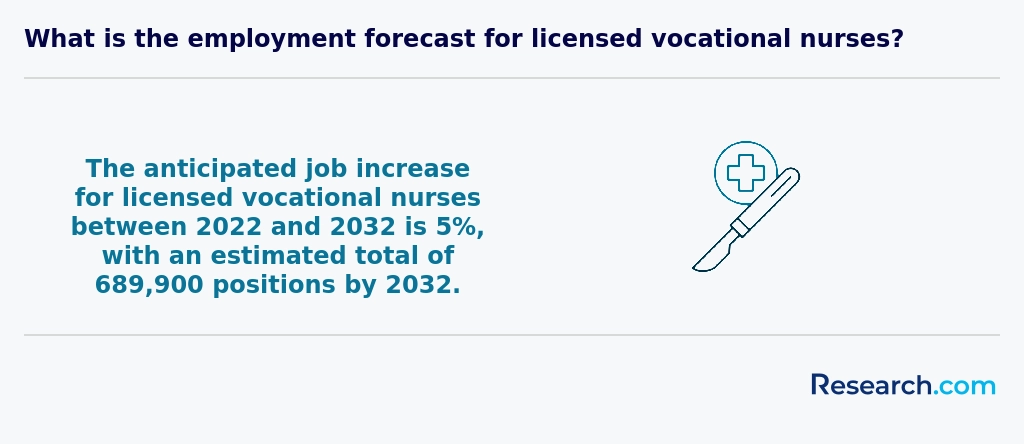
One of the most critical indicators of a nursing program’s quality is its NCLEX-RN pass rate and graduate employment outcomes. In Villanova, PA, top institutions demonstrate strong licensure success: Villanova University posts a 95% first-time pass rate, Eastern University achieves 92%, and Cabrini University maintains 90%. These figures exceed the national average of 87%, underscoring the rigorous preparation students receive. High pass rates reflect robust curriculum design, effective faculty mentorship, and ample clinical practice-elements also emphasized in our ranking methodology. Programs with strong NCLEX outcomes often partner with leading hospitals and simulation centers, ensuring students graduate with confidence and competence. Graduate employment rates further validate program excellence. Within six months of graduation, over 93% of Villanova alumni secure full‐time nursing positions, frequently in high-demand specialties like ICU and pediatrics. For students seeking flexible pathways, exploring options such as a distance accelerated bsn can offer comparable NCLEX success through online theory and local clinical placements. By considering both licensure pass rates and post-graduation job placement, prospective students can make data-driven decisions when selecting the best nursing degree program in Villanova, PA.
If you're pursuing a nursing degree in Villanova, understanding your financial aid options can transform a daunting tuition bill into an achievable goal. Many nursing students at Villanova University, a top choice in the area, start by completing the FAFSA to unlock federal aid like Pell Grants, which provide up to $7,395 without needing repayment. This foundation often inspires confidence and relief among students managing expenses.
Beyond federal aid, Pennsylvania residents benefit from state grants through PHEAA - think of the Pennsylvania State Grant as a vital lifeline that helped numerous graduates lessen their financial stress. Institutional scholarships at Villanova also reward dedication and leadership, and some nursing graduates recall how these awards propelled their studies forward.
Work-study opportunities are more than just paychecks; many find that working in Villanova's healthcare settings enriches their clinical experience and builds professional networks. Veterans pursuing a nursing education can also access GI Bill® benefits, turning service into scholarship support that eases tuition costs and daily expenses.
Nursing programs in Villanova, PA, distinguish themselves not only by curriculum but also by measurable outcomes such as NCLEX first-time pass rates, job placement, and student satisfaction. Prospective students often cite these metrics as critical decision factors when comparing schools. • NCLEX First-Time Pass Rates: Villanova University reports a 95% first-time NCLEX-RN pass rate, while Eastern University and Cabrini University average 92% and 90%, respectively. These rates exceed the national average of 88%, reflecting rigorous preparation and comprehensive review courses integrated into each program. • Job Placement and Career Success: On average, 96% of graduates secure nursing positions within six months of graduation. Top employers include local hospitals like Main Line Health and Bryn Mawr Rehab, indicating strong ties between academic programs and healthcare facilities. Alumni surveys reveal that 89% of graduates rate their program’s clinical placements as “excellent” in fostering confidence and competence. • Student-to-Faculty Ratio and Clinical Hours: Programs maintain a supportive learning environment, with student-to-faculty ratios ranging from 8:1 to 12:1 in lab settings. Students complete an average of 700 clinical hours across acute care, community health, and specialty rotations, ensuring hands-on experience before entering the workforce. • Advanced Practice and Continuing Education: Graduates interested in advanced roles benefit from clear pathways to MSN and DNP programs. For instance, those drawn to holistic care can explore further credentials and discover how how do you become a holistic nurse practitioner aligns with local MSN offerings. By evaluating these outcomes-NCLEX performance, employment rates, and practical experience-prospective students can make informed choices and confidently embark on a successful nursing career in Villanova, PA.
If you're aiming to enroll in a nursing degree program in Villanova, be ready to build a strong academic foundation. Graduates from Villanova University share that excelling in science courses like biology, chemistry, and anatomy was key to feeling confident during their studies. Schools here expect you to have a high school diploma or GED with solid math skills, ensuring you can handle the clinical challenges ahead.
Many Villanova nursing programs also ask for SAT or ACT scores, reflecting your critical thinking abilities. One graduate recalled how preparing for these tests taught them valuable problem-solving skills that helped immensely in clinical settings.
Beyond academics, practical experience counts. Volunteering in local hospitals or nursing homes not only boosts your application, but also builds empathy and communication skills-qualities that professors at Villanova emphasize as essential for nursing success.
Lastly, expect to complete prerequisite courses like microbiology with good grades before fully joining your nursing program. This preparation sets you up for success and makes the rigorous but rewarding journey feel achievable.
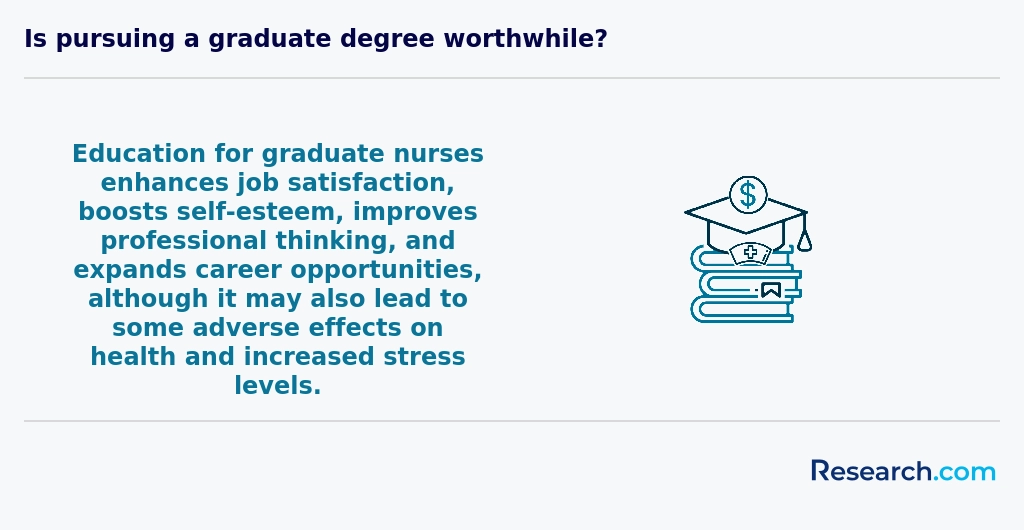
For students seeking to balance affordability with quality education, considering the cost of nursing programs is essential. When exploring options in Villanova, PA, it's crucial to weigh the tuition fees against the potential return on investment, including job prospects and salary expectations. Prospective students can find valuable information on affordable nursing programs by visiting affordable nursing school in pennsylvania, which provides insights into the cost-effectiveness of various nursing degrees. This resource can help students make informed decisions about their educational path, ensuring they choose a program that meets their financial and career goals. By prioritizing affordability without compromising on quality, aspiring nurses can set themselves up for success in this rewarding and in-demand field.
Nursing degree programs in Villanova, such as those at Villanova University, include a strong mix of foundational science courses like human anatomy, physiology, microbiology, and chemistry. Graduates often recall how mastering these basics helped them confidently understand how the body works and how illness affects it, which is crucial for excellent patient care.
Students quickly move into specialized nursing courses that prepare them for real-world challenges. Many find courses in pathophysiology and pharmacology especially eye-opening, offering insights into disease mechanisms and medication effects. Health assessment classes train you to perform thorough evaluations, skills that former students praise for building trust with patients from day one.
Programs also emphasize diverse nursing fields, including adult, pediatric, mental health, and community nursing. Imagine applying your knowledge directly during clinical rotations in local hospitals-graduates frequently reflect on how this hands-on experience shaped their ability to adapt and lead in busy healthcare settings.
Finally, nursing leadership, ethics, and healthcare policy courses empower future nurses to become advocates and decision-makers, ready to thrive in Villanova's vibrant medical community.
Nursing degrees in Villanova typically offer specializations that prepare you for diverse and rewarding career paths. Graduates from popular nursing colleges in Villanova often speak of their experiences in programs focusing on Adult-Gerontology Acute Care Nursing, where they learned to manage complex patient needs in hospital settings. Another highly sought-after path is the Family Nurse Practitioner (FNP) specialization, deeply embedded in Villanova's healthcare environment due to strong regional demand. This specialization equips students to provide comprehensive care across all ages, making their skills invaluable in communities throughout Pennsylvania.
Other vital options include Pediatric Nursing, perfect for those passionate about caring for children and adolescents, and Psychiatric-Mental Health Nursing, which addresses the rising need for mental health professionals. Students in Women's Health Nursing find purpose in supporting reproductive care and prenatal health. If you want firsthand insights into these opportunities, consider checking top nursing colleges in oklahoma city, whose practical, hands-on approach mirrors the commitment Villanova nursing programs share to meet local and national care demands.
Choosing the best nursing degree in Villanova means focusing on programs that combine strong academics with real-world experience. Graduates from well-known colleges in the area often highlight how valuable clinical affiliations with local hospitals and Philadelphia healthcare centers were in building their confidence and skills. When weighing your options, make sure the nursing school offers a Bachelor of Science in Nursing (BSN), as employers increasingly prefer this degree for its comprehensive preparation. Accreditation by recognized bodies like CCNE or ACEN is essential, ensuring your education meets high standards and supports licensure.
Cost plays a big role too. Many students find that exploring affordable nursing schools Villanova has can ease financial pressure while still providing quality training. Scholarships, grants, and federal loans can make a BSN more attainable, and some graduates recommend checking out cost-effective LPN schools in PA as a stepping stone. Look for programs with part-time or evening courses if you're balancing work or family; flexibility is a game changer and helps keep motivation strong throughout the journey.
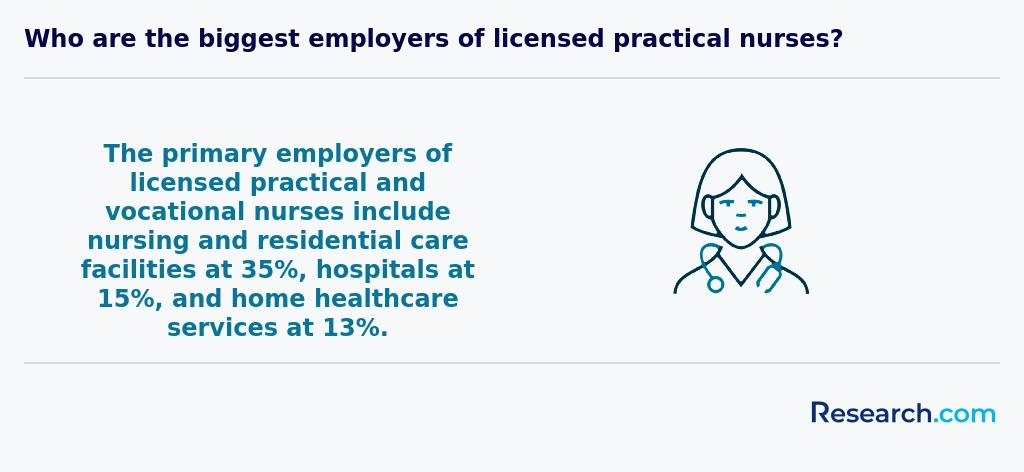
Graduates from nursing programs in Villanova often find themselves stepping confidently into diverse healthcare roles. Many begin as registered nurses in major hospital systems like Main Line Health, gaining hands-on experience in intensive care or emergency departments-roles that challenge and reward them with meaningful patient interactions and competitive salaries. Those seeking nursing career options in Villanova can also explore opportunities in outpatient centers, nursing homes, or home health services, where the focus is on personalized care and chronic disease management, creating fulfilling connections with patients outside hospital walls.
For graduates from Villanova's respected nursing colleges, advancing into specialized roles such as Nurse Practitioner or Clinical Nurse Specialist opens doors to leadership and expert-level practice, often requiring further education. Many of these graduates pursue additional studies, and for those interested in research or teaching, pursuing part-time PhD faculty positions offers the flexibility to balance advanced learning with professional growth. These pathways not only elevate one's career but also deepen impact in healthcare communities.
Nursing degree graduates in Villanova step into a vibrant job market buoyed by strong demand for healthcare professionals. With Villanova's strategic location near Philadelphia, students from popular local colleges often find themselves quickly employed within renowned systems like Penn Medicine or Thomas Jefferson University Hospitals. These graduates frequently share how their clinical rotations exposed them to diverse units, building confidence to handle real-world nursing challenges.
The nursing job opportunities in Villanova benefit from competitive starting salaries-averaging about $70,000 annually-and a growing need for specialized nurses. Many graduates pursue fields such as pediatrics or oncology, where career advancement is both promising and fulfilling. The emphasis on advanced practice registered nurses (APRNs) creates additional paths, especially as primary care shortages grow.
For those concerned about cost versus value, exploring options at an affordable nursing school in pennsylvania can be life-changing. Villanova nursing degree employment outlook is positive, supported by strong clinical partnerships that ease the transition from student to professional nurse, turning dedication and hard work into rewarding careers.
2027 Best Nursing Degree Programs Ranking in Villanova
Investing in your education is a significant decision that can shape your future, and the Research.com team understands the importance of making informed choices. To assist prospective students in Villanova, we have meticulously crafted the "2027 Best Nursing Degree Programs Ranking in Villanova." Our commitment to quality, credibility, and accuracy is reflected in the extensive research and analysis conducted to compile this ranking.
We utilized the following reputable data sources to ensure a comprehensive evaluation of nursing programs:
By exploring this ranking, readers will gain valuable insights into the best nursing degree programs available in Villanova, empowering them to make well-informed decisions about their educational futures. For more details on our methodology, please visit our Research.com methodology page.

Frequently Asked Questions About nursing
Nursing degree students in Villanova can maximize their learning experience by engaging fully with both classroom instruction and clinical practice. Villanova's proximity to several healthcare facilities, including neighboring hospitals and community clinics, offers valuable hands-on training opportunities. According to the Pennsylvania Center for Nursing, clinical experience is crucial to developing practical skills and improving employment outcomes.
Students should also take advantage of simulation labs available in many nursing programs. These labs use advanced technology to mimic real patient scenarios, providing a safe environment to practice critical decision-making.
Participation in study groups and nursing organizations can enhance knowledge through peer support and professional networking. Additionally, staying updated on the latest evidence-based practices is important, which students can achieve by accessing resources such as the National Council of State Boards of Nursing.
The nursing field is evolving rapidly, and several emerging niches are gaining prominence in Villanova and across the US. One key area is geriatric nursing, driven by the growing elderly population needing specialized care. According to the U.S. Census Bureau, Pennsylvania's senior population is expected to increase by 24% by 2030, boosting demand for expertise in elder care.
Another promising niche is telehealth nursing, which has expanded significantly following the COVID-19 pandemic. Nurses skilled in telemedicine support patients remotely, improving access to healthcare in both urban and rural Villanova communities.
Additionally, informatics nursing, combining healthcare with data management and technology, is becoming essential. The Healthcare Information and Management Systems Society reports a steady rise in informatics roles due to increased use of electronic health records in Pennsylvania hospitals.
After completing a nursing degree in Villanova, preparing for the job market involves several key steps. First, graduates must obtain licensure by passing the NCLEX-RN exam, a mandatory certification for registered nurses in Pennsylvania.
Villanova's proximity to Philadelphia offers numerous clinical placement opportunities, which can be turned into job prospects by networking during internships. According to the Pennsylvania Department of Labor, registered nursing jobs in the region are projected to grow by 10% through 2030, indicating strong demand.
Additionally, gaining certifications in specialized fields such as pediatrics or gerontology can improve employability. Joining professional organizations like the Pennsylvania State Nurses Association provides valuable resources and networking events to connect with local employers.
Employers in Villanova prioritize several key skills when hiring nursing degree graduates. According to data from the Pennsylvania Department of Labor, strong clinical competence and proficiency in patient care are essential. Graduates must demonstrate effective communication skills, as nurses frequently collaborate with healthcare teams and interact with patients diverse in age and background.
Critical thinking and problem-solving abilities are also highly valued, enabling nurses to respond swiftly in emergency situations. Familiarity with electronic health records (EHR) systems is increasingly requested due to the growth of digital healthcare in the region. Additionally, cultural sensitivity and emotional resilience play a vital role in successful nursing practice in Villanova's community hospitals and clinics.
Finding nursing internships in Villanova involves exploring opportunities at local hospitals, clinics, and healthcare facilities that partner with nursing programs. Villanova University, a prominent institution in the area, collaborates with institutions like Mercy Fitzgerald Hospital and Main Line Health for clinical placements. These internships provide hands-on experience critical for nursing students. According to the Pennsylvania Department of Education, clinical rotations are a required component of accredited nursing degrees in the state, which increases availability near Villanova.
Students can also use resources like the Villanova University Career Center, which offers internship listings tailored to health majors. Networking through professional nursing associations, such as the Pennsylvania State Nurses Association, improves access to local internships.
A nursing degree in Villanova significantly enhances career mobility and advancement opportunities within the healthcare sector. According to the U.S. Bureau of Labor Statistics, registered nurses with higher education credentials tend to have access to a broader range of roles, including specialized nursing, management, and educational positions. In Villanova and the surrounding Pennsylvania region, employers increasingly prefer candidates with at least a Bachelor of Science in Nursing (BSN) due to the emphasis on evidence-based practice and patient-centered care.
Additionally, earning a nursing degree facilitates eligibility for certifications and advanced practice roles, such as nurse practitioner or clinical nurse specialist, which command higher salaries. The Pennsylvania Department of Labor reports that nurses with advanced degrees in the state can expect wage growth up to 20% above average registered nurse salaries. This educational investment thus directly correlates to greater job security and career flexibility in Villanova's competitive healthcare market.
Studying for a nursing degree in Villanova offers students a comprehensive education designed to prepare them for interdisciplinary roles in healthcare. Programs typically emphasize collaboration with other health professionals such as physicians, pharmacists, social workers, and therapists. This team-based approach reflects standards in US healthcare, focusing on patient-centered care and communication skills.
Villanova's nursing curricula often include courses in healthcare policy, ethics, and leadership, which build competencies crucial for working in diverse clinical settings. According to the Pennsylvania State Board of Nursing, graduates from the region demonstrate strong readiness for collaborative practice.
Clinical experiences, frequently conducted in nearby hospitals and clinics, enable students to apply theoretical knowledge in real-world settings alongside various specialists.
Choosing between a thesis and a non-thesis nursing degree program in Villanova depends on your career goals and learning preferences. A thesis option usually requires conducting original research and writing a detailed paper, which suits students aiming for advanced clinical roles or academic careers. It typically takes longer and demands strong research skills.
Non-thesis programs focus more on coursework and practical skills, ideal for those who prefer entering the workforce quickly or advancing in clinical practice. According to the National League for Nursing, many nursing employers in the US value hands-on experience, making non-thesis paths attractive.
Local institutions in Villanova, such as Villanova University, offer both tracks with similar core curricula but different final project requirements. Consider your interest in research versus practice to decide which program aligns best with your goals.
Students based in Villanova seeking to study nursing abroad have several pathways within the US higher education system to consider. Many nursing programs in Pennsylvania, including those near Villanova, offer study abroad options or international clinical experiences as part of their curriculum. These programs often partner with universities worldwide, enabling students to gain global nursing perspectives and cultural competencies.
Additionally, students may explore accredited online nursing degrees that include virtual global collaborations, supporting international learning without relocating. According to the American Association of Colleges of Nursing, about 15% of BSN programs nationwide incorporate global health content, which is growing steadily.
While direct full degrees abroad are less common for US students, exchange programs through Villanova University or nearby institutions can facilitate temporary study overseas.
Students pursuing nursing degrees in Villanova often seek part-time jobs that enhance their clinical skills and complement their education. Common opportunities include positions as certified nursing assistants (CNAs) or patient care technicians in nearby hospitals and nursing homes, such as Main Line Health facilities. These roles provide hands-on patient care experience vital for nursing programs.
Additionally, working as medical scribes or pharmacy aides supports knowledge of medical terminology and healthcare procedures. According to the Bureau of Labor Statistics, roles in healthcare support occupations in Pennsylvania are projected to grow 15% through 2030, indicating ample local opportunities.
On-campus health services and community clinics also offer internships and part-time roles tailored for nursing students aiming to expand practical skills while studying.
Villanova offers nursing students a variety of valuable networking opportunities through its proximity to major healthcare institutions and active professional organizations. Students often connect with local hospitals such as Penn Medicine and Main Line Health for clinical placements, which can lead to professional relationships and job prospects. The Villanova University College of Nursing also hosts events where students meet alumni working in diverse nursing fields.
Additionally, nursing students can join the Pennsylvania State Nurses Association (PSNA), which offers regional conferences and workshops in the Philadelphia area. These events promote networking with seasoned nurses and healthcare leaders, enhancing career development. According to the Bureau of Labor Statistics, Pennsylvania ranks among the top states for registered nurse employment, reflecting active local nursing communities.
Alumni networks are valuable resources for nursing degree students in Villanova, offering crucial professional connections. These networks often provide mentoring opportunities with experienced nurses who graduated from local programs. This mentorship can guide students through clinical challenges and career planning.
Statistics from the National Student Nurses' Association highlight that 70% of nursing graduates find initial job placement through alumni referrals. In Villanova, such connections help students access internships and employment at nearby hospitals and healthcare facilities, strengthening local workforce integration.
Additionally, alumni often share continuing education resources and invite current students to professional events. This engagement supports skill development aligned with evolving healthcare standards.
Overall, Villanova's nursing alumni networks enhance career prospects by fostering a collaborative, supportive environment.
Customizing a nursing degree program in Villanova allows students to align their education with specific career goals. Many programs offer elective courses and clinical placements tailored to fields like pediatric, geriatric, or critical care nursing. Villanova University's M. Louise Fitzpatrick College of Nursing, for example, provides options to focus on leadership, education, or advanced practice roles.
Students can select specialties through coursework and clinical experiences, enhancing job readiness in desired areas. Additionally, some programs offer flexible formats such as part-time or online classes to accommodate working professionals. According to the Bureau of Labor Statistics, Pennsylvania's demand for registered nurses is expected to grow by 7% through 2031, making targeted skills highly valuable.
Nursing students in Villanova face several common challenges throughout their education. One significant challenge is the demanding coursework combined with clinical practice, which requires strong time management skills. According to the National Council of State Boards of Nursing, the average pass rate on the NCLEX-RN exam for Pennsylvania nursing programs hovers around 85%, indicating the rigorous academic standards students must meet.
Additionally, students often struggle with the financial burden of tuition and related expenses. The Bureau of Labor Statistics reports that clinical placements in Villanova require significant travel time, complicating scheduling and adding stress.
Lastly, the emotional toll of patient care enhances the pressure, calling for strong coping skills and support systems.
With a nursing degree earned in Villanova, graduates can pursue a variety of professional certifications that enhance career opportunities. The most common certification is the Registered Nurse (RN) license, which requires passing the NCLEX-RN exam administered by the Pennsylvania State Board of Nursing. After obtaining RN licensure, nurses can specialize further.
Popular certifications include the Certified Nurse Practitioner (CNP), Certified Clinical Nurse Specialist (CNS), and Certified Nurse Midwife (CNM). Many nurses also pursue certifications in areas like geriatrics, pediatrics, or critical care through organizations such as the American Nurses Credentialing Center.
Villanova is close to several healthcare systems offering clinical experience needed for advanced certifications. According to the Pennsylvania Department of Education, certified nurses in specialized fields can expect higher salaries and greater job stability in the region.
Writing a winning application for a nursing program in Villanova requires careful preparation and attention to detail. Start by ensuring your academic records meet the program's competitive GPA standards, typically around 3.0 or higher for nursing applicants. Highlight relevant experience, such as volunteering or working in healthcare settings, to demonstrate your commitment and hands-on knowledge.
Strong letters of recommendation from educators or healthcare professionals can significantly strengthen your application. Additionally, craft a clear and focused personal statement emphasizing your passion for nursing and how you align with Villanova's program values. According to the Pennsylvania State Board of Nursing, clinical experience and academic preparedness are essential for acceptance.
Lastly, meet all application deadlines and prepare for any required standardized tests, such as the TEAS exam, which many nursing schools in the region use to assess readiness.
The nursing profession is increasingly viewed as a vital part of healthcare systems worldwide, including in the United States. For students in Villanova, understanding the global context of nursing enriches the value of their education. According to the World Health Organization, the global nursing workforce is projected to grow by 9% through 2030, reflecting rising demand everywhere.
In the US, including Pennsylvania, the demand for registered nurses is expected to grow by 6% between 2021 and 2031, according to the Bureau of Labor Statistics. Villanova's proximity to major healthcare providers enhances clinical training opportunities aligned with these trends.
Globally, nurses are recognized not only as caregivers but also as key players in health promotion and policy. This reflects in US nursing programs which emphasize leadership and community health, preparing graduates for diverse international challenges.
Gaining practical experience is essential for nursing students in Villanova. Many nursing programs in the area incorporate clinical rotations as a mandatory part of the curriculum, allowing students to work directly with patients under supervision. These rotations typically occur in nearby hospitals, clinics, and long-term care facilities, giving exposure to real-world healthcare environments.
Students can also seek internships or volunteer opportunities at local medical centers such as Bryn Mawr Hospital or Paoli Hospital. According to the Pennsylvania State Board of Nursing, completing these hands-on experiences helps students meet licensure requirements and develop critical skills.
Additionally, some Villanova nursing programs partner with community health organizations, offering students chances to engage in public health initiatives and patient education outside traditional clinical settings.
Choosing the right concentration within a nursing degree program in Villanova depends on your career goals and interests. Popular nursing specializations include pediatric, geriatric, psychiatric, and acute care nursing. Each concentration offers specific skills and prepares you for different health care environments.
Consider local healthcare needs: Villanova and surrounding Pennsylvania have an aging population, increasing demand for geriatric nurses, according to the Pennsylvania Department of Health. Research programs that offer strong clinical placements and partnerships with local hospitals and clinics.
Also evaluate available certifications and licensure pathways tied to each concentration, as these affect your eligibility for advanced roles. Talking to current students and faculty can provide valuable insights.
- 2027 Best Nursing Degree Programs Ranking in Baltimore
- 2027 Best Nursing Degree Programs Ranking in New York
- 2027 Best Nursing Degree Programs Ranking in Brooklyn
- 2027 Best Nursing Degree Programs Ranking in Bronx
- 2027 Best Nursing Degree Programs Ranking in Washington
- 2027 Best Nursing Degree Programs Ranking in Harrisonburg
- 2027 Best Nursing Degree Programs Ranking in Virginia Beach
- 2027 Best Nursing Degree Programs Ranking in Rochester
- 2027 Best Nursing Degree Programs Ranking in Pittsburgh
- 2027 Best Nursing Degree Programs Ranking in Lynchburg
See What Experts Have To Say About Studying Nursing
Read our interview with Nursing experts


- Top Skills Employers Want in Practical Nursing Graduates https://vervecollege.edu/what-employers-look-for-in-practical-nursing-graduates/
- NURSING EDUCATION http://www.villanova.edu/university/nursing/academic-programs/graduate/degree-cert/nurse-education.html
- Pros And Cons Of Online Nursing In 2025 | Davis & Elkins https://www.dewv.edu/the-pros-and-cons-of-online-nusing-in-2025-is-it-right-for-you/
- Study Nursing Abroad | Boomerang International Educational Services https://boomerangedu.com/study-nursing-abroad/
- Nursing - WSEI University https://www.wsei.pl/en/admission/bachelors-degree/nursing-bachelor-degree/
- Getting RN Experience After Graduation | All Nursing Schools https://www.allnursingschools.com/articles/getting-rn-experience/
- How to Choose a Nursing Program: A Comprehensive Guide - Madonna ABSN https://absn.madonna.edu/blog/how-to-choose-a-nursing-program/
- Know more about thesis vs non- thesis: what is the difference? https://studyfans.com/en/blogs/816
- Nursing Internship and Externship Programs https://jobs.mayoclinic.org/nursinginternexternprograms
- How Do Nurses Prepare to Work in a Multidisciplinary Team? | NursingEducation https://nursingeducation.org/insights/multidisciplinary-team/


