2027 Most Affordable Nursing Degree Programs Ranking in Durham

Co-Founder and Chief Data Scientist
Are you exploring nursing degree options in Durham and want to make the best decision for your future? This article introduces the 2027 Most Affordable Nursing Degree Programs Ranking in Durham, carefully developed by the Research.com team of data scientists.
By reviewing this ranking, you'll discover nursing programs that offer great value without compromising quality. Whether you're starting your nursing journey or seeking a cost-effective pathway, this guide helps you find programs worth considering.
Getting a nursing degree opens doors to a rewarding career that truly makes a difference in people's lives.
Key benefits of getting nursing degree in Durham
- Nursing degree graduates in Durham can expect competitive salaries, with Registered Nurses and Public Health Nurses earning around $94,480 annually, while Operating Room Nurses can earn up to $128,490 per year.
- Graduates from Durham colleges often explore diverse career paths, such as Clinical Nurse Educators, Emergency Room Nurses, or Public Health Nurses, offering rewarding and varied opportunities.
- Obtaining a nursing degree online in Durham provides flexibility and convenience, allowing students to balance studies with work or family, making the path to a nursing career more accessible and manageable.
- 2027 Most Affordable Nursing Degree Programs Ranking in Durham
- What can I expect from nursing degree in Durham?
- Where can I work with nursing degree in Durham?
What can I expect from nursing degree in Durham?
The average cost of a nursing degree in Durham varies significantly depending on the program and institution. Graduates from ADN programs at local community colleges like Durham Technical Community College often share that their two-year education typically costs between $5,000 and $15,000. This more affordable option allows students to enter the nursing field without incurring extensive debt, which many find relieving and motivating as they start their careers.
On the other hand, pursuing a BSN at universities such as Duke University carries a much higher price tag. Graduates from these programs often note the investment is substantial but feel the advanced facilities, access to renowned faculty, and rich clinical experiences justify the expense. Students describe the cost as challenging but rewarding, especially given Duke's national ranking and research opportunities.
Financial aid, scholarships, and flexible RN-to-BSN pathways help balance costs, but prospective students should carefully weigh their personal circumstances and career goals when considering these options in Durham's unique healthcare environment.
Where can I work with nursing degree in Durham?
Graduates with a nursing degree from universities like Duke often find themselves employed at major healthcare centers like Duke University Hospital or the Durham VA Medical Center, where the demand for registered nurses remains strong. These settings provide rigorous clinical experiences that many students describe as both challenging and deeply rewarding, helping to build confidence in real-world patient care.
Other graduates have reported success working in outpatient clinics, long-term care, and community health organizations throughout Durham's diverse healthcare landscape. For example, nursing students training at local colleges appreciate the hands-on opportunities in public health departments, reflecting the city's growing population and focus on home health services.
Specialized fields also attract many nursing graduates. Some choose pediatric nursing roles at places like Duke Children's Hospital, while others find fulfilling careers in psychiatric care or rehabilitation centers. Advanced degree holders often take on nurse practitioner positions, collaborating closely with physicians in both primary care and specialty clinics, sometimes extending their reach into the broader Research Triangle.
Graduates from nursing programs in Durham, such as those at Duke University or Durham Technical Community College, often discover promising salary prospects soon after entering the workforce. Registered Nurses in Durham report a mean annual wage of approximately $94,480, reflecting data consistent across various nursing roles including Clinical Nurse Educators and Public Health Nurses. This figure highlights competitive compensation tied closely to the local healthcare landscape.
For those seeking specialized roles, Operating Room Nurses in Durham enjoy higher earnings, with a mean annual wage around $128,490. Graduates pursuing these paths benefit not only from tuition invested but also from opportunities in hospitals like Duke University Hospital, known for offering salaries above regional averages.
Many graduates recount a mix of excitement and satisfaction when realizing these figures surpass general expectations, especially as they gain experience. However, it's important to recognize that factors like employer, specific certifications, and additional education influence earnings, shaping diverse career outcomes in nursing across Durham.
- Tuition for nursing programs in Durham ranges from $8,000 to $15,000 per year at public universities, while private schools may charge over $20,000 annually.
- Nursing employment in Durham is expected to grow by about 15% over the next decade, reflecting strong demand in healthcare.
- Entry-level registered nurses in Durham typically earn between $60,000 and $70,000 annually, with experienced nurses earning up to $95,000.
- Advanced practice registered nurses (APRNs) often make more than $100,000 per year depending on their role and employer.
- Nursing students must complete clinical hours arranged with local healthcare facilities to gain practical experience.
- After graduation, candidates must pass the NCLEX-RN exam to become registered nurses in North Carolina.
Completing a nursing degree in Durham varies mainly depending on the program you choose and your personal circumstances. Many students at Durham Technical Community College find that an Associate Degree in Nursing (ADN) takes about two years, blending hands-on clinical practice with classroom learning. Graduates often share a sense of accomplishment and excitement when they first take the NCLEX-RN exam, eager to begin their careers swiftly.
On the other hand, those attending universities such as North Carolina Central University experience a four-year Bachelor of Science in Nursing (BSN) program. This path, while longer, often feels rewarding as students engage deeply with leadership skills and research, increasing their confidence in delivering quality patient care.
Some graduates pursuing accelerated BSN tracks report intense but fulfilling 12 to 18-month programs, especially if they already hold an ADN or another degree. The fast pace can be challenging but also energizing, as students see themselves quickly advancing toward higher qualifications in Durham's growing healthcare community.
When selecting a nursing program in Durham, NC, it is essential to consider several key factors that can impact your educational experience and future career prospects. One crucial aspect to look into is the affordability of the program, as it can significantly affect your financial burden after graduation. For instance, finding the cheapest nursing school in north carolina can be a strategic move, allowing you to invest in your education without accumulating excessive debt. Additionally, accreditation, curriculum, clinical training, and support services are vital components to evaluate, ensuring that the program aligns with your academic and professional goals. By carefully assessing these factors, you can make an informed decision that sets you on the path to a successful and fulfilling nursing career.
Online and on-campus nursing degrees in Durham offer distinctly different experiences shaped by how students engage with their education. Graduates from Durham-based universities often recall that on-campus programs, such as those at Duke University or Durham Technical Community College, provide invaluable hands-on opportunities. These include clinical rotations within Durham's healthcare facilities and simulation labs that build confidence in patient care, fulfilling the North Carolina Board of Nursing's strict clinical hour requirements.
Conversely, online nursing students appreciate the flexibility, especially those balancing work or family life. A typical scenario involves completing coursework at home while coordinating clinical practice locally, which requires more independent planning. This flexibility can reduce stress and commuting, fostering a positive learning atmosphere, but may also demand strong self-discipline.
Cost considerations differ as well. On-campus students often face higher tuition and living expenses, while online students might save on housing but encounter additional technology fees or travel for clinical placements. Both formats require accredited programs to ensure nursing licensure eligibility, which graduates emphasize as critical for launching their careers confidently.
One of the most critical indicators of a nursing program’s quality is its NCLEX-RN pass rate. In Durham, NC, top institutions consistently outperform national averages, demonstrating the effectiveness of their curricula and clinical training. For example, Duke University reports a first-time NCLEX-RN pass rate of 95%, while North Carolina Central University maintains an impressive 92% rate. Durham Technical Community College also shines, with an 88% first-time pass rate-well above the national average of 81%. High pass rates not only reflect rigorous academic preparation but also ensure graduates meet licensure requirements promptly, reducing delays in entering the workforce. Prospective students should review each program’s historical pass data, as consistency over multiple years indicates sustained excellence in teaching and student support. Additionally, graduates seeking advanced practice roles may explore pathways through best rated nurse practitioner programs in texas to build on their licensure success and broaden career prospects. Prioritizing programs with strong NCLEX performance can significantly increase confidence, employability, and long-term career satisfaction in the nursing profession.
The average cost of obtaining a nursing degree in Durham varies widely depending on whether you attend a public or private institution, and if you qualify for in-state tuition. Median total costs indicate that students often spend around $32,448 on their nursing education, but this number can shift significantly. For instance, in-state students enrolling in public universities typically pay less overall-an important consideration when researching affordable nursing programs tuition Durham offers. Graduates from local public colleges often recall the balance between quality education and manageable expenses as a key factor in their positive experience.
By contrast, nursing students attending private institutions in Durham face substantially higher tuition fees, which can escalate total costs to well over $68,000. Many students at these universities express initial concern over the financial burden but also highlight the value of smaller class sizes, renowned faculty, and extensive clinical resources. Such benefits often guide students' decisions despite the steeper price.
It's also crucial to factor in additional expenses beyond tuition, including textbooks, uniforms, clinical placement fees, and licensing exam costs. These can add several thousand dollars to the total, influencing the overall affordability of a degree. Students are encouraged to explore financial aid options thoroughly, as scholarships and grants can greatly reduce the net price.
For those intent on finding the cheapest nursing school in north carolina, starting with local public universities in Durham might be the most cost-effective pathway, while keeping in mind the broad range of nursing degree costs in Durham.

One of the most critical indicators of a nursing program’s quality in Durham, NC, is the NCLEX-RN first-time pass rate. High pass rates demonstrate rigorous curricula, experienced faculty mentorship, and comprehensive exam support. Recent data show:
- Duke University School of Nursing: 95% first-time NCLEX-RN pass rate (2023)
- North Carolina Central University: 92% first-time pass rate
- Durham Technical Community College: 89% first-time pass rate To bolster these outcomes, programs offer structured review sessions, simulation lab practice, and access to proprietary question banks. Students often praise mock exam workshops led by seasoned instructors, which use real-world scenarios to build critical thinking under time pressure. Additionally, many schools integrate study groups and one-on-one tutoring to address individual learning needs. For licensed nurses aiming to advance their credentials and benefit from targeted exam review, exploring easy rn to bsn programs provides flexible online coursework, specialized NCLEX prep modules, and accelerated pathways to a Bachelor of Science in Nursing. By leveraging these resources, aspiring nurses can maximize their chances of passing the NCLEX-RN on the first attempt and launching a successful career.
Many nursing students in Durham benefit from a combination of federal, state, and local financial aid, which can be a vital lifeline given the $30,000 to $45,000 cost range of nursing programs at institutions like Durham Technical Community College and Duke University. Federal aid through FAFSA opens doors to Pell Grants-offering up to $7,395 annually without repayment-and subsidized loans. Graduates often recall how relying on Pell Grants made balancing work and study feasible without overwhelming debt.
Beyond federal help, scholarships from organizations such as the Durham County Medical Society provide targeted support. Students frequently mention how these awards eased tuition stress, allowing more focus on clinical experiences rather than finances.
State grants, including the Community College Grant, also play a significant role for those attending public colleges in Durham, often covering up to $2,500 per year. Some nursing graduates have noted the invaluable support from nursing-specific state scholarships, especially when committing to local healthcare jobs afterward.
Loan forgiveness through the Public Service Loan Forgiveness program can transform the financial outlook for those working in nonprofit or government healthcare, making nursing in Durham more accessible. Additionally, employer tuition reimbursement from local hospitals offers a practical path for those already in healthcare roles to advance without incurring excessive debt.
Balancing tuition with living expenses is crucial. Implement these approaches to cut costs and graduate with less debt:
- Apply for federal aid (Pell Grants, Stafford Loans) and state scholarships like North Carolina’s Need-Based Scholarship
- Seek institutional awards from Durham Tech Foundation or Duke School of Nursing for tuition credits
- Work part-time as a certified nursing assistant (CNA) to gain experience and qualify for employer tuition assistance
- Opt for hybrid or online modules to save on commuting and housing expenses
- Use open educational resources and rent textbooks to reduce material costs
To explore affordable programs outside North Carolina, check out best nursing colleges in texas
Enrolling in a nursing degree program in Durham typically requires meeting several clear academic and practical prerequisites, though these can vary between institutions such as Durham Technical Community College and universities offering BSN programs. Graduates often recall needing a solid foundation in sciences like biology and chemistry, which many programs expect applicants to have completed in high school. This preparation helps ease the transition into rigorous nursing coursework.
Standardized tests are generally required for BSN applicants, with some ADN programs relying more on placement or entrance exams to assess readiness. For example, students report that these tests, while challenging, provided valuable feedback on their strengths and areas for improvement.
Hands-on experience, such as volunteering at local clinics or hospitals in Durham, is frequently recommended, if not required. This exposure not only confirms a genuine interest in nursing but also builds confidence before clinical rotations begin.
Health prerequisites like up-to-date immunizations and CPR certification are standard, reflecting a shared commitment to safety. These steps, though sometimes viewed as hurdles, are often appreciated by students as essential to protecting themselves and their future patients during training.
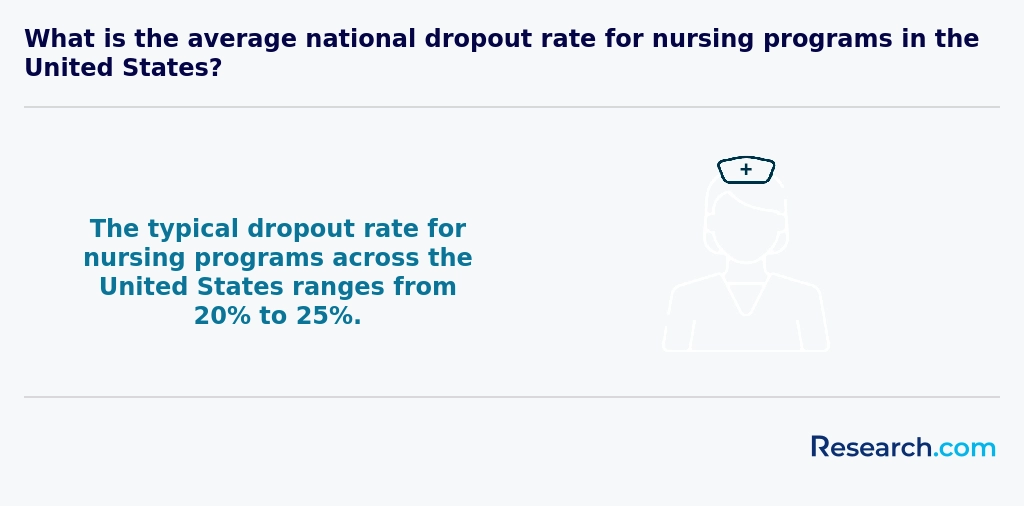
Investing in a nursing degree in Durham, NC, involves weighing tuition costs against potential earnings to determine true value. On average, BSN graduates in Durham incur $30,000–$80,000 in student loan debt, depending on public or private institution choice. With a median RN salary of $89,010 and accelerated ADN pathways offering lower tuition, many students recoup their investment within three to five years post-graduation. Factors such as program length, clinical placement quality, and specialization track (e.g., CRNA vs. LPN) directly influence the break-even timeline. When comparing accelerated BSN programs (12–18 months) versus traditional four-year tracks, you can expect a faster return on investment by entering the workforce sooner. For instance, an accelerated ABSN student paying $9,000 per credit in tuition may offset costs in under two years when securing a role as an RN with an average starting salary near $65,000. Conversely, BSN students investing in advanced practice tracks will see higher long-term returns, with nurse practitioners earning over $110,000 annually. It’s also vital to consider online versus on-campus formats: online cohorts often charge lower per-credit rates and lower living expenses, reducing total debt burden. For comparative insights on affordability beyond Durham, explore our Most Affordable Online Nursing Degree Programs Ranking in North Dakota, which highlights cost-effective online pathways that mirror Durham’s commitment to accessible nursing education. Ultimately, assessing ROI requires evaluating both tangible returns-salary, benefits, career advancement-and intangible benefits such as mentorship, networking, and clinical reputation. Prospective students should calculate projected debt service ratios, compare them against local salary benchmarks, and factor in financial aid opportunities to ensure a sustainable investment in their nursing careers.
Nursing degree programs in Durham, such as those offered at Duke University and nearby institutions, typically include a diverse range of courses designed to build strong foundational knowledge and practical skills. Students often highlight how core subjects like Anatomy and Physiology and Pharmacology enable them to confidently understand the human body and medication management, crucial for effective patient care in busy hospital settings.
Many graduates recall challenging but rewarding experiences in Medical-Surgical Nursing and Pediatric Nursing, where classroom theory meets real-life scenarios, such as managing post-operative care or supporting children with chronic illnesses. These courses often emphasize critical thinking and compassion, traits highly valued in Durham's healthcare community.
Courses like Community and Public Health Nursing allow students to see beyond individual patients, focusing on health promotion at the population level-an aspect particularly relevant in Durham due to its diverse demographics. Meanwhile, Mental Health Nursing prepares students for the complexities of psychological care, an area growing in importance nationwide.
Graduates frequently mention that courses in Leadership and Management provide confidence for future administrative roles, blending clinical practice with organizational skills. These curricula reflect Durham's unique healthcare landscape, balancing rigorous academics with hands-on experiences that truly engage students.
Nursing degree specializations in Durham offer a variety of focused paths reflecting current healthcare priorities and local community needs. Graduates from well-known Durham colleges often highlight programs like Registered Nurse (RN) to Bachelor of Science in Nursing (BSN), which cover essential areas such as critical care and community health. Others pursue Family Nurse Practitioner (FNP) tracks that prepare them to address primary care across all ages, a route noted for its rewarding patient relationships and broader autonomy in clinical settings.
Durham nursing program specialization options also include psychiatric-mental health nursing, responding to increased mental health awareness. Graduates frequently express fulfillment from supporting patients with complex emotional needs, while those in geriatric nursing appreciate engaging deeply with the aging population's unique challenges. Pediatric nursing offers another meaningful focus, emphasizing family-centered care for children, which many find both demanding and heartening.
Students in Durham benefit from strong connections to local hospitals, enriching their training with real-world experience. For those considering advanced certification, exploring the best rated nurse practitioner programs in texas can provide useful comparisons and insights into specialized nursing education.
Choosing the best nursing degree in Durham requires balancing multiple factors, including program accreditation, clinical experience opportunities, and cost. Graduates from Durham-area schools often emphasize how access to hands-on training at facilities like Duke University Hospital enriched their education and prepared them confidently for the nursing field. While some prefer the comprehensive Bachelor of Science in Nursing for its broader skills and leadership focus, others find the Associate Degree in Nursing suits their timelines and goals better.
Considering affordable nursing degree programs in Durham is crucial; many local institutions offer tuition near the state average of $9,500 and provide targeted scholarships. Students report feeling supported when schools offer academic advising and career services tailored for nursing.
The choice between full-time, part-time, or accelerated pathways depends heavily on personal circumstances. Prospective students exploring options might find it helpful to review recent NCLEX pass rates and program flexibility. For those interested in convenience and progression, there are easy rn to bsn programs that fit diverse schedules.

Graduates with a nursing degree in Durham have multiple career options reflecting both traditional and emerging healthcare needs. Many start as Registered Nurses (RNs) in settings like Duke University Hospital, where hands-on experience with diverse patient populations is invaluable. Some nursing degree holders choose quicker routes into the field as Licensed Practical Nurses (LPNs), gaining immediate workplace skills and comfort before considering further education. These paths highlight the accessibility of nursing careers locally.
Beyond bedside roles, nursing career opportunities in Durham include advanced practice roles such as nurse practitioners or clinical nurse specialists, which require additional certification but offer greater autonomy and impact, especially in underserved nearby communities. Others gravitate toward public health nursing or case management, where nurses coordinate care across broader populations. Graduates from Durham colleges often speak positively about the practical and emotional rewards of these roles, emphasizing community connection and leadership growth.
Some find their interest in healthcare administration or clinical research nutured through Durham's strong academic institutions and proximity to research hubs. Costs are a critical factor for many students; public institutions here offer affordable tuition compared with national averages, as highlighted in rankings like Most Affordable Online Nursing Degree Programs Ranking in North Dakota. This affordability can open doors to fulfilling nursing degree job prospects without overwhelming debt, enhancing long-term career satisfaction.
The nursing job opportunities in Durham remain robust due to the presence of major healthcare systems like Duke University Health System, which consistently hire nursing graduates. Many students from local schools in Durham express optimism about entering the workforce given the region's steady demand for qualified nurses. Graduates often find roles in hospitals, outpatient clinics, and veterans' facilities, gaining valuable experience across diverse care environments. However, it is important to note that many employers now prefer candidates with a Bachelor of Science in Nursing degree, reflecting the city's competitive employment outlook.
While salaries in Durham are attractive compared to state averages, some graduates emphasize the importance of specialization or advanced certification to maximize earning potential. Nursing students also consider the cost of their education carefully; public nursing programs typically charge between $7,000 and $10,000 annually in tuition. In this context, pursuing a fast track bachelor's degree online can be appealing for those eager to enter the workforce sooner and benefit from the region's growth in healthcare jobs.
The Durham nursing degree employment outlook is further influenced by the aging local population and expanding outpatient care facilities, creating varied job settings for new nurses. Students from area colleges frequently share that early clinical placements in community health centers help build confidence and improve their readiness, enhancing job market competitiveness.
2027 Most Affordable Nursing Degree Programs Ranking in Durham
Investing in your education is a significant decision that can shape your future, and the Research.com team understands the importance of making informed choices. To assist prospective students in Durham, we have meticulously crafted the "2027 Most Affordable Nursing Degree Programs Ranking in Durham." Our commitment to quality, credibility, and accuracy is reflected in the extensive research and analysis conducted to compile this ranking.
We utilized the following reputable data sources to ensure a comprehensive evaluation of nursing programs:
By exploring this ranking, readers will gain valuable insights into the most affordable nursing degree programs in Durham, empowering them to make informed decisions about their educational investments. For more details on our methodology, please visit our Research.com methodology page.


# 5 position
Watts College of Nursing
Bachelor of Science in Nursing
Frequently Asked Questions About nursing
Students pursuing nursing degrees in Durham can maximize their learning by actively engaging in clinical experiences offered through local healthcare facilities such as Duke University Hospital. These practical opportunities allow students to apply classroom theories to real-world patient care under professional supervision. According to the North Carolina Board of Nursing, Durham ranks among the top areas for nursing clinical training due to its diverse patient population.
Participating in study groups and utilizing campus resources, including simulation labs, also enhances skills and knowledge retention. Students should seek out internships and volunteer roles to build professional networks and improve job prospects post-graduation. Keeping current with NCLEX-RN pass rates, which in Durham-area schools often exceed the national average of 87%, further guides focused study efforts.
The nursing field in Durham, like much of the US, is expanding into several emerging niches that reflect changes in healthcare needs. One growing area is gerontological nursing, driven by the aging population in North Carolina, where residents aged 65 and older are expected to grow by 25% by 2030, according to the NC Department of Health and Human Services.
Another important niche is informatics nursing, which combines healthcare and information technology. This specialty focuses on improving patient care through data management and electronic health records, vital in Durham's increasing adoption of healthcare technology.
Additionally, nurse practitioners specializing in mental health are in high demand, addressing behavioral health shortages in the region. The US Bureau of Labor Statistics highlights that advanced practice nurses are among the fastest-growing professions nationwide, reflecting similar trends in Durham.
After completing a nursing degree in Durham, preparation for the job market involves several key steps. First, graduates must pass the NCLEX-RN exam to obtain licensure required to practice as a registered nurse (RN) in North Carolina. According to the North Carolina Board of Nursing, the state's NCLEX pass rate exceeded 90% in recent years, reflecting strong graduate readiness.
Networking is also critical; Durham hosts healthcare facilities like Duke University Hospital and Durham VA Medical Center, offering valuable clinical experience and employment connections. Joining professional associations, such as the North Carolina Nurses Association, can provide mentorship and job listings.
Finally, enhancing skills through certifications in specialty areas or advanced training can improve employability in competitive settings.
Employers in Durham highly value nursing graduates who demonstrate strong clinical skills combined with effective communication. According to the North Carolina Board of Nursing, proficiency in patient care, medication administration, and critical thinking are essential for new nurses entering the workforce. Employers also prioritize adaptability and teamwork, as nurses often work in dynamic healthcare settings.
Durham's healthcare market, influenced by major institutions like Duke University Hospital, seeks nurses skilled in electronic health records (EHR) systems. Familiarity with EHR contributes to improved patient safety and workflow efficiency. Furthermore, cultural competence is increasingly important, reflecting Durham's diverse population.
Data from the U.S. Bureau of Labor Statistics indicates that interpersonal skills and ethical judgment significantly impact job performance and career advancement in nursing roles locally.
Finding nursing internships in Durham involves exploring opportunities at local healthcare facilities such as Duke University Hospital and the Durham VA Medical Center. These institutions often offer clinical internships to nursing students, providing hands-on experience essential for licensure. Additionally, contacting nursing schools in Durham can connect students with established internship programs tied to their curricula. Websites like the North Carolina Board of Nursing and local workforce development boards also list openings and requirements for nursing internships. Networking through campus career services and professional nursing organizations can further increase chances of securing placements in Durham's competitive healthcare market.
A nursing degree significantly enhances career mobility and advancement opportunities for professionals in Durham. According to the North Carolina Board of Nursing, degree holders-especially those with a Bachelor of Science in Nursing (BSN)-are more likely to secure roles in specialized and leadership positions.
Durham's expanding healthcare sector, including prominent institutions like Duke University Hospital, values nurses with formal education for roles beyond bedside care. Nurses with degrees commonly report higher salaries, often 10-20% above those without degrees, and more frequent promotions.
National data from the Bureau of Labor Statistics indicates registered nurses with advanced degrees have better job prospects, which also applies in Durham's competitive market.
Studying for a nursing degree in Durham equips students with essential skills to function effectively in interdisciplinary healthcare teams. Programs emphasize collaboration with professionals in fields like social work, pharmacy, and medicine, ensuring graduates understand diverse roles within patient care.
Durham's nursing curricula often include clinical placements at institutions such as Duke University Hospital, where students experience real-world teamwork. According to the North Carolina Board of Nursing, over 60% of Durham nursing graduates work in settings requiring coordination across multiple disciplines.
Courses cover communication, ethical decision-making, and care coordination, fostering adaptability. This multidisciplinary focus aligns with current healthcare trends, preparing students to improve patient outcomes in complex environments.
Choosing between a thesis and a non-thesis nursing degree program in Durham depends on your career goals and learning preferences. A thesis option requires original research and is ideal if you plan to pursue advanced academic roles or a doctorate. It usually takes longer to complete due to the research and writing involved.
A non-thesis program focuses more on clinical practice and coursework, preparing students for immediate employment in nursing roles. In Durham, many nursing programs follow this model to meet the growing demand for qualified nurses in local hospitals, including Duke University Health System.
According to the latest data from the North Carolina Board of Nursing, Durham's nursing workforce needs practical skills, which non-thesis degrees typically emphasize.
Consider your time availability, career plans, and whether you prefer research or direct patient care when deciding between these two options.
Students based in Durham interested in studying nursing abroad have multiple pathways through U.S.-accredited programs that offer international study components. Many nursing schools in the U.S. provide exchange programs or clinical placements abroad, allowing students to gain global healthcare experience.
For instance, universities often partner with hospitals and institutions in Europe, Asia, and Latin America, offering tailored study abroad semesters. These opportunities enhance cultural competence, a critical skill for nurses. According to the American Association of Colleges of Nursing, approximately 30% of BSN programs include international clinical experiences.
Durham students can also consider online nursing degrees with international fieldwork options, combining flexible learning with global exposure. These programs often meet state licensure requirements while broadening students' perspectives.
Students pursuing nursing degrees in Durham can benefit from several part-time job opportunities that align with their education. Healthcare facilities such as Duke University Hospital and Lincoln Community Health Center often offer positions like certified nursing assistant (CNA) or medical scribe roles. These jobs provide practical patient care experience, essential for nursing students.
Additionally, local clinics and research sites sometimes hire nursing students for clinical support or data collection, offering insight into healthcare operations and research protocols.
According to the North Carolina Department of Labor, healthcare positions in Durham have grown by 5% annually, reflecting strong local demand for nursing-related work. This growth supports ample part-time roles directly relevant to nursing education.
Nursing students in Durham benefit from various networking opportunities that can enhance their educational and professional growth. The city hosts chapters of major nursing organizations such as the Campus Nurses Association and local units of the American Nurses Association, offering access to conferences and workshops. Duke University School of Nursing, one of the top-ranked programs nationally, organizes events connecting students with healthcare leaders and alumni.
Additionally, Durham's strong healthcare sector, including Duke University Health System and large hospitals, regularly provides clinical placements and networking mixers. These connections are vital for securing internships and future employment. According to the North Carolina Board of Nursing, about 60% of nursing students in Durham gain jobs through such networks.
Alumni networks offer significant advantages to nursing degree students in Durham by providing direct access to experienced professionals in the local healthcare community. These networks often organize mentoring programs, which connect current students with graduates working in Durham-area hospitals and clinics. This guidance helps students understand the practical demands of nursing careers.
Research from the University of North Carolina system indicates that students engaged with alumni have a 15% higher job placement rate within six months post-graduation. Alumni events in Durham also facilitate valuable networking opportunities, opening doors to internships and job openings not widely advertised.
Furthermore, alumni can support students through scholarships and career advice tailored to the evolving nursing field in Durham. Their real-world insights complement academic training and ease professional transitions.
Customizing your nursing degree program in Durham to fit your career goals involves selecting programs with flexible curriculums and diverse specialization options. Many local institutions offer tracks such as pediatric, geriatric, or psychiatric nursing, allowing you to focus on areas aligned with your interests. Additionally, some programs provide evening, weekend, or online classes to accommodate working students.
Durham's proximity to major healthcare centers like Duke University Health System offers clinical experiences tailored to various nursing fields. According to the North Carolina Board of Nursing, personalized practicum placements enhance skill development and employability in competitive specialties.
Further customization can come from certificates or elective courses in healthcare management or informatics, helping nurses expand into leadership or technical roles.
Nursing students in Durham often face academic pressure due to rigorous coursework and clinical requirements. Balancing class time with hands-on clinical practice can be demanding, especially as students must master both theoretical knowledge and practical skills. According to the North Carolina Board of Nursing, the pass rate for the NCLEX exam is around 85% statewide, reflecting the high standards nursing students must meet to succeed.
Financial challenges are common as well, with many students managing tuition fees alongside living expenses. Durham's average cost for nursing programs varies significantly, which some students find difficult to budget. Time management and mental health issues are noted concerns, as reported in student surveys from local universities.
With a nursing degree in Durham, graduates can pursue a variety of professional certifications to enhance their careers. Common certifications include the Certified Nurse Assistant (CNA), which is a foundational credential. Many also aim for the Registered Nurse (RN) licensure, required to practice nursing professionally in North Carolina.
Advanced certifications are available for specializations such as Certified Nurse Practitioner (NP) or Clinical Nurse Specialist (CNS), which require additional education and testing. The American Nurses Credentialing Center (ANCC) offers certifications in areas like pediatrics, geriatrics, and critical care, recognized nationwide.
Durham's healthcare facilities often prefer nurses with certification, improving job prospects. According to the North Carolina Board of Nursing, over 75% of nurses in Durham hold at least one specialty certification, reflecting the region's commitment to professional development.
Writing a successful application for a nursing program in Durham requires clear demonstration of your academic readiness and passion for healthcare. Start by maintaining a strong GPA, ideally above 3.0, as nursing programs often use this as a key screening criterion. Make sure to complete prerequisite courses such as biology, anatomy, and chemistry, which are critical for admission.
Admissions committees in Durham look for applicants who provide a compelling personal statement. Highlight your motivation for nursing, relevant experiences like volunteer work or healthcare jobs, and your understanding of local community health challenges. According to Durham Technical Community College, showcasing commitment to local healthcare can strengthen your application.
Additionally, prepare for entrance exams if required, such as the TEAS test. Early preparation and practice tests can improve your scores. Letters of recommendation from healthcare professionals or educators familiar with your skills will add credibility.
The nursing profession is recognized globally for its critical role in healthcare systems. In the United States, including Durham, nursing offers diverse career paths supported by strong education programs and professional standards. According to the U.S. Bureau of Labor Statistics, the demand for registered nurses is expected to grow 6% from 2021 to 2031, reflecting ongoing healthcare needs worldwide.
Internationally, nurses often adapt their skills to different healthcare environments, working in hospitals, community care, or research. Durham's nursing programs emphasize both clinical practice and evidence-based care, preparing graduates for global health challenges.
Additionally, Durham's proximity to research institutions fosters opportunities in nursing research and innovation, aligning local training with international standards noted by the World Health Organization.
Gaining practical experience while studying for a nursing degree in Durham is essential for developing clinical skills and improving job prospects. Many nursing programs in the area incorporate clinical rotations at local hospitals such as Duke University Hospital and Durham VA Medical Center, which provide hands-on patient care experience under professional supervision.
Students often complete several hundred hours of clinical practice, working in diverse settings like medical-surgical units, pediatrics, and community health clinics. Additionally, partnerships with Durham's healthcare facilities offer internships and externships, enhancing real-world exposure.
Participating in simulation labs is another practical component, allowing safe skill development before entering clinical environments.
Choosing the right concentration within a nursing degree program in Durham involves evaluating your career goals and interests. Durham offers diverse nursing specializations such as pediatrics, geriatrics, mental health, and community health, reflecting the needs of its population. According to the North Carolina Board of Nursing, specialties aligned with aging populations and mental health are rapidly growing in demand.
Consider your preferred work environment, whether it's hospitals, clinics, or outpatient care. Research job placement rates and faculty expertise at Durham-area schools. Programs like those at Duke University Health System emphasize clinical experience in specialized fields, which can enhance employment opportunities.
Financial aid availability and program accreditation are also crucial factors. Look for accredited programs that offer hands-on clinical training to ensure licensure readiness and competitive advantage in Durham's healthcare market.
- 2027 Most Affordable Nursing Degree Programs Ranking in Lynchburg
- 2027 Most Affordable Nursing Degree Programs Ranking in Harrisonburg
- 2027 Most Affordable Nursing Degree Programs Ranking in Virginia Beach
- 2027 Most Affordable Nursing Degree Programs Ranking in Washington
- 2027 Most Affordable Nursing Degree Programs Ranking in Baltimore
- 2027 Most Affordable Nursing Degree Programs Ranking in Pittsburgh
- 2027 Most Affordable Nursing Degree Programs Ranking in Macon
- 2027 Most Affordable Nursing Degree Programs Ranking in Atlanta
- 2027 Most Affordable Nursing Degree Programs Ranking in Louisville
- 2027 Most Affordable Nursing Degree Programs Ranking in Cleveland
See What Experts Have To Say About Studying Nursing
Read our interview with Nursing experts


- Getting RN Experience After Graduation | All Nursing Schools https://www.allnursingschools.com/articles/getting-rn-experience/
- From our readers…Strengthening nursing networks https://www.myamericannurse.com/from-our-readersstrengthening-nursing-networks/
- Funding and Financial Support for Nursing Courses | Academy Online Learning https://academyonlinelearning.com/funding-and-financial-support-nursing-courses
- What Nursing Concentration Is Right for Me? | Maryville Nursing https://nursing.maryville.edu/blog/what-nursing-concentration-is-right-for-me
- FINANCIAL INFORMATION | Watts College of Nursing https://wattscollegeofnursing.edu/financial-information/
- Exploring Diverse Nursing Career Horizons - N2S Healthcare Blog https://n2shealthcare.com/blog/exploring-diverse-nursing-career-horizons-n2s-healthcare-blog
- Top Skills Employers Want in Practical Nursing Graduates https://vervecollege.edu/what-employers-look-for-in-practical-nursing-graduates/
- Client Challenge https://www.springerpflege.de/nursing-graduates-perceived-future-career-pathway-and-career-shi/50653658
- Pros And Cons Of Online Nursing In 2025 | Davis & Elkins https://www.dewv.edu/the-pros-and-cons-of-online-nusing-in-2025-is-it-right-for-you/
- Do I Have to Write a Thesis to Complete a Master’s Degree in Nursing? https://www.bestmasterofscienceinnursing.com/faq/write-thesis-complete-masters-degree-nursing/