2027 Most Valuable Nursing Degree Programs Ranking in Baton Rouge

Co-Founder and Chief Data Scientist
Choosing the right nursing degree program in Baton Rouge can shape your future career and personal growth. This article introduces the 2027 Most Valuable Nursing Degree Programs Ranking in Baton Rouge, developed by the Research.com team of data scientists to guide students in making an informed decision.
By exploring this ranking, you'll discover programs that offer high value, strong outcomes, and promising opportunities. Pursuing a nursing degree is a rewarding step toward a meaningful profession, and this article helps you find the best fit for your goals.
Key benefits of getting nursing degree in Baton Rouge
- Salary for nursing degree graduates: Graduates in Baton Rouge can expect competitive salaries, with Registered Nurses earning around $94,480 annually and Operating Room Nurses earning up to $128,490, reflecting rewarding financial opportunities.
- Career paths: A nursing graduate from Louisiana State University in Baton Rouge can explore diverse roles, including Clinical Nurse Educator, Emergency Room Nurse, or Public Health Nurse, offering flexibility and meaningful work in various healthcare settings.
- Online nursing degree benefits: Obtaining a nursing degree online from a Baton Rouge university allows for flexible study schedules and faster completion, enabling students to balance work and family while advancing their career efficiently.
- 2027 Most Valuable Nursing Degree Programs Ranking in Baton Rouge
- What can I expect from nursing degree in Baton Rouge?
- Where can I work with nursing degree in Baton Rouge?
What can I expect from nursing degree in Baton Rouge?
The average cost of pursuing a nursing degree in Baton Rouge typically ranges from affordable to moderately priced, depending on the program and institution. Graduates from well-known local schools often recall navigating tuition fees that balance quality education with financial feasibility, allowing them to focus on hands-on clinical training without overwhelming debt. For instance, students at community colleges offering ADN programs experience lower tuition rates, making it accessible while still providing essential skills.
At universities with BSN programs, costs are somewhat higher but come with expansive resources, advanced labs, and partnerships with hospitals like Our Lady of the Lake Regional Medical Center. Graduates often mention feeling grateful for scholarship opportunities and financial aid that lightened their burden, enabling them to immerse fully in their studies and clinical rotations.
Looking ahead, as healthcare technology becomes increasingly integrated into nursing education, costs might adjust to reflect new equipment and digital learning tools. However, Baton Rouge institutions seem committed to keeping tuition competitive, encouraging more students to pursue nursing careers that are well-supported by the local healthcare industry's robust growth.
Where can I work with nursing degree in Baton Rouge?
Graduates from nursing programs at institutions like Louisiana State University in Baton Rouge often find themselves entering a dynamic healthcare job market. Many begin their careers at well-known medical centers such as Our Lady of the Lake Regional Medical Center, where they work in fast-paced environments like emergency rooms or intensive care units, gaining hands-on experience that builds confidence and expertise. Others take on roles at Baton Rouge General Medical Center, engaging with both inpatient and outpatient care, which broadens their clinical skills and patient interaction.
Some graduates choose to serve the community through home healthcare or rehabilitation facilities, where the growing need for personalized care makes their work deeply rewarding. They often describe the emotional fulfillment of visiting patients' homes and supporting Louisiana's aging population. Public health nursing roles through local health departments also attract those interested in preventive care and education, providing opportunities to impact health outcomes citywide.
Looking ahead, emerging fields like telehealth and specialized nursing-such as neonatal or oncology care-are opening new pathways for Baton Rouge nurses. Graduates pursuing additional certifications are excited by the chance to evolve with these trends, making Baton Rouge a promising place to build a nursing career filled with growth and meaningful connections.
Graduates from nursing programs in Baton Rouge, such as those at LSU Health Sciences Center, often find themselves stepping into roles with promising salaries. Registered Nurses typically earn mean annual wages around $94,480 locally, aligning well with national figures and offering a strong return on their educational investment. Many graduates describe satisfaction in starting their careers with competitive pay after earning their degrees.
For those advancing into specialized careers, opportunities become even more lucrative. Operating Room Nurses in Baton Rouge stand out with mean annual wages close to $128,490, reflecting the advanced skills and high demand in surgical settings. This specialization exemplifies how further certification and experience can elevate earning potential quickly.
Clinical Nurse Educators and Public Health Nurses both earn mean wages around $94,480, demonstrating versatility and stability in the local job market. Many recent graduates from Baton Rouge colleges share that their training enabled them to take on these roles confidently, enjoying both the financial benefits and the fulfillment of impacting patient outcomes and community health.
- Nursing degree costs in Baton Rouge vary by program, with associate degrees ranging from $8,000 to $12,000 and bachelor's degrees costing between $20,000 and $30,000.
- Additional expenses such as books, supplies, and clinical fees can significantly increase the total cost of nursing education.
- Employment growth for registered nurses in Baton Rouge is expected to increase by about 15% over the next decade due to an aging population and higher healthcare demand.
- Starting salaries for newly licensed registered nurses average around $58,000 per year, rising to about $75,000 with five or more years of experience.
- Nursing licensure requires passing the NCLEX-RN exam, and many programs include clinical training within local healthcare facilities.
Completing a nursing degree in Baton Rouge typically depends on the program type and study pace chosen. Graduates from Louisiana State University often share how their full-time Bachelor of Science in Nursing (BSN) program took about four years, blending rigorous clinical hours with classroom learning, creating both challenge and rewarding growth. Community college students pursuing an Associate Degree in Nursing (ADN) usually finish in around two years, appreciating the program's accessibility and quicker route into the workforce.
Meanwhile, many who enter RN-to-BSN bridge programs, a popular option for ADN holders, report finishing within one to two years, with part-time and online courses offering flexibility for those balancing work and family. Aspiring nurse practitioners or educators pursuing Master of Science in Nursing (MSN) or Doctor of Nursing Practice (DNP) degrees typically face a longer commitment-about two to four years-but find the advanced skills and specialization inspiring as they look ahead to impactful careers.
Looking forward, Baton Rouge's nursing programs may increasingly embrace hybrid and accelerated models, appealing to diverse student needs while maintaining quality education and clinical rigor.
Online nursing degrees in Baton Rouge open doors for students balancing jobs or family, offering flexible schedules and self-paced learning through digital platforms. Graduates from online programs often share how this freedom allowed them to study on their own time, making it easier to continue working while earning their degree. For example, students enrolled through Louisiana State University's online nursing courses appreciate being able to watch lectures late at night after daytime commitments.
Conversely, on-campus programs at institutions like Baton Rouge Community College provide an immersive, hands-on environment that many students find inspiring. These graduates often recall the energizing experience of real-time interaction with instructors and classmates, along with access to cutting-edge simulation labs that build confidence before clinical practice.
Both paths require clinical placements, but on-campus students typically benefit from the school's coordination of local healthcare sites, easing the process. Online learners must often take initiative to find approved clinical experiences in Baton Rouge, a challenge that fosters independence but demands strong self-motivation.
The personal connections forged on campus can jump-start careers through face-to-face networking-a resource online students replace with virtual communities and proactive outreach. Future trends may blend these formats, enhancing flexibility without losing the rich support and hands-on opportunities distinctive to Baton Rouge's well-regarded nursing programs.
Accreditation ensures that nursing degree programs in Baton Rouge, LA meet rigorous quality standards and prepare graduates for professional licensure and successful careers. Leading institutions such as Louisiana State University’s School of Nursing hold CCNE accreditation, while Southern University’s program is accredited by ACEN, reflecting their commitment to academic excellence. Baton Rouge Community College and other community colleges maintain approval from the Louisiana State Board of Nursing, ensuring that clinical experiences and curriculum align with state requirements. Program outcomes demonstrate the effectiveness of these accredited programs. For example:
- NCLEX-RN Pass Rates: LSU graduates achieve a 95% first-time pass rate, Southern University reports 89%, and BRCC sees an average of 90%-all well above the national average.
- Job Placement: Within six months of graduation, over 94% of BSN holders from LSU and 92% from Southern University secure nursing positions, underscoring strong industry demand.
- Program Completion: ADN programs at BRCC boast an 88% completion rate, while BSN programs at LSU maintain a 92% completion rate, reflecting robust student support and resources. For those exploring advanced credentials, consider pathways such as an easy direct entry msn program to get into, which can further enhance clinical expertise and leadership opportunities. Continuous accreditation reviews and transparent outcome data give prospective students confidence in their investment and the promise of a rewarding nursing career in Baton Rouge.
The average cost of a nursing degree in Baton Rouge typically centers around $14,116 for in-state students, making it a relatively affordable option compared to national figures. Graduates from popular institutions like Louisiana State University and Baton Rouge Community College often share how the affordability of tuition helped them focus more on mastering clinical skills and less on financial stress. Many students pursuing an Associate Degree in Nursing benefit from lower tuition rates, while Bachelor of Science in Nursing programs generally fall within this median total cost range, balancing quality and expenses effectively. This moderate cost is a key factor for many local students deciding where to enroll for their nursing education.
When considering Baton Rouge nursing degree tuition and fees, it is essential to factor in additional expenses such as lab fees, textbooks, and clinical uniforms, which can influence the overall budget. However, the availability of scholarships and state aid through organizations like the Louisiana Board of Regents alleviates some of these financial burdens, offering hope and encouragement to those aiming to enter nursing without overwhelming debt. Students often describe feeling motivated by this support, fostering a positive educational experience.
Looking ahead, emerging trends in educational funding and possible expansions in financial aid could further reduce the effective average cost of nursing degrees in Baton Rouge. Those researching the most valuable nursing schools in Louisiana might find opportunities to combine affordability with strong program reputations, making Baton Rouge an appealing choice for future nurses.
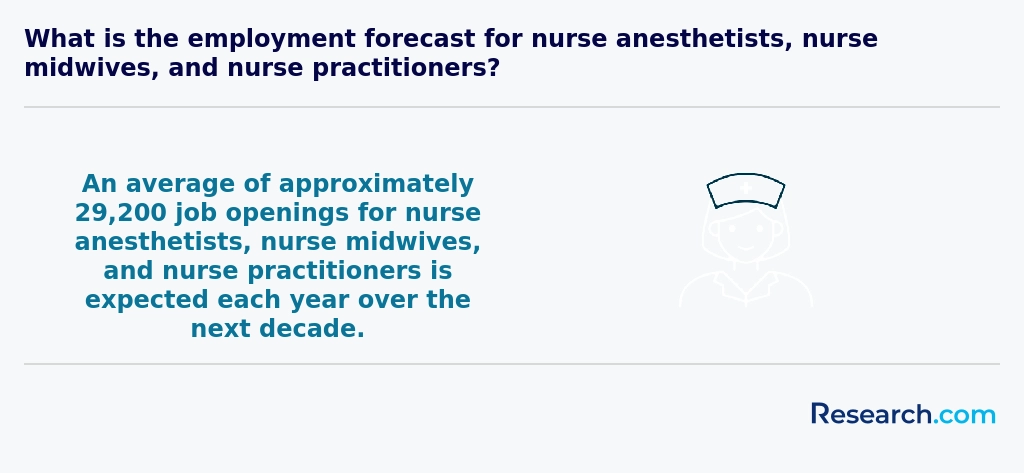
Accredited programs meet rigorous quality standards and ensure eligibility for Louisiana licensure, while NCLEX-RN pass rates reveal curriculum effectiveness and student support.
- Accreditation: Look for CCNE or ACEN approval, required by the Louisiana State Board of Nursing.
- NCLEX-RN pass rates: Baton Rouge programs often range from 88% to 95%, indicating strong graduate outcomes.
- Verification: Confirm each school’s accreditation status and the latest pass rate on its official website.
Aim for programs with pass rates above the state average to boost confidence and licensure readiness; for broader benchmarks, compare with nursing schools in california.
Nursing students in Baton Rouge often find hope in a variety of financial aid options that ease the burden of tuition and living costs. Graduates from well-known institutions like Louisiana State University and Baton Rouge Community College recall relying heavily on Pell Grants, which can provide up to $7,395 per year without repayment. This form of federal aid, combined with Direct Subsidized Loans, gives students peace of mind to focus on their studies rather than finances.
Many share stories of securing state scholarships such as the TOPS award, which greatly reduces tuition at public universities in Baton Rouge, making education more accessible. Institutional scholarships also play a key role, often awarded based on merit or financial need, with some programs targeting minority students or those seeking advanced nursing roles. These grants can transform the academic experience into one filled with confidence and opportunity.
Looking forward, emerging workforce development initiatives offer promising pathways like loan forgiveness for grads who commit to underserved Louisiana areas-transforming financial aid into a meaningful career investment. Part-time clinical placements offering stipends further support students juggling education and expenses, allowing them to gain invaluable hands-on experience with financial relief, fueling both career and personal growth.
For career-changers and licensed practical nurses (LPNs) seeking a faster pathway into Registered Nursing or advanced practice roles, accelerated and bridge nursing programs offer an efficient solution. These programs condense core nursing coursework into an intensive format-often allowing students to complete a Bachelor of Science in Nursing (BSN) in as little as 12–18 months after fulfilling prerequisites. Local institutions like LSU and Southern University provide LPN-to-BSN and RN-to-BSN bridge tracks that build on prior clinical experience, while online options deliver flexibility for working professionals. Many graduates report that accelerated formats minimize tuition costs over time and enable quicker entry into higher-paying roles, making the return on investment particularly attractive. Admission requirements typically include a minimum GPA in prerequisite sciences, an active nursing license (for bridge tracks), and satisfactory TEAS scores. Once enrolled, students engage in rigorous clinical rotations across Baton Rouge’s top healthcare facilities, gaining hands-on skills faster than traditional tracks. Those aiming for advanced practice can leverage accelerated pathways that feed directly into master’s level nurse practitioner programs-some even offering direct entry to a best rated accelerated online nurse practitioner program to fast-track licensure and specialization. By choosing an accredited, accelerated track, aspiring nurses can bypass lengthy general education requirements and dive straight into patient care, shortening time to career advancement.
Enrolling in a nursing degree program in Baton Rouge typically means meeting prerequisites that reflect both current standards and emerging educational trends. Graduates from institutions like Louisiana State University and Baton Rouge Community College often recall how a solid background in biology, chemistry, and math was not only required but sparked their excitement for hands-on patient care and critical problem-solving.
Many students share how taking the TEAS exam helped them feel more confident about the core skills needed in nursing. Some programs may soon emphasize experiential learning even more, encouraging applicants to have prior healthcare exposure-such as volunteer work or CNA experience-which future students might find increasingly valuable in clinical placements.
Letters of recommendation and personal statements remain vital, providing a glimpse into a candidate's empathy and dedication. Graduates frequently mention how sharing their personal motivation connected them with admissions committees and set a positive tone for their studies.
As Baton Rouge nursing programs evolve, integrating technology and expanded prerequisites, applicants who combine academic readiness with real-world experience seem best poised to thrive and contribute meaningfully to the healthcare community.

To further understand the landscape of nursing education and career opportunities in Baton Rouge, LA, it's essential to consider the broader context of nursing schools and programs available in the state. For instance, prospective students can explore valuable nursing schools in Louisiana to make informed decisions about their educational pursuits. This exploration can lead to a deeper understanding of the unique strengths and specializations of various nursing programs, ultimately contributing to a well-informed decision that aligns with one's career aspirations and financial situation. By examining the array of nursing education options and the subsequent career paths they facilitate, individuals can navigate the process of becoming a nurse in Baton Rouge with greater clarity and confidence.
Nursing programs in Baton Rouge typically include a robust mix of science and professional courses that prepare students for real-life healthcare challenges. Graduates from well-known local institutions often recall hands-on experiences in courses like Human Anatomy and Physiology, Microbiology, and Pathophysiology that made the complexity of the human body fascinating and tangible. For instance, dissecting specimens in anatomy labs or analyzing microbes under microscopes fosters a sense of discovery and confidence.
Beyond the sciences, courses such as Foundations of Nursing Practice and Health Assessment provide vital practical skills. Students imagine themselves taking vital signs or conducting patient interviews during clinical rotations at nearby facilities such as Ochsner LSU Health. These moments bring learning to life and spark excitement about caring for others.
Emerging trends suggest future curricula may integrate more technology-focused classes, including telehealth nursing and data analytics. Current students express enthusiasm about evolving their skillsets to include digital health tools, anticipating how Baton Rouge nursing graduates will lead innovation in statewide healthcare.
Nursing degree specializations in Baton Rouge already cover critical and emerging healthcare needs, from Family Nurse Practitioner programs focused on holistic outpatient care to Adult-Gerontology tracks addressing the state's aging population. Graduates from popular nursing colleges in Baton Rouge often share how their hands-on experiences in psychiatric-mental health or pediatric nursing helped them develop confidence and deep empathy for patients facing complex challenges.
Looking ahead, Baton Rouge nursing programs may expand interdisciplinary specialties, incorporating tech-driven care innovations and telehealth to meet growing community demands. Many students report that the partnerships between universities and local hospitals allow timely exposure to intensive care and neonatal units, fostering a strong sense of readiness for advanced roles.
For those aiming at the best Baton Rouge nursing program specialties, the inclusion of nurse educator tracks highlights future leaders shaping the next generation of professionals. Pursuing programs such as the best rated accelerated online nurse practitioner program attracts students eager to blend practical skills with flexible learning formats-offering a promising path as healthcare evolves in Louisiana.
Choosing the best nursing degree in Baton Rouge means weighing personal goals against program strengths. Graduates from Louisiana State University often share how the accredited BSN programs not only boosted their confidence but also opened doors to diverse roles in the city's healthcare system. For those seeking affordability, Baton Rouge community colleges provide ADN options that ease financial stress while delivering hands-on clinical experiences vital for real-world skills. Many students report feeling motivated by the balance of knowledgeable faculty and manageable class sizes in these local institutions.
Looking forward, nursing education in Baton Rouge may become more flexible, with part-time and online courses growing to accommodate busy lifestyles. If you need guidance on advanced entry points, consider researching an easy direct entry msn program to get into, which could fast-track your career while fitting into your schedule. When exploring the best nursing degree programs Baton Rouge offers, prioritize accredited programs that partner with hospitals, ensuring you graduate ready for the NCLEX-RN and future healthcare innovations.
Cost remains a big factor; exploring affordable nursing schools in Baton Rouge can lead to effective financial planning, often supplemented by scholarships and grants aimed at local students. In short, blending practical experience with program reputation and flexibility defines the smart choices for aspiring nurses here.
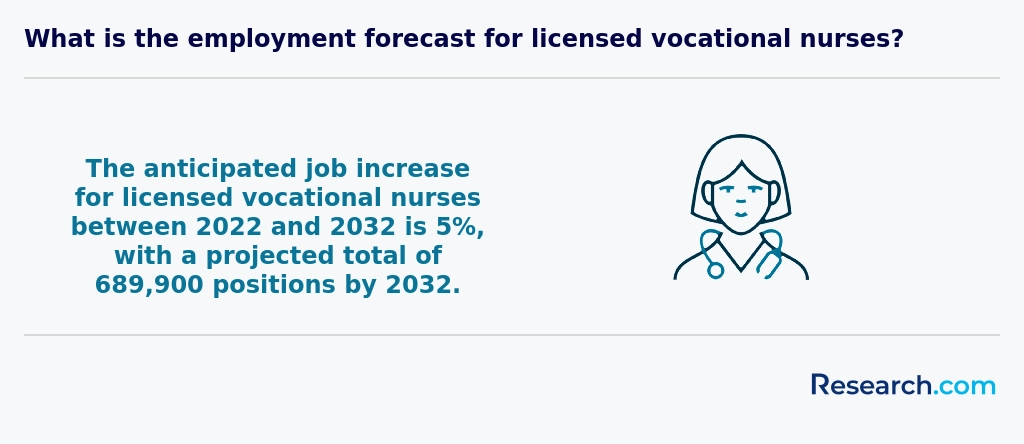
Graduates holding a nursing degree in Baton Rouge find themselves on a promising trajectory, with diverse nursing career opportunities in Baton Rouge that go beyond traditional bedside roles. Many begin as Registered Nurses (RNs) at major hospitals like Our Lady of the Lake Regional Medical Center, where real-world experience shapes a rewarding path into patient-centered care. Some graduates advance to specialized positions such as Certified Nurse Practitioner or Clinical Nurse Specialist, embracing evolving healthcare needs with advanced competencies.
Others explore emerging roles in public health nursing, contributing to community wellness initiatives tailored to Baton Rouge's unique population demographics. Additionally, nursing degree job prospects Baton Rouge offer exciting prospects in healthcare administration and patient education, providing graduates with options to lead and innovate within healthcare systems. Those motivated by flexibility often combine study with practice, supported by programs like the Affordable Online Bachelor's in Nursing Degree Programs Ranking in Missouri, broadening their horizons without sacrificing local ties.
The nursing job opportunities in Baton Rouge continue to expand as local healthcare facilities seek well-trained professionals to meet rising patient needs. Graduates from popular institutions like Louisiana State University and Baton Rouge Community College often find rewarding roles in hospitals and outpatient clinics, benefiting from the city's consistent demand for skilled nurses. Many recent graduates share stories of quickly securing positions in critical care units or home health care services, where their expertise makes a tangible difference.
Baton Rouge nursing degree employment outlook is particularly promising thanks to projected growth in the healthcare sector, supported by an aging population and advances in medical technology. Nursing students appreciate that tuition costs at local public universities align with the national average, and with available financial aid, the investment feels manageable. For those balancing work and study, exploring the quickest online bachelor's degree for working adults has also become a popular option to accelerate career entry.
2027 Most Valuable Nursing Degree Programs Ranking in Baton Rouge
Investing in your education is a significant decision that can shape your future, and the Research.com team understands the importance of making informed choices. To support prospective students in Baton Rouge, we have carefully developed the "2027 Most Valuable Nursing Degree Programs Ranking in Baton Rouge." Our dedication to quality, credibility, and accuracy guided the thorough research and analysis behind this ranking.
We utilized the following reputable data sources to ensure a comprehensive evaluation of nursing programs:
By exploring this ranking, readers will gain valuable insights into the most valuable nursing degree programs in Baton Rouge, empowering them to make well-informed decisions about their educational paths. For more details on our methodology, please visit our Research.com methodology page.


Frequently Asked Questions About nursing
Nursing degree students in Baton Rouge can enhance their learning by actively engaging in clinical experiences offered through local hospitals such as Baton Rouge General Medical Center and Our Lady of the Lake Regional Medical Center. Hands-on practice is essential to build practical skills and confidence.
Participating in study groups and joining nursing organizations like the Louisiana Association of Student Nurses provides networking opportunities and academic support. According to the Louisiana Board of Nursing, students who supplement classroom learning with real-world experience tend to perform better on the NCLEX-RN licensure exam.
Utilizing resources available at institutions such as LSU Health Sciences Center, including simulation labs and tutoring services, can further improve knowledge retention and competency.
Emerging niches within the nursing field reflect the evolving healthcare needs in Baton Rouge and across the United States. One significant area is gerontological nursing, focusing on elder care, which is expanding due to the growing aging population. The U.S. Census Bureau notes that Louisiana's older adult population is increasing, driving demand for nurses with specialized skills.
Another rising niche is informatics nursing, which combines healthcare and technology. Nurses in this area manage patient data and improve healthcare systems, vital in today's digital age. Baton Rouge's healthcare organizations increasingly invest in health IT, offering career opportunities in this sector.
Additionally, psychiatric and mental health nursing is growing rapidly, addressing mental health concerns emphasized by the National Alliance on Mental Illness reports specific to Louisiana. Nurses specializing here support patients with emotional and behavioral disorders.
After completing a nursing degree in Baton Rouge, preparing for the job market involves a strategic approach focused on licensing, networking, and gaining relevant experience. Graduates must first pass the NCLEX-RN exam, which is mandatory to become a licensed registered nurse in Louisiana. According to the Louisiana State Board of Nursing, passing rates in Baton Rouge are competitive, emphasizing the importance of thorough exam preparation.
Building a professional network through local healthcare facilities, nursing associations, and job fairs can provide valuable connections. Baton Rouge's healthcare sector is growing, with institutions like Our Lady of the Lake Regional Medical Center hiring actively.
Internships or clinical rotations completed during your degree can serve as a gateway to full-time positions. Additionally, continuing education and specialized certifications enhance employability in specific nursing fields.
Employers in Baton Rouge highly value nursing graduates who demonstrate strong clinical skills combined with effective communication. According to Louisiana's Board of Nursing, proficiency in patient assessment and care planning ranks among the top competencies expected from new nurses.
Critical thinking and problem-solving abilities are essential as nurses regularly face complex medical situations. Local healthcare facilities also emphasize teamwork and adaptability, especially given Baton Rouge's diverse patient population and fast-paced hospital environments.
Additionally, familiarity with electronic health records (EHR) systems is increasingly important. The Louisiana Center for Nursing notes that about 85% of Baton Rouge hospitals use advanced digital tools, so graduates comfortable with healthcare technology have a competitive advantage.
Finding internships in Baton Rouge relevant to a nursing degree involves several strategic steps. Start by exploring partnerships between local nursing schools and healthcare facilities. Major hospitals like Baton Rouge General Medical Center and Our Lady of the Lake Regional Medical Center frequently offer internships for nursing students.
Contact your nursing program's career services office, as many have established connections with medical providers to facilitate placements. Additionally, check Louisiana's Board of Nursing website for internship guidelines and recommended programs.
Students can also utilize resources such as the Louisiana State University Health Sciences Center's internship listings. Internships typically last from a few weeks to several months, offering hands-on clinical experience crucial for nursing licensure.
Obtaining a nursing degree in Baton Rouge significantly enhances career mobility and advancement opportunities. According to the Louisiana State Board of Nursing, registered nurses with higher education credentials such as a Bachelor of Science in Nursing (BSN) often qualify for leadership roles and specialized positions at major healthcare providers in the area.
Local hospitals like Our Lady of the Lake and Baton Rouge General show a preference for nurses holding advanced degrees when offering promotions or specialized training. The Bureau of Labor Statistics cites that nurses with a BSN or higher tend to earn 10-20% more than those with an associate degree.
Further education opens doors to roles like nurse educator, case manager, or nurse practitioner, which are in growing demand across Baton Rouge's expanding healthcare sector.
Studying for a nursing degree in Baton Rouge equips students with skills essential for interdisciplinary healthcare roles. Local programs emphasize collaborative learning, integrating clinical experiences alongside medical, social work, and therapy students. This approach reflects the growing demand for teamwork in patient care, noted by the Louisiana Center for Nursing.
Universities in Baton Rouge often partner with nearby hospitals and clinics, offering students real-world opportunities to work within diverse healthcare teams. According to the Louisiana Board of Nursing, approximately 65% of Baton Rouge nursing graduates engage in interdisciplinary settings within their first year.
The curriculum also includes communication, leadership, and critical thinking, all crucial for coordinating care across specialties. As healthcare increasingly shifts to integrated models, a nursing degree from Baton Rouge ensures graduates are well-prepared for these collaborative environments.
When choosing between a thesis and a non-thesis nursing degree program in Baton Rouge, students should consider their career goals and learning preferences. Thesis programs typically require original research and a written dissertation, which can be valuable for those aiming for academic or research roles. Non-thesis options focus more on practical skills and coursework, ideal for nurses pursuing leadership or clinical practice positions.
In Baton Rouge, universities like LSU offer both paths, with about 40% of nursing graduate students opting for thesis tracks, according to the latest institutional data. Cost and time commitment may also differ, as thesis programs often take longer to complete.
Understanding accreditation and faculty expertise at each institution is crucial, ensuring the chosen program meets professional standards suited to Baton Rouge's healthcare environment. Consulting academic advisors can provide personalized guidance tailored to your aspirations.
Students in Baton Rouge interested in studying nursing abroad have several pathways through US universities with international partnerships. Many Baton Rouge institutions, including Louisiana State University (LSU), offer study abroad programs or exchanges that enable nursing students to gain clinical experience in countries like Australia, the UK, or Costa Rica. These programs often include supervised practice and cultural immersion, essential for global nursing competencies.
Programs usually last from a few weeks to a full semester. Students should verify that credits will transfer back to their home institution to maintain progress toward their degree.
According to the National Student Clearinghouse Research Center, approximately 5% of US nursing students engage in study abroad annually, highlighting a growing interest in global health perspectives.
Financial aid and scholarships for these experiences may be available through the university or federal programs, helping to offset costs for Baton Rouge students.
Part-time job opportunities in Baton Rouge that complement nursing degree education often include roles in healthcare settings such as hospitals, clinics, and nursing homes. Positions like Certified Nursing Assistant (CNA), medical scribe, or patient care technician provide hands-on experience directly related to nursing skills. According to the Louisiana Workforce Commission, healthcare support occupations in Baton Rouge have a median hourly wage of approximately $14.50, offering both income and practical learning.
Additionally, jobs in public health organizations or university health centers can expose students to community health and administrative aspects of nursing. These roles help build communication and organizational skills essential for nursing careers.
Nursing students in Baton Rouge have several valuable networking opportunities that can enhance their education and career prospects. Local universities such as Louisiana State University Health Sciences Center offer student nursing associations and professional clubs, where members connect with peers and healthcare professionals. These groups often host events, workshops, and guest lectures from regional healthcare experts.
Additionally, Baton Rouge is home to several hospitals and medical centers that collaborate with nursing programs through clinical placements and internships. This environment allows students to build professional relationships with practicing nurses and supervisors.
The Louisiana State Nurses Association provides statewide resources and networking events specifically beneficial to Baton Rouge students, promoting mentorship and career advancement.
Alumni networks play a crucial role for nursing degree students in Baton Rouge by offering valuable support and connections within the healthcare industry. These networks often provide mentorship opportunities, helping students navigate their clinical placements and early career decisions. According to the Louisiana Nursing Workforce Center, Baton Rouge has a growing demand for registered nurses, making network connections essential to finding job openings quickly.
Students benefit from access to exclusive job fairs and workshops organized through alumni groups. Additionally, alumni networks foster a sense of community and encouragement, which can improve retention and graduation rates. Such support systems are especially important in rigorous nursing programs where practical experience and professional contacts are key to success.
Customizing a nursing degree program in Baton Rouge allows students to align their education with specific career objectives. Many local institutions, including state universities, offer flexible options such as electives and specialty tracks in areas like pediatric, geriatric, or emergency nursing.
Students can also pursue advanced certifications or combine their nursing degree with courses in healthcare management or informatics. Baton Rouge's proximity to major medical centers provides valuable clinical placement opportunities tailored to various nursing fields.
Utilizing academic advisors and career services helps students design a course plan that meets Louisiana Board of Nursing requirements while addressing personal goals. The 2023 Louisiana Workforce Commission reported a 15% growth for nurses in the Baton Rouge area, highlighting the importance of specialization.
Nursing students in Baton Rouge often encounter several challenges during their education. One significant obstacle is balancing demanding clinical hours with coursework. Clinical placements, vital for hands-on experience, sometimes create scheduling conflicts and long hours, leading to fatigue.
Additionally, the cost of nursing programs can be a concern. According to the Louisiana Board of Regents, average tuition for nursing degrees in the area ranges from $8,000 to $15,000 per year, excluding fees and materials. This financial burden may require students to work part-time, adding pressure.
Another challenge is the rigorous academic standards. Nursing programs in Baton Rouge require mastery of complex subjects like pharmacology and anatomy, verified by licensure exam pass rates around 85%, slightly below the national average, indicating the difficulty level.
With a nursing degree in Baton Rouge, graduates can pursue various professional certifications to enhance their careers. Popular options include the Registered Nurse (RN) license, which is essential for most nursing positions. Beyond that, specialized certifications such as Certified Nurse Practitioner (CNP), Certified Nurse Educator (CNE), and Certified Clinical Nurse Specialist (CNS) are available. These certifications require passing national exams administered by organizations like the American Nurses Credentialing Center (ANCC).
According to the Louisiana State Board of Nursing, Baton Rouge nurses have access to numerous continuing education programs, particularly focused on acute care, pediatrics, and gerontology. Advanced certifications often lead to higher salaries and improved job opportunities in the state's expanding healthcare sector.
Writing a winning application for a nursing program in Baton Rouge begins with understanding the requirements set by local institutions, such as Louisiana State University Health Sciences Center. Applicants should showcase strong academic performance, especially in science courses like biology and chemistry. Most competitive programs expect a minimum GPA of around 3.0, but higher scores improve admission chances.
Clear, concise personal statements highlighting your commitment to healthcare and community service in Baton Rouge can distinguish your application. Include relevant volunteer or work experience, ideally in local clinics or hospitals, to demonstrate practical skills and passion.
Letters of recommendation from educators or healthcare professionals familiar with your work critically support your candidacy. Always ensure your application is error-free and submitted before deadlines, typically in late fall or early winter.
The nursing profession is recognized worldwide as essential to healthcare delivery. Globally, nurses play crucial roles in patient care, health education, and disease prevention. In the United States, including Baton Rouge, nursing continues to grow due to increasing demand, aging populations, and expanded healthcare access.
According to the U.S. Bureau of Labor Statistics, nursing jobs are projected to grow 9% from 2020 to 2030, reflecting a strong career outlook. Baton Rouge benefits from several nursing education programs that align with global standards, preparing graduates for diverse healthcare settings.
Internationally, nursing qualifications often require additional certification, but U.S.-educated nurses, especially those holding bachelor's or higher degrees, are respected worldwide. This global recognition offers graduates opportunities for mobility and diverse experiences.
Gaining practical experience while studying for a nursing degree in Baton Rouge is essential for building clinical skills and enhancing employability. Most accredited nursing programs in the area, including those at Louisiana State University Health Sciences Center, require students to complete clinical rotations in local hospitals and healthcare facilities. These placements allow students to apply classroom knowledge in real-world settings under supervision.
Additionally, Baton Rouge offers opportunities to work as nurse assistants or participate in internships at facilities such as Our Lady of the Lake Regional Medical Center. According to the Louisiana Board of Nursing, hands-on clinical hours are a mandatory component to qualify for state licensure, often totaling over 500 hours during the degree program.
Choosing the right concentration within a nursing degree program in Baton Rouge begins with understanding the healthcare needs of the region. Baton Rouge has a strong demand for registered nurses in specialties like gerontology, pediatrics, and critical care, reflecting Louisiana's aging population and high rates of chronic illness, as per the Louisiana Workforce Commission.
Prospective students should evaluate their personal interests and strengths, such as whether they prefer hands-on patient care or research. Additionally, reviewing program accreditation and NCLEX-RN pass rates can indicate quality education. LSU Health Sciences Center is a prominent local institution offering diverse nursing tracks with strong clinical partnerships.
Consider potential job growth and salary rates; for example, critical care nurses in Baton Rouge earn a median annual wage above the state average, per the U.S. Bureau of Labor Statistics. Balancing passion, local employment trends, and program strengths helps in selecting an appropriate nursing concentration.
- 2027 Most Valuable Nursing Degree Programs Ranking in Hattiesburg
- 2027 Most Valuable Nursing Degree Programs Ranking in Mobile
- 2027 Most Valuable Nursing Degree Programs Ranking in Memphis
- 2027 Most Valuable Nursing Degree Programs Ranking in Birmingham
- 2027 Most Valuable Nursing Degree Programs Ranking in Austin
- 2027 Most Valuable Nursing Degree Programs Ranking in Atlanta
- 2027 Most Valuable Nursing Degree Programs Ranking in Nashville
- 2027 Most Valuable Nursing Degree Programs Ranking in Macon
- 2027 Most Valuable Nursing Degree Programs Ranking in Tampa
- 2027 Most Valuable Nursing Degree Programs Ranking in Saint Louis
See What Experts Have To Say About Studying Nursing
Read our interview with Nursing experts


- Curriculum | Baton Rouge General https://www.brgeneral.org/medical-education/william-carey-university-school-of-nursing/2nd-degree-hybrid-bsn-program/curriculum
- Nursing Internship and Externship Programs https://jobs.mayoclinic.org/nursinginternexternprograms
- Know more about thesis vs non- thesis: what is the difference? https://studyfans.com/en/blogs/816
- School of Nursing https://nursing.lsuhsc.edu/bsn/admission.aspx
- Work-life balance | Careers Crossroads | RCN Careers Resources | Royal College of Nursing https://www.rcn.org.uk/Professional-Development/Your-career/Nurse/Career-Crossroads/Career-Ideas-and-Inspiration/work-life-balance
- Approved Schools of Nursing - Louisiana State Board of Nursing https://www.lsbn.state.la.us/schools-nursing/
- Top Skills Employers Want in Practical Nursing Graduates https://vervecollege.edu/what-employers-look-for-in-practical-nursing-graduates/
- Exploring Diverse Nursing Career Horizons - N2S Healthcare Blog https://n2shealthcare.com/blog/exploring-diverse-nursing-career-horizons-n2s-healthcare-blog
- How Do Nurses Prepare to Work in a Multidisciplinary Team? | NursingEducation https://nursingeducation.org/insights/multidisciplinary-team/
- Nursing - WSEI University https://www.wsei.pl/en/admission/bachelors-degree/nursing-bachelor-degree/