2027 Best Nursing Degree Programs Ranking in Statesboro

Co-Founder and Chief Data Scientist
Choosing the right nursing degree program is an important step for your future in healthcare. This article features the 2027 Best Nursing Degree Programs Ranking in Statesboro, developed by the Research.com team of data scientists.
Our ranking helps you quickly find nursing programs that match your goals, so you can make an informed decision with confidence. Earning a nursing degree opens doors to meaningful and rewarding career opportunities.
Explore our guide and discover the programs in Statesboro that can support your success in this fulfilling field.
Key benefits of getting nursing degree in Statesboro
- Nursing degree graduates in Statesboro can expect competitive salaries, such as $94,480 annually for Registered Nurses and Public Health Nurses, with Operating Room Nurses earning up to $128,490 per year.
- Career paths include roles like Clinical Nurse Educator, Emergency Room Nurse, or Public Health Nurse, providing many opportunities to find a fulfilling job that matches your passion and skills.
- Online nursing degrees offer flexibility for busy students, allowing them to balance work and study effectively, which many graduates from Statesboro's respected programs have found empowering and convenient.
- 2027 Best Nursing Degree Programs Ranking in Statesboro
- What can I expect from nursing degree in Statesboro?
- Where can I work with nursing degree in Statesboro?
What can I expect from nursing degree in Statesboro?
When considering the average cost of a nursing degree in Statesboro, it's important to look beyond just tuition figures and consider the full experience that shapes many graduates' journeys. At a university like Georgia Southern, for example, in-state tuition for nursing programs tends to be significantly more affordable than private institutions elsewhere, often falling in the range of $6,000 to $9,000 per year for undergraduate nursing students. Graduates from these programs often reflect on this investment as worthwhile, given the hands-on clinical opportunities and faculty support that create real-world readiness, making the cost feel justified.
Many students find that while the financial commitment can seem daunting initially, smaller class sizes and personalized mentorship in Statesboro's nursing schools offer an enriching environment that turns challenges into confidence, aiding students in passing essential licensure exams like the NCLEX-RN. In essence, the cost is matched by quality-graduates often describe their education as a pathway from theory to practice seamlessly anchored in their local healthcare community.
Where can I work with nursing degree in Statesboro?
Graduates holding a nursing degree in Statesboro often find themselves stepping into a dynamic healthcare landscape where possibilities extend far beyond hospital wards. Many who studied at institutions like Georgia Southern University share that the city's hospitable environment, combined with strong healthcare infrastructure, offers more than just traditional roles. Working at East Georgia Regional Medical Center, for example, provides exposure to emergency care and intensive units, yet many also discover fulfilling careers in outpatient clinics or long-term care facilities that nurture personal connections with patients.
One graduate described the rewarding challenge of shifting from hospital environments to community health nursing through the Bulloch County Health Department, emphasizing how their education equipped them to drive preventive care and health promotion locally. The city's aging population creates a growing demand for nurses in assisted living, offering stable, emotionally rewarding roles that differ greatly from fast-paced hospital settings.
This diversity encourages nursing students to think broadly, envisioning careers that blend clinical expertise with education or public health outreach, reflecting the real-world versatility fostered by their Statesboro programs.
Graduates from nursing programs in Statesboro, such as those attending Georgia Southern University, often enter the workforce with salaries that reflect both their education and the region's market. While the average registered nurse in Statesboro earns about $64,000 annually, aligning with regional trends, the national BLS data suggests that RNs typically make around $94,480 per year, indicating significant room for growth as experience and specialization increase.
Consider a graduate starting as a clinical nurse educator or a public health nurse; these roles mirror the RN's wage at approximately $94,480 annually, providing a stable and rewarding career path. Aspirations toward more specialized positions, such as operating room nurse, can push earnings beyond $128,000, a reality that many students at local nursing schools find highly motivating.
Envision a recent graduate managing shifts in a busy emergency room or operating theater - the higher hourly wages, sometimes over $60, underscore the tangible benefits of advanced training. These figures inspire a crucial reflection: pursuing nursing in Statesboro is not just about entering the healthcare field, but about unlocking substantial earning potential through continued growth and specialization.
- Nursing programs in Statesboro meet national standards, preparing students for licensure exams like the NCLEX-RN.
- Tuition for ADN programs ranges from $6,000 to $10,000, while BSN programs cost between $15,000 and $25,000, excluding extra fees and supplies.
- Early career nurses earn an average salary of $58,000 to $62,000 annually, with experienced nurses making up to $75,000 or more.
- Employment options include hospitals, outpatient centers, long-term care, and home health services, supported by strong local healthcare partnerships.
- Many programs emphasize clinical training in local healthcare settings to provide practical experience for licensure and job readiness.
Completing a nursing degree in Statesboro is often seen as a fixed timeline, but local experiences suggest it's more flexible than you might think. Graduates from Georgia Southern University, a cornerstone for nursing education here, often reflect on how the standard two years for an ADN or four years for a traditional BSN gave them both structure and time to grow personally and professionally.
Many who started with an ADN found that enrolling in RN-to-BSN programs offered at the same university allowed them to accelerate their path-some finishing in just a year. This compressed timeline made balancing work, family, and studies feel achievable rather than overwhelming.
For those aiming higher, pursuing an MSN adds roughly two years beyond the BSN. Yet, graduates describe this stage as a rewarding challenge, where leadership skills and specialized knowledge come to life through real-world clinical experiences in Statesboro's health settings.
The takeaway? Nursing education timelines here are adaptable, deeply tied to individual goals and life circumstances, proving that with the right program, persistence, and support, you can craft your own journey.
Nurses in Statesboro, GA, who hold a BSN or MSN can further their careers through specialized advanced practice tracks that combine rigorous clinical training with leadership and research opportunities. Common pathways include: • Family Nurse Practitioner (FNP): FNPs diagnose and manage common acute and chronic conditions across the lifespan. For nurses eager to fast-track their career, our one year fnp programs offer an accelerated Family Nurse Practitioner curriculum with intensive clinical rotations in primary care settings. • Doctor of Nursing Practice (DNP): The DNP emphasizes evidence-based practice, quality improvement, and systems leadership, preparing nurses to serve as clinical scholars and executive leaders in healthcare organizations. • Clinical Nurse Specialist (CNS): CNS programs focus on a specialty area-such as cardiology, oncology, or pediatrics-blending advanced assessment, consultation, and education skills to improve patient outcomes and staff competencies. • Certified Registered Nurse Anesthetist (CRNA): As one of the highest-paid nursing roles, CRNA education combines advanced pharmacology, physiology, and anesthesia technique courses with high-stakes clinical practicum in surgical suites. Admission criteria typically include a minimum GPA of 3.0, current RN licensure, and clinical experience. Graduates of these advanced programs report increased autonomy, leadership roles, and higher earning potential, reinforcing their impact on patient care and health policy.
Choosing between online and on-campus nursing degrees in Statesboro is more than a logistical decision-it reshapes the entire student experience. Graduates from Georgia Southern University often recall the energizing buzz of in-person labs and direct mentorship, where hands-on clinical practice at local hospitals embodies the heart of nursing education. This face-to-face immersion builds confidence through immediate feedback and camaraderie, anchoring theoretical knowledge in real-world care.
Meanwhile, online learners embrace a different kind of independence. Picture balancing shift work or family commitments while accessing lectures at midnight from home. These students value the agility to tailor study time without sacrificing clinical hours, which remain required and locally arranged. The hybrid model challenges the stereotype that online means isolated or incomplete, revealing a disciplined path fueled by flexibility and personal motivation.
Both paths, though distinct, ignite a shared passion for nursing. The traditional campus focus on community and real-time interaction contrasts with the digital learner's journey of self-direction and adaptability-each shaping skilled professionals ready to serve Statesboro's healthcare needs with unique resilience and perspective.
When considering nursing programs in Statesboro, GA, one crucial factor is the affordability and value of the education provided. Prospective students should research not only the tuition costs but also the potential return on investment, including salary expectations and job prospects post-graduation. For those looking for the cheapest nursing school in georgia, it's essential to weigh the costs against the quality of education and the support services available. Many institutions in Statesboro offer financial aid, scholarships, and flexible program formats to help make nursing education more accessible and affordable. By understanding the total cost of attendance, including additional expenses such as books, uniforms, and clinical fees, students can make informed decisions about their educational investments. Moreover, exploring the job market and salary ranges for nursing graduates in Statesboro can provide insights into the potential financial rewards of pursuing a nursing degree in the area.
In Statesboro, the average cost of a nursing degree reveals a striking contrast to the steep expenses many expect. Graduates from Georgia Southern University often share stories of manageable tuition bills, with in-state students typically facing total nursing degree expenses in Statesboro around $6,022-a figure that feels surprisingly attainable compared to national headlines. This affordability empowers students to focus more on their clinical skills and less on financial stress, fostering a sense of community and achievement.
For those stepping outside state lines, the challenge intensifies as out-of-state tuition approaches figures near $32,378, prompting some students to reconsider their options before enrolling. Imagine the difference between staying local, attending a well-known public university in Statesboro, and moving away to chase nursing dreams at a private institution where costs can be prohibitively high. This dilemma underscores the importance of making informed decisions based on personal circumstances and long-term goals.
Students navigating this journey often weigh these costs alongside program length, scholarship opportunities, and their commitment to the demanding nursing profession. Many find encouragement through success stories and lean into programs like those at Georgia Southern, where the blend of quality education and relative affordability invites deeper reflection on how to best invest in one's future. In some cases, exploring online nurse practitioner programs can also supplement local study paths, providing flexible options that suit individual needs.
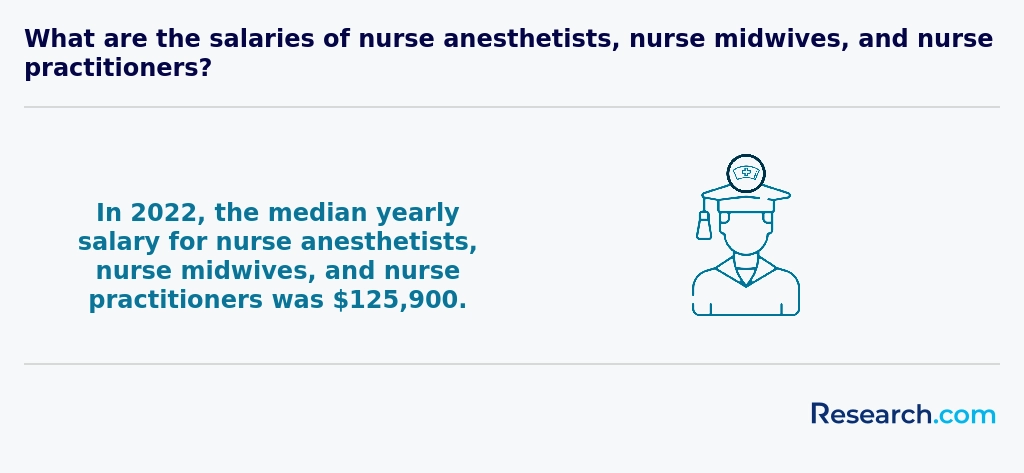
As the healthcare landscape evolves, many nursing professionals in Statesboro, GA, seek to expand their clinical expertise and leadership capabilities by pursuing a Master of Science in Nursing (MSN). An MSN not only opens doors to advanced practice roles-such as Nurse Practitioner, Clinical Nurse Specialist, or Nurse Educator-but also significantly boosts earning potential and professional autonomy. Graduates often report a 20–30% salary increase upon completion, reflecting the high value employers place on advanced credentials. When exploring MSN pathways, cost and flexibility remain top concerns. For working nurses and busy professionals, online formats offer asynchronous lectures, interactive simulations, and virtual clinical experiences that fit around shift schedules. To help balance quality and affordability, Research.com highlights affordable online master of science in nursing programs that maintain accreditation standards through bodies like CCNE and ACEN, ensuring eligibility for national certification exams. Beyond cost savings, these programs emphasize evidence-based practice, health policy, and population health management-critical areas for nurses aiming to influence care delivery at institutional and community levels. Students benefit from mentorship by faculty with active clinical roles, collaborative research projects, and capstone experiences tailored to regional healthcare needs in Southeast Georgia. Ultimately, investing in an MSN can transform your nursing career trajectory. Whether you aspire to diagnose and treat patients independently, lead interdisciplinary teams, or shape future nurses in academia, advanced nursing education provides the skills, credibility, and network to make a lasting impact on patient outcomes and public health across Statesboro and beyond.
Nursing students in Statesboro quickly learn that financial aid isn't just a backup-it's a lifeline shaping their journey. For those attending Georgia Southern University, the Georgia HOPE Scholarship offers a tangible boost, covering up to $4,000 a year when academic standards are met. Graduates often share how this aid transformed their ability to focus fully on clinical rotations without the constant stress of looming bills.
Federal aid starts with submitting the FAFSA, unlocking access to Pell Grants that can provide up to $7,395 annually. Many students recall how this grant was the difference between taking on heavy debt and confidently pursuing their studies.
Local scholarships from organizations like the Southeast Georgia Health System Foundation feel personalized and encouraging-awards that recognize both financial need and academic dedication. Nursing graduates frequently highlight employer tuition assistance from Statesboro hospitals, which fosters a sense of community commitment and career stability early on.
Understanding these layers of support shifts the narrative from struggling alone to strategically navigating a network designed to invest in future nurses' success.
Graduates of nursing programs in Statesboro, GA, must obtain licensure through the Georgia Board of Nursing (GBON) before practicing as Registered Nurses (RNs). The process begins with submitting an application and official transcripts to GBON, completing a fingerprint-based criminal background check, and paying the requisite fees. Once the application is approved, candidates register with Pearson VUE to schedule the NCLEX-RN exam. Passing the NCLEX-RN is mandatory for licensure; results are typically released within two weeks. Key steps to RN licensure in Georgia:
- Submit online application and transcripts to GBON
- Complete fingerprinting and background check
- Pay application, fingerprint, and NCLEX-RN fees (total average: $200–$300)
- Register and schedule the NCLEX-RN exam with Pearson VUE
- Receive authorization to test (ATT) and sit for the NCLEX-RN Beyond initial RN licensure, many graduates pursue specialty certifications-such as Certified Nurse Practitioner (CNP), Certified Nurse Anesthetist (CRNA), or Clinical Nurse Specialist (CNS)-through national bodies like the ANCC or AANP. Eligibility often requires a master’s degree, clinical practice hours, and passing a specialty exam. To maintain an active Georgia nursing license, RNs must renew biennially, complete at least 30 continuing education contact hours, and submit renewal fees. For students comparing pathways that balance affordability with robust licensure preparation, see our Inexpensive Online Bachelor's in Nursing Degree Programs Ranking in the South.
Enrolling in a nursing degree program in Statesboro demands more than just a desire to care for others-it requires a solid academic foundation and intentional preparation. At well-known institutions like Georgia Southern University, graduates often reflect on the early challenge of completing prerequisite courses such as Introduction to Biology, General Chemistry, and Human Anatomy and Physiology. These classes are not mere formalities but essential building blocks that shape your understanding of the human body and scientific principles behind nursing care.
Many students recall the moment they passed the TEAS exam, feeling a surge of confidence knowing they had demonstrated critical skills in math, science, and reading comprehension, which nurses rely on daily. The prerequisite grade requirements, often a "C" or better, may feel demanding but serve as a first test of your commitment and readiness to thrive in nursing studies.
While some peers gain personal satisfaction from volunteer work or healthcare experiences, Statesboro programs primarily focus on academic preparedness. This means your success depends heavily on mastering core subjects early, setting a strong pace for the rewarding journey ahead.
- Graduate from an ACEN- or CCNE-accredited nursing program in Georgia.
- Submit an application to the Georgia Board of Nursing, including official transcripts and the required fee.
- Complete state and federal background checks as part of the licensure process.
- Register for the NCLEX-RN exam through Pearson VUE within six months of Board approval.
- Receive your Authorization to Test (ATT) and schedule the NCLEX-RN at a Pearson VUE testing center.
- Pass the NCLEX-RN; unofficial results are available in 48 hours, with official scores posted by the Board.
- Download or receive your Georgia RN license via mail and verify active status in the Board’s online portal.
Maintaining an active license requires 30 contact hours of continuing education every two years and renewal through the Georgia Board’s online system. Many RNs choose to advance their credentials with a BSN-explore the cheapest rn to bsn program online for a flexible pathway.
Nursing degrees in Statesboro dive deep into both the science and heart of healthcare, blending rigorous academics with real-world practice. Students at popular institutions experience courses like Introduction to Nursing Practice, which sharpens clinical reasoning and patient care skills right from the start. Graduates often recall how Health Assessment classes became pivotal, teaching them to perform physical exams and gather patient histories with confidence during clinical rotations.
Pharmacology and Pathophysiology courses challenge students to think critically about medication effects and disease mechanisms, strengthening their ability to make informed decisions under pressure. Many find the Mental Health Nursing and Maternal and Child Health Nursing classes especially rewarding, as these highlight the human side of nursing through emotional wellness and life's most vulnerable moments.
- Adult and Geriatric Nursing develops empathy for diverse populations, critical in Statesboro's community.
- Community and Public Health Nursing empowers learners to promote wellness beyond hospital walls.
- Hands-on Clinical Practicum placements in nearby hospitals solidify these lessons in powerful, memorable ways.
Additionally, courses on ethics, leadership, and healthcare policy prepare nursing students for the tough decisions and complex systems they'll navigate post-graduation, making Statesboro's programs uniquely comprehensive.

Nursing degree specializations in Statesboro go far beyond basic care roles, pushing graduates toward diverse, impactful careers. Popular tracks at institutions like Georgia Southern University include Family Nurse Practitioner, where graduates find fulfillment providing holistic care to entire families, and Psychiatric-Mental Health Nursing, a field growing in relevance as mental health gains overdue recognition. Many feel a deep connection to Gerontological Nursing, responding to the real-life demand for elder care in a state with a rapidly aging population. Pediatric and Critical Care Nursing specializations challenge students with hands-on, urgent patient needs, often sparking a profound sense of purpose.
These programs shape nurses equipped for tomorrow's complex healthcare landscape. Students often share how these focused paths helped them envision their role in the community more clearly. Considering Statesboro nursing program specialization options, it becomes evident that students must weigh both passion and practical implications. For those exploring foundational choices, comparing options to other regions, such as nursing schools in Iowa, can reveal surprising contrasts in approach and opportunity.
Choosing the best nursing degree in Statesboro means looking beyond just the name of the program. Graduates from well-known colleges here often share how the depth of clinical experience gained at East Georgia Regional Medical Center shaped their confidence and practical skills, a crucial step in nursing. While a Bachelor of Science in Nursing (BSN) is widely favored by employers, especially in this region, the challenge is finding a program that balances quality education with affordability-key when considering the options for affordable nursing degrees Statesboro offers.
Accreditation cannot be an afterthought. Programs approved by bodies like the CCNE and ACEN ensure that your degree stands strong nationwide. But just as important is investigating the school's NCLEX-RN pass rates, which reveal how effectively students are prepared for real-world nursing challenges.
Reflect on how your chosen program aligns with your passion for helping diverse communities; many students at local universities emphasize the rich diversity in healthcare education experienced here, expanding their perspective and empathy-qualities as vital as technical skills in nursing today.

Nursing degree graduates in Statesboro find a spectrum of career paths shaped by real-world demands and personal ambition. Many step directly into roles as registered nurses in hospitals like East Georgia Regional Medical Center, gaining hands-on experience in critical care or emergency settings. These experiences, common among graduates from local institutions such as Georgia Southern University, prove both challenging and deeply rewarding, sparking a passion for patient advocacy.
More reflective graduates explore specialized fields-pediatric, geriatric, oncology, or psychiatric nursing-where they nurture vulnerable populations with empathy and expertise. The diversity of these options speaks to the expansive nature of nursing career opportunities in Statesboro and invites students to reconsider what nursing can mean beyond traditional bedside care.
Other graduates pursue leadership as nurse managers or seek advanced practice roles like nurse practitioners, who in Georgia enjoy autonomy in providing primary care, thereby reshaping healthcare delivery in the region. For those drawn to academia or innovation, becoming nurse educators or clinical researchers offers a chance to influence the future of nursing. Students balancing clinical work and study often explore interdisciplinary contributions such as medical assistant degrees faculty profiles, enriching their professional perspectives and adaptability.
The job market for nursing degree graduates in Statesboro is both dynamic and promising, offering a robust landscape that defies the often uncertain outlook many students face elsewhere. With healthcare expanding locally, nursing degree job opportunities in Statesboro are buoyed by growing demand in hospitals like East Georgia Regional Medical Center and community clinics. Graduates from Georgia Southern University frequently share that their education prepared them well for diverse roles, from bedside care to telehealth, adding to their confidence in finding meaningful work. This strong local demand makes the prospect of starting a nursing career here not just realistic but exciting.
Statesboro nursing career outlook 2027 reflects a faster-than-average growth rate in nursing employment within Georgia, sparking enthusiasm among aspiring nurses. While salaries hover slightly below national medians, the balance between cost of living and wages creates a stable entry point into the profession. For those weighing their educational investments, awareness of options is key-such as comparing nursing programs carefully or exploring alternatives like lpn education Minnesota for varied pathways in nursing.
2027 Best Nursing Degree Programs Ranking in Statesboro
Investing in your education is a significant decision that can shape your future, and the Research.com team understands the importance of making informed choices. To assist prospective students in Statesboro, we have meticulously crafted the "2027 Best Nursing Degree Programs Ranking in Statesboro." Our commitment to quality, credibility, and accuracy is reflected in the extensive research and analysis conducted to compile this ranking.
We utilized the following reputable data sources to ensure a comprehensive evaluation of nursing programs:
By exploring this ranking, readers will gain valuable insights into the best nursing degree programs available in Statesboro, empowering them to make well-informed decisions about their educational paths. For more details on our methodology, please visit our Research.com methodology page.

Frequently Asked Questions About nursing
Nursing degree students in Statesboro can maximize their learning experience by engaging actively in both classroom and clinical opportunities. East Georgia State College and Georgia Southern University offer accredited nursing programs with strong clinical partnerships in local hospitals, allowing students to gain hands-on experience early.
Students should take advantage of simulation labs, which replicate real-life medical scenarios, improving critical thinking and practical skills. Joining nursing student organizations also enhances learning through networking and professional development.
Additionally, staying informed about state nursing regulations by consulting the Georgia Board of Nursing can help students align their education with licensure requirements, supporting a smoother transition to practice.
The nursing field in Statesboro, Georgia, is evolving with growing demand in specialized areas. Among emerging niches are geriatric nursing, reflecting the region's increasing elderly population, and informatics nursing, which integrates data management with patient care. According to the Georgia Board of Nursing, advanced practice registered nurses (APRNs) are seeing a steady rise in demand locally, with growth projected at 15% through 2030.
Another promising area is telehealth nursing, boosted by advances in remote care technologies. This niche allows nurses to provide services across wider geographic areas, essential in rural parts near Statesboro. Additionally, palliative care nursing is advancing, given heightened focus on quality of life for patients with chronic illnesses.
Preparing for the job market after earning a nursing degree in Statesboro involves strategic planning and local awareness. Graduates should pursue licensure by successfully passing the NCLEX-RN exam, a mandatory step to practice as a registered nurse in Georgia. Networking within the Statesboro medical community, including Southeast Georgia Health System, can expose candidates to job openings and internships.
Engaging in continued education or certification in specialties like geriatrics or critical care is beneficial. According to the Georgia Board of Nursing, employment for registered nurses in the Statesboro area is projected to grow, reflecting national trends. Job seekers should also develop strong clinical skills and communication abilities to stand out to employers.
Employers in Statesboro prioritize both technical and interpersonal skills when hiring nursing degree graduates. Clinical competence, including proficiency in patient care and medical technology, is essential. According to the Georgia Board of Nursing, strong knowledge of evidence-based practices and medication administration ranks highly. Communication skills are equally important; nurses must clearly convey information to patients and collaborate with healthcare teams.
Critical thinking and problem-solving abilities enable nurses to respond effectively to emergencies. The Bureau of Labor Statistics highlights that adaptability in fast-paced environments is crucial. Additionally, empathy and cultural sensitivity stand out in Statesboro's diverse healthcare settings, supporting patient-centered care.
Finding nursing internships in Statesboro involves a combination of researching local healthcare facilities and utilizing college resources. Many nursing programs in Statesboro, including those at Georgia Southern University, have established partnerships with hospitals and clinics, offering students organized clinical rotations and internships. Prospective interns should contact the university's nursing department for guidance on available opportunities and application procedures.
Local healthcare providers such as East Georgia Regional Medical Center and Bulloch Primary Care often offer internship positions to nursing students. Additionally, students may explore internships through the Georgia Board of Nursing's website, where clinical training placements are sometimes listed. Early application is important as spots can be limited.
Networking via professional organizations like the Georgia Nurses Association can also aid in finding internships. These organizations provide updates on openings and host events that connect students with healthcare employers in Statesboro.
Obtaining a nursing degree in Statesboro significantly enhances career mobility and advancement opportunities within the region's healthcare sector. According to the Georgia Board of Nursing and regional employment reports, nurses with an Associate Degree in Nursing (ADN) or a Bachelor of Science in Nursing (BSN) are in high demand, especially in Statesboro's growing hospital and outpatient care facilities.
Higher education credentials often lead to better job positions, including roles in administration, specialized nursing, and advanced practice. For example, BSN graduates are more likely to secure leadership roles and command higher salaries, with median wages in Statesboro exceeding statewide averages by approximately 5%.
Additionally, many local employers prefer or require bachelor's-prepared nurses for career progression. Nursing degrees also facilitate eligibility for certifications and graduate programs that expand expert clinical roles.
Studying for a nursing degree in Statesboro equips students with skills essential for interdisciplinary roles in healthcare. Nursing programs at local institutions emphasize teamwork, communication, and collaboration with professionals in medicine, social work, and public health. These programs often include clinical placements in diverse settings, exposing students to various healthcare environments.
According to the Georgia Board of Nursing and recent program curricula at Statesboro colleges, students gain practical experience in patient-centered care alongside other specialists. This approach prepares graduates to contribute effectively to team-based care, addressing complex health needs.
Interdisciplinary training supports critical thinking and flexible problem-solving, key competencies in modern healthcare systems.
When choosing between a thesis and a non-thesis nursing degree program in Statesboro, students should consider their career goals. Thesis programs typically focus on research and are suited for those interested in advanced practice, teaching, or doctoral studies. Non-thesis options emphasize clinical skills and prepare graduates to enter the workforce more quickly.
The University of Georgia, near Statesboro, reports that thesis students often engage in substantial research projects, which can take additional time but build valuable analytical skills. Meanwhile, non-thesis tracks might appeal to working nurses seeking career advancement without the requirement of a research component.
Cost and time commitment also play roles. Thesis programs may take longer to complete, impacting tuition and living expenses. It's important to review program specifics and speak with academic advisors to determine the best fit based on personal circumstances and professional objectives.
Students based in Statesboro interested in studying nursing abroad have several options, primarily through partnerships between their local institutions and international universities. Georgia Southern University, the main provider of nursing education in Statesboro, occasionally offers exchange programs and study abroad opportunities in allied health fields, allowing students to gain global perspectives on healthcare.
Additionally, nursing students can pursue short-term clinical rotations or research internships abroad during summer breaks, often arranged through university affiliations or professional nursing organizations.
U.S. nursing licensure requirements, including the NCLEX-RN exam, remain essential for international practice, so students should consider programs that align with these standards.
According to the American Association of Colleges of Nursing, approximately 12% of U.S. nursing students participate in some form of study abroad, reflecting growing interest in global healthcare experience.
In Statesboro, several part-time job opportunities align well with nursing degree education, helping students gain practical experience while studying. Positions such as certified nursing assistant (CNA) roles, home health aides, or medical receptionist jobs provide valuable exposure to clinical settings and patient care. According to the Georgia Department of Labor, healthcare support jobs in Bulloch County are expected to grow by 15% through 2028, highlighting opportunities for students balancing work and study.
Local healthcare providers like East Georgia Regional Medical Center often offer flexible part-time schedules suitable for nursing students. These roles enhance skills in communication, patient interaction, and healthcare protocols, complementing academic learning effectively.
Nursing students in Statesboro benefit from various networking opportunities that can enhance their educational and professional growth. Georgia Southern University, the primary institution offering nursing degrees in Statesboro, hosts chapters of national organizations such as the Student Nurses Association, which connects students with local healthcare professionals and peers. Additionally, students have access to clinical rotations at East Georgia Regional Medical Center, providing real-world experience and valuable contacts in the healthcare community.
Professional events, workshops, and seminars often occur within the university and the city, fostering connections that can lead to internships and job placements. According to Georgia Southern's College of Health and Human Sciences, over 75% of nursing graduates secure employment within six months, partly due to these networking channels.
Alumni networks play a crucial role for nursing degree students in Statesboro by offering valuable professional connections. These networks link current students with graduates who often work in local hospitals and clinics, providing mentorship and guidance. Connections through alumni can lead to internships and job opportunities, which is essential in Statesboro's competitive healthcare market.
Additionally, alumni networks support knowledge sharing about the latest nursing practices and certifications, helping students stay up-to-date. According to data from the Georgia Board of Nursing, Statesboro's nursing employment is growing steadily, increasing the importance of strong professional relationships for job placement. Overall, alumni networks provide an advantageous platform for career advancement and practical learning in nursing education.
In Statesboro, nursing students can customize their degree programs by selecting from various specializations such as pediatric, geriatric, or critical care nursing. Many institutions offer flexible course options, including part-time schedules and online classes, to accommodate working professionals. Clinical rotations can often be tailored to focus on areas aligned with specific career goals, allowing practical experience in desired settings like hospitals or community health centers. Additionally, students may pursue certifications alongside their degree to enhance expertise. According to the Georgia Board of Nursing, over 60% of local programs support such customizable curricula, helping students meet evolving healthcare demands effectively.
Nursing students in Statesboro face several common challenges throughout their education. One significant obstacle is the demanding clinical hours required, often exceeding 800 hours, which can be difficult to balance with personal and work responsibilities. According to the Georgia Board of Nursing, the clinical component is essential but time-intensive for students in the region.
Another challenge is managing the rigorous coursework, especially in courses like anatomy and pharmacology. Many students report stress from high exam standards and the volume of material they must master to pass the NCLEX licensure exam.
Financial concerns also impact students, with tuition for nursing programs in Statesboro averaging between $7,000 and $15,000 per year, not including supplies and certification fees.
Additionally, some students struggle to find sufficient local clinical placements due to competition among nursing schools in southeast Georgia, which can delay hands-on experience crucial for their training.
With a nursing degree in Statesboro, students can pursue a range of professional certifications that enhance their career prospects. Common certifications include the Registered Nurse (RN) license, which is essential for entry-level nursing jobs. Beyond that, nurses often seek certifications such as Certified Nurse Assistant (CNA), Licensed Practical Nurse (LPN), or advanced credentials like Certified Nurse Practitioner (CNP).
Specialty certifications are also widely available, including Critical Care Registered Nurse (CCRN), Certified Pediatric Nurse (CPN), and Basic Life Support (BLS) credentials.
According to the Georgia Board of Nursing, these certifications require completion of state-approved education programs and passing rigorous exams designed to ensure competency and safety in nursing practice.
Applying to a nursing program in Statesboro requires careful preparation to stand out. Start by ensuring your academic records meet the minimum GPA requirements, often around 3.0 for competitive programs. Highlight any healthcare experience, such as volunteering or work in clinical settings, which demonstrates your commitment and practical skills.
Strong recommendation letters are crucial; aim to get these from professionals familiar with your work ethic and passion for nursing. A well-crafted personal statement should clearly explain your motivation, career goals, and why you chose nursing in Statesboro.
Pay attention to deadlines and complete all required documentation accurately. According to the Georgia Board of Nursing, programs in Statesboro emphasize both academic excellence and practical readiness, so balance these elements in your application.
The nursing profession is recognized worldwide as a vital part of healthcare systems. In the United States, including Statesboro, nursing careers are valued for their stability and growth potential. According to the Bureau of Labor Statistics, registered nursing jobs are projected to grow 6% from 2021 to 2031 nationwide, reflecting increasing healthcare demands.
Globally, nursing practices share core responsibilities but vary in education and scope. In Statesboro, institutions align with standards set by the American Association of Colleges of Nursing, ensuring graduates meet global competencies. Such alignment benefits students wishing to work internationally or collaborate across borders.
Furthermore, the local economy in Statesboro supports nursing careers through partnerships between educational programs and healthcare providers. This synergy enhances practical training and prepares students for diverse health environments, a critical factor in global nursing perspectives.
Students pursuing nursing degrees in Statesboro can gain practical experience through clinical rotations, an essential part of most accredited nursing programs. These hands-on training sessions typically take place in local hospitals, clinics, and community health centers, allowing students to apply classroom learning in real-world settings.
The Statesboro area offers access to facilities like East Georgia Regional Medical Center, providing diverse clinical environments. According to the Georgia Board of Nursing, clinical hours are mandatory to ensure competence and readiness for licensure exams.
Additionally, some programs partner with local healthcare providers for internships or externships, increasing exposure to patient care and nursing duties.
Choosing the right concentration within a nursing degree program in Statesboro depends on your career goals, interests, and the local healthcare needs. Nursing programs in Statesboro, such as those at Georgia Southern University, often offer specialties like pediatric, geriatric, or acute care nursing. Research local job market data from the Georgia Department of Labor, which highlights a growing demand for geriatric nurses due to the aging population in Bulloch County.
Consider how each concentration aligns with your passion and strengths. For example, if you enjoy working with children, a pediatric focus might suit you. Clinical rotations and faculty expertise at your school can also guide your decision, providing hands-on experience in different fields before you specialize.
Accreditation and program reputation are also key. Look for nursing programs accredited by the Commission on Collegiate Nursing Education (CCNE) or the Accreditation Commission for Education in Nursing (ACEN), as these ensure quality education and better job prospects.
- 2027 Best Nursing Degree Programs Ranking in Macon
- 2027 Best Nursing Degree Programs Ranking in Columbia
- 2027 Best Nursing Degree Programs Ranking in Jacksonville
- 2027 Best Nursing Degree Programs Ranking in Atlanta
- 2027 Best Nursing Degree Programs Ranking in Orlando
- 2027 Best Nursing Degree Programs Ranking in Birmingham
- 2027 Best Nursing Degree Programs Ranking in Tampa
- 2027 Best Nursing Degree Programs Ranking in Lynchburg
- 2027 Best Nursing Degree Programs Ranking in Mobile
- 2027 Best Nursing Degree Programs Ranking in Harrisonburg
See What Experts Have To Say About Studying Nursing
Read our interview with Nursing experts

Lisa Grubb
Nursing Expert
Assistant Professor
Johns Hopkins School of Nursing

- How to Choose the Right Nursing Program for Your Career Goals - Maria College https://mariacollege.edu/blog/how-to-choose-the-right-nursing-program-for-your-career-goals
- Sign Up for the Journal of Nursing. https://www.asrn.org/journal-advanced-practice-nursing/3399-10-business-ideas-for-nurses-in-2026.html
- School of Nursing - South Georgia State College https://www.sgsc.edu/academics/school-nursing
- Nursing Courses in Georgia: Opportunities Beyond Borders - Aspire International https://aspireea.com/nursing-courses-in-georgia-opportunities-beyond-borders/
- News - Ogeechee Technical College https://www.ogeecheetech.edu/about/news/post/otc-asn-graduates-now-have-seamless-path-to-bsn-at-georgia-southern
- Study Nursing Abroad | Boomerang International Educational Services https://boomerangedu.com/study-nursing-abroad/
- Career Advancement Pathways for Nurses : Expert RN shares 10+ Professional growth opportunities - MuminMed https://blog.muminmed.com/career-advancement-pathways-for-nurses/
- Nursing Degree You Need to Become an RN https://www.allnursingschools.com/registered-nursing/degrees/
- Nursing student engagement: Researching the journey and its potential impact on transitions to practice https://www.oatext.com/nursing-student-engagement-researching-the-journey-and-its-potential-impact-on-transitions-to-practice.php
- 7 Nursing School Tips for Studying https://www.denvercollegeofnursing.edu/blog/nursing/7-Nursing-School-Tips-for-Studying.html