
2027 Most Affordable Nursing Degree Programs Ranking in Norfolk

Co-Founder and Chief Data Scientist
Exploring nursing degree options can feel overwhelming, especially when considering costs and quality. This article introduces the 2027 Most Affordable Nursing Degree Programs Ranking in Norfolk, carefully developed by the Research.com team of data scientists.
Designed to help you make an informed choice, the ranking highlights affordable programs that balance value with educational excellence. Pursuing a nursing degree opens doors to a rewarding career with a lasting impact on others.
Whether you're just starting out or looking to advance, this guide offers clarity and confidence as you take this important step forward.
Key benefits of getting nursing degree in Norfolk
- Nursing degree graduates in Norfolk can expect competitive salaries, with registered nurses earning an average annual wage of $94,480 and operating room nurses making up to $128,490.
- Graduates from Norfolk State University enjoy diverse career paths such as clinical nurse educator, public health nurse, and emergency room nurse, offering rewarding opportunities to make a real impact.
- Online nursing degrees from institutions like Old Dominion University provide flexibility and convenience, enabling students to balance work and study while gaining skills valued by local healthcare employers.
- 2027 Most Affordable Nursing Degree Programs Ranking in Norfolk
- What can I expect from nursing degree in Norfolk?
- Where can I work with nursing degree in Norfolk?
What can I expect from nursing degree in Norfolk?
Studying nursing in Norfolk typically involves variable tuition costs depending on the type of institution. Graduates from Tidewater Community College, known for its ADN programs, often find tuition averaging around $150 per credit hour for in-state students. This affordable rate allows many local students to begin their nursing education with manageable expenses. In contrast, those pursuing a BSN at Old Dominion University experience higher tuition, commonly ranging between $300 and $500 per credit hour.
Despite the higher cost, BSN students frequently highlight the expanded career opportunities and advanced training they receive, which includes leadership roles and specialized nursing practice. Many speak positively about the hands-on clinical experiences at local hospitals and simulation labs, which reinforce their confidence and practical skills.
Additionally, students in Norfolk benefit from financial aid options and scholarships targeted specifically at nursing students, which can significantly reduce overall costs. These supports often come from healthcare organizations dedicated to addressing local nurse shortages, making nursing education more accessible and less financially daunting.
Where can I work with nursing degree in Norfolk?
Graduates with nursing degrees from respected institutions like Old Dominion University often find diverse job opportunities across Norfolk's healthcare landscape. Many start their careers in major hospitals such as Sentara Norfolk General Hospital or Bon Secours Maryview Medical Center, gaining hands-on experience in high-demand areas like emergency rooms and critical care units. This exposure equips them with essential clinical skills and confidence early on.
Others pursue roles in outpatient care centers or physician offices, where they engage closely with community health and specialist services, reflecting a growing trend in ambulatory care settings. Long-term care facilities also employ graduates to support Norfolk's aging population, providing meaningful work overseeing patient wellbeing in skilled nursing or assisted living homes.
Military and public health nursing positions are additional pathways, especially given Norfolk's status as home to Naval Station Norfolk. Here, nurses support active duty personnel and families, offering unique experiences that blend clinical expertise with community service. Home healthcare agencies further expand career options, appealing to nurses seeking patient-centered care delivered in-home environments.
These tangible opportunities often inspire graduates to feel both fulfilled and optimistic about their professional futures in Norfolk's vibrant nursing workforce.
Graduates with nursing degrees from Norfolk-based institutions often enter roles such as Registered Nurse, Clinical Nurse Educator, or Public Health Nurse, earning a mean annual wage of approximately $94,480, according to the latest Bureau of Labor Statistics data. This equates to an average hourly wage of $45.42, which reflects a solid return on the significant commitment required to complete nursing programs in the area.
For students completing their studies at universities and colleges popular in Norfolk, this salary provides a dependable foundation as they embark on their careers. Many find reassurance knowing that these figures surpass national averages, affirming the local healthcare sector's investment in skilled professionals.
More specialized nursing roles, such as Emergency Room Nurses, also command similar salaries, offering graduates opportunities to pursue dynamic and rewarding specialties. Those advancing into positions like Operating Room Nurse can expect even higher compensation, with mean annual wages reaching about $128,490 and hourly wages near $61.78-highlighting the financial benefits tied to advanced skills and responsibilities.
Overall, nursing graduates in Norfolk can anticipate competitive earnings that support a comfortable lifestyle, especially when balanced with the area's moderate cost of living and additional benefits like shift differentials and loan forgiveness programs targeted at those willing to serve in high-need local health facilities.
- Nursing degrees in Norfolk include associate and bachelor's programs, lasting from two to four years depending on the level and background.
- Tuition for an Associate Degree in Nursing ranges from $6,000 to $12,000 for in-state students, while Bachelor of Science in Nursing programs cost between $10,000 and $25,000 per year.
- Newly licensed Registered Nurses in Norfolk earn an average starting salary of about $60,000 annually.
- Experienced Registered Nurses in the area have median salaries reaching over $80,000 per year.
- The job market for nurses is strong, supported by major healthcare facilities and military medical centers nearby.
- Local nursing graduates benefit from strong employment rates due to partnerships between schools and healthcare employers.
Completing a nursing degree in Norfolk generally takes varying amounts of time depending on the program and student background. Graduates from Old Dominion University, a prominent local institution, report that the traditional Bachelor of Science in Nursing (BSN) program requires about four years of full-time study, combining rigorous classroom learning with essential clinical practice. This timeline ensures students gain hands-on skills necessary for success as Registered Nurses.
For those with prior college credits or an associate degree, accelerated BSN programs or RN-to-BSN tracks offer a faster route. Many graduates from these programs complete their degrees within 12 to 24 months, appreciating the flexibility of online courses alongside in-person requirements.
Community colleges like Tidewater Community College provide Associate Degree in Nursing (ADN) programs that typically span two to three years. Students who choose this pathway often express satisfaction with entering the workforce quicker, while some later pursue BSN degrees to broaden their career options.
These timelines align with Norfolk's educational resources and accommodate various student needs, making nursing degrees accessible yet comprehensive.
Pursuing a nursing career in Norfolk, VA, offers numerous benefits, including competitive salaries, diverse job opportunities, and the personal satisfaction of making a difference in patients' lives. To find the most affordable nursing programs, students can explore options such as affordable nursing programs in virginia, which provide a comprehensive overview of cost-effective nursing education in the area. With the healthcare industry continuing to grow, nursing graduates can expect a robust job market, flexible scheduling options, and opportunities for professional growth and specialization. Whether interested in hospital settings, community health, or advanced practice roles, Norfolk's nursing programs cater to various interests and career goals, ensuring that aspiring nurses can find a fulfilling path that aligns with their passions and aspirations.
Online nursing degrees in Norfolk, such as those offered by local institutions, provide students flexibility to balance work, family, and studies. Graduates often appreciate completing lectures and assignments remotely while arranging clinical hours at nearby hospitals, blending convenience with essential hands-on training. This model suits self-motivated learners who value managing their schedules without daily commutes.
Conversely, on-campus programs at Norfolk's universities deliver immersive experiences through direct faculty interaction and access to on-site labs. Many students find this environment energizing, fostering stronger peer connections and immediate feedback, which helps maintain motivation. The traditional classroom setting also enables quicker resolution of questions and deeper engagement in practical sessions.
Cost-wise, both formats have similar tuition-around $9,900 annually for in-state students-but online learners save on housing and commuting. Yet, those pursuing online degrees must consider travel expenses for required local clinical placements. Regardless of format, accreditation by CCNE or ACEN remains critical to ensure educational quality and RN licensure eligibility.
After graduation, passing the NCLEX-RN exam is essential to launch your nursing career in Norfolk, VA. Evaluating program outcomes and exam success helps you select a school that truly prepares you for licensure.
- First-Time Pass Rate: Aim for programs reporting an 85–95% NCLEX-RN first-time pass rate to gauge curriculum effectiveness.
- Accredited Training: Verify CCNE or ACEN accreditation-only graduates of accredited programs qualify for the NCLEX-RN.
- Exam Prep Support: Choose schools offering dedicated NCLEX review courses, practice question banks and alumni mentorship.
For a broader look at program outcomes, explore our ranking of top nursing schools in florida.
The average cost of obtaining a nursing degree in Norfolk typically reflects the median in-state total cost of approximately $12,750. Graduates from well-established universities in the area often describe their tuition fees as manageable, especially when comparing public institutions with private counterparts, where total costs near $51,948 for out-of-state students. This gap emphasizes the financial advantage for residents pursuing nursing locally.
For many students enrolled in popular nursing programs in Norfolk, the financial investment extends beyond tuition. Additional expenses such as textbooks, uniforms, clinical supplies, and certification exams can add $2,000 to $4,000 annually. These real-life costs are often reported by recent graduates, who feel well-prepared after completing their programs despite the extra financial commitments.
Financial aid resources in Norfolk help alleviate the overall burden. Community colleges and universities often provide scholarships targeted toward nursing students, and federal aid options such as FAFSA are commonly utilized by those aiming to reduce debt. Prospective learners seeking affordable nursing programs Norfolk 2027 can benefit from contacting financial aid offices early in their application process.
Norfolk students sometimes compare nursing studies with other health-related educational paths. Those interested in related fields might explore medical assistant schools in California to understand different cost structures and career trajectories, offering a wider view on affordable healthcare education options.

Graduation outcomes are a critical indicator of program quality, and Norfolk’s nursing schools consistently demonstrate strong results. On average, Bachelor of Science in Nursing (BSN) graduates in Norfolk achieve an NCLEX-RN first-time pass rate of 88%, outperforming the national average of 85%. Associate Degree in Nursing (ADN) programs report a first-time pass rate of 82%, while Licensed Practical Nurse (LPN) pathways boast an impressive 90% pass rate. These figures reflect rigorous academic preparation and robust clinical training partnerships with local healthcare facilities. Equally important is job placement: within six months of graduation, 92% of BSN alumni secure employment in hospital or outpatient settings, compared to 85% for ADN graduates. LPN graduates often find immediate roles in long-term care and community clinics, and many aspiring practical nurses also explore accelerated options like the 9 month lpn program in ohio online to fast-track licensure and enter the workforce sooner. To support these outcomes, Norfolk’s institutions offer targeted NCLEX preparatory courses, simulation labs with live patient simulators, and career services that connect students to hiring managers. Prospective students can review each school’s detailed outcome reports on official websites, ensuring transparency and enabling informed decisions about their nursing education journey.
Students pursuing nursing degrees in Norfolk benefit from diverse financial aid sources that make education more accessible despite tuition costs ranging from $8,000 to $15,000 annually for in-state students. Completing the FAFSA is crucial, as it opens doors to Pell Grants up to $7,395 per year and low-interest Stafford Loans that students commonly use to bridge remaining tuition and living expenses.
Graduates from Norfolk State University and Tidewater Community College often highlight the impact of local scholarships offered by healthcare systems like Sentara Healthcare, which prioritize financial need and academic achievement. These scholarships create a tangible sense of support, easing financial stress and enabling students to focus on clinical practice and coursework.
Moreover, the Virginia Department of Health's Loan Repayment Program offers up to $50,000 for nurses committing to work in underserved areas near Norfolk, a reality many graduates eagerly embrace. Work-study programs at local institutions also provide hands-on experience simulating real healthcare environments, reinforcing both financial stability and career readiness.
Building a strong foundation in both hard and soft skills is critical for thriving in nursing degree programs in Norfolk, VA. Beyond mastering clinical procedures and medical terminology, top-performing students consistently demonstrate the following attributes: 1. Communication and Empathy – Clear, compassionate communication is vital for patient trust and team collaboration. Practicing active listening during clinical rotations can help you anticipate patient needs and foster stronger rapport with mentors and peers. – Empathy allows you to deliver patient-centered care, transforming routine tasks into meaningful connections. 2. Critical Thinking and Adaptability – Real-world healthcare environments are dynamic. Cultivate critical thinking by regularly reviewing case studies and participating in simulation labs. This preparation not only sharpens decision-making but also reduces stress when protocols change. – Adaptability ensures you can pivot quickly under pressure-whether managing an unexpected code blue or transitioning between online lectures and hands-on clinicals. 3. Time Management and Organization – Balancing coursework, clinical hours, and personal commitments demands rigorous planning. Use digital calendars and task-tracking apps to schedule study sessions, lab prep, and self-care breaks. – Effective organization reduces burnout and maintains high academic performance throughout accelerated and traditional tracks alike. 4. Technical Proficiency and Lifelong Learning – Familiarity with electronic health records (EHR) and medical software streamlines documentation and patient monitoring. Seek out workshops offered by your institution’s simulation center or library technology services. – A commitment to continuous education-such as exploring affordable entry points like cheap lvn schools online programs for foundational licensure-bolsters your credentials and keeps you abreast of evolving best practices. 5. Teamwork and Professionalism – Healthcare is inherently collaborative. Demonstrate reliability by arriving early to shifts, respecting confidentiality, and contributing positively to interdisciplinary teams. – Upholding professional standards, including adherence to ethical guidelines, lays the groundwork for successful clinical evaluations and future employment. By intentionally developing these skills, prospective nursing students in Norfolk will be well-equipped to excel academically, deliver high-quality patient care, and navigate the challenges of both on-campus and online nursing degree programs.
Enrollment in nursing degree programs in Norfolk requires candidates to meet several important prerequisites that align with academic rigor and professional readiness. Graduates from Norfolk State University often reflect on the critical role their solid foundation in science and math-particularly biology, chemistry, and algebra-played in preparing them for the challenging coursework ahead.
A high school diploma or GED is the minimum educational requirement, ensuring students are ready for collegiate-level studies. Additionally, standardized test scores such as the ACT or SAT are frequently required for bachelor's programs, while some associate degree programs may mandate specialized entrance exams focusing on basic math and reading comprehension.
Prospective students must also submit immunization records-including MMR, flu, and hepatitis B vaccines-and clear a criminal background check, both vital for safety in clinical environments. Many Norfolk nursing programs emphasize prior healthcare experience, like volunteering or CNA work, which graduates credit with boosting their confidence and practical understanding when starting clinical rotations.
Financially, tuition varies widely, but Norfolk State University is recognized for accessible rates, easing concerns for local students aiming to enter nursing careers.

Norfolk’s most affordable nursing programs consistently report strong NCLEX-RN first-time pass rates, a key indicator of program quality and graduate preparedness. For example, Old Dominion University boasts a 94% first-time NCLEX pass rate, while Tidewater Community College graduates achieve an impressive 91% pass rate. Norfolk State University maintains an 89% rate, reflecting robust academic support and hands-on clinical training. High pass rates underscore the effectiveness of curriculum design, dedicated faculty mentorship, and access to simulation labs. Beyond licensure exams, graduate success is demonstrated by employment outcomes. On average, 85% of Norfolk nursing graduates secure full-time positions within six months of graduation, often receiving job offers during final clinical rotations. Alumni reports highlight strong partnerships between local hospitals-such as Sentara and CHKD-and nursing schools, which streamline the transition from student to working professional. Many graduates credit career services departments for resume workshops and interview preparation, boosting confidence in the competitive job market. To further compare affordability alongside outcomes, prospective students may explore our regional analysis-see the Cheapest Nursing Degree Programs Ranking in Washington-where similar metrics help evaluate return on investment across state lines. Monitoring NCLEX success and employment rates ensures you choose a program that delivers both value and career readiness.
Nursing degree programs in Norfolk, such as those offered by Norfolk State University, include rigorous coursework designed to prepare students for real-world healthcare environments. Graduates often describe mastering foundational sciences like human anatomy, physiology, microbiology, and chemistry as essential to understanding patient care at a granular level. These courses build a strong scientific base that supports clinical decision-making.
Students also gain expertise in nutrition and pharmacology, enabling them to manage patient diets and medications confidently. Practical experience is emphasized through clinical nursing courses, where students practice skills like wound care, patient assessment, and medication administration in local hospitals, fostering hands-on confidence.
- Health assessment and diagnostic reasoning
- Adult and pediatric nursing care
- Mental health nursing
- Community and public health nursing
- Pathophysiology and disease management
- Leadership and healthcare ethics
Recent graduates recall how collaboration projects sharpened their ability to work alongside doctors and therapists, reflecting the interprofessional teamwork vital in healthcare. Nursing research and evidence-based practice courses further strengthen analytical skills, essential for improving patient outcomes in Norfolk's diverse healthcare settings.
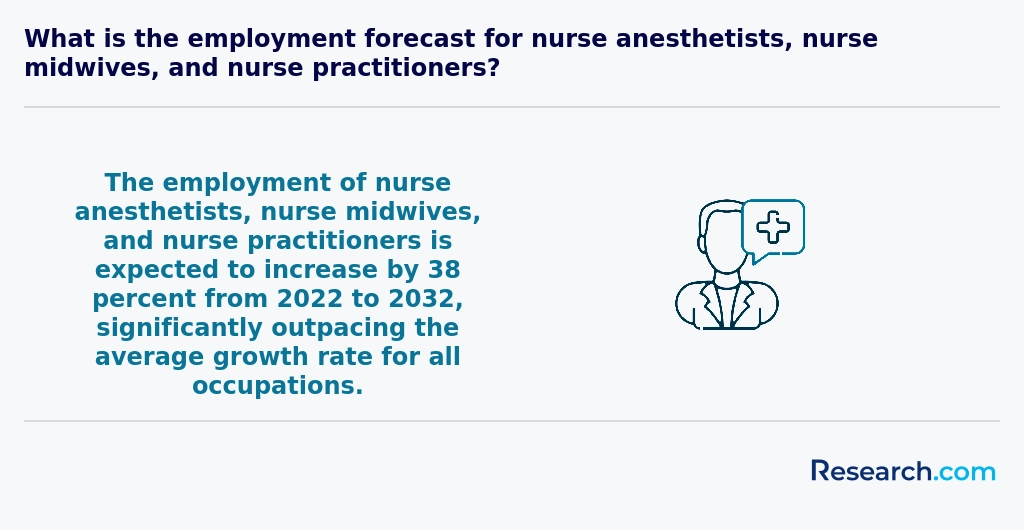
Nursing degree specializations in Norfolk typically include Registered Nurse (RN) to Bachelor of Science in Nursing (BSN), Family Nurse Practitioner (FNP), and Geriatric Nursing. These tracks reflect the area's healthcare demands, such as the aging population and primary care needs. Graduates from Tidewater Community College and Norfolk State University often cite satisfaction with programs tailored to these specializations, highlighting the practical skills gained in clinical settings.
Other specialization options encompass Critical Care Nursing, Pediatric Nursing, and Psychiatric and Mental Health Nursing. These areas require advanced training but offer excellent career prospects, with median wages between $75,000 and $110,000 nationally. Norfolk's local healthcare employers, including Sentara Healthcare, emphasize the value of these certifications due to workforce demands.
Many students pursuing Norfolk nursing program specialization options appreciate how programs incorporate real-world scenarios, enabling them to advance confidently in roles such as primary care providers and specialists. For those interested in expanding their scope further, programs also foster professional pathways like forensic nursing professional growth, which broadens understanding beyond typical clinical roles.
Choosing the best nursing degree in Norfolk requires analyzing key factors such as accreditation, cost, clinical experiences, and graduate outcomes. For example, graduates from Norfolk State University appreciate the robust BSN program accredited by CCNE, which ensures national quality standards. Their experience highlights the value of attending an accredited school not only for academic rigor but also for eligibility for federal aid and employer recognition.
Affordability plays a major role, especially for those seeking affordable nursing programs Norfolk offers. Community colleges with ADN programs provide lower tuition options often under $8,000 annually compared to four-year universities. Graduates frequently mention that factoring in additional expenses like books and uniforms is crucial when calculating the total cost.
Hands-on clinical opportunities in partnerships with facilities such as Sentara Norfolk General Hospital give students exposure to diverse specialties, enhancing readiness for the NCLEX-RN exam. High NCLEX pass rates above 85% reported by local programs confirm effective preparation, echoing the positive outcomes graduates share.
Finally, assessing career services is essential. Nursing students in Norfolk often benefit from schools providing strong employer connections and job placement support. For advice on financing your education, explore options found in nursing schools dallas financial aid.

Nursing graduates in Norfolk have access to a diverse range of career paths due to the city's robust healthcare infrastructure and military presence. Registered Nurse (RN) roles, typically secured upon completing a BSN, are the most common initial positions. Local healthcare employers, including Sentara Norfolk General Hospital, favor BSN-prepared nurses for leadership tracks, providing clear advancement opportunities. Average RN salaries in Norfolk hover around $70,000 annually, reflecting competitive compensation within the region.
Specialization options abound, with graduates pursuing areas like Critical Care Nursing in ICU settings, Pediatrics focusing on child healthcare, and Geriatric Nursing to meet the demands of Norfolk's aging population. Community Health Nursing roles often connect practitioners with public health departments, while Military Nursing offers niche employment tied to Norfolk's large naval base. These varied options are typical examples of nursing career opportunities in Norfolk.
Advanced practice positions such as Nurse Practitioner or Clinical Nurse Specialist require extended education but start with strong BSN foundations. Graduates from popular nursing schools in Norfolk often explore direct entry msn programs near me to accelerate this path. Such advanced roles benefit from Virginia's full practice authority for NPs, expanding job flexibility in primary and mental health sectors.

The nursing job outlook Norfolk offers is robust, supported by a network of hospitals, clinics, and long-term care facilities such as Sentara Norfolk General Hospital and Bon Secours Maryview Medical Center. Graduates from nursing programs at local institutions often find employment quickly, benefiting from the region's stable healthcare demand fueled by an aging population and significant military presence. Many report rewarding experiences transitioning from study to roles in outpatient clinics or home health agencies, developing both clinical skills and patient relationships.
In terms of compensation, the median annual wage for registered nurses in the Norfolk area was about $73,000 as of May 2023, reflecting a competitive salary relative to local living costs. This salary level encourages recent nursing graduates to pursue specialization or further credentials to enhance career progression. Understanding the financial commitment is important-nursing students in Norfolk typically pay between $8,000 and $20,000 annually for a BSN at public universities, often supplemented by scholarships or tuition reimbursement.
For those seeking diverse training pathways or considering regional alternatives, exploring online nursing degrees michigan specialization options can provide additional flexibility while aiming for similar career outcomes in healthcare employment opportunities Norfolk provides.
2027 Most Affordable Nursing Degree Programs Ranking in Norfolk
Investing in your education is a significant decision that can shape your future, and the Research.com team understands the importance of making informed choices. To assist prospective students in Norfolk, we have meticulously developed the "2027 Most Affordable Nursing Degree Programs Ranking in Norfolk." Our commitment to quality, credibility, and accuracy is reflected in the extensive research and analysis conducted to compile this ranking.
We utilized the following reputable data sources to ensure a comprehensive evaluation of nursing programs:
By exploring this ranking, readers will gain valuable insights into the most affordable nursing degree options available in Norfolk, empowering them to make well-informed decisions about their educational investments. For a deeper understanding of how this ranking was created, please visit our Research.com methodology page.


Frequently Asked Questions About nursing
Nursing degree students in Norfolk can maximize their learning experience by engaging actively in clinical placements offered through local healthcare facilities. Norfolk hosts several hospitals and clinics affiliated with universities, providing hands-on training crucial for skill development. According to the Virginia Nurses Association, practical experience significantly improves competency and confidence in nursing graduates.
Complementing clinical work with participation in study groups and simulation labs strengthens theoretical understanding and teamwork abilities. Students should also consider joining local nursing organizations, which offer workshops and networking opportunities within the Norfolk healthcare community.
Additionally, many Norfolk colleges provide academic support services and access to up-to-date digital resources, helping students stay current with medical advancements and evidence-based practices.
The nursing field in Norfolk is expanding into several specialized areas to meet evolving healthcare needs. One emerging niche is geriatric nursing, which focuses on the care of an aging population. With Norfolk's senior population growing steadily, demand is expected to rise sharply in this specialty.
Another promising area is informatics nursing, blending healthcare and technology to improve patient outcomes through data management. This niche offers opportunities as digital records become standard.
Behavioral health nursing is also gaining importance due to increased awareness of mental health issues. Nurses trained in this area help support patients with psychiatric and substance use disorders.
Finally, community health nursing in Norfolk emphasizes preventive care and public health, addressing social determinants of health in local populations.
Preparing for the job market after completing a nursing degree in Norfolk involves several strategic steps. Graduates should first ensure they obtain licensure by passing the NCLEX-RN exam, a mandatory requirement to practice as a registered nurse in Virginia. According to the Virginia Board of Nursing, the NCLEX-RN pass rate for Norfolk-based programs remains above the state average, indicating strong preparation.
Networking is crucial; attending local healthcare job fairs and joining Norfolk nursing associations can connect graduates to employers. Additionally, gaining clinical experience through internships or externships during study enhances a resume and practical skills.
Understanding Norfolk's healthcare landscape is important. Facilities like Sentara Norfolk General Hospital and Eastern Virginia Medical School frequently recruit new nurses, so exploring their career portals early can offer job leads. Moreover, graduates should consider obtaining certifications in specialty areas such as critical care or pediatrics to increase employability and salary potential.
Employers in Norfolk highly value nursing graduates who demonstrate strong clinical skills combined with effective communication. According to the Virginia Board of Nursing, critical thinking and patient assessment abilities are essential for entry-level nurses. Additionally, proficiency in electronic health record (EHR) systems is increasingly important due to healthcare digitization.
Norfolk healthcare facilities emphasize the need for teamwork and cultural competence, reflecting the area's diverse population. A 2023 survey by the Norfolk Nurses Association found that over 80% of employers prioritize adaptability and stress management skills in new nursing hires. These skills help graduates thrive in fast-paced hospital environments like Sentara Norfolk General Hospital.
Finding nursing internships in Norfolk involves a strategic approach focused on local healthcare providers and educational institutions. Many nursing programs in the area, such as at Old Dominion University, have partnerships with hospitals including Sentara Norfolk General Hospital and children's healthcare centers that offer clinical placement opportunities. According to the Virginia Nurses Association, clinical internships commonly span 100 to 200 hours and provide valuable hands-on experience essential for licensure.
Prospective interns should contact nursing program advisors early to access internship listings. Also, exploring job boards like the Virginia Board of Nursing's official site can reveal openings.
Networking through local healthcare organizations and attending career fairs held by Norfolk State University can further enhance internship prospects.
Obtaining a nursing degree in Norfolk significantly enhances career mobility and advancement opportunities within the regional healthcare sector. Nurses with accredited degrees are qualified for a wider range of roles, from staff nurse positions to specialized fields such as pediatrics or geriatrics. According to the Virginia Employment Commission, registered nurses in the Norfolk area experienced a projected job growth rate of 7% from 2020 to 2030, reflecting steady demand.
Higher education credentials, such as a Bachelor of Science in Nursing (BSN), often lead to increased earning potential and eligibility for leadership roles like nurse manager or clinical coordinator. Many local hospitals, including Sentara Healthcare, prioritize hiring nurses with degrees, emphasizing the importance of advanced education in career progression.
Continuing education through nursing degrees also supports eligibility for certifications that improve employability and skill sets. Thus, pursuing a nursing degree in Norfolk aligns with practical pathways to professional growth and stability within the healthcare industry.
Studying for a nursing degree in Norfolk equips students with essential skills to function effectively in interdisciplinary healthcare teams. Programs emphasize collaboration with professionals such as physicians, social workers, and therapists, reflecting real-world hospital and clinic environments. Norfolk's nursing schools often include clinical rotations in diverse settings, supporting hands-on experience in team communication and coordinated patient care.
According to the Virginia Board of Nursing, graduates are trained in evidence-based practices and patient-centered approaches that enhance teamwork across disciplines. The integration of simulation labs and case studies in Norfolk curricula further prepares students to navigate complex healthcare systems confidently.
Choosing between a thesis and a non-thesis nursing degree program in Norfolk depends on your career goals and learning preferences. Thesis programs typically focus on research, requiring students to conduct original studies and write a detailed paper. This path suits those interested in advanced clinical roles, teaching, or doctoral studies. Non-thesis programs emphasize practical skills and clinical experience, often including additional coursework or internships instead of research. According to the Virginia Department of Education, Norfolk offers several nursing schools with both options, but non-thesis tracks may allow faster completion, appealing to working professionals seeking advancement.
In terms of cost, thesis tracks sometimes involve fewer credit hours but more time spent on research, affecting expenses. Local employers often value non-thesis graduates for hands-on nursing roles, while academic institutions prefer thesis graduates for faculty positions. Understanding these differences will help you align your choice with your professional aspirations within Norfolk's healthcare market.
Students based in Norfolk who wish to study nursing abroad have several pathways, often involving partnerships between US institutions and foreign universities. While direct options in Norfolk itself are limited, many universities nationwide offer study-abroad or exchange programs with global nursing schools. For example, some programs allow students to complete clinical rotations in countries with diverse healthcare systems, expanding their practical experience.
According to the American Association of Colleges of Nursing (AACN), such international experiences enrich students' cultural competence and clinical skills, both highly valued in today's healthcare workforce. Norfolk-based students can explore options through their current colleges or apply to national universities known for global nursing programs.
Students pursuing nursing degrees in Norfolk can find several part-time job opportunities that complement their education and enhance practical skills. Local hospitals like Sentara Norfolk General and CHKD offer part-time roles such as patient care assistants or medical scribes. These positions provide hands-on experience in clinical settings, which is crucial for nursing students.
Additionally, Norfolk's aging population increases demand for home health aides and personal care assistants, roles suitable for nursing students looking to understand patient care in community settings. According to the U.S. Bureau of Labor Statistics, healthcare support jobs in the Norfolk metropolitan area are projected to grow by 12% through 2030, reflecting ample opportunities.
Working part-time in these roles allows nursing students to deepen their healthcare knowledge while supporting their studies financially and practically.
Nursing students in Norfolk benefit from diverse networking opportunities that support both academic and professional growth. Local institutions, such as Old Dominion University and Norfolk State University, often host nursing student organizations that connect members to healthcare professionals and alumni. These groups provide access to workshops, guest lectures, and career fairs.
The Hampton Roads area, encompassing Norfolk, is home to numerous hospitals and healthcare centers, including Sentara Norfolk General and CHKD, where students can attend clinical networking events and internships. According to the Virginia Nurses Association, Norfolk hosts regular regional meetings that welcome nursing students for valuable professional interactions.
Additionally, national organizations like the American Nurses Association have active chapters in the area, offering conferences and continuing education where students can build contacts essential for future employment.
Alumni networks offer significant advantages to nursing degree students in Norfolk by connecting them with experienced professionals in the local healthcare field. Many Norfolk-based nursing programs have active alumni communities, providing mentorship, internship opportunities, and job referrals. According to the Virginia Nurses Association, alumni support has increased the employment rate of recent graduates by up to 20% within the region. These networks also facilitate workshops and continuing education events, helping students stay current with clinical practices and certifications. For students entering a competitive job market in Norfolk hospitals and clinics, strong alumni ties can enhance career prospects and professional growth.
Customizing a nursing degree program in Norfolk allows students to align their education with specific career goals. Many local institutions offer flexible course options, including specialized tracks such as pediatric, geriatric, or psychiatric nursing. Students can often choose electives or clinical placements focused on their areas of interest, providing practical experience that supports targeted career paths.
Additionally, Norfolk's proximity to diverse healthcare facilities enables partnerships for internships or residencies, helping students gain direct experience. Some programs also incorporate opportunities for leadership or research, which can prepare students for advanced roles.
Prospective students should consult academic advisors and explore accreditation details to ensure their chosen customization supports licensure and professional goals in nursing.
Nursing students in Norfolk commonly face several challenges during their studies. One major issue is balancing rigorous clinical hours with academic coursework, which can lead to high stress and time-management difficulties. According to a 2023 report by the Virginia Nurses Association, about 65% of nursing students in the region report feeling overwhelmed during clinical placements.
Another challenge is financial strain. Although some programs offer scholarships, many students struggle to cover tuition and living expenses, especially given Norfolk's rising cost of living. Limited access to mental health resources on campus also affects student well-being.
Finally, adapting to rapidly evolving healthcare technologies and meeting licensure exam requirements add extra pressure. Nursing students must stay current with both theoretical knowledge and practical skills to succeed in the competitive healthcare environment of Norfolk.
With a nursing degree, graduates in Norfolk can pursue various professional certifications to enhance their career prospects. Common certifications include the Registered Nurse (RN) license, obtained by passing the NCLEX-RN exam, which is essential for clinical practice.
Beyond RN licensure, nurses can specialize in areas such as Critical Care (CCRN), Pediatric Nursing (CPN), or Geriatric Nursing. Certifications like the Certified Nurse Educator (CNE) are also popular for those interested in academic roles.
According to the Virginia Board of Nursing, Norfolk's healthcare employers increasingly seek nurses with advanced certifications, reflecting a 12% regional growth in specialty nursing jobs from 2020 to 2023.
Obtaining certifications often requires clinical experience and passing an exam administered by recognized organizations such as the American Nurses Credentialing Center (ANCC).
Writing a winning application for a nursing program in Norfolk requires clear focus and preparation. Start by highlighting your academic achievements, especially your performance in biology, chemistry, and other science courses. Many programs value a minimum GPA of 3.0 or higher.
Include relevant healthcare experience, such as volunteering at hospitals in Norfolk or internships. According to the Virginia Board of Nursing, practical exposure can significantly strengthen your application.
Craft a compelling personal statement that explains your motivation, commitment, and understanding of nursing challenges in local communities. Norfolk's healthcare system often serves diverse populations, so emphasizing cultural competence can be advantageous.
Finally, secure strong letters of recommendation from educators or healthcare professionals who know your work ethic and character well.
A nursing career holds significant value worldwide, with the United States recognized for its advanced education and training standards. Nurses in Norfolk benefit from programs aligned with national guidelines set by the American Association of Colleges of Nursing. Globally, the demand for qualified nurses is rising due to aging populations and increased healthcare needs, with the U.S. Bureau of Labor Statistics projecting a 9% growth in nursing jobs through 2031. Norfolk's access to reputable institutions supports students in meeting these standards, facilitating potential international mobility within allied healthcare systems that recognize American nursing credentials.
Students pursuing a nursing degree in Norfolk can gain practical experience through clinical placements, which are a required part of accredited programs. These placements typically occur in local hospitals, such as Sentara Norfolk General Hospital and CHKD, providing hands-on training in real healthcare settings. According to the Virginia Board of Nursing, students must complete a minimum of 500 clinical hours to qualify for licensure.
Many nursing programs also offer simulation labs that replicate patient care scenarios, helping students develop critical skills before entering clinical environments. Additionally, internships and volunteer opportunities at community health centers in Norfolk can supplement formal training.
Choosing the right concentration within a nursing degree program in Norfolk depends on your career goals and interests. Popular concentrations include Family Nurse Practitioner, Pediatric Nursing, and Geriatric Nursing, reflecting regional healthcare needs. For example, Norfolk's aging population increases demand for geriatric specialists, according to the Virginia Department of Health.
Consider job growth projections in the area: the Bureau of Labor Statistics forecasts a 15% increase in nurse practitioner jobs statewide through 2031. Research local hospitals and clinics to identify which specialties dominate the market.
Also, review curriculum details and clinical placement opportunities each program offers, as hands-on experience in Norfolk facilities can enhance employment prospects upon graduation.
- 2027 Most Affordable Nursing Degree Programs Ranking in Virginia Beach
- 2027 Most Affordable Nursing Degree Programs Ranking in Washington
- 2027 Most Affordable Nursing Degree Programs Ranking in Lynchburg
- 2027 Most Affordable Nursing Degree Programs Ranking in Baltimore
- 2027 Most Affordable Nursing Degree Programs Ranking in Harrisonburg
- 2027 Most Affordable Nursing Degree Programs Ranking in New York
- 2027 Most Affordable Nursing Degree Programs Ranking in Pittsburgh
- 2027 Most Affordable Nursing Degree Programs Ranking in Cleveland
- 2027 Most Affordable Nursing Degree Programs Ranking in Rochester
- 2027 Most Affordable Nursing Degree Programs Ranking in Boston
See What Experts Have To Say About Studying Nursing
Read our interview with Nursing experts


- What Nursing Concentration Is Right for Me? | Maryville Nursing https://nursing.maryville.edu/blog/what-nursing-concentration-is-right-for-me
- 10 Nursing Fields That Are Growing in Demand https://promedcert.com/blog/10-nursing-fields-that-are-growing-in-demand
- Your Questions About Online Nursing School, Answered https://www.allnursingschools.com/how-to-get-into-nursing-school/online-programs/
- Nursing Internships Abroad: An Introduction - RealStep https://www.real-step.com/en/articles/nursing-internships-abroad/
- Norfolk State University Nursing Program https://www.nursingschools.com/schools/virginia/norfolk/norfolk-state-university
- Guide to Making a Career Change to Nursing https://teach.com/online-ed/healthcare-degrees/online-msn-programs/career-change-to-nursing/
- Nursing Scholars | Learning Communities | Norfolk State University https://www.nsu.edu/learning-communities/nursing-scholars
- Nursing Financial Aid https://nursinglicensemap.com/resources/nursing-financial-aid/
- THE FIELD OF NURSING - FIRST-DEGREE OF STUDIES https://wnoz.wum.edu.pl/pl/content/field-nursing-first-degree-studies
- Nursing Jobs in Norfolk - Your World https://www.yourworld.com/uk/nursing-jobs-in-norfolk


