
2027 Best Nursing Degree Programs Ranking in Seattle

Co-Founder and Chief Data Scientist
Are you considering a nursing degree in Seattle? This article presents the 2027 Best Nursing Degree Programs Ranking in Seattle, thoughtfully developed by the Research.com team of data scientists. It's designed to help you make an informed decision about which programs truly stand out.
Choosing the right nursing program can open doors to a rewarding and stable career. By exploring this ranking, you'll gain valuable insights that ease your path toward a fulfilling future in healthcare.
Take the next step confidently and discover the programs that fit your goals and aspirations.
Key benefits of getting nursing degree in Seattle
- Nursing degree graduates in Seattle can expect strong earning potential, with Registered Nurses and Public Health Nurses earning a mean annual wage of $94,480, while Operating Room Nurses can earn significantly more, around $128,490 per year.
- Graduates from well-known local schools like the University of Washington can explore diverse career paths, including clinical nursing, emergency room work, and nurse education, offering flexibility to find a role that fits their passion and skills.
- Online nursing degrees, such as those offered by Seattle Pacific University, provide the convenience to balance work and study while gaining the same essential skills, making it easier to advance quickly without relocating.
- 2027 Best Nursing Degree Programs Ranking in Seattle
- What can I expect from nursing degree in Seattle?
- Where can I work with nursing degree in Seattle?
What can I expect from nursing degree in Seattle?
The average cost of pursuing a nursing degree in Seattle varies depending on the program and institution, but students often find it an investment worth making for a rewarding career. For example, many ADN programs at local community colleges can be completed in about two years with total tuition costs typically ranging from $10,000 to $20,000. Meanwhile, a full-time BSN program at prominent universities like the University of Washington tends to take approximately four years, with tuition and fees averaging between $40,000 and $60,000 for in-state students.
Graduates frequently share how financial aid and scholarships helped ease the burden, making their dreams achievable despite initial concerns about expenses. They describe balancing part-time work and studies, feeling supported by campus resources and community networks dedicated to nursing students in Seattle.
Students appreciate how affordable options coexist with high-quality clinical placements at places such as UW Medicine and Swedish Health Services, providing invaluable hands-on experience that enriches their education beyond the classroom.
Where can I work with nursing degree in Seattle?
Graduates from nursing programs at institutions like the University of Washington find themselves welcomed into Seattle's thriving healthcare landscape with open arms. Many secure roles in top hospitals such as UW Medical Center or Swedish Medical Center, where they experience the rewarding challenge of providing care in busy emergency rooms or specialized units. The excitement of being part of a team that saves lives daily fills recent grads with pride and purpose.
Others discover fulfilling careers in community health clinics, working alongside patients managing chronic conditions or learning about disease prevention. These roles allow nurses from Seattle's nursing schools to make a real difference in people's everyday lives, nurturing hope and trust within neighborhoods.
Public health positions often attract nurses passionate about broader community impact-running vaccination drives or organizing health education with the Seattle & King County Public Health department. Meanwhile, opportunities in long-term care and home health services offer deeply personal connections, as nurses support Seattle's aging population with compassion and respect.
Graduates from nursing programs in Seattle, such as those from the University of Washington or Seattle University, quickly find rewarding opportunities with competitive pay. Registered nurses commonly earn a mean annual wage of around $94,480, translating to an hourly rate near $45.42. This solid starting point reflects Seattle's strong healthcare sector and vibrant community support.
Many graduates feel energized stepping into roles like clinical nurse educators and public health nurses, which offer similar salary levels of about $94,480 per year. These positions not only provide financial stability but also the chance to make a meaningful impact on patient care and community wellness.
For those who advance into specialized fields, the possibilities grow even brighter. For example, operating room nurses in Seattle earn a notably higher mean salary-approximately $128,490 annually, or $61.78 hourly-showcasing how dedication and specialization can elevate your career and compensation dramatically.
This earning potential, combined with the vibrant nursing community in Seattle, inspires graduates to thrive both personally and professionally.
- Nursing degrees in Seattle range from Associate Degree in Nursing (ADN) to Bachelor of Science in Nursing (BSN) and advanced practice programs.
- Tuition for ADN programs is typically between $8,000 and $15,000, while BSN programs often cost over $40,000 including all fees and supplies.
- Entry-level nursing salaries range from $70,000 to $80,000 per year, with median salaries for BSN-prepared nurses exceeding $95,000 annually.
- The nursing job market in Seattle is growing at a rate above 15% due to an aging population and strong healthcare demand.
- Clinical partnerships with local healthcare providers help improve practical experience and job placement for nursing students.
Completing a nursing degree in Seattle can be an exciting journey that suits your pace and goals. Many students begin with an Associate Degree in Nursing (ADN), often completed in just two to three years at community colleges like Seattle Central College. Graduates often share how this path quickly launched their careers, allowing them to start working and gaining hands-on experience sooner than they expected.
For those aiming higher, pursuing a Bachelor of Science in Nursing (BSN) at places like the University of Washington typically takes about four years of full-time study. Many graduates reflect on the enriching blend of classroom learning and real-world clinical practice that prepares them confidently for the nursing field.
Seattle also offers flexible options like RN-to-BSN bridge programs and accelerated BSN tracks for career changers, with completion times as short as 11 to 18 months. These options inspire students to pursue their dreams without delay, demonstrating that with determination, advancing your nursing education in Seattle is both achievable and rewarding.
Licensed Practical Nurses (LPNs) in Seattle looking to advance their careers can enroll in accelerated LPN to RN bridge programs that build on existing clinical experience and prepare them for the NCLEX-RN. These pathways typically range from 12 to 18 months, depending on transfer credits and clinical hour requirements set by the Washington State Nursing Care Quality Assurance Commission (NCQAC). Key components include:
- Prerequisite Coursework: Anatomy, physiology, microbiology and pharmacology credits often transfer from LPN training, reducing total program length.
- Clinical Rotations: Partnerships with Seattle hospitals-such as Swedish Medical Center and UW Medicine-ensure hands-on practice in diverse specialties.
- NCLEX-RN Preparation: Integrated review modules and practice exams boost pass-rate confidence. Graduates report average pass rates exceeding 85%, reflecting rigorous faculty support and peer study groups.
- Flexible Delivery: For LPNs balancing work and family, the best 6 month online lpn to rn degree programs provide a fully online curriculum with virtual simulations and local clinical placements, enabling seamless progression from LPN to RN.
- Career Outcomes: Upon licensure, bridge-program graduates qualify for roles in medical-surgical units, pediatrics and long-term care, with starting salaries comparable to traditional BSN holders. By selecting an accredited bridge program, LPNs in Seattle can leverage their practical skills, accelerate their education, and step confidently into expanded RN roles.
Choosing between an online and an on-campus nursing degree in Seattle opens exciting opportunities tailored to your lifestyle. Graduates from the University of Washington often share how online BSN programs gave them unmatched flexibility, allowing them to balance family and work while studying at their own pace with 24/7 access to materials. Many praise how virtual simulations combined with local clinical placements made real-world skills feel within reach, even from home.
On the other hand, students at Seattle's community colleges treasure the vibrant energy of face-to-face learning. Being on campus means immediate support from instructors, hands-on practice with advanced lab mannequins, and instant connection with peers-experiences that build confidence and teamwork essential in nursing careers. The direct engagement fosters a strong sense of community and motivation, turning study sessions into meaningful interactions.
Both paths require essential in-person clinical hours, ensuring practical experience that licensing boards demand. For Seattle students, these experiences at local healthcare facilities spark empowerment and readiness to thrive in diverse nursing roles.
: When considering a nursing degree in Seattle, WA, one of the crucial factors to take into account is the affordability of the programs. Prospective students can find valuable information on most affordable nursing schools in Washington, which provides insights into the cost of attending various nursing schools in the state. This information can help students make informed decisions about their education, balancing the quality of the program with the financial investment required. Many nursing schools in Seattle offer competitive pricing, financial aid, and scholarships to help make nursing education more accessible. By exploring these options, aspiring nurses can find a program that fits their budget and sets them on the path to a rewarding career in healthcare.
The average nursing degree cost in Seattle typically reflects a median total expense of around $62,514. For students fortunate enough to maintain in-state residency, this investment becomes more accessible, with a median in-state total cost near $26,690. This affordability opens doors for many aspiring nurses enrolled in well-regarded programs at institutions like the University of Washington, where hands-on experience, excellent faculty, and community partnerships combine to provide a rich educational journey.
Graduates often share how balancing tuition with additional costs like books, supplies, clinical fees, and licensing exams felt challenging at first but ultimately rewarding. Their stories highlight the strong support networks available within Seattle's nursing colleges, making these expenses a manageable step toward a fulfilling career. Whether attending public or private institutions, students recognize that the tuition investment aligns with the quality and resources they receive during their studies.
Students exploring Seattle nursing program tuition fees often find it helpful to compare options, knowing some private colleges may charge significantly more. Yet, many emphasize that scholarships and financial aid play a crucial role in easing the financial burden while pursuing their dreams of compassionate patient care. For anyone eager to pursue nursing in the region, exploring the most affordable nursing schools in Washington can be a smart step toward making their educational goals a reality.

Accreditation confirms a program meets national nursing education standards and prepares you for licensure.
- Commission on Collegiate Nursing Education (CCNE) accreditation reflects rigorous curriculum review and clinical experience requirements.
- Accreditation Commission for Education in Nursing (ACEN) approval ensures quality instruction and comprehensive student support.
- Aim for programs with NCLEX-RN first-time pass rates above 85% to maximize your chances of becoming a licensed RN.
For nurses planning advanced practice roles, explore the easiest dnp program online.
Many nursing students in Seattle find strong financial support through federal aid programs like Pell Grants and federal student loans accessed via FAFSA. These resources ease the burden of tuition costs-often between $9,500 and $30,000 annually-allowing students at institutions like the University of Washington to focus more on their studies and less on finances. One graduate shared how a Pell Grant significantly lightened their tuition load, enabling them to dedicate extra time to clinical practice without added stress.
State programs also bring encouraging opportunities. For example, the Washington State Nursing Care Quality Assurance Commission offers loan repayment assistance, helping graduates who serve underserved Seattle communities. Schools such as Seattle University provide scholarships aimed at rewarding merit and fostering diversity among nursing students, amplifying the sense of inclusion and hope for many.
Additionally, nursing students gain advantages from employer tuition reimbursement programs in the local healthcare sector, which many graduates recall as a vital support, motivating them to keep growing within their careers while managing education costs.
Seattle’s top nursing programs are distinguished not only by their academic rigor but also by their ability to prepare students for licensure. Prospective nurses should examine NCLEX-RN pass rates as a critical measure of program quality and state board approval. For example, the University of Washington consistently reports first-time pass rates above 92%, while Seattle University’s accelerated BSN graduates achieve pass rates near 88%. These figures significantly outpace the national average of 85%, demonstrating the effectiveness of Seattle’s clinical simulations, dedicated NCLEX review courses, and faculty-led study groups. To maximize licensure success, students benefit from structured exam preparation. Many Seattle programs offer comprehensive NCLEX prep workshops, including practice question banks, digital flashcards, and mock exams under timed conditions. Clinical faculty often host weekly review sessions, focusing on pharmacology, pathophysiology, and patient safety-core domains emphasized by the National Council of State Boards of Nursing (NCSBN). Admissions counselors recommend verifying each school’s NCLEX support infrastructure and tracking trends over the past three years to ensure consistent performance. Affordability and exam success can go hand in hand. For aspiring nurses balancing cost and licensure readiness, our Cheapest Nursing Degree Programs spotlight institutions that pair low tuition with robust NCLEX pass rates. By prioritizing programs with proven licensing outcomes and cost-effective pathways, students can confidently invest in their education, knowing they have the tools to excel on the NCLEX-RN and launch a thriving nursing career in Seattle.
To enroll in a nursing degree program in Seattle, start by building a strong foundation in biology, chemistry, and math-just as many successful graduates from the University of Washington's School of Nursing did. These core subjects pave the way for mastering nursing coursework with confidence and determination.
Next, embrace standardized tests like the ACT, SAT, or TEAS, which many programs require to help shape your readiness. Imagine the feeling of passing these exams, knowing you're one step closer to joining Seattle's thriving healthcare community.
Completing anatomy and physiology courses with good grades-usually a C or better-is another essential step. Many students recall how these classes sparked their passion for understanding the human body, fueling their motivation through challenging but rewarding days on campus.
Beyond academics, Seattle nursing schools value practical experience through volunteering or working in healthcare settings. This hands-on involvement deepens your connection to patient care and sets you apart as a compassionate future nurse.
Finally, prepare for background checks and immunization records, ensuring safety for yourself and those you'll serve. These requirements reflect the trust and responsibility you'll carry proudly as part of Seattle's healthcare heroes.

Navigating the application process for nursing programs in Seattle, WA, requires careful planning and attention to detail. Start by researching each school’s deadlines and requirements-most programs at institutions like the University of Washington and Seattle University open applications in the fall for the following academic year. Prepare your transcripts early, ensuring that prerequisite courses in biology, chemistry, anatomy, and psychology meet the minimum GPA criteria (often 3.0 or higher). Register for the TEAS exam well in advance, as many programs use your score to assess readiness. Request two to three strong letters of recommendation from healthcare professionals or professors who can speak to your clinical aptitude and work ethic. When drafting your personal statement, highlight meaningful volunteer experiences, leadership roles, and a clear understanding of Seattle’s diverse patient population; this narrative will set you apart in a competitive admissions pool. Once you’ve submitted your application, be ready for potential interviews. Research each school’s mission and clinical partnerships, and practice common questions about patient advocacy, teamwork, and handling stressful scenarios. Dress professionally and arrive early, demonstrating punctuality and genuine enthusiasm. Finally, if you’re looking to strengthen your clinical background before applying to RN or BSN programs, consider entry-level pathways-aspiring nurses often explore online lpn programs to gain hands-on experience, build confidence, and enhance their applications for bachelor’s-level nursing degrees. By following these tips and submitting a polished, well-timed application, you’ll increase your chances of securing a seat in one of Seattle’s top nursing programs.
Students pursuing nursing degrees in Seattle dive into courses that build a strong foundation while inspiring confidence and compassion. Graduates from universities like the University of Washington often share how anatomy and physiology courses deepened their understanding of the human body, fueling their passion for patient care. Combining this with microbiology and chemistry gives students the scientific insight needed to thrive.
Courses in fundamentals of nursing, pharmacology, and health assessment teach practical skills that empower students to safely administer medications and perform thorough evaluations. These lessons come alive through hands-on practice, especially in Seattle's dynamic healthcare settings.
Specialized classes such as medical-surgical nursing, maternal and child health, pediatric nursing, and mental health nursing prepare students for diverse roles. Many recall clinical rotations at renowned centers like Harborview Medical Center, where theory meets real life, nurturing confidence and readiness.
This curriculum embraces Seattle's innovative spirit, encouraging the use of evidence-based practice and cutting-edge technology to elevate care. Through these courses, students are equipped to make meaningful impacts in their communities.
Choosing a nursing degree in Seattle opens doors to diverse and rewarding specializations that match the city's dynamic healthcare landscape. Graduates from top programs like the University of Washington find themselves passionate about areas such as Family Nurse Practitioner roles, offering care to patients of all ages, or Psychiatric-Mental Health Nursing, where they make a profound difference in mental wellness. Many express pride in pursuing Adult-Gerontology Acute Care, where they support critically ill adults, or Public Health Nursing, which empowers communities through preventive care.
Seattle nursing programs with specialty options also include Pediatric and Neonatal Nursing, perfect for those drawn to nurturing infants and children in bustling hospital settings. Leadership and Nursing Informatics attract students eager to blend clinical expertise with innovation. Some students even balance their dreams by exploring online lpn programs alongside these specializations, making nursing education flexible and accessible.
Choosing the best nursing degree in Seattle means focusing on accredited programs that open doors to rewarding careers. Graduates from popular local universities often praise the strong community support and hands-on clinical placements at top hospitals like the University of Washington Medical Center. These experiences boost confidence, preparing students to thrive in diverse healthcare environments. Whether pursuing an Associate Degree in Nursing or a Bachelor of Science in Nursing, knowing your program is accredited by CCNE or ACEN is essential for success.
Financial considerations also play a big role in this journey. Many students find affordable nursing schools Seattle WA appealing, with tuition ranging from $5,000 to $15,000 depending on public or private options. Community colleges offer accessible ADN programs that fit many lives balancing work and family. The key is blending quality education with cost-effectiveness to empower your dreams.
Finally, exploring flexible paths like the best 6 month online lpn to rn degree programs can accelerate progress while maintaining high NCLEX pass rates. Remember, each step onboard this path is a step toward making a meaningful impact in healthcare.
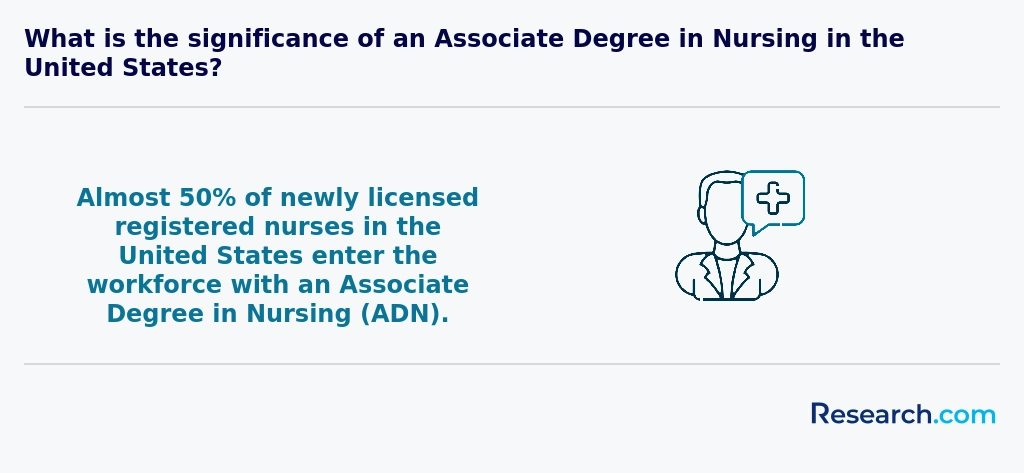
Graduates with a nursing degree in Seattle find exciting career paths that reflect the city's vibrant healthcare scene. Many begin as Registered Nurses, working in renowned hospitals like the University of Washington Medical Center or Swedish Medical Center, where they develop skills while making a meaningful impact on patient care. This thriving environment offers abundant opportunities to grow professionally and personally, inspiring new nurses each day.
For those aiming higher, becoming a Nurse Practitioner opens doors to specialized roles in pediatrics, geriatrics, and mental health, supported by Seattle's progressive healthcare system. Graduates from local nursing programs share stories of independently leading clinics and improving community health, illustrating the strong job prospects specific to this region. Exploring Cheapest Nursing Degree Programs in Washington State helps many students start this rewarding journey affordably.
Seattle's expanding biotech and research sectors also attract nursing graduates eager to contribute through clinical research or teaching at universities and community colleges. This diverse range of paths ensures anyone pursuing nursing career opportunities in Seattle can find a fulfilling role that matches their passions and goals.
The nursing job opportunities in Seattle are thriving, driven by a strong healthcare sector that welcomes graduates from local institutions such as the University of Washington and Seattle Central College. Many graduates share inspiring stories of securing rewarding roles at premier hospitals like Seattle Children's Hospital or UW Medicine shortly after completing their degrees. These experiences highlight the city's robust job placement rates and the wide array of career paths available, from general nursing to specialized care.
Seattle nursing degree employment outlook is especially bright for advanced roles like nurse practitioners and nurse anesthetists, where demand and salaries continue to rise. Students at Seattle's renowned nursing programs can confidently invest in their education, as the growing healthcare market offers abundant chances to thrive professionally and personally. For those seeking faster entry, it's worth exploring the best associate degree in 6 months accredited, which provides a quick yet reputable pathway into this fulfilling career.
2027 Best Nursing Degree Programs Ranking in Seattle
Investing in your education is a significant decision that can shape your future, and the Research.com team understands the importance of making informed choices. To assist prospective students in Seattle, we have meticulously crafted the "2027 Best Nursing Degree Programs Ranking in Seattle." Our commitment to quality, credibility, and accuracy is reflected in the extensive research and analysis conducted to compile this ranking.
We utilized the following reputable data sources to ensure a comprehensive evaluation of nursing programs:
By exploring this ranking, readers will gain valuable insights into the best nursing degree programs available in Seattle, helping them make well-informed decisions about their educational paths. For more details on our methodology, please visit our Research.com methodology page.


Frequently Asked Questions About nursing
Nursing degree students in Seattle can maximize their learning experience by engaging actively in clinical rotations offered at major healthcare facilities such as the University of Washington Medical Center. These hands-on experiences are crucial for applying theoretical knowledge and developing practical skills. According to the Washington Center for Nursing, Seattle hosts over 50 healthcare institutions, providing diverse clinical settings for students.
Additionally, students should take advantage of Seattle's strong network of nursing organizations for mentorship and professional development. Participation in simulation labs and interprofessional education workshops enhances critical thinking and teamwork.
Balancing study with community volunteer work can also deepen understanding of public health challenges specific to the Seattle area.
The nursing field in Seattle is evolving rapidly, with several emerging niches gaining traction. One growing area is geriatric nursing, reflecting the city's aging population. According to the Washington State Department of Health, demand for specialists in elder care is expected to rise by 20% over the next decade.
Another promising niche is telehealth nursing, driven by advances in technology and increased access to digital care. Seattle's healthcare providers are expanding remote patient monitoring and virtual consultations, creating new roles for nurses skilled in these technologies.
Additionally, psychiatric nursing is gaining importance as mental health awareness grows. The Seattle-King County Public Health report highlights a 15% increase in mental health-related services, emphasizing the need for qualified psychiatric nurses.
Lastly, informatics nursing is a niche where nurses combine clinical expertise and data management, supporting Seattle's tech-driven medical facilities.
After earning a nursing degree in Seattle, preparing effectively for the job market is essential. Begin by obtaining Washington State licensure, as the state requires passing the NCLEX-RN exam to practice as a registered nurse. According to the Washington State Department of Health, timely licensure improves employment prospects.
Networking plays a crucial role. Seattle has numerous healthcare employers, including large systems like Providence and Swedish Health Services. Attending local nursing conferences or joining professional groups, such as the Washington State Nurses Association, can connect graduates to job opportunities.
Additionally, clinical experience gained during your degree will be valuable. Many employers emphasize hands-on skills. Finally, consider certification in specialized areas like gerontology or pediatrics to stand out in a competitive job market.
Employers in Seattle seeking nursing degree graduates prioritize a blend of technical and interpersonal skills. Clinical competence in patient care and familiarity with electronic health records (EHR) systems are essential due to the region's advanced healthcare infrastructure. According to the Washington State Center for Nursing, critical thinking and adaptability are highly valued, as nurses must respond efficiently in fast-changing medical environments.
Strong communication skills are also vital since nurses frequently coordinate with diverse medical teams and support patients from varied backgrounds. Additionally, cultural sensitivity is important in Seattle's multicultural communities. Data from local hospital employers highlight teamwork and empathy as key factors influencing hiring decisions for nursing graduates.
Finding internships in Seattle relevant to a nursing degree involves leveraging local healthcare networks and educational resources. Nursing students typically start by contacting their college's career center, which often partners with Seattle's major hospitals like Swedish Medical Center and University of Washington Medical Center.
Many internships are offered through structured clinical placements required for nursing licensure, providing hands-on experience. Additionally, organizations such as the Washington State Nurses Association list internship opportunities and networking events suitable for students.
Seattle's demand for nurses is expected to grow by 26% through 2030, according to the Washington Employment Security Department, creating more available internships. Early applications and clear communication with program coordinators improve chances of securing a position.
Obtaining a nursing degree in Seattle significantly enhances career mobility and advancement opportunities. Nurses with degrees such as the Bachelor of Science in Nursing (BSN) are preferred by many employers, including major Seattle healthcare providers like UW Medicine and Swedish Health Services. According to the Washington State Employment Security Department, registered nurses with a BSN earn on average 12% more than those with an associate degree.
Higher education credentials also open doors to specialized roles such as nurse practitioners or nurse educators, which are in high demand locally. The Seattle area shows a 15% projected growth in nursing jobs through 2030, emphasizing the value of advanced degrees for career progression.
Additionally, holding a nursing degree supports eligibility for leadership positions and facilitates easier transferability between healthcare facilities within Washington State due to standardized licensure requirements.
Studying for a nursing degree in Seattle equips students with skills essential for interdisciplinary healthcare roles. Programs emphasize collaboration with professionals in fields like social work, pharmacy, and physical therapy. This is vital given Seattle's integrated health systems, such as UW Medicine and Swedish Health Services, which promote team-based care. According to the Washington State Employment Security Department, over 45% of nursing graduates in Seattle enter interdisciplinary settings within two years of graduation. Courses often include communication, ethics, and case management training to enhance teamwork. Clinical rotations in diverse environments help students apply these skills in real-world interdisciplinary contexts.
Choosing between a thesis and a non-thesis nursing degree program in Seattle depends primarily on your career goals and academic preferences. Thesis programs focus on research and prepare students for roles in academia or advanced clinical research. These typically require designing and conducting original research, which can be time-intensive but valuable for evidence-based practice.
Non-thesis programs emphasize practical skills and coursework, often preferred by nurses seeking advanced clinical positions or leadership roles without the need to engage in formal research. According to the Washington Center for Nursing, Seattle offers numerous both types, with several accredited by reputable bodies such as CCNE.
Consider also the time commitment; thesis degrees may extend duration by 6 to 12 months. Consult program advisors to align coursework with your professional objectives.
Students based in Seattle who wish to study nursing abroad have several options through exchange programs and international partnerships facilitated by their home institutions. Universities such as the University of Washington offer study abroad programs and clinical placements in countries like Australia, the United Kingdom, and Canada, where nursing curricula align with U.S. standards. These opportunities often last from a summer term to a full semester, providing exposure to diverse healthcare systems.
Participation usually requires maintaining good academic standing and meeting licensing requirements for future practice. According to the Washington State Nurses Association, studying abroad can enhance cultural competence, a key skill in nursing careers. It's essential for Seattle students to coordinate with their nursing advisors to ensure credits transfer properly toward their degree.
Seattle offers several part-time job opportunities that align well with nursing degree education. Many students and aspiring nurses find positions as certified nursing assistants (CNAs), which provide hands-on patient care experience and expose students to clinical settings. According to the Washington State Employment Security Department, CNA roles typically pay around $17 to $22 per hour and are in high demand locally.
Other valuable roles include medical scribing and patient care technician positions. These jobs help nursing students develop critical skills in medical documentation and patient monitoring.
Volunteer work in Seattle's numerous hospitals and clinics is another way to gain relevant exposure while pursuing degrees.
Nursing students in Seattle have access to a variety of valuable networking opportunities that can enhance their education and career prospects. The city hosts several professional nursing organizations, such as the Washington State Nurses Association, which regularly holds events, workshops, and conferences. These gatherings allow students to connect with experienced nurses and healthcare professionals.
Seattle's healthcare industry is robust, with major hospitals like the University of Washington Medical Center and Swedish Medical Center serving as hubs for clinical placements and mentorship programs. Students often benefit from hospital-sponsored seminars and job fairs.
Additionally, Seattle nursing schools frequently collaborate with local health agencies, creating avenues for internships and community engagement where students can build their professional contacts early in their careers.
Alumni networks offer valuable benefits to nursing degree students in Seattle by providing professional connections that can enhance career opportunities. Graduates often gain access to exclusive job listings at local hospitals such as Seattle Children's Hospital and Swedish Medical Center, increasing their chances for employment.
Networking events and mentorship programs facilitated by alumni help students learn practical skills and navigate the competitive healthcare job market. According to the Washington State Nursing Care Quality Assurance Commission, such support systems improve graduate placement rates by up to 15%.
Additionally, alumni networks promote lifelong learning through workshops and seminars focused on the latest healthcare trends in the Seattle area.
Customizing a nursing degree program in Seattle allows students to align their education with specific career goals. Many local universities offer flexible options, including specializations like pediatrics, gerontology, or acute care. Students can choose between Bachelor of Science in Nursing (BSN) or advanced degrees such as Nurse Practitioner (NP) programs, fitting their desired healthcare roles.
Clinical placements often reflect Seattle's diverse healthcare landscape, providing experience in urban hospitals or community clinics. Elective courses and certificate programs help tailor skills for specialties in high demand across Washington state, where registered nurses earn a median salary of around $90,000 annually, according to the U.S. Bureau of Labor Statistics.
Part-time and online study options also support working professionals aiming to advance without pausing their careers. This flexibility is crucial in Seattle's competitive nursing job market, helping students customize their education to meet personal and professional needs.
Nursing students in Seattle often face several challenges throughout their education. One major difficulty is balancing demanding clinical rotations with academic coursework, which requires significant time management skills. According to the Washington Center for Nursing, the state is experiencing a nursing shortage, increasing pressure on students to perform well and enter the workforce quickly.
Another challenge involves financial stress, as tuition and living costs in Seattle are among the highest in the nation. Many students rely on part-time work or loans to cover expenses, which can impact their study time and focus.
Lastly, students must adapt to evolving healthcare technologies and standards, demanding continuous learning and resilience in a fast-paced environment.
With a nursing degree in Seattle, graduates can pursue a variety of professional certifications to advance their careers. Common certifications include the Certified Registered Nurse Anesthetist (CRNA), Certified Nurse Practitioner (CNP), and Certified Nurse Midwife (CNM). These credentials require additional education and passing national board exams.
The Washington State Department of Health oversees nursing licenses and certification requirements locally. According to the department, advanced practice registered nurses (APRNs) must hold state licensure and national certification in their specialty.
Specialty certifications such as Medical-Surgical Nursing (CMSRN) and Emergency Nursing (CEN) are also popular for registered nurses seeking focused roles. The American Nurses Credentialing Center (ANCC) provides national certification exams recognized across Seattle healthcare facilities.
Writing a winning application for a nursing program in Seattle requires clarity and careful preparation. Start by emphasizing your academic achievements, especially in science and math courses, as nursing programs in Washington often look for strong STEM backgrounds.
Seattle nursing schools such as the University of Washington School of Nursing highly value healthcare experience. Volunteering or working in clinical settings can strengthen your application significantly.
Craft a compelling personal statement that highlights your motivation for nursing, aligns with program values, and showcases teamwork or leadership qualities. Include specific reasons for choosing a Seattle-based school.
Lastly, ensure that all prerequisite coursework and standardized test scores meet program requirements. Check the latest program-specific details on official websites such as the Washington State Nurse Credentialing Center.
Nursing is a respected and growing profession worldwide, including in the United States. Globally, nurses are recognized not only for their healthcare roles but also for their leadership in health policy and community care. In Seattle, the demand for nurses aligns with worldwide trends showing significant workforce growth, expected to increase by 9% nationally between 2020 and 2030, according to the U.S. Bureau of Labor Statistics.
Seattle's nursing programs often emphasize global health concepts, preparing graduates to work in diverse environments. Many Seattle institutions incorporate cultural competency and international health perspectives into their curricula, reflecting the profession's global nature.
This international outlook supports opportunities beyond local or national settings, as nurses from the U.S. are highly regarded internationally due to rigorous education and clinical standards. Such global recognition benefits Seattle students aiming for flexible career paths.
Gaining practical experience while studying for a nursing degree in Seattle is essential for developing clinical skills. Most accredited nursing programs include clinical rotations at local hospitals, clinics, or long-term care facilities. For example, students often train at top institutions like Seattle Children's Hospital or University of Washington Medical Center, providing hands-on patient care experiences.
Additionally, many programs offer simulation labs equipped with advanced technology to practice procedures safely before working with real patients. Students can also seek internships or volunteer opportunities in Seattle's robust healthcare system, which supports over 35,000 nursing professionals according to the Washington Center for Nursing.
Choosing the right concentration within a nursing degree program in Seattle involves understanding both your career goals and the healthcare needs of the region. Seattle's healthcare sector emphasizes specialties such as gerontology, pediatrics, and mental health, driven by its diverse and aging population. According to the Washington State Department of Health, registered nurses focusing on geriatric care are projected to grow by 15% through 2030.
Evaluate programs accredited by the Commission on Collegiate Nursing Education (CCNE) or the Accreditation Commission for Education in Nursing (ACEN) to ensure quality education. Consider clinical placement opportunities in Seattle's leading hospitals like UW Medical Center, which offer practical experience in various concentrations.
Additionally, review the faculty expertise and the availability of advanced certification tracks within the concentration, which can influence career advancement. Cost, program length, and flexible scheduling also matter for working students. Thorough research and alignment with local healthcare demands improve your decision.
- 2027 Best Nursing Degree Programs Ranking in San Francisco
- 2027 Best Nursing Degree Programs Ranking in Las Vegas
- 2027 Best Nursing Degree Programs Ranking in Los Angeles
- 2027 Best Nursing Degree Programs Ranking in Denver
- 2027 Best Nursing Degree Programs Ranking in San Diego
- 2027 Best Nursing Degree Programs Ranking in Colorado Springs
- 2027 Best Nursing Degree Programs Ranking in Phoenix
- 2027 Best Nursing Degree Programs Ranking in Tempe
- 2027 Best Nursing Degree Programs Ranking in Sioux City
- 2027 Best Nursing Degree Programs Ranking in Lincoln
See What Experts Have To Say About Studying Nursing
Read our interview with Nursing experts


- Nursing - Costs & Funding https://healthcare.seattlecentral.edu/programs/nursing/funding-your-education
- Complete Guide to Mastering Washington Nursing Prerequisites https://www.prereqcourses.com/guide-washington-nursing-prerequisites/
- Scholarships - Nursing Students of Washington State https://www.nsws.org/scholarships
- 10 Nursing Fields That Are Growing in Demand https://promedcert.com/blog/10-nursing-fields-that-are-growing-in-demand
- Guide to Making a Career Change to Nursing https://teach.com/online-ed/healthcare-degrees/online-msn-programs/career-change-to-nursing/
- How Much Can I Earn With a BSN? https://www.allnursingschools.com/bsn/salary/
- How to Choose the Right Nursing Program for Your Career Goals - Maria College https://mariacollege.edu/blog/how-to-choose-the-right-nursing-program-for-your-career-goals
- Pros And Cons Of Online Nursing In 2025 | Davis & Elkins https://www.dewv.edu/the-pros-and-cons-of-online-nusing-in-2025-is-it-right-for-you/
- Navigating Nursing School As A Non-Traditional Student https://blog.diversitynursing.com/blog/navigating-nursing-school-as-a-non-traditional-student
- What Nursing Concentration Is Right for Me? | Maryville Nursing https://nursing.maryville.edu/blog/what-nursing-concentration-is-right-for-me


