2027 Fastest Online Master's in Nursing Degree Programs Ranking in the South

Co-Founder and Chief Data Scientist
Are you considering advancing your nursing career with a master's degree? This article presents the 2027 Fastest Online Master's in Nursing Degree Programs Ranking in the South, thoughtfully compiled by the Research.com team of data scientists. It's designed to help you navigate the many options available and identify programs that truly stand out.
Exploring this ranking will empower you to make an informed choice that suits your goals and lifestyle. Pursuing a nursing master's can open doors to leadership roles, higher earnings, and deeper expertise. Dive in to discover opportunities that might be the perfect fit for your future.
Key benefits of getting online nursing degree in the South
- Graduates with a nursing degree can expect competitive salaries, such as Nurse Practitioners making an average annual wage of $128,490 and Nurse Educators earning around $94,480, providing strong financial rewards in the Southern job market.
- Many nursing degree holders from universities in the South pursue diverse careers including Clinical Nurse Specialists, Nurse Administrators, and Critical Care Nurses, offering flexibility to find a role that fits personal passions and goals.
- Online nursing degrees from reputable Southern universities allow students to balance work and study, often saving time and money while gaining the same respected credentials as traditional programs.
- 2027 Fastest Online Master's in Nursing Degree Programs Ranking in the South
- What can I expect from online nursing degree in the South?
- Where can I work with online nursing degree in the South?
What can I expect from online nursing degree in the South?
The average cost of an online nursing degree in the South varies widely but generally remains competitive compared to national rates. Many public universities in states like Texas and Florida offer in-state tuition discounts for Southern residents, which often brings the cost within a manageable range for most students. Graduates from online nursing programs at well-known Southern institutions frequently note that financial aid options and scholarships specifically tailored to nursing students greatly ease the burden of tuition.
For instance, a graduate from a prominent Texas university recalls how affordable in-state rates combined with flexible payment plans enabled completion of their degree without excessive debt. Another alumna from a Florida-based college emphasizes how institutional grants and regional scholarships made a significant difference in managing expenses.
Tuition for online nursing degrees typically includes expenses for coursework, technology fees, and clinical placements arranged locally through partnerships with regional hospitals. These factors together contribute to an overall cost that balances quality education with economic accessibility for Southern students pursuing nursing careers.
Where can I work with online nursing degree in the South?
Graduates with online nursing degrees from respected Southern institutions, such as the University of North Carolina or the University of Florida, frequently find diverse employment opportunities across the region's healthcare landscape. Many begin their careers as registered nurses in hospitals, where specialized units-like critical care or pediatrics-offer dynamic and fulfilling clinical experiences.
Others secure positions in long-term care facilities, addressing the needs of the South's aging population through chronic illness management and patient rehabilitation. Graduates often share how rewarding it is to provide compassionate care in nursing homes or assisted living centers, forging meaningful connections with residents.
Additionally, nurses trained online frequently contribute to rural and underserved communities, supported by state programs encouraging service through loan forgiveness and incentives. Advanced degree holders from Southern online programs can pursue nurse practitioner, educator, or administrative roles, expanding their impact beyond direct patient care.
Many graduates also leverage their qualifications for roles in healthcare informatics and case management, reflecting a growing trend toward non-clinical career options that influence healthcare delivery and education in Southern states.
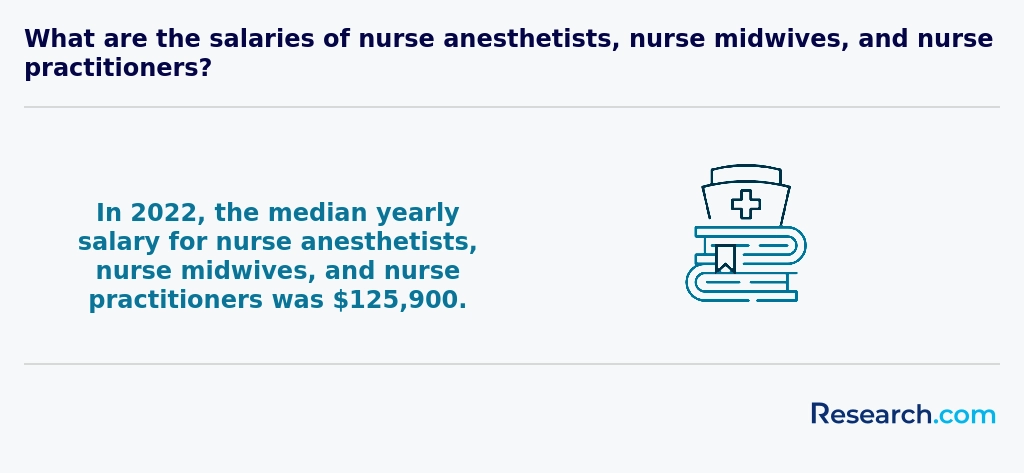
Graduates of online nursing degree programs in the South, such as those from renowned institutions like the University of Florida or Texas Tech University Health Sciences Center, often find robust earning opportunities in the regional healthcare market. Registered nurses typically start with salaries around $62,000 to $72,000 annually, depending on the state. However, advancing to roles like Nurse Practitioner or Critical Care Nurse, which require a Master of Science in Nursing (MSN), significantly enhances earning potential. For instance, Nurse Practitioners in Southern states earn a mean annual wage of approximately $128,490, with hourly rates near $61.78, reflecting both high demand and specialized skills.
Similarly, positions such as Clinical Nurse Specialist, Nurse Administrator, and Nurse Educator offer competitive salaries around $94,480 per year. Graduates from Southern programs often appreciate how their online degrees enable them to balance work and study while increasing their income. Many report positive experiences transitioning into leadership or advanced clinical roles, supported by regional incentives in states like North Carolina and Georgia that reward graduate-level qualifications.
- Online nursing degrees in the South typically cost between $10,000 and $30,000 for bachelor's or master's programs, with public universities generally offering lower tuition than private colleges.
- Entry-level registered nurses who graduate from online programs can expect starting salaries around $55,000 to $62,000 annually, depending on location.
- Nurses with experience often earn $75,000 or more within five to ten years, while advanced practice nurses have higher salary potential.
- The nursing job market in the South is growing by about 15% through 2030, creating many new job opportunities especially in metropolitan and rural areas.
- Accreditation from bodies like CCNE or ACEN is crucial for licensure and employment in nursing careers.
Completing an online nursing degree in the South generally takes between one and four years, depending on the program and student circumstances. For example, graduates from popular institutions like the University of Alabama at Birmingham or the University of South Carolina report completing their Bachelor of Science in Nursing (BSN) online within two to four years. Accelerated BSN programs available at schools such as Southeastern Louisiana University shorten this timeline to 12-18 months, ideal for those who already hold a bachelor's degree in another field.
Registered nurses advancing through RN-to-BSN programs at universities like Florida State University often balance work and study, finishing in one to three years with flexible part-time options. Graduate students pursuing a Master of Science in Nursing (MSN) online at schools like Vanderbilt University typically complete in 18 to 36 months, with some accelerated tracks finishing in just 15 months.
Many Southern nursing students appreciate programs that accommodate clinical hours and prerequisite coursework, allowing steady progress while managing professional and financial commitments.
Upon completing an online nursing degree, graduates must secure licensure through their respective State Board of Nursing to practice as registered nurses (RNs) or advanced practice registered nurses (APRNs). First, RNs must pass the NCLEX-RN exam, submit official transcripts, undergo a criminal background check, and complete fingerprinting per state requirements (e.g., Florida’s BON or Texas Board of Nursing). Many Southern states participate in the Nurse Licensure Compact (NLC), enabling multi-state practice-an invaluable advantage for nurses considering travel assignments or telehealth roles in neighboring jurisdictions. For those pursuing nurse practitioner roles, national certification through organizations such as the American Nurses Credentialing Center (ANCC) or the American Association of Nurse Practitioners (AANP) is mandatory. Candidates should verify that their online curriculum meets eligibility criteria for specialty exams (family, adult-gerontology, psychiatric-mental health, etc.) and includes sufficient clinical hours in approved settings. APRNs must then apply for state APRN licensure, which may require proof of national certification, collaborative practice agreements, or state-specific jurisprudence exams. Continuing education (CE) and periodic license renewal vary by state but typically involve completing 20–30 CE hours biennially, with topics ranging from pharmacology updates to ethics. Many graduates seeking cost-effective APRN pathways explore cheap online NP degree options, ensuring they balance affordability with accreditation standards. By understanding and fulfilling these licensure and certification steps, Southern online nursing alumni can transition seamlessly into the workforce, compliant with regulatory requirements and ready to deliver high-quality patient care.
Online nursing degrees in the South offer flexible learning through digital platforms, allowing students to access lectures and assignments at their convenience. Graduates from institutions like the University of Florida appreciate this flexibility, especially when balancing jobs or family commitments. Unlike on-campus programs at schools such as the University of Alabama, which require frequent physical attendance, online students can avoid relocation and commuting challenges common in less urbanized Southern regions.
Both formats require clinical experience; online students usually find local healthcare facilities for hands-on practice approved by their universities, while on-campus programs often have established hospital partnerships. Graduates report that securing clinical placements locally fosters community connections and real-world readiness.
Cost differences are subtle-tuition at public Southern universities ranges from $7,000 to $11,000 annually. Online routes may reduce indirect expenses like housing and travel, enhancing affordability without compromising program quality. Southern nursing schools accredited by CCNE or ACEN ensure online graduates meet licensure requirements equivalently to traditional peers.
Students praise the supportive faculty engagement and peer networks at on-campus campuses, yet many online graduates value the autonomy and convenience that complement their lifestyles in the South's diverse settings.
Ensuring your online nursing program holds proper accreditation is essential for eligibility to sit for the NCLEX-RN exam and secure licensure in your state. Most reputable programs are accredited by the Commission on Collegiate Nursing Education (CCNE) or the Accreditation Commission for Education in Nursing (ACEN), signaling they meet rigorous standards for curriculum, faculty qualifications, and student outcomes. Before enrolling, verify that the program is recognized by your State Board of Nursing and approved for distance-education delivery across state lines. Key considerations include:
- NCLEX Pass Rates: Accredited programs typically publish first-time NCLEX-RN pass rates exceeding the national average; aim for schools with ≥ 85% pass rates.
- State Authorization: Check the institution’s state authorization status to confirm you can complete clinical practicum hours in your home state without regulatory issues.
- Mobility and Compact Licensure: Graduates from Compact States can apply for a multistate license, enhancing job flexibility. If you plan to relocate, ensure your degree meets requirements for the Nurse Licensure Compact (NLC).
- Advanced Practice and Doctoral Paths: For RNs pursuing higher credentials, such as Doctor of Nursing Practice (DNP) programs, accreditation by bodies like CCNE is equally crucial. Prospective DNP candidates may also explore our Most Affordable Online Doctorate in Nursing Degree Programs Ranking in the Midwest to identify cost-effective, accredited doctoral options. By confirming accreditation and licensure alignment up front, you safeguard your investment, streamline certification processes, and maximize employment opportunities across the South and beyond.
The average cost of an online nursing degree in the South varies based on residency and program level, but median figures provide clear guidance for budgeting. For many students, studying nursing at popular Southern institutions like the University of Florida or Texas A&M means a median in-state total cost around $16,533. This affordability often contributes to positive experiences among graduates, who appreciate manageable tuition that allows them to focus more on clinical practice and less on financial stress.
Out-of-state students pursuing online nursing degrees in the South face higher tuition, with median costs reaching approximately $32,760. Despite these higher fees, many find the investment worthwhile, especially when attending respected programs with strong reputations for graduate success. Graduates frequently share that access to quality faculty and comprehensive clinical placement support at these universities justified the expenses.
Across the region, the median total cost for an online nursing degree stands near $22,618, reflecting a blend of public and private educational options. Prospective students seeking affordable online nursing master's programs Southern US should explore particular schools' fees and available tuition assistance, as these factors greatly affect overall costs. Some students benefit from reciprocity agreements, reducing costs for Southern residents attending neighboring state universities. There are also notable financial aid opportunities that many graduates credit with enabling them to complete their studies successfully.
Those interested in planning their educational journey should investigate typical costs carefully and consider schools' additional fees for technology and clinical placements. For realistic expectations and planning, focusing on total financial commitment is essential. Students wanting to learn more about choosing an easiest nursing school to get into can find helpful resources tailored to the region.

Accreditation ensures program quality and eligibility for state licensure.
- Regional accreditation (e.g., SACSCOC) plus nursing-specific accreditation by CCNE or ACEN
- State board approval: required for clinical practicum and RN licensure in your home state
- NCLEX pass rates: a key metric showing program effectiveness and board exam readiness
- Interstate compact participation: allows seamless licensure mobility across compact nursing states
Verifying these factors protects your investment, supports eligibility for advanced practice roles, and keeps pathways open for degrees like the easy dnp programs.
Online nursing students in the South often rely on a mix of federal, state, and institutional financial aid to manage the typical tuition costs of $300 to $600 per credit hour. Graduates from well-known Southern universities describe applying for Pell Grants and FAFSA-based Direct Loans as essential steps in funding their education without overwhelming debt. These federal supports provide a foundation that many build upon with state-specific scholarships, such as those offered by Florida, Georgia, and Texas, which often require graduates to commit to working locally.
Institution-based merit scholarships at prominent Southern colleges reward academic excellence and leadership, helping students feel valued and motivated. Additionally, working nurses appreciate employer tuition reimbursement programs that enable them to advance their degrees while balancing job responsibilities, a common reality for many in the region's healthcare sector.
Loan forgiveness programs, like those facilitated through the National Health Service Corps, offer vital relief for nurses serving underserved Southern communities, turning commitments into meaningful savings. These layered resources create achievable pathways for many aspiring nurses across the South.
RNs without a BSN can leverage accelerated bridge pathways to earn advanced credentials faster and minimize redundant coursework.
- RN-to-BSN bridge programs condense core nursing theory and clinical practice; for options with no clinical requirements, explore rn to bsn without clinicals.
- Direct-entry MSN tracks integrate BSN and MSN curricula, allowing RNs to complete both degrees in as little as 24 months.
- Post-baccalaureate MSN pathways offer BSN-prepared nurses streamlined specialization options, often featuring part-time and accelerated formats.
Enrolling in an online nursing degree program in the South requires meeting clear academic and professional prerequisites designed to prepare students effectively for the demands of nursing careers. Most programs at well-regarded institutions, such as those popular in Texas and North Carolina, expect applicants to hold a high school diploma or GED to enter associate or bachelor's tracks. Graduate degrees, like a Master of Science in Nursing, commonly require a Bachelor of Science in Nursing and an active Registered Nurse license, ensuring candidates bring clinical experience and licensure compliance.
Students often share how passing standardized tests like the TEAS or ACT helps build confidence and readiness for rigorous coursework. However, many Southern universities offer waived exam requirements for those with strong college records, providing relief and encouragement to applicants. Applicants must also submit health documentation and background checks, reflecting the profession's emphasis on safety and responsibility.
Graduates from these programs frequently express pride in navigating these prerequisites, appreciating how they solidify both academic and practical foundations crucial to a successful nursing journey in the dynamic Southern healthcare environment.
Ensuring your online Master’s in Nursing is accredited and meets state authorization requirements is crucial for seamless licensure and career mobility. All reputable programs in the South should hold regional accreditation (e.g., SACSCOC) and specialized nursing accreditation (e.g., CCNE or ACEN). Regional accreditation guarantees acceptance of transfer credits and eligibility for federal financial aid, while nursing-specific accreditation confirms that curricula align with national standards and prepare you for the NCLEX and advanced practice roles. Before enrolling, verify that the program is authorized in your state by consulting the State Board of Nursing. State authorization ensures you can complete required clinical hours locally and apply for licensure without extra hurdles. Graduates planning to practice across state lines should consider programs that support the Interstate Nurse Licensure Compact (NLC), which streamlines multi-state practice and licensure portability. After graduation, the pathway to licensure typically involves: • Submitting an application to your State Board of Nursing and paying the NCLEX-RN or NCLEX-PN exam fee • Completing a background check and meeting any state-specific jurisprudence requirements • Scheduling and passing the NCLEX exam through Pearson VUE, with many programs offering targeted prep courses and practice questions For students seeking programs with straightforward admission processes and robust licensure support, exploring the easiest nursing school to get into can highlight options that combine accessibility with quality accreditation. By prioritizing accredited, state-authorized online programs, graduates can confidently pursue their licenses and embark on fulfilling nursing careers across the South and beyond.
Online nursing degree programs in the South typically include foundational courses such as anatomy, physiology, and microbiology, essential for understanding the human body and disease processes. Graduates from well-regarded Southern institutions often praise how these core courses equip them with confidence when entering clinical settings or when caring for patients remotely.
Curriculums extend to nursing fundamentals, covering patient care, nursing ethics, and healthcare law-skills graduates describe as vital for their daily responsibilities. Many students share that classes in pharmacology and pathophysiology deepen their understanding of how medications interact with the body, preparing them for real-world challenges.
Programs often emphasize regional healthcare needs through courses in public health nursing and rural healthcare delivery, reflecting the South's significant rural population. Leadership and management topics, including healthcare policy and nursing informatics, prepare students to navigate administrative roles, an aspect graduates find empowering in advancing their careers.
Clinical practicums or virtual simulations deliver practical experience while maintaining flexibility. Students from top Southern colleges report feeling well-prepared to meet both state licensing requirements and diverse patient needs, fostering a strong sense of accomplishment and readiness.
Online nursing specializations in the South commonly include Family Nurse Practitioner (FNP), Psychiatric-Mental Health Nursing, Nurse Educator, and Healthcare Administration, each tailored to meet regional healthcare demands. Graduates from popular Southern colleges often remark on the hands-on relevance of the FNP track, which equips them to serve underserved rural communities effectively. Such programs align well with the high demand for primary care providers in states like Texas and Florida.
Psychiatric-Mental Health Nursing is a vital specialization, reflecting the urgent needs of Southern populations facing mental health challenges, where shortage of professionals is acute. Students appreciate how these programs prepare them to address real-world issues through evidence-based interventions. The Southern online nursing degree specialties also include Nurse Educator paths, which many graduates pursue to help replenish an aging faculty workforce, combining clinical expertise with instructional skills.
Leadership aspirants often choose Healthcare Administration, learning to manage complex healthcare systems. The flexibility and affordability of these options-like those listed in the cheap online NP degree-make advancing a nursing career in the South both practical and rewarding.
Choosing the best online nursing degree in the South involves carefully reviewing accreditation and program reputation. Graduates from Southern universities like the University of South Carolina appreciate how CCNE-accredited programs ensure eligibility for licensure and advanced certifications, a crucial step in professional nursing careers. Many find assurance in programs offering robust clinical placement options within the region, which accommodate local requirements for practical experience and promote smoother state licensure.
Affordability significantly influences decisions, as affordable online nursing degrees Southern states offer tend to have tuition rates between $8,000 and $15,000 annually at public institutions. Students frequently share positive feedback about balancing tuition costs with available scholarships and financial aid, which help ease the financial burden. For those seeking career advancement, examining specialization options in nurse practitioner roles or administration is vital, given strong employment growth forecasts in the South.
Finally, prospective students value programs providing responsive academic advising and technical support, which many graduates credit for their academic success and career readiness. Exploring related pathways like the Most Affordable Online Doctorate in Nursing Degree Programs Ranking in the Midwest can also offer insights into affordable advanced nursing education options.
Graduates with an online nursing degree in the South have access to a broad range of career paths tailored to the region's healthcare demands. Many pursue roles as Registered Nurses (RN), providing frontline care in hospitals, outpatient clinics, and community health centers, especially benefiting rural Southern areas with critical staffing shortages. Popular universities and colleges in the South preparing students for these roles emphasize practical experience, which graduates often describe as empowering and fulfilling.
In addition to direct patient care, graduates often advance into specialized fields such as Family Nurse Practitioner, Psychiatric-Mental Health Nurse Practitioner, and Clinical Nurse Specialist positions. These roles offer rewarding opportunities to deliver focused care in primary, mental health, or expert clinical settings-careers highly sought after across Southern states experiencing rapid growth in healthcare needs. Many students appreciate that their programs also prepare them for nationally recognized certification exams, ensuring job mobility throughout the region.
Leadership and healthcare management positions are another option, particularly for those pursuing advanced degrees within the South's affordable online programs. These roles involve hospital administration and policy-making, empowering nurses to influence systemic improvements. Many find that combining their degree with certificate courses that pay well enhances career prospects.
Overall, online nursing careers in the South offer dynamic opportunities that resonate with graduates' aspirations to serve diverse communities while advancing professionally.
The job market for graduates holding an online nursing degree in the South is notably strong, supported by consistent healthcare demand and demographic growth. Southern states like Texas and Florida exemplify regions where the nursing degree employment opportunities South are flourishing. Graduates from popular institutions in the region report success in securing roles across diverse settings such as community health clinics and large hospital systems, benefitting from state initiatives and expanding telehealth services.
Many nursing students appreciate that online degree programs from well-regarded Southern universities effectively prepare them for advanced nursing roles, including nurse practitioners and educators, which enhances their competitiveness in this robust job market. Additionally, these programs often offer tuition costs significantly lower than national averages, making nursing education accessible and appealing.
Prospective students seeking comprehensive information on gaining their credentials and career prospects can explore choices in the list of best online universities, which feature many Southern institutions known for quality nursing programs that align with the needs of local employers.
2027 Fastest Online Master's in Nursing Degree Programs Ranking in the South
Investing in your education is a significant decision that can shape your career, and the Research.com team understands the importance of making well-informed choices. To help aspiring nursing professionals in the South, we have carefully developed the "2027 Fastest Online Master's in Nursing Degree Programs Ranking in the South." Our dedication to quality, credibility, and accuracy is evident in the rigorous research and analysis behind this ranking.
We utilized the following reputable data sources to ensure a comprehensive evaluation of nursing programs:
By reviewing this ranking, readers will gain valuable insights into the fastest online nursing programs tailored to their needs, empowering them to make confident educational decisions. For more information about our process, please visit our Research.com methodology page.


# 17 position
University of Maryland, Baltimore
Registered Nurse to Master of Science in Nursing


# 19 position
University of North Georgia
Master of Science with a major in Nursing - Nursing Education track


Frequently Asked Questions About nursing
Online nursing degree students in the South can enhance their learning by actively engaging with virtual coursework and participating in discussion forums offered by their programs. According to the Southern Regional Education Board, students benefit from regularly scheduled interactions with instructors and peers to build professional networks within their region. Incorporating local clinical experiences is crucial; many Southern states require in-person practicums aligned with state nursing boards, so early planning ensures smooth fulfillment of these hours. Utilizing state nursing associations and online resources tailored to Southern healthcare needs can provide valuable updates and support. Time management and consistent study routines remain essential to success in online nursing education.
The nursing field is evolving rapidly, with several emerging niches gaining prominence, especially in the Southern United States. One growing area is gerontological nursing, driven by the South's significant aging population, where nurses specialize in elderly care management. Another fast-developing niche is telehealth nursing, reflecting broader adoption of remote healthcare technologies across rural Southern communities. Additionally, psychiatric-mental health nursing is expanding to address increasing mental health challenges, supported by regional healthcare initiatives.
These niches offer specialized career paths and require advanced skills, often attainable through online nursing degree programs tailored to Southern students. According to the American Association of Colleges of Nursing, these specialties are projected to grow by 15% through 2030 in the South.
After completing an online nursing degree in the South, preparing for the job market involves several key steps. First, ensure you obtain licensure by passing the NCLEX-RN exam, which is required in all Southern states. According to the National Council of State Boards of Nursing (NCSBN), South Carolina and Georgia have some of the fastest-growing nursing job markets, with employment projected to grow around 15% by 2030.
Networking is crucial; join local nursing associations such as the Tennessee Nurses Association or Texas Nurses Association to connect with employers. Additionally, gaining clinical experience through internships or part-time roles can enhance your resume. Staying updated on regional healthcare trends and continuing education will boost your competitiveness. Familiarity with telehealth, increasingly prevalent in the South, may also provide an advantage.
Employers in the South highly value nursing graduates who exhibit strong clinical skills combined with cultural competence. According to the Southern Regional Education Board, effective patient communication ranks as a critical skill, especially in diverse communities.
Additionally, adaptability to changing healthcare technologies and protocols is essential. With rapid advancements in electronic health records and telehealth, nurses must be comfortable with digital tools.
Critical thinking and problem-solving remain top priorities, as nurses often make quick decisions in complex situations. The U.S. Bureau of Labor Statistics notes a projected 16% job growth for registered nurses in Southern states by 2030, emphasizing ongoing demand for skilled professionals.
Finally, teamwork and leadership abilities also matter, since collaborative care models dominate Southern healthcare facilities.
Finding internships in the South for nursing students typically involves leveraging partnerships between online nursing programs and local healthcare facilities. Many Southern universities maintain collaborative ties with regional hospitals, clinics, and health departments to offer clinical placements. According to the Southern Regional Education Board, over 60% of nursing programs in the South include structured internship opportunities.
Students should also explore resources from state nursing boards, such as the Texas Board of Nursing or the Georgia Board of Nursing, which often list approved clinical sites. Networking through professional associations like the Tennessee Nurses Association can provide additional leads on internships.
Researching hospitals within your state's healthcare system is essential, as Southern states emphasize clinical experience in rural and urban hospitals to address nursing shortages. Planning early and communicating with program advisors enhances the chance of securing quality internships that meet licensure requirements.
Obtaining an online nursing degree in the South can significantly enhance career mobility and advancement. Nurses with advanced degrees often qualify for leadership roles, specialized clinical positions, and higher salaries. According to the U.S. Bureau of Labor Statistics, registered nurses in southern states like Texas and Florida are projected to grow by over 15% through 2031, increasing demand for well-qualified professionals.
Online programs offer flexibility, allowing working nurses to earn degrees without relocating, which is especially beneficial in rural or underserved southern areas. Employers in the region increasingly value advanced credentials gained through accredited online nursing programs, recognizing them as indicators of expertise and commitment.
Programs accredited by organizations such as the Commission on Collegiate Nursing Education (CCNE) support eligibility for certifications and licensure that open doors to career advancement across southern healthcare systems.
Online nursing degrees in the South emphasize preparing students for interdisciplinary roles by integrating collaborative care models into their curriculum. Programs often include coursework in communication, healthcare policy, and team-based strategies essential for working alongside physicians, social workers, and therapists.
According to the Southern Regional Education Board, many Southern nursing schools align their courses with national standards promoting interdisciplinary competence. This approach helps graduates adapt to diverse healthcare settings, including hospitals and community health centers, where teamwork improves patient outcomes.
Additionally, clinical simulations and virtual case studies in Southern online programs provide practical experience in coordinating care across multiple specialties.
When choosing between a thesis and a non-thesis nursing degree program online in the South, students should consider their career goals. A thesis program focuses on original research, ideal for those aiming to pursue doctoral studies or academic roles. Non-thesis programs emphasize practical skills and coursework, suitable for nurses targeting leadership or clinical positions.
Many Southern schools, including those in Texas and North Carolina, offer both options to accommodate diverse needs. According to the Southern Regional Education Board, about 60% of nursing graduate students in the South prefer non-thesis options for quicker program completion.
Time commitment also differs; thesis programs usually require more research time, while non-thesis paths may be completed faster through additional classes or projects.
Students based in the South looking to study nursing abroad face limited direct options due to differing licensing requirements between countries. Most nursing programs abroad require hands-on clinical practice within their healthcare systems, which can complicate fully online international degrees. Instead, many Southern students choose U.S. schools offering global health or international nursing certificates as part of their online master's programs. According to the National Council of State Boards of Nursing, the South has one of the fastest-growing nursing populations, increasing demand for flexible domestic online programs with international exposure components.
Many Southern universities collaborate with foreign institutions for short-term study abroad or clinical exchange opportunities. However, fully completing a foreign nursing degree abroad is less common for U.S.-based students due to challenges in licensure recognition upon return. Given these constraints, Southern students often pursue online master's degrees domestically, supplemented by optional global health coursework or international clinical experiences.
Students pursuing online nursing degrees in the South can benefit from part-time jobs that provide relevant clinical and administrative experience. Positions such as certified nursing assistants (CNAs) or medical assistants offer hands-on patient care exposure, which is valuable for nursing students. According to the Bureau of Labor Statistics, the South experiences steady growth in healthcare support roles, with some states like Texas projecting a 15% increase through 2030.
Other complementary roles include pharmacy technicians and health information clerks, offering insight into medication management and medical records. These jobs often offer flexible schedules, accommodating rigorous online coursework. Gaining work experience in these roles supports skills development and enhances resumes for future nursing careers.
Online nursing students in the South have growing access to valuable networking opportunities. Many Southern universities offer virtual student organizations and alumni groups tailored to nursing professionals. These platforms provide chances to connect with peers and faculty across the region.
In addition, states such as North Carolina and Texas have active nursing associations that welcome student membership. For example, the North Carolina Nurses Association hosts webinars and local chapter events to facilitate relationship-building.
According to the Tennessee Center for Nursing, about 65% of online nursing students engage with professional networks, which supports career development.
Clinical placements and internships in regional hospitals also allow online learners to meet healthcare providers and build essential contacts.
Alumni networks offer significant advantages to online nursing degree students in the South. These networks provide vital professional connections in a region where healthcare institutions often prefer candidates known through trusted referrals. According to the Southern Nursing Research Society, strong alumni ties increase job placement rates by up to 20% for new graduates.
These connections also deliver ongoing mentorship and skill development opportunities, essential in fast-evolving healthcare fields. Online students can leverage these networks despite geographic distances, gaining access to regional healthcare job markets.
Moreover, alumni communities frequently host workshops and seminars tailored to Southern nursing challenges, enhancing career readiness. Such support helps students transition smoothly from study to practice.
Online nursing degree programs in the South often offer flexible options to tailor your education based on career goals. Many universities provide specialty tracks such as family nurse practitioner, nurse educator, or healthcare leadership. According to the Southern Regional Education Board, approximately 65% of nursing programs in the South include electives or concentration areas.
Students can choose clinical placements that align with their desired settings, such as hospitals, community clinics, or telehealth. Some programs also allow part-time study or accelerated pathways to fit professional schedules. Customization ensures graduates meet local healthcare needs, especially as Southern states face nursing shortages projected to grow 15% by 2030, per the U.S. Bureau of Labor Statistics.
Online nursing students in the South commonly face challenges related to clinical placement availability. Due to high demand and limited healthcare facilities, securing local clinical sites can be difficult, causing delays in program completion. According to the Southern Regional Education Board, this remains one of the largest barriers for remote learners. Connectivity issues also persist in rural areas, where internet access is inconsistent, impacting participation in live lectures and coursework.
Additionally, navigating state-specific licensing requirements adds complexity. Each southern state has unique regulations that online programs must address for student eligibility. Financial constraints further affect many students, as the South has some of the lowest average household incomes nationally, limiting resources for tuition and technology.
With an online nursing degree, you can pursue several professional certifications that enhance your career opportunities across the South. Popular certifications include the Certified Nurse Practitioner (CNP), which allows advanced practice in various specialties. The American Nurses Credentialing Center (ANCC) offers certifications such as the Family Nurse Practitioner (FNP) and Adult-Gerontology Acute Care Nurse Practitioner (AGACNP).
Many Southern states report strong demand for certified nurse-midwives (CNM) and nurse anesthetists (CRNA), reflecting regional healthcare needs. Additionally, certifications in Clinical Nurse Specialist (CNS) and Nurse Educator roles are valuable for those seeking leadership or academic positions. According to the Bureau of Labor Statistics, nursing certifications can boost earning potential by 10-20% in these areas.
Writing a winning application for an online nursing program in the South requires clear focus and strong preparation. Highlight your academic background and relevant clinical experience, as programs often prioritize practical skills alongside GPA. According to the Southern Regional Education Board, many Southern schools value applicants with experience in patient care or healthcare settings.
Personal statements should emphasize your commitment to nursing and explain why the online format suits your circumstances, especially for working professionals. Make sure your letters of recommendation come from supervisors familiar with your clinical abilities.
Also, verify that you meet state-specific licensing requirements for clinical practice, since Southern states vary in regulations. Thoroughly follow application instructions and submit all documents before deadlines to improve your chances.
The nursing profession holds significant value worldwide, with a growing demand for skilled nurses due to aging populations and increasing chronic diseases. In the United States, including the South, nursing is recognized as a stable and respected career with strong job prospects. According to the U.S. Bureau of Labor Statistics, registered nursing jobs are projected to grow 6% from 2021 to 2031, faster than the average for all occupations.
Internationally, nurses often face varied scopes of practice and education standards, but the core role-providing patient care-remains consistent. Online nursing degrees in the South offer flexible pathways for entering this global workforce.
Southern states like Texas, Florida, and Georgia report some of the highest numbers of licensed nurses, supporting regional healthcare needs and the national nursing shortage. Online programs help meet these demands by expanding access to education.
Gaining practical experience while studying for an online nursing degree in the South requires integrating clinical hours with your coursework. Most accredited programs collaborate with local hospitals, clinics, or healthcare facilities to arrange clinical placements within the student's region. This allows hands-on training essential for licensure.
Students can typically expect to complete 500 to 700 clinical hours, depending on program requirements, often scheduled flexibly to fit around work or personal commitments. States like Texas and Florida emphasize supervised clinical experiences to prepare nurses for diverse patient populations.
Furthermore, some programs offer simulation labs equipped with virtual or in-person scenarios to supplement real-world practice, enhancing critical thinking skills.
Choosing the right concentration within an online nursing degree program in the South involves understanding local healthcare needs and personal career goals. The Southern U.S. faces unique challenges like higher rates of chronic illnesses, meaning specialties such as family nurse practitioner or psychiatric nursing are in demand, according to the Health Resources and Services Administration.
Consider the job market in Southern states; areas with aging populations may favor geriatric nursing. Research program accreditation and clinical placement opportunities nearby, essential for licensure. Finally, align concentration choices with your interest in acute care, community health, or administration to ensure long-term satisfaction and success.
See What Experts Have To Say About Studying Nursing
Read our interview with Nursing experts


- Remote Nursing Careers https://www.southuniversity.edu/news-and-blogs/2025/12/remote-nursing-careers
- Interdisciplinary Education and Practice https://www.aacnnursing.org/news-data/position-statements-white-papers/interdisciplinary-education-and-practice
- Online Nursing Degree Programs | University of Phoenix https://www.phoenix.edu/online-nursing-degrees.html
- What Are the Best Jobs to Work While in Nursing School? https://www.dewv.edu/what-are-the-best-jobs-to-work-while-in-nursing-school/
- Online Nursing Prerequisites: Helpful Guide to BSN and ABSN Requirements [2025] - Prereqcourses https://www.prereqcourses.com/online-nursing-prerequisites/
- Nursing Internships Abroad: An Introduction - RealStep https://www.real-step.com/en/articles/nursing-internships-abroad/
- Online Bachelor of Science in Nursing https://an.edu/programs/bachelors-degrees/online-bachelor-of-science-in-nursing/
- Tips for Creating a Perfect Nursing School Application https://www.allnursingschools.com/articles/how-to-create-the-perfect-nursing-school-application/
- Nursing Study Abroad Programs | Go Overseas https://www.gooverseas.com/study-abroad/nursing
- 10 Nursing Fields That Are Growing in Demand https://promedcert.com/blog/10-nursing-fields-that-are-growing-in-demand