
2027 Most Affordable Online Doctorate in Nursing Degree Programs Ranking in the Midwest

Co-Founder and Chief Data Scientist
Exploring online doctorate in nursing degrees can feel overwhelming, especially when looking for affordable options in the Midwest. This article introduces the 2027 Most Affordable Online Doctorate in Nursing Degree Programs Ranking in the Midwest, thoughtfully created by the Research.com team of data scientists.
Designed to help you navigate your choices, this ranking highlights nursing programs that offer great value and quality education. Pursuing an advanced nursing degree opens doors to new opportunities, career growth, and personal fulfillment.
We aim to support your journey in making an informed decision that suits your goals and lifestyle.
Key benefits of getting online nursing degree in the Midwest
- Nursing degree graduates in the Midwest can expect competitive salaries, with roles like Family Nurse Practitioner or Acute Care Nurse Practitioner earning a mean annual wage of $128,490 and an hourly wage of $61.78.
- Career paths are diverse, including specialties such as psychiatric, adult, or advanced practice nursing, offering graduates from universities like the University of Michigan strong opportunities for growth and job satisfaction.
- Online nursing degrees from institutions like the University of Illinois provide flexible scheduling and the ability to balance work and study, making education accessible without compromising quality.
- 2027 Most Affordable Online Doctorate in Nursing Degree Programs Ranking in the Midwest
- What can I expect from online nursing degree in the Midwest?
- Where can I work with online nursing degree in the Midwest?
What can I expect from online nursing degree in the Midwest?
The average cost of an online nursing degree in the Midwest is strikingly reasonable, hovering between $8,000 and $15,000 per year for in-state students at public universities. Imagine a student from the University of Illinois balancing late-night clinical reflections with affordable tuition that doesn't break the bank-this balance creates a sense of financial relief and focus on learning. At the University of Minnesota, graduates often share how this cost efficiency enabled them to pursue advanced degrees without accumulating overwhelming debt, allowing them to invest more in their career growth than their financial worries.
Each dollar saved resonates beyond tuition-it's time spent on virtual simulation labs or community healthcare partnerships close to home, not on commuting expenses or uprooting life. This affordability boosts confidence and motivation, fostering an environment where students imagine themselves thriving as future healthcare leaders in the heartland, fueled by accessible education from institutions like Ohio State University and Michigan State University.
Where can I work with online nursing degree in the Midwest?
Graduates from online nursing programs at Midwestern powerhouses like the University of Michigan or Ohio State find themselves woven into the vibrant healthcare tapestry of cities like Chicago and Columbus. Imagine starting your shift in a bustling hospital, collaborating with diverse medical teams, your online degree respected and valued as if earned in a traditional classroom. These graduates often share how stepping into large hospital systems felt like joining a dynamic pulse of healing energy and innovation.
Others discover rewarding paths in outpatient centers or physician offices, where the care blends science with personal connection-managing chronic illnesses, educating patients, and making preventive care deeply meaningful. Picture a graduate from the University of Illinois offering guidance to aging patients navigating the complexities of health, their expertise born from flexible online study blended with hands-on experience.
Long-term care and nursing homes in states like Iowa and Wisconsin call to those drawn to elder care, where emotional rewards bloom alongside steady demand. Meanwhile, holders of advanced degrees dive into specialty clinics or educational hubs around Minneapolis, inspiring the next wave of nurses or conducting cutting-edge research.
All these paths flourish because the Midwest values licensed, skilled nurses ready to adapt and thrive-whether your degree was earned online or on campus, the heartbeat of healthcare here runs strong and welcoming.
Navigating the Midwest's nursing landscape after earning an online degree can feel like stepping onto a fast track where hard work translates directly into rewarding paychecks. Graduates from respected programs at schools like the University of Illinois or Ohio State share stories of swift salary growth, with many stepping confidently into roles such as Family Nurse Practitioners or Adult Nurse Practitioners. Here, mean annual wages hover around a robust $128,490, transforming dreams of financial stability into tangible realities.
Picture this: a graduate balancing part-time clinical hours during their studies, then transitioning into a full-time role where $61.78 an hour becomes the norm. These figures, consistent across psychiatric, acute care, and advanced practice nurses, highlight the Midwest's vigor in valuing nursing expertise. As demand soars-especially in underserved areas-these salaries are more than numbers; they're lifelines fostering professional pride and personal growth.
This blend of flexible online learning and competitive compensation creates a dynamic ecosystem. Students from Indiana or Missouri who harness this opportunity find themselves not just earning but thriving, proving that a Midwest nursing degree is a smart, well-paid leap forward.
- Tuition and fees for online nursing programs in the Midwest typically range from $15,000 to $30,000, which is generally lower than programs on the coasts.
- The demand for registered nurses in the Midwest is expected to grow by about 12% over the next decade due to an aging population and expanded healthcare access.
- Starting salaries for nurses in the region usually range between $55,000 and $65,000, with mid-career salaries increasing to $75,000-$90,000 depending on state and setting.
- Accreditation by CCNE or ACEN is important to ensure the degree meets national standards and supports licensing and employment.
- Most online programs require some in-person clinical hours, which are often completed at local healthcare facilities to provide essential hands-on experience.
- Many public universities offer financial aid and in-state tuition rates for online students, helping to reduce the overall cost of earning a nursing degree remotely.
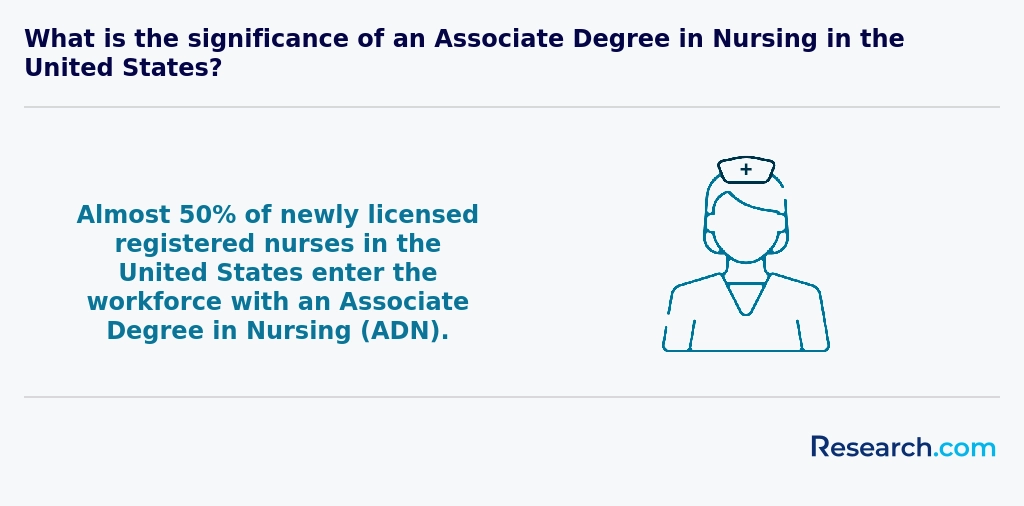
Picture yourself juggling work, family, and study-this is the reality for many Midwest nursing students embracing online learning. Completing an Associate Degree in Nursing (ADN) often takes 2 to 3 years, a pace chosen by many at community colleges like those scattered across Illinois or Ohio, where flexible schedules and summer courses make the journey both manageable and motivating.
For those chasing the Bachelor of Science in Nursing (BSN) from well-known public universities in the region, the clock typically ticks 3 to 4 years full-time, yet RN-to-BSN paths offer a thrilling shortcut-just 1 to 2 years-perfect for nurses eager to level up while balancing shifts and family life.
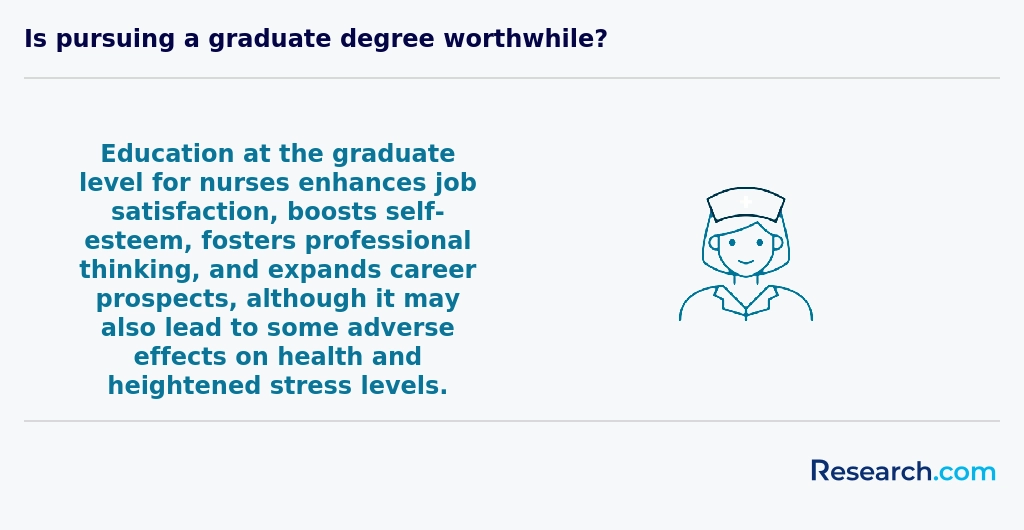
Doctoral dreams at Midwestern universities stretch 3 to 5 years, marked by deep dives into clinical expertise and leadership roles. Graduates recount the satisfaction of weaving their studies around real-life moments, proving dedication pays off without sacrificing the pulse of daily life.
Doctor of Nursing Practice (DNP) and Doctor of Philosophy (PhD) in Nursing represent two distinct pathways for advancing your career. While both doctoral degrees elevate your expertise, understanding their unique focus, curriculum requirements, and career outcomes is essential for aligning your goals with the right program. • Focus and Objectives: – DNP programs emphasize clinical leadership and advanced practice. Graduates use evidence-based interventions to improve patient outcomes and health systems; typical coursework includes health policy, quality improvement, and advanced clinical practicum. – PhD programs concentrate on original research and theory development. Scholars design and conduct studies that shape nursing science, often completing a dissertation that contributes new knowledge to the field. • Curriculum and Capstone Requirements: – DNP candidates complete a practice-based capstone project addressing real-world challenges, such as implementing telehealth protocols or reducing hospital readmissions. – PhD candidates undertake comprehensive exams and develop a research proposal, followed by in-depth dissertation research, data analysis, and publication of findings. • Career Trajectories: – DNP graduates frequently secure roles as clinical nurse specialists, nurse executives, or advanced practice registered nurses (APRNs), leading interdisciplinary teams and shaping clinical policy. – PhD graduates often pursue academic positions, research fellowships, or leadership roles in healthcare policy and regulation, contributing to grant-funded projects and peer-reviewed publications. • Time to Completion and Flexibility: – DNP programs typically span 2–4 years post-master’s, with a blend of online coursework and local clinical hours tailored for working professionals. – PhD programs may require 4–6 years, given the depth of research training, comprehensive mentorship, and potential teaching assistantships. To compare affordability and program structure beyond the Midwest, explore the Most Affordable Online Doctorate in Nursing Degree Programs Ranking in South Carolina, which highlights regional variations in tuition, clinical requirements, and research support.
Imagine balancing a full-time job and family while earning your nursing degree-online programs from Midwest powerhouses like the University of Illinois make this a vivid reality. Graduates often speak of the freedom to study nights or weekends, weaving lessons seamlessly into their hectic lives, all while skipping the daily commute. But hands-on care isn't lost; these same students share stories of clinching local hospital shifts, rolling up sleeves in familiar neighborhoods to hone practical skills required for licensure.
Contrast this with on-campus peers at Michigan State University who thrive amidst buzzing lecture halls and lively nursing labs, drawing energy from face-to-face interactions and immediate access to resources. They describe the camaraderie of group projects and spontaneous study sessions, a pulse of connection that virtual classrooms can only emulate.
Both paths demand grit and passion, yet the online route carves a flexible, tailored rhythm for Midwest learners juggling real-world demands, while on-campus routes deliver immersive, traditional ecosystems fostering community and immediate mentorship.
Many aspiring healthcare professionals without an undergraduate nursing background can still pursue a doctoral nursing degree by first enrolling in a direct-entry MSN track. These accelerated programs admit non-nurses with a bachelor’s degree in another field and combine foundational nursing coursework with advanced practice training, setting you on a clear path toward a DNP or PhD in nursing. By choosing a reputable direct entry msn online program, you’ll gain both the clinical competencies and academic rigor required for seamless progression into doctoral studies. Typical direct-entry MSN curricula span 2–3 years and include intensive clinical rotations, health assessment, pathophysiology, and pharmacology modules. Many programs offer part-time or hybrid formats to accommodate working professionals, with specialized electives in leadership, informatics, and population health. Upon MSN completion, you’ll be eligible for advanced practice roles such as Family Nurse Practitioner or Clinical Nurse Specialist, which often serve as the gateway to DNP capstone projects or nursing research dissertations. To maximize your success, verify that your chosen program offers robust student support-clinical site placement, faculty mentorship, and flexible clinical hour scheduling are key differentiators. Accreditation by the Commission on Collegiate Nursing Education (CCNE) ensures your MSN credits transfer smoothly into doctorate programs and meets state board licensure requirements. Additionally, explore available scholarships and employer tuition reimbursement plans tailored for direct-entry MSN candidates to offset tuition costs. Finally, plan your academic timeline by aligning MSN graduation dates with doctoral program application deadlines. Early engagement with advisors and participation in nursing research groups during your MSN will strengthen your DNP or PhD applications, positioning you competitively for funding opportunities and research assistantships. By strategically leveraging a direct-entry MSN pathway, non-nurses can confidently navigate the transition to advanced nursing scholarship and leadership in the Midwest.
The average cost of an online nursing degree in the Midwest often feels like navigating a balancing act between ambition and budget. For students venturing into programs at well-regarded Midwestern universities, the median total expense settles around $32,017, a figure that many graduates recall fondly as an investment rather than a burden. In-state learners enjoy a sweeter deal, with tuition averaging near $27,722, while out-of-state enrollees prepare for a modest premium around $33,775. These numbers sketch a portrait of affordability compared to national trends, making Midwestern institutions attractive havens for aspiring nurses seeking quality without stratospheric fees.
One graduate from a strong public university in Illinois reminisced about juggling coursework and clinical hours without the shadow of overwhelming debt looming. The blend of manageable tuition and robust financial aid resources created a welcoming path toward professional growth. Similarly, nursing students immersed in online MSN tracks shared stories of how accessible pricing allowed them to embrace their education fully, focusing on mastering skills rather than stressing over tuition bills.
The landscape becomes even more engaging when exploring specialized routes like the direct entry msn online programs that some Midwestern schools offer. These paths typically align with Midwest online doctorate in nursing tuition fees that remain competitive, reflecting a regional commitment to balancing quality education and economic practicality. The positive vibes of community, support, and reasonable costs form an inviting backdrop for the hardworking spirits drawn to nursing in the Midwest.

Nursing professionals seeking the highest level of academic preparation often choose between a Doctor of Nursing Practice (DNP) and a PhD in Nursing. While both are terminal degrees, the DNP emphasizes clinical practice and leadership in healthcare delivery, and the PhD focuses on research, theory development, and academia. The DNP curriculum typically includes advanced courses in evidence-based practice, health policy, organizational leadership, and quality improvement, culminating in a capstone project that addresses a real-world clinical issue. Graduates are prepared to assume roles as nurse practitioners, clinical nurse specialists, or healthcare executives. Many prospective DNP students compare program costs and outcomes by exploring the cheapest nurse practitioner programs online before applying. Conversely, a PhD in Nursing centers on research methodology, statistical analysis, and the generation of new nursing knowledge. PhD candidates complete a dissertation that contributes original findings to the field and often pursue careers in university teaching, healthcare policy development, or leadership in research institutions. Choosing between a DNP and a PhD should align with your long-term goals: select a DNP if you envision direct patient care leadership or executive roles, and opt for a PhD if you aspire to influence nursing science and education. Consider factors such as program length (DNP: 1.5–3 years post-MSN; PhD: 3–5 years), clinical hours, faculty expertise, and institutional research opportunities to make an informed decision.
Imagine a nursing student juggling late-night study sessions at a popular Midwestern university like the University of Illinois or Ohio State, relieved each semester as federal aid kicks in. The FAFSA unlocks doors to Pell Grants reaching up to $7,395 annually, easing the weight of tuition that can soar from $15,000 to $40,000. These grants feel like a cheer from the sidelines during those exhausting clinical rotations.
Graduates often share stories of the Federal Direct Subsidized Loan quietly covering their interest while they focus on healing skills rather than accumulating debt. State scholarships, like those in Illinois and Ohio, transform dreams into reality-as recipients commit to serve rural communities, weaving purpose into their financial plan.
- Merit-based scholarships from institutions in the Midwest reward academic grit, turning grades into gold.
- Employer tuition assistance programs surprise working nurses with reimbursements that soften the financial blow of returning to school.
- Private foundations such as the Midwest Nursing Research Society fuel ambitions for advanced degrees with targeted grants.
These layered supports create a safety net, empowering online nursing students to thrive without drowning in bills, letting them focus on what matters most-caring for communities across the Midwest and beyond.
Online nursing doctorates typically split into two pathways:
- Doctor of Nursing Practice (DNP): Focuses on clinical leadership, evidence-based practice and system improvements. Includes capstone projects and advanced practicum experiences.
- Doctor of Philosophy in Nursing (Ph.D.): Centers on original research, theory development and academic scholarship. Often requires a dissertation and participation in research assistant roles.
Admission requirements usually include a BSN and active RN license. Learners without a BSN can explore rn to bsn no clinicals to meet entry prerequisites.
To dive into an online nursing degree in the Midwest, imagine preparing your academic toolbox with a solid high school diploma or GED-like a Midwest graduate from a well-known university carefully stacking the bricks of biology and chemistry courses. These foundational bricks, often required by schools such as those nestled in Illinois or Ohio, set the stage for a journey through nursing that feels both achievable and exciting.
Picture someone moving from a Registered Nurse license to a BSN, clutching their NCLEX-RN success like a hard-earned badge from their state. This credential isn't just paperwork-it's the key to opening advanced programs, ensuring learners bring real-world clinical wisdom to their digital classrooms.
Think of academic transcripts as maps, with a GPA of at least 2.5 lighting the path forward. Somewhere between microbiology lectures and local hospital shifts, students from established Midwestern colleges meet background checks and immunization standards-silent guardians of patient safety linked to local healthcare hubs.
Financially, the journey whispers of $8,500 tuition per year for in-state learners, plus the costs of textbooks and supplies. Those recommendation letters and personal statements? They're heartfelt invitations to show the passion Midwest nursing hopefuls pour into caring for communities both online and beyond.
In the Midwest, aspiring nurse leaders can choose from practice-focused and research-focused doctoral tracks:
- Doctor of Nursing Practice (DNP): Emphasizes clinical leadership, health policy, quality improvement and population health. Explore dnp programs online for accelerated, practice-oriented options.
- PhD in Nursing: Concentrates on original research methods, academic scholarship and evidence-based practice studies to advance nursing science.
- Doctor of Nursing Science (D.N.Sc.) or EdD in Nursing: Blends advanced clinical expertise, educational theory and organizational leadership for roles in academia, curriculum design and healthcare administration.
Diving into an online nursing degree in the Midwest feels like stepping into a world where science and compassion intersect. Imagine tackling Human Anatomy and Physiology through 3D models that bring the marvels of the human body to life, just like graduates from the University of Illinois describe feeling a spark of awe as they uncover what makes us tick. Courses in Pathophysiology transform you into a detective, decoding disease processes as if you're piecing together vital clues in a medical thriller.
Midwestern programs, including those at Indiana University, cultivate not only clinical know-how with Nursing Fundamentals but also nurture your heart with Community and Public Health Nursing, inspiring real change in rural towns where nurses truly become heroes. The excitement of mastering Pharmacology lies in understanding how life-saving medications jigsaw perfectly within the body's systems, a journey many graduates recall with pride and confidence.
Leadership courses stand out, too: envision yourself coordinating care teams with the finesse learned during rigorous online modules at Ohio State University, ready to step up and lead when it matters most. All these courses weave a rich tapestry of skills that prepare you for the vibrant, demanding healthcare world unique to the Midwest.
Imagine launching your nursing career from the heart of the Midwest, customizing your future with specializations that feel both personal and pioneering. Graduates from universities in Illinois and Michigan often rave about specializing as Family Nurse Practitioners, where they master caring for diverse age groups while championing health prevention-skills perfect for tight-knit Midwest communities. Others, inspired by a desire to support mental wellness, dive into Psychiatric-Mental Health Nursing, finding profound purpose in behavioral health settings across Ohio and Minnesota.
A thriving Midwest nursing student shares how Adult-Gerontology Acute Care training illuminated new ways to support older adults with complex needs during clinicals arranged through local hospitals. Emerging nurse educators from the region embrace roles shaping tomorrow's workforce, easing faculty shortages felt at so many top Midwest colleges. These specializations are more than courses-they're lifelines connecting theory to practice, tailored for the unique Midwest pulse.
Finding the right path is easier with programs offering cheapest nurse practitioner programs online, ideal for those weighing cost without sacrificing quality. This flexibility makes online nursing specializations Midwest students cherish as they juggle work and life, all while preparing for meaningful careers.
Choosing the best online nursing degree in the Midwest feels like navigating a vibrant labyrinth where accreditation is your trusty map. Graduates from top regional universities often praise programs aligned with the Commission on Collegiate Nursing Education or the Accreditation Commission for Education in Nursing-these badges open doors to NCLEX success and seamless licensure.
Picture balancing work shifts while logging in for asynchronous lessons; this flexibility is the heart of affordable online nursing doctorate programs Midwest students treasure, blending life and learning without compromise. Clinical partnerships with local hospitals turn theory into real hands-on healthcare, right in your backyard, whether near Chicago or St. Louis. These partnerships are what transform online education from screen-bound to life-changing practice.
Remember to weigh total costs beyond tuition-fees, books, and tech add up in this journey. For a clear vision on expenses, peek into programs featured in the Most Affordable Online Doctorate in Nursing Degree Programs Ranking in South Carolina, a surprisingly helpful benchmark. The best online nursing degree Midwest options spark confidence with strong student support, state authorization, and stellar NCLEX pass rates, making your nursing future not just a dream, but a radiant reality.
Graduates armed with an online nursing degree in the Midwest often find themselves stepping into dynamic roles tailored by the region's unique healthcare tapestry. Imagine a nurse practitioner in Minnesota relishing the freedom of full practice authority, confidently managing patient care in both urban clinics and vast rural stretches. Or envision a registered nurse balancing family life while serving a bustling hospital in Ohio, drawing on a blend of practical knowledge and compassionate care nurtured through online studies.
For many attending renowned Midwestern institutions, the dream of advancing into clinical nurse specialist or nurse educator positions feels tangible, fueled by programs that emphasize both bedside expertise and teaching prowess. Leadership roles in healthcare administration also beckon, inviting those who want to blend their clinical insights with a strategic vision for expanding healthcare services across communities.
These varied career trails highlight the abundant online nursing career opportunities Midwest students cherish, making higher education accessible and relevant. If you're exploring programs, consider checking out online schools that accept fafsa to help fund your journey.
The Midwest online nursing job outlook sparkles with steady demand and expanding horizons. Graduates from online programs at institutions like the University of Michigan or Ohio State University often share stories of landing roles quickly across bustling cities and rural outposts alike, where nurses are urgent lifelines. Imagine a graduate based in Minneapolis balancing remote coursework with shifts in eldercare facilities, steadily growing her expertise while the job market embraces her flexible, tech-savvy skills. This region's healthcare sector doesn't just want nurses; it seeks adaptable leaders fluent in telehealth and clinical innovation.
Nursing career opportunities in the Midwest thrive amid competitive but accessible environments. Employers reward graduates with tuition reimbursement and value advanced online degrees that emphasize leadership, a fact often echoed by alumni of popular schools who felt fully prepared for real-world challenges. These graduates emphasize how online programs encouraged not just knowledge but confidence to excel in specialties such as chronic disease management or emergency care.
Costs can feel daunting, yet many find comfort comparing prices at local schools and opting for the best open admission colleges that balance affordability and quality. This pathway, paired with vibrant job demand, invites hopeful nurses to take charge of their future in Midwestern healthcare landscapes.
2027 Most Affordable Online Doctorate in Nursing Degree Programs Ranking in the Midwest
Investing in your education is a significant decision that can shape your future, and the Research.com team understands the importance of making informed choices. To support prospective students pursuing doctoral degrees in nursing in the Midwest, we have carefully developed the "2027 Most Affordable Online Doctorate in Nursing Degree Programs Ranking in the Midwest." Our dedication to quality, credibility, and accuracy is demonstrated through thorough research and data analysis behind this ranking.
We utilized the following reputable data sources to ensure a comprehensive evaluation of online nursing doctorate programs:
By exploring this ranking, readers will gain valuable insights into the most affordable and reputable online nursing doctorate programs available in the Midwest, helping them make well-informed decisions about their educational investments. For more information on our methodology, please visit our Research.com methodology page.


# 4 position
Chamberlain University - St. Louis
Doctor of Nursing Practice





# 12 position
Maryville University of Saint Louis
Doctor of Adult-Gerontology Primary Care Nurse Practitioner


# 20 position
Walden University
Doctor of Nursing

Frequently Asked Questions About nursing
Students pursuing online nursing degrees in the Midwest can enhance their learning by actively engaging with virtual simulation tools widely used in regional programs. These tools replicate clinical experiences, which are essential since the Midwest has many rural areas with limited access to hospitals. According to the Midwest Nursing Research Society, simulation improves critical thinking and practical skills. Additionally, joining local nursing associations helps build professional networks and provides access to regional job fairs and continuing education opportunities. Time management is crucial-Midwestern universities often offer flexible schedules but recommend dedicating consistent weekly hours to studying and clinical practice to ensure success.
The nursing field is rapidly evolving, with several emerging niches that offer new career opportunities, especially for those pursuing online nursing degrees in the Midwest. One key area is gerontological nursing, which focuses on the aging population. The Midwest is home to a significant number of older adults, intensifying demand for specialists in this field.
Another growing niche is informatics nursing. With healthcare increasingly relying on technology, nurses skilled in data management and electronic health records are highly sought after. According to the American Nurses Association, informatics roles are expected to grow by over 20% nationally through 2030.
Additionally, community and public health nursing have gained prominence due to ongoing public health challenges. These roles emphasize preventive care and health education, vital within rural and underserved Midwest communities.
After completing an online nursing degree in the Midwest, preparing for the job market requires strategic planning. Graduates should obtain state licensure by passing the NCLEX-RN exam, which is mandatory to practice as a registered nurse. Since demand for nurses in the Midwest is projected to grow by 7-12% through 2030, according to the U.S. Bureau of Labor Statistics, networking locally and engaging with regional nursing associations can enhance job prospects.
Gaining clinical experience through internships or volunteer work remains important, even for online graduates. Additionally, developing skills in electronic health records and telehealth technologies meets growing employer expectations in the region.
Employers in the Midwest highly value nursing graduates with strong clinical skills, critical thinking, and effective communication. According to the Midwest Nursing Workforce Center, these skills are essential given the region's aging population and rising chronic health conditions. Graduates must also demonstrate proficiency in patient assessment, care coordination, and the use of electronic health records (EHR) systems, which are increasingly common in Midwestern healthcare settings.
Additionally, adaptability and cultural competence are important as nurses often work with diverse patient populations. Leadership abilities and teamwork are frequently cited by employers as well, reflecting the collaborative nature of healthcare in the Midwest's hospitals and clinics.
Finding nursing internships in the Midwest involves several focused strategies. Begin by checking with your online nursing program's career services, as many schools have partnerships with local hospitals and clinics. According to the American Association of Colleges of Nursing, about 60% of nursing internships nationwide are located within regional health systems, which include many in the Midwest.
Additionally, explore state health department websites and professional nursing organizations like the Midwest Nursing Research Society. These groups often list internship and clinical placement opportunities specific to the region. Networking with faculty and local practitioners also increases your chance to secure quality internships.
An online nursing degree in the Midwest can significantly enhance career mobility and advancement opportunities. The region's growing healthcare industry demands skilled nurses who can adapt to diverse roles. According to the U.S. Bureau of Labor Statistics, nursing employment in Midwestern states is projected to grow approximately 8% from 2022 to 2032, reflecting increased demand.
Online programs allow working nurses to earn advanced degrees without relocating, supporting career shifts into leadership, education, or specialized clinical roles. Many employers in the Midwest value accredited online degrees for promotions and salary increases. Additionally, online learning fosters flexible scheduling, which helps nurses balance work, family, and studies.
State nursing boards in the Midwest commonly recognize accredited online degrees, ensuring graduates meet licensure requirements. This recognition broadens opportunities across state lines, enhancing professional adaptability and long-term career growth.
Studying for a nursing degree in the Midwest equips students with skills that emphasize collaboration across healthcare professions. Many online programs incorporate interdisciplinary coursework, bringing together nursing, social work, and healthcare administration. This approach aligns with the region's growing demand for team-based patient care, noted in the Health Resources & Services Administration reports.
Midwestern nursing programs often partner with local hospitals and clinics, offering students real-world experience alongside professionals in medicine, pharmacy, and therapy. According to the American Association of Colleges of Nursing, such partnerships increase graduates' readiness for complex, coordinated care roles.
Additionally, state boards in Midwest states require competencies that prepare nurses for working within diverse healthcare teams. This preparation supports the increasing use of integrated technology and patient-centered care models prevalent across the region's healthcare systems.
When choosing between a thesis and a non-thesis nursing degree program in the Midwest, students should consider their career goals and learning preferences. Thesis programs emphasize research, requiring students to conduct original studies, which is ideal for those planning to pursue academic or research roles. Non-thesis programs often focus more on practical skills and clinical expertise, suited for nurses aiming to advance in clinical practice or administration.
Midwestern schools frequently report that about 40% of nursing doctorate students opt for thesis tracks, reflecting the region's strong research institutions such as the University of Michigan and University of Minnesota. According to the National League for Nursing, employers in the Midwest value both options but note thesis experience enhances competitiveness for faculty positions.
Additionally, thesis programs usually take longer and demand higher commitment, while non-thesis tracks may offer more flexibility for working professionals. Understanding program requirements and aligning them with long-term plans helps make an informed decision.
Students based in the Midwest who wish to study nursing abroad have limited direct options due to regional program focuses and accreditation standards. Most online nursing degree programs offered in the Midwest emphasize partnerships with domestic institutions that meet U.S. healthcare requirements. According to the American Association of Colleges of Nursing, fewer than 10% of Midwest nursing schools offer formal study-abroad components integrated with online degrees.
Instead, students often pursue international clinical experiences during summer breaks or through exchange programs coordinated by their home institutions. Schools like the University of Michigan and Ohio State University provide structured global health experiences but require enrollment in traditional campuses or affiliated programs. Online nursing students should carefully verify that international credits align with U.S. licensing prerequisites to ensure eligibility for the NCLEX-RN exam.
Part-time job opportunities in the Midwest that complement nursing degree education often focus on gaining clinical experience and relevant patient care skills. Popular roles include Certified Nursing Assistant (CNA), patient care technician, and medical scribe positions. These jobs provide practical exposure without requiring full-time commitment.
According to the U.S. Bureau of Labor Statistics, CNAs in the Midwest earn a median hourly wage between $13 and $16, offering students flexible financial support. Hospitals and long-term care facilities in states like Illinois, Ohio, and Michigan frequently hire part-time CNA staff, matching the region's demand for healthcare workers.
Additionally, working as a medical scribe or health unit coordinator can enhance a student's understanding of medical documentation and hospital workflow. These roles align well with online nursing study schedules, helping students balance work and education effectively.
Online nursing students in the Midwest benefit from a variety of networking opportunities that support their professional growth. Many Midwest universities partner with local hospitals and healthcare organizations, facilitating virtual events and local meetups despite distance learning constraints. According to the American Association of Colleges of Nursing, nearly 70% of accredited Midwest nursing programs offer online students access to regional nursing chapters and state nursing associations.
Students can join groups such as the Illinois Nursing Students' Association or the Ohio Nurses Association, which host conferences and webinars. These platforms allow students to connect with experienced nurses and healthcare leaders, fostering mentorship and career opportunities.
Additionally, Midwestern online programs often provide access to alumni networks, offering students chances to engage in job fairs and clinical placements within the state, crucial for hands-on experience and connections.
Alumni networks provide significant benefits to online nursing degree students in the Midwest by creating strong professional connections across the region. These networks often facilitate mentoring opportunities, allowing recent graduates to gain insights from experienced nurses who understand Midwest healthcare challenges. According to the American Association of Colleges of Nursing, nearly 60% of nursing jobs are secured through professional contacts, making these networks vital for employment.
In the Midwest, where rural healthcare is prevalent, alumni connections can help students access local clinical placements and job openings. Additionally, these networks support continuing education and career advancement by sharing industry news and regional nursing conferences.
Customizing an online nursing degree in the Midwest often begins with selecting a program that offers flexible specialization options. Many accredited schools provide tracks like nurse practitioner, nurse educator, or administration, allowing students to align their studies with career goals.
Students can also tailor programs through elective courses focused on areas such as gerontology or pediatrics. According to the American Association of Colleges of Nursing, Midwest programs increasingly emphasize practical skills and leadership, reflecting regional healthcare needs.
Additionally, clinical placement opportunities in local hospitals or clinics help students gain experience tailored to their career focus. This hands-on component is essential for meeting licensure and certification requirements in states like Illinois, Ohio, and Michigan.
Online nursing students in the Midwest face several typical challenges. First, access to reliable high-speed internet can be limited in rural areas, affecting their ability to participate in live lectures and submit assignments on time. According to the Federal Communications Commission, nearly 22% of Midwestern households in rural regions lack broadband access.
Another difficulty is the availability of local clinical placements. Nursing programs require hands-on experience, which may be harder to secure outside urban centers. This can delay program completion or force students to travel long distances.
Additionally, balancing work, family, and study obligations remains a common concern. Many Midwestern nursing students juggle multiple roles, which can impact their academic success and mental health, as reported by the Midwest Nursing Research Society.
An online nursing degree from a Midwestern institution opens doors to several professional certifications recognized across the United States. Graduates commonly pursue the Certified Nurse Practitioner (CNP) credential, enhancing their ability to provide primary and specialty care. Those interested in acute care may obtain the Acute Care Nurse Practitioner (ACNP) certification. The Midwest, home to states like Illinois and Ohio, reports a growing need for Certified Nurse Midwives (CNM) and Clinical Nurse Specialists (CNS), with organizations such as the American Nurses Credentialing Center overseeing these certifications.
Additionally, many nurses earn the Registered Nurse-Board Certified (RN-BC) status to specialize in areas like geriatrics or pediatrics. According to the American Association of Colleges of Nursing, online programs in the Midwest increasingly align curricula with certification standards, improving success rates. This regional focus benefits nurses aiming to meet workforce demands documented by the U.S. Bureau of Labor Statistics, which forecasts a 15% growth in nursing roles through 2030.
Writing a winning application for an online nursing program in the Midwest requires careful preparation and attention to detail. First, highlight your academic achievements, especially in biological sciences and health-related courses, as many programs prioritize strong science backgrounds.
Next, demonstrate relevant clinical or healthcare experience. According to the American Association of Colleges of Nursing, practical experience greatly strengthens your candidacy. Include clear explanations of your role and responsibilities.
Additionally, tailor your personal statement to explain why pursuing an online nursing degree in the Midwest fits your career goals. Mention local healthcare challenges or workforce shortages, as many programs seek candidates committed to serving regional communities.
Finally, ensure all transcripts, letters of recommendation, and test scores comply with program requirements to avoid delays. These steps will improve your chances of acceptance significantly.
The nursing profession holds significant value worldwide, including in the United States and the Midwest. Globally, nurses are recognized as essential healthcare providers, especially as populations age and chronic diseases rise.
In the U.S., the Midwest shows strong growth in nursing careers, with the Bureau of Labor Statistics projecting a 9% job increase nationwide from 2020 to 2030. This demand is partly driven by the aging population and expanded healthcare access under current policies.
Midwestern states emphasize advanced degrees, such as online doctorates, to meet leadership and specialized care needs. Internationally, nursing careers also focus on patient advocacy, education, and technical skills-areas reflected in U.S. curricula.
Overall, nursing is viewed globally as a versatile, stable, and respected profession with evolving educational standards, aligning with trends seen in the Midwest's online nursing programs.
Gaining practical experience while studying for an online nursing degree in the Midwest is essential for licensure and skill development. Most accredited programs require clinical hours, which students can complete at healthcare facilities near their homes. Schools typically help place students in approved hospitals, clinics, or long-term care centers.
According to the American Association of Colleges of Nursing (AACN), Midwestern states often have partnerships that facilitate local internships and clinical rotations. For example, in Illinois and Ohio, students have access to over 200 affiliated healthcare sites, allowing hands-on experience alongside online coursework.
Virtual simulation technology is also common, supplementing real-world training with interactive, computer-based scenarios designed to improve clinical decision-making. This blend of virtual labs and in-person clinical practice helps prepare students effectively.
Choosing the right concentration in an online nursing degree program in the Midwest involves aligning your interests with local healthcare demands. Specializations like Family Nurse Practitioner (FNP) and Psychiatric Mental Health Nursing are popular due to growing regional needs. According to the Bureau of Labor Statistics, the Midwest shows a steady increase in nurse practitioner jobs, especially in rural areas where access to specialized care is limited.
Consider your career goals and the patient populations you want to serve. Research schools that offer flexible programs accredited by organizations such as the Commission on Collegiate Nursing Education (CCNE), ensuring quality education recognized by employers.
Evaluate each concentration's curriculum and clinical requirements, as some may require partnerships with local hospitals or healthcare centers, which can vary across states like Illinois, Ohio, and Michigan.
See What Experts Have To Say About Studying Nursing
Read our interview with Nursing experts

Lisa Grubb
Nursing Expert
Assistant Professor
Johns Hopkins School of Nursing

- What Nursing Concentration Is Right for Me? | Maryville Nursing https://nursing.maryville.edu/blog/what-nursing-concentration-is-right-for-me
- | NRR | Dove Medical Press https://www.dovepress.com/internship-challenges-encountered-by-nursing-students-a-qualitative-st-peer-reviewed-fulltext-article-NRR
- How to Choose a Nursing Program | All Nursing Schools https://www.allnursingschools.com/how-to-get-into-nursing-school/choose-the-right-school/
- Career Advancement Pathways for Nurses : Expert RN shares 10+ Professional growth opportunities - MuminMed https://blog.muminmed.com/career-advancement-pathways-for-nurses/
- What Are the Best RN Certifications for Your Career? https://credenzahealth.com/career-advice/what-are-the-best-rn-certifications-for-your-career
- Pivot your career to nursing https://onlinedegrees.elmhurst.edu/
- How to Choose the Right Nursing Program for Your Career Goals - Maria College https://mariacollege.edu/blog/how-to-choose-the-right-nursing-program-for-your-career-goals
- Master of Science in Nursing / Adult-Gerontology Primary Care Nurse Practitioner, Online https://www.midwestern.edu/academics/degrees-programs/college-health-sciences/master-science-nursing-adult-gerontology-primary-care-nurse-practitioner/master-science-nursing-adult-gerontology-primary-care-nurse-practitioner-online
- Guide to Making a Career Change to Nursing https://teach.com/online-ed/healthcare-degrees/online-msn-programs/career-change-to-nursing/
- Essential Tips for Nursing Students to Advance Their Careers https://almanaltraining.com/essential-tips-for-nursing-students-to-advance-their-careers/


