
2027 Most Valuable Nursing Degree Programs Ranking in Chapel Hill

Co-Founder and Chief Data Scientist
If you're thinking about pursuing a nursing degree in Chapel Hill, choosing the right program can feel overwhelming. To help you on this important journey, this article features a 2027 Most Valuable Nursing Degree Programs Ranking in Chapel Hill created by the Research.com team of data scientists.
By exploring this carefully crafted ranking, you'll gain insight into nursing programs that offer real value for your time and effort. Whether you're starting fresh or advancing your education, this guide will support making an informed choice that aligns with your goals.
Getting a nursing degree opens doors to a meaningful and rewarding career. Here, you'll find the helpful information you need to take the next step confidently.
Key benefits of getting nursing degree in Chapel Hill
- A nursing degree graduate in Chapel Hill can expect competitive salaries, with roles like Registered Nurse, Clinical Nurse Educator, and Public Health Nurse earning a mean annual wage of around $94,480, while Operating Room Nurses can earn up to $128,490.
- Graduates from Chapel Hill universities often explore diverse career paths, including hospital nursing, community health, and specialized care, providing opportunities to find fulfilling and impactful roles.
- Online nursing degrees offer flexibility for busy students, allowing graduates to balance work and study effectively while gaining the same respected credentials as traditional programs.
- 2027 Most Valuable Nursing Degree Programs Ranking in Chapel Hill
- What can I expect from nursing degree in Chapel Hill?
- Where can I work with nursing degree in Chapel Hill?
What can I expect from nursing degree in Chapel Hill?
Imagine stepping onto the UNC School of Nursing campus, where ambition buzzes alongside the scent of freshly printed textbooks and coffee-fueled study sessions. Here, the average in-state tuition for an undergraduate nursing degree hovers around $9,000 per year-affordable enough to keep dreams intact but substantial enough to underscore the value of what you're about to embark on. Out-of-state students face higher costs, yet still encounter competitive rates compared to other elite nursing schools.
One graduate recalls balancing tight budgets with a mix of scholarships sourced from Chapel Hill's tight-knit nursing community and paid clinical opportunities offered through partnerships with local healthcare centers. These experiences weave a richer education tapestry than mere numbers can express.
The cost feels like a worthy investment when you picture yourself in clinical rotations-delivering compassionate care across diverse neighborhoods, blending theory with palpable impact-and graduating ready to shape healthcare futures in North Carolina and beyond.
Where can I work with nursing degree in Chapel Hill?
Graduates armed with a nursing degree from Chapel Hill's universities find themselves stepping into vibrant healthcare ecosystems where every shift tells a story. Imagine working at UNC Hospitals, where the rhythm of life pulses through oncology wards or pediatric units-colleagues become family, and every patient interaction sparks both challenge and reward. Many alumni share how the blend of acute care and cutting-edge research opportunities there transforms their careers into lifelong adventures.
Others embrace the community heartbeat at local health centers, guiding patients through wellness journeys with empathy and insight. Whether educating seniors on chronic disease or supporting families navigating new diagnoses, these roles blend science with compassion in ways that feel deeply fulfilling. Some graduates even discover the joy of home health nursing, weaving personal connections while helping elders retain independence-a rewarding role that grows alongside Chapel Hill's aging population.
Beyond clinical walls, Chapel Hill's proximity to top-tier schools unleashes pathways into nursing education and administration. Graduates with a passion for mentorship or leadership often find their niche here, shaping future nurses or transforming healthcare delivery with innovative ideas sparked on campus.
Imagine stepping out of UNC's glowing nursing halls and straight into a role where your skills earn you around $94,480 annually as a Registered Nurse, Emergency Room Nurse, or Clinical Nurse Educator. Chapel Hill grads often share how that figure reflects not only their education but the city's vibrant healthcare pulse.
Picture a fellow graduate donning scrubs in a bustling operating room, commanding an impressive $128,490/year thanks to expert training combined with Chapel Hill's top-tier medical institutes. The blend of UNC Hospitals' fast-paced environment and competitive salaries stokes the fire of ambition for many fresh BSN holders.
These wages don't just pay bills-they fuel dreams. One graduate's story echoes the excitement of balancing rigorous coursework with clinical rotations, knowing the payoff is both financial and deeply rewarding. Between critical patient care and moments of personal growth, Chapel Hill nursing degrees unlock opportunities wrapped in both care and currency.
- The University of North Carolina at Chapel Hill offers a highly ranked nursing program with strong academics and clinical training.
- In-state undergraduate nursing tuition averages about $9,000 per year, while graduate programs range from $15,000 to $25,000 annually.
- Chapel Hill has strong clinical placement options due to major employers like UNC Health Care and a nursing job growth rate of approximately 9% over the next decade.
- Starting salaries for new nurses are typically between $55,000 and $65,000 per year, with experienced nurses earning over $80,000 annually.
- Nursing licensure in North Carolina requires passing the NCLEX-RN exam, and many local programs provide preparation resources for this test.
Imagine embarking on your nursing journey at UNC-Chapel Hill, where the heartbeat of traditional BSN programs syncs with a four-year tempo, matching the national rhythm for nursing education. Graduates reminisce about balancing late-night study sessions with early morning clinicals, a dance that molds both skill and spirit over those formative years.
For the ambitious career shifters, accelerated BSN tracks at UNC-Chapel Hill transform urgency into opportunity, condensing what feels like a lifetime of learning into a brisk 12 to 18 months. Picture the exhilaration of trading past paths for scrubs and stethoscopes, fueled by intensive classes and immersive patient care experiences.
Master's seekers expand their expertise within a two-year frame, often juggling work-life rhythms, while the doctoral adventurers commit three to five years of rigorous research and clinical practice, carving their unique footprints in the nursing world. Each timeline echoes the vibrant pulse of Chapel Hill's nursing community, adapting to diverse ambitions and lives.
After completing an accredited nursing program in Chapel Hill, the next critical step is obtaining state licensure through the NC Board of Nursing. All graduates must pass the National Council Licensure Examination for Registered Nurses (NCLEX-RN), which assesses core competencies in patient care, pharmacology, and clinical decision-making. Recent data show that top Chapel Hill programs achieve NCLEX-RN pass rates above 90%, reflecting rigorous curriculum design and dedicated exam preparation support. To register for the NCLEX-RN, candidates submit an application to the North Carolina Board of Nursing, pay the required fees, and receive an Authorization to Test (ATT). Once the ATT is issued, candidates schedule their exam at an approved Pearson VUE testing center. Most students recommend beginning NCLEX review courses at least six weeks before the planned test date, using adaptive practice questions and virtual simulation labs to build confidence in high-stakes scenarios. After licensure, North Carolina registered nurses must complete 30 hours of continuing education (CE) every two years to renew their license. CE offerings include workshops on evidence-based practice, ethics in nursing, and specialty certificates like Critical Care (CCRN) or Oncology (OCN). Many local hospitals and professional associations in Chapel Hill host affordable CE seminars, ensuring nurses stay current with evolving clinical guidelines. Nurses aiming for advanced practice roles should also pursue national certification through recognized bodies such as the American Nurses Credentialing Center (ANCC). For example, those seeking family-focused practice can enroll in a nurse practitioner accelerated program, which streamlines the path to a Master of Science in Nursing (MSN) and eligibility for the NP certification exam. Graduates from these accelerated pathways often report enhanced clinical judgment and leadership skills, making them competitive candidates for primary care and specialty settings. Understanding and satisfying these licensure and certification requirements not only ensures legal practice in North Carolina but also demonstrates commitment to professional excellence-an essential factor in job placement, career advancement, and maintaining high patient care standards.
Imagine juggling lectures during a midnight coffee run versus walking through the historic UNC Chapel Hill campus, sunlight filtering on brick paths. Online nursing degrees flex with your life's chaotic dance-work, family, Netflix breaks-all happening on your terms, tethered only by virtual classrooms. Graduates often rave about the freedom to study from anywhere, even their favorite cozy nook at home, while syncing clinical hours locally at places like UNC Health Care for that priceless hands-on pulse.
Contrast this with on-campus students, who thrive in buzzing simulation labs and lively study groups, soaking in real-time mentorship and spontaneous hallway wisdom. They cherish the palpable energy of shared ambition in classrooms where questions fly freely. Both paths carve a nurse's journey through Chapel Hill's rich healthcare tapestry, but one channels digital agility, the other immersive tradition-each shaping futures with its own intimate heartbeat.
Accreditation ensures nursing programs meet rigorous standards and directly impacts licensure eligibility and quality of education. Key accreditation bodies and NCLEX-RN first-time pass rates for Chapel Hill area programs include:
- CCNE (Commission on Collegiate Nursing Education) accredits BSN programs at the University of North Carolina at Chapel Hill and Duke University
- ACEN (Accreditation Commission for Education in Nursing) covers ADN programs at local community colleges
- NCLEX-RN pass rates:
- UNC Chapel Hill: 95%
- Duke University: 97%
- North Carolina Central University: 90%
High pass rates indicate effective curricula and exam prep. When evaluating programs, verify both accreditation status and recent NCLEX outcomes to ensure you choose a school that supports your licensure success. For flexible BSN pathways with no clinical requirements, explore rn to bsn no clinicals.
Enrolling in a nursing program in Chapel Hill, especially at the University of North Carolina at Chapel Hill, means stepping into a world where the average cost of nursing degree in Chapel Hill hovers around $56,000 total for out-of-state students, while those lucky enough to claim in-state residency pay closer to $9,000. Imagine the feeling of relief a local student experiences when seeing this substantial gap - in-state tuition melts away like a gentle Carolina breeze compared to the steeper out-of-state fees. Graduates often recall budgeting carefully for tuition, student fees, books, and the clinical lab expenses that bring nursing lessons to life.
One graduate described their experience balancing costs with passion, noting how UNC Chapel Hill's reputation and affordable tuition lightened the weight of financial concerns. The unexpected joy of hands-on practice in well-equipped labs made every penny worth it, immersing them fully in nursing's vital craft. Living in Chapel Hill can add variation to the budget, but many find a perfect rhythm between affordable housing options and campus life. For those curious about similar opportunities at other institutions, exploring top nursing colleges in St Petersburg FL can offer wider perspective on nursing education costs and outcomes.
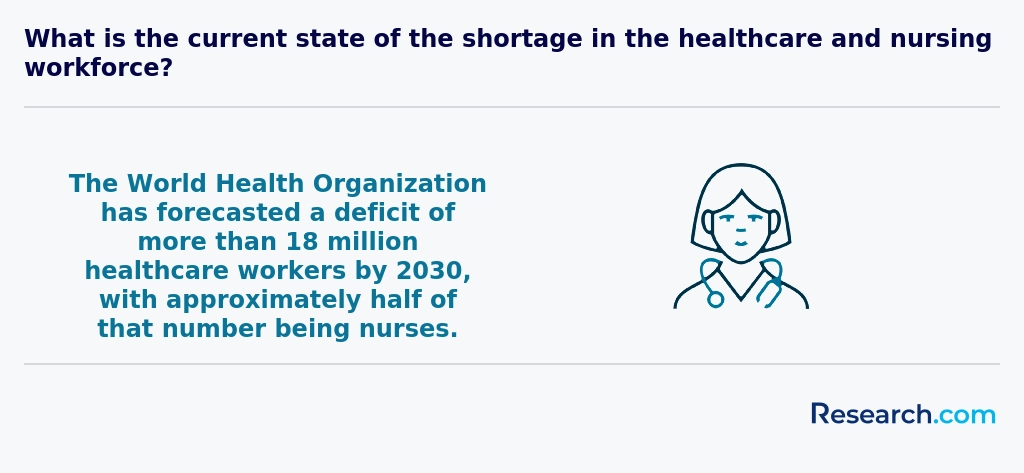
Applying to a nursing degree program in Chapel Hill, NC, requires careful planning and attention to deadlines. Most institutions follow a Fall and Spring admission cycle: 1. Research & Program Selection: Begin by reviewing program offerings at UNC Chapel Hill, Duke University, and local community colleges. Note that BSN and accelerated BSN programs often fill quickly. 2. Prerequisite Verification: Ensure completion of required science courses (anatomy, physiology, microbiology) with a minimum GPA of 2.8–3.0. Register for and complete the TEAS exam at least six weeks before submission deadlines. 3. Documentation & Recommendations: Assemble official transcripts, a personal statement highlighting your passion for nursing, and two to three professional references. Request letters early to avoid delays. 4. Application Submission: Use the NursingCAS portal for BSN programs, or institution-specific portals for ADN and MSN tracks. Fall cycle applications typically open August 1 and close January 15; Spring cycle deadlines often close September 30. 5. Interviews & Notifications: Qualified candidates may be invited to virtual or on-campus interviews. Admissions decisions for fall are usually released by March 1, giving you ample time to plan housing and financial aid. 6. Deposit & Enrollment: Upon acceptance, submit your enrollment deposit by the institution’s deadline-usually within two weeks of your offer. Attend orientation sessions in June or October to complete immunizations and background checks. For those planning advanced practice roles, consider programs offering the easiest np degree online to streamline your journey to becoming a Nurse Practitioner. Early preparation and adherence to these key deadlines will enhance your chances of securing a spot in Chapel Hill’s top nursing programs.
Imagine landing a nursing spot at the University of North Carolina at Chapel Hill but feeling your wallet tighten-that's a familiar story. Fear not: the financial aid scene here is a hearty mix of grants, loans, and scholarships designed to lift that burden.
Take the federal Pell Grant, for instance-offering up to $7,395 annually without clinging repayment strings. Many Chapel Hill community college grads who once juggled jobs attest to how this grant felt like a lifeline during late-night study marathons. Beyond that, Direct Loans with low-interest rates provide a safety net when the bills grow taller than exam stacks.
State pride shines with North Carolina's Nursing Scholarship Program, rewarding students who pledge service in underserved local clinics. Graduates often describe this as a "calling answered" coupled with financial peace, walking into jobs that benefit community and wallet alike.
Local nursing associations and Triangle Nursing Foundation sprinkle additional scholarships, with some employers throwing tuition discounts into the mix-particularly sweet for in-county students balancing work-study life in Chapel Hill's vibrant healthcare environment.
Accreditation and licensure exam performance are critical indicators of a nursing program’s quality and credibility. All nursing degrees in Chapel Hill, NC, should hold full accreditation from bodies such as the Commission on Collegiate Nursing Education (CCNE) or the Accreditation Commission for Education in Nursing (ACEN), ensuring adherence to national educational standards. Prospective students can verify accreditation status directly on each institution’s website or through the CCNE/ACEN directories. Equally important is the NCLEX®-RN pass rate, which reflects how well a program prepares graduates for entry‐level nursing practice. Recent data show:
- University of North Carolina at Chapel Hill: 96% first‐time NCLEX‐RN pass rate
- Duke University: 98% first‐time NCLEX‐RN pass rate
- North Carolina Central University: 92% first‐time NCLEX‐RN pass rate High pass rates signal rigorous curriculum, robust clinical training, and dedicated faculty mentorship. When comparing programs, aim for schools consistently above the national average pass rate of 85%. For students seeking budget-friendly, high‐quality online alternatives, our Affordable Online Nursing Degree Programs Ranking in Louisiana highlights accredited online options with strong licensure outcomes. By prioritizing accredited programs with proven NCLEX success, you’ll maximize employability and confidence as you transition from student to practicing nurse.
Imagine stepping into a bustling UNC Chapel Hill campus, where nursing hopefuls gather with purposeful energy. To join their ranks, you'll first need a sturdy academic foundation-a high school diploma or GED paired with essential coursework like biology (with lab), chemistry, algebra, and English. Think of these as the threads weaving your future nursing cape.
Graduates often recall the weight of maintaining a GPA around 3.0 to stay in the game, especially for UNC's competitive BSN program. Some remember the nail-biting wait for ACT or SAT results, though many programs now welcome test-optional applications, easing the pressure.
Beyond textbooks, you're encouraged to step into the shoes of caregivers-whether volunteering in clinics or shadowing nurses-transforming theory into empathetic practice. This hands-on experience not only lights up your applications but breathes life into your calling.
Last but not least, background checks and immunization records act as your backstage pass to clinical placements in Chapel Hill's vibrant healthcare settings, ensuring safety and trust from day one.
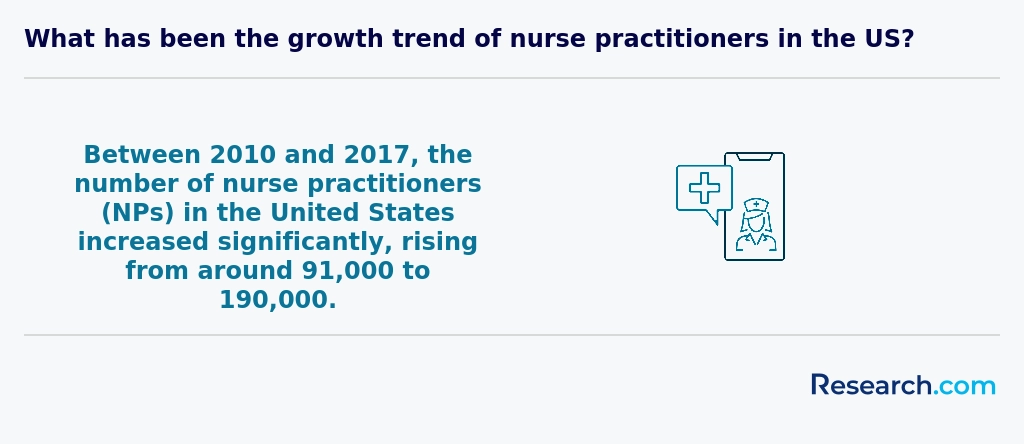
, Chapel Hill, NC, stands out as a prime location for prospective nursing students due to its unique blend of academic excellence, clinical opportunities, and a supportive community. The city is home to esteemed institutions like the University of North Carolina at Chapel Hill, which offers highly regarded nursing programs. These programs not only provide students with a comprehensive education but also offer hands-on clinical experiences in renowned healthcare facilities, preparing them for the demands of the nursing profession. For those interested in advancing their nursing careers, exploring valuable nursing programs in North Carolina can be a pivotal step. The presence of top-notch hospitals and healthcare organizations in Chapel Hill ensures that nursing graduates have access to a wide range of job opportunities, from hospitals and outpatient clinics to long-term care facilities and telehealth services. This diversity in employment settings, combined with the area's growing demand for skilled nursing professionals, makes Chapel Hill an attractive choice for those pursuing a nursing degree. Furthermore, the city's vibrant community, rich in cultural and historical significance, provides a unique and enriching environment for students to learn and grow, both personally and professionally.
Imagine stepping into a UNC Chapel Hill nursing classroom where anatomy and physiology aren't just subjects but gateways to understanding the human body's intricate dance. Graduates often recall how microbiology and chemistry paint the invisible battles happening inside patients, making every lecture feel like unlocking medical mysteries.
Courses like pathophysiology and pharmacology transform classroom theory into life-saving knowledge, as students practice health assessments and dive into patient care scenarios, learning to listen beyond symptoms. Nursing research and evidence-based practice open doors to innovation, inspiring students at Chapel Hill to question, explore, and apply cutting-edge care strategies.
Clinical rotations embedded in the curriculum bring adrenaline and empathy together - graduates remember the thrill and nervous excitement of their first patient interview in UNC-affiliated hospitals or community clinics. These aren't just classes; they're immersive journeys that blend science, heart, and hands-on experience, perfectly embodying Chapel Hill's commitment to nursing excellence.

Diving into nursing degree specializations Chapel Hill offers is like opening a treasure chest of distinct paths, each designed to spark passion and purpose. Graduates from the University of North Carolina at Chapel Hill often recall their Family Nurse Practitioner journey-immersed in hands-on primary care that feels like being the trusted guardian of family health across generations. Pediatric Nursing students find joy in connecting with little patients, blending medical knowledge with heartfelt childhood curiosity in bustling children's hospitals or community clinics.
Chapel Hill nursing program concentrations also include Adult-Gerontology Acute Care, where nurses tackle complex cases of elders with empathy and sharp skills, vital in a state witnessing an aging population boom. Others embrace the challenge of Psychiatric-Mental Health Nursing, cultivating sensitive approaches to mental wellness within a society that increasingly values emotional health.
Women's Health Nursing shines through with a focus on reproductive and gynecological care, a calling for many driven by a desire to empower women's wellness in diverse settings. For those curious about career prospects, the NP salary in South Carolina reflects the promising future awaiting Chapel Hill's nursing visionaries.
Imagine stepping onto the UNC campus, where the hum of innovation meets the heartbeat of Chapel Hill's healthcare. Nursing graduates often describe their journey as one of transformation, fueled by the combination of rigorous academics and real-world clinical adventures. Choosing the best nursing degree programs Chapel Hill offers means balancing ambition with practicality-BSN programs here are celebrated for weaving theory with hands-on care at UNC Hospitals, immersing you in patient stories that textbooks can't capture.
Cost whispers loudly too; many find that the affordable nursing schools in Chapel Hill, especially UNC, turn dreams into attainable goals with in-state tuition around $9,000. Graduates often reflect on how these savings let them invest in essentials, from uniforms to certifications, without drowning in debt. For those juggling life's demands, UNC's flexible hybrid courses provide a lifeline-combining remote learning with clinical hours that bring lessons alive.
It's not just about nursing skills but also knowing where your journey leads. Some alumni recommend exploring unique healthcare careers here to map out your future while you study.
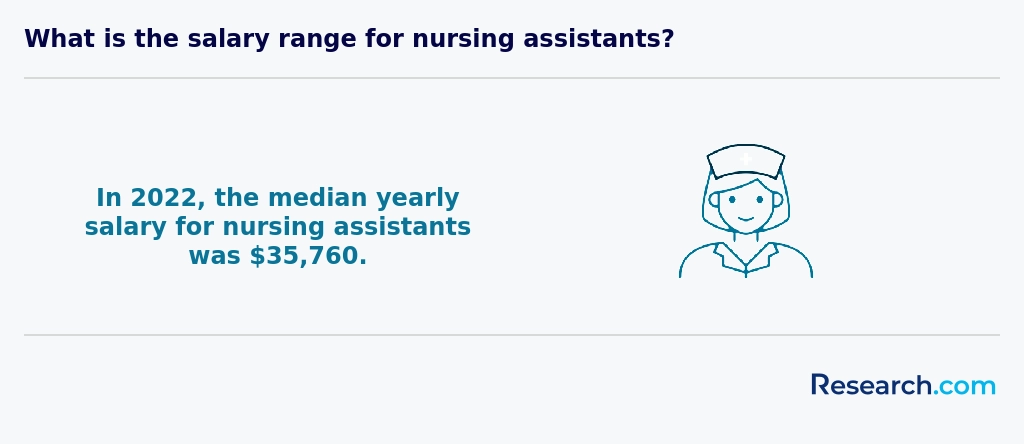
Graduates from nursing programs in Chapel Hill often find themselves stepping into vibrant healthcare roles that pulse with purpose. Many become registered nurses (RNs), the lifeblood of local hospitals like those affiliated with the University of North Carolina at Chapel Hill, where they care for patients with compassion and skill. The demand here isn't just a statistic; it's a daily opportunity to make an impact, with nursing career opportunities in Chapel Hill expanding steadily thanks to a growing elderly population.
Others leap into advanced positions, transforming into nurse practitioners and clinical nurse specialists, fueled by further studies from area institutions. These paths promise not only rewarding salaries but also a deeper dive into specialized patient care, blending science with heartfelt human connection.
Beyond the bedside, graduates explore diverse jobs with nursing degree Chapel Hill-from steering healthcare management teams to innovating public health initiatives that ripple through communities. Some even become educators, inspiring future nurses within Chapel Hill's renowned academic circles. For anyone dreaming bigger, research roles invite inquisitive minds to contribute to groundbreaking clinical studies-often right where they trained.
Many students consult a career planning expert to navigate these avenues and chart a personalized map toward success.

Graduates from nursing programs in Chapel Hill find a job market that pulses with opportunity, thanks to the stronghold of UNC Hospitals and a network of thriving outpatient and long-term care facilities. Many recall stepping out of classrooms at the University of North Carolina with excitement, landing roles that let them impact patients immediately in this vibrant healthcare hub. The employment opportunities for nursing graduates Chapel Hill offers are dynamic-nurses navigate clinical floors, community health centers, and expanding telemedicine roles, each demanding compassion and expertise.
Registered nurses see wages around $67,000 annually, a figure that reflects local cost of living and the region's high healthcare standards. Specialized nurses, especially advanced practice practitioners, unlock even greater potential, as illustrated by those who pursued nurse practitioner degrees Minnesota learning outcomes and returned with sharpened skills fueling Chapel Hill's health scene.
2027 Most Valuable Nursing Degree Programs Ranking in Chapel Hill
Investing in your education is a significant decision that can shape your future, and the Research.com team fully recognizes the weight of making informed choices. To support prospective students in Chapel Hill, we have carefully developed the "2027 Most Valuable Nursing Degree Programs Ranking in Chapel Hill." Our dedication to quality, credibility, and accuracy is demonstrated through rigorous research and comprehensive data analysis.
We utilized the following reputable data sources to ensure a thorough evaluation of nursing programs:
By examining this ranking, readers will acquire valuable insights into the top nursing degree programs in Chapel Hill, enabling them to make well-informed decisions about their educational journey. For a detailed explanation of our approach, please visit our Research.com methodology page.

Frequently Asked Questions About nursing
Nursing degree students in Chapel Hill can maximize their learning by engaging deeply with clinical experiences offered through partnerships with local hospitals, such as UNC Health Care. Hands-on practice is crucial for developing practical skills beyond classroom theory. Chapel Hill's programs often include simulation labs, allowing students to rehearse real-world scenarios safely. Additionally, students should take advantage of academic resources like tutoring and study groups to reinforce learning. Participation in nursing organizations and attending health seminars in the area helps build professional networks. According to UNC School of Nursing data, 95% of graduates pass the NCLEX exam, reflecting the value of their comprehensive training.
The nursing field is rapidly evolving, with multiple emerging niches attracting new professionals. In Chapel Hill, specialized areas such as geriatric nursing have gained importance as the aging population grows. According to the North Carolina Board of Nursing, the demand for nurses trained in elder care is expected to increase by 20% over the next decade.
Another growing niche is informatics nursing, which combines healthcare with data management. Chapel Hill's access to cutting-edge technology and research institutions supports this specialization.
Additionally, nurse practitioners focusing on mental health and community health are crucial in addressing local healthcare gaps.
Preparing for the nursing job market after earning a degree in Chapel Hill involves several key steps. Graduates should first ensure they successfully pass the NCLEX-RN exam, the national licensing test required to practice as a registered nurse. According to the North Carolina Board of Nursing, the NCLEX-RN pass rate for Chapel Hill area graduates typically exceeds 85%, indicating strong program preparation.
Networking is also crucial. Chapel Hill's proximity to multiple hospitals, such as UNC Hospitals, offers ample opportunities for clinical experience and job connections. Attending job fairs and joining professional organizations like the North Carolina Nurses Association can expand employment prospects.
Continuing education, including certifications in specialties such as gerontology or critical care, is beneficial. Employers increasingly seek nurses with advanced skills. Online resources from the American Nurses Credentialing Center provide guidance on certifications relevant in North Carolina.
Employers in Chapel Hill prioritize a range of skills when hiring nursing degree graduates. Strong clinical competence is essential, including proficiency in patient assessment, medication administration, and electronic health records. According to the North Carolina Board of Nursing, graduates must also demonstrate critical thinking and decision-making abilities to manage complex healthcare situations effectively.
Communication skills are highly valued, as nurses in Chapel Hill often collaborate with multidisciplinary teams and interact with diverse patient populations. Cultural sensitivity and empathy improve patient care outcomes, a key focus highlighted by UNC Health's workforce reports.
Additionally, adaptability and continuous learning are crucial due to rapidly evolving healthcare technologies and protocols in the region.
Finding nursing internships in Chapel Hill involves exploring partnerships between local healthcare facilities and educational institutions. The University of North Carolina at Chapel Hill, renowned for its nursing program, often collaborates with UNC Hospitals, one of the largest health systems in North Carolina.
Students should start by contacting their nursing school's career services or clinical placement offices, which provide updated lists of approved internship sites compatible with degree requirements. Additionally, local hospitals like Chapel Hill Regional Medical Center and community health centers offer practical experience opportunities.
Networking with faculty and attending nursing career fairs in Chapel Hill increase chances of finding competitive internships. Websites such as the North Carolina Board of Nursing may also list accredited clinical placements in the region.
A nursing degree in Chapel Hill significantly enhances career mobility and advancement opportunities within the local healthcare sector. Graduates are well-positioned to enter high-demand roles at leading institutions like UNC Health, which actively seek qualified nurses for diverse specialties. According to the North Carolina Board of Nursing, registered nurses with a bachelor's degree report a 15% higher average salary statewide, reflecting increased responsibilities and leadership roles.
Advanced degrees, such as a Master of Science in Nursing, further open doors to managerial and specialized clinical positions. In Chapel Hill, these credentials are often required for nurse practitioner or nurse educator roles.
The local healthcare job market's projected 12% growth through 2030, as noted by the Bureau of Labor Statistics, emphasizes the advantage of obtaining a nursing degree. Overall, nursing education in Chapel Hill offers a clear pathway for upward professional movement and expanded job prospects.
Studying for a nursing degree in Chapel Hill offers extensive preparation for interdisciplinary roles by emphasizing collaboration across healthcare fields. Programs in the area, particularly at the University of North Carolina at Chapel Hill, integrate courses in public health, social work, and healthcare management to create well-rounded professionals. This approach aligns with national trends encouraging nurses to work alongside physicians, pharmacists, and therapists to improve patient outcomes.
Clinical experiences in Chapel Hill often occur in diverse settings like UNC Hospitals, where students engage with multidisciplinary teams. According to UNC School of Nursing data, over 70% of graduates report confidence in collaborative skills. This strong emphasis on teamwork and communication equips students to navigate complex healthcare environments effectively.
When choosing between a thesis and a non-thesis nursing degree program in Chapel Hill, consider your career goals and learning preferences. Thesis programs require original research and are ideal if you plan to pursue a doctoral degree or a research-focused role. Non-thesis programs typically emphasize coursework and practical skills, suiting those aiming for immediate clinical or administrative positions.
The University of North Carolina at Chapel Hill offers both options, with about 40% of Master's nursing students opting for the thesis track according to recent enrollment data from UNC's School of Nursing. Job market reports indicate employers value research skills for leadership roles, but clinical expertise remains critical in local hospitals.
Students based in Chapel Hill exploring nursing degrees abroad have several pathways facilitated by their local institutions. The University of North Carolina at Chapel Hill (UNC), for example, offers study abroad programs through its School of Nursing. These programs often include clinical placements in countries with strong healthcare systems, providing valuable international exposure.
Additionally, partnerships between UNC and global universities enable students to gain credits toward their degree while experiencing diverse healthcare environments. According to UNC's Office of Global Affairs, about 10% of nursing undergraduates participate in international study or clinical experiences.
Such opportunities help nursing students develop cultural competence, a key skill in modern nursing practice.
Students pursuing nursing degrees in Chapel Hill can benefit from several part-time job opportunities that complement their education. Local healthcare facilities like UNC Medical Center offer positions such as patient care assistants or medical scribes, providing hands-on experience in clinical settings. According to the North Carolina Department of Commerce, healthcare support occupations in Chapel Hill grew by over 8% from 2015 to 2023, indicating available opportunities.
Additionally, nursing students might find roles in community health organizations or local clinics, where they can engage with public health initiatives. These jobs help develop communication and patient management skills essential for nursing careers.
Nursing students in Chapel Hill benefit from strong networking opportunities supported by the University of North Carolina at Chapel Hill (UNC). The UNC School of Nursing offers access to a wide range of professional organizations such as the Student Nurses Association, promoting peer connections and leadership development.
Clinical placements at UNC Medical Center and other local healthcare facilities provide hands-on experience and direct interaction with practicing nurses and healthcare leaders. These environments often serve as vital networking grounds for students seeking mentorship and employment.
Annual events, guest lectures, and career fairs hosted by the university connect students with healthcare employers and alumni, fostering valuable professional relationships in the region's expanding healthcare sector.
Alumni networks provide significant benefits for nursing degree students in Chapel Hill. These networks offer mentorship opportunities with experienced nurses who graduated from local programs. Such guidance can help students navigate clinical placements and career options effectively.
Additionally, alumni connections often lead to job placements within renowned healthcare facilities around Chapel Hill, including UNC Hospitals. According to the UNC School of Nursing, over 70% of graduates find employment through alumni referrals.
Networking events organized by alumni groups also allow students to build professional relationships early, enhancing their career prospects in a competitive field.
This support system fosters a community that encourages knowledge sharing and ongoing professional development.
Customizing a nursing degree program in Chapel Hill allows students to align their education with specific career goals. Many local institutions offer flexible curricula where students can select concentrations such as pediatrics, geriatrics, or mental health nursing. Chapel Hill's proximity to top healthcare facilities provides practical clinical placement options that support specialization.
Students can also engage in elective courses focused on leadership, research, or community health to broaden skill sets. According to the University of North Carolina's School of Nursing, over 85% of students participate in tailored clinical rotations that enhance job readiness. This adaptability ensures nursing graduates remain competitive in North Carolina's diverse healthcare job market.
Nursing students in Chapel Hill face several common challenges during their academic journey. One major difficulty is the intense coursework and clinical hours required by programs like those at the University of North Carolina at Chapel Hill. Balancing rigorous class schedules with demanding clinical rotations can lead to high stress levels.
Additionally, students often report challenges related to the competitive nature of nursing programs, with limited clinical placement spots adding pressure to perform well. Financial burdens are another concern, as nursing education can be costly, especially when factoring in books, uniforms, and exam fees.
Access to mental health resources remains a critical need, given that national surveys show approximately 40% of nursing students experience anxiety or depression during studies. Chapel Hill institutions are increasingly aware of these issues and are working to provide better support services.
Nursing degree holders in Chapel Hill can pursue various professional certifications to enhance their careers and demonstrate specialized expertise. Common certifications include the Certified Nurse Practitioner (CNP), Registered Nurse-Board Certified (RN-BC), and Certified Clinical Nurse Specialist (CNS).
These certifications require passing exams often administered by the American Nurses Credentialing Center (ANCC) or similar bodies. According to the North Carolina Board of Nursing, over 60% of registered nurses in the state hold at least one specialty certification. Certifications can improve job prospects and lead to higher salaries or leadership roles within healthcare facilities in Chapel Hill and the larger Research Triangle area.
To write a winning application for a nursing program in Chapel Hill, start by highlighting your academic achievements, especially in science and math courses, as these are critical for nursing studies. The University of North Carolina at Chapel Hill's nursing program is competitive, with a 40% acceptance rate reported by the UNC School of Nursing in 2023. Include a strong personal statement that clearly explains your motivation for nursing, relevant experiences, and career goals. Volunteer work or paid experience in healthcare can significantly strengthen your application.
Be sure to secure strong recommendation letters from educators or healthcare professionals who know your skills and character well. Additionally, prepare thoroughly for any required entrance exams or interviews to demonstrate your communication abilities and empathy, qualities highly valued in nursing. Following application guidelines closely and submitting all required documents on time is essential to avoid disqualification. Consult official Chapel Hill program websites for the most up-to-date application requirements and deadlines.
Nursing careers hold high global significance, with a growing demand emphasizing its essential role in healthcare. In the United States, including Chapel Hill, the nursing profession is valued for advancing patient care and public health. According to the U.S. Bureau of Labor Statistics, nursing jobs are expected to grow 7% from 2021 to 2031, faster than average across all occupations.
Chapel Hill benefits from its proximity to top nursing programs, such as the University of North Carolina at Chapel Hill, which ranks among the nation's best. This reflects the emphasis placed on comprehensive education to prepare nurses for international standards and challenges.
Globally, nursing careers emphasize cultural competence, adaptability, and continuous learning. American nurses often collaborate on international health initiatives, highlighting increased mobility and versatility in this field. This makes nursing a career with both local impact and worldwide reach.
Gaining practical experience while studying for a nursing degree in Chapel Hill is essential for building clinical skills and improving job prospects. Many programs in this region incorporate hands-on training through partnerships with local healthcare facilities, including UNC Hospitals, one of the nation's top teaching hospitals.
Students often complete clinical rotations in diverse settings such as hospitals, outpatient clinics, and community health centers. This exposure allows them to apply theoretical knowledge in real-world environments under professional supervision.
Additionally, Chapel Hill nursing students can participate in simulation labs equipped with advanced technology to practice patient care safely before entering clinical settings. Volunteering or working as a nursing aide can also provide valuable experience outside formal coursework. According to the North Carolina Board of Nursing, practical training is a required component of all accredited programs ensuring readiness for the NCLEX licensing exam.
Choosing the right concentration within a nursing degree program in Chapel Hill involves evaluating your career goals and interests. Common concentrations include family nurse practitioner, pediatrics, geriatrics, and nurse anesthesia. Chapel Hill's programs, such as at the University of North Carolina at Chapel Hill, tailor courses to meet industry demands and provide clinical experiences in local hospitals.
Consider the local healthcare landscape; Chapel Hill's aging population increases demand for geriatric nursing, while pediatric care remains critical due to several family-centered clinics. According to the North Carolina Board of Nursing, specialties with higher employment growth may offer more job opportunities after graduation.
Speak to academic advisors and review curriculum details carefully. Clinical hours and faculty expertise are crucial in gaining relevant skills. Financial aid availability and program length can also influence your decision.
- 2027 Most Valuable Nursing Degree Programs Ranking in Charlotte
- 2027 Most Valuable Nursing Degree Programs Ranking in Columbia
- 2027 Most Valuable Nursing Degree Programs Ranking in Virginia Beach
- 2027 Most Valuable Nursing Degree Programs Ranking in Washington
- 2027 Most Valuable Nursing Degree Programs Ranking in Baltimore
- 2027 Most Valuable Nursing Degree Programs Ranking in Macon
- 2027 Most Valuable Nursing Degree Programs Ranking in Atlanta
- 2027 Most Valuable Nursing Degree Programs Ranking in Columbus
- 2027 Most Valuable Nursing Degree Programs Ranking in Cincinnati
- 2027 Most Valuable Nursing Degree Programs Ranking in Louisville
See What Experts Have To Say About Studying Nursing
Read our interview with Nursing experts

Lisa Grubb
Nursing Expert
Assistant Professor
Johns Hopkins School of Nursing

- Top Skills Employers Want in Practical Nursing Graduates https://vervecollege.edu/what-employers-look-for-in-practical-nursing-graduates/
- What Are the Best RN Certifications for Your Career? https://credenzahealth.com/career-advice/what-are-the-best-rn-certifications-for-your-career
- How to Choose a Nursing Program: A Comprehensive Guide - Madonna ABSN https://absn.madonna.edu/blog/how-to-choose-a-nursing-program/
- Interdisciplinary Education and Practice https://www.aacnnursing.org/news-data/position-statements-white-papers/interdisciplinary-education-and-practice
- How Do Nurses Navigate Career Advancement? | NursingEducation https://nursingeducation.org/insights/career-advancement/
- How Much Can I Earn With a BSN? https://www.allnursingschools.com/bsn/salary/
- Study Nursing Abroad | Boomerang International Educational Services https://boomerangedu.com/study-nursing-abroad/
- Work-life balance | Careers Crossroads | RCN Careers Resources | Royal College of Nursing https://www.rcn.org.uk/Professional-Development/Your-career/Nurse/Career-Crossroads/Career-Ideas-and-Inspiration/work-life-balance
- Guide to Mastering North Carolina Nursing Prerequisites https://www.prereqcourses.com/guide-north-carolina-nursing-prerequisites/
- Moon River Nursing Careers | CNA Training and More in Chapel Hill, NC - Moon River Nursing Careers https://moonrivernursingcareersnc.com/


