
2027 Best Nursing Degree Programs Ranking in Indiana

Co-Founder and Chief Data Scientist
Choosing the right nursing degree program in Indiana can feel overwhelming, but we're here to make it easier. This article features the 2027 Best Nursing Degree Programs Ranking in Indiana, carefully created by the Research.com team of data scientists.
Our goal is to help you find programs that truly stand out, so you can make an informed decision about your future. A nursing degree opens many doors and brings rewarding career opportunities.
Explore the ranking to discover the best options suited to your goals and start your journey with confidence.
Key benefits of getting nursing degree in Indiana
- Salary for nursing degree graduates: Graduates in Indiana can expect competitive salaries, with Registered Nurses earning a mean annual wage of $94,480 and Operating Room Nurses earning up to $128,490, reflecting rewarding financial opportunities in the field.
- Career paths: Nursing graduates from Indiana University often find diverse options, such as clinical nursing, public health, or emergency care, allowing them to choose roles that match their passion and skills.
- Online degree benefits: Completing a nursing degree online at a respected Indiana school offers flexibility and the ability to balance work or family life, making education accessible without sacrificing quality.
- 2027 Best Nursing Degree Programs Ranking in Indiana
- What can I expect from nursing degree in Indiana?
- Where can I work with nursing degree in Indiana?
What can I expect from nursing degree in Indiana?
The average cost of a nursing degree in Indiana varies widely depending on the type of program and institution. For example, graduates from public universities like Indiana University often report tuition and fees ranging between $8,000 and $15,000 per year for in-state students pursuing a BSN. Meanwhile, private colleges may charge significantly more, sometimes exceeding $25,000 annually. These figures typically include tuition but may not cover additional expenses such as books, clinical supplies, or living costs.
Many nursing students at Indiana University express satisfaction with the value of their education, highlighting extensive clinical partnerships with local hospitals that enrich their hands-on learning. However, others at private institutions appreciate smaller class sizes, even if higher tuition costs cause some financial stress. Online or hybrid programs available through several Indiana schools offer flexible options, which some find crucial for balancing work and study, though these can have different fee structures.
Financial aid, scholarships, and employer tuition reimbursement programs can significantly offset costs, but prospective students should carefully evaluate total expenses beyond sticker prices. A mindful approach to tuition and associated costs helps ensure informed decisions aligned with both career goals and financial realities.
Where can I work with nursing degree in Indiana?
Graduates from nursing programs at universities like Indiana University and Purdue often find themselves working in Indiana's extensive hospital systems such as Indiana University Health or Ascension St. Vincent. Many report feeling a rewarding sense of purpose when providing care in fast-paced departments like emergency or surgical units, where their training directly impacts patient recovery.
Others take paths into outpatient clinics or primary care centers, where the emphasis is on chronic disease management and preventative care. These roles appeal to those who enjoy building longer-term relationships with patients while addressing everyday health needs outside hospital walls. Graduates sometimes express excitement about contributing to a shift towards more accessible, less costly healthcare options.
Long-term care facilities are another common destination, particularly for graduates attuned to geriatric nursing. Care for Indiana's sizable elderly population requires compassion and patience, qualities many new nurses say deepen through hands-on experience in nursing homes or rehabilitation centers. Home health care also draws nurses who prefer a more autonomous role, delivering vital care directly in patients' homes.
For those with advanced degrees from Indiana's nursing schools, leadership, research, and education roles offer a chance to influence healthcare policy and train future nurses. This breadth of options means each graduate can find a career path that matches both their skills and personal values.
Graduates from Indiana nursing programs, such as those at Indiana University or Purdue University Fort Wayne, typically start their careers earning competitive salaries that reflect both their education and the region's healthcare demands. Registered nurses in Indiana have a mean annual wage of around $94,480, according to recent labor statistics. This is an encouraging figure for new degree holders, offering a solid foundation for financial independence early in their careers.
Nursing students often share how their clinical rotations in Indianapolis hospitals helped them appreciate the real-world value of their education, which aligns well with these salary figures. Specialized roles provide even higher earning potential. For example, operating room nurses earn an average of $128,490 annually, demonstrating the financial upside available with advanced skills and certifications.
Other common roles for nursing graduates, like clinical nurse educators or public health nurses, also report mean wages near $94,480. Such salaries suggest that, while Indiana's nursing salaries can vary by job type and location, degree holders generally find rewarding and financially stable opportunities within the state's healthcare system.
- Indiana offers nursing degrees including ADN, BSN, and MSN through public universities, private colleges, and community colleges.
- Tuition for ADN programs at community colleges ranges from $6,000 to $15,000, while BSN programs at public universities cost between $20,000 and $40,000.
- Newly licensed Registered Nurses earn an average starting salary of about $55,000 per year, with experienced RNs making around $70,000 annually.
- The job market for nurses in Indiana is growing faster than average due to increased healthcare demand and an aging population.
- Nursing students must pass the NCLEX-RN exam to obtain licensure, and Indiana's pass rates are close to national averages.
Completing a nursing degree in Indiana generally depends on the specific path chosen and personal circumstances. For example, those pursuing a Licensed Practical Nurse (LPN) credential often finish their programs within 12 to 18 months at community colleges or vocational schools, gaining foundational skills quickly and moving toward licensure with the NCLEX-PN exam. Graduates from such programs frequently share satisfaction about entering the workforce without prolonged delays.
The Associate Degree in Nursing (ADN) route, popular at institutions like Ivy Tech Community College, usually requires about two years of full-time study. Many ADN graduates appreciate this balance, finding they can start working as registered nurses relatively soon after passing the NCLEX-RN exam, which aligns well with their career and life goals.
Alternatively, students aiming for a Bachelor of Science in Nursing (BSN), offered by universities such as Indiana University or Purdue University, commit to a four-year program. Some graduates describe the BSN journey as challenging but rewarding, especially given its broader focus on leadership and research. Accelerated BSN options are also available for those with prior degrees, compressing study time to around 12 to 18 months while still preparing them for the profession's evolving demands.
Assessing nursing program quality goes beyond curriculum and cost; graduate outcomes such as NCLEX-RN pass rates, employment rates, and advanced education enrollment offer clear indicators. In Indiana, PA, top programs report first-time NCLEX-RN pass rates between 90% and 95%, consistently outperforming the Pennsylvania state average of 88%. For example, Indiana University of Pennsylvania graduates achieved a 93% pass rate in 2023, while the University of Pittsburgh at Indiana reached 95%, reflecting rigorous academic preparation and hands-on clinical training. Employment outcomes further demonstrate program effectiveness. Across local institutions, 85% to 92% of nursing graduates secure full-time positions within six months of graduation, with many joining major healthcare providers in Pittsburgh and Erie. Alumni surveys indicate that 89% of respondents felt well-prepared for clinical roles, citing strong simulation labs, dedicated faculty, and robust hospital partnerships. Additionally, 30% of graduates pursue advanced practice degrees-such as FNP or CRNA-enhancing their long-term career prospects. Continuous improvement in these metrics is supported by regular program evaluations and benchmark comparisons to peer institutions. Prospective students can explore how Indiana programs stack up against other regions in the Affordable Online Nursing Degree Programs Ranking in the Northeast, gaining insight into affordability and outcomes across multiple states. By prioritizing student outcomes and graduate success metrics, Indiana, PA nursing programs ensure that learners not only attain essential licensure but also thrive in their professional journeys.
In Indiana, the choice between online and on-campus nursing degrees hinges on how students want to balance flexibility with hands-on learning. Graduates from universities like Indiana University often appreciate the structured pace and face-to-face guidance available on campus, where clinical placements are typically well-organized through campus partnerships. This setup can make it easier to build connections and feel supported during those critical practical hours.
Conversely, online programs appeal to those who need to juggle work or family, such as students studying through Purdue University's online nursing track. These graduates highlight the convenience of attending classes remotely, allowing them to study from home and tailor schedules around life's demands. However, securing local clinical sites on their own sometimes requires extra persistence, especially in rural parts of Indiana where healthcare facilities are scarcer.
Both paths require real-world experience, but the slightly higher NCLEX pass rates reported in traditional programs suggest that in-person mentorship and resources, like those at Ball State University, might give students an edge. Yet, the cost-effectiveness and time savings of online study remain compelling for many.
Navigating nursing program applications in Indiana, PA, requires clear planning and timely action. Follow this checklist to prepare for Fall 2026 admission:
- Research accredited programs (ADN, BSN, MSN) and confirm application portals by December.
- Complete prerequisite courses (biology, chemistry, anatomy) and maintain a minimum 2.75 GPA by January.
- Register for and schedule any required entrance exams (TEAS) at least six weeks before deadlines.
- Gather official transcripts, letters of recommendation, a personal statement, and resume by February.
- Submit applications via school portals or nursing CAS; aim for priority deadlines (typically March 1).
- Complete background checks, immunization records, and health screenings upon conditional acceptance.
- File the FAFSA before April 1 to maximize federal and state aid opportunities.
- Prepare for interviews by reviewing program objectives and clinical expectations.
- For students planning advanced practice roles, explore online dnp programs for seamless BSN-to-DNP pathways.
The average nursing degree cost Indiana students face varies widely depending on the institution and program type. Public universities such as Indiana University and Purdue University typically offer in-state tuition rates that bring the total cost closer to around $11,380 for a nursing degree, making them an accessible option for many local students. Graduates from these programs often share how the balance between quality education and affordable tuition helped them pursue their goals without overwhelming financial strain.
On the other hand, private colleges like the University of Saint Francis or Marian University present a different financial picture, with tuition fees ranging significantly higher, often between $20,000 and $35,000 annually. Students in these programs might experience accelerated tracks or specialized certifications, which can justify the increased cost but also require careful consideration of return on investment.
For those looking at quicker or more cost-effective routes, Associate Degree in Nursing programs found at community colleges can range from $4,000 to $8,000 per year. This option is appealing to students eager to enter the workforce promptly while minimizing debt.
Beyond tuition, nursing students should consider additional expenses such as textbooks, uniforms, licensing exam fees, and health screenings. Despite these costs, scholarships like the Indiana Nursing Scholarship Program and various financial aid options help offset expenses, supporting those committed to nursing careers within the state.
Students exploring pathways including second-degree bsn programs certifications in Indiana should weigh tuition costs against program length and outcomes, ensuring their chosen path aligns with both career aspirations and financial realities.

Nursing students in Indiana, PA benefit from robust clinical partnerships with leading healthcare providers in the region, ensuring hands-on experience from day one. Indiana University of Pennsylvania collaborates closely with Indiana Regional Medical Center, where students complete intensive rotations in medical-surgical units, emergency care, and maternity wards under the supervision of experienced nurse preceptors. Similarly, West Penn Hospital School of Nursing offers internships in community health clinics and outpatient centers, allowing students to develop critical skills in patient education, chronic disease management, and preventive care. These affiliations not only fulfill state-mandated clinical hour requirements but also expose students to diverse patient populations and specialized units like pediatric oncology and telehealth services. Beyond hospital rotations, many programs in Indiana, PA leverage state-of-the-art simulation labs and community partnerships to bridge theory with practice. For example, students at IUP veterinary clinic collaboratives conduct health screenings for at-risk populations, while virtual simulation platforms replicate complex clinical scenarios-from administering IV medications to managing pediatric emergencies. For accelerated learners seeking an intensive pathway, consider exploring our best online absn programs, which integrate remote coursework with in-person clinical placements. These structured internships and practicum opportunities accelerate competency, foster professional networking, and enhance employability immediately upon graduation.
Nursing students in Indiana often rely on a combination of federal, state, and institutional financial aid programs to manage the substantial costs of their education. For example, a graduate from Indiana University's School of Nursing might recall how Pell Grants, with awards up to $7,395, alleviated much of their tuition burden without the stress of repayment. Federal Direct Loans provide additional support, though thoughtful consideration of interest rates and repayment schedules remains essential.
State aid programs, such as those from the Indiana Commission for Higher Education, can be particularly impactful. Graduates from Purdue University's nursing program often highlight the 21st Century Scholars Program and scholarship options like the Indiana Minority Teacher Scholarship as crucial in making their nursing education affordable and accessible.
Furthermore, many healthcare employers in Indiana, including hospitals around Fort Wayne and Indianapolis, offer tuition reimbursement that reduces financial strain while actively supporting career advancement. Students who engaged with these employer programs frequently express relief and motivation knowing their education was valued and partially funded. These combined resources form a realistic, though sometimes complex, map for nursing students navigating financial aid in Indiana.
One of the key considerations for prospective nursing students is the cost of their education. With the rising expenses of tuition and living costs, finding an affordable nursing program is crucial. For those interested in pursuing a nursing degree without accumulating significant debt, exploring options like the cheapest nursing school in Pennsylvania can be highly beneficial. This not only helps in managing financial commitments but also opens up avenues for a successful nursing career without the burden of hefty student loans. By choosing an affordable nursing program, students can focus more on their studies and clinical experiences, ultimately leading to better job prospects and higher salaries in the long run.
Enrolling in a nursing degree program in Indiana commonly requires applicants to have completed a high school diploma or GED, often with a focus on science and math courses such as biology, chemistry, and algebra. For instance, graduates from Indiana University's nursing program recall that these foundational courses helped them grasp complex nursing concepts more confidently once classes began. Some programs, including those at Purdue University Fort Wayne, expect students to finish college-level general education courses like psychology and English composition before starting the nursing curriculum, emphasizing the importance of communication and understanding patient behavior.
Standardized testing, particularly the TEAS exam, is another hurdle many Indiana nursing applicants face. Graduates mention that preparing for the TEAS sharpened their reading and science skills, fostering a sense of accomplishment before even entering their programs.
Prospective students should also be prepared for background checks and health clearances. Schools such as Ball State University require immunization proof to maintain a safe clinical environment-a requirement that some students initially found daunting but ultimately reassuring.

Navigating the application process for a nursing degree program in Indiana, PA requires careful planning and adherence to key dates. Prospective students should begin by reviewing each institution’s specific requirements and gathering the following materials well in advance:
- Official transcripts from high school or previous colleges
- Completed prerequisite course documentation (e.g., biology, chemistry)
- Minimum GPA verification (typically 2.75–3.0)
- Standardized test scores (TEAS, if required)
- Personal statement outlining career goals and passion for nursing Most schools open their application portals in August for fall admission, with early decision deadlines falling in November and regular decision in January. For spring admission, applications are usually due by September of the preceding year. It’s essential to: 1. Verify immunization and background check timelines to avoid clinical placement delays. 2. Schedule interviews or writing workshops, if required, by the program’s stated deadlines. 3. Request letters of recommendation at least six weeks before deadlines to ensure timely submission. For students interested in advanced practice tracks, additional RN experience or graduate prerequisites may apply. If your goal is becoming a holistic nurse practitioner, plan for separate application cycles and certification requirements through accredited MSN programs. Early preparation not only increases acceptance chances but also allows time to explore financial aid and scholarship opportunities specific to nursing majors in Indiana, PA.
Nursing degree programs in Indiana typically include a combination of foundational sciences and specialized nursing courses. Graduates from well-regarded institutions such as Indiana University and Purdue University appreciate how courses like anatomy, physiology, microbiology, and chemistry build a solid understanding of the human body and disease mechanisms. These core subjects ensure students grasp essential scientific principles before advancing to patient care.
Specialized courses often reflect the diverse realities nurses face. For instance, classes in Pharmacology prepare students to safely administer medications, while Adult Health Nursing and Pediatric Nursing address care across different age groups, mirroring clinical rotations students undertake at major Indiana hospitals.
Many graduates highlight the emotional fulfillment gained in courses like Mental Health Nursing and Community Health Nursing, which emphasize empathy and public well-being. A nursing leadership course also equips students with skills to manage teams, valuable for those aiming for supervisory roles after graduation. This curriculum balance strives to create adaptable nurses ready for Indiana's varied healthcare settings.

Nursing degree specializations in Indiana commonly include Registered Nurse (RN) to Bachelor of Science in Nursing (BSN) programs, where students can focus on areas like community health or leadership. Graduates from universities known for their nursing programs often share how these pathways helped them find their niche in healthcare, whether managing public health challenges or leading clinical teams.
Other popular specializations include Adult-Gerontology Acute Care and Pediatric Nursing, reflecting Indiana's broad healthcare landscape. For example, students at Indiana's prominent colleges have found that the Pediatric Nursing track enabled them to confidently support children's health in both hospital and outpatient settings, which highly motivated them due to the direct impact on young patients.
In addition, advanced degrees like the Nurse Practitioner with tracks such as Family Nurse Practitioner and Psychiatric-Mental Health Nurse Practitioner improve clinical expertise and job prospects. Those pursuing Indiana nursing programs with specialties often appreciate how these advanced tracks prepare them for demanding roles and personal fulfillment. Prospective students curious about how Indiana programs compare nationally can explore nursing degrees arizona rankings for a useful perspective.
Choosing the best nursing degree in Indiana requires balancing your career goals with practical considerations like cost and program format. Graduates from well-known programs at Indiana University or Purdue University often share how selecting a BSN program with strong accreditation made a significant difference in passing the NCLEX and securing rewarding roles. While some students prefer shorter Licensed Practical Nurse tracks to quickly enter the workforce, many find that investing time in a BSN opens more doors in hospitals that increasingly require this credential.
Cost is another vital factor; public Indiana schools typically offer more affordable nursing degrees Indiana residents can benefit from, compared to pricier private institutions. Online and hybrid RN-to-BSN options provide flexibility, especially helpful for working students balancing family or jobs. Some graduates emphasize how clinical partnerships with local healthcare facilities gave them hands-on experience that textbooks alone can't offer. For a broader perspective, exploring online nursing degrees colorado reviews can sometimes illuminate alternatives even beyond state lines.

Nursing degree holders in Indiana find a wide array of career paths reflecting the state's diverse healthcare landscape. Graduates from well-known programs at Indiana University or Purdue University often become Registered Nurses (RNs), a role with steady growth expected through 2030. Their work spans hospital floors to outpatient clinics, offering hands-on patient care. Some graduates share how they've felt valued treating patients directly, yet acknowledge challenges such as high stress and long shifts.
More specialized options like Nurse Practitioners (NPs) and Clinical Nurse Specialists (CNS) attract graduates seeking advanced responsibilities. In rural Indiana, NPs fill essential primary care gaps, enjoying relative autonomy thanks to the collaborative practice agreements in place. Several nurses describe the satisfaction of making a tangible difference in underserved areas, highlighting the appeal of these roles within Indiana's evolving healthcare system.
Other paths include Public Health Nursing, Certified Nurse Midwife roles, School Nursing, and Home Health Nursing. Graduates report a rewarding connection to community and family settings through these options. Nursing informatics and administration also offer alternatives for those drawn to healthcare technology and leadership, usually requiring further study but opening doors to meaningful professional growth opportunities.
Considering these options while pursuing nursing career opportunities in Indiana encourages thoughtful decision-making about personal interests and the job outlook. Indiana nursing degree job outlook remains positive, but students should weigh diverse roles to find the best fit for their skills and aspirations.
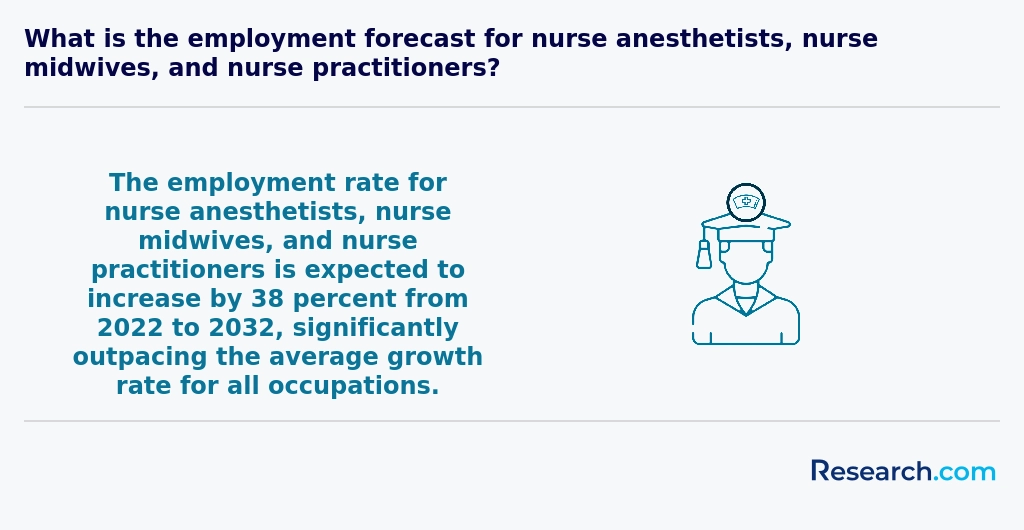
The job market for nursing degree holders in Indiana remains solid, with consistent demand driven by the state's expanding healthcare sector. Many graduates from well-regarded programs at Indiana's public universities report smooth transitions into roles at hospitals, clinics, and long-term care facilities. This aligns with projections indicating steady growth and numerous nursing degree job opportunities in Indiana, especially in rural areas where shortages create openings. Graduates often find themselves providing care in home health settings or outpatient centers, highlighting diverse career paths beyond traditional hospitals.
While income levels for nurses in Indiana are slightly below national averages, students appreciate the balance between wages and the state's lower cost of living. Graduates express optimism about career growth, supported by state initiatives such as loan forgiveness programs that encourage service in underserved communities. Many value the financial accessibility of local nursing programs, which makes pursuing this career practical and rewarding.
For prospective students considering where to study, exploring nursing schools dallas research facilities offers additional insights into varied educational environments, complementing the Indiana nursing career outlook 2027.
2027 Best Nursing Degree Programs Ranking in Indiana
Investing in your education is a significant decision that can shape your future, and the Research.com team understands the importance of making informed choices. To assist prospective nursing students in Indiana, we have meticulously crafted the "2027 Best Nursing Degree Programs Ranking in Indiana." Our commitment to quality, credibility, and accuracy is reflected in the extensive research and analysis conducted to compile this ranking.
We utilized the following reputable data sources to ensure a comprehensive evaluation of nursing programs:
By exploring this ranking, readers will gain valuable insights into the best nursing degree programs available in Indiana, enabling them to make well-informed decisions about their educational and career paths. For more details on our methodology, please visit our Research.com methodology page.

Frequently Asked Questions About nursing
Nursing degree students in Indiana can maximize their learning by engaging in both academic and practical experiences. Indiana hosts over 30 nursing programs accredited by the Commission on Collegiate Nursing Education (CCNE) or the Accreditation Commission for Education in Nursing (ACEN). Students should take advantage of clinical rotations at diverse healthcare settings, which help develop critical hands-on skills. According to the Indiana Center for Nursing, clinical experience is a key factor in student success and employment readiness.
Participating in study groups and seeking mentorship from experienced nurses or faculty can also enhance understanding and professional growth. Indiana nursing programs often collaborate with local hospitals, enabling access to current healthcare practices and innovations.
Additionally, students should consider certification opportunities and continuous learning to stay competitive in Indiana's growing healthcare market, which expects a 7.8% increase in nursing jobs by 2028 (Bureau of Labor Statistics). Strong communication and time management skills further contribute to successful outcomes during nursing education.
The nursing field in Indiana is evolving rapidly, with emerging niches offering new opportunities for specialization. One growing area is geriatric nursing, driven by Indiana's aging population; the Indiana State Department of Health reports a significant increase in residents over 65. Nurses specializing in geriatrics focus on elderly care, chronic disease management, and palliative care.
Another expanding niche is telehealth nursing, which gained traction during the COVID-19 pandemic. Indiana hospitals and clinics increasingly use remote patient monitoring and virtual consultations, creating demand for nurses skilled in technology and remote care.
Additionally, psychiatric-mental health nursing is gaining prominence due to rising mental health awareness statewide. The Indiana Hospital Association notes increased resources dedicated to behavioral health, making this a critical area for new nurses.
After completing a nursing degree in Indiana, preparing for the job market requires strategic planning and awareness of state-specific opportunities. First, obtaining licensure by passing the NCLEX-RN exam is essential to practice professionally. Indiana's average RN employment growth rate is expected to be 7% through 2030, according to the U.S. Bureau of Labor Statistics, indicating solid demand.
Networking through clinical placements during your education and joining local chapters of professional organizations like the Indiana State Nurses Association can provide valuable contacts. Additionally, gaining experience in high-demand areas such as geriatric or critical care nursing will improve employability.
Continuing education and certification in specialty fields are highly recommended to stay competitive in Indiana's evolving healthcare environment.
Employers in Indiana prioritize several key skills when hiring nursing degree graduates. Clinical competence is essential, as nurses need to provide safe and effective patient care in varied healthcare settings. Communication skills also rank highly, enabling nurses to collaborate with medical teams and support patients and families clearly and compassionately.
Critical thinking and decision-making abilities are vital, given the fast-paced environment nurses often face. Indiana's growing healthcare sector demands adaptability and proficiency with electronic health records, as digital documentation becomes standard. According to the Indiana Center for Nursing's 2023 report, professionalism and teamwork remain top attributes alongside technical skills, reflecting the state's emphasis on holistic nursing education.
Finding nursing internships in Indiana involves leveraging resources offered by educational institutions and healthcare facilities. Many nursing programs require clinical placements, which serve as internships, and schools often coordinate these through partnerships with hospitals and clinics. The Indiana State Department of Health and the Indiana Center for Nursing provide listings and support for such opportunities. Additionally, sites like the Indiana Hospital Association offer information about hospitals that frequently accept nursing interns. Networking through nursing student organizations and career fairs hosted by Indiana universities can also be valuable. According to the Indiana Board of Nursing, clinical experience is essential for licensure, boosting the importance of securing internships early in your nursing education.
Obtaining a nursing degree in Indiana significantly enhances career mobility and advancement opportunities for healthcare professionals. According to the Indiana Center for Nursing, registered nurses (RNs) with a Bachelor of Science in Nursing (BSN) are more likely to access leadership roles, advanced clinical positions, and higher salaries compared to those with an associate degree. The state's healthcare systems increasingly prefer BSN-prepared nurses, following national trends recommending higher education for better patient outcomes.
Indiana offers several pathways for degree advancement, including RN-to-BSN and MSN programs. Nurses with graduate degrees, such as a Master of Science in Nursing (MSN), can pursue specialized roles like nurse practitioners or clinical nurse specialists. These positions provide greater responsibility, broader scope of practice, and improved job security. Data from the Bureau of Labor Statistics notes that Indiana's registered nursing employment is expected to grow 12% through 2031, making advanced credentials an asset in a competitive market.
Studying for a nursing degree in Indiana equips students with skills essential for interdisciplinary healthcare roles. Programs emphasize collaboration between nurses, physicians, social workers, and other health professionals to improve patient outcomes. Indiana nursing curricula often incorporate teamwork simulations and clinical experiences in varied settings, reflecting real-world health systems.
The Indiana State Board of Nursing supports education standards that include interdisciplinary communication and problem-solving competencies. According to the Indiana Center for Nursing, graduates demonstrate readiness to engage across disciplines, which is critical in a state facing diverse healthcare challenges.
This approach prepares students to work effectively in hospitals, community clinics, and long-term care facilities, fostering holistic and coordinated patient care.
When choosing between a thesis and a non-thesis nursing degree program in Indiana, consider your career goals and learning style. A thesis option usually involves conducting original research, ideal for students aiming for advanced clinical roles, academic positions, or doctoral studies. According to the Indiana Commission for Higher Education, about 40% of nursing master's students in the state select thesis programs to strengthen research skills.
Non-thesis programs focus more on practical coursework and clinical experience. These may suit nurses prioritizing hands-on skills and immediate workforce entry. Many Indiana universities tailor non-thesis tracks for working professionals seeking career advancement without a research commitment. Understanding program curricula and discussing options with academic advisors can help align your choice with professional aspirations.
Students based in Indiana wishing to study nursing abroad have several pathways available. Many Indiana universities with nursing programs offer exchange or study abroad partnerships with institutions in countries such as the United Kingdom, Australia, and Canada. These programs typically last one semester and focus on clinical experience or nursing theory. Indiana students benefit from these opportunities by gaining global perspectives on healthcare and expanding their clinical expertise.
While pursuing an international nursing experience, students must ensure their chosen program meets requirements set by the Indiana State Board of Nursing for licensure eligibility. According to the Indiana Center for Nursing, approximately 35% of nursing graduates explore study abroad or international clinical placements, highlighting growing interest in global nursing education.
Financial aid and scholarships may be available through universities or external agencies, helping offset extra costs associated with studying abroad. Students often are advised to consult their academic advisors early to coordinate international study options with their degree requirements.
Students pursuing nursing degrees in Indiana can benefit from several part-time job opportunities that enhance their education and clinical skills. Roles such as certified nursing assistant (CNA) or patient care technician allow hands-on experience in healthcare settings while building patient interaction skills. According to the Indiana Department of Labor, CNAs earn an average of $13 to $16 per hour, making these positions both educational and financially viable.
Other options include medical scribing or working as pharmacy technicians, which support knowledge of medical terminology and healthcare operations. Many hospitals and clinics in Indiana actively hire nursing students for these roles due to the growing demand for healthcare workers.
Nursing students in Indiana benefit from multiple networking opportunities that support their professional growth. Many universities host chapters of the Indiana Student Nurses Association (ISNA), providing access to local events, conferences, and leadership development. Through ISNA, students connect with peers and nursing professionals statewide.
Indiana's proximity to major healthcare systems like IU Health and Community Health Network also facilitates internships and mentorship programs. These partnerships help students build relationships with practicing nurses and potential employers.
The Indiana Center for Nursing regularly publishes workforce data and hosts workforce forums, which can be valuable for networking and understanding job market trends in the state.
Alumni networks offer significant advantages for nursing degree students in Indiana by fostering professional connections. These networks provide access to experienced nurses who can offer mentorship and career advice, helping new graduates navigate the state's healthcare landscape. According to the Indiana State Nurses Association, strong professional relationships improve job placement rates in the state, where nursing demand is projected to grow by 15% through 2030.
Through alumni events and online platforms, students learn about internship and job opportunities in Indiana hospitals and clinics. Networking also aids continuing education and specialization by connecting graduates with resources and workshops tailored to Indiana healthcare standards.
Such support enhances confidence and readiness as students transition to licensed registered nurses within the Hoosier State.
Customizing a nursing degree program in Indiana involves selecting specializations and course options that align with your career goals. Many Indiana nursing schools offer tracks such as pediatrics, gerontology, or critical care, allowing students to focus on areas of interest. Clinical experiences also play a key role; students can often choose placements based on their desired work settings, like hospitals or community health.
Indiana's Board of Nursing provides guidance on accredited programs, ensuring quality education tailored to state licensure requirements. According to the Indiana Commission for Higher Education, BSN and MSN programs with flexible schedules and online options support working professionals seeking career advancement.
Nursing students in Indiana commonly face several challenges during their education. One significant issue is the high demand for clinical placements, which can limit hands-on training opportunities. According to the Indiana Center for Nursing, competition for clinical spots remains intense due to increasing enrollment but limited healthcare facilities offering placements.
Another challenge is managing the rigorous coursework alongside clinical responsibilities. Nursing programs require strong time management skills to balance studying, classes, and practical nursing duties.
Financial strain is also a concern. The average annual tuition for nursing degrees in Indiana ranges between $7,000 and $15,000, not including living expenses. Many students struggle to secure adequate funding or scholarships.
Lastly, student stress and burnout are increasingly reported, partly due to the demanding nature of nursing education and exposure to healthcare environments.
With a nursing degree in Indiana, graduates can pursue several professional certifications to enhance their careers. Common certifications include the Registered Nurse (RN) license, required to practice nursing in the state. Many nurses further specialize by earning credentials such as the Certified Nurse Educator (CNE) or Certified Pediatric Nurse (CPN).
Advanced certifications are also available, including the Certified Nurse Midwife (CNM) or Family Nurse Practitioner (FNP), which require additional education and clinical experience. According to the Indiana State Board of Nursing, pursuing these certifications can improve job prospects and salary potential.
The American Nurses Credentialing Center (ANCC) provides nationally recognized certifications relevant for Indiana nurses seeking specialization in areas like geriatrics, oncology, or critical care.
Writing a winning application for a nursing program in Indiana requires clear organization and attention to specific requirements. Most nursing schools in Indiana, such as Indiana University and Purdue University, emphasize a strong academic record, particularly in science courses like biology and chemistry.
A well-crafted personal statement is essential. Applicants should highlight their motivation for nursing, relevant volunteer or work experience, and understanding of the profession. Indiana's nursing workforce shortage makes demonstrated commitment important.
Additionally, many programs require standardized test scores such as the TEAS (Test of Essential Academic Skills). Preparing thoroughly for this exam can increase acceptance chances.
Strong letters of recommendation from academic or healthcare professionals can also support the application. According to the Indiana Center for Nursing, qualified applicants with a complete, thoughtful application have better chances of admission.
Nursing is recognized worldwide as a vital and growing profession. Globally, nurses are essential to healthcare systems, addressing diverse patient needs and improving public health. In the United States, including Indiana, the Bureau of Labor Statistics projects a 9% growth in registered nurse jobs between 2022 and 2032, reflecting this international demand.
Indiana, home to over 120,000 practicing nurses as reported by the Indiana Center for Nursing, contributes significantly to this workforce. Globally, nurses often face similar challenges such as staffing shortages and increased care complexity. However, their role adapts to local cultural and healthcare needs, making nursing both a universally respected and locally specialized career.
Internationally educated nurses often pursue U.S. nursing degrees to meet licensing requirements and advance their careers, highlighting the global mobility of this profession.
Gaining practical experience is essential when pursuing a nursing degree in Indiana. Most accredited nursing programs integrate clinical rotations, allowing students to work directly with patients under supervision. These rotations often take place in hospitals, community health centers, and long-term care facilities, providing diverse settings for hands-on learning.
The Indiana State Board of Nursing requires practical hours for licensure, typically between 500 and 700 clinical hours depending on the program level. According to the Indiana Center for Nursing, clinical training improves skill development and job readiness significantly.
Additionally, some programs offer simulation labs with computerized mannequins to mimic real-life medical scenarios. Internships and externships through partnerships with local healthcare providers are also common avenues for gaining experience.
Choosing the right concentration within a nursing degree program in Indiana requires understanding your career goals and the state's healthcare needs. Indiana is experiencing high demand in specialties like gerontology and psychiatric nursing, according to the Indiana Center for Nursing's 2023 report. Consider concentrations that align with growing job markets to increase employability after graduation.
Research available programs at Indiana universities, as concentrations vary widely-from pediatrics to community health. Look at curriculum details, clinical placement opportunities, and faculty expertise to ensure the program matches your interests and learning style.
Additionally, review licensure and certification requirements tied to each concentration to plan your professional path effectively.
- 2027 Best Nursing Degree Programs Ranking in Pittsburgh
- 2027 Best Nursing Degree Programs Ranking in Cleveland
- 2027 Best Nursing Degree Programs Ranking in Harrisonburg
- 2027 Best Nursing Degree Programs Ranking in Baltimore
- 2027 Best Nursing Degree Programs Ranking in Washington
- 2027 Best Nursing Degree Programs Ranking in Rochester
- 2027 Best Nursing Degree Programs Ranking in Lynchburg
- 2027 Best Nursing Degree Programs Ranking in Detroit
- 2027 Best Nursing Degree Programs Ranking in New York
- 2027 Best Nursing Degree Programs Ranking in Brooklyn
See What Experts Have To Say About Studying Nursing
Read our interview with Nursing experts


- NURSING - University College of Enterprise and Administration https://en.wspa.pl/nursing-graduate-program/
- Nursing Opportunities Growing in the Hoosier Heartland https://www.nurserecruiter.com/indiana
- The Nurses' Alumni Association https://giving.mainlinehealth.org/get-involved/auxiliaries-and-womens-boards/lankenau-medical-center-womens-board/the-nurses-alumni-association
- School of Nursing Alumni Resources https://nursing.utmb.edu/About/Alumni
- Top Skills Employers Want in Practical Nursing Graduates https://vervecollege.edu/what-employers-look-for-in-practical-nursing-graduates/
- How Do Nurses Prepare to Work in a Multidisciplinary Team? | NursingEducation https://nursingeducation.org/insights/multidisciplinary-team/
- Nursing Study Abroad Programs | Go Overseas https://www.gooverseas.com/study-abroad/nursing
- 7 Nursing School Tips for Studying https://www.denvercollegeofnursing.edu/blog/nursing/7-Nursing-School-Tips-for-Studying.html
- How to Choose the Right Nursing School for Your Career Goals | Archer Review https://www.archerreview.com/blog/how-to-choose-the-right-nursing-school-for-your-career-goals
- How to Choose the Right Nursing Program for Your Career Goals - Maria College https://mariacollege.edu/blog/how-to-choose-the-right-nursing-program-for-your-career-goals


