2027 Easiest Online Bachelor's in Nursing Degree Programs Ranking in the West

Co-Founder and Chief Data Scientist
Choosing the right nursing degree program can feel overwhelming, especially when you want to study online from the West. This article presents the 2027 Easiest Online Bachelor's in Nursing Degree Programs Ranking in the West, developed by the Research.com team of data scientists.
Our goal is to help you navigate options with clear, trustworthy information. Finding an accessible program that fits your lifestyle can make earning your nursing degree more achievable and rewarding.
Whether you're starting fresh or advancing your career, this ranking offers valuable insights to support your journey toward a fulfilling future in nursing.
Key benefits of getting online nursing degree in the West
- Nursing degree graduates can earn strong salaries, with Registered Nurses averaging $94,480 annually and Operating Room Nurses reaching $128,490, reflecting rewarding financial opportunities.
- Graduates from popular Western universities often find diverse career paths, including roles as Public Health Nurses or Emergency Room Nurses, providing flexibility and growth in healthcare.
- Online nursing degrees from well-known Western schools offer convenience and the ability to balance work and study, making it easier to advance your career without relocating or pausing your income.
- 2027 Easiest Online Bachelor's in Nursing Degree Programs Ranking in the West
- What can I expect from online nursing degree in the West?
- Where can I work with online nursing degree in the West?
What can I expect from online nursing degree in the West?
Figuring out the cost of an online nursing degree in the West can feel a bit tricky, but here's the scoop from those who've been through it. On average, students attending popular schools in states like California and Washington often see total tuition between $40,000 and $60,000 for a full Bachelor of Science in Nursing (BSN) program online. This range depends on whether you're attending a public university or a private college, and if you qualify for in-state tuition, which can save a bunch.
Many grads from well-known Western universities share how manageable the costs felt compared to traditional on-campus programs. They often mention the relief of flexible payment plans and scholarships specifically for online BSN students. Plus, since you complete clinical hours locally, you skip extra travel or relocation expenses, which is a huge bonus.
So, while tuition isn't cheap, lots of students feel the investment pays off quickly thanks to nursing jobs booming across the West, making the degree worth it both financially and personally.
Where can I work with online nursing degree in the West?
With an online nursing degree in the West, you can dive into so many different jobs that really make a difference. Graduates from places like the University of Washington or UCLA often find themselves working in big hospitals or well-known health systems such as Kaiser Permanente. Imagine spending your days helping patients right in the heart of bustling cities like Seattle or Los Angeles.
But it's not just hospitals. Many grads are loving roles in outpatient clinics, long-term care facilities, or even remote positions with telehealth services. The rise of virtual care means you could be supporting patients from home or anywhere with a good Wi-Fi connection, which sounds pretty great, right?
Plus, if you're into community impact, states like Oregon and Colorado offer chances to work in public health, rural clinics, or home healthcare-perfect if you prefer smaller, tight-knit settings. Graduates often talk about the rewarding feeling of making a real difference in these close communities.
And hey, if teaching or specializing sounds more your thing, online programs set you up for those paths, too, with tons of opportunities to grow in nursing education or advanced roles.
If you're earning an online nursing degree from a school out West, like Oregon State or the University of Washington, you're looking at some pretty solid earning potential. Registered nurses typically make around $94,480 a year based on recent data, which is a nice boost compared to many other regions.
Graduates working as Emergency Room Nurses or Public Health Nurses see similar salaries, usually hovering near that $94,000 mark. But if you go for a more specialized gig, like an Operating Room Nurse, you could be pulling in around $128,490 annually. That's a big jump and shows how valuable advanced skills really are.
Many grads I've heard from appreciate the flexibility of online programs combined with good pay. Earning while learning allows them to gain experience in hospitals or clinics across places like California or Washington, where demand and wages for nurses are strong. So, not only do you get to study your own way, but you also step into a career with great financial rewards right in your backyard.
- Many accredited universities in the Western U.S. offer fully or partially online Bachelor of Science in Nursing (BSN) programs designed for working professionals.
- The total cost for an online BSN degree typically ranges from $30,000 to $60,000, with private or out-of-state schools sometimes charging over $70,000.
- Registered nurses in the West start with an average salary of around $65,000, with experienced nurses earning over $90,000 annually in states like California and Washington.
- The demand for nurses in the Western region is high, especially in rural and underserved areas, with steady growth expected over the next decade.
- Programs must be accredited and meet state board requirements to ensure eligibility for the NCLEX-RN licensure exam.
- Online nursing degrees often include local clinical placements to provide hands-on experience needed for licensure and job readiness.
Completing an online nursing degree in the West usually depends on the kind of program you pick and your background. For example, if you enroll in a traditional BSN program offered by popular Western schools, it'll likely take about four years if you're studying full time. Many grads mention that juggling coursework with life felt manageable thanks to part-time options, though stretching it out to five or six years is pretty common for those balancing work or family.
For those already working as RNs, the RN-to-BSN programs are a real time-saver, usually wrapping up within one to two years. Several graduates from well-known Western universities say this path helped them quickly advance without quitting their jobs.
Accelerated BSN programs, designed for students who already have a bachelor's in another field, tend to be the fastest route-around 12 to 18 months. Alumni often recall how intense and full-on the experience was, but also incredibly rewarding because they fast-tracked into nursing careers.
One thing many grads note is that even online students need to complete clinical practice locally, which can sometimes stretch the timeline, but it's also where they gain hands-on confidence in real healthcare settings.
Accreditation and state board approval are non-negotiable when choosing an online BSN program in the West. Accredited programs ensure your degree meets rigorous standards and qualifies you to sit for the NCLEX-RN licensure exam. Before enrolling, verify that the program is accredited by either the Commission on Collegiate Nursing Education (CCNE) or the Accreditation Commission for Education in Nursing (ACEN) and approved by your state’s Board of Nursing. Key considerations:
- NCLEX-RN First-Time Pass Rates: Higher pass rates often signal stronger curricula and student support. For example, University of Washington’s online BSN boasts a 95% first-time pass rate, while UCLA reports 92%.
- State Approval: Even if a program is nationally accredited, confirm it’s recognized in your state of residence and any state where you may practice.
- Bridge Options: Licensed Practical Nurses (LPNs) can accelerate their path to RN licensure through bridge programs. Those comparing cost and outcomes may explore the most affordable lpn to rn online degree options to identify programs with strong NCLEX-RN success metrics.
- NCLEX Prep Resources: Look for programs offering dedicated review courses, simulation labs, and faculty-led exam workshops.
- Reporting Transparency: Top programs publish annual NCLEX-RN statistics-seek those that provide clear, recent data. By prioritizing accredited programs with proven NCLEX-RN outcomes, prospective nurses can maximize their licensure success and career readiness.
If you're thinking about nursing degrees in the West, the biggest difference between online and on-campus programs comes down to flexibility and how you like to learn. Graduates from schools like the University of Washington often mention how the online format let them juggle work and family while still keeping up with their studies. The digital classes meant they could log in anytime, skipping long commutes that many in California or Oregon find exhausting. Plus, they can access lectures from anywhere, whether at home or during a break at a local coffee shop.
On the flip side, those who chose on-campus programs at places like Oregon Health & Science University talk about the value of face-to-face time with instructors and classmates. They appreciate hands-on labs and the chance to build connections right on campus, which makes the learning feel more immediate and interactive.
Either way, you'll still get clinical hours nearby - often at local hospitals where you get real-world experience. But online students should be ready to stay motivated and manage time well since a lot of their studying happens independently.
Choosing an online Bachelor’s in Nursing program that holds rigorous accreditation and boasts strong NCLEX pass rates is critical for licensure and career success. Look for programs accredited by the Commission on Collegiate Nursing Education (CCNE) or the Accreditation Commission for Education in Nursing (ACEN), and approved by your state board of nursing. This dual validation guarantees the curriculum meets clinical standards and that graduates are eligible to sit for the NCLEX-RN exam without additional hurdles. NCLEX pass rates serve as a transparent measure of a program’s effectiveness in preparing students for entry-level practice. Programs reporting first-time pass rates above 85% indicate robust academic support, quality clinical placements, and dedicated exam prep resources. When evaluating schools, compare published pass rates alongside student-to-faculty ratios, access to virtual simulation labs, and dedicated NCLEX review sessions to gauge how well a program supports your success. For students balancing budget with quality, affordability doesn’t mean sacrificing excellence. Our sister ranking on the most cost-effective options can guide you toward high-value programs: Affordable Nursing Degree Programs Ranking in Oklahoma. By prioritizing accredited programs with strong NCLEX outcomes, you’ll ensure your online nursing education leads seamlessly to licensure and a thriving career in healthcare.
If you're wondering about the average cost of an online nursing degree in the West, expect to pay around $34,356 if you're an in-state student. Out-of-state students typically spend more, with costs averaging about $55,860. This price range fits right into what many graduates from schools like the University of Washington or California State University have shared from their own journeys. In-state tuition often feels like a great value, especially when paired with flexible online courses that fit busy schedules.
Many students looking for affordable online bachelor's nursing degrees in the western region find that public universities offer competitive tuition rates, sometimes even below $500 per credit for residents. However, if you're eyeing private universities, tuition per credit can climb higher-up to $1,200-but some students feel the extra investment is worth it for career support and smaller class sizes.
Remember, the total cost doesn't just include tuition. Graduates often mention additional tech fees, clinical placement costs, and course materials that can add a few thousand dollars to the final bill. Balancing these expenses with scholarships, financial aid, or employer tuition assistance can make a huge difference in affordability.
For those exploring options, checking out resources like the easiest fnp program can also help uncover good deals and smooth pathways to nursing success in the West.
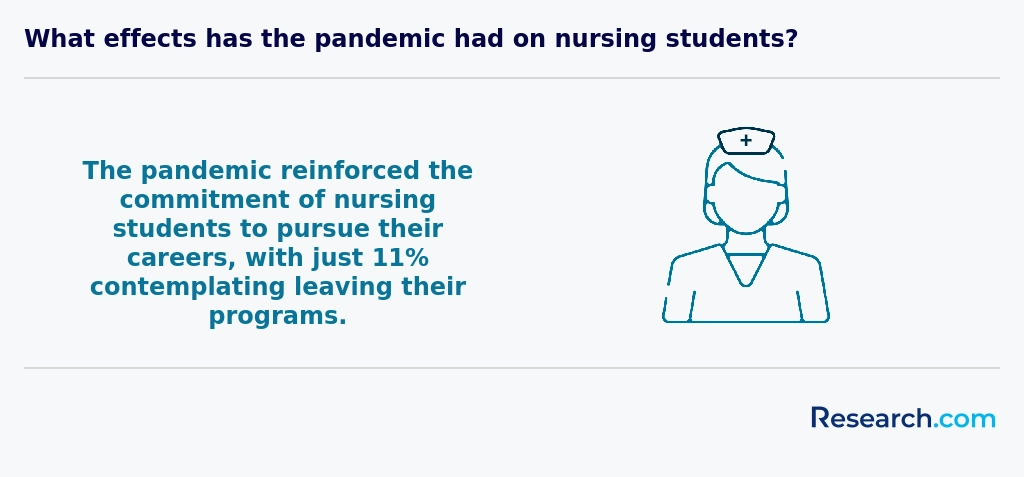
One of the most telling indicators of program quality is the NCLEX-RN pass rate and subsequent graduate success. In 2024, online Bachelor’s in Nursing programs in the West reported first-time NCLEX-RN pass rates ranging from 88% to 96%, surpassing the national average of 84%. Programs such as those at the University of Washington and UCLA consistently achieve pass rates above 92%, reflecting rigorous preparation and strong faculty support. Beyond licensure success, graduate outcomes reinforce the return on investment for online students. On average, 90% of graduates secure full-time nursing positions within six months of graduation, with top employers including Kaiser Permanente, Cedars-Sinai and Stanford Health Care. Career services in these programs offer resume workshops, virtual job fairs, and alumni mentoring to facilitate rapid placement. For students aiming to advance into advanced practice roles, many graduates pursue Family Nurse Practitioner tracks. Schools with high NCLEX pass rates often align their curricula to meet FNP competencies, making it easier to transition directly into postgraduate studies. Prospective FNP students should consider programs recognized for seamless progression, such as the easiest fnp program, which combines affordability with strong clinical partnerships. Monitoring NCLEX performance and graduate employment data not only highlights program strengths but also guides prospective students toward institutions that deliver measurable outcomes and career readiness.
If you're looking into online nursing degrees in the West, you'll find a solid mix of financial aid options that really lighten the load. Many students from well-known programs like those at the University of Washington or California State University have tapped into federal aid through FAFSA-think grants, loans, and work-study gigs that help keep costs down. The Pell Grant is a biggie here, offering up to $7,395 a year that doesn't have to be paid back, which is a game changer for many.
On top of that, scholarships are everywhere in this region. Whether from state programs or nursing associations, these awards often target online students specifically, rewarding both merit and need. Plus, if you're working part-time in a hospital or clinic, some employers in Oregon or Washington even chip in with tuition reimbursement, which graduates say eased their stress big time.
Loan forgiveness programs are another plus, especially for nurses who stick with public or nonprofit employers after graduating. One grad mentioned how Public Service Loan Forgiveness helped wipe out their debt after consistent payments, making their online degree totally worth it.
Graduates must earn an RN license to practice. Follow these steps:
- Register with Pearson VUE and your state board to receive authorization to test (ATT).
- Schedule and pass the NCLEX-RN exam within the ATT window.
- Submit official transcripts, background check, and immunization records to your state nursing board.
Many online BSN programs offer dedicated NCLEX prep and license guidance. For options that reduce in-person hours while still preparing you for licensure, explore online rn to bsn programs without clinical requirements.
Once you pass the NCLEX-RN, apply for initial licensure and research the Nurse Licensure Compact if you plan to work across Western states. Organizing documents early ensures a smooth transition from student to practicing nurse.
If you're thinking about jumping into an online nursing degree in the West, be ready to show you've got the basics covered. Most programs want to see a high school diploma or GED up front. Some grads from popular Western schools mention how taking classes like biology or chemistry ahead of time really helped them hit the ground running.
For those already working as an LPN or RN, lots of colleges out here offer RN-to-BSN pathways that value your clinical experience. Many graduates shared how having a valid nursing license gave them a leg up during the admissions process.
- Some universities still ask for SAT or ACT scores, though that's less common now.
- CPR certification is a must-have, often needed before even starting your courses.
- Letters of recommendation, personal statements, and a resume showing your passion or healthcare experience seal the deal.
On top of this, expect background checks and immunization records because clinical placements here follow strict state rules. And don't forget: tech skills and reliable internet are your best friends for online learning success.
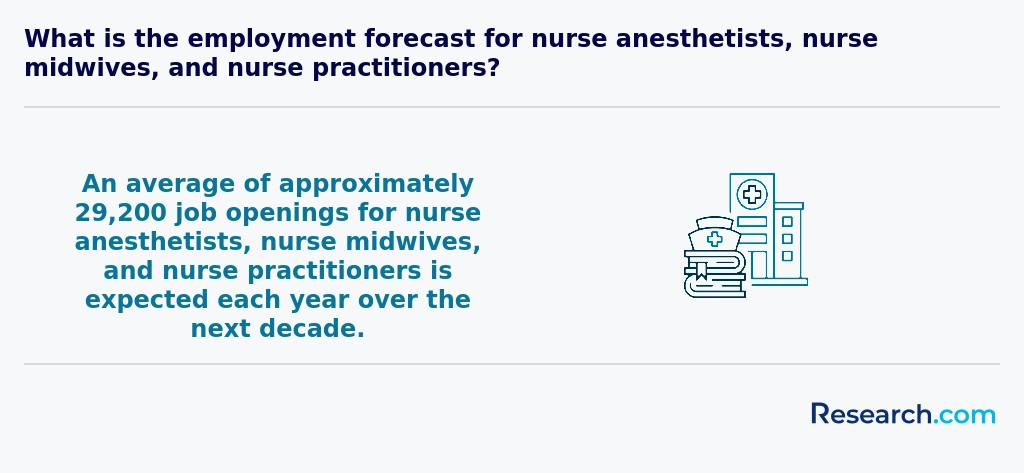
The admissions process for online nursing degree programs in the West typically involves several steps, including submitting an application, providing transcripts and test scores, and completing prerequisite courses. Many programs require applicants to have a minimum GPA, typically 2.5 or higher, and to have completed courses in sciences such as anatomy, physiology, and microbiology. Some programs may also require standardized test scores, such as the TEAS or HESI, and may have additional requirements such as letters of recommendation or a personal statement. It's essential for prospective students to research the specific admissions requirements for each program they're interested in and to plan accordingly. For example, some programs may have rolling admissions, while others may have specific deadlines. Understanding the admissions process and requirements can help students navigate the application process and increase their chances of being accepted into their desired program. Additionally, many online nursing programs in the West offer support services to help students through the admissions process, such as admissions counseling and financial aid assistance. By taking the time to research and understand the admissions process, students can make informed decisions about their education and career goals.
When you dive into an online nursing degree in the West, you'll tackle courses that really get you ready for the real world. Graduates from places like California State University often talk about how classes like Health Assessment helped them confidently perform physical exams and gather patient histories during their clinicals. It's not just book smarts - you learn about Pathophysiology to understand how diseases mess with the body, which makes those tricky patient cases way less intimidating.
Pharmacology is another favorite, where you master meds, dosages, and side effects - stuff that's crucial when you're on the floor. Then there's Nursing Care of Adults and the Elderly plus Pediatrics and Maternal Health, covering a wide range of patient ages, so you're prepped to handle pretty much anything.
Mental Health Nursing and Community/Public Health Nursing round out your toolkit, helping you support people emotionally and promote wellness beyond the hospital. And don't forget Leadership classes that get you ready to take charge someday - many grads say these helped them feel confident stepping into supervisory roles. All these courses blend theory with hands-on practice, making the whole journey in Western programs practical and approachable.
If you're diving into an online nursing degree in the West, you'll find some pretty cool specializations that match the region's healthcare vibe. Graduates from universities known for strong nursing programs in California or Washington often highlight how focusing on Family Nurse Practitioner (FNP) tracks helped them jump straight into primary care roles, where they make a real difference for families. Many also choose Psychiatric-Mental Health Nurse Practitioner (PMHNP) to support expanding mental health services, especially with the growing awareness about behavioral health in the West.
Other popular routes include Gerontology Nursing, because states like Oregon have an aging population needing expert care, and Acute Care Nursing for those attracted to high-intensity hospital work. Pediatric Nursing is another go-to, especially appealing in family-friendly Western communities. If you want to explore affordable options, plenty look into the most affordable lpn to rn online degree paths that fit these nursing program specializations Western US students seek.
Picking the best online nursing degree in the West means looking at more than just the school name. Graduates from well-known Western universities often share how important accreditation was-it's a real game-changer for getting licensed and landing jobs. Plus, programs with a great mix of flexible online classes and local clinical rotations make balancing life easier, especially for those juggling work or family.
Cost is another big factor. Public schools in states like California and Oregon typically offer programs between $7,000 and $15,000 per year, which can feel way more doable than pricier private options. Many students appreciate exploring financial aid, scholarships, and grants to keep debt manageable. For a smart start, it's helpful to check out listings like the Affordable Nursing Degree Programs Ranking in Oklahoma for ideas on affordable nursing degrees Western US.
And don't forget pass rates! High NCLEX-RN exam success means students felt ready and confident stepping into their new careers. Plus, schools that connect students with nearby hospitals for clinicals often boost hands-on experience and job networking, making the whole learning process feel more real and exciting.
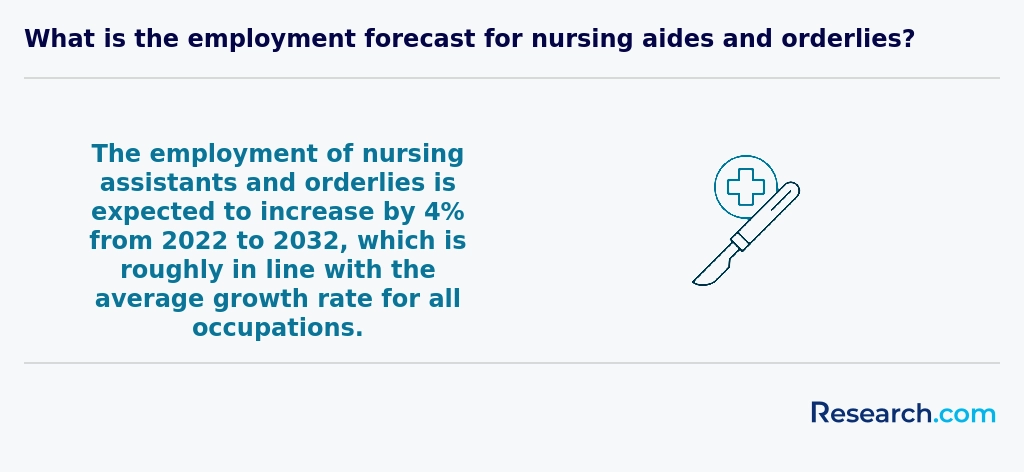
If you're thinking about an online nursing degree in the West, you've got plenty of career options waiting for you. Many grads from top schools like the University of Washington or Arizona State University dive right into Registered Nurse roles, working in busy city hospitals or smaller rural clinics. It's the perfect way to get hands-on experience while making a real impact.
But nursing isn't just about bedside care. Graduates often find themselves stepping into specialized fields like public health nursing or clinical nurse specialist roles focusing on pediatrics or oncology. Others choose paths like case management or informatics, juggling patient care plans or healthcare tech. Students often tell me how rewarding working in these areas has been for them, especially since the West region nursing degree job prospects keep expanding.
For those looking ahead, there are leadership and admin roles, too, where you can influence healthcare policy and management. Plus, many go on to pursue a master's degree that makes the most money, such as Nurse Practitioner programs. If you're excited about online nursing career opportunities in the West, the flexibility, variety, and solid support make it a great journey.
If you're thinking about getting an online nursing degree in the West, the job market looks pretty bright. Graduates from popular programs at universities like those in California or Washington often find plenty of opportunities because the nursing job market growth in Western states is strong, with hospitals and clinics always needing skilled nurses. Many grads share how flexible online programs let them balance work and family while earning their degree, which is a big plus.
It's not just about landing any job-these schools prepare you to meet licensing requirements like the NCLEX-RN, and many Western states are part of the Nurse Licensure Compact, so you can work across multiple states more easily. Plus, the earning potential is great; for example, nurses in California can earn way above the national average, making all the effort worthwhile.
With costs ranging between $20,000 and $60,000, online nursing education is accessible and practical. If budget is a concern, check out the online colleges that are affordable offering quality nursing degrees in the West.
2027 Easiest Online Bachelor's in Nursing Degree Programs Ranking in the West
Investing in your education is a significant decision that can shape your professional future, and the Research.com team recognizes the importance of providing accurate, credible, and thoughtfully curated information to support this choice. To assist prospective students seeking the easiest online bachelor's in nursing degree programs in the western United States, we have developed the "2027 Easiest Online Bachelor's in Nursing Degree Programs Ranking in the West." Our team conducted rigorous research and analysis to ensure the highest quality and reliability of this ranking.
We utilized the following reputable data sources to ensure a comprehensive evaluation of nursing programs:
By consulting this ranking, readers will gain valuable insights into accessible and flexible nursing programs that suit their needs, helping them make well-informed decisions about their educational journey. For more details on how the ranking was developed, please visit our Research.com methodology page.


# 3 position
California State University, Dominguez Hills
Bachelor of Nursing degree completion program


# 7 position
Aspen University
Bachelor of Nursing: Pre-Licensure


# 9 position
Colorado Christian University
Nursing RN to BSN


# 12 position
Western Governors University
Bachelor of Nursing (Prelicensure)

# 13 position
Arapahoe Community College
Nursing Completion Program (RN-BSN)


# 15 position
Oregon Health & Science University
Bachelor of Nursing


# 17 position
Colorado Technical University-Colorado Springs
RN to BSN Degree Completion Program


# 20 position
New Mexico Highlands University
Nursing RN to BSN

Frequently Asked Questions About nursing
Students pursuing online nursing degrees in the Western United States can improve their learning by actively engaging with virtual clinical simulations, which are increasingly incorporated into accredited programs. According to the Western Interstate Commission for Higher Education, schools in this region emphasize hands-on skills through modern technology. Joining regional nursing associations, such as the California Nurses Association, provides networking and mentorship opportunities essential for professional growth.
Scheduling consistent study times helps maintain discipline amid remote learning challenges. Additionally, utilizing campus resources like tutoring or career services-often available online-can enhance understanding and job readiness. Research shows that learners who combine self-directed study with practical experiences demonstrate higher NCLEX pass rates in Western states.
The nursing field is evolving rapidly, with several emerging niches gaining importance in the Western US. One expanding area is telehealth nursing, where nurses provide care remotely using digital tools-a response to rising demand and rural healthcare challenges. According to the California Board of Registered Nursing, telehealth nursing roles grew by over 20% between 2020 and 2023.
Another growing specialty is gerontological nursing, driven by the increasing elderly population in states like Oregon and Washington. Nurses trained in this niche focus on aging-related health issues and chronic disease management.
Additionally, informatics nursing combines healthcare with information technology, improving patient care through data analysis and electronic records.
After completing an online nursing degree in the West, preparing for the job market involves several key steps. First, obtaining licensure through the NCLEX-RN exam is essential for registered nurses in all Western states. Passing rates in states like California and Washington remain consistently high, reflecting rigorous preparation programs.
Internships and clinical experience can often be integrated during or after online studies, providing valuable hands-on skills. Networking through professional organizations such as the Oregon Nurses Association or the California Nursing Students' Association can enhance job prospects.
Additionally, staying informed about regional healthcare trends is important. The U.S. Bureau of Labor Statistics projects 15% growth in nursing jobs in the Western U.S. by 2031, signaling strong demand. Tailoring resumes to highlight both online education and practical competencies improves employment chances.
Employers in the Western U.S. value a blend of technical and interpersonal skills in nursing graduates. Clinical competence remains a top priority, including proficiency in patient care, medication administration, and electronic health records (EHR) management. According to the California Board of Registered Nursing, over 70% of employers seek expertise in these areas.
Strong communication skills are essential for effective collaboration with patients and healthcare teams. Critical thinking and problem-solving are also highly demanded, enabling nurses to adapt to complex and changing clinical environments.
Additionally, cultural competence and empathy are increasingly important due to the diverse populations served in Western states like California and Washington, as reported by the American Nurses Association.
Finding nursing internships in the Western United States requires leveraging local healthcare networks and educational partnerships. Many online nursing programs establish clinical internship agreements with hospitals and clinics in states like California, Washington, and Oregon. Students are encouraged to consult their program advisors early to identify approved internship sites.
The U.S. Bureau of Labor Statistics reports that the West Coast has a higher concentration of healthcare facilities, increasing internship opportunities. Additionally, platforms like the California Board of Registered Nursing provide resources to locate accredited clinical sites.
Networking through local nursing associations such as the California Nurses Association can also reveal internship openings. Early application and flexibility in site location often improve chances of securing placements.
An online nursing degree significantly enhances career mobility and advancement opportunities for professionals in the Western United States. According to the California Board of Registered Nursing, nurses with bachelor's degrees have higher chances of securing leadership roles compared to those with associate degrees. Online programs accredited by bodies such as the Commission on Collegiate Nursing Education (CCNE) prepare graduates with advanced skills and flexible credentials recognized statewide.
Many healthcare employers in the West, including facilities in Washington and Oregon, increasingly prefer or require a Bachelor of Science in Nursing (BSN) for clinical advancement. Data from the Oregon Center for Nursing shows BSN-prepared nurses earn up to 15% more on average and are more qualified for positions like nurse manager or clinical educator. Online degrees offer accessibility to working nurses, allowing them to balance education and employment, which accelerates career growth in a competitive healthcare market.
Studying for an online nursing degree in the Western United States equips students with skills essential for interdisciplinary healthcare roles. Programs frequently emphasize collaboration between nurses, physicians, social workers, and therapists to improve patient care quality.
Many Western universities integrate courses on healthcare management, communication, and ethics, reflecting real-world team environments. According to the Western Institute of Nursing, 68% of online programs include training on electronic health records, facilitating coordination across disciplines.
This approach helps graduates smoothly transition into diverse settings, such as hospitals and community clinics, where teamwork is crucial for patient outcomes. The Western Academic Consortium reported that nurses with interdisciplinary training often experience 20% higher job placement rates post-graduation.
Choosing between a thesis and a non-thesis nursing degree program in the West depends on your career goals and learning preferences. Thesis programs typically require original research and writing, which suits students interested in advanced clinical roles, research, or graduate studies. Non-thesis options focus more on practical skills and coursework, ideal for those aiming to enter the workforce quickly.
In the Western US, about 40% of nursing students opt for thesis programs, reflecting growing interest in research-related careers, according to the Western Nursing Education Consortium 2023 report. Consider your time commitment; thesis programs often demand more hours and independent work.
Students based in the Western United States seeking online nursing degrees abroad have limited but structured options. Most accredited international programs require in-person clinical practice locally or in their home country. Some Canadian universities offer distance learning combined with local clinical placements, recognized by US state boards.
Additionally, partnerships between Western US schools and international institutions sometimes allow credit transfer, facilitating study abroad without full relocation. The Commission on Graduates of Foreign Nursing Schools (CGFNS) provides evaluations to help graduates from abroad meet US licensure requirements.
According to the Western Interstate Commission for Higher Education (WICHE), students should verify licensure compatibility before enrolling in foreign programs. This ensures their degree meets regional nursing boards' standards.
Part-time job opportunities that complement nursing degree education in the Western US often involve direct healthcare support roles. Common positions include certified nursing assistants (CNAs), medical scribes, and patient care technicians. These roles provide valuable clinical experience while allowing flexibility for online students.
According to the California Employment Development Department, the demand for CNAs is expected to grow by 15% through 2030, reflecting a strong job market for students. Medical scribing offers insight into medical documentation, improving students' familiarity with healthcare workflows.
Hospitals and outpatient clinics in states like California and Washington frequently offer part-time roles catering to nursing students, giving them hands-on experience alongside their studies.
Online nursing students in the Western US have growing opportunities to build professional networks despite physical distances. Many programs partner with local healthcare providers, offering virtual events and regional meetups to connect students with clinical mentors. Organizations such as the California Nursing Students Association and the Washington State Nurses Association provide online forums and frequently host conferences where students can meet experienced nurses and peers.
A study by the Western Institute of Nursing highlights that nearly 70% of online nursing students in the West participate in at least one virtual networking event annually, increasing job prospects after graduation. Institutions also use social media groups and interactive platforms to encourage collaboration and information sharing among students.
Alumni networks play a vital role for online nursing degree students in the Western US by providing valuable professional connections. These networks often include experienced nurses and healthcare leaders who can offer mentorship and guidance.
Research from the Western Interstate Commission for Higher Education (WICHE) highlights that alumni connections can increase job placement rates by up to 15% for nursing graduates in this region. They also create opportunities for internships and clinical placements, which are crucial for nursing students' hands-on experience.
Furthermore, alumni groups offer access to exclusive job boards and continuing education resources, helping graduates stay updated with the latest nursing practices and certifications.
Online nursing degree programs in the West often allow students to tailor their studies to career goals through electives and specialization tracks. Many Western universities offer options such as community health, geriatrics, or pediatric nursing to focus on preferred patient groups. Additionally, students can choose clinical practicum sites near their residence, which helps align hands-on experience with local healthcare needs.
Some programs provide accelerated paths or part-time options, giving flexibility for working nurses seeking advancement. According to the California Board of Registered Nursing, about 60% of online nursing students in the state select specialized areas that match workforce demands.
Advisors at Western institutions typically guide candidates in choosing courses and certifications that support leadership or advanced practice roles, enhancing career prospects.
Online nursing students in the Western US often face unique challenges related to clinical practice requirements. Despite the flexibility of online coursework, nursing programs must include hands-on clinical hours, which can be difficult to coordinate due to limited local healthcare facilities participating in partnerships. According to the California Board of Registered Nursing, students sometimes travel long distances to complete these clinical rotations.
Additionally, students report struggles with time management, balancing coursework with work and family commitments. The vast geographic area in the West means some students experience unreliable internet access, which affects their ability to attend live lectures or submit assignments on time.
Lastly, the lack of in-person interaction with instructors and peers may impede networking and practical learning. These challenges can impact student satisfaction and completion rates, as noted by recent studies from the National League for Nursing.
With an online nursing degree, graduates in the Western United States can pursue several professional certifications to advance their careers. Common certifications include the Registered Nurse (RN) license, which is required for entry-level nursing practice. Many states in the West, such as California and Oregon, require passing the NCLEX-RN exam to obtain licensure.
Further specialization is possible through certifications like the Certified Nurse Educator (CNE), and the Critical Care Registered Nurse (CCRN). These credentials enhance job prospects and salaries. For example, according to the California Board of Registered Nursing, over 70,000 RNs held active licenses in 2023, many pursuing advanced certifications.
Some online nursing programs also prepare students for credentials in areas like gerontology, pediatrics, and psychiatric nursing, reflecting healthcare demands in the region. These certifications are overseen by bodies such as the American Nurses Credentialing Center (ANCC).
When applying for an online nursing program in the Western US, start by carefully reviewing each school's admission requirements. Most programs require a minimum GPA of 3.0 and completion of prerequisite courses like anatomy and physiology. Strong letters of recommendation from healthcare professionals or professors help demonstrate your commitment and readiness.
Writing a clear, sincere personal statement is crucial. Explain why you want to pursue nursing and how online study fits your lifestyle. Highlight any clinical or volunteer experience, especially within Western healthcare settings, to show practical knowledge and dedication. According to the Western Institute of Nursing, 65% of accepted applicants emphasize relevant experience.
Also, prepare for possible entrance tests like the TEAS exam, often required for nurse admission. Early preparation can significantly improve your scores and application strength. Finally, proofread all documents carefully for clarity and professionalism to make a positive impression on admissions committees.
Nursing is recognized globally as a vital profession with growing demand. In the United States, nursing careers are expected to grow 9% from 2020 to 2030, according to the Bureau of Labor Statistics, reflecting a stable outlook in the West.
Globally, nurses are essential to health systems, especially highlighted during the COVID-19 pandemic. The World Health Organization emphasizes the need to invest in nursing workforce education to meet worldwide health demands.
For US students considering online nursing degrees, the flexibility aligns well with global shifts toward digital education. Many Western states offer accredited online Bachelor of Science in Nursing (BSN) programs that meet national licensure requirements.
Understanding global trends helps prospective nurses appreciate the career's international relevance and the interconnected nature of healthcare today.
Students pursuing an online nursing degree in the Western United States typically gain practical experience through clinical placements arranged by their schools. These hands-on experiences usually occur at hospitals, clinics, or community health centers near the student's location. The Western region hosts many healthcare facilities participating in partnerships with universities, creating accessible internship opportunities.
According to the California Board of Registered Nursing, over 80% of online nursing programs require a minimum of 500 clinical hours. These are essential for developing skills in patient care, critical thinking, and communication.
Some programs also offer simulation labs or virtual clinical experiences to complement in-person hours, helping students apply theoretical knowledge in controlled settings.
Overall, careful coordination between students, educators, and local healthcare providers ensures practical training aligns with state nursing board requirements in the West.
Choosing the right concentration within an online nursing degree program in the West involves considering several factors. First, assess your career goals-whether you prefer direct patient care, administration, or specialized practice areas like pediatrics or mental health. According to the California Board of Registered Nursing, specialties in high demand include family nurse practitioner and psychiatric-mental health nursing.
Next, evaluate program curriculum and flexibility. Many Western schools offer concentrations aligned with regional healthcare needs, such as rural health or gerontology. Accreditation by bodies like CCNE ensures quality education.
Finally, consider job market trends in Western states, where healthcare sectors are expected to grow by 15% by 2030, suggesting robust opportunities in various nursing specialties.
See What Experts Have To Say About Studying Nursing
Read our interview with Nursing experts

Lisa Grubb
Nursing Expert
Assistant Professor
Johns Hopkins School of Nursing

- How a BSN Prepares You for Graduate Nursing Degrees (MSN, DNP) https://blog.methodistcollege.edu/bsn-prepares-you-graduate-nursing-degrees
- | NRR | Dove Medical Press https://www.dovepress.com/internship-challenges-encountered-by-nursing-students-a-qualitative-st-peer-reviewed-fulltext-article-NRR
- Online Nursing, Healthcare, & Business Degrees | West Coast University https://westcoastuniversity.edu/online-programs
- From our readers…Strengthening nursing networks https://www.myamericannurse.com/from-our-readersstrengthening-nursing-networks/
- How to Choose the Right Nursing Program for Your Career Goals - Maria College https://mariacollege.edu/blog/how-to-choose-the-right-nursing-program-for-your-career-goals
- Online versus Face-to-Face Nursing Degrees: A Study of Recruiters’ Perceptions - OJDLA https://ojdla.com/articles/online-versus-face-to-face-nursing-degrees-a-study-of-recruiters-perceptions
- How to Switch to Nursing as a Second Career | All Nursing Schools https://www.allnursingschools.com/articles/second-career-nursing/
- Apply to the Nurse Corps Scholarship Program https://bhw.hrsa.gov/programs/nurse-corps/scholarship/apply
- Scholarships & Financial Aid https://www.aacnnursing.org/students/scholarships-financial-aid
- Best Online Nursing Programs https://www.affordablecollegesonline.org/degrees/nursing-programs/