2027 Best Nursing Degree Programs Ranking in Fairfield

Co-Founder and Chief Data Scientist
Exploring nursing degree programs in Fairfield? Our article presents the 2027 Best Nursing Degree Programs Ranking in Fairfield, developed by a skilled team of data scientists at Research.com. This ranking helps you navigate local options with confidence.
Whether you're starting your journey or advancing your career, understanding which programs stand out is key. Nursing offers rewarding opportunities to make a real difference in people's lives.
By reading this article, you'll gain insights that support informed choices toward a fulfilling future in healthcare.
Key benefits of getting nursing degree in Fairfield
- Salary for nursing degree graduates: Graduates in Fairfield can expect rewarding salaries such as $94,480 annually for Registered Nurses and Public Health Nurses, while Operating Room Nurses may earn up to $128,490 yearly, offering strong financial stability.
- Career paths: A nursing degree from a Fairfield college opens doors to varied roles including Emergency Room Nurse, Clinical Nurse Educator, and Public Health Nurse, allowing you to choose a path that fits your passion and skills.
- Online degree benefits: Completing a nursing degree online in Fairfield offers flexible scheduling and the ability to study from home, making it easier to balance work and life while still gaining quality education from reputable local universities.
- 2027 Best Nursing Degree Programs Ranking in Fairfield
- What can I expect from nursing degree in Fairfield?
- Where can I work with nursing degree in Fairfield?
What can I expect from nursing degree in Fairfield?
The average cost of a nursing degree in Fairfield can vary significantly depending on the level of study and the institution chosen. Graduates from Sacred Heart University often mention that tuition for their Bachelor of Science in Nursing (BSN) program can be a substantial investment, typically ranging from $40,000 to $50,000 per year. While this cost may seem high, many students recall the value of the program's strong clinical partnerships with local hospitals like St. Vincent's Medical Center, which helped them gain essential hands-on experience that made the expense feel justified.
Some students pursuing an Associate Degree in Nursing (ADN) through community colleges or smaller programs in Fairfield find a more affordable path, sometimes costing less than half of what private university programs charge. These choices offer practical training but may require further education to advance. Graduates often highlight feeling confident entering the workforce despite these differences in cost and program scope.
Financial aid, scholarships, and employer-sponsored tuition reimbursement are commonly used by Fairfield nursing students to offset fees. The investment in a nursing degree here is often seen not just as a cost, but as a meaningful step toward a stable and rewarding career in healthcare.
Where can I work with nursing degree in Fairfield?
Graduates with nursing degrees from Fairfield University or Housatonic Community College often find themselves welcomed at diverse healthcare venues throughout Fairfield. Many report positive experiences working in Stamford Health System's hospitals, where the fast-paced environment in emergency rooms and surgical units challenges and rewards their skills daily. Others appreciate opportunities at Greenwich Hospital or Norwalk Hospital, where acute care roles allow them to deepen clinical expertise while supporting patient recovery.
Some graduates choose careers in skilled nursing facilities such as JKV Healthcare Nursing Home, finding fulfillment in providing compassionate care to elderly or chronically ill patients. Community health settings also attract graduates who value collaboration with public health teams addressing preventive care and chronic disease management, reflecting a more holistic approach to nursing practice.
For those open to commuting, Fairfield's proximity to New York City opens additional doors, including specialized outpatient centers and home healthcare services. These roles often offer flexibility, appealing to graduates balancing work with personal commitments. While salary averages around $82,000 annually in Connecticut, individual experiences vary considerably depending on workplace culture and position.
Graduates with a nursing degree from institutions like the University of Bridgeport or Sacred Heart University in Fairfield can anticipate mean annual wages around $94,480 for roles such as registered nurses, clinical nurse educators, public health nurses, and emergency room nurses. This is a promising starting point compared to national averages, illustrating the strong demand and competitive salaries in Fairfield's healthcare sector.
For example, a recent graduate working as a registered nurse in a local hospital might start with this median wage, appreciating the stability that comes with it. Those who specialize further, such as becoming operating room nurses, can earn significantly more-up to $128,490 annually-reflecting the heightened skills and responsibilities required in these positions.
Graduates often describe satisfaction not only with their compensation but also with career growth opportunities tied to the region's evolving healthcare landscape. While Fairfield's higher cost of living is an important consideration, the competitive salaries, plus benefits like shift differentials and bonuses, provide graduates with encouraging financial prospects right from the start.
- Tuition for nursing programs in Fairfield ranges from $10,000 to $30,000 per year for in-state students, depending on the institution and degree level.
- The demand for registered nurses in Fairfield County has grown by about 7% in the last five years, indicating strong job opportunities.
- Entry-level nurses in Fairfield earn between $68,000 and $75,000 annually, which is slightly higher than the national average.
- Experienced registered nurses with five or more years in Fairfield typically earn between $85,000 and $95,000 per year.
- Most nursing programs prepare students for the NCLEX-RN exam, with local schools' passing rates meeting or exceeding national averages.
Completing a nursing degree in Fairfield typically depends on the program type and previous education. For many students, an Associate Degree in Nursing (ADN) offered by local community colleges takes about two years. Graduates often share how this path allowed them to quickly step into nursing roles, balancing work and study with confidence.
Those aiming for a Bachelor of Science in Nursing (BSN) at universities around Fairfield generally invest four years. Students appreciate how the BSN's blend of theory and clinical practice offers a deep, rewarding experience, preparing them for diverse nursing careers. Some graduates highlight accelerated BSN options lasting 12 to 18 months, especially useful for those transitioning from an ADN or different careers.
Graduate degrees, like the Master of Science in Nursing (MSN), vary widely but often span 1 to 3 years. These programs at larger Connecticut institutions attract students eager to deepen expertise or pursue leadership, enriching their professional journey despite the extended time commitment.
Navigating the application process for nursing degree programs in Fairfield, CT requires careful planning and attention to detail. To maximize your chances of acceptance, follow these key steps and mark important deadlines on your calendar: 1. Research and Select Programs • Review program offerings at local institutions such as Sacred Heart University and the University of Bridgeport. • Attend virtual information sessions and campus tours to clarify curriculum differences and clinical partnerships. • For students exploring alternative entry paths, consult our guide on is there a bridge program from ma to lpn for accelerated routes. 2. Compile Application Materials • Official transcripts from all post-secondary institutions. • TEAS or HESI exam scores (as required). • Personal statement highlighting your commitment to nursing and related experiences. • Two professional or academic letters of recommendation. • Up-to-date résumé including healthcare or volunteer roles. 3. Complete Prerequisites and Background Requirements • Verify completion of biology, chemistry, anatomy, and English courses with a competitive GPA (often 3.0 or higher). • Schedule immunizations, health screenings, and a background check early to avoid delays. 4. Submit FAFSA and Financial Aid Applications • FAFSA opens every October; aim to file by December for optimal scholarship consideration. • Check institutional deadlines for CSS Profile or university-specific aid. 5. Note Application Deadlines • Fall Semester (August start): Application deadline – March 1 • Spring Semester (January start): Application deadline – October 15 • Rolling admissions for select accelerated pathways-apply as early as six months before start date By following this structured timeline and ensuring each component is submitted ahead of deadlines, you’ll position yourself for success in Fairfield’s competitive nursing admissions cycle.
Nursing students in Fairfield often weigh the choice between on-campus and online programs by considering how each fits their lifestyle and learning preferences. On-campus degrees at popular local colleges immerse students in traditional classrooms and labs, offering direct instructor feedback and hands-on clinical experiences arranged through nearby hospitals. Graduates frequently describe this setting as energizing, fostering strong collaboration and immediate support, which boosts their confidence in patient care.
Conversely, online programs provide flexibility ideal for those balancing jobs or family commitments. Students rely on virtual simulations and remote lectures but must proactively secure clinical placements themselves, which some find empowering yet challenging. Many online learners appreciate the convenience and cost savings in Fairfield, noting reduced expenses for commuting and housing without sacrificing program quality when accredited.
Both pathways require accreditation for NCLEX-RN eligibility, so students in Fairfield recommend carefully verifying program credentials. Whether on-campus or online, graduates agree that success depends on personal motivation and how well the format aligns with one's responsibilities and learning style.
To practice as a registered nurse in Connecticut, graduates must:
- Complete a CCNE- or ACEN-accredited nursing program.
- Pass the NCLEX-RN exam.
- Submit an application, official transcripts, and background check to the Connecticut Board of Examiners for Nursing.
Licenses renew every two years; be prepared to complete at least 30 contact hours of continuing education, emphasizing pharmacology, patient safety, and ethics. Many employers now prefer or require a BSN-accelerate your career by enrolling in an RN-to-BSN pathway such as our cheapest rn to bsn program to expand your credentials and leadership opportunities.
In Fairfield, the average cost of a nursing degree is considerable, with median total expenses around $72,633. For in-state students, this total can be somewhat lower, averaging about $54,377, which reflects tuition, fees, and other program-related costs over the full course of study. These figures align with student experiences at institutions like Fairfield University, where nursing graduates often reflect on the value of their education despite the high tuition rates.
Many nursing students in Fairfield, especially those enrolled at private universities, report facing tuition around $48,000 per academic year, adding up quickly over a typical four-year program. Community colleges such as Housatonic Community College offer more affordable alternatives, with ADN programs costing approximately $5,000 a year for in-district students. Graduates from these programs often highlight the practical and financial benefits that come with starting at a community college before transferring to a bachelor's program.
When considering the average cost of nursing degree Fairfield students must account for more than tuition. Additional expenses such as books, uniforms, clinical fees, and licensing exams can add $2,000 to $5,000. These costs, combined with background check and immunization fees required by clinical sites, emphasize the importance of financial planning. Prospective students are encouraged to explore various financial aid opportunities available through colleges and state programs to ease these burdens.
For those looking to minimize costs, researching options like the cheapest nursing school in connecticut can prove valuable. Balancing quality education with affordability is key, and many Fairfield nursing students find success by carefully navigating these options while pursuing their passion for healthcare.
To navigate the financial aspects of pursuing a nursing degree, prospective students should consider the cost of tuition, additional fees, and available financial aid. Understanding these factors can help in making an informed decision about which nursing program to enroll in. For those seeking affordability, exploring the cheapest nursing school in connecticut can provide insight into budget-friendly options without compromising on the quality of education. By evaluating the total cost of attendance and potential return on investment, students can choose a program that aligns with their financial situation and career goals, ensuring a rewarding and financially sustainable path to becoming a nurse.
Students pursuing nursing degrees in Fairfield often find that federal aid through the FAFSA is their initial step to manage tuition costs, which can exceed $8,000 annually at public colleges like the University of Connecticut's regional campuses. Graduates recall how Pell Grants, offering up to $7,395, alleviated financial pressure during critical semesters. Others benefiting from the Federal Supplemental Educational Opportunity Grants appreciated the extra support when family incomes fluctuated unexpectedly.
Loans tailored for nurses, such as the Federal Direct Loan program, provide more favorable terms compared to general student loans. One graduate shared that applying for the Nurse Corps Loan Repayment Program made long-term debt feel manageable, especially by committing to work in Fairfield's healthcare shortage areas.
State scholarships, including those from Connecticut's Office of Higher Education, and institutional awards at colleges like Sacred Heart University, are commonly cited as crucial for students balancing academics with part-time jobs. Employer-sponsored tuition assistance, while less widespread, has helped some local hospital employees in Fairfield complete their degrees without pausing work.
Finally, nursing organizations provide targeted scholarships that foster diversity and leadership, regularly recognized by graduates who felt empowered by this community backing throughout their education.
One of the most critical indicators of a nursing program’s quality is its NCLEX first-time pass rate, as this metric directly reflects how well the curriculum prepares students for licensure. In Fairfield, CT, top institutions consistently outperform state and national averages: Sacred Heart University reports an impressive 92% first-time NCLEX pass rate, while the University of Bridgeport and Fairfield University boast rates of 89% and 94% respectively. These figures compare favorably to the Connecticut state average of 87% and the national average of 88%, underscoring the rigorous academic standards and effective clinical training in the region. Prospective students should seek programs with pass rates at or above these benchmarks to maximize their chances of entering the workforce without delay. Beyond pass rates, licensure success also depends on ongoing support through review courses, simulated practice exams, and dedicated NCLEX coaching. Many Fairfield programs offer specialized test-prep workshops and one-on-one tutoring in partnership with local healthcare facilities. For those exploring alternative or more budget-friendly routes to licensure prep, consider our comprehensive ranking of the Cheapest Online Nursing Degree Programs Ranking in Missouri, which highlights cost-effective online curricula that include robust NCLEX support services.
Enrolling in a nursing degree program in Fairfield demands more than just an interest in healthcare; it requires meeting specific academic and practical prerequisites designed to prepare students for the challenges ahead. Graduates from popular Fairfield institutions often recall the need to complete foundational courses like human anatomy and physiology, microbiology, and chemistry before officially entering their programs. For many, these prerequisites build confidence, especially when taken at accessible community colleges, allowing a smoother transition into competitive nursing programs.
Beyond coursework, students frequently report taking standardized tests such as the TEAS exam, which can initially feel daunting but ultimately reinforces essential skills in math, science, and English. Some students note that while the SAT or ACT may be optional at times, the entrance exams directly related to nursing remain crucial hurdles. Practical experience, such as volunteer work in healthcare settings, is often required and cherished for the real-world exposure it offers.
Additionally, background checks and immunization records reflect Fairfield's commitment to patient safety during clinical placements, a reality that students accept with growing appreciation as they prepare for hands-on learning in local hospitals and clinics.
Pursuing a nursing degree in Fairfield, CT means selecting a program that not only delivers quality education but also meets the rigorous standards set by accrediting bodies and the Connecticut Board of Nursing. Accreditation ensures that your coursework, clinical training, and faculty expertise align with national benchmarks, giving you confidence in your education and eligibility for licensure exams. Key accrediting agencies to verify include:
- Commission on Collegiate Nursing Education (CCNE): Accredits BSN and graduate programs.
- Accreditation Commission for Education in Nursing (ACEN): Accredits ADN, diploma, and higher degree programs.
- Connecticut Board of Nursing Approval: Confirms that the program meets state rules and regulations for clinical placements and faculty credentials. Before enrolling, confirm accreditation status on the institution’s website or the accreditor’s directory. Accredited programs report first-time NCLEX pass rates above 85%, reflecting strong curriculum design and student support. Graduates from accredited schools qualify to sit for the NCLEX-RN or NCLEX-PN, the standardized licensure exams required to practice in Connecticut. Successful licensure hinges on: 1. Completion of an accredited nursing curriculum. 2. Submission of official transcripts to the Connecticut Board of Nursing. 3. Passing background checks, fingerprinting, and required health screenings. 4. Achieving a passing score on the NCLEX. For students weighing alternative pathways, practical nursing remains a viable entry point. Many choose lpn programs online to balance work and study, then bridge into RN programs later. Ultimately, prioritizing accreditation and meeting all licensure prerequisites will accelerate your transition from student to licensed nurse in Fairfield, CT.
Nursing degrees in Fairfield typically include a blend of foundational sciences and hands-on clinical courses that prepare students for real-world healthcare challenges. Students at popular schools like Fairfield University and Housatonic Community College often start with courses in human anatomy, physiology, and microbiology, which lay the groundwork for understanding patient care from the inside out. Graduates frequently recall how mastering medical terminology early on boosted their confidence during clinical rotations.
Pharmacology and pathophysiology courses are common, helping students grasp how medications affect the body and how diseases progress-knowledge essential for safe and effective nursing practice. Clinical rotations, a defining feature of Fairfield programs, often span areas such as medical-surgical nursing, pediatrics, and mental health. One graduate described the pediatrics rotation as both challenging and deeply rewarding, providing moments of genuine connection with young patients.
Courses on nursing ethics, healthcare policy, and leadership further enrich the curriculum, helping students navigate complex healthcare systems while advocating for patients. Many find that evidence-based practice classes sharpen critical thinking, connecting classroom learning to data-driven decisions in clinical settings. These diverse courses reflect the comprehensive approach Fairfield nursing programs take to shape well-rounded nurses ready to thrive in varied healthcare environments.
Nursing degree specializations in Fairfield typically include pediatric nursing, geriatric nursing, family nurse practitioner roles, psychiatric-mental health nursing, critical care nursing, and community health nursing. Graduates from well-known local colleges share that focusing on pediatric or geriatric nursing has allowed them to connect deeply with patient populations, whether working in children's hospitals or assisting elderly patients in community centers. These specializations reflect the diverse healthcare needs within Fairfield's population and align with programs offered by both community colleges and universities recognized by the Commission on Collegiate Nursing Education.
Students pursuing Fairfield nursing program focus areas often find that the choice of specialization shapes their clinical experiences and career paths. For example, hands-on rotations in psychiatric nursing units offer opportunities to develop empathy and therapeutic communication skills that graduates describe as both challenging and rewarding. It's worth noting that costs vary, and some opt for flexible lpn programs online to supplement their studies or bridge into specialized nursing roles.
Choosing the best nursing degree in Fairfield means weighing several important factors carefully. Graduates from popular programs often stress the value of attending a school accredited by bodies like CCNE or ACEN, since such credentials increase confidence among employers and ease licensing processes. For those prioritizing career growth, pursuing a Bachelor of Science in Nursing (BSN) at well-regarded local colleges tends to offer better job prospects and higher salaries compared to the Associate Degree in Nursing (ADN).
Exploring affordable nursing degrees Fairfield residents favor helps balance quality and cost. Many students share how public institutions, despite lower tuition, still provide robust clinical placements at nearby hospitals such as Bridgeport Hospital. Others appreciate programs offering flexible schedules or online classes paired with practical training. Understanding if is there a bridge program from ma to lpn fits your trajectory can also provide alternate pathways to nursing licensure.
Researching schools' NCLEX-RN pass rates and support services reveals which environments foster success. Graduates frequently highlight how strong partnerships with healthcare employers in Fairfield open doors to internships and smooth entry into the nursing workforce, enhancing optimism about a rewarding career ahead.

Nursing graduates in Fairfield discover a range of practical and specialized career options reflecting the region's diverse healthcare landscape. Many pursue roles as registered nurses in hospitals, nursing homes, or outpatient clinics, gaining hands-on experience with patient care and treatment coordination. Some graduates begin as LPNs/LVNs, a route that can provide valuable foundational skills before advancing. Those aiming higher often obtain advanced degrees such as a Master of Science in Nursing to work as nurse practitioners, enjoying greater autonomy in diagnosing and managing patient health.
Local nursing alumni from prominent Fairfield colleges often highlight the rewarding challenge of specialized positions, including pediatrics, oncology, and geriatrics, which align with their personal passions and offer opportunities for certification-driven advancement. Others find fulfillment by leveraging their nursing degrees to transition into healthcare administration, contributing strategic insight within hospitals and care centers.
Students weighing nursing careers in Fairfield should consider cost against career growth potential, with programs typically ranging from $10,000 to $25,000 annually. Funding support makes this investment manageable, and resources like the Cheapest Online Nursing Degree Programs Ranking in Missouri can aid in planning. These considerations underline that a nursing career in Fairfield combines solid job prospects with pathways adaptable to individual goals.
The nursing job outlook in Fairfield reflects a strong and growing demand driven by local healthcare expansion and demographic shifts, especially with an aging population. Graduates from popular nursing programs in Fairfield often find employment across multiple settings such as hospitals, outpatient centers, and community clinics. Many have shared positive experiences about starting their careers in well-regarded institutions and appreciating the supportive networks fostered by Fairfield's healthcare community.
Fairfield nursing degree employment opportunities benefit from competitive starting salaries, typically around $78,000 annually, which encourages recent graduates to pursue advanced certifications or specialization. While tuition costs for nursing programs vary, many students take advantage of financial aid or employer tuition reimbursement. Those uncertain about further education can explore best one-year masters programs to advance their training efficiently within the region.
In real-life scenarios, nursing graduates engage in rewarding jobs at local hospitals or community health departments, where they value both the intellectual challenges and the chance to impact patient care. The broad range of career paths and steady growth make pursuing a nursing degree in Fairfield a promising option for prospective students.
2027 Best Nursing Degree Programs Ranking in Fairfield
Investing in your education is a significant decision that can shape your future, and the Research.com team understands the importance of making informed choices. To assist prospective students in Fairfield, we have meticulously crafted the "2027 Best Nursing Degree Programs Ranking in Fairfield." Our commitment to quality, credibility, and accuracy is reflected in the extensive research and analysis conducted to compile this ranking.
We utilized the following reputable data sources to ensure a comprehensive evaluation of nursing programs:
By exploring this ranking, readers will gain valuable insights into the best nursing degree programs available in Fairfield, helping them make informed decisions about their educational paths. For more details on our methodology, please visit our Research.com methodology page.


Frequently Asked Questions About nursing
Nursing degree students in Fairfield can maximize their learning experience by actively engaging with clinical opportunities offered through local hospitals and healthcare facilities. Practical experience is crucial, as Fairfield's healthcare sector is growing, with institutions like Bridgeport Hospital providing diverse clinical rotations.
Students should also make use of resources provided by accredited programs, including simulation labs and up-to-date technology, to enhance hands-on skills. According to the Connecticut Board of Examiners for Nursing, graduates from accredited schools are better prepared for the NCLEX-RN licensure exam.
Joining study groups and professional nursing organizations can support networking and knowledge-sharing, which is essential in a competitive job market.
The nursing field in Fairfield is rapidly evolving, with several emerging niches attracting new professionals. One notable area is geriatric nursing, responding to the region's growing elderly population. According to the Connecticut Department of Public Health, Fairfield County's seniors are expected to increase by over 15% by 2030, boosting demand for specialized elder care.
Another rising niche is telehealth nursing, which has expanded due to advances in technology and the COVID-19 pandemic. Nurses in this area provide remote patient care, a service increasingly adopted by Fairfield healthcare providers.
Additionally, mental health nursing is gaining importance, as state initiatives focus on enhancing behavioral health services throughout Connecticut. Fairfield-based nurses with expertise in mental health are vital to these efforts.
These niches offer promising career paths for students pursuing nursing degrees in Fairfield.
After completing a nursing degree in Fairfield, preparing for the job market begins with obtaining licensure by passing the NCLEX-RN exam. This step is essential to practice as a registered nurse in Connecticut. Networking locally through hospitals and healthcare facilities in Fairfield, such as St. Vincent's Medical Center, can provide valuable job leads and mentorship opportunities.
It's advisable to gain clinical experience through internships or volunteer positions to enhance practical skills. According to the Connecticut Department of Labor, employment for registered nurses is projected to grow by 15% through 2030, demonstrating strong demand in the region.
Continuing education and specialization also increase employability in competitive fields like geriatric or pediatric nursing.
Employers in Fairfield highly value nursing graduates who demonstrate strong clinical skills and critical thinking. Practical experience gained through internships or clinical rotations is essential for meeting local healthcare standards. According to data from the Connecticut Board of Nursing, proficiency in patient care and familiarity with electronic health records are among the top technical skills sought by employers.
Communication skills also rank highly, as nurses need to effectively coordinate with multidisciplinary teams and provide compassionate care. Adaptability and teamwork are crucial in Fairfield's diverse medical settings, including hospitals and long-term care facilities.
Finally, knowledge of current healthcare regulations at both state and federal levels is important, ensuring that nursing graduates maintain compliance and promote patient safety.
Finding nursing internships in Fairfield involves several strategic steps for students pursuing a nursing degree. Start by contacting local hospitals such as Griffin Hospital and St. Vincent's Medical Center, which often offer clinical placements for nursing students. Additionally, many accredited nursing programs in Fairfield have established partnerships with healthcare facilities to provide structured internship opportunities.
Students should also utilize resources like the Connecticut Nurses Association and local workforce boards that list internship openings and development programs. Networking at health fairs and professional nursing events in the region can uncover hidden internship possibilities. According to the Connecticut Department of Labor, Fairfield's healthcare sector has steadily grown, increasing the demand for clinical training venues.
Preparing a strong resume and having relevant certifications, such as CPR and Basic Life Support, improves chances of securing an internship. Finally, check with Fairfield's colleges for career services designed to help nursing students connect with internships aligned to their studies.
Obtaining a nursing degree significantly enhances career mobility and advancement opportunities in Fairfield. Registered nurses (RNs) with a Bachelor of Science in Nursing (BSN) are preferred by many healthcare employers, reflecting national trends noted by the American Association of Colleges of Nursing. In Fairfield, hospitals like Bridgeport and Stamford Health actively seek BSN-prepared nurses for leadership and specialized roles.
Data from the U.S. Bureau of Labor Statistics indicates that nurses with higher education levels in Connecticut often earn salaries 15-25% above RN averages. Advanced degrees such as a Master's in Nursing also open pathways to management, clinical specialties, and education.
Continuing education and degree completion programs offered locally support nurses in Fairfield who aim to advance without leaving the workforce, making degree attainment crucial for long-term career growth in the region.
Studying for a nursing degree in Fairfield offers students robust training to engage in interdisciplinary healthcare teams. Nursing programs in this region emphasize collaboration with professionals such as doctors, therapists, and social workers, reflecting national trends encouraging teamwork in patient care.
Fairfield's nursing curricula often incorporate simulation labs and clinical rotations in diverse settings, helping students gain experience in communication and problem-solving across specialties. According to the Connecticut Board of Nursing, about 85% of nursing graduates from Fairfield institutions participate in interdisciplinary teams within their first year of employment.
This practical approach equips students with skills in leadership, coordination, and holistic patient management, preparing them to contribute meaningfully to integrated healthcare environments.
Choosing between a thesis and a non-thesis nursing degree program in Fairfield depends on your career goals and learning preferences. A thesis program typically involves conducting original research and writing a detailed paper, which can be ideal if you aim to pursue advanced studies, teaching, or research roles.
Non-thesis programs focus more on practical nursing skills and coursework, often including clinical experiences designed to prepare students directly for nursing practice.
In Fairfield, several institutions offer both options, reflecting nationwide trends where about 40% of nursing master's students select thesis tracks for academic careers, according to the American Association of Colleges of Nursing (AACN).
Consider your time availability as thesis programs usually take longer. Review curriculum details and speak to advisors to match the program with your professional objectives.
Students based in Fairfield interested in studying nursing abroad have several viable options through exchange programs and partnerships established by local institutions. For example, Sacred Heart University in Fairfield offers collaborative programs that allow nursing students to study in countries like Ireland and Spain, providing international clinical experience. These programs often include coursework approved by U.S. accrediting bodies, ensuring transferability of credits. According to the American Association of Colleges of Nursing, studying abroad exposes students to diverse healthcare systems, which enhances cultural competence-a vital skill in nursing today. Additionally, Fairfield students can pursue summer study abroad or clinical rotations tailored to their degree requirements.
Students pursuing nursing degrees in Fairfield have several part-time job options that complement their education and enhance clinical experience. Common positions include medical assistants and certified nursing assistants (CNAs), which help develop patient care skills in real healthcare settings. According to the U.S. Bureau of Labor Statistics, Fairfield County's healthcare sector is projected to grow by over 10% from 2022 to 2032, increasing demand for these roles.
Other opportunities like pharmacy technician roles and home health aides also provide exposure to medical environments and patient interaction. These jobs offer flexible hours, allowing students to balance work with their studies effectively.
Local hospitals such as Stamford Health and Bridgeport Hospital frequently offer part-time positions suitable for nursing students seeking hands-on experience.
Nursing students in Fairfield benefit from a variety of networking opportunities that support their professional growth. Local colleges often partner with nearby hospitals and healthcare facilities, facilitating clinical placements where students connect with experienced nurses and healthcare professionals. This hands-on experience is vital for building practical skills and relationships.
Organizations such as the Fairfield County League for Nursing offer events and seminars, allowing students to engage with peers and local healthcare leaders. Additionally, the Connecticut Nurses Association provides statewide networking platforms that Fairfield students can access for mentorship and career advice.
Participation in conferences and workshops hosted by these groups helps students stay informed on nursing trends and job openings. According to the Connecticut Board of Nursing, over 70% of nursing graduates in the state reported securing employment through connections made during their education, emphasizing the importance of active networking.
Alumni networks provide valuable support for nursing degree students in Fairfield by offering access to experienced professionals and mentorship opportunities. These networks often facilitate job placements, internships, and clinical rotations, which are essential in the competitive nursing field. According to the Connecticut Center for Nursing Workforce, 65% of nursing graduates in the state secure employment within six months, partially due to strong alumni connections.
In Fairfield, alumni events encourage knowledge sharing and professional growth, helping students build confidence and career readiness. Networking with graduates who work in local hospitals broadens students' understanding of healthcare environments in the area.
Many alumni are willing to provide guidance on licensing exams and continuing education, which enhances student success rates in nursing programs across Connecticut.
Customizing a nursing degree program in Fairfield allows students to align their education with specific career objectives. Many local institutions offer flexible degree tracks, including options for specializing in areas like pediatric nursing, gerontology, or community health. Fairfield students can choose between traditional Bachelor of Science in Nursing (BSN) programs or accelerated paths if holding prior degrees.
Clinical internships and practicum placements often focus on diverse healthcare settings found in Fairfield, such as hospitals, clinics, and long-term care centers. This hands-on experience helps refine skills pertinent to chosen specialties. Additionally, students can select electives and certifications, such as in pharmacology or health informatics, to enhance job readiness.
According to the Connecticut Department of Public Health, Fairfield County has a growing demand for registered nurses with specialized expertise, making program customization an advantageous strategy.
Nursing students in Fairfield face several common challenges during their studies. A significant hurdle is balancing demanding coursework with clinical practice hours, which often require long shifts in local healthcare facilities. According to data from the Connecticut Board of Nursing, clinical placements in Fairfield are competitive, leading to increased stress for students.
Financial concerns are also prevalent, as nursing programs can be costly and students may need to manage tuition, textbooks, and living expenses simultaneously. Fairfield's cost of living adds to this burden compared to other regions in Connecticut.
Additionally, adapting to rapid advancements in medical technology and maintaining strong academic performance under pressure contribute to the challenges faced by nursing students in the area.
With a nursing degree in Fairfield, graduates can pursue several professional certifications to advance their careers and improve job prospects. Common certifications include the Registered Nurse (RN) license, required to practice as a nurse in Connecticut.
Beyond the RN, nurses may seek specialty certifications such as Certified Medical-Surgical Registered Nurse (CMSRN) or Certified Pediatric Nurse (CPN). These credentials demonstrate expertise in specific care areas and often lead to higher salaries.
Advanced certifications like Certified Nurse Practitioner (CNP) or Critical Care Registered Nurse (CCRN) are also available for those pursuing graduate degrees.
According to the Connecticut Nurses Association, 30% of Fairfield RN graduates obtained specialty certifications within two years of graduation in 2023.
Writing a winning application for a nursing program in Fairfield requires careful preparation and clear presentation of your qualifications. Nursing schools in Fairfield often seek candidates with strong academic records, especially in science and math courses, and relevant healthcare experience. According to the Connecticut Board of Nursing, competitive applicants generally have a minimum GPA of 3.0.
Highlight any volunteer work or paid experience in healthcare settings, as Fairfield programs value practical exposure. Craft a compelling personal statement that explains your motivation for nursing, emphasizing dedication and compassion. Additionally, obtaining strong letters of recommendation from educators or healthcare professionals strengthens your application.
Prepare thoroughly for the Test of Essential Academic Skills (TEAS), commonly required by Fairfield nursing schools, where scores above 75% improve admission chances. Finally, ensure all transcripts and documents are submitted on time to meet application deadlines set by institutions such as the University of Fairfield's nursing department.
Nursing is recognized worldwide as a vital profession with diverse career opportunities. In the United States, including Fairfield, nursing offers strong job security and competitive salaries due to ongoing healthcare demands. Globally, there is a growing emphasis on advanced nursing roles, such as nurse practitioners, reflecting trends seen in US healthcare systems.
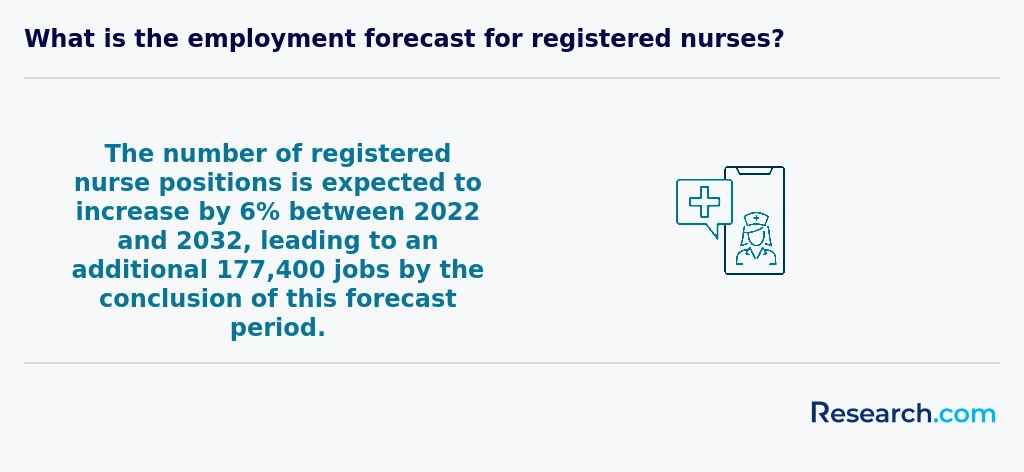
According to the U.S. Bureau of Labor Statistics, employment of registered nurses is projected to grow 6% from 2021 to 2031, indicating steady demand.
Fairfield's nursing programs align with these trends by incorporating global health perspectives and cultural competence into their curricula, preparing students to work in diverse environments. Such training reflects international standards promoted by organizations like the World Health Organization.
Gaining practical experience is a key part of studying for a nursing degree in Fairfield. Most accredited programs integrate clinical rotations within local hospitals and healthcare facilities, allowing students to apply classroom knowledge in real-world settings. These opportunities often include partnerships with institutions such as Stamford Hospital and Norwalk Hospital, providing diverse patient care experiences.
Additionally, Fairfield students may access simulation labs equipped with advanced technology to practice skills safely before clinical placements. According to the Connecticut Center for Nursing Workforce, over 70% of nursing programs in the state require at least 500 hours of clinical experience, ensuring readiness for professional practice.
Choosing the right concentration within a nursing degree program in Fairfield involves careful consideration of your career goals and the local healthcare demand. Fairfield's healthcare sector notably emphasizes specialties like geriatric care and community health, reflecting the region's aging population reported by the Connecticut Department of Public Health. Prospective students should evaluate concentrations such as family nurse practitioner, psychiatric nursing, or medical-surgical nursing based on local job openings and salary prospects.
The U.S. Bureau of Labor Statistics cites a steady demand for registered nurses in Fairfield County, with growth expected to continue. Accreditation of programs by bodies like the CCNE ensures quality education aligned with national standards. Visiting schools' websites and contacting academic advisors can provide insights into specific program strengths and clinical opportunities in Fairfield-area hospitals.
- 2027 Best Nursing Degree Programs Ranking in Bronx
- 2027 Best Nursing Degree Programs Ranking in New York
- 2027 Best Nursing Degree Programs Ranking in Brooklyn
- 2027 Best Nursing Degree Programs Ranking in Boston
- 2027 Best Nursing Degree Programs Ranking in Baltimore
- 2027 Best Nursing Degree Programs Ranking in Washington
- 2027 Best Nursing Degree Programs Ranking in Rochester
- 2027 Best Nursing Degree Programs Ranking in Virginia Beach
- 2027 Best Nursing Degree Programs Ranking in Harrisonburg
- 2027 Best Nursing Degree Programs Ranking in Pittsburgh
See What Experts Have To Say About Studying Nursing
Read our interview with Nursing experts

Lisa Grubb
Nursing Expert
Assistant Professor
Johns Hopkins School of Nursing

- Fairfield University Marion Peckham Egan School of Nursing and Health Studies https://ctnursingguide.com/schools/fairfield-university-marion-peckham-egan-school-of-nursing-and-health-studies/25
- How to Choose the Right Nursing School for Your Career Goals | Archer Review https://www.archerreview.com/blog/how-to-choose-the-right-nursing-school-for-your-career-goals
- Pros And Cons Of Online Nursing In 2025 | Davis & Elkins https://www.dewv.edu/the-pros-and-cons-of-online-nusing-in-2025-is-it-right-for-you/
- Nurse Salary https://nursinglicensemap.com/resources/nurse-salary/
- Exploring Diverse Nursing Career Horizons - N2S Healthcare Blog https://n2shealthcare.com/blog/exploring-diverse-nursing-career-horizons-n2s-healthcare-blog
- How Much Can I Earn With a BSN? https://www.allnursingschools.com/bsn/salary/
- How to Choose the Right Nursing Program for Your Career Goals - Maria College https://mariacollege.edu/blog/how-to-choose-the-right-nursing-program-for-your-career-goals
- Study Nursing Abroad | Boomerang International Educational Services https://boomerangedu.com/study-nursing-abroad/
- Nursing Internship and Externship Programs https://jobs.mayoclinic.org/nursinginternexternprograms
- Guide to Making a Career Change to Nursing https://teach.com/online-ed/healthcare-degrees/online-msn-programs/career-change-to-nursing/