2027 Fastest Online Master's in Nursing Degree Programs Ranking in the West

Co-Founder and Chief Data Scientist
Choosing the right nursing degree program can feel overwhelming, especially with so many options available online. To help you navigate this important decision, the Research.com team of data scientists has created the 2027 Fastest Online Master's in Nursing Degree Programs Ranking in the West. This ranking highlights programs that offer quality education delivered efficiently, so you can advance your career without unnecessary delay.
Reading this article will give you clear insights into programs that balance speed and academic excellence. Pursuing a nursing degree not only opens doors to fulfilling job opportunities but also empowers you to make a meaningful difference in healthcare. Let this guide inspire you to take the next step with confidence.
Key benefits of getting online nursing degree in the West
- Nursing degree graduates can earn competitive salaries, with Nurse Practitioners making around $128,490 annually and Clinical Nurse Specialists approximately $94,480 per year, offering strong financial stability.
- A graduate from a popular university in the West can pursue diverse careers such as Nurse Educator, Nurse Administrator, or Critical Care Nurse, enabling flexibility and growth in the healthcare field.
- Obtaining a nursing degree online, like from respected programs in the West, allows students to balance work and study, providing convenience without sacrificing quality or career prospects.
- 2027 Fastest Online Master's in Nursing Degree Programs Ranking in the West
- What can I expect from online nursing degree in the West?
- Where can I work with online nursing degree in the West?
What can I expect from online nursing degree in the West?
The average cost of an online nursing degree in the Western US typically ranges between $15,000 and $45,000, depending on the institution and degree level. Graduates from prominent universities such as those in California and Washington often report that in-state tuition benefits significantly reduce total expenses. Many programs also offer accelerated tracks, allowing working nurses to leverage prior clinical experience and complete degrees faster, which helps to limit additional financial burdens.
Students frequently share positive experiences about the flexibility of online coursework combined with local clinical placements. For example, a nursing graduate from a well-known Oregon college described how managing live virtual classes alongside evening shifts became feasible without sacrificing study quality. This adaptability, paired with competitive tuition rates, creates an affordable path to advanced nursing education in the West's rapidly growing healthcare market.
Cost efficiency is further enhanced by universities updating curricula to align with American Association of Colleges of Nursing (AACN) standards, ensuring graduates gain relevant skills that increase employability in high-demand areas like telehealth and rural care. Such practical advantages highlight the value for residents pursuing online nursing degrees across the Western states.
Where can I work with online nursing degree in the West?
Graduates with online nursing degrees from institutions like the University of Washington or California State University often find diverse roles across urban hospitals, outpatient clinics, and rural care facilities throughout the Western United States. California alone supports over 300,000 registered nurses, reflecting a robust labor market that welcomes well-prepared online graduates.
Many nurses begin their careers as registered nurses (RNs) in metropolitan centers such as Los Angeles and Seattle, where employers value updated education from regionally accredited online programs. For those pursuing advanced degrees, states like Washington offer full practice authority, allowing nurse practitioners to independently diagnose and prescribe treatments-significantly widening career paths.
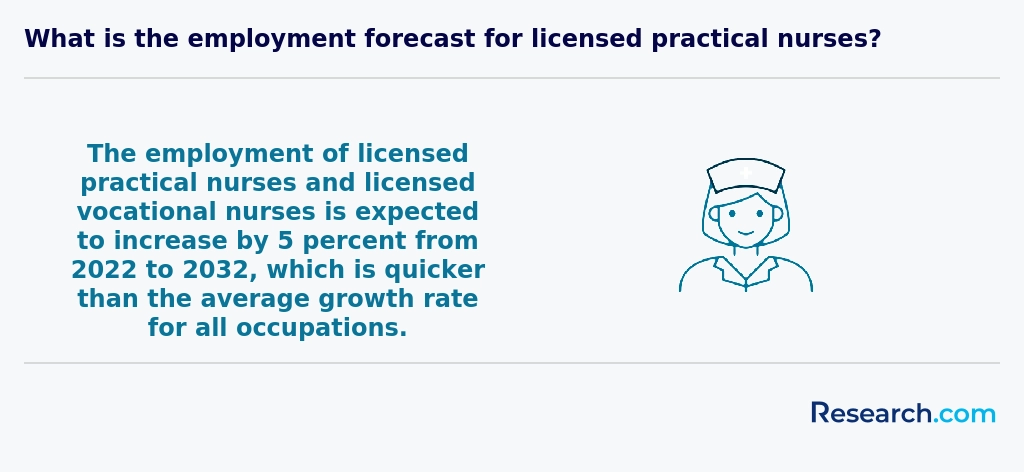
The expanding home health care and community health sectors also attract graduates seeking flexible schedules and meaningful patient interactions, with the Bureau of Labor Statistics projecting a 12% growth in nursing employment by 2032. Moreover, public health agencies in the West employ nurses to support initiatives in disease prevention and emergency preparedness, which appeals to students motivated by community impact.
Successful graduates emphasize that choosing programs accredited by CCNE or ACEN ensures smooth licensure and eligibility for these varied opportunities.
Graduates of online nursing programs in the Western United States often find salaries reflecting the strong healthcare demand and higher living costs in this region. For instance, a Nurse Practitioner with a degree from a well-known university in California or Washington can expect an average annual wage of about $128,490, according to the US Bureau of Labor Statistics. This salary level aligns with experiences shared by recent graduates who highlight the value of earning advanced credentials without relocating.
Similarly, roles such as Clinical Nurse Specialist, Nurse Administrator, and Nurse Educator, common career paths for online MSN holders, offer mean annual wages near $94,480. Graduates from respected Western nursing schools frequently report satisfaction not only with earnings but also with employer benefits like health insurance and retirement plans, which enhance total compensation.
For those specializing in critical care nursing, the average pay again matches the Nurse Practitioner level, near $128,490. Many online alumni living in Oregon or Nevada describe how their increased income allows financial stability while continuing their education or supporting families.
- The cost for an online Bachelor of Science in Nursing (BSN) in the Western US ranges from $20,000 to $50,000.
- Master's programs in nursing (MSN) typically cost between $30,000 and $70,000 and offer flexible scheduling options.
- Starting salaries for new nurses in this region average $70,000 to $80,000, with California often exceeding $80,000.
- Long-term median salaries for registered nurses in Western states range from $90,000 to over $110,000 annually.
- Employment growth for registered nurses in the West is projected at 12% to 15% over the next decade.
- Online nursing programs should be accredited by bodies like CCNE or ACEN, and graduates must pass the NCLEX-RN exam to become licensed.
Completing an online nursing degree in the Western United States typically varies by program level and student circumstances. For instance, full-time online Bachelor of Science in Nursing (BSN) programs at universities like Oregon State or Arizona State generally take about 4 years. Graduates from these programs often share that the flexibility of online classes allowed them to balance work and family life effectively while maintaining academic rigor.
Accelerated BSN programs, designed for students who already hold a bachelor's degree in another field, often shorten the timeline to 12 to 18 months. Part-time enrollment, which many students in California or Washington choose, can extend the BSN duration to 3 to 6 years, helping those with professional or personal commitments proceed at a manageable pace.
For Master of Science in Nursing (MSN) degrees, completion typically ranges from 1.5 to 3 years full-time, with part-time options extending to around 4 years. Many Western-based programs incorporate required clinical practicum hours locally, which students highlight as invaluable hands-on experience that enhances confidence and readiness for advanced roles.
Ensuring your online master’s in nursing program is properly accredited and meets state licensure requirements is vital for a seamless transition to practice. Reputable programs typically hold accreditation from bodies such as the Accreditation Commission for Education in Nursing (ACEN) or the Commission on Collegiate Nursing Education (CCNE), signaling adherence to rigorous academic and clinical standards. Before applying, verify that the program is approved by your state board of nursing to guarantee eligibility for the NCLEX-RN or APRN certification exams. Admission professionals recommend checking each school’s NCLEX pass rates and state board approval status, as even a highly ranked program may fall short on essential licensure metrics. For students weighing multiple options, exploring the easiest nursing school to get into can provide insight into institutions with streamlined admissions and strong support services, while still maintaining full accreditation. Additionally, if you plan to practice across state lines, look for programs participating in the Nurse Licensure Compact (NLC), which allows multistate practice privileges. Continuous program evaluation, faculty credentials, and clinical affiliation agreements also influence your ability to secure licensure in high-demand specialties. By prioritizing accreditation and licensure transparency, you’ll safeguard both your educational investment and your professional future.
Online nursing degrees in the Western US offer unmatched flexibility, allowing students to balance work, family, and studies. For instance, graduates from California State University's online MSN program appreciate accessing lectures and discussions anytime, fitting coursework around busy schedules. Nearly 40% of Western nursing students choose online formats for this reason, according to WICHE data.
On-campus programs, like those at the University of Arizona, provide in-person interaction with professors and peers, which many students find motivating and helpful for immediate feedback. However, both online and on-campus students must complete in-person clinical rotations nearby, ensuring hands-on experience remains a constant in the region's nursing education.
Cost is another key difference: California State University's online MSN tuition averages about $8,000 yearly for residents-often less than the $14,000 charged by Arizona's on-campus MSN. Private Western universities tend to charge between $20,000 and $40,000 regardless of delivery method, giving students various economical options aligned with their lifestyle needs.
Ensuring a nursing program is accredited and state-authorized is critical for licensure eligibility and employer recognition.
- Look for national accreditation from CCNE or ACEN to guarantee academic rigor.
- Confirm state authorization in both your residence and clinical placement states to meet local board of nursing requirements.
- Verify that the curriculum aligns with NCLEX-RN or APRN licensure prerequisites.
Proper accreditation also influences credit transfer, financial aid eligibility, and advanced pathways-if you’re exploring RN-to-BSN transitions, see rn to bsn without clinicals for streamlined options.
The average cost of an online nursing degree in the West varies notably based on residency status and institution type. Median total costs stand at approximately $36,080 overall, with in-state students paying a more affordable $21,000 on average, while out-of-state students face higher expenses around $37,764. These figures reflect tuition combined with additional fees, giving a clearer picture of total expenses for online nursing master's degree western states.
Graduates from public universities in California, Oregon, and Washington often share that selecting a public institution with in-state tuition can significantly ease financial burdens while providing quality education. For example, students at well-regarded West Coast public colleges have told of balancing work and studies thanks to reasonable costs and accessible online programs. On the other hand, private institutions may offer appealing resources and smaller class sizes but come with substantially higher tuition, often nearly doubling the costs of public options.
Many students appreciate scholarships, employer tuition reimbursement, and financial aid, which play crucial roles in managing these expenses. For those researching options, locating the easiest nursing school to get into can serve as a stepping stone toward affordable and flexible online nursing education in the West. These choices can shape the financial and educational experience profoundly for prospective nursing professionals wanting to advance without excessive debt.
Ensuring your online nursing program is accredited and approved by state boards is vital for securing licensure and advancing your career.
- Look for CCNE or ACEN accreditation to guarantee program quality and NCLEX-RN eligibility.
- Verify approval from your State Board of Nursing to meet regional licensure standards.
- Choose programs in Nurse Licensure Compact member states for multi-state practice flexibility.
- Explore easy dnp programs accredited for seamless progression to clinical leadership roles.
Students enrolled in online nursing degree programs in the Western United States benefit from a variety of financial aid sources that significantly alleviate education costs. Federal Pell Grants, averaging $4,500, provide essential non-repayable support, helping graduates from institutions like the University of Washington manage tuition fees. Completing the FAFSA unlocks access to these grants and low-interest federal loans with flexible income-driven repayment options, a crucial lifeline as seen by recent graduates balancing work and study.
State-specific programs in California, Oregon, and Washington enhance this support. For instance, California's Nursing Education Loan Assumption Program assists graduates who choose to serve in critical health shortage areas, offering loan forgiveness that makes pursuing a nursing career more financially viable. Universities such as Oregon State University have seen students successfully leverage these programs to reduce debt burdens while advancing their careers.
Additionally, institutional scholarships aimed at online nursing students recognize the challenges of remote study. Many Western nursing schools offer merit-based and need-based scholarships tailored specifically for online learners, creating opportunities for committed students to thrive despite financial constraints.
Navigating the application process for an online Master’s in Nursing program in the West requires careful planning and adherence to key deadlines. Most institutions offer three admission cycles-fall, spring, and summer-with application deadlines typically falling in January, April, and August, respectively. Follow these steps to ensure your application stands out: 1. Complete the Online Application Portal • Provide personal details, academic history, and program selection. • Pay the non-refundable application fee (usually $50–$100). 2. Submit Official Transcripts and Test Scores • Request undergraduate and graduate transcripts from all institutions attended. • Some programs may require GRE or MAT scores; check individual requirements. 3. Provide Professional Documentation • Active RN license verification in your state of residence. • Proof of clinical hours or healthcare experience (e.g., as a nursing assistant). 4. Craft a Compelling Personal Statement and Resume • Highlight leadership experiences, clinical achievements, and career goals. • Address any gaps in education or employment with clarity. 5. Secure Letters of Recommendation • Obtain two to three endorsements from academic instructors or nursing supervisors. • Ask recommenders to comment on your clinical skills, teamwork, and adaptability. 6. Plan for Interviews or Writing Samples • Some programs conduct virtual interviews or require a writing assessment. • Prepare by reviewing common nursing scenarios and articulating your strengths. To budget effectively for tuition and fees, explore our Affordable Online Nursing Degree Programs Ranking in Tennessee, which may offer insights into cost-effective alternatives. By meeting these milestones on time, you’ll position yourself for acceptance into a top-ranked, fast-track MSN program that accelerates your nursing career.
To enroll in online nursing programs in the Western United States, students must typically meet a set of stringent prerequisites that ensure they are prepared for the rigorous curriculum. Most associate or bachelor's nursing programs require a high school diploma or GED, while master's level courses generally require a completed bachelor's degree in nursing or a related field.
Applicants often complete prerequisite courses such as anatomy, physiology, microbiology, chemistry, and statistics with a minimum grade of C. These foundational courses build essential scientific knowledge, as seen in programs at popular Western institutions like Washington State University and the University of Arizona.
Many graduates attribute their success to meeting the RN licensure requirement for advanced degrees, which provides practical clinical experience and aligns with state nursing board expectations. Additional mandatory steps include submitting official transcripts, achieving satisfactory TEAS exam scores, and providing letters of recommendation and health clearances.
Students consistently report feeling confident and well-supported after fulfilling these requirements, appreciating how local clinical options enhance their learning flexibility while maintaining rigorous standards.
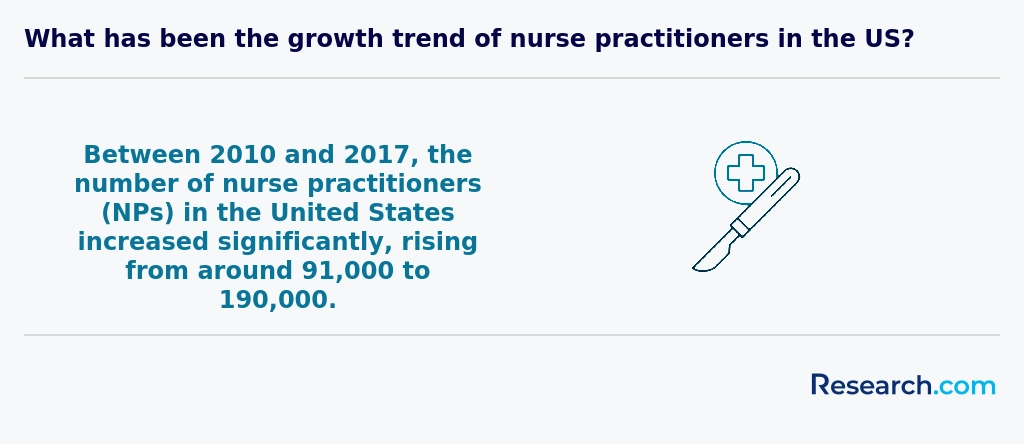
Once you’ve earned your fast‐track online MSN, many graduates look to advance their clinical scope by pursuing a Nurse Practitioner (NP) certification. To begin, identify an accredited NP specialization-such as family, pediatric, or psychiatric‐mental health-that aligns with your career goals and state licensure requirements. Most NP programs require completion of advanced pharmacology, health assessment, and pathophysiology courses, followed by a set number of clinical practicum hours under a certified preceptor. Financial planning is crucial: tuition can vary widely between institutions, so investigating a low cost np degree can help you minimize debt while maintaining program quality. Additionally, verify that your chosen NP program meets the Accreditation Commission for Education in Nursing (ACEN) or the Commission on Collegiate Nursing Education (CCNE) standards to ensure eligibility for national certification exams offered by organizations like the American Nurses Credentialing Center (ANCC) or the American Association of Nurse Practitioners (AANP). After graduation, you’ll need to apply for state NP licensure through your nursing board-requirements typically include proof of education, clinical hours, and passing scores on a national certification exam. Many states also mandate continuing education credits to maintain licensure. By carefully selecting an accredited, affordable NP pathway, you can transition seamlessly from your MSN into an advanced practice role, expanding your clinical responsibilities and enhancing your earning potential in diverse healthcare settings.
Online nursing degrees in the Western United States commonly include foundational courses like Human Anatomy and Physiology, Pharmacology, and Pathophysiology, ensuring a strong grasp of bodily systems and disease processes. Graduates from universities popular in the West often reflect on how Pharmacology helped them confidently manage medication safety during clinical hours.
Leadership and Management in Nursing is another key course, preparing students for supervisory roles-a vital skill praised by those who transitioned smoothly into healthcare team leadership after graduation. Health Assessment classes teach practical skills such as conducting patient interviews and exams, which many students find immediately applicable during their local practicum experiences.
Community and Public Health Nursing is especially relevant in the West, where diverse populations require culturally sensitive care. Specialty courses like Family Nurse Practitioner or Psychiatric-Mental Health Nursing align with growing regional demands, and many graduates appreciate the balance of theory and hands-on practice arranged through local clinical placements.
Online nursing degree programs in the West typically offer a range of specializations that align with regional healthcare demands and workforce trends. Popular tracks include Family Nurse Practitioner (FNP), which equips graduates to serve diverse populations in both urban and rural areas. Graduates from West Coast universities often highlight the rewarding experience of addressing primary care shortages with this specialization. Psychiatric-Mental Health Nurse Practitioner (PMHNP) is another growing field, reflecting the increasing need for mental health services across the West, supported by many online programs' tailored curricula.
Other specializations such as Healthcare Leadership and Administration prepare students for impactful roles in managing healthcare systems, while Gerontology addresses challenges related to the aging population. Additionally, Education and Nursing Informatics are in demand, enabling nurses to advance clinical education or work with healthcare technology. Students seeking a low cost np degree appreciate how these options allow strategic career development. These West region nursing degree concentrations offer flexibility and practical skills relevant to today's healthcare environment.
Choosing the best online nursing degree in the West means prioritizing accreditation and cost-effectiveness. Graduates from popular universities in California and Oregon often highlight the value of programs accredited by the Commission on Collegiate Nursing Education (CCNE) or the Accreditation Commission for Education in Nursing (ACEN), ensuring education quality recognized nationwide. Affordability is equally vital; online nursing degrees here range from $7,000 to $18,000 annually for in-state students, with some institutions offering discounted tuition for remote learners, helping students manage expenses including fees and clinical requirements.
Flexibility emerges as a key factor, with many online learners appreciating asynchronous classes that fit their work schedules. Nursing students in the West frequently emphasize the benefit of local clinical placements, which are essential for licensure and hands-on experience. Those pursuing specialized tracks-such as family nurse practitioner or gerontology-value strong faculty support and comprehensive student services that improve success rates. For detailed comparisons of costs and program quality, the Affordable Online Nursing Degree Programs Ranking in Tennessee offers useful benchmarks.
Graduates report that post-completion employment outlooks are encouraging, reflecting the ongoing demand for advanced practice nurses in Western states. This data-driven approach helps prospective students select among top accredited nursing programs Western states offer, balancing affordability and career growth opportunities for a rewarding professional journey.
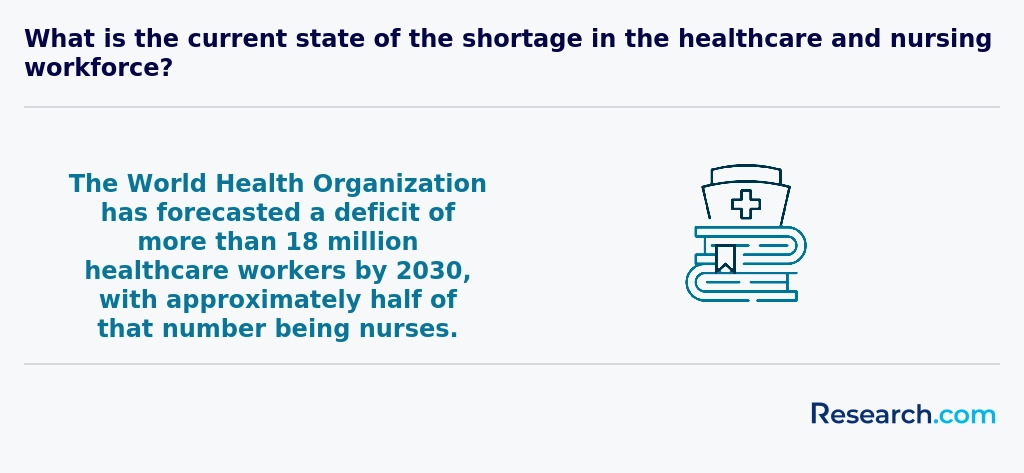
Graduates of online nursing degrees in the West access a wide array of career paths driven by demand in the region's healthcare sector. Clinical roles like Registered Nurses (RNs) remain prevalent, with opportunities extending from hospitals to community health centers. Western states, known for strong healthcare infrastructure, also enable graduates to pursue advanced practice roles such as Nurse Practitioners and Clinical Nurse Specialists. These positions offer enhanced responsibilities including prescribing medications, especially in states like California and Oregon where full practice authority is granted. This regulatory environment broadens job prospects and professional autonomy for online MSN graduates.
Beyond direct patient care, graduates from popular institutions in the West find rewarding careers in healthcare administration, nursing education, and specialized fields like pediatric or psychiatric nursing. Alumni often share how programs at renowned regional colleges prepare them for roles in public health or healthcare informatics, integrating data-driven approaches in clinical settings. The versatility of an online nursing degree supports diverse aspirations, making it an excellent choice for those exploring online nursing career opportunities in the West. For students exploring advanced degrees, options include cheap online phd programs to further expand their expertise and impact.
The job market for graduates holding an online nursing degree in the West is experiencing robust growth, particularly in states like California, Washington, and Oregon. Registered nurses and advanced practice nurses benefit from a 12% projected employment increase from 2022 to 2032, outpacing the national average. Many graduates from respected Western universities report seamless transitions into roles across hospitals, outpatient clinics, and community health organizations, reinforcing strong nursing career opportunities in the West region.
Salaries are compelling, with California nurses earning a median wage near $98,000 annually, significantly higher than the national median. Graduates often highlight this earning potential as motivation to pursue advanced certifications online. Additionally, the rise of telehealth services generates demand for adaptable professionals skilled in remote patient care.
Western states also prioritize educational pathways designed for working nurses, offering accelerated or bridge online programs. Prospective students can explore many inexpensive online colleges that accept fafsa to find flexible options that fit their career goals and lifestyle.
2027 Fastest Online Master's in Nursing Degree Programs Ranking in the West
Investing in your education is a significant decision that can shape your professional journey, and the Research.com team is committed to supporting you in making well-informed choices. To assist nursing professionals in the Western United States, we have carefully developed the "2027 Fastest Online Master's in Nursing Degree Programs Ranking in the West." Our dedication to quality, credibility, and accuracy is demonstrated through rigorous research and thorough analysis.
We utilized the following reputable data sources to ensure a comprehensive evaluation of online nursing master's programs:
By reviewing this ranking, readers will gain valuable insights into the fastest online nursing master's programs available in the West, enabling them to identify options that balance quality and pace to suit their career goals. For a detailed explanation of our approach, please visit our Research.com methodology page.


# 7 position
University of Northern Colorado
Master of Nursing: Adult Gerontology Acute Care Nurse Practitioner

# 8 position
Aspen University
Master of Nursing


Frequently Asked Questions About nursing
Students pursuing online nursing degrees in the Western U.S. can enhance their learning by actively engaging with virtual simulations and clinical practice opportunities. According to the California Board of Registered Nursing, combining online coursework with hands-on clinical hours is essential for skill development. Time management also plays a critical role; nurses often balance work, study, and family, so setting a consistent study schedule improves retention and reduces stress. Joining regional nursing networks or online study groups, such as those offered by the Washington Nurses Association, provides peer support and professional growth. Utilizing resources from accredited Western institutions ensures access to up-to-date curricula and faculty expertise.
The nursing field is evolving rapidly, with several emerging niches gaining importance, especially in the Western United States. One notable area is telehealth nursing, which has grown due to increased demand for remote patient care. According to the California Board of Registered Nursing, telehealth roles expanded by over 30% between 2020 and 2023. Another rising specialty is gerontological nursing, as the West's aging population requires specialized care, with states like Oregon and Washington seeing a 20% increase in nurse practitioners focused on elder care.
Additionally, psychiatric-mental health nursing is gaining traction given growing awareness of mental health issues. The Oregon Nurses Association reports a 25% rise in psychiatric nurse practitioner positions over the last five years. Finally, informatics nursing, which combines clinical expertise with information technology, is becoming essential for managing electronic health records effectively.
After completing an online nursing degree in the Western United States, graduates should focus on gaining professional certifications and licensure required by states. For example, the California Board of Registered Nursing mandates passing the NCLEX-RN exam to practice as a registered nurse. Networking is also essential; joining state nursing associations like the Oregon Nurses Association can provide job leads and mentorship.
Additionally, seeking clinical internships or externships in Western healthcare facilities reinforces practical skills and improves employability. According to the U.S. Bureau of Labor Statistics, nursing jobs in California and Washington are expected to grow faster than the national average through 2030, highlighting strong regional demand.
Employers in the Western US highly value nursing graduates who demonstrate strong clinical skills combined with effective communication. According to the California Board of Registered Nursing, practical patient care abilities and critical thinking rank as top priorities. Nurses must also be adept at technology, reflecting the region's integration of electronic health records and telehealth services.
Moreover, cultural competence is essential due to the West's diverse populations. The Oregon Center for Nursing highlights the need for adaptability and lifelong learning, as nursing practices evolve rapidly. Leadership skills, even at entry-level, are increasingly sought after, preparing nurses for team collaboration and future supervisory roles.
Finding nursing internships in the Western United States involves several strategic steps. Start by exploring clinical placement partnerships offered by online nursing programs accredited by the Commission on Collegiate Nursing Education (CCNE) or the Accreditation Commission for Education in Nursing (ACEN). These programs often assist students in securing internships within hospitals, clinics, or community health centers across states like California, Washington, and Oregon.
The California Board of Registered Nursing reports that over 50% of nursing students complete internships at local healthcare facilities, bolstering hands-on experience before graduation. Additionally, use state nursing associations' job boards and networks, such as the California Nurses Association or the Washington State Nurses Association, which regularly post internship opportunities.
Contacting nearby hospitals directly, including large health systems like Kaiser Permanente or Providence Health, can uncover less-publicized placements. Also, consider virtual internship databases like the National Student Nurses' Association platform, which supports internships nationwide but includes Western-specific listings.
Lastly, check with your school's career services department to leverage regional employer connections and avoid missing application deadlines important for summer or fall internship cycles.
An online nursing degree in the Western United States significantly enhances career mobility and advancement opportunities. The flexibility of online programs allows working nurses to pursue advanced education without interrupting their careers, leading to roles in management, education, or specialized clinical practice. According to the California Board of Registered Nursing, nurses with a Bachelor of Science in Nursing (BSN) or higher earn up to 20% more than those with an associate degree. States like Washington and Oregon report growing demand for advanced practice nurses, creating pathways for online graduates to enter high-level positions. Accredited online degrees also meet licensure requirements across Western states, facilitating easier regional employment transitions.
Studying for a nursing degree online in the Western United States equips students with skills vital for interdisciplinary roles. Programs emphasize teamwork across healthcare fields, combining nursing with areas like pharmacy, social work, and public health. According to the California Board of Registered Nursing, curricula often include collaborative case studies and simulations to enhance communication and coordination.
Western nursing programs also integrate technology training, preparing students to work in diverse clinical and administrative environments. The Oregon Center for Nursing highlights that about 65% of nurses in these states participate in interdisciplinary teams, reflecting workforce demands.
This approach ensures graduates can contribute effectively to patient-centered care, leading to better health outcomes.
Choosing between a thesis and a non-thesis nursing degree program in the West depends on your career goals and learning preferences. Thesis programs emphasize research skills and require a formal project, which suits those aiming for roles in academic research or doctoral studies. Non-thesis programs focus more on practical skills and coursework, beneficial for nurses targeting clinical practice or leadership positions.
Online nursing programs in Western states like California and Washington often reflect these options. According to the Western Interstate Commission for Higher Education (WICHE), approximately 40% of graduates from Western nursing master's programs complete a thesis. This shows significant demand for both tracks.
Consider your time availability as thesis programs can require more months to complete. Financial aid and school support for research may also factor into your choice.
Students based in the Western United States seeking to study nursing abroad often explore online nursing degree programs offered by accredited institutions within the US. These programs provide flexibility while maintaining standards set by the Commission on Collegiate Nursing Education (CCNE) or the Accreditation Commission for Education in Nursing (ACEN).
While fully international online degrees are less common, many Western states support hybrid models where theoretical coursework is completed online, and clinical hours are arranged locally. According to the American Association of Colleges of Nursing (AACN), enrollment in online nursing programs in these regions has grown by over 15% annually, reflecting increased demand.
Popular options include Master's of Science in Nursing (MSN) and Nurse Practitioner pathways designed to meet local licensing requirements. Students should verify that foreign institutions' credits are transferable and approved by their state boards.
Part-time job opportunities that complement online nursing degree education in the Western US often include roles such as certified nursing assistant (CNA), medical scribe, and home health aide. These positions provide practical experience relevant to nursing coursework and patient care skills. For example, California and Washington report high demand for CNAs, with median hourly wages around $16 to $18, beneficial for students balancing work and studies.
Working as a medical scribe in outpatient clinics also exposes students to medical terminology and documentation processes, aligning with their educational goals. Home health aide roles in the West help students understand patient needs in diverse community settings, supporting coursework in chronic disease management and rehabilitation.
Online nursing students in the Western US have growing opportunities to network despite their remote learning format. Many universities facilitate virtual meetups, discussion boards, and alumni groups specifically for nursing students to connect professionally.
State nursing associations like the California Nursing Students' Association and Washington State Nurses Association offer free or low-cost membership to students, providing access to conferences, mentorship programs, and job boards. These groups also host regional events that foster direct interaction with healthcare professionals in the West.
Virtual career fairs focused on healthcare often include booths from leading Western hospitals, giving students chances for internships or employment. According to the Western Interstate Commission for Higher Education (WICHE), 65% of online nursing students in the West reported increased networking opportunities compared to previous years.
Alumni networks provide crucial support for online nursing degree students in the Western United States. These networks connect students with experienced graduates who share regional insights into healthcare trends and job markets.
Membership often grants access to mentorship, job postings, and continuing education opportunities, enhancing career growth. According to the Western Interstate Commission for Higher Education, states like California and Washington have seen a 15% rise in nursing job placements linked to active alumni connections.
Additionally, alumni events and virtual forums help build professional relationships, which are vital in the competitive nursing field. This support system bridges the gap between online learning and practical workforce integration.
Customizing your online nursing degree program in the Western US involves selecting specializations that match your career goals. Many universities offer tracks such as Family Nurse Practitioner, Nurse Educator, or Healthcare Leadership to tailor your studies. According to the California Board of Registered Nursing, advanced practice roles are expected to grow by over 20% through 2030, emphasizing the importance of specialization.
Another key option is choosing flexible clinical placement locations near your home, which helps balance work and study. Some programs also allow you to adjust coursework pacing, supporting faster or extended completion times. Additionally, you can focus on certifications relevant to Western healthcare needs, like gerontology or rural health, enhancing your regional job prospects.
Online nursing students in the Western United States face several common challenges. A major issue is access to quality clinical placements, as many regions report limited in-person opportunities due to competition and healthcare facility restrictions. According to the California Board of Registered Nursing, this bottleneck affects around 40% of nursing students statewide.
Technical difficulties also pose barriers. Reliable internet and updated devices are essential, yet rural areas in states like Montana and Idaho often struggle with connectivity. The Federal Communications Commission notes nearly 15% of households in these states lack high-speed internet.
Finally, balancing work, family, and online coursework creates time-management stress. Many students are working nurses advancing their careers while juggling multiple responsibilities, requiring strong self-discipline and institutional support.
With an online nursing degree, particularly a master's, graduates can pursue various professional certifications that enhance career opportunities in the Western US. Popular options include becoming a Certified Nurse Practitioner (CNP), a Clinical Nurse Specialist (CNS), or a Nurse Educator. These certifications often require passing exams administered by organizations such as the American Nurses Credentialing Center (ANCC) or the American Association of Nurse Practitioners (AANP).
For example, California and Washington report high employment for nurse practitioners, making the CNP certification particularly valuable. Additionally, certifications in specialty areas like gerontology, pediatrics, or psychiatric nursing are also accessible with an online degree. These credentials both validate advanced skills and improve earning potential in the West's competitive healthcare market.
To write a winning application for an online nursing program in the Western US, start with a well-organized personal statement. Highlight your passion for nursing and relevant experience clearly. Schools such as those in California and Washington often prefer applicants with hands-on clinical exposure.
Include official transcripts showing strong performance in prerequisite courses like anatomy and physiology. Many programs require a minimum GPA of 3.0 or higher, according to the National League for Nursing.
Request letters of recommendation from healthcare professionals or instructors who can attest to your skills and dedication. Finally, prepare for any required standardized tests, such as the TEAS, which some Western schools use as part of their admissions process.
The nursing profession holds a respected global status, with growing demand in Western countries due to aging populations and expanding healthcare needs. In the United States, the Bureau of Labor Statistics projects a 9% employment growth for registered nurses from 2021 to 2031, faster than the average for all occupations.
Online nursing degrees offer flexibility for Western students aiming to enter this competitive field, enabling access to accredited programs without relocation. Globally, the U.S. is often seen as a standard for nursing education quality, influencing international standards and practices. According to the American Association of Colleges of Nursing, over 450 schools offer accredited nursing programs with online options.
For Western students, pursuing nursing online also opens career opportunities internationally, as many countries recognize U.S. nursing qualifications. However, licensure requirements vary, so graduates should research country-specific regulations if considering work abroad.
Students pursuing an online nursing degree in the Western United States can gain practical experience through clinical placements arranged by their programs. Most accredited online nursing programs require hands-on clinical hours completed at local healthcare facilities. The Western Regional Nursing Education Consortium reports that partnerships with regional hospitals and clinics help students in states like California, Oregon, and Washington secure valuable onsite training.
In addition, simulations and virtual labs are increasingly used alongside real-world practice to enhance skill development. California alone hosts over 300 healthcare institutions that collaborate with online programs to facilitate these opportunities.
It is essential to verify that the chosen program assists with clinical placement matching to fulfill state licensure requirements effectively.
Choosing the right concentration within an online nursing degree program in the West begins with understanding your career goals and the demand for specialties in the region. For example, California and Washington report strong growth in nurse practitioners, especially in primary and psychiatric care, driven by expanding healthcare needs (Bureau of Labor Statistics, 2023).
Research each concentration's curriculum to ensure alignment with your interests, whether it's pediatrics, gerontology, or administration. Licensing requirements vary by state, so check specifics from your state board of nursing.
Consider programs offering clinical partnerships in Western healthcare settings, as hands-on experience remains critical despite the online format.
See What Experts Have To Say About Studying Nursing
Read our interview with Nursing experts


- The Importance of Clinical Experience for Nursing Students https://bealuniversity.ca/clinical-experience-for-nursing-students/
- Nursing Study Abroad Programs | Go Overseas https://www.gooverseas.com/study-abroad/nursing
- How Do Nurses Prepare to Work in a Multidisciplinary Team? | NursingEducation https://nursingeducation.org/insights/multidisciplinary-team/
- What to Expect in Online Nursing School: A Guide | WCU https://westcoastuniversity.edu/blog/what-to-expect-in-online-nursing-school
- How Fast Can You Become a Nurse? A Realistic Timeline https://www.straighterline.com/blog/how-fast-can-you-become-a-nurse-a-realistic-timeline
- School of Nursing Alumni Resources https://nursing.utmb.edu/About/Alumni
- Study Nursing Abroad | Boomerang International Educational Services https://boomerangedu.com/study-nursing-abroad/
- Nursing https://www.westerntc.edu/programs-possibilities/explore-programs/nursing
- Career Advancement Pathways for Nurses : Expert RN shares 10+ Professional growth opportunities - MuminMed https://blog.muminmed.com/career-advancement-pathways-for-nurses/
- Factors that influence the clinical learning experience of ... https://www.sciedupress.com/journal/index.php/jnep/article/viewFile/7350/5104