2027 Most Valuable Online Bachelor's in Nursing Degree Programs Ranking in Georgia

Co-Founder and Chief Data Scientist
If you're considering a nursing degree in Georgia, this article is here to guide you. It presents the 2027 Most Valuable Online Bachelor's in Nursing Degree Programs Ranking in Georgia, carefully crafted by the Research.com team of data scientists.
This ranking helps you identify nursing programs that offer real value, saving you time and effort in your decision-making process. Pursuing a nursing degree opens doors to a rewarding and impactful career. By exploring these top programs, you'll be better equipped to choose one that fits your goals and lifestyle.
Key benefits of getting online nursing degree in Georgia
- Nursing graduates in Georgia can expect strong salaries, with Registered Nurses earning around $94,480 annually and Operating Room Nurses reaching $128,490 per year, providing financial stability and rewarding careers.
- Career paths are diverse, ranging from public health nursing to emergency room roles, allowing graduates from schools like the University of Georgia to find fulfilling positions in various healthcare settings.
- Online nursing degrees offer flexibility and convenience, enabling students to balance work and study effectively, as seen with graduates from institutions like Georgia Southern University, who advance their careers without relocating or disrupting their lives.
- 2027 Most Valuable Online Bachelor's in Nursing Degree Programs Ranking in Georgia
- What can I expect from online nursing degree in Georgia?
- Where can I work with online nursing degree in Georgia?
What can I expect from online nursing degree in Georgia?
Students pursuing an online nursing degree in Georgia can generally expect to invest between $20,000 and $50,000, depending on the institution and program length. For example, graduates from well-known Georgia colleges appreciate how their tuition balances affordability with strong academic support and clinical opportunities, making the cost feel like a worthwhile investment in their futures.
Many graduates recall feeling relieved that programs offered flexible payment options and financial aid, helping to ease the financial burden while they juggled work and family. These institutions often provide valuable resources such as virtual tutoring and career counseling, which enhance the overall value beyond just the tuition fees.
Looking ahead, emerging trends suggest that tuition costs may become more adaptable to students' needs, potentially incorporating subscription models or employer partnerships, especially as demand grows. This progress aligns with Georgia's commitment to increasing access to nursing education amidst a healthcare staffing boom.
Ultimately, the strong support networks and practical training embedded within Georgia's online nursing programs help students feel confident their financial and educational efforts will lead to rewarding careers.
Where can I work with online nursing degree in Georgia?
Graduates from online nursing programs at well-known Georgia institutions often find themselves stepping into diverse healthcare roles across the state. Many start confidently in bustling hospital systems like Emory Healthcare or Piedmont, eager to apply their BSN knowledge in fast-paced emergency rooms or specialized units. These environments offer dynamic career beginnings, fueling a deep sense of purpose and community impact.
Others pursue opportunities in outpatient care centers, where the emphasis on patient education and chronic disease management provides rewarding, hands-on experiences. Imagine working alongside a multidisciplinary team to support elderly patients navigating complex treatments, reflecting the growing demand in Georgia's aging communities.
Graduates also share stories of fulfillment working in rural clinics or public health agencies, where their skills combat nursing shortages and improve health outcomes. This direct connection to underserved populations often sparks a lasting passion for community health.
Many online learners appreciate how licensure through Georgia's Board of Nursing, combined with a BSN, opens pathways to stable, well-compensated positions, encouraging them to embrace lifelong learning and growth in a profession vital to the state's future.
Graduates from popular online nursing programs at institutions like Georgia State University and Augusta University often start with roles such as registered nurses, earning a mean annual wage of about $94,480 in Georgia. This figure surpasses the state average reported previously and reflects the competitive nature of metropolitan hubs like Atlanta, where demand and salaries trend higher.
Many online nursing degree holders advance to specialized positions. For example, operating room nurses command mean annual salaries near $128,490, illustrating how certification and on-the-job experience can significantly boost earnings. These roles often come with challenging, fast-paced environments, appealing to motivated graduates eager to make an impact.
Other valued nursing roles such as clinical nurse educators, public health nurses, and emergency room nurses share similar salary ranges around $94,480 annually. Graduates pursuing these careers may find opportunities to develop personally and professionally, benefiting from Georgia's growing healthcare sector and diverse patient populations.
Future trends point toward expanding telehealth and outpatient care options, where nursing degrees earned online could open doors to well-compensated, flexible job settings. Such prospects fuel graduates' optimism and willingness to tackle continued education, knowing their earning potential steadily increases.
- The cost of an online Bachelor of Science in Nursing (BSN) in Georgia ranges from $15,000 to $35,000, with public universities generally being more affordable for in-state students.
- Additional fees for clinical placements and certification exams may increase the total program cost.
- Georgia has strong employment opportunities for nursing graduates, especially in urban areas like Atlanta and Augusta with many healthcare facilities.
- Entry-level nurses typically earn about $60,000 annually, while the median wage for registered nurses in Georgia was around $70,000 in 2023.
- Experienced nurses in management or specialized roles can earn over $90,000 per year.
- Online nursing degrees must be accredited and approved by the Georgia Board of Nursing to qualify for licensure exams such as the NCLEX-RN.
Completing an online nursing degree in Georgia typically spans different lengths depending on your background and chosen pathway. For example, graduates from popular schools like Georgia State University often share how their traditional online BSN took about four years, matching on-campus timelines but with the flexibility to fit studies around busy lives. This steady pace allows students to thoroughly absorb the 120 credit hours required, blending asynchronous coursework with essential local clinical hours.
For those already holding an ADN, many describe the RN-to-BSN bridge programs at institutions like Kennesaw State University as empowering, completing their degrees in just 1 to 2 years. These faster tracks strike a balance, helping working nurses advance without pausing their careers.
There's also an energizing buzz around accelerated BSN programs at colleges such as Augusta University, where non-nursing graduates report intense but rewarding experiences finishing within 12 to 18 months. The rapid progress into the workforce often ignites a sense of accomplishment and momentum rare in traditional education.
When evaluating an online nursing degree program in Georgia, accreditation is a critical marker of quality and credibility. Prospective students should confirm that their chosen BSN program is accredited by the Commission on Collegiate Nursing Education (CCNE) or the Accreditation Commission for Education in Nursing (ACEN). Accreditation not only ensures that the curriculum meets rigorous national standards but also guarantees eligibility to sit for the NCLEX-RN licensure exam upon graduation. NCLEX-RN pass rates serve as a clear indicator of a program’s effectiveness in preparing graduates for real-world practice. According to the Georgia Board of Nursing, the average first-time pass rate for online BSN graduates in 2024 was 92%, with top institutions such as Emory University and Georgia State University reporting rates exceeding 95%. When researching programs, look for published pass-rate statistics-programs with sustained high pass rates demonstrate strong faculty support, comprehensive clinical simulations, and robust exam preparation resources. Balancing program quality with affordability can be challenging, but it’s essential for maximizing ROI. While Georgia offers many reputable online nursing degrees, you may also explore out-of-state options to find the optimal combination of cost and licensure success. For instance, check out the Cheapest Online Bachelor's in Nursing Degree Programs Ranking in Kentucky to compare tuition rates and NCLEX outcomes before making your final decision.
Online nursing degrees in Georgia offer flexible schedules that allow students to balance work and family life while studying. Graduates from programs like those at Georgia State University often recount how asynchronous classes let them attend lectures after shifts or during quiet family moments. This flexibility contrasts with the structured routine of on-campus programs, such as the University of Georgia's BSN track, where students thrive on direct interactions and hands-on lab work in real time.
Both pathways include essential in-person clinical rotations, typically arranged near students' homes across Georgia, ensuring practical experience despite distance learning. Online learners appreciate not having to relocate, saving on housing and travel costs, while still gaining the required face-to-face practice that builds confidence.
Many students describe on-campus life as vibrant and socially rich, with immediate mentorship and peer support enhancing motivation. Meanwhile, online students express pride in mastering time management and self-driven learning, skills increasingly valued in today's healthcare environment.
Accreditation by a recognized agency like the Commission on Collegiate Nursing Education (CCNE) or the Accreditation Commission for Education in Nursing (ACEN) is non-negotiable when selecting an online BSN program in Georgia. These accrediting bodies ensure that the curriculum aligns with national standards for nursing education, which in turn qualifies graduates to sit for the NCLEX-RN exam. Equally important is state board approval: every program must be authorized by the Georgia Board of Nursing to guarantee that clinical hours, practicum requirements, and academic content meet Georgia’s licensure regulations. NCLEX-RN pass rates serve as a key performance indicator of program quality. Top online BSN programs in Georgia consistently report first-time pass rates above 90%, demonstrating effective preparation and support. Prospective students should review published pass-rate data on school websites or request this information from admissions offices. Additionally, accredited programs often provide dedicated NCLEX review courses, tutoring services, and simulated clinical experiences to boost readiness. After graduation, candidates must apply directly to the Georgia Board of Nursing for RN licensure, which includes submitting transcripts, completing a background check, and meeting any state-specific immunization or health requirements. Once approved, candidates register for the NCLEX-RN through Pearson VUE. Maintaining an active license requires periodic continuing education or renewal fees, so it’s advisable to explore each school’s alumni support for career advancement and license maintenance. For those seeking a foundational clinical credential before committing to a BSN, exploring the best minnesota lpn programs can offer hands-on experience and a seamless pathway into online RN-to-BSN tracks.
The average cost of an online nursing degree in Georgia varies widely, but in-state students typically see a median total cost around $10,969, while out-of-state students might expect approximately $40,147. This difference reflects the greater affordability for Georgia residents and highlights why many choose public universities within the state. Graduates from popular nursing programs in Georgia often recall managing their tuition while benefiting from flexible online schedules that fit around work and family life.
For example, students enrolled in an RN-to-BSN program report paying between $300 and $500 per credit hour, which aligns with a total tuition cost ranging from $9,000 to $15,000. This pathway offers working nurses an accessible way to advance their careers without breaking the bank, especially when supported by state grants or scholarships. The total tuition fees for nursing programs in Georgia still require budgeting for supplies, but many find the investment worthwhile given the career prospects post-graduation.
Prospective students looking for the best online nursing degree programs can explore multiple options, from more affordable public schools to private colleges offering accelerated tracks. Graduates often describe a sense of accomplishment paired with financial prudence, noting that programs designed for busy professionals make paying tuition credits manageable and motivation high.
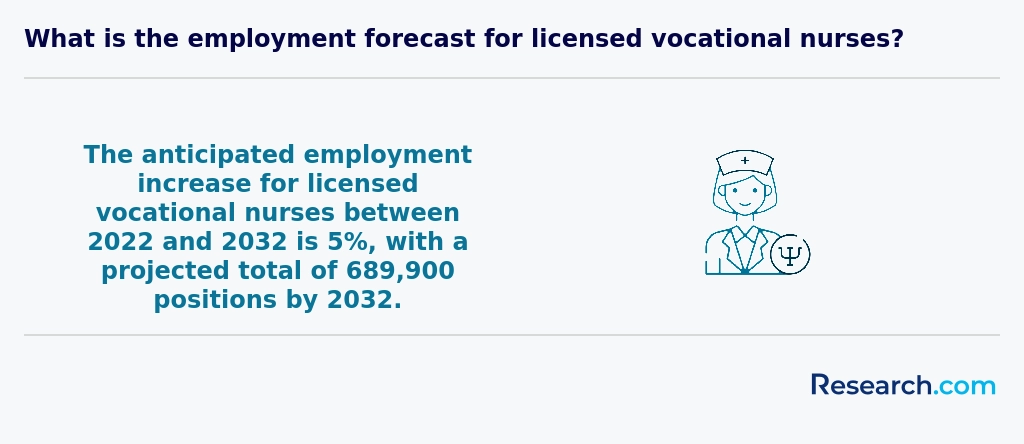
Pursuing an online nursing degree in Georgia can be a costly endeavor, but there are many affordable options available, such as affordable nursing programs in georgia. These programs can provide students with a high-quality education at a lower cost, making it more accessible to those who may not have been able to afford it otherwise. By exploring these affordable options, students can gain the knowledge and skills they need to succeed in the nursing field without breaking the bank. Some of the benefits of pursuing affordable nursing programs include lower tuition rates, flexible payment plans, and access to financial aid and scholarships. Additionally, many of these programs offer online or hybrid formats, which can provide students with the flexibility they need to balance their studies with work and other responsibilities. Overall, pursuing an affordable nursing program in Georgia can be a great way for students to achieve their career goals without sacrificing their financial stability.
Students pursuing online nursing degrees in Georgia often tap into a mix of financial aid sources that uniquely support their journey. Graduates from institutions like Georgia State University and Kennesaw State University frequently share how federal aid through FAFSA opened doors to Pell Grants and low-interest Direct Loans, easing upfront tuition costs and allowing focus on studies rather than finances.
State programs such as the HOPE Scholarship and HOPE Grant provide valuable merit-based aid tailored for Georgia residents, making prestigious nursing programs more attainable. Many find the Georgia Nursing Scholarship Program especially reassuring; it offers scholarships that motivate graduates to serve local healthcare needs, blending financial support with meaningful career pathways.
Institutional scholarships based on academic achievement or personal circumstances further brighten the path to becoming a registered nurse. For example, veterans or students from diverse backgrounds often receive targeted grants that reflect the community's commitment to inclusivity.
Emerging trends like expanded employer tuition reimbursement in Georgia's healthcare sector promise even greater opportunities, with hospitals stepping up to invest in future nurses who will strengthen local care networks.
Graduating with a BSN is only step one; becoming a licensed RN hinges on passing the NCLEX-RN and meeting Georgia Board of Nursing requirements.
- Graduate from a CCNE- or ACEN-accredited BSN program.
- Submit application, official transcripts and background check to the Georgia Board of Nursing.
- Register for the NCLEX-RN exam through Pearson VUE and schedule your test.
- Achieve a passing score on the NCLEX-RN to receive your Georgia RN license.
- Complete any post-licensure requirements, such as continuing education hours.
Top online BSN programs in Georgia report strong first-time NCLEX pass rates:
- Emory University: 95%
- University of Georgia: 92%
- Kennesaw State University: 90%
After obtaining your RN license, consider advanced practice options like our affordable np programs to expand your career.
To enroll in an online nursing degree program in Georgia, students typically need a high school diploma or equivalent, like a GED. Graduates from popular institutions often recall how meeting the minimum GPA requirement-usually around 2.5-helped them feel confident and prepared. Official transcripts from high school and any college coursework are essential, allowing admissions teams at schools such as Kennesaw State or Georgia State University to assess academic readiness clearly.
Many programs expect completion of prerequisite courses, including human anatomy, microbiology, and psychology, which former students describe as eye-opening foundations that made clinical concepts easier to grasp later. Passing these with at least a "C" often feels rewarding and motivates learners as they move forward.
English proficiency tests like TOEFL can be required for non-native speakers, ensuring effective communication in fast-paced healthcare settings. Additionally, criminal background checks and up-to-date immunizations are mandatory for clinical placements that even online nursing students at institutions like Augusta University must complete, aligning with Georgia Board of Nursing standards and building trust for patient safety.
Some graduates mention that prior healthcare experience, such as volunteering or CNA certification, gave them a significant edge during enrollment and beyond, fostering a sense of readiness and enthusiasm for their careers.
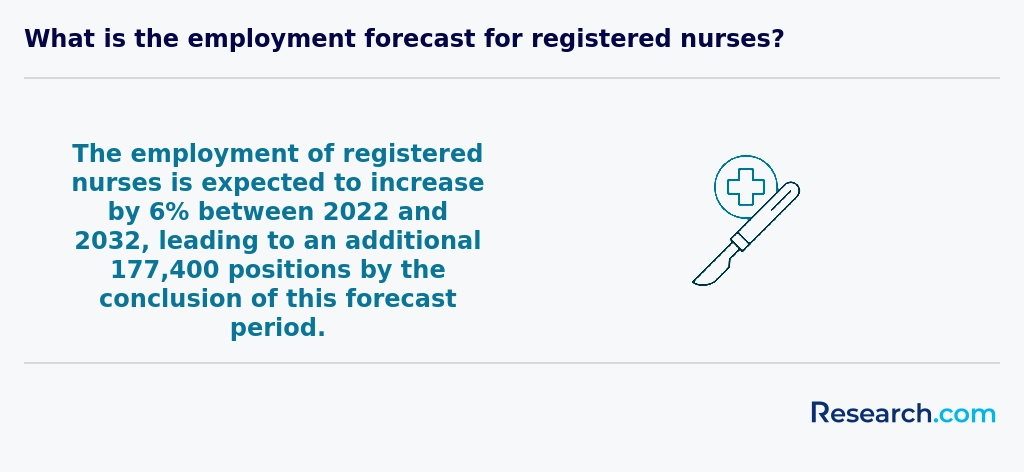
To sustain expertise and advance your career after earning an online nursing degree in Georgia, pursuing continuing education and specialized certifications is essential. Many nurses enroll in post-baccalaureate programs to develop new competencies in clinical leadership, informatics, or education. For example, a graduate seeking to move into academic roles might choose one of the most affordable online graduate certificate nurse education programs, allowing them to teach the next generation of nurses without the time or expense of a full master’s degree. Certification through organizations like the American Nurses Credentialing Center (ANCC) demonstrates your commitment to professional growth. Popular credentials include the Certified Nurse Educator (CNE), Certified Informatics Nurse (RN-BC), and specialty certificates in critical care (CCRN) or pediatrics (CPN). These certifications often require completion of accredited continuing education units (CEUs) and passing a rigorous examination-criteria that bolster your resume and ensure alignment with the latest evidence-based practices. For nurses interested in specialized training without a lengthy degree program, exploring cheapest graduate certificate programs in nursing education can be a smart way to gain targeted skills in curriculum design, assessment, and instructional strategies. Additionally, many state boards of nursing and professional associations offer discounted or free CEU webinars and conferences, enabling you to stay current on licensure requirements and evolving healthcare policies. By strategically combining post-BSN certificates, national certifications, and ongoing professional development, you can strengthen your expertise, increase your marketability in Georgia’s competitive healthcare job market, and position yourself for leadership roles in hospitals, academia, or community health settings.
Online nursing degrees in Georgia typically include a blend of foundational sciences and specialized nursing courses designed to build confidence and competence. Graduates from institutions like Georgia State University and Kennesaw State University often recall starting with immersive courses in Human Anatomy, Pathophysiology, and Pharmacology, establishing a solid medical foundation that makes clinical challenges feel manageable and familiar.
Most programs then shift focus to nursing-specific topics such as Health Assessment, Adult and Pediatric Nursing, and Mental Health Nursing. These courses equip students to handle real-world patient scenarios, from assessing a child's vitals to supporting adults with chronic illnesses, which many graduates find deeply rewarding and empowering.
Moreover, leadership and community health classes prepare students to become proactive caregivers and advocates in Georgia's diverse healthcare settings. Practical clinical experiences are arranged locally, allowing students to connect theoretical knowledge with hands-on care in hospitals near Atlanta or rural clinics-experiences graduates describe as both exciting and invaluable for licensure readiness.
Looking ahead, emerging trends suggest programs may increasingly integrate technology, focusing on telehealth and digital patient communication, expanding opportunities for Georgia's online learners to excel in evolving healthcare environments.
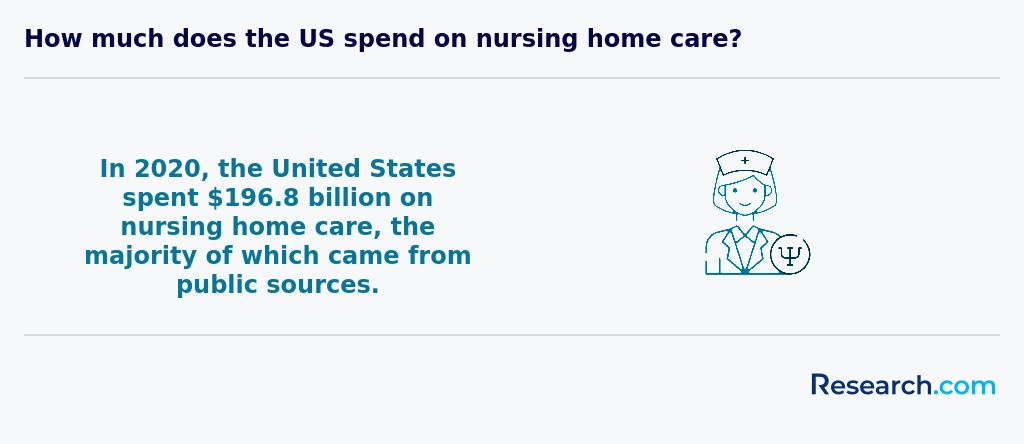
Online nursing specializations in Georgia cover an expanding range of fields that reflect the state's advancing healthcare landscape. Graduates from popular schools like Georgia Southern and Kennesaw State often highlight how the Registered Nurse to Bachelor of Science in Nursing (RN to BSN) specialization helped them transition smoothly into leadership roles while balancing busy work schedules. This track is especially appealing to nurses eager to boost their career opportunities locally.
Georgia online nursing degree concentrations are evolving to include high-demand areas such as Family Nurse Practitioner (FNP) and Psychiatric Mental Health Nursing, fostering a diverse skill set to meet urban and rural health demands. Graduates frequently describe the rewarding challenge of applying these skills in real-world community clinics, feeling empowered as frontline healthcare providers. Programs also introduce emerging fields like Health Informatics, enabling nurses to harness technology for improved patient outcomes.
Some nurses expand their impact by pursuing specialties in Adult-Gerontology Acute Care, Pediatric Nursing, or Nursing Education. Others appreciate how such programs allow them to pursue roles beyond direct care, such as educators or administrators. Many Georgia students looking for flexible options explore an online certificate program alongside their degree to enhance their versatility in healthcare settings.
Choosing the best online nursing degree in Georgia means prioritizing programs with strong state approval and clinical placements that reflect Georgia's healthcare environment. Graduates from notable colleges often describe the relief of finding programs that fully prepare them for the Georgia Board of Nursing's NCLEX-RN exam, which boosted their confidence entering the workforce. Flexibility also plays a big role, especially for those balancing family or jobs; successful students appreciate asynchronous courses coupled with accelerated options, cutting down time but maintaining rigorous training.
Cost considerations are real, with many seeking affordable nursing degree online Georgia options through public institutions where tuition fits tighter budgets. Students often share how comparing detailed fee breakdowns, including extra clinical or tech charges, helped them avoid surprises and stay motivated. Evaluating program success via NCLEX pass rates above 85% and employment outcomes reported by Georgia schools offers reassurance, making the choice feel less daunting.
For those curious about broader options, exploring online nursing degrees massachusetts rankings can spark ideas about program features that could inspire future offerings in Georgia.

Graduates of online nursing programs in Georgia find themselves stepping into a dynamic field with multiple career paths ripe for exploration. Many alumni from respected institutions like Georgia State University and Kennesaw State University enthusiastically share how their degrees unlocked positions beyond traditional hospital roles, reflecting the growing demand for nurses throughout the state's healthcare system. Taking advantage of online nursing career opportunities in Georgia, graduates work as registered nurses in bustling Atlanta hospitals or in community clinics in smaller cities, feeling empowered by direct patient impact from day one.
Others pursue specialized avenues such as nurse educator roles within academic settings or community health positions that address public well-being on a broader scale. The rapid expansion of healthcare technology in places like Augusta fosters exciting prospects as health informatics specialists-a path some recent graduates note has bolstered their confidence by merging clinical knowledge with data-driven healthcare improvements. Emerging leadership positions, including clinical nurse leaders and case managers, resonate with those eager to shape care delivery systems.
For nurses aiming to advance, Georgia's evolving healthcare landscape encourages pursuit of graduate roles such as nurse practitioners and nurse anesthetists. Many current students actively explore financial aid for nurse practitioners to make this transition feasible. This forward momentum reflects the state's investment in nurturing talent prepared to meet projected job growth, supporting a rewarding nursing career uniquely tailored to Georgians' needs and aspirations.

The job market for online nursing degree holders in Georgia shows promising growth fueled by the state's increasing healthcare demands and population expansion. Graduates from popular institutions like Emory University and Georgia State University often report quickly finding positions in bustling urban areas such as Atlanta and Augusta, where demand for skilled nurses remains high. This scenario highlights the attractiveness of online nursing job opportunities in Georgia, especially for those balancing work and study.
Recent graduates share how completing accredited online programs enables them to enter diverse roles in hospitals, outpatient clinics, and community health settings with confidence. Many describe the excitement of competitive salaries that align with the state's median RN wage, fostering financial stability early in their careers. As Georgia's health infrastructure continues to grow and adapt, new nursing graduates see expanding pathways for specialization and advancement.
Those pursuing online programs appreciate flexible schedules while preparing for licensure, a key step for job readiness. For detailed guidance on nursing paths, explore nursing degreespecialization as part of strategic career planning aligned with the nursing career outlook Georgia 2027.
2027 Most Valuable Online Bachelor's in Nursing Degree Programs Ranking in Georgia
Investing in your education is a significant decision that can profoundly impact your career and future opportunities. The Research.com team recognizes the importance of making well-informed choices, which is why we have carefully developed the "2027 Most Valuable Online Bachelor's in Nursing Degree Programs Ranking in Georgia." Our dedication to quality, credibility, and accuracy is evident through the rigorous research and thorough analysis underpinning this ranking.
We utilized the following reputable data sources to ensure a comprehensive evaluation of nursing programs:
By consulting this ranking, readers will gain trusted insights into the most valuable online nursing degree programs in Georgia, empowering them to make confident decisions about their educational investments. For additional details on our process, please visit our Research.com methodology page.

# 2 position
Georgia Highlands College
Nursing, RN to BSN online


Frequently Asked Questions About nursing
Online nursing degree students in Georgia can maximize their learning by actively engaging with their coursework and utilizing available resources. Many accredited programs, such as those recognized by the Georgia Board of Nursing, offer interactive virtual simulations to build clinical skills despite remote settings. According to the Georgia Nurses Association, students should also seek opportunities for local clinical placements to gain hands-on experience.
Time management is crucial, as balancing online studies with clinical hours demands discipline. Joining peer study groups and networking through nursing associations can enhance understanding and professional growth. Staying updated on Georgia's nursing regulations and workforce trends further supports success in this evolving field.
The nursing field is rapidly evolving, with several emerging niches offering new opportunities for online nursing degree students in Georgia. One growing area is gerontological nursing, driven by Georgia's increasing senior population, which is expected to grow by 25% by 2030 according to the Georgia Department of Public Health. Nurses specializing in elderly care help manage chronic conditions and improve quality of life for older adults.
Another expanding niche is informatics nursing, where nurses combine healthcare and data management to improve patient outcomes. Telehealth nursing also gains traction, especially in rural Georgia, connecting patients to care remotely. These specialties require advanced skills but offer promising careers in the state's changing healthcare landscape.
After completing an online nursing degree in Georgia, graduates should focus on securing licensure by passing the NCLEX-RN exam, required by the Georgia Board of Nursing. This step is essential to legally practice as a registered nurse (RN) within the state.
Building clinical experience is also vital. Many employers in Georgia prefer candidates with hands-on experience or internships during their studies. Online students should seek local healthcare partnerships to gain practical exposure.
Networking with healthcare professionals and joining Georgia nursing associations like the Georgia Nurses Association can enhance job prospects. Local job markets show a growth rate of 12% for nursing positions between 2020 and 2030, signaling increased opportunities in hospitals and clinics (BLS data).
Employers in Georgia highly value nursing graduates who demonstrate strong clinical skills alongside excellent communication and critical-thinking abilities. According to the Georgia Board of Nursing, proficiency in patient assessment and care planning is essential for success in healthcare settings statewide. Additionally, teamwork and adaptability are crucial, as nurses often collaborate in fast-paced environments such as Atlanta's large hospital systems.
Data from the U.S. Bureau of Labor Statistics highlights that registered nurses in Georgia must also be adept at using electronic health records, reflecting the state's increasing investment in health technology.
Cultural competence is another vital skill, given Georgia's diverse population. Nurses equipped to provide inclusive care meet a growing demand in the state's healthcare workforce, as reported by the Georgia Nurses Association.
Finding nursing internships in Georgia involves leveraging resources from both educational institutions and healthcare providers. Many online nursing programs in Georgia require or assist students in securing clinical placements within healthcare facilities across the state.
The Georgia Board of Nursing and the Georgia Hospital Association provide directories of approved clinical sites, which include hospitals, clinics, and long-term care facilities. These organizations ensure internships meet state education standards, vital for licensure.
Students should also explore partnerships their online programs have with local healthcare systems, such as Emory Healthcare or Piedmont Healthcare, which frequently offer structured internship opportunities.
Online students can utilize local workforce boards and nursing associations like the Georgia Nurses Association to find internships and networking events.
An online nursing degree in Georgia significantly enhances career mobility and advancement opportunities. Registered nurses (RNs) with a Bachelor of Science in Nursing (BSN) enjoy wider job prospects and higher earning potential compared to those with an associate degree, according to the Georgia Board of Nursing. Online BSN programs offer flexibility allowing working nurses to upskill without relocating or leaving their jobs.
Georgia's healthcare system increasingly prefers BSN-prepared nurses for leadership and specialized roles, with a reported 15% faster job growth in BSN-required positions through 2030, per the U.S. Bureau of Labor Statistics. This degree supports advancement into higher-paying roles such as nurse manager or clinical nurse specialist.
Moreover, online nursing degrees in Georgia meet state accreditation criteria, ensuring graduates qualify for licensure and certifications necessary to move into advanced practice and administrative positions within the state.
Studying for a nursing degree in Georgia equips students with skills essential for interdisciplinary collaboration in healthcare settings. Many online nursing programs in the state emphasize teamwork between nurses, physicians, social workers, and other specialists. This approach reflects Georgia's growing demand for integrated care models, driven by its aging population and chronic disease rates.
Georgia Board of Nursing reports that programs often include courses in communication, healthcare policy, and ethics, fostering a broad understanding of diverse professional roles. Clinical simulations and virtual collaborations are common, preparing students to confidently navigate complex patient care environments alongside other disciplines.
Such training aligns with national standards from organizations like the American Association of Colleges of Nursing, supporting Georgia's goal to advance nursing leadership in interdisciplinary teams.
When choosing between a thesis and a non-thesis nursing degree program in Georgia, consider your career goals and learning style. Thesis programs usually require original research and can take longer to complete. They are ideal if you aim for roles in nursing research, advanced clinical practice, or plan to pursue graduate studies.
Non-thesis programs focus more on practical skills and coursework, which suit students targeting immediate employment in hospitals or healthcare settings. According to the Georgia Board of Nursing, demand for clinical nurses is growing, so hands-on experience is often prioritized by employers.
Review program requirements carefully to find the best fit for your future plans.
Students in Georgia interested in studying nursing abroad have several paths to consider. Many universities offer online nursing degree programs accredited in the US but partnered with international institutions, allowing overseas clinical experiences. Georgia's Board of Nursing requires foreign-educated nurses to meet specific licensing standards, including credential evaluations and passing the NCLEX-RN exam to practice in the state.
Options include enrolling in international exchange programs or completing parts of the degree through study abroad, often facilitated by US colleges. However, fully online programs accredited by bodies like the CCNE are the most accessible for students who wish to maintain residence in Georgia while gaining global nursing perspectives.
According to the Georgia Nurses Association, more than 200,000 registered nurses work in the state, reflecting strong local demand, which supports choosing programs recognized for seamless licensure upon return. Careful selection ensures graduates meet Georgia's clinical and educational requirements.
Part-time job opportunities in Georgia that complement nursing degree education often include roles such as certified nursing assistants (CNAs), medical assistants, and home health aides. These positions provide practical experience with patient care, which is valuable for nursing students. According to the Georgia Department of Labor, the healthcare support occupations sector is one of the fastest growing in the state, reflecting strong demand for these roles.
Working as a CNA or medical assistant allows students to develop clinical skills and understand healthcare environments better, which can enhance their academic learning. Many hospitals and clinics in Georgia offer flexible schedules suitable for part-time work. These jobs typically pay between $12 and $18 per hour, according to the Bureau of Labor Statistics for the region.
Additionally, roles in telehealth support and patient scheduling can help students improve communication and organizational skills. These experiences are especially valuable for online nursing students aiming to balance work and study efficiently. Pursuing such jobs aligns well with the practical demands of nursing education and can strengthen resumes for future positions in Georgia's healthcare industry.
Online nursing students in Georgia have several networking opportunities supported by both academic institutions and professional organizations. Many Georgia universities offering online nursing degrees provide virtual events, discussion forums, and collaborative projects that connect students statewide. These platforms foster peer support and professional growth.
The Georgia Nurses Association (GNA) is a key resource, hosting conferences and local chapter meetings that welcome online students. GNA membership offers access to mentorship and job fairs tailored to Georgia's healthcare industry, which is expected to grow by 15% through 2030, according to the U.S. Bureau of Labor Statistics.
Additionally, clinical placements throughout Georgia help students build local connections with employers and experienced nurses. Networking through these experiences is often essential for employment after graduation.
Alumni networks play a significant role in supporting online nursing degree students in Georgia. These networks connect current students with graduates who have firsthand experience in Georgia's healthcare environment. This connection is valuable for mentorship, offering guidance on nursing licensure, such as the Georgia Board of Nursing requirements, and navigating local job markets.
Networking opportunities through alumni groups often lead to internships and job placements in prominent Georgia hospitals and clinics. According to the Georgia Nurses Association, nearly 80% of nursing job openings come through referrals, highlighting the importance of these connections.
Alumni can also provide insights on continuing education and advancing careers within the state, helping students stay updated on evolving healthcare standards.
Customizing an online nursing degree program in Georgia allows students to align their studies with specific career goals. Many Georgia institutions offer elective courses and specialty tracks, such as pediatric or geriatric nursing, enabling focused skill development. Students can often choose part-time or accelerated schedules, balancing education with work or family commitments. Clinical placement options within Georgia healthcare facilities may reflect a student's area of interest, providing relevant hands-on experience.
The Georgia Board of Nursing supports licensed practical nurse (LPN) to registered nurse (RN) bridge programs, which help build advanced qualifications.
According to the Georgia Department of Labor, registered nurses earn a median annual wage of approximately $67,000, illustrating the value of tailored education in this growing field.
Online nursing students in Georgia often face several common challenges. Balancing work, family, and study demands is a leading difficulty, as many students pursue nursing degrees while maintaining full-time jobs or caregiving responsibilities. Georgia's clinical hour requirements can also complicate scheduling, since students must find local healthcare facilities for hands-on practice, which may have limited placements available.
Access to reliable high-speed internet remains an issue in some rural parts of Georgia, affecting the ability to participate fully in coursework. Additionally, students sometimes struggle with staying motivated and engaged without regular face-to-face interaction with instructors and peers.
According to the Georgia Board of Nursing and U.S. Department of Education reports, retention rates for online nursing programs are slightly lower than traditional programs, emphasizing these challenges further.
With an online nursing degree in Georgia, graduates can pursue several professional certifications to enhance their careers. One of the most common is the Registered Nurse (RN) license, obtainable after passing the NCLEX-RN exam, which 90% of Georgia nursing graduates successfully pass on their first attempt, according to the Georgia Board of Nursing.
Beyond the RN credential, nurses can specialize by earning certifications such as Certified Nurse Educator (CNE), Certified Medical-Surgical Registered Nurse (CMSRN), or certifications in areas like pediatrics and geriatrics. These credentials are granted by national bodies like the American Nurses Credentialing Center.
Additional certification opportunities include becoming a Nurse Practitioner or Clinical Nurse Specialist with advanced education, often accessible through online graduate programs. Professional certifications increase job prospects and earning potential in Georgia's healthcare market.
Writing a winning application for an online nursing program in Georgia requires careful preparation and attention to detail. Start by researching accredited programs approved by the Georgia Board of Nursing to ensure your degree will be recognized. Highlight your academic achievements and any healthcare experience clearly, as nursing programs value both.
Include a well-crafted personal statement that explains your motivation for nursing and your commitment to serving Georgia's diverse communities. According to the Georgia Professional Standards Commission, demonstrating awareness of local healthcare challenges strengthens applications.
Gather strong letters of recommendation from educators or healthcare supervisors who can attest to your skills and character. Finally, meet all deadline requirements and review your application thoroughly to avoid errors.
Nursing is recognized worldwide as a vital and respected profession, with growing demand due to aging populations and healthcare advances. In the United States, including Georgia, the nursing workforce is expected to grow by 9% from 2020 to 2030 according to the U.S. Bureau of Labor Statistics.
Georgia reflects national trends, with a rising need for qualified nurses especially in rural areas. Online nursing degrees provide access and flexibility for students across the state to enter this expanding field.
Globally, nurses often serve as frontline caregivers and health educators. Their roles continue to evolve as healthcare systems prioritize patient-centered and technology-integrated care. For Georgians, pursuing nursing offers opportunities to contribute both locally and in broader international health initiatives.
Gaining practical experience is essential while pursuing an online nursing degree in Georgia. Students typically complete clinical hours at approved healthcare facilities within the state, arranged by their nursing program. These clinical rotations allow hands-on experience in hospitals, clinics, or long-term care centers.
The Georgia Board of Nursing requires a set number of clinical practice hours for licensure eligibility, usually around 500-700 hours, depending on the program. Many online programs partner with local health providers to simplify placements for students across the state.
Additionally, some programs offer simulation labs and virtual clinical experiences to supplement real-world practice, ensuring skills development even when in-person hours are limited.
When choosing a concentration within an online nursing degree program in Georgia, it is important to consider your career goals and the local healthcare needs. Georgia's healthcare sector is growing rapidly, with a projected 15% increase in registered nurse employment by 2030, according to the Georgia Department of Labor. Selecting a concentration such as psychiatric-mental health, pediatric, or geriatric nursing can align your skills with in-demand specialties.
Accreditation and curriculum focus are also key factors. Look for programs accredited by the CCNE or ACEN, which are recognized nationally and valued by employers in Georgia. Additionally, consider concentrations that offer clinical placement opportunities in Georgia healthcare facilities to gain relevant experience.
Finally, review state licensure requirements and how each concentration prepares you for the NCLEX-RN exam and any specialty certifications valued in Georgia's nursing community.
- 2027 Most Valuable Online Bachelor's in Nursing Degree Programs Ranking in South Carolina
- 2027 Most Valuable Online Bachelor's in Nursing Degree Programs Ranking in Florida
- 2027 Most Valuable Online Bachelor's in Nursing Degree Programs Ranking in Alabama
- 2027 Most Valuable Online Bachelor's in Nursing Degree Programs Ranking in Tennessee
- 2027 Most Valuable Online Bachelor's in Nursing Degree Programs Ranking in North Carolina
- 2027 Most Valuable Online Bachelor's in Nursing Degree Programs Ranking in Mississippi
- 2027 Most Valuable Online Bachelor's in Nursing Degree Programs Ranking in Kentucky
- 2027 Most Valuable Online Bachelor's in Nursing Degree Programs Ranking in Virginia
- 2027 Most Valuable Online Bachelor's in Nursing Degree Programs Ranking in Louisiana
- 2027 Most Valuable Online Bachelor's in Nursing Degree Programs Ranking in West Virginia
See What Experts Have To Say About Studying Nursing
Read our interview with Nursing experts

Lisa Grubb
Nursing Expert
Assistant Professor
Johns Hopkins School of Nursing

- Getting RN Experience After Graduation | All Nursing Schools https://www.allnursingschools.com/articles/getting-rn-experience/
- School of Nursing Alumni Resources https://nursing.utmb.edu/About/Alumni
- Find Online Nursing Programs with Financial Aid https://www.edumed.org/online-schools/nursing-rn-programs/financial-aid/
- Online Nursing Prerequisites: Complete Guide & Cost Savings | StraighterLine https://www.straighterline.com/blog/which-online-nursing-prerequisites-should-you-take-online
- Top Skills Employers Want in Practical Nursing Graduates https://vervecollege.edu/what-employers-look-for-in-practical-nursing-graduates/
- The Outlook for Nurses in Georgia - Mercer ABSN https://absn.mercer.edu/blog/nurses-in-georgia/
- Client Challenge https://www.springerpflege.de/nursing-graduates-perceived-future-career-pathway-and-career-shi/50653658
- The Nurses' Alumni Association https://giving.mainlinehealth.org/get-involved/auxiliaries-and-womens-boards/lankenau-medical-center-womens-board/the-nurses-alumni-association
- Best Georgia Nursing Schools and Programs | NursingEducation https://nursingeducation.org/state/georgia/
- Exploring Diverse Nursing Career Horizons - N2S Healthcare Blog https://n2shealthcare.com/blog/exploring-diverse-nursing-career-horizons-n2s-healthcare-blog