
2027 Most Valuable Nursing Degree Programs Ranking in Connecticut

Co-Founder and Chief Data Scientist
Choosing the right nursing degree program in Connecticut can feel overwhelming, but you're making a great decision for your future. This article presents the 2027 Most Valuable Nursing Degree Programs Ranking in Connecticut, carefully developed by the Research.com team of data scientists. Their goal is to help you make an informed choice about which programs truly stand out.
Reading this guide will give you confidence as you explore valuable options for your nursing education. A nursing degree opens doors to meaningful work and lasting career satisfaction in healthcare.
Key benefits of getting nursing degree in Connecticut
- Graduates with a nursing degree can earn solid salaries, such as $94,480 annually for Registered Nurses and $128,490 for Operating Room Nurses, reflecting strong financial stability in Connecticut.
- Career paths are diverse, including roles like Clinical Nurse Educator or Emergency Room Nurse, offering rewarding opportunities and growth for graduates from schools like the University of Connecticut.
- Online nursing degrees, such as those offered by Southern Connecticut State University, provide flexible learning that fits busy lives without compromising quality, making it easier to balance work and study.
- 2027 Most Valuable Nursing Degree Programs Ranking in Connecticut
- What can I expect from nursing degree in Connecticut?
- Where can I work with nursing degree in Connecticut?
What can I expect from nursing degree in Connecticut?
When considering the average cost of a nursing degree in Connecticut, many graduates from well-known institutions like the University of Connecticut or Norwalk Community College recall the balance between quality education and affordability. Public in-state colleges generally offer more budget-friendly tuition, especially for ADN programs, which can significantly ease financial stress for students juggling work and studies.
Graduates often describe striking moments when realizing that the investment in a BSN degree at a public university was complemented by substantial scholarship opportunities and flexible programs. Private schools, while offering excellent resources, tend to be pricier, requiring careful financial planning.
The availability of part-time and online courses at these institutions also helps students manage costs without sacrificing their clinical experiences, which are invaluable in settings across Hartford or New Haven. This structure allows students to progress while handling personal commitments, making the cost feel more manageable and the journey rewarding.
Where can I work with nursing degree in Connecticut?
Graduates with nursing degrees from Connecticut institutions like the University of Connecticut or Yale School of Nursing often find themselves welcomed into a wide range of healthcare environments. Many begin their careers in hospitals such as Yale New Haven Health or Hartford HealthCare, where the fast-paced setting nurtures critical thinking and hands-on skills. These experiences become invaluable, shaping confident nurses ready to tackle complex patient needs.
Others discover rewarding roles in outpatient clinics or specialized care centers offering cardiology or oncology services. Here, graduates appreciate the balance of meaningful patient interactions without the intensity of hospital emergencies. Long-term care facilities and nursing homes, especially around Hartford and New Haven, provide opportunities to form lasting bonds with elderly patients, which many find deeply fulfilling.
For those pursuing advanced degrees, Connecticut's growing support for nurse practitioners and clinical specialists opens doors to leadership roles in community health programs. Graduates often express pride in contributing to preventive care and chronic disease management, making a real difference in underserved areas across the state.
Graduates holding a nursing degree from renowned institutions like the University of Connecticut or Yale School of Nursing often find rewarding financial prospects within the state. According to the latest data, registered nurses can expect to earn an average annual salary of around $94,480 in Connecticut. This figure reflects real opportunities for graduates entering clinical roles such as public health nursing or emergency room nursing, roles commonly pursued shortly after graduation.
Many graduates recall starting with a strong base salary near this average, finding comfort in the steady income while gaining hands-on experience in Connecticut's diverse healthcare settings. For those entering more specialized areas, such as operating room nursing, the outlook becomes even brighter, with salaries increasing significantly to an average of $128,490 annually. This range shows how further expertise and specialization can considerably enhance earning potential.
Choosing to study nursing in Connecticut is not only about academic excellence but also about preparing for a career in a state where demand and compensation are favorable. The experiences of past graduates, who move confidently into these roles, attest to the county's strong healthcare environment and the advantages of earning a nursing degree within it.
- Connecticut offers nursing programs from LPN certificates to BSN and advanced degrees like MSN at accredited public and private institutions.
- BSN tuition at public universities ranges from $10,000 to $25,000 per year for in-state students; private colleges can cost over $30,000 annually.
- Entry-level registered nurses earn about $68,000 annually, while experienced nurses can make over $85,000.
- Nurse practitioners and advanced practice nurses typically earn more than $100,000 per year in Connecticut.
- The nursing job market in Connecticut is growing, with faster-than-average employment growth projected through 2030.
- Nursing licensure requires passing the NCLEX-RN exam and is regulated by the Connecticut Board of Examiners for Nursing.
Completing a nursing degree in Connecticut varies mainly by the program you choose and the pace at which you study. For many graduates from community colleges like Manchester Community College or Three Rivers Community College, an Associate Degree in Nursing (ADN) takes about two years of full-time dedication. This route offers a quicker path to sitting for the NCLEX-RN exam and starting a nursing career, which many find rewarding as they begin working sooner.
Graduates from universities such as the University of Connecticut or Southern Connecticut State University often share how the four-year Bachelor of Science in Nursing (BSN) program not only deepened their clinical skills but also expanded their understanding of leadership and public health. Some working RNs appreciate the flexibility of RN-to-BSN bridge programs, which can take one to two years based on prior credits and whether studied full or part-time.
For those pursuing advanced practice, completing a Master of Science in Nursing (MSN) typically adds two years beyond the BSN. These students value the opportunity to specialize and enhance their careers while meeting Connecticut's rigorous clinical hour requirements, which sometimes means adjusting their schedules to balance work and study.
After completing an accredited nursing program, aspiring Registered Nurses in Connecticut must navigate a structured licensure pathway overseen by the Connecticut Board of Examiners for Nursing. This process ensures that all practitioners meet the state’s rigorous standards for safe, competent care. Step-by-Step Guide to RN Licensure in Connecticut: 1. Graduate from a CCNE- or ACEN-accredited ADN or BSN program. 2. Submit an electronic application and fee to the Connecticut Department of Public Health. 3. Complete a criminal background check and fingerprinting requirement. 4. Register for the NCLEX-RN exam through Pearson VUE and schedule your test date. 5. Receive your Authorization to Test (ATT) email, then pass the NCLEX-RN to obtain your license. Key NCLEX-RN Preparation Tips: • Leverage simulation lab experiences and clinical case studies from your program to build critical thinking skills. • Create a study plan using reputable review courses and question banks tailored to the NCLEX-RN blueprint. • Join peer study groups or online forums for accountability and targeted feedback on weak areas. Maintaining and Advancing Your License: Connecticut RNs must renew their license biennially and complete at least 24 continuing education (CE) credits, including mandatory topics such as pain management and cultural competence. For those seeking flexible, cost-effective pathways to meet both academic requirements and CE obligations, explore our Inexpensive Online Nursing Degree Programs Ranking in the Northeast to find programs that align with your professional goals and budget.
Choosing between an online and an on-campus nursing degree in Connecticut often comes down to how you want to balance flexibility with hands-on learning. For many graduates of the University of Connecticut and Connecticut State Colleges, on-campus programs offer the irreplaceable experience of face-to-face interaction, whether in labs or study groups. These moments build confidence and a tight-knit support network that resonates long after graduation.
On the other hand, online nursing programs attract students juggling work and family, allowing them to access lectures on their own schedule. Graduates from these programs often highlight the discipline they developed managing asynchronous classes, yet they deeply value the clinical placements arranged in local hospitals where they apply theory to practice.
Both pathways ensure practical experience in Connecticut's healthcare settings, essential for passing the state's RN licensing exam. The choice hinges on your lifestyle: the on-campus route offers immersive collaboration, while online programs offer adaptability without losing connection to real-world clinical training.
Accreditation and NCLEX-RN success are key indicators of a nursing program’s quality and licensure readiness. Reviewing each school’s accreditation status and first-time NCLEX pass rates helps you choose a program that meets national standards and maximizes your chance of licensure in Connecticut.
- CCNE (Commission on Collegiate Nursing Education) or ACEN (Accreditation Commission for Education in Nursing) accreditation confirms rigorous curriculum and faculty qualifications.
- Connecticut Board of Nursing approval ensures graduates are eligible to sit for the NCLEX-RN exam in-state.
- Look for programs boasting at least a 90% first-time NCLEX-RN pass rate, demonstrating strong academic support and clinical training.
- Explore cheapest online bsn programs for accredited, budget-friendly BSN pathways.
The average nursing degree cost Connecticut students face is shaped by whether they attend public or private institutions and if they are in-state or out-of-state residents. Graduates from public community colleges report paying around $21,000 in total for their degree, reflecting in-state tuition rates and additional fees. Those pursuing degrees at popular universities like the University of Connecticut or Fairfield University often encounter higher tuition, with private colleges pushing the total above $40,000. These numbers represent the real investment many nursing students recognize as a step toward fulfilling careers in healthcare.
Beyond tuition, students recount budgeting for essential expenses such as textbooks, clinical supplies, and exam preparations. This illustrates the importance of a holistic view of Connecticut nursing program tuition and fees, not just sticker prices. Many graduates find satisfaction knowing their financial planning was essential to managing these often overlooked costs, underscoring the value of early, realistic budgeting.
Financial aid options and scholarships specific to Connecticut can make this journey less daunting, as experienced by many nursing students. Programs encouraging commitment to the state's healthcare system offer not only monetary support but also peace of mind. For those exploring where to study next, the most affordable nursing schools in Connecticut remain a practical option for balancing quality education with cost.
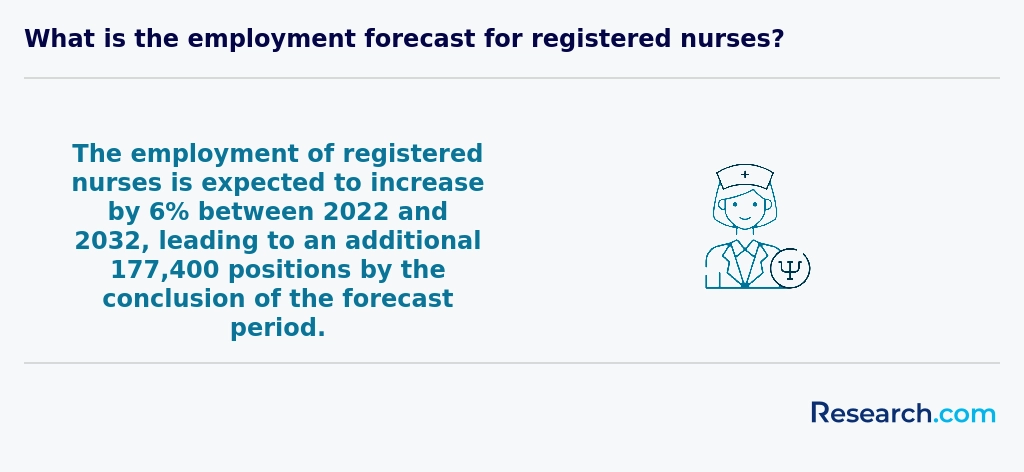
Before practicing as a nurse in Connecticut, graduates must obtain state licensure and pass the National Council Licensure Examination (NCLEX-RN). This process ensures public safety by verifying that nurses have the knowledge and skills to provide competent care. Licensure Steps:
- Education Verification: Submit official transcripts from an accredited nursing program to the Connecticut Department of Public Health (DPH).
- Background Check: Complete a state and federal criminal history records check, including fingerprinting through the DPH-approved vendor.
- NCLEX-RN Registration: Apply to Pearson VUE and pay the examination fee. After DPH approval, schedule and pass the NCLEX-RN.
- License Application: Upon passing the exam, apply online for the RN license via the DPH portal and pay the licensure fee. Continuing Education and Renewal:
- Renewal Cycle: Connecticut RNs renew every two years on odd-numbered birthdays.
- Continuing Education Units (CEUs): Complete at least 10 contact hours of DPH-approved continuing education per renewal period. Topics often include patient safety, ethics, and evidence-based practice. Advanced Certification: For RNs aiming to specialize or assume advanced practice roles, national certifications (e.g., CCRN for critical care or CPN for pediatrics) require:
- Meeting clinical practice hour thresholds.
- Passing specialty-specific certification exams.
- Engaging in periodic recertification through continuing education or clinical practice. Career Advancement Tip: Registered nurses seeking to enhance licensure flexibility and meet employer demand for BSN-prepared nurses can explore affordable online rn to bsn programs, which integrate NCLEX preparation with advanced coursework and flexible clinical placements.
Many nursing students in Connecticut find that federal financial aid forms the cornerstone of their funding journey. Applying through FAFSA allows students to access Pell Grants, which for the 2023-2024 year can provide up to $7,395 without the looming stress of repayment. Graduates from programs like the University of Connecticut's School of Nursing often recall how these grants eased their initial tuition burdens, giving them confidence to focus fully on their studies.
Beyond federal aid, state programs uniquely support nursing students. For instance, the Connecticut Health and Educational Facilities Authority offers scholarships and loan repayment programs that encourage graduates to serve in underserved communities. Students from institutions like Capital Community College have shared how such programs made advanced degrees feel attainable without overwhelming debt.
Many working nurses also benefit from employer-sponsored tuition assistance, especially those employed in Connecticut's healthcare facilities, lifting financial strain while gaining hands-on experience. Private scholarships from organizations such as the Connecticut Nurses Association further lighten the financial load, rewarding academic dedication and community service.
By combining these layered resources thoughtfully, nursing students in Connecticut can navigate costs with a clearer path and greater peace of mind.
Graduates of Connecticut nursing programs must obtain state licensure by passing the NCLEX-RN, a computer-adaptive exam designed to assess safe and effective entry-level practice. To maximize first-time pass rates, students should: 1. Enroll in dedicated review courses that align with the Connecticut Board of Nursing’s test plan, focusing on core areas such as pharmacology, medical-surgical nursing, pediatrics, maternal health, mental health, and geriatrics. 2. Leverage question-bank software that simulates the adaptive format and timing of the NCLEX-RN; aim for consistent performance above 85% in mixed-topic sets to build confidence. 3. Form study cohorts for peer teaching and feedback, pairing weaker and stronger students to reinforce critical thinking and test-taking strategies. 4. Schedule the exam strategically-apply online via the Connecticut Department of Public Health portal at least two months before graduation to secure preferred testing windows. 5. Supplement academic preparation by exploring advanced pathways-many licensed RNs accelerate their careers through rn to nurse practitioner programs, which often include built-in NCLEX-RN review modules and mentorship from seasoned clinicians. By combining structured review, adaptive practice, and timely application, Connecticut nursing graduates can streamline their transition from student to licensed professional.
Enrolling in a nursing degree program in Connecticut starts with a solid academic foundation-most successful students first complete their high school diploma or GED, excelling particularly in English, math, and science. Graduates from well-known institutions like the University of Connecticut often recall how mastering biology and chemistry early on helped them navigate more advanced nursing courses with confidence.
Entrance exams such as the TEAS are another critical step. Many nursing hopefuls have shared that preparing for and passing this test boosted their self-assurance, as it directly tested skills vital for nursing, including reading comprehension and math. Meeting the minimum score is key to securing a spot at schools like Quinnipiac University.
Beyond academics, practical requirements like background checks and proof of immunizations sharpen readiness for clinical work. Several alumni mention that fulfilling these prerequisites made them feel more prepared and responsible, stepping onto hospital floors with a stronger sense of purpose and patient safety.
Having prior healthcare experience-whether through CNA certification or volunteering-often sets candidates apart. As graduates reflect, this exposure not only improved their application but also eased the transition into hands-on nursing roles within Connecticut's healthcare system.

When considering a nursing degree in Connecticut, one of the crucial factors to evaluate is the cost of the program and the available financial assistance options. The cost of nursing programs can vary significantly, with Associate Degree in Nursing (ADN) programs ranging from $23,900 to $66,320 and Bachelor of Science in Nursing (BSN) programs costing between $89,556 and $211,392. To alleviate some of the financial burdens, prospective students can explore various financial aid options, such as scholarships, grants, and loans. For instance, those looking for most affordable nursing schools in Connecticut can find valuable information to make informed decisions about their educational investments. Understanding the cost considerations and available financial assistance is essential for nursing students in Connecticut to make informed decisions about their educational paths and career aspirations.
Nursing degrees in Connecticut consistently include courses that build both scientific knowledge and practical nursing skills essential for real-world care. Graduates from well-known programs, like those at the University of Connecticut, often recall the deep understanding gained from Anatomy and Physiology, which proved invaluable during their clinical rotations in busy hospital wards. Microbiology courses sharpened their awareness of infection control, a crucial skill when working with vulnerable patients.
Many students find Pharmacology eye-opening, as it teaches the correct use and impact of medications-an everyday reality in any healthcare setting. Nutrition and Health Assessment courses bring to life the importance of holistic care, especially during community health visits or pediatric check-ups within local clinics. Fundamentals of Nursing and specialized classes in Adult, Pediatric, and Mental Health Nursing prepare students to handle diverse patient needs confidently.
Learning about Leadership and Management empowers students to step into supervisory roles, often experienced firsthand during internships at Connecticut's hospitals. These courses together create a comprehensive foundation, helping students feel ready and inspired to enter nursing with compassion and expertise.
Nursing specializations in Connecticut reflect the state's diverse healthcare needs and offer pathways that graduates find both challenging and deeply rewarding. Many students at well-known institutions like the University of Connecticut pursue concentrations such as Family Nurse Practitioner, which prepares them to care for patients across all ages, or Psychiatric-Mental Health Nursing, addressing the urgent need for mental health support. These choices often stem from personal experiences during clinical rotations, where students discover a passion for pediatrics or emergency nursing in bustling hospital emergency departments.
Graduates frequently highlight how specializing helped them connect theory with real patients' lives, especially in programs known for their tailored tracks. For those seeking flexibility, exploring affordable online rn to bsn programs offers an accessible route to deepening expertise while balancing life commitments. Choosing the right focus not only aligns with personal goals but also taps into Connecticut nursing degree career options, setting the stage for a fulfilling and secure future in a profession that continually evolves to meet community needs.
Choosing the best nursing degree in Connecticut means weighing multiple factors that align with your personal goals and lifestyle. Graduates from well-known nursing colleges in the state often reflect on how selecting programs with strong clinical partnerships enriched their hands-on learning, making them confident and prepared for real healthcare settings. Programs offering a Bachelor of Science in Nursing (BSN) are especially valued, as many employers in Connecticut prefer this credential, which matches the national rise in demand for higher qualifications.
Cost considerations weigh heavily for many, with public institutions offering more affordable tuition compared to private schools. Yet, graduates frequently highlight the importance of checking for available scholarships or financial aid specific to nursing students, which can ease the burden of expenses at Connecticut's nursing schools. Accreditation by recognized bodies such as ACEN or CCNE ensures your degree is respected and meets licensing requirements.
Many students also find that flexibility in scheduling, including part-time and online options, helps balance work and study demands. For those exploring advanced options, looking at rn to nurse practitioner programs in the region provides a progressive career path. These combined insights can greatly assist in identifying affordable nursing schools in Connecticut that suit your journey and aspirations.
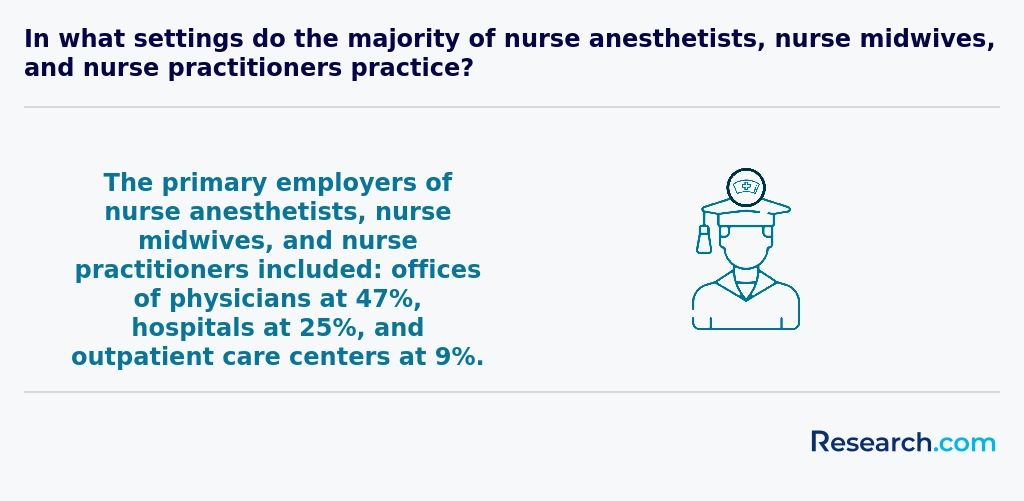
Graduates earning a nursing degree in Connecticut find themselves welcomed into a variety of fulfilling career paths. From hands-on roles as registered nurses working in esteemed hospitals and clinics near universities like the University of Connecticut to advanced positions such as nurse practitioners, the scope is broad and encouraging. Many graduates recall the satisfaction of providing direct patient care and the pride of joining a growing community addressing real healthcare needs.
Specializations like pediatrics, oncology, or geriatrics offer rewarding challenges, often pursued by those inspired during clinical rotations at well-known community colleges. These focused careers frequently require additional certifications but open doors to leadership and higher earning potential, reflecting the strong job prospects for nursing graduates Connecticut consistently reports.
Beyond clinical practice, nursing graduates engage in education, administration, and policy work, shaping future healthcare environments. Some find joy teaching aspiring nurses at local colleges, reflecting on their journey with hope and renewed purpose. For those concerned about costs, exploring options like the Inexpensive Online Nursing Degree Programs Ranking in the Northeast has helped many balance quality education with financial realities.
The nursing job outlook in Connecticut remains strong due to steady demand fueled by an aging population and expanding healthcare facilities. Graduates from well-regarded institutions like the University of Connecticut School of Nursing often share how their job searches quickly convert into offers, especially in urban centers such as Hartford and New Haven where hospitals seek skilled nurses urgently. This favorable climate offers a reassuring pathway for students investing in nursing degrees here.
Many Connecticut nursing degree employment opportunities extend beyond hospitals to outpatient clinics and long-term care facilities, creating diverse settings for practical experience. Graduates speak positively about the competitive wages they receive, frequently surpassing national averages, which stem from the state's healthcare priorities. This compensation encourages ongoing commitment to the profession and advanced practice roles.
Prospective students balancing cost and quality appreciate the variety of tuition options and financial aid available locally. For those considering accelerated learning paths, exploring 1 year master's programs online can also provide flexible routes to advanced credentials, enhancing career prospects within Connecticut's thriving nursing landscape.
2027 Most Valuable Nursing Degree Programs Ranking in Connecticut
Investing in your education is a significant decision that can shape your future, and the Research.com team is fully aware of the importance of making well-informed choices. To support prospective students in Connecticut, we have carefully developed the "2027 Most Valuable Nursing Degree Programs Ranking in Connecticut." Our dedication to quality, credibility, and accuracy is demonstrated through comprehensive research and thorough analysis.
We utilized the following reputable data sources to ensure a comprehensive evaluation of nursing programs:
By exploring this ranking, readers will gain valuable insights into the most valuable nursing degree programs in Connecticut, helping them make confident and informed decisions about their educational opportunities. For more details on how this ranking was created, please visit our Research.com methodology page.


# 18 position
Post University
Bachelor of Science in Nursing

# 19 position
Post University
Master of Science in Nursing

Frequently Asked Questions About nursing
Nursing students in Connecticut can enhance their learning by actively engaging in clinical rotations offered through accredited programs. Connecticut's healthcare facilities provide diverse settings, from urban hospitals to community clinics, allowing students practical experience with various patient populations. According to the Connecticut Board of Examiners for Nursing, hands-on practice is essential for success on the NCLEX-RN exam, which has a pass rate of approximately 88% for first-time testers in the state.
Joining professional nursing organizations like the Connecticut Nurses Association can increase networking and mentorship opportunities. Additionally, taking advantage of simulation labs improves clinical decision-making skills in a controlled environment. Balancing coursework with study groups and seeking faculty guidance also supports comprehensive learning in this demanding field.
The nursing field in Connecticut is expanding into several emerging niches that reflect both local healthcare needs and national trends. One growing area is gerontological nursing, driven by Connecticut's aging population, which is one of the oldest in the nation according to the U.S. Census Bureau.
Another key niche is telehealth nursing, which has rapidly developed due to increased demand for remote care. Nurses in this field provide patient support via technology, improving access in rural parts of the state.
Additionally, psychiatric-mental health nursing is gaining importance as Connecticut increases focus on addressing mental health issues with specialized care. Oncology nursing, especially in specialized cancer centers, also remains a vital growing sector.
After completing a nursing degree in Connecticut, preparing for the job market involves several key steps. First, obtaining licensure is essential; graduates must pass the NCLEX-RN exam to become registered nurses. Connecticut's Board of Examiners for Nursing provides detailed guidance on this process.
Next, gaining clinical experience through internships or residencies can improve employment prospects. Hospitals in Connecticut, such as Yale New Haven Hospital, often offer new graduate programs designed to ease the transition to professional practice.
Networking is also important; joining state associations like the Connecticut Nurses Association helps build professional connections. According to the Connecticut Department of Labor, registered nurses remain among the fastest-growing occupations in the state, indicating strong job opportunities.
Employers in Connecticut highly value nursing graduates who demonstrate strong clinical skills and effective patient care, crucial for the state's diverse healthcare settings. According to the Connecticut Nurses Association, proficiency in critical thinking and adaptability ranks among the top skills sought by healthcare employers.
Communication skills are also essential, as nurses regularly coordinate with patients, families, and interdisciplinary teams. The Connecticut Department of Public Health highlights that graduates with solid knowledge of electronic health records (EHR) software are in greater demand.
Additionally, cultural competency and the ability to provide compassionate care to Connecticut's varied communities improve employability. These skills ensure graduates meet state licensing requirements and perform well in hospitals, clinics, and long-term care facilities.
Finding internships in Connecticut for nursing students involves a strategic approach focused on local healthcare systems and educational partnerships. Many nursing programs in Connecticut require clinical hours, making affiliated hospitals and clinics key places to seek internships. Prominent institutions like Yale New Haven Hospital and Hartford Healthcare offer structured programs tailored for nursing students.
Students should consult their college's nursing department for guidance, as most schools maintain lists of approved clinical sites. Additionally, the Connecticut Nurses Association provides resources and networking opportunities that can connect students with internship openings.
According to the Connecticut Department of Labor, internships and clinical placements are often competitive, so early application is vital. Developing relationships with faculty and healthcare providers increases the likelihood of securing a valuable nursing internship.
In Connecticut, earning a nursing degree significantly enhances career mobility and advancement opportunities. Registered nurses (RNs) with a Bachelor of Science in Nursing (BSN) are in higher demand compared to those with only an associate degree, according to the Connecticut Department of Labor. Employers often prefer BSN-prepared nurses for leadership roles and specialized positions, which can lead to higher salaries and better job security.
The state's growing healthcare sector, fueled by an aging population, creates a strong need for advanced nursing skills. Nurses with degrees can pursue certifications in fields like geriatrics or pediatrics, improving their eligibility for promotions.
The Connecticut Center for Nursing Workforce highlights that nurses with higher education levels report more frequent career advancement within five years of employment.
Studying for a nursing degree in Connecticut equips students with essential skills to work effectively in interdisciplinary healthcare teams. Nursing programs in the state emphasize collaborative learning, where students interact with peers from fields like social work, pharmacy, and public health. This approach reflects the real-world healthcare environment, where coordination among professionals improves patient outcomes.
Connecticut nursing curricula often include clinical rotations in diverse settings, allowing students to engage with multidisciplinary teams. According to the Connecticut Department of Public Health, over 70% of nursing graduates participate in interdisciplinary experiences during their studies. These practical opportunities teach communication, critical thinking, and teamwork-key competencies for modern nursing roles.
When choosing between a thesis and a non-thesis nursing degree program in Connecticut, students should consider their career goals and learning preferences. Thesis programs emphasize research and critical analysis, ideal for those aiming for advanced roles in nursing education or academia.
Non-thesis programs focus more on practical skills and clinical experience, suiting students who plan to enter the workforce directly or pursue leadership roles in healthcare settings. Connecticut nursing schools, such as the University of Connecticut School of Nursing, offer both formats, reflecting current demands in the state's healthcare system.
According to the Connecticut Department of Public Health, the state expects a 15% rise in advanced nursing roles by 2030, influencing program availability. Understanding these trends helps prospective students align their choice with professional opportunities.
Students in Connecticut interested in studying nursing abroad have several opportunities through partnerships and exchange programs facilitated by U.S. universities. Many accredited nursing programs in Connecticut collaborate with institutions in countries like Ireland, Australia, and Canada, allowing students to complete clinical placements or semesters overseas.
These international experiences provide exposure to diverse healthcare systems and practices, which can enhance a graduate's global competency. The Connecticut Board of Nurse Examiners supports reciprocity agreements, easing the process of licensure for nurses trained abroad.
Additionally, students can explore programs approved by the Commission on Collegiate Nursing Education (CCNE) or Accreditation Commission for Education in Nursing (ACEN) to ensure credit transferability.
In Connecticut, nursing students seeking part-time jobs can find roles that enhance their education and practical skills. Common opportunities include positions as certified nursing assistants (CNAs), where students assist registered nurses and gain hands-on patient care experience. Many healthcare facilities in Connecticut, such as hospitals and nursing homes, offer part-time CNA roles suitable for students balancing study schedules.
Additionally, medical receptionist and patient care technician roles provide exposure to clinical environments and administrative tasks.
According to the Connecticut Department of Labor, healthcare employment grew by 5.1% from 2019 to 2023, reflecting expanding job prospects in these areas. These part-time roles help students develop critical skills like communication and time management, essential for nursing careers.
Nursing students in Connecticut have access to a variety of networking opportunities that can enhance their education and career prospects. Many universities and colleges host nursing clubs and student organizations where members can connect with peers and professionals.
The Connecticut Nurses Association (CNA) is a vital resource, offering statewide events, conferences, and workshops. These gatherings help students build relationships with practicing nurses and healthcare leaders.
Connecticut's hospitals and healthcare systems, such as Yale New Haven Health and Hartford HealthCare, often provide clinical rotations, internships, and job fairs. These experiences allow students to gain hands-on experience while expanding their professional networks.
Alumni networks play a significant role in supporting nursing degree students in Connecticut by fostering connections that can lead to job opportunities and mentorship. According to the Connecticut Center for Nursing Workforce, collaboration between former and current students improves access to clinical placements and professional development. These networks often provide exclusive workshops, career fairs, and informational sessions designed specifically for nursing professions.
Furthermore, alumni can offer guidance on licensing exams like the NCLEX-RN, which is crucial since Connecticut's pass rate consistently ranks near the national average. Access to an active alumni group helps students learn about local healthcare employers, including major hospital systems in cities like Hartford and New Haven.
Customizing a nursing degree program in Connecticut involves choosing courses and specializations that align with your career goals. Many state colleges and universities offer options such as registered nursing (RN), nurse practitioner (NP), and public health nursing tracks. You can select electives focused on geriatrics, pediatrics, or critical care to tailor your expertise.
Clinical placements are another way to customize experience, allowing you to work in diverse healthcare settings across Connecticut, from urban hospitals in Hartford to rural clinics. Additionally, some programs offer accelerated or part-time paths to fit varied schedules and career timelines.
The Connecticut Board of Examiners for Nursing provides up-to-date licensure requirements, helping you plan your academic and clinical goals effectively. According to the U.S. Bureau of Labor Statistics, nursing jobs in Connecticut are expected to grow 10% through 2031, supporting diverse specialization opportunities.
Nursing students in Connecticut face several common challenges during their education. One significant issue is the high cost of tuition and related expenses. According to the College Board, the average annual tuition for public four-year institutions in Connecticut exceeds $14,000, which can strain many students financially.
Another challenge is the competitive nature of clinical placement opportunities. With limited spots and high demand in healthcare facilities, students often struggle to secure quality hands-on experience, which is vital for their training.
Additionally, balancing rigorous coursework with clinical hours can be stressful. The Connecticut Center for Nursing Workforce reports that nursing programs demand extensive time commitments, leading many students to face burnout and time management difficulties.
With a nursing degree in Connecticut, graduates can pursue several professional certifications to advance their careers. Common certifications include the Registered Nurse (RN) license, required to practice nursing in the state. Many RNs seek additional credentials such as the Certified Nurse Practitioner (CNP), Clinical Nurse Specialist (CNS), or Certified Nurse Midwife (CNM), which require graduate-level education.
Specialty certifications are also popular, including Medical-Surgical Nursing (RN-BC), Pediatric Nursing (CPN), and Geriatric Nursing (RN-BC), offered through the American Nurses Credentialing Center. According to the Connecticut Board of Examiners for Nursing, the state supports ongoing professional development to meet evolving healthcare needs. These certifications improve employability and salary potential in Connecticut's growing healthcare sector.
Writing a winning application for a nursing program in Connecticut begins with thorough research. Applicants should review each program's requirements carefully, as schools like the University of Connecticut and Connecticut State Colleges vary in prerequisites.
Strong academic records matter; the average GPA for admitted nursing students in Connecticut is typically around 3.0 or higher. Highlighting relevant experience, such as healthcare volunteering or certifications like CNA, strengthens the application.
Personal statements must be clear and focused, explaining why you want to pursue nursing and how you plan to contribute to Connecticut's healthcare field, where nurses are in high demand according to the Connecticut Department of Labor.
Lastly, recommendations from professionals familiar with your skills can enhance credibility, completing a competitive application package that aligns with Connecticut's rigorous nursing education standards.
Nursing is recognized worldwide as a vital healthcare profession, and its value continues to grow. Globally, nurses are essential for improving health outcomes and managing public health challenges. In the United States, including Connecticut, demand for registered nurses is expected to grow 9% from 2020 to 2030, according to the U.S. Bureau of Labor Statistics.
Connecticut, specifically, boasts competitive nursing programs that align with international standards, preparing graduates for diverse healthcare environments. A nursing career thus offers local and global mobility, with many nurses participating in international health initiatives or working in multinational health organizations.
As healthcare becomes increasingly globalized, understanding different cultural and healthcare systems is vital. Connecticut nursing programs often include global health components to equip students with this perspective.
Students pursuing nursing degrees in Connecticut can gain practical experience through clinical rotations required by all accredited nursing programs. These rotations occur in hospitals, clinics, and long-term care facilities, allowing students to work alongside licensed nurses and apply classroom knowledge in real-world settings.
Many Connecticut schools also partner with regional healthcare providers such as Yale New Haven Health and Hartford HealthCare to offer diverse clinical placements. According to the Connecticut Board of Examiners for Nursing, clinical hours are essential for eligibility to take the NCLEX-RN licensure exam.
Additionally, some programs encourage or require internships and simulation labs that mimic clinical environments, enhancing hands-on skills safely before direct patient care.
Choosing the right concentration within a nursing degree program in Connecticut involves understanding both your career goals and the state's healthcare needs. Connecticut offers various specializations like pediatric, geriatric, and psychiatric nursing, reflecting local demand. The Connecticut Department of Public Health highlights a growing need for nurses skilled in elder care due to the state's aging population. Researching each concentration's job outlook and licensure requirements can clarify your options.
Connecticut's Board of Examiners for Nursing provides specific guidelines on credentials needed for advanced practice nurses, which differ by specialization. Additionally, consider your personal interests and strengths, as some fields require strong emotional resilience or technical expertise. Talking to current nursing students and professionals in Connecticut can also provide valuable insights.
- 2027 Most Valuable Online Nursing Degree Programs Ranking in New York
- 2027 Most Valuable Online Nursing Degree Programs Ranking in Massachusetts
- 2027 Most Valuable Online Nursing Degree Programs Ranking in New Jersey
- 2027 Most Valuable Online Nursing Degree Programs Ranking in Pennsylvania
- 2027 Most Valuable Online Nursing Degree Programs Ranking in Virginia
- 2027 Most Valuable Online Nursing Degree Programs Ranking in Ohio
- 2027 Most Valuable Online Nursing Degree Programs Ranking in Kentucky
- 2027 Most Valuable Online Nursing Degree Programs Ranking in North Carolina
- 2027 Most Valuable Online Nursing Degree Programs Ranking in South Carolina
- 2027 Most Valuable Online Nursing Degree Programs Ranking in Tennessee
See What Experts Have To Say About Studying Nursing
Read our interview with Nursing experts

Lisa Grubb
Nursing Expert
Assistant Professor
Johns Hopkins School of Nursing

- THE CONNECTICUT CENTER FOR NURSING WORKFORCE, INC. (CCNW) https://www.ctcenterfornursingworkforce.com/
- Nursing Jobs - Connecticut Nurses' Association Career Center https://careercenter.ctnurses.org/
- | NRR | Dove Medical Press https://www.dovepress.com/internship-challenges-encountered-by-nursing-students-a-qualitative-st-peer-reviewed-fulltext-article-NRR
- Scholarships and Award http://ctnursesfoundation.org/scholarships/
- Schools and Programs of Nursing in Connecticut https://ctnursingguide.com/schools
- Essential Tips for Nursing Students to Advance Their Careers https://almanaltraining.com/essential-tips-for-nursing-students-to-advance-their-careers/
- Nursing Jobs In Connecticut https://ctschoolnurses.nursingnetwork.com/nursing-jobs
- Medical University of GdaÅsk https://admission.mug.edu.pl/29318.html
- How to Choose a Nursing Program | All Nursing Schools https://www.allnursingschools.com/how-to-get-into-nursing-school/choose-the-right-school/
- What Nursing Concentration Is Right for Me? | Maryville Nursing https://nursing.maryville.edu/blog/what-nursing-concentration-is-right-for-me


