2027 Best Nursing Degree Programs Ranking in Columbia

Co-Founder and Chief Data Scientist
Choosing the right nursing degree program is an important step toward a fulfilling healthcare career. This article introduces the 2027 Best Nursing Degree Programs Ranking in Columbia, carefully compiled by the Research.com team of data scientists. Their rigorous analysis helps you identify which programs truly stand out.
Whether you're just starting your journey or seeking to advance your skills, understanding these rankings empowers you to make confident decisions. A nursing degree opens doors to meaningful work, personal growth, and the chance to make a real difference in people's lives.
Key benefits of getting nursing degree in Columbia
- Graduates with a nursing degree in Columbia can expect competitive salaries, such as $94,480 annually for Registered Nurses and Clinical Nurse Educators, while Operating Room Nurses earn even higher wages around $128,490.
- Career paths are diverse, with examples from popular Columbia universities showing alumni working in public health, emergency rooms, and specialized care, providing meaningful and rewarding job opportunities.
- Obtaining a nursing degree online offers flexibility and convenience, allowing students from Columbia to balance work and study effectively, while still gaining valuable skills recognized by employers.
- 2027 Best Nursing Degree Programs Ranking in Columbia
- What can I expect from nursing degree in Columbia?
- Where can I work with nursing degree in Columbia?
What can I expect from nursing degree in Columbia?
The average cost of earning a nursing degree in Columbia varies significantly depending on the institution. Public colleges offering Associate Degree in Nursing (ADN) programs typically charge lower tuition, around $5,000 to $10,000 for the full program. Graduates from these schools share that affordable tuition made balancing work and study feasible without overwhelming debt. In contrast, Bachelor of Science in Nursing (BSN) degrees at private universities in Columbia often run between $20,000 and $40,000 for the entire course load, which spans four years.
Many nursing students emphasize the value of financial aid and scholarships available through popular nursing colleges in Columbia, as these help reduce costs and ease financial pressure. For example, typical nursing students at state universities appreciate the lower tuition combined with comprehensive clinical rotations in nearby hospitals, where hands-on experience complements theory without added expenses.
When budgeting for nursing education in Columbia, consider both tuition and related costs like materials and licensing exam fees, all essential for graduating prepared and confident for a nursing career.
Where can I work with nursing degree in Columbia?
Graduates from nursing programs at popular Columbia institutions often begin their careers in hospitals, the largest employers for registered nurses. Imagine yourself providing critical care in an emergency room or supporting patients in surgical units-this hands-on experience builds confidence and expertise quickly.
Many graduates also find rewarding work in outpatient care centers, which focus on treatment without overnight stays. This setting allows nurses to support patients through diagnosis and rehabilitation while maintaining a balanced workflow.
Long-term care facilities, such as nursing homes, are a growing option in Columbia due to the aging population. Nurses here develop strong relationships with residents, managing chronic illnesses and enhancing daily quality of life. This role often brings emotional fulfillment by directly impacting community wellbeing.
Home healthcare nursing continues to expand, offering autonomy and close patient interaction. Nurses visit homes to provide essential medical services and health education, a path praised by graduates who appreciate flexible, patient-centered schedules.
Additional career paths include public health roles within state departments or schools, where you can lead disease prevention efforts or support student health. Correctional facilities also need skilled nurses, providing diverse experiences beyond traditional settings.
If you graduate with a nursing degree in Columbia, you can expect solid earning potential that reflects local demand and the strong programs offered by universities like the University of South Carolina and Midlands Technical College. Registered nurses typically earn around $94,480 annually, which aligns well with the state's healthcare landscape.
Graduates working as clinical nurse educators or public health nurses often see similar salary figures, around $94,480 per year. These roles are popular among Columbia graduates who want to combine patient care with teaching or community health.
For those seeking higher wages, specialization can make a big difference. Emergency room nurses earn about $94,480 annually, while operating room nurses stand out with substantially higher salaries nearing $128,490. Many Columbia graduates find positions in these units within local hospitals, feeling proud of their ability to both support critical care and command top wages.
Hands-on experience through clinical rotations at Columbia-area hospitals helps graduates transition smoothly into these roles, often with offers above entry-level expectations. This practical approach to education gives graduates confidence and clarity about their financial future right after school.
- Nursing programs in Columbia offer ADN and BSN degrees, with BSN increasingly preferred for advanced roles.
- Costs range from $8,000 to $20,000 per year at public schools, with additional expenses for books and uniforms.
- Starting salaries for registered nurses average between $58,000 and $62,000 annually, rising to $75,000-$85,000 for experienced nurses.
- There is a strong demand for nurses due to population growth and healthcare needs, leading to good job prospects after graduation.
- Passing the NCLEX-RN exam is required for licensure, and nurses must complete continuing education to maintain it.
Completing a nursing degree in Columbia depends largely on the program you choose and your personal schedule. Many students start with the Associate Degree in Nursing (ADN) offered by community colleges, finishing in about 2 to 3 years. Graduates often share that this path provides a quicker route to entering the workforce, especially for those balancing family or part-time jobs.
Alternatively, the Bachelor of Science in Nursing (BSN), available at Columbia's popular universities, typically takes around 4 years. Graduates highlight how the BSN's comprehensive curriculum-covering leadership and research-equips them for broader career opportunities and higher salaries. Those who already hold a degree might opt for accelerated BSN programs, which some local colleges offer in just 12 to 18 months, saving valuable time.
For nurses aiming for advanced roles, pursuing a Master of Science in Nursing (MSN) after a BSN usually adds about 2 years. Many graduates appreciate Colombia's flexible scheduling options here, allowing them to balance work while gaining specialized skills.
When considering a nursing degree in Columbia, MO, one of the most crucial factors to evaluate is the financial aspect. Prospective students should research the costs associated with different nursing programs, including tuition fees, living expenses, and any additional costs such as equipment or uniforms. Understanding these expenses can help students make informed decisions about their education and career paths. For instance, an affordable nursing school in Missouri can significantly reduce the financial burden, allowing students to focus on their studies rather than worrying about debt accumulation. Conversely, investing in a higher-priced program might offer unique opportunities or a prestigious reputation that could enhance future career prospects. By weighing these financial considerations, aspiring nurses in Columbia, MO, can choose a program that best fits their budget and goals, ultimately leading to a successful and fulfilling nursing career.
Choosing between online and on-campus nursing degrees in Columbia comes down to your lifestyle and learning preferences. Graduates from popular public universities in Columbia often praise on-campus programs for the face-to-face interaction with professors and peers, which creates a strong support network. These programs include hands-on lab work and scheduled classes, making them ideal if you thrive in structured environments.
On the other hand, online nursing students from well-known colleges appreciate the flexibility to complete coursework remotely, fitting studies around work or family commitments. They engage with video lectures and virtual simulations but still arrange local clinical hours, which can require some proactive planning. These graduates often highlight the convenience but note the need for self-discipline.
Regarding cost, attending public universities in Columbia typically means paying between $7,000 and $12,000 yearly in tuition, while private colleges might charge over $25,000. Online programs may save some living and commuting expenses but watch out for extra technology or placement fees. For example, graduates balancing jobs found the online path financially manageable, while those seeking connection valued on-campus investment.
Ensuring a nursing program is fully accredited and maintains strong NCLEX-RN pass rates is vital for licensure eligibility and employer confidence. In Columbia, MO, the University of Missouri’s BSN program holds CCNE accreditation with a consistent 92–95% first-time NCLEX-RN pass rate over the past five years. Columbia College’s nursing programs, accredited by ACEN, report an 88–91% pass rate, demonstrating rigorous preparation through evidence-based coursework and extensive simulation labs. Prospective students should verify each program’s accreditation status on official Commission on Collegiate Nursing Education or Accreditation Commission for Education in Nursing directories and review annual NCLEX results published by state boards of nursing. For those balancing cost and quality, it’s also worth exploring online alternatives; see our Low Cost Online Bachelor's in Nursing Degree Programs Ranking in Illinois to identify accredited, budget-friendly BSN pathways that deliver competitive licensure outcomes. By prioritizing accredited programs with high NCLEX success, students can maximize their return on investment and secure a seamless transition into the nursing profession.
The average nursing degree cost in Columbia varies significantly based on residency status and institution type. Graduates from popular universities in the state commonly report a median total cost of around $50,706 for the entire program if they are out-of-state students. In contrast, in-state students attending the same schools typically spend much less, with median total expenses near $14,837. These figures include tuition, fees, and other essential expenses incurred throughout the nursing program.
Many nursing students in Columbia recall budgeting carefully for additional costs such as textbooks, lab supplies, and uniforms required for hands-on clinical practice. These extra items often add up to a few hundred dollars annually but are necessary investments for success. Financially savvy students often remind incoming classmates that factoring in these details early helps avoid surprises.
A bachelor's degree program in nursing at well-known institutions in Columbia usually falls within these median total costs, helping students plan their finances realistically. Those pursuing an Associate Degree in Nursing (ADN) often report lower total expenses, making this a viable option for some. To maximize affordability, prospective students should explore financial aid options and scholarships available at many schools. Columbia offers a range of opportunities specifically tailored to nursing students, which can ease the financial burden.
For those weighing their options, investigating schools with strong reputations and reasonable tuition can make a big difference. For a comprehensive overview of options, consider checking out this affordable nursing school in Missouri to align your ambitions with smart budgeting.
For nursing graduates in Columbia, MO looking to elevate their career prospects, pursuing a Master of Science in Nursing (MSN) offers specialized roles such as nurse practitioner, clinical nurse specialist, or nurse educator. Online MSN programs combine advanced coursework in leadership, evidence-based practice, and healthcare policy with flexible scheduling, allowing you to balance work, family, and study. By selecting from our list of affordable online msn programs, you can minimize tuition costs while gaining the skills needed to assume higher-paying positions and leadership responsibilities. Graduates of MSN programs often report significant salary increases, with nurse practitioners earning median annual wages exceeding $120,000 and leadership roles commanding even higher compensation. In addition to financial benefits, advanced practice nurses gain autonomy in patient care, expanded prescriptive authority, and opportunities to influence healthcare delivery at organizational and policy levels. Many accredited online MSN pathways also include immersive clinical residencies in your local healthcare facilities, ensuring you meet licensure requirements and maintain strong professional networks in Columbia, MO. When evaluating online MSN options, consider factors such as accreditation by the Commission on Collegiate Nursing Education (CCNE), clinical placement support, NCLEX pass rates for advanced practice certifications, and the availability of specialties that align with your career goals. Financial aid, employer tuition reimbursement, and graduate assistantships can further offset costs, making an online MSN both accessible and valuable. Ultimately, investing in an affordable, high-quality MSN program positions you for leadership roles, higher earning potential, and the ability to shape the future of nursing practice.
When pursuing a nursing degree in Columbia, the first step is completing the FAFSA to access federal aid like Pell Grants, which can provide up to $7,395 annually. Many nursing students at popular schools such as Columbia State University have found these grants crucial for reducing their tuition burden without the worry of repayment.
Next, explore state-specific scholarships like those from the Columbia Nursing Student Scholarship Program. Graduates from Columbia Technical College often highlight how these awards made a real difference, easing financial stress while they focused on clinical practice and coursework.
Federal and state student loans with favorable terms are also available, often featuring income-based repayment plans that fit well with nursing careers starting salaries. Many students from Columbia Community College mention how these manageable loans allowed them to invest fully in their education.
Don't overlook professional nursing organizations and local hospitals. Students commonly secure scholarships or tuition reimbursements by committing to serve underserved communities, a win-win for career preparation and finances.
Lastly, work-study roles on campus or partnerships between nursing schools and employers can provide practical experience and more financial relief, helping students graduate with less debt and a stronger resume.
Nursing programs in Columbia emphasize real-world skills through guided clinical rotations and state-of-the-art simulation labs.
- Partnerships with University of Missouri Health Care, Columbia Regional Medical Center, and community clinics ensure exposure to diverse patient populations.
- Programs require 700–800 hours of supervised clinical rotations across medical-surgical, pediatric, psychiatric and obstetric units.
- On-campus simulation centers use high-fidelity manikins and standardized patient scenarios to refine assessment, critical thinking and teamwork.
- Interprofessional workshops with students from medicine, pharmacy and allied health strengthen communication and collaborative care.
For those exploring advanced practice roles like FNP, compare local training with specialized fnp programs in texas.
To enroll in a nursing degree program in Columbia, you first need a high school diploma or GED, ensuring you're ready for college-level classes. Graduates from universities like Columbia State University often recall how strong backgrounds in biology, chemistry, and math made early coursework more manageable and less stressful.
Most programs ask for college prerequisites such as human anatomy, physiology, chemistry, microbiology, nutrition, and introductory psychology. These classes build essential knowledge for clinical work and advanced studies. At Columbia Community College, for example, students highlight how mastering these subjects ahead of time boosted their confidence during clinical placements.
English proficiency is another key requirement. You might need to provide standardized test scores or complete English assessments to prove you can communicate effectively-something nursing graduates frequently credit with helping them excel in patient interactions.
Additional steps include letters of recommendation, personal statements, and interviews to showcase your motivation and professionalism. Background checks and health screenings, including immunizations, are also mandatory to meet clinical site standards across Columbia's nursing programs.

All nursing programs in Columbia, MO, are accredited by nationally recognized bodies to ensure rigorous standards and seamless licensure pathways. The University of Missouri’s BSN and MSN programs hold CCNE accreditation, while Columbia College’s ADN and RN-to-BSN tracks are accredited by the ACEN. Accreditation guarantees that curricula meet evidence-based practice benchmarks and that graduates are eligible to sit for the NCLEX-RN exam. In 2023, the University of Missouri reported a first-time NCLEX-RN pass rate of 92%, and Columbia College achieved an 89% pass rate, both exceeding national averages. These metrics reflect comprehensive faculty support, robust simulation labs, and strategic clinical placements across Boone Hospital Center and University Hospital. Successful NCLEX performance is just the first step toward a thriving nursing career. Many graduates take advantage of post-licensure certifications and bridge programs-whether to specialize in pediatrics, critical care, or advanced practice roles. For those aiming to accelerate their trajectory into nurse practitioner roles, you can explore our top 1-year fnp programs online, which offer an intensive curriculum designed for RNs ready to expand their scope of practice within one year. Continuous accreditation reviews and strong licensure outcomes in Columbia underscore the community’s commitment to high-quality nursing education and patient safety.
When enrolling in a nursing degree in Columbia, expect a structured curriculum starting with foundational courses like anatomy, physiology, microbiology, and chemistry. Graduates from popular universities such as the University of Columbia often recall how these science classes provided a crucial understanding of the human body, which made clinical work feel more intuitive and less overwhelming.
Specialized nursing courses follow, covering adult health nursing, pediatric care, maternal and newborn health, mental health, and community nursing. For example, students at Columbia State College share how studying community health nursing prepared them to engage with local wellness programs, making their education feel directly connected to real community needs.
Courses in nursing ethics, pharmacology, health assessment, and leadership round out the program, offering practical tools for diverse healthcare roles. Many students find leadership classes especially empowering, boosting their confidence to make critical decisions during clinical rotations that typically require 500 hours or more across hospitals and clinics in Columbia.
When exploring nursing degree specialization options in Columbia, students typically encounter focused tracks such as Adult-Gerontology Acute Care Nursing, Pediatric Nursing, Family Nurse Practitioner, Psychiatric-Mental Health Nursing, Women's Health Nursing, Emergency Nursing, and Oncology Nursing. These nursing specializations in Columbia programs allow graduates to align their careers with high-demand healthcare areas, like caring for elderly patients or supporting mental health services in local communities.
Graduates from popular colleges in Columbia often share practical experiences, such as how elective courses in Family Nurse Practitioner specialties opened doors to advanced clinical roles. Others highlight the value of pediatric rotations at well-known universities, emphasizing hands-on learning that builds confidence with children's care. For those weighing costs, it's useful to compare elective offerings and clinical opportunities across institutions.
For students aiming to deepen expertise, exploring a list of affordable online msn programs can help balance quality education and budget, especially for those interested in in-demand specialties.
Start by identifying which type of nursing degree fits your career goals in Columbia. Graduates from local institutions often highlight the advantages of pursuing a Bachelor of Science in Nursing (BSN) over an Associate Degree in Nursing (ADN) for better job opportunities and higher salaries. If your priority is a quicker route to work, an ADN might be appealing, but most employers in Columbia's growing healthcare sector prefer BSN graduates.
Next, verify the accreditation of programs offered by popular colleges in Columbia, ensuring they are recognized by bodies like ACEN or CCNE. Graduates frequently share that attending accredited schools improves their confidence going into the NCLEX-RN exam and helps secure positions with South Carolina healthcare providers.
Consider affordability and local clinical experiences to boost your practical skills. Community colleges here provide affordable options ranging from $4,000 to $15,000 annually, and many graduates appreciate the hands-on learning opportunities from nearby hospitals. For more flexible paths, explore the top 1-year fnp programs online that some also recommend for advancing their nursing careers.
Finally, assess program support such as tutoring and job placement, which many Columbia nursing schools emphasize, helping graduates transition confidently into the workforce and feel supported throughout their studies. These practical choices will guide you to the best nursing degree programs Columbia has to offer.
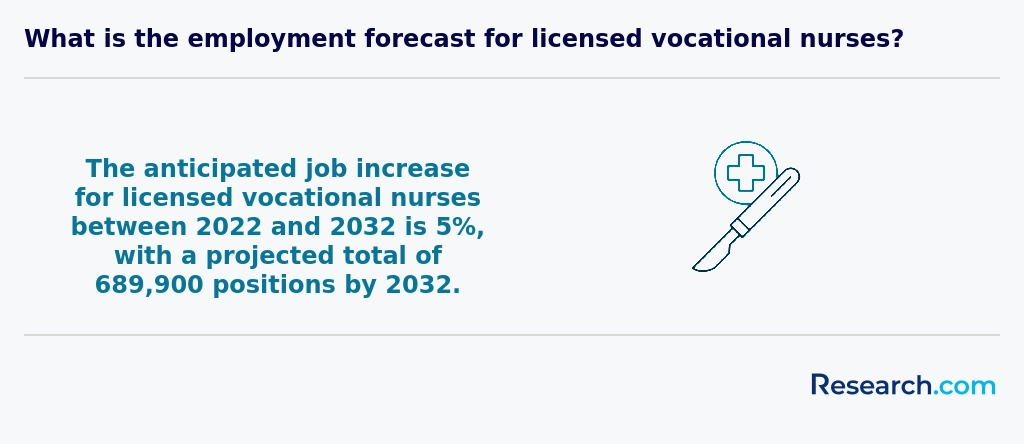
Graduates with a nursing degree in Columbia can expect a variety of viable career paths that match different interests and strengths. Many start as registered nurses in hospitals or community health centers, gaining practical experience managing patient care. Those seeking specialization often find roles such as Licensed Practical Nurse (LPN), Critical Care Nurse in ICU units, or Pediatric Nurse focusing on child health. Other paths include Gerontological Nursing for elder care and Public Health Nursing to work on community-based preventive care. This wide selection of jobs for nursing degree graduates Columbia provides supports both urban and rural healthcare needs effectively.
For those aiming higher, pursuing advanced degrees like a BSN or MSN opens doors to Nurse Practitioner or Nurse Educator positions, offering greater responsibility and autonomy. Graduates from popular Columbia colleges share how continuing education expanded their opportunities and boosted their income.
Given the varying tuition costs, students often seek financial support; exploring options like the Low Cost Online Bachelor's in Nursing Degree Programs Ranking in Illinois can be a practical step to manage education expenses.
Nursing graduates from popular Columbia institutions often find a vibrant job market waiting for them. The nursing job outlook in Columbia 2027 shows steady growth thanks to the city's role as a regional healthcare hub. Graduates frequently share experiences about how strong connections to nearby hospitals and clinics helped them secure positions quickly after completing their clinical internships. These local partnerships improve job readiness and offer real-world exposure, making candidates more attractive to employers.
Employment opportunities in Columbia nursing degree programs come with competitive salaries, with median registered nurse wages around $65,000 annually. This is encouraging for many students pursuing degrees from schools such as the University of South Carolina or Midlands Technical College, where practical training emphasizes local healthcare needs. Many graduates report that the combination of solid education and Columbia's healthcare demand made their job search less stressful and more successful.
When considering whether to invest in a nursing degree here, remember that tuition typically ranges from $20,000 to $35,000 at public universities. Addressing financial concerns early and planning for licensure can smooth the transition from student to professional. For those exploring later-life career changes, it's helpful to explore options like degrees for 60 year olds, ensuring nursing remains accessible to a broader range of individuals.
2027 Best Nursing Degree Programs Ranking in Columbia
Investing in your education is a significant decision that can shape your future, and the Research.com team understands the importance of making informed choices. To assist prospective students in Columbia, we have meticulously crafted the "2027 Best Nursing Degree Programs Ranking in Columbia." Our commitment to quality, credibility, and accuracy is reflected in the extensive research and analysis conducted to compile this ranking. We utilized the following reputable data sources to ensure a comprehensive evaluation of nursing programs:
By exploring this ranking, readers will gain valuable insights into the best nursing degree programs available in Columbia, helping them make informed decisions about their educational paths. For more details on our methodology, please visit our Research.com methodology page.


Frequently Asked Questions About nursing
Nursing degree students in Columbia can maximize their learning experience by actively engaging in clinical practice opportunities. Columbia offers partnerships with various healthcare facilities where students can gain hands-on experience, essential for developing practical skills. According to the National League for Nursing, students who complete more than 500 clinical hours tend to perform better in licensure exams.
Additionally, students should take advantage of simulation labs, which provide realistic patient-care scenarios without the risks of real-life practice. Consistent study groups and seeking mentorship from experienced nurses also enhance comprehension and professional growth.
Finally, staying updated with evidence-based nursing research through Columbia's academic libraries or online databases strengthens theoretical knowledge and critical thinking.
The nursing field in Columbia is evolving, with several emerging niches gaining attention. One notable area is geriatric nursing, driven by the aging population. According to the U.S. Census Bureau, the senior population in Columbia is expected to grow by 20% over the next decade, increasing demand for specialized care.
Another niche is telehealth nursing, which expanded rapidly during the COVID-19 pandemic. Nurses skilled in remote patient monitoring and digital communication are increasingly sought after by healthcare providers.
Additionally, pediatric nurse practitioners and psychiatric-mental health nursing are growing fields. These specialties address critical gaps in mental health and child care within Columbia's communities, supported by data from the Bureau of Labor Statistics showing above-average job growth rates.
After completing a nursing degree in Columbia, preparing for the job market involves several strategic steps. First, obtaining licensure through the National Council Licensure Examination (NCLEX-RN) is mandatory to practice as a registered nurse in the U.S. This exam ensures candidates meet standard competence requirements.
Networking is essential. Joining professional organizations such as the American Nurses Association (ANA) and attending local Columbia nursing events can connect graduates with employers and mentors.
Gaining clinical experience through internships or volunteer work in Columbia's healthcare facilities strengthens practical skills and boosts employability. According to the Bureau of Labor Statistics, registered nurses in South Carolina-where Columbia is located-have a median annual wage of approximately $67,000, reflecting steady demand.
Continuing education and certifications in specialties, such as pediatric or geriatric care, can increase job prospects in the competitive healthcare environment.
Employers in Columbia highly value nursing graduates who demonstrate strong clinical skills combined with effective communication abilities. According to the American Association of Colleges of Nursing (AACN), practical nursing competencies, such as patient assessment and care planning, are critical for success. Additionally, critical thinking and problem-solving skills are essential for managing complex medical situations. Emotional resilience and empathy are also frequently emphasized, reflecting the demanding nature of healthcare environments.
Furthermore, knowledge of electronic health records (EHR) and familiarity with healthcare technology enhance employability. Data from the Bureau of Labor Statistics shows that nurses proficient in these areas have better job prospects and higher earning potential in Columbia's healthcare sector.
Finding internships in Columbia related to nursing degrees involves several strategic steps. Start by consulting your college's career services office, as many nursing programs have established partnerships with local hospitals and clinics. Columbia is home to well-known healthcare facilities like Providence St. Peter Hospital and Kadlec Regional Medical Center, which often offer internship opportunities.
You can also explore the Washington State Center for Nursing, which provides valuable resources and data on nursing workforce needs in the region. According to the U.S. Bureau of Labor Statistics, health care internships improve practical skills and increase employment prospects post-graduation.
Networking with faculty, attending local healthcare job fairs, and checking online portals such as the National Student Nurses' Association can further connect you to internships relevant to your nursing studies.
In Columbia, earning a nursing degree significantly enhances career mobility and advancement opportunities within the healthcare sector. According to the Bureau of Labor Statistics (BLS), registered nurses with at least an associate degree can access a wider range of roles compared to those with only certification or diploma-level training.
Higher educational qualifications, such as a Bachelor of Science in Nursing (BSN), are increasingly preferred by employers across Columbia's hospitals and clinics. The American Association of Colleges of Nursing (AACN) notes that 75% of healthcare employers in the region prioritize BSN-prepared nurses for leadership and specialized clinical roles.
Furthermore, graduates with advanced degrees, like a Master of Science in Nursing (MSN), experience faster career progression into management, teaching, or advanced practice positions, including nurse practitioners. Columbia's Department of Labor projects a 15% growth in nursing roles requiring advanced certifications through 2030, underlining the value of formal education for long-term advancement.
Studying for a nursing degree in Columbia equips students with essential skills for interdisciplinary healthcare roles. Nursing programs emphasize collaboration with diverse healthcare professionals, including doctors, pharmacists, and social workers. This team-based approach reflects real-world settings, fostering communication and problem-solving skills.
Columbia nursing curricula often include courses in healthcare ethics, informatics, and leadership, preparing students to navigate complex systems alongside other disciplines. According to the National Council of State Boards of Nursing, over 60% of nurses in the U.S. engage in multidisciplinary teams, highlighting the demand for such training.
Additionally, clinical rotations in various specialties expose students to different healthcare environments, enhancing adaptability. These combined experiences ensure graduates can contribute effectively beyond traditional nursing roles, supporting holistic patient care.
Choosing between a thesis and a non-thesis nursing degree program in Columbia depends largely on your career goals and interests. A thesis program emphasizes research and academic writing, ideal for students aiming for doctoral studies or roles in nursing research and education. According to the National League for Nursing, about 35% of master's nursing students pursue thesis options to prepare for scholarly careers.
In contrast, non-thesis programs focus more on practical skills and clinical application, suited for nurses wanting direct patient care or leadership roles in healthcare settings. These programs often require fewer credits and may be completed faster, appealing to working professionals in Columbia. The American Association of Colleges of Nursing reports that non-thesis tracks have grown by nearly 20% over the last five years due to this demand.
It is important to consult with academic advisors at your chosen institutions and consider future licensing or certification requirements in Columbia to make a well-informed decision.
Students in Columbia looking to study nursing abroad have several pathways within the United States higher education system. Many opt for Bachelor of Science in Nursing (BSN) programs, which typically take four years to complete. According to the American Association of Colleges of Nursing (AACN), BSN graduates have higher employment rates and earn more than those with associate degrees. Columbia residents may also consider accelerated BSN programs if they hold a previous degree, allowing completion in about 12 to 18 months.
For advanced studies, Master of Science in Nursing (MSN) and Doctor of Nursing Practice (DNP) degrees are available, usually requiring two to four years. Numerous universities in the U.S. offer clinical placements and research opportunities that meet international standards, enhancing practical experience. Financial aid and scholarships are accessible to international students, but requirements vary by institution. The National Council of State Boards of Nursing (NCSBN) oversees licensing exams, which all nursing students must pass to practice professionally in the U.S.
Students pursuing nursing degrees in Columbia often seek part-time jobs that complement their education and build relevant skills. Common opportunities include roles as certified nursing assistants (CNAs), medical assistants, or home health aides. These positions offer hands-on patient care experience essential for nursing practice. According to the U.S. Bureau of Labor Statistics, CNAs in Columbia earn an average hourly wage of $14 to $17, providing financial support while studying. Additionally, some students find work in hospital volunteer programs or administrative roles, which help them understand healthcare environments and improve communication skills. Such jobs enhance both clinical and professional development.
Nursing students in Columbia have access to various networking opportunities essential for their professional growth. Many schools collaborate with local hospitals and clinics, allowing students to participate in clinical rotations where they meet practicing nurses and healthcare professionals.
Student organizations, such as the Student Nurses Association, provide forums for peer interaction and connections with industry experts. Columbia-area nursing programs often host career fairs and guest lectures featuring registered nurses and healthcare leaders.
According to the National Student Nurses' Association, approximately 60% of nursing students report that networking events helped them secure internships or job placements. These resources enhance students' chances of employment after graduation.
Alumni networks play a crucial role for nursing degree students in Columbia by connecting current students with experienced graduates. These networks offer mentorship, which helps students navigate clinical challenges and career decisions. According to the American Association of Colleges of Nursing, over 70% of nurses benefit from professional connections made through alumni associations.
In Columbia, nursing alumni often share job leads and provide references that can significantly enhance employment prospects. Alumni events and online platforms also facilitate knowledge exchange about emerging healthcare trends and licensure preparation.
Such networks enhance professional growth, which is vital in the competitive nursing field within the U.S. healthcare system.
Customizing a nursing degree program in Columbia allows students to align their education with specific career objectives. Many institutions offer elective courses and specialized tracks, such as pediatrics, gerontology, or mental health nursing. This flexibility lets students focus on areas of growing demand in Columbia's healthcare market. Clinical placements are another key option, with programs partnering with local hospitals and clinics to provide hands-on experience tailored to student interests.
Continuing education and certification opportunities also enable graduates to advance in specialty fields. According to the Columbia Board of Nursing, registered nurses who pursue specialty certifications can increase their earning potential by up to 15% on average.
Nursing students in Columbia face several challenges typical of rigorous healthcare programs across the United States. One significant obstacle is balancing demanding clinical rotations with academic coursework, which requires strong time-management skills. According to the National Student Nurses' Association, over 60% of nursing students report stress related to clinical experiences and performance anxiety during patient care.
Financial strain is another common issue. Tuition and associated costs for nursing programs in Columbia can be high, often requiring students to seek scholarships, grants, or part-time employment to manage expenses.
Additionally, students must keep up with rapidly evolving medical knowledge and technologies, necessitating continuous learning and adaptation.
With a nursing degree in Columbia, graduates can pursue several professional certifications to advance their careers. One common certification is the Registered Nurse (RN) license, which requires passing the NCLEX-RN exam. Obtaining this license allows nurses to practice professionally across the United States.
Advanced certifications include the Certified Nurse Practitioner (CNP) credentials, which cover specialty areas such as family practice, pediatrics, or adult-gerontology. Additionally, nurses may seek certifications like the Certified Clinical Nurse Specialist (CNS) or Certified Nurse Educator (CNE), which enhance expertise in clinical practice or education.
According to the American Nurses Credentialing Center (ANCC), nurses with specialized certifications often report higher salaries and greater job satisfaction.
To write a winning application for a nursing program in Columbia, start by highlighting your academic achievements, especially in science courses like biology and chemistry. Most nursing schools require a minimum GPA of 3.0 or higher, so ensure your transcript reflects strong performance.
Next, include a well-crafted personal statement that explains your motivation for nursing. Emphasize your commitment to patient care and community health, which are key priorities in Columbia's healthcare system.
Gain relevant experience through volunteering or working in healthcare settings to strengthen your application. According to the American Association of Colleges of Nursing, programs value hands-on experience that demonstrates practical skills and empathy.
Finally, secure strong letters of recommendation from teachers or healthcare professionals who can speak to your abilities and character. Some schools in Columbia also require passing the TEAS exam, so prepare thoroughly to increase your competitiveness.
The nursing profession continues to grow globally with strong demand for qualified nurses in many countries, including the United States. In Columbia, nursing degrees align closely with U.S. standards, preparing graduates for both local and international careers. According to the U.S. Bureau of Labor Statistics, nursing employment is expected to grow 9% from 2020 to 2030, faster than the average for all occupations.
Graduates from Columbia's nursing programs may benefit from the country's strong focus on clinical experience and accredited curricula, making them competitive for positions abroad. The global shortage of nurses, reported by the World Health Organization, emphasizes the importance of qualified professionals trained under recognized systems.
Nursing careers also offer diverse opportunities ranging from direct patient care to research and education in healthcare facilities, making it a flexible and internationally respected profession.
Gaining practical experience while studying for a nursing degree in Columbia is essential for developing clinical skills. Most nursing programs in Columbia integrate clinical rotations within their curriculum, allowing students to work directly in hospitals, clinics, and community health centers. These rotations typically begin in the second year and cover various specialties, such as pediatrics, medical-surgical nursing, and mental health.
Additionally, many students pursue internships or externships through local health organizations. The Columbia State Board of Nursing encourages hands-on learning to meet licensure requirements. According to the latest data from the National Council of State Boards of Nursing (2023), nursing students complete an average of 500 clinical hours during their education, helping bridge theory and practice effectively.
Choosing the right concentration within a nursing degree program in Columbia depends on your career goals and interests. Most programs offer specialties such as pediatrics, gerontology, psychiatric nursing, or community health. Consider the demand for nurses in each field; for example, the Bureau of Labor Statistics projects a 7% growth in registered nursing jobs by 2030, particularly in geriatric care due to an aging population.
Assess your strengths and preferences. Clinical experience in Columbia-area hospitals or clinics can help you understand daily responsibilities in each concentration. Additionally, check if your chosen program is accredited by the Commission on Collegiate Nursing Education (CCNE), ensuring quality education.
Research local job markets and certification requirements. For example, becoming a Nurse Practitioner often requires specific graduate programs and licensure aligned with state regulations.
- 2027 Best Nursing Degree Programs Ranking in Saint Louis
- 2027 Best Nursing Degree Programs Ranking in Kansas City
- 2027 Best Nursing Degree Programs Ranking in Peoria
- 2027 Best Nursing Degree Programs Ranking in Omaha
- 2027 Best Nursing Degree Programs Ranking in Lincoln
- 2027 Best Nursing Degree Programs Ranking in Chicago
- 2027 Best Nursing Degree Programs Ranking in Madison
- 2027 Best Nursing Degree Programs Ranking in Sioux City
- 2027 Best Nursing Degree Programs Ranking in Indianapolis
- 2027 Best Nursing Degree Programs Ranking in Louisville
See What Experts Have To Say About Studying Nursing
Read our interview with Nursing experts


- How Do Nurses Navigate Career Advancement? | NursingEducation https://nursingeducation.org/insights/career-advancement/
- Nursing Internships Abroad: An Introduction - RealStep https://www.real-step.com/en/articles/nursing-internships-abroad/
- School of Nursing Alumni Resources https://nursing.utmb.edu/About/Alumni
- Work-life balance | Careers Crossroads | RCN Careers Resources | Royal College of Nursing https://www.rcn.org.uk/Professional-Development/Your-career/Nurse/Career-Crossroads/Career-Ideas-and-Inspiration/work-life-balance
- Know more about thesis vs non- thesis: what is the difference? https://studyfans.com/en/blogs/816
- Essential Tips for Nursing Students to Advance Their Careers https://almanaltraining.com/essential-tips-for-nursing-students-to-advance-their-careers/
- Guide to Making a Career Change to Nursing https://teach.com/online-ed/healthcare-degrees/online-msn-programs/career-change-to-nursing/
- Study Nursing Abroad | Boomerang International Educational Services https://boomerangedu.com/study-nursing-abroad/
- Nursing Tuition Grant https://studentaidbc.ca/explore/grants-scholarships/nursing-tuition-grant
- | NRR | Dove Medical Press https://www.dovepress.com/internship-challenges-encountered-by-nursing-students-a-qualitative-st-peer-reviewed-fulltext-article-NRR