
2027 Best Online Bachelor's in Nursing Degree Programs Ranking in Texas

Co-Founder and Chief Data Scientist
Are you considering pursuing a nursing degree in Texas but unsure which online program is the best fit for you? This article introduces the 2027 Best Online Bachelor's in Nursing Degree Programs Ranking in Texas, created by the Research.com team of data scientists. It's designed to help you make an informed choice by highlighting top nursing degrees available online.
Choosing the right program is a crucial step toward a rewarding career in healthcare. Nursing offers meaningful work, job stability, and the chance to make a real difference. Reading this article will guide you toward programs that match your goals and lifestyle, ensuring your success.
Key benefits of getting online nursing degree in Texas
- Graduates with a nursing degree in Texas can expect strong earning potential, with Registered Nurses and Clinical Nurse Educators earning mean annual wages around $94,480, and Operating Room Nurses earning up to $128,490.
- Career paths for nursing graduates include roles such as Public Health Nurse, Emergency Room Nurse, and Clinical Nurse Educator, offering diverse and rewarding opportunities across healthcare settings.
- Online nursing degrees provide flexible schedules and the chance to balance work and study, making it easier for busy adults in Texas to advance their careers without sacrificing current job commitments.
- 2027 Best Online Bachelor's in Nursing Degree Programs Ranking in Texas
- What can I expect from online nursing degree in Texas?
- Where can I work with online nursing degree in Texas?
What can I expect from online nursing degree in Texas?
The average cost of an online nursing degree in Texas typically ranges from $7,000 to $20,000 for residents, especially when enrolling in public universities like the University of Texas system. Graduates often share how this affordability, combined with flexible schedules, allowed them to balance work, family, and study without overwhelming financial stress. For example, many students pursuing RN-to-BSN programs found that lower tuition rates made advancing their careers feel achievable and motivating.
Private institutions may charge higher fees, sometimes reaching $25,000 or more, but scholarships and financial aid can offset these costs significantly. Many nursing students appreciate how Texas colleges provide resources tailored to working professionals wanting to upskill without relocating or taking extended unpaid leave.
As online program popularity grows, some universities are exploring competency-based models, potentially reducing time spent and tuition fees further. Imagine completing coursework faster because you already master certain nursing skills, translating to less tuition paid. This evolving affordability combined with strong academic quality is fostering optimism among future Texas nurses eager to invest in their education without overwhelming debt.
Where can I work with online nursing degree in Texas?
Graduates from online nursing programs at popular Texas institutions often find themselves stepping into dynamic roles across the state's healthcare landscape. Imagine starting your career in bustling hospital settings in Houston or Austin, where you might be part of teams managing critical care or emergency departments. These roles not only challenge your clinical skills but also offer immense satisfaction as you make a tangible difference in patients' lives.
Many graduates also discover rewarding opportunities in community health, especially in rural Texas, where their presence as licensed RNs fills crucial gaps in medical access. Picture working closely with families in small towns, becoming a trusted healthcare advocate who provides education and preventive care.
Online nursing degree holders often advance into leadership or specialized roles, like case management or oncology, supported by additional certifications. Their training from Texas-based programs enables them to confidently contribute to quality improvement initiatives and patient advocacy, bringing fresh perspectives that healthcare facilities value deeply.
Graduates with an online nursing degree from well-known Texas universities such as the University of Texas at Arlington or Texas Woman's University often find themselves earning a competitive salary right from the start. Registered nurses in Texas typically earn around $94,480 annually, based on recent data, with many moving into specialized roles. For example, operating room nurses can expect to earn even higher wages, approximately $128,490 a year, reflecting the demand for advanced clinical skills.
Many graduates share how their online programs allowed them to balance work and study while increasing their earnings steadily. Clinical nurse educators and public health nurses also earn mean salaries near $94,480, showing diverse paths to financial stability. These roles are growing quickly in Texas healthcare, especially as population needs evolve.
With Texas' expanding healthcare systems, the potential for increased wages through specialization, certifications, and rural incentives adds to the appeal of pursuing an online nursing degree here. Graduates often describe a strong sense of achievement and optimism about their career prospects in vibrant cities like Houston and Dallas, where salaries can surpass state averages.
- Online nursing degrees in Texas offer flexible study options, with clinical hours completed in-person at approved healthcare facilities.
- In-state tuition for public online BSN programs ranges from $8,000 to $15,000, while private schools may charge over $20,000.
- Graduates have strong job prospects, with median registered nurse wages around $77,460 annually and entry-level salaries between $60,000 and $65,000.
- Texas expects faster-than-average growth in nursing jobs due to population increase and healthcare demand.
- Accredited programs (CCNE or ACEN) prepare students for NCLEX-RN licensing required to practice in Texas.
Online nursing degrees in Texas typically take between one and four years to complete, depending on the path chosen. Graduates from programs at well-known Texas universities often share that traditional BSN routes, which blend online coursework with local clinical hours, generally require about four years for those starting fresh. These students appreciate how clinical placements arranged near home provide a real-world connection that enhances their confidence and skills.
For practicing nurses enrolled in RN to BSN programs, completion times can be significantly shorter-often between 12 and 24 months. Many RN to BSN graduates highlight the satisfaction of balancing full-time work while progressing through accelerated online courses at respected Texas colleges. This flexibility nurtures a sense of achievement as they advance rapidly without pausing their careers.
Looking ahead, emerging trends in Texas suggest growing availability of accelerated options and hybrid models. These offer motivated learners the chance to finish faster by leveraging advanced credit transfers and more dynamic clinical scheduling, making the journey feel both challenging and rewarding.
When considering an online nursing program in Texas, affordability is a crucial factor. Understanding the costs and exploring financial aid options can make a significant difference in your educational journey. For those looking to minimize expenses, researching the cheapest nursing school in Texas can be a practical step. Many online nursing programs offer flexible payment plans, scholarships, and grants to help students manage their tuition fees. Additionally, some employers offer tuition reimbursement programs for nursing students, which can be a valuable perk. By weighing these factors and options, prospective students can make informed decisions about their online nursing education and set themselves up for success in their future careers.
Online nursing degrees in Texas offer remarkable flexibility that many graduates cherish, especially those balancing family or work commitments. For instance, a graduate from the University of Texas at Arlington found that completing lectures and assignments online allowed her to study around her nursing shifts, eliminating commute stress. In contrast, traditional on-campus programs at schools like Texas Woman's University provide immersive, face-to-face interactions that help students build strong peer networks and benefit from immediate access to campus simulation labs.
The in-person experience can feel more structured and supportive, often easing the learning curve for students who thrive on routine and direct faculty guidance. Meanwhile, online learners develop greater self-discipline and tech-savviness, preparing them for a healthcare environment increasingly reliant on digital tools.
Both formats require clinical practice in local healthcare settings, ensuring hands-on skills development. As Texas nursing programs become more innovative, hybrid models might blend the best of both worlds, responding dynamically to student lifestyles and the evolving demands of healthcare education.
Accreditation is the cornerstone of any reputable online nursing program in Texas. You’ll want to confirm that your chosen school holds CCNE (Commission on Collegiate Nursing Education) or ACEN (Accreditation Commission for Education in Nursing) recognition, as only graduates from accredited programs are eligible to sit for the NCLEX-RN exam administered by the Texas Board of Nursing. This exam is your gateway to professional practice, and schools often publish first-time pass rates-aim for programs boasting at least an 85% pass rate to maximize your chances of success. Once you’ve completed your coursework and clinical hours, you must apply for licensure through the Texas Board of Nursing. The process involves submitting official transcripts, proof of accreditation, and a criminal background check, followed by scheduling your NCLEX-RN at an approved testing center. Passing this exam grants you an RN license in Texas; if you plan to practice across multiple states, consider exploring the Nurse Licensure Compact (NLC), which expedites multistate licensure for qualified nurses. For prospective students comparing affordability alongside accreditation, be sure to review our rankings of cost-effective programs-especially if you’re interested in programs outside Texas, such as the Low Cost Online Nursing Degree Programs Ranking in Tennessee. By selecting an accredited school with strong NCLEX® outcomes and clear licensure support, you’ll build a solid foundation for a thriving nursing career.
The average cost of an online nursing degree in Texas generally aligns with median figures that reflect both in-state and out-of-state tuition expenses. For students enrolled in state universities, the median total cost hovers around $38,280, offering a relatively affordable pathway compared to the median out-of-state total cost, which can reach approximately $67,031. Private institutions and schools with enhanced facilities or specialty programs often fall into this higher range, yet many graduates recall feeling that the investment was worthwhile for the quality and flexibility these programs provided.
Those pursuing nursing degrees at well-known Texas colleges have noted the value of these programs, especially when balancing work and study. For instance, graduates from universities celebrated for strong online nursing programs frequently describe the experience of managing clinical placements while benefiting from lower tuition costs than traditional on-campus routes. This balance allows many to maintain financial stability while advancing their careers.
Given the Texas online nursing program tuition fees, some students are encouraged to explore financial aid, scholarships, or employer tuition assistance early on to reduce out-of-pocket expenses. Additionally, those interested in the cheapest nursing school in Texas often find it rewarding to compare options broadly, considering both cost and program strength.
Looking ahead, trends suggest costs may fluctuate with the adoption of new learning technologies and increasing access to online clinical training, potentially lowering overall expenses. Many students envision a future where affordable, high-quality nursing education becomes even more accessible in Texas, fueling both career growth and personal fulfillment.
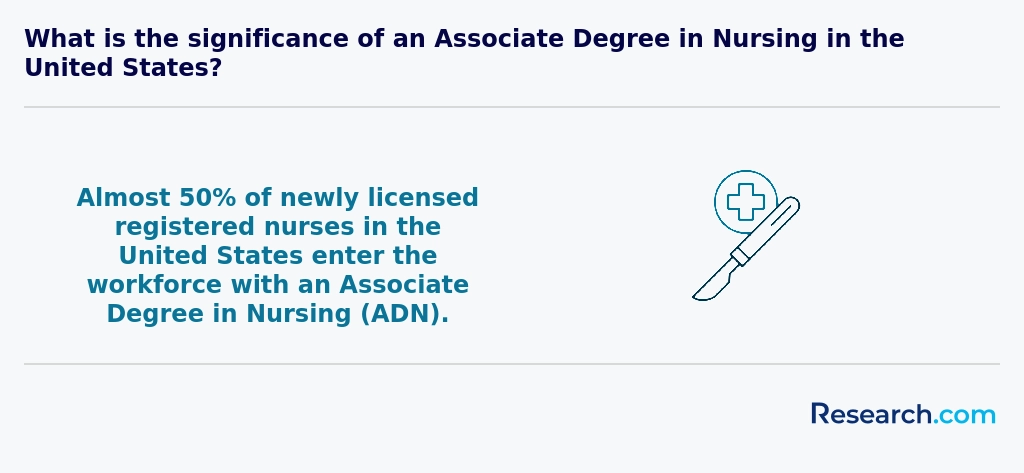
One of the most critical indicators of a nursing program’s quality is its NCLEX-RN pass rate. In Texas, accredited online Bachelor’s in Nursing programs often report first-time pass rates between 85% and 98%, reflecting the effectiveness of their curricula and licensure preparation. High pass rates not only demonstrate rigorous academic standards but also reassure prospective students that they’ll be well-equipped for real-world nursing practice. To maximize your chances of success on the NCLEX-RN, look for programs that offer:
- Dedicated review courses: Comprehensive NCLEX prep modules covering pharmacology, health assessment, and clinical decision-making.
- Simulation labs: Virtual patient scenarios and interactive case studies designed to mirror exam-style questions.
- Faculty-led workshops: Regular Q&A sessions with experienced nurse educators to address knowledge gaps.
- Performance analytics: Detailed feedback on practice exams to help you identify strengths and target areas for improvement. Graduates frequently credit structured study plans and access to practice question banks for boosting their confidence. One alumna shared, “The weekly NCLEX workshops made it easy to track my progress; I went into the exam feeling prepared rather than anxious.” Additionally, many programs facilitate connections with state board resources, ensuring students understand exam logistics, registration deadlines, and licensure requirements specific to Texas. For non-nurses considering an accelerated route to advanced practice, it’s worth exploring online direct entry msn programs for non-nursing majors. These programs often include NCLEX-RN preparation as part of their curriculum, giving career changers the same strong foundation as traditional nursing students. By choosing a program with transparent NCLEX-RN outcomes and robust exam support, you’ll not only meet licensure requirements but also position yourself for a successful and confident start in your nursing career.
Students pursuing online nursing degrees in Texas often tap into federal aid by completing the FAFSA, unlocking access to Pell Grants that can provide up to $7,395 annually without repayment. Imagine a nursing student at the University of Texas leveraging this grant to lighten tuition costs while balancing work and study.
State programs like the Texas Workforce Commission's Nursing Shortage Reduction Program offer grants and forgivable loans, directly supporting those attending community colleges or stepping into university programs. A graduate from Texas A&M might reflect on how such funding eased their path through an intensive curriculum.
Institutional scholarships at schools like Texas Tech University reward merit and community commitment, sometimes awarding over $10,000 yearly. These awards inject hope and validation into students juggling family and career obligations.
Many nursing students also benefit emotionally and financially from employer tuition assistance, especially those employed by Texas healthcare providers who recognize the value of supporting their staff's education, turning dreams of advancement into reality.
Professional nursing associations in Texas add another layer of financial support, their scholarships often serving as crucial lifelines for aspiring nurses dedicated to making a difference in their communities.
Accreditation assures program quality and eligibility for NCLEX-RN licensure with the Texas Board of Nursing. When evaluating online BSN options:
- Confirm CCNE or ACEN accreditation to meet national standards.
- Verify Texas Board of Nursing approval for in-state licensure eligibility.
- Review first-time NCLEX-RN pass rates-higher rates signal robust preparation.
- Assess clinical placement support in Texas hospitals or clinics.
Choosing accredited, board-approved programs ensures a smooth path to licensure and practice, while weighing affordability through our list of cheapest online nursing programs.
Enrolling in an online nursing degree in Texas often starts with meeting clear academic prerequisites that set students up for success. Graduates from popular programs at institutions like the University of Texas or Texas Tech University recall beginning with foundational courses such as human anatomy, biology, chemistry, and psychology. These essentials ensure readiness for more advanced nursing classes. Students commonly share a sense of accomplishment after passing the TEAS exam, which tests skills in reading, math, science, and English-crucial foundations for nursing studies.
Many find the process encouraging, knowing that maintaining a minimum GPA around 2.5 to 3.0 reflects both dedication and capability. Background checks and, occasionally, drug screenings add a layer of responsibility that students understand as vital for clinical placements and licensing requirements in the state of Texas.
Those advancing from LVN or RN licenses appreciate bridge programs that recognize their practical experience, allowing them to feel valued and motivated. Affordability is another consideration; graduates often recount carefully planning finances, knowing that annual tuition in Texas public institutions ranges between $7,000 and $10,000. This transparency helps students feel prepared and confident in their educational journey.

As you consider advancing beyond your BSN, the Doctor of Nursing Practice (DNP) represents the pinnacle of clinical nursing education, equipping you for leadership, policy development, and specialized practice. Many Texas nursing graduates leverage their online BSN experience to streamline admission into DNP tracks that build on previous coursework and clinical hours. Most BSN-to-DNP programs require:
- A valid RN license in good standing within your state
- A minimum GPA (often 3.0 or higher on a 4.0 scale)
- Clinical practice hours (ranging from 500 to 1,000, depending on specialization)
- Prerequisite coursework in statistics, evidence-based practice, and health informatics Online DNP programs offer flexible formats-fully asynchronous didactic modules paired with local clinical preceptors-so you can balance work, family, and study. For those seeking accelerated entry points or lower residency requirements, consider exploring our curated list of easiest online dnp programs. These programs are selected for their streamlined application processes, generous transfer policies, and robust student support systems. Upon completion of a DNP, you’ll qualify for advanced practice roles like Nurse Practitioner, Clinical Nurse Specialist, or Nurse Executive. DNP graduates lead multidisciplinary teams, implement quality-improvement initiatives in hospitals, and influence healthcare policy at the state and national levels. By mapping out your BSN-to-DNP pathway early, you can optimize clinical placements and scholarship opportunities-paving the way for a transformative career at the forefront of nursing innovation.
Courses in online nursing degrees in Texas often blend foundational knowledge with practical skills, carefully designed to prepare students for real-world healthcare challenges. Graduates from popular programs at universities such as the University of Texas at Arlington share how courses like Human Anatomy and Physiology helped them visualize body systems during clinical rotations, turning complex diagrams into clear, understandable concepts.
Core classes like Microbiology create a strong awareness of infection control, essential when working in bustling Texas hospitals. Others highlight the importance of Pharmacology, where students learn medication management through interactive case studies that simulate actual patient scenarios.
Many find the Health Assessment course invaluable, as it teaches them to conduct patient exams confidently, echoing experiences shared by graduates from Texas A&M College of Nursing who appreciated the mix of virtual training and required hands-on clinical hours.
Innovative courses on Leadership and Management prepare future nurses for supervisory roles, fostering the confidence needed to guide teams in dynamic healthcare settings across Texas. These programs emphasize hands-on knowledge while adapting to emerging healthcare trends in a state with growing demand for skilled nurses.
Online nursing specializations Texas programs often include areas that address both immediate community needs and emerging healthcare trends. Graduates from institutions like the University of Texas System share how specializing in Family Nurse Practitioner roles has empowered them to serve rural primary care clinics, feeling a deep sense of fulfillment supporting underserved populations. Others focusing on Psychiatric-Mental Health Nurse Practitioner pathways appreciate being equipped to tackle rising mental health challenges across Texas, finding their studies both timely and rewarding in real-world impact.
Texas nursing degree focus areas also reflect the shifting demographics, with Adult-Gerontology Acute Care Nurse Practitioner tracks growing in popularity as nurses prepare to meet the needs of an aging population. Many learners at Texas A&M University System describe how diving into Healthcare Leadership and Administration online helped them transition from bedside roles to influential leadership positions, boosting their confidence and career prospects.
As these specializations continue evolving, students seeking the easiest online dnp programs in Texas benefit from flexible, affordable options tailored to future workforce demands and personal ambitions.
Choosing the best online nursing degree in Texas means looking beyond current offerings and imagining programs that adapt to your lifestyle and career ambitions. Graduates from popular Texas universities often share how flexible schedules and well-structured clinical placements helped them balance work and family while gaining hands-on experience. Accredited programs recognized by the Texas Board of Nursing ensure eligibility for the NCLEX-RN exam, a vital credential for any aspiring nurse in the state.
Many students now seek affordable online nursing degrees Texas residents can access without compromising quality. For example, some universities provide competitive tuition paired with cutting-edge virtual simulations, preparing students for real-world challenges. Specializations like pediatrics or gerontology open doors to exciting future roles.
Emerging trends include accelerated pathways and tailored curricula. Those curious about advancing quickly may explore online direct entry msn programs for non-nursing majors offered in Texas, designed to fast-track capable individuals into nursing careers. Such innovations reflect how the best online nursing programs Texas offers continue evolving alongside healthcare needs.
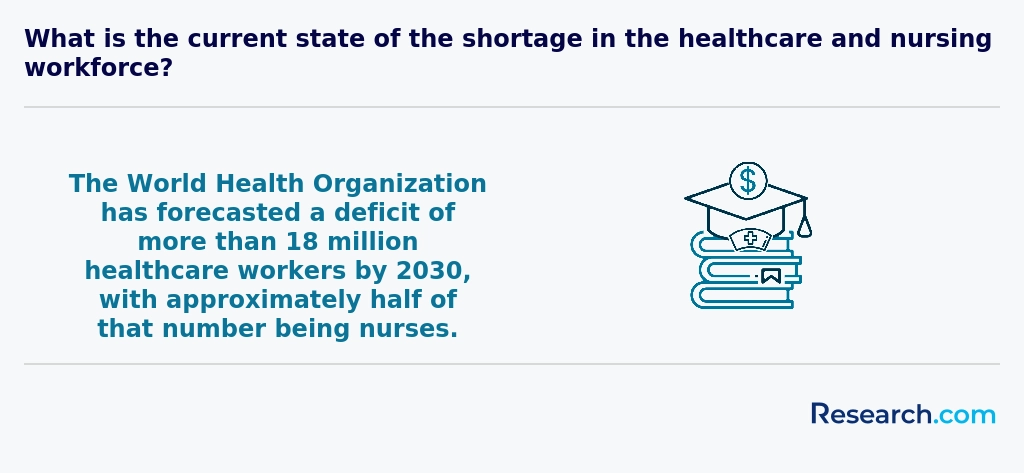
Graduates of an online nursing degree in Texas open paths to a variety of dynamic roles tailored to the state's evolving healthcare demands. Many alumni from popular universities report stepping confidently into roles as Registered Nurses (RNs) within bustling hospital systems or clinics where their BSN credentials, earned remotely, allow them to balance work and study. Others pursue advanced practice roles like Nurse Practitioners, blending clinical expertise with patient-centered decision-making that addresses Texas's diverse communities.
Certain graduates have shared their inspiring journeys toward becoming Clinical Nurse Specialists or Nurse Educators, often drawn by the opportunity to impact future nurses and improve healthcare outcomes statewide. The Texas nursing degree job opportunities extend beyond patient care-graduates also thrive as Healthcare Administrators, steering organizations through the complex healthcare landscape with their hybrid clinical and leadership skills. The increasing availability of specializations means that students appreciating the flexible format often extend their expertise into nurse anesthetist or informaticist roles, anticipating future healthcare innovations.
Online nursing students from institutions such as the University of Texas and Texas Tech benefit from programs aligning with Texas's robust licensure requirements, patiently preparing them for the NCLEX-RN exam and beyond. For a comprehensive overview of affordable online pathways that support these career ambitions, one can explore the Low Cost Online Nursing Degree Programs Ranking in Tennessee, which offers insights relevant to Texas students seeking economical routes without compromising quality education.
The online nursing job outlook Texas shows a promising upward trend, especially for graduates from programs offered by popular institutions such as the University of Texas at Austin and Texas Tech University Health Sciences Center. Many graduates share stories of quickly securing roles in busy hospitals across Dallas and Houston, where demand for BSN-prepared nurses continues to rise. This growth is fueled by increasing healthcare needs in the state, alongside preferences from employers for nurses with advanced skills gained through online BSN degrees.
Texas nursing degree employment opportunities expand beyond hospital settings, including outpatient clinics and home health services. Graduates often describe how their online studies equipped them with critical thinking and leadership skills, which helped them stand out to hiring managers. Competitive salaries in urban areas encourage nurses to pursue specialized roles, offering both career growth and financial improvement. Students interested in flexible, affordable education can explore online programs costing between $7,000 and $15,000 annually, making this path accessible and appealing. For more options in related fields, consider the list of trade school careers.
2027 Best Online Bachelor's in Nursing Degree Programs Ranking in Texas
Investing in your education is a significant decision that can shape your future, and the Research.com team fully recognizes the importance of making informed choices. To assist prospective students interested in nursing, we have meticulously developed the "2027 Best Online Bachelor's in Nursing Degree Programs Ranking in Texas." Our dedication to quality, credibility, and accuracy is evident through the thorough research and analysis that underpin this ranking.
We utilized the following reputable data sources to ensure a comprehensive evaluation of nursing programs:
By exploring this ranking, readers will gain valuable insights into the top online nursing degree programs in Texas, empowering them to make confident and well-informed decisions about their educational journeys. For more details on how this ranking was created, please visit our Research.com methodology page.


Frequently Asked Questions About nursing
Online nursing degree students in Texas can maximize their learning by actively engaging with academic resources and clinical opportunities. Texas requires nursing students to complete hands-on clinical hours, often arranged locally through partnerships between schools and healthcare providers. Taking advantage of these connections ensures practical experience critical for licensure.
Effective time management and disciplined study routines help balance coursework and clinical practice, as many programs follow the Texas Board of Nursing's standards. Utilizing online discussion forums and virtual study groups promotes peer interaction, which enhances understanding.
According to the Texas Center for Nursing Workforce Studies, nursing jobs are growing at 15% statewide, highlighting the importance of strong preparation. Students should explore tutoring and academic advising offered by their institutions to strengthen knowledge and skills.
The nursing field in Texas is rapidly evolving, with several emerging niches reflecting broader healthcare trends. One growth area is **telehealth nursing**, boosted by expanded remote care during the COVID-19 pandemic. Texas patients increasingly rely on virtual health services, creating demand for nurses skilled in digital communication and remote patient monitoring.
Another rising specialty is **gerontological nursing**, driven by Texas's aging population. The Texas Demographic Center predicts individuals over 65 will comprise nearly 17% of the state's population by 2030, increasing the need for nurses trained in elder care and chronic disease management.
Additionally, **informatics nursing** is growing as healthcare systems adopt electronic health records statewide, including Texas hospitals. Nurses who can manage clinical data to improve patient outcomes are highly sought after.
These niches highlight opportunities for online nursing degree students to tailor their education to Texas's healthcare demands.
After earning an online nursing degree in Texas, preparing for the job market involves several strategic steps. First, obtaining Texas Board of Nursing licensure is essential; graduates must pass the NCLEX-RN exam, required for all registered nurses in the state.
Networking plays a key role. Joining professional organizations like the Texas Nurses Association provides access to job listings, mentorship, and continuing education opportunities. Additionally, creating a strong resume that highlights clinical experiences-even those completed virtually-is crucial.
Texas has over 300,000 RNs as of recent reports from the Texas Workforce Commission, indicating a competitive but growing market. Gain practical skills through internships, volunteer work, or simulations available through some online programs to enhance employability.
Staying current with healthcare technology and state regulations will improve job prospects and adaptability in Texas's evolving nursing environment.
Employers in Texas seek nursing graduates who demonstrate strong clinical skills and critical thinking. According to the Texas Board of Nursing, competence in patient care, medication administration, and health assessment ranks highly. Effective communication is also vital, as nurses must collaborate with diverse healthcare teams and patients.
Time management and adaptability are important due to the fast-paced nature of Texas hospitals and clinics. The Bureau of Labor Statistics notes that registered nurses in Texas must handle an average patient load efficiently without compromising care quality.
Additionally, cultural sensitivity is essential in Texas's diverse population to provide respectful, patient-centered care.
Finding nursing internships in Texas often begins with utilizing resources offered by online nursing programs. Many accredited schools maintain partnerships with Texas hospitals, clinics, and health systems to place students in clinical rotations and internships. The Texas Board of Nursing requires practical experience for licensure, making internships essential.
Students can also explore opportunities through the Texas Nurses Association, which provides networking and career resources. Additionally, Texas Health and Human Services and large healthcare providers like Baylor Scott & White Health frequently offer internship programs designed for nursing students.
Research at Texas Workforce Commission shows increasing demand for nurses, emphasizing the importance of hands-on experience through internships to improve employability.
Applying early and preparing a strong resume helps secure these competitive positions. Online programs often assist with this process to ensure compliance with Texas clinical hour requirements.
Obtaining an online nursing degree in Texas can significantly impact career mobility and advancement. The Texas Board of Nursing recognizes online programs that meet state standards, allowing graduates to qualify for licensure exams just as traditional students do.
Online degrees offer flexibility for working nurses to continue their education without relocating or interrupting their careers. According to the Texas Workforce Commission, registered nurses in Texas see a 15% higher earning potential with a Bachelor of Science in Nursing (BSN) compared to those with only an associate degree.
Advanced degrees open opportunities in leadership, specialized clinical roles, and education. With Texas's growing healthcare demand, online degree holders can access positions in hospitals, clinics, and public health organizations statewide.
Studying for a nursing degree in Texas equips students to work effectively in interdisciplinary healthcare teams. Texas nursing programs emphasize collaboration with doctors, therapists, and social workers, reflecting the integrated nature of modern healthcare.
Online nursing degrees in Texas often include coursework on communication, leadership, and healthcare ethics, preparing students to coordinate care across different professions. These programs also focus on evidence-based practice, a key skill for contributing to team decisions.
According to the Texas Board of Nursing, around 60% of nursing programs incorporate interprofessional education experiences. This prepares graduates for collaborative roles required in hospitals and community health settings across the state.
When choosing between a thesis and a non-thesis nursing degree program in Texas, consider your career goals. Thesis programs typically suit students interested in research or pursuing graduate studies, offering experience in scholarly inquiry. Non-thesis options often focus on practical skills and clinical practice, ideal for those aiming to enter nursing roles directly.
The Texas Higher Education Coordinating Board provides data showing that nearly 60% of online nursing students opt for non-thesis programs due to their faster completion times. Institutions like Texas A&M and the University of Texas offer both formats, allowing flexibility.
Understanding Texas Board of Nursing requirements and your professional aims will guide your decision effectively.
Students based in Texas interested in studying nursing abroad face limited options due to the specific accreditation requirements for nursing programs in the United States. Most Texas nursing boards require degrees from programs accredited by the Commission on Collegiate Nursing Education (CCNE) or the Accreditation Commission for Education in Nursing (ACEN). Many international nursing programs may not meet these standards, which can affect licensure eligibility in Texas.
However, some Texas universities offer online nursing degrees with international clinical experiences or partnerships with global health organizations. These programs provide opportunities to gain global nursing perspectives while complying with Texas Board of Nursing requirements. According to the Texas Board of Nursing, over 100,000 nurses practice statewide, reflecting strong demand for graduates from accredited, recognized programs. Prospective students should carefully verify program accreditation and licensure pathways before considering studying nursing abroad.
Part-time job opportunities that complement nursing degree education in Texas often include roles in healthcare support and patient services. Common options are certified nursing assistant (CNA) positions, medical scribing, and home health aide roles. These jobs provide hands-on experience and improve clinical skills crucial for nursing students.
According to the Texas Health and Human Services, CNAs earn an average hourly wage of $13 to $16, making it a practical choice for students balancing education and work.
Medical scribes help nurses and doctors by documenting patient information, offering insight into clinical workflows without requiring advanced licensure.
Home health aides assist patients in daily activities and develop communication and caregiving skills applicable to nursing practice.
Online nursing students in Texas have several networking opportunities that help them connect with peers and professionals despite the distance learning format. Many Texas universities offering online nursing degrees provide virtual nursing clubs and study groups where students collaborate and share resources.
The Texas Nurses Association (TNA) is a significant resource; it offers both local events and online forums for students and working nurses to network and advance their careers. Additionally, regional simulation labs and clinical partnerships enable online students to engage with healthcare professionals in person during their supervised training.
Statistics from the Texas Board of Nursing highlight that nearly 50,000 registered nurses in the state participate in such professional organizations annually, illustrating the value of these connections for job placement and career growth.
Alumni networks offer significant advantages to online nursing degree students in Texas by fostering professional connections and career growth. Graduates can access mentorship from experienced nurses who understand local healthcare challenges and opportunities. This guidance is especially valuable in Texas, where nursing demand is projected to grow by 14% through 2028, according to the Texas Workforce Commission.
These networks often provide exclusive job postings and continuing education resources tailored to the Texas healthcare system. Membership can enhance licensure exam success by sharing state-specific tips and study strategies. Additionally, alumni events, both virtual and in-person, help students build relationships that facilitate collaboration, leadership, and employment in highly competitive Texas nursing markets like Houston and Dallas.
Students pursuing an online nursing degree in Texas can customize their programs by selecting electives and specializations that align with their career goals. Many Texas institutions offer focus areas such as pediatrics, gerontology, or mental health nursing. This flexibility allows students to tailor their education to meet workforce demands within Texas, where the Texas Board of Nursing reports over 290,000 licensed registered nurses as of 2023.
Clinical practicum placements are often coordinated near students' locations, enabling hands-on experience in preferred healthcare settings. Additionally, accelerated tracks and RN-to-BSN options accommodate working professionals seeking advancement.
Utilizing program advisors and state workforce data helps students make informed choices to maximize their nursing career opportunities in Texas.
Online nursing students in Texas often encounter several key challenges during their studies. One primary difficulty is balancing demanding clinical hours with coursework, as Texas nursing programs require a minimum of 500 clinical hours, which can be hard to schedule remotely. Additionally, students face technological barriers such as unreliable internet access or unfamiliarity with digital learning platforms, impacting their engagement and performance.
Licensing requirements pose another challenge; the Texas Board of Nursing mandates specific clinical experiences that online programs must meet to qualify students for the NCLEX-RN exam. Financial strain is common, with Texas nursing students carrying an average debt of over $30,000 according to the Texas Higher Education Coordinating Board. These factors combined create a demanding environment for those pursuing online nursing degrees in Texas.
An online nursing degree from a Texas-accredited program opens the door to various professional certifications. Graduates often pursue the Registered Nurse (RN) license through the Texas Board of Nursing, which is essential for clinical practice. After gaining experience, many nurses seek specialty certifications such as Certified Nurse Manager and Leader (CNML) or Certified Medical-Surgical Registered Nurse (CMSRN).
The Texas Nurses Association reports that over 70,000 RNs hold active licenses in the state, highlighting competitive standards and continual professional development. Additional certifications include Family Nurse Practitioner (FNP) and Certified Emergency Nurse (CEN), attainable with advanced degrees and certification exams.
Certification requirements vary by specialty but generally involve clinical hours, exam completion, and continuing education. These credentials improve employment prospects and reflect expertise in nursing practice.
Applying to an online nursing program in Texas requires careful preparation to stand out. Start by ensuring you meet the Texas Board of Nursing's prerequisites, such as having an active RN license if applying for a bridge program. Texas ranks among the top states with high demand for nurses, so emphasizing your clinical experience is essential.
Your application should include a clear, concise personal statement that highlights your passion for nursing and your goals. Use specific examples related to patient care or leadership roles to demonstrate your commitment.
Submit official transcripts showing strong academic performance, especially in science and health-related courses. Many Texas programs also recommend or require letters of recommendation from healthcare professionals familiar with your abilities.
Lastly, check each school's application deadlines carefully; some Texas programs admit only once per year. Following these steps aligns your application with standards set by accredited Texas nursing programs and helps you present a competitive profile.
The nursing profession holds strong global importance, with demand rising steadily across many countries. In the United States, including Texas, nursing is among the fastest-growing careers due to an aging population and increased healthcare needs. According to the Texas Board of Nursing, the state is expected to see a 15% growth in registered nurse jobs by 2030. Globally, nurses play critical roles in patient care, public health, and emergency response, highlighting the profession's interconnected nature.
Educational pathways vary worldwide, but the U.S. system offers rigorous training combined with licensure exams, ensuring high standards. Online nursing degrees in Texas allow students to meet these standards flexibly while addressing local workforce needs. This adaptability reflects nursing's global shift toward accessible education and technological integration.
Students pursuing an online nursing degree in Texas can gain practical experience primarily through clinical placements arranged by their programs. These hands-on experiences are essential for meeting Texas Board of Nursing requirements and preparing for licensure. Typically, schools partner with local hospitals, clinics, and long-term care facilities across Texas to place students near their homes.
These clinical hours involve direct patient care under supervision, allowing students to apply theoretical knowledge in real healthcare settings. The Texas Board of Nursing mandates at least 500 clinical hours for registered nursing programs, ensuring students meet state standards.
Additionally, some programs offer simulation labs and virtual clinical experiences, supplementing traditional practice. It is important for students to verify a program's clinical partnerships and support services to ensure quality practical training in Texas.
Choosing the right concentration within an online nursing degree in Texas starts with understanding your career goals and the state's healthcare needs. Texas has a high demand for specialized nurses, especially in gerontology, pediatrics, and psychiatric nursing, according to the Texas Board of Nursing. Researching job growth projections in these areas can help.
Consider programs accredited by the Commission on Collegiate Nursing Education (CCNE) or the Accreditation Commission for Education in Nursing (ACEN), ensuring quality and recognition.
Look into each concentration's coursework, clinical requirements, and whether they align with Texas nursing licensure and certification standards.
Lastly, review employment reports from sources like the Texas Center for Nursing Workforce Studies for up-to-date labor market information.
- 2027 Best Online Bachelor's in Nursing Degree Programs Ranking in Louisiana
- 2027 Best Online Bachelor's in Nursing Degree Programs Ranking in Oklahoma
- 2027 Best Online Bachelor's in Nursing Degree Programs Ranking in Arkansas
- 2027 Best Online Bachelor's in Nursing Degree Programs Ranking in New Mexico
- 2027 Best Online Bachelor's in Nursing Degree Programs Ranking in Kansas
- 2027 Best Online Bachelor's in Nursing Degree Programs Ranking in Missouri
- 2027 Best Online Bachelor's in Nursing Degree Programs Ranking in Colorado
- 2027 Best Online Bachelor's in Nursing Degree Programs Ranking in Mississippi
- 2027 Best Online Bachelor's in Nursing Degree Programs Ranking in Tennessee
- 2027 Best Online Bachelor's in Nursing Degree Programs Ranking in Arizona
See What Experts Have To Say About Studying Nursing
Read our interview with Nursing experts

Lisa Grubb
Nursing Expert
Assistant Professor
Johns Hopkins School of Nursing

- Take a look at the Recent articles https://www.oatext.com/nursing-student-engagement-researching-the-journey-and-its-potential-impact-on-transitions-to-practice.php/faqs.php
- How Do Nurses Navigate Career Advancement? | NursingEducation https://nursingeducation.org/insights/career-advancement/
- Getting RN Experience After Graduation | All Nursing Schools https://www.allnursingschools.com/articles/getting-rn-experience/
- 7 Nursing School Tips for Studying https://www.denvercollegeofnursing.edu/blog/nursing/7-Nursing-School-Tips-for-Studying.html
- Online versus Face-to-Face Nursing Degrees: A Study of Recruiters’ Perceptions - OJDLA https://ojdla.com/articles/online-versus-face-to-face-nursing-degrees-a-study-of-recruiters-perceptions
- School of Nursing Alumni Resources https://nursing.utmb.edu/About/Alumni
- How to Choose a Nursing Program: A Comprehensive Guide - Madonna ABSN https://absn.madonna.edu/blog/how-to-choose-a-nursing-program/
- Nurse Salary https://nursinglicensemap.com/resources/nurse-salary/
- Nursing Internship and Externship Programs https://jobs.mayoclinic.org/nursinginternexternprograms
- Apply to the Nurse Corps Scholarship Program https://bhw.hrsa.gov/programs/nurse-corps/scholarship/apply


