
2027 Easiest Online Nursing Degree Programs Ranking in New Hampshire

Co-Founder and Chief Data Scientist
If you're considering a nursing degree in New Hampshire, choosing the right program is an important step. This article presents the 2027 Easiest Online Nursing Degree Programs Ranking in New Hampshire, created by the Research.com team of data scientists. It's designed to help you make a well-informed decision about which nursing programs fit your goals and lifestyle.
Exploring these accessible online options can open doors to a rewarding career in healthcare. Pursuing nursing offers both personal fulfillment and job stability, making it a smart choice for many students.
Key benefits of getting online nursing degree in New Hampshire
- Salary for nursing degree graduates: Graduates often start careers such as Registered Nurse or Public Health Nurse, earning a mean annual wage of $94,480, while specialized roles like Operating Room Nurse can earn up to $128,490.
- Potential career paths: Nursing graduates from the University of New Hampshire enjoy diverse opportunities including Emergency Room Nursing and Clinical Nurse Educator roles, offering rewarding work and steady job growth.
- Benefits of online nursing degrees: Online graduates from Granite State College value the flexible schedule, allowing them to balance studies with work and family while earning a respected degree from home.
- 2027 Easiest Online Nursing Degree Programs Ranking in New Hampshire
- What can I expect from online nursing degree in New Hampshire?
- Where can I work with online nursing degree in New Hampshire?
What can I expect from online nursing degree in New Hampshire?
The average cost of an online nursing degree in New Hampshire often surprises students who anticipate high tuition fees similar to traditional on-campus programs. Many find that programs at institutions like Southern New Hampshire University offer more affordable online options, sometimes significantly reducing expenses related to commuting and housing. Graduates frequently share how choosing an online path allowed them to continue working while studying, easing financial strain without sacrificing educational quality.
One graduate recounted balancing family life and coursework, appreciating the flexibility that enabled clinical hours to be completed locally. This approach minimized travel costs while providing hands-on experience in nearby healthcare facilities, a common feature in New Hampshire's nursing programs. The tuition savings coupled with financial aid opportunities made pursuing a Bachelor of Science in Nursing (BSN) entirely feasible for many.
While prices vary by program and degree level, prospective students often discover that the true value lies not just in saved money, but in the ability to integrate education seamlessly into their busy lives, reinforcing why New Hampshire's online nursing degrees are both practical and rewarding.
Where can I work with online nursing degree in New Hampshire?
Graduates from online nursing programs at institutions like the University of New Hampshire often find themselves stepping confidently into diverse roles within the state's healthcare landscape. Beyond hospital walls, many discover fulfilling positions in outpatient care centers or physician offices, where they coordinate patient care and manage chronic illnesses. These roles challenge the traditional view that nursing is confined to bedside tasks, opening doors to leadership in health education and community outreach.
Others thrive in long-term care facilities such as nursing homes, responding to the pressing needs of New Hampshire's aging population. The emotional rewards of supporting seniors in places like assisted living communities resonate deeply with many graduates, who witness firsthand the profound impact of compassionate care.
Some choose the independence of home health care, maneuvering through patients' homes while building close relationships with families and physicians. Licensure through the New Hampshire Board of Nursing remains essential, and those who navigate the process share a sense of achievement that fuels their commitment to their careers and communities.
For online nursing degree holders here, the pathways are many-and each offers meaningful, tangible ways to reshape healthcare beyond expectations.
Graduates from online nursing programs in New Hampshire, such as those offered by Southern New Hampshire University or Rivier University, often find their efforts rewarded with competitive salaries. Registered Nurses typically earn a mean annual wage of about $94,480, reflecting the state's healthy demand for these essential professionals. Many graduates express encouragement upon landing their first roles, quickly realizing their education pays off both financially and personally.
For those who specialize further, the outlook brightens. Operating Room Nurses, for instance, command a much higher average salary near $128,490 annually. This significant leap illustrates how additional training and clinical skills can transform your nursing career beyond entry-level expectations.
Imagine starting as a clinical nurse educator or public health nurse, both earning close to $94,480 yearly, roles often filled by graduates who chose to blend education with practice. These figures reveal that in New Hampshire, nursing is not just a job-it's a pathway to a fulfilling career with growing financial rewards, especially when you leverage local educational resources and the state's expanding healthcare opportunities.
- New Hampshire recognizes accredited online nursing programs but requires clinical hours at approved local healthcare facilities for state licensing.
- Tuition for an online BSN typically ranges from $30,000 to $45,000, while ADN programs cost around $15,000 to $25,000, excluding additional fees.
- The average annual salary for registered nurses in New Hampshire is about $79,000, with entry-level nurses starting near $60,000.
- The state expects a 9% increase in RN employment through 2030, driven by an aging population and steady job growth.
- New Hampshire is part of the Nurse Licensure Compact, allowing nurses to practice in multiple states, but passing the NCLEX-RN exam is required.
- Students should plan for extra expenses like supplies, background checks, and certification exams, though scholarships and grants are often available.
The time to complete an online nursing degree in New Hampshire defies the one-size-fits-all notion many hold. For example, graduates from the University of New Hampshire share that pursuing a traditional BSN fully online often takes them between 3 to 4 years, a commitment balanced alongside family and work. The flexibility offered at such institutions means students don't have to sacrifice their personal lives to achieve their goals.
On the other hand, some accelerated BSN graduates at Southern New Hampshire University describe an intense but exhilarating 12 to 18 months timeline, transforming career paths quickly for those with prior degrees. The immersion of clinical practicums alongside online learning sharpens skills fast, a rewarding challenge.
Many find that bridge RN-to-BSN programs, common across New Hampshire's nursing schools, allow licensed nurses to progress within 1 to 2 years, reflecting a real sense of empowerment through manageable, part-time study. These timelines showcase not just educational benchmarks but stories of personal growth and determination unique to New Hampshire's nursing landscape.
Choosing between online and on-campus nursing degrees in New Hampshire often boils down to how students relate to structure and flexibility. Graduates from the University of New Hampshire, who pursued online BSN programs, often share how fitting coursework around full-time jobs and family demands empowered their success. Imagine logging in at midnight after a long shift, feeling both exhausted and hopeful-this flexibility turns challenges into achievements.
Conversely, those who studied on-campus at institutions like Rivier University frequently describe thriving through direct engagement-joining study groups in campus libraries or practicing hands-on skills in well-equipped labs. The daily rhythm of commuting and face-to-face interaction creates a social environment many find motivating and grounding.
Importantly, both paths demand clinical hours coordinated locally across New Hampshire to meet licensing requirements, uniting these distinct learning styles under one rigorous professional standard. The decision truly reflects personal preferences for connection, convenience, and how one envisions balancing life and learning in the Granite State.
The average cost of an online nursing degree in New Hampshire hovers around $28,545, with in-state students typically paying slightly less, about $25,905. These figures challenge the perception that online nursing programs are always more affordable or drastically cheaper than on-campus options. Graduates from well-known institutions like the University of New Hampshire often recall balancing the financial investment with the convenience and flexibility online study offers. While nursing tuition fees can seem daunting, many find the cost worthwhile when factoring in career advancement and stable employment prospects that come with such degrees.
Students navigating New Hampshire online nursing program tuition fees frequently discover variations based on the degree type and credit load. For example, associate degrees might initially appear less costly, but bachelor's or RN-to-BSN bridge programs tend to have more transparent, predictable pricing. One graduate emphasized the peace of mind that came from researching funding opportunities and choosing programs thoughtfully. Such experiences echo across online learners who appreciate institutions offering competitive tuition alongside scholarships or financial aid designed specifically for nursing students.
When reflecting on the financial commitment involved, it's crucial to consider more than tuition. Graduates often mention unexpected expenses like technology fees, books, or clinical placement costs. However, selecting from accredited online universities with zero application fees can help ease upfront financial burdens and make education more accessible. For those in New Hampshire aiming to invest wisely in their nursing education, exploring these nuances helps build a clearer view of what the true average cost of an online nursing degree entails.
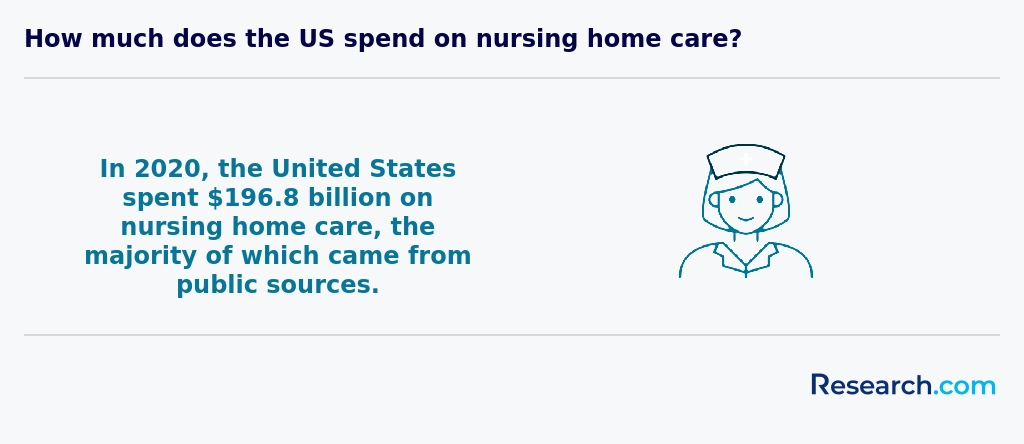
Graduates of online nursing programs at institutions like the University of New Hampshire often describe the relief and empowerment felt when federal aid, especially the Pell Grant, offsets tuition costs. With awards up to $7,395, this need-based support transforms dreams into attainable goals, particularly for those balancing family and work. Completing the FAFSA opens that door, a small step with profound impact.
Others recount how federal Direct Loans, both subsidized and unsubsidized, provided flexibility when grants weren't enough. The manageable interest rates and repayment plans created room to focus on studies without drowning in debt.
New Hampshire's own scholarship programs, such as those through the Postsecondary Education Commission, offer hopeful nursing students crucial state-focused aid, especially for residents attending local colleges like Granite State College.
Nursing graduates also highlight career-related scholarships and loan forgiveness programs from local hospitals and associations as game changers, encouraging patience and persistence as they commit to improving healthcare within their community.
Enrolling in an online nursing degree in New Hampshire means meeting specific prerequisites that go beyond simply applying. Graduates from institutions like the University of New Hampshire often recall the challenge and reward of having completed essential science courses such as biology, chemistry, and microbiology before starting their nursing studies. This foundation proves crucial, not only for understanding complex medical concepts but also for gaining confidence in clinical practice.
Most programs require a high school diploma or GED, with a GPA that usually hovers around 2.5 to 3.0, reflecting how academic readiness translates directly into success. Graduates from Granite State College emphasize how these standards helped them develop discipline and resilience, preparing them to balance rigorous coursework with real-world patient care scenarios.
Applicants to RN programs must also navigate state requirements overseen by the New Hampshire Board of Nursing. This ensures students can eventually sit for the NCLEX-RN license exam-a significant milestone graduates cherish as proof of their perseverance and knowledge.
For those advancing from LPN to RN levels, holding an active LPN license and clinical experience creates a bridge that trainers and former students alike say deepens practical understanding and fuels motivation. Some programs also require health screenings and background checks, safeguarding both learners and patients in the clinical components embedded in online formats.

Online nursing degree programs in New Hampshire commonly include courses like Human Anatomy and Physiology, Microbiology, Pharmacology, and Nursing Fundamentals. Graduates from popular institutions such as the University of New Hampshire often reflect on how these courses deeply shaped their understanding of patient care, transforming abstract theories into real-life applications-like recognizing infection signs during clinical rotations.
Health Assessment and Pathophysiology courses push students to engage critically with both physical and psychological patient evaluations, preparing them to face the diverse challenges presented in New Hampshire's healthcare settings. One graduate recalls how mastering these topics was crucial during hands-on training at local hospitals, bridging classroom knowledge and practical skills.
Clinical Nursing Skills require in-person experiences, often facilitated by strong partnerships between online programs and New Hampshire healthcare facilities. This blend of online and local training helps students feel confident and ready for the NCLEX-RN exam, proving that even remote learning demands real-world grit and dedication.
Exploring online nursing specializations in New Hampshire reveals a focused range tailored to meet both personal ambitions and regional healthcare demands. Graduates from notable programs describe the Registered Nurse to Bachelor of Science in Nursing (RN to BSN) track as a revealing journey that broadens clinical skills while nurturing leadership-an essential combination as healthcare evolves. Others highlight the Family Nurse Practitioner (FNP) specialization, which equips them to provide primary care throughout their communities, a role increasingly vital in many New Hampshire towns.
Psychiatric-Mental Health Nurse Practitioner (PMHNP) graduates often express a rewarding sense of purpose, addressing mental health needs rising dramatically in the state. Nursing educators emerging from programs at local colleges report feeling empowered to shape the next generation amid nursing shortages. Meanwhile, specializations in Healthcare Leadership and Management attract those who envision influencing policy and patient outcomes beyond the bedside.
Choosing among New Hampshire nursing degree specialization options requires weighing passion against practical impact. Online coursework blends well with in-person clinical sessions at trusted institutions, delivering tangible experience. For those weighing cost and quality, the list of best online colleges that accept fafsa can be a valuable resource.
Choosing the best online nursing degree in New Hampshire goes beyond just checking accreditation or cost. Graduates from well-known state programs often reflect on how flexibility shaped their success-did their course allow them to juggle shifts at Portsmouth nursing homes or family obligations in Concord without falling behind? Many find that programs with strong clinical placement assistance truly make a difference, especially in securing meaningful hands-on experience nearby. This practical support can turn theoretical knowledge into confidence essential for passing the NCLEX-RN and thriving in local healthcare settings.
Affordability also requires deeper thought. While public schools in New Hampshire typically charge $6,000 to $12,000 yearly, exploring financial aid options can uncover hidden opportunities. Students balancing budgets effectively often seek cheapest online colleges that accept fafsa to keep debt manageable.
When evaluating best online nursing programs New Hampshire offers, consider how each path aligns with your career goals. Some graduates chose RN-to-BSN tracks to leverage existing licenses, while others rallied for advanced degrees from institutions with strong online reputations. What matters most is a program that molds skill, confidence, and opportunity in equal measure.
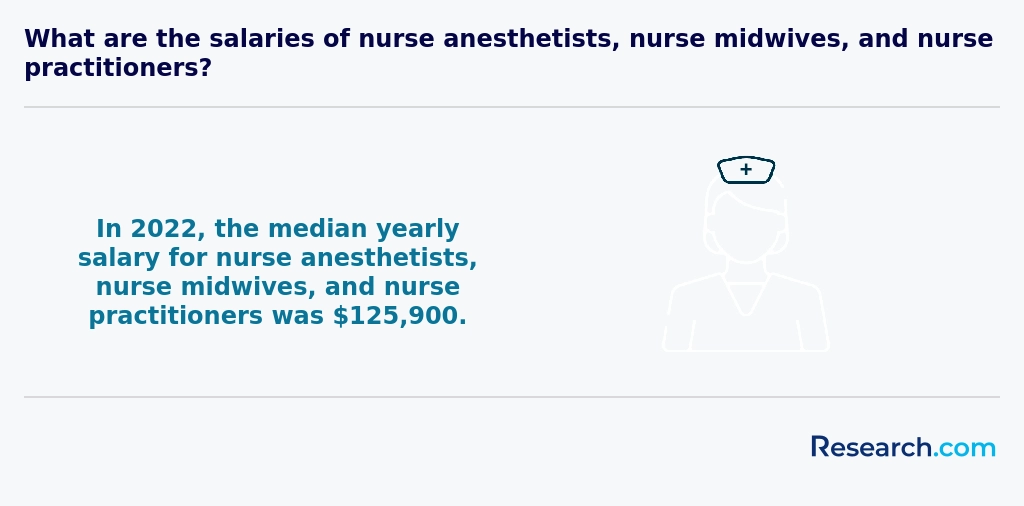
Graduates from online nursing degree programs in New Hampshire often find themselves at crossroads with opportunities that extend far beyond traditional hospital roles. While becoming a Registered Nurse (RN) remains a primary pathway, many graduates from colleges such as Southern New Hampshire University embrace advanced positions like Nurse Practitioners or Nurse Educators. These roles allow them to impact patient care more holistically and influence future nurses' training, often blending clinical expertise with leadership skills.
Exploring career opportunities for New Hampshire nursing graduates reveals unconventional paths, including public health nursing in rural communities or telehealth services, aligning perfectly with New Hampshire's growing emphasis on accessible healthcare. Many graduates recount the satisfaction of merging flexible online education with hands-on community work, proving that accessible learning can empower meaningful careers.
For students weighing options, considering programs featured among the best colleges offering online degrees adds strategic value to their future. These programs focus on balancing affordability and quality while opening doors to diverse nursing roles across the state, making the prospect of online nursing degree jobs in New Hampshire both viable and inspiring.
The job market for online nursing jobs in New Hampshire reflects a unique blend of steady demand and meaningful opportunity. Graduates from popular nursing programs at institutions like the University of New Hampshire often share how their flexible online studies allowed them to balance family commitments while preparing for roles in both bustling urban centers and remote communities.
Employment prospects New Hampshire nursing degree holders face are promising, especially as local healthcare providers strive to fill positions in geriatrics and home health care. Nurses report satisfaction not only from competitive wages near $77,000 annually but also from a sense of genuine contribution amid the state's growing healthcare needs.
Choosing a pathway through an accredited program that prepares for the NCLEX-RN exam is crucial. Many students emphasize the reassurance they felt finding resources among the most affordable online colleges for working adults, which helped them overcome financial barriers while gaining credentials respected by New Hampshire employers.
2027 Easiest Online Nursing Degree Programs Ranking in New Hampshire
Investing in your education is a significant decision that can impact your future, and the Research.com team recognizes the importance of making well-informed choices. To support prospective students in New Hampshire, we have carefully developed the "2027 Easiest Online Nursing Degree Programs Ranking in New Hampshire." Our dedication to quality, credibility, and accuracy is demonstrated through thorough research and analysis behind this ranking.
We utilized the following reputable data sources to ensure a comprehensive evaluation of online nursing programs:
By consulting this ranking, readers will obtain valuable insights into the easiest online nursing degree options in New Hampshire, empowering them to make confident and informed educational decisions. For further information on how this ranking was created, please visit our Research.com methodology page.


Frequently Asked Questions About nursing
Online nursing degree students in New Hampshire can maximize their learning by actively engaging with virtual coursework and clinical practice opportunities. The New Hampshire Board of Nursing requires hands-on clinical hours, so students should seek local healthcare facilities approved for internships or clinical rotations.
Utilizing state resources like the New Hampshire Nurses Association can provide networking and continuing education options. According to the U.S. Bureau of Labor Statistics, New Hampshire's nursing employment is expected to grow by 11% through 2031, highlighting the importance of practical skills.
Time management and participation in online study groups also enhance understanding of complex nursing concepts essential for licensure exams.
The nursing field is evolving rapidly, and several emerging niches are gaining attention in New Hampshire. One of the fastest-growing areas is geriatric nursing, driven by the state's increasing senior population. According to the New Hampshire Department of Health and Human Services, the number of residents aged 65 and older is projected to grow by 24% by 2030.
Another expanding niche is telehealth nursing, which has surged since the COVID-19 pandemic. Nurses in this field manage patient care remotely using digital platforms, offering more accessibility for rural and underserved communities.
Additionally, psychiatric-mental health nursing is becoming critical due to rising awareness of mental health issues statewide. The New Hampshire Nurses Association highlights a growing demand for professionals specialized in behavioral health.
Preparing for the job market after completing an online nursing degree in New Hampshire involves several important steps. First, obtaining licensure through the New Hampshire Board of Nursing is essential; graduates must pass the NCLEX-RN exam to become registered nurses. According to the New Hampshire Department of Employment Security, the demand for registered nurses is projected to grow about 15% through 2030, indicating strong job prospects. Networking with local healthcare providers and joining professional associations like the New Hampshire Nurses Association can provide valuable connections. Additionally, gaining clinical experience through volunteer or internship opportunities helps build practical skills sought by employers in hospitals and long-term care facilities.
Employers in New Hampshire seek nursing graduates with strong clinical skills, critical thinking, and effective communication. According to the New Hampshire Board of Nursing, practical experience in patient care is highly valued. Graduates must demonstrate proficiency in electronic health records and technology, reflecting nationwide healthcare trends.
Additionally, teamwork and adaptability are essential in New Hampshire's healthcare settings, which often involve diverse patient populations. The New Hampshire Department of Health and Human Services highlights the importance of cultural competence and ethical decision-making.
Basic skills like time management and attention to detail also rank high, ensuring patient safety. Overall, nursing graduates who combine technical knowledge with interpersonal skills are most competitive in New Hampshire's job market.
Finding nursing internships in New Hampshire involves leveraging connections between online nursing programs and local healthcare facilities. Many nursing schools partner with hospitals and clinics across the state to offer internships that meet state licensure requirements. Students should start by consulting their program's clinical placement office for available opportunities.
The New Hampshire Board of Nursing oversees clinical hours and may provide resources or lists of approved sites. Additionally, major hospitals like Dartmouth-Hitchcock Medical Center often offer internship programs specifically for nursing students.
Networking with local healthcare professionals and attending career fairs can also increase internship prospects. The U.S. Bureau of Labor Statistics notes that internships enhance clinical skills, which is critical for licensure and employment in New Hampshire's growing nursing field.
An online nursing degree in New Hampshire can significantly enhance career mobility and advancement opportunities. The state's healthcare sector is growing, with a projected 16% increase in registered nurse jobs from 2020 to 2030, according to the U.S. Bureau of Labor Statistics. Completing an accredited online nursing program enables students to meet licensure requirements while balancing work or personal commitments.
Advanced degrees like a Bachelor of Science in Nursing (BSN) or Master of Science in Nursing (MSN) obtained online are increasingly preferred by employers for leadership roles. This education path enables nurses to qualify for higher-paying positions such as nurse managers or clinical specialists. Additionally, New Hampshire participates in the Nurse Licensure Compact, allowing easier interstate practice mobility.
Studying for a nursing degree in New Hampshire equips students with skills essential for interdisciplinary healthcare teams. Programs emphasize collaboration with professionals such as physicians, social workers, and pharmacists, reflecting real-world healthcare settings.
New Hampshire's nursing curricula often include courses in communication, leadership, and healthcare informatics, preparing students to navigate complex patient care environments. According to the New Hampshire Board of Nursing, over 60% of healthcare roles require teamwork across specialties.
Additionally, clinical experiences are designed to expose students to diverse healthcare roles, enabling effective coordination and decision-making. This approach aligns with national trends promoting integrated care to improve patient outcomes.
Choosing between a thesis and a non-thesis nursing degree program in New Hampshire depends on your career goals and learning preferences. Thesis programs usually involve conducting original research, ideal for students aiming for roles in academia, research, or advanced clinical practice.
Non-thesis programs focus more on coursework and practical skills, which suits professionals targeting leadership or direct patient care roles. According to the New Hampshire Board of Nursing, the state sees growing demand for nurse leaders in clinical settings, making non-thesis paths popular.
Online options vary; confirm program accreditation and research emphasis before deciding. Consider your interest in research, time commitment, and post-graduation plans when selecting your program.
Students in New Hampshire interested in studying nursing abroad through online programs have limited direct options due to state nursing board regulations and accreditation requirements. Most U.S. nursing programs, including those in New Hampshire, require clinical hours to be completed locally under approved supervision. According to the New Hampshire Board of Nursing, students must graduate from programs accredited by bodies recognized by the U.S. Department of Education or the Commission on Collegiate Nursing Education (CCNE).
While fully foreign online nursing degrees are rare and may face licensing challenges, New Hampshire students can consider hybrid or international partnerships offered by some U.S. institutions with global components. However, the clinical training typically must still comply with New Hampshire's state standards.
Prospective students should verify that out-of-state or international online nursing programs meet New Hampshire licensing criteria before enrollment to ensure eligibility for RN licensure exams, such as the NCLEX-RN.
In New Hampshire, several part-time job opportunities can complement online nursing degree education effectively. Working as a certified nursing assistant (CNA) allows students to gain practical experience in patient care while balancing coursework. According to the New Hampshire Department of Employment Security, CNAs earn an average of $14 to $18 per hour, making this a viable option for students.
Medical receptionist roles in healthcare facilities offer administrative insight, enhancing organizational skills critical for nursing. Additionally, some students find value in home health aide positions, which provide direct patient interaction in a less stressful setting.
Pharmacy technician jobs are also relevant, as they familiarize students with medication management and healthcare regulations.
Online nursing students in New Hampshire have several networking opportunities despite the remote nature of their studies. Many nursing programs offer virtual events, webinars, and discussion forums where students can connect with peers and faculty. Regional chapters of professional organizations, such as the New Hampshire Nurses Association, often provide online networking sessions and local meetups, fostering professional relationships.
Clinical placements and internships in health care facilities across New Hampshire also serve as valuable networking venues. According to the New Hampshire Board of Nursing, these experiences help students build connections with practicing nurses and healthcare employers, enhancing job prospects.
Finally, statewide nursing conferences and workshops frequently include remote participation options, allowing online students to engage with industry leaders and expand their professional networks.
Alumni networks offer significant advantages to online nursing degree students in New Hampshire by providing access to professional connections and career resources. Graduates can tap into a community of experienced nurses who understand the local healthcare environment, which is crucial in a state where the demand for registered nurses is expected to grow by 15% from 2020 to 2030, according to the New Hampshire Employment Security.
These networks often facilitate mentorship opportunities, job referrals, and continuing education information, helping students transition smoothly from education to employment. Additionally, alumni events and online forums enable students to build relationships that can lead to collaborations and professional support throughout their careers.
Customizing an online nursing degree in New Hampshire begins with selecting programs that offer flexible coursework aligned with your career goals. Many New Hampshire institutions allow students to choose electives in specialties like gerontology, pediatrics, or community health, which can prepare you for specific nursing roles.
Accreditation is crucial; ensure the program is approved by the Commission on Collegiate Nursing Education (CCNE) or the Accreditation Commission for Education in Nursing (ACEN), which aligns with New Hampshire Board of Nursing requirements.
Clinical placement options, often coordinated locally, can be tailored to gain experience in preferred settings such as hospitals or outpatient clinics.
Consult resources like the New Hampshire Board of Nursing and the U.S. Bureau of Labor Statistics for data on regional nursing demand to guide your specialization choices.
Online nursing students in New Hampshire often face several challenges that can impact their academic success. A significant issue is balancing clinical hour requirements with an online schedule. Nursing programs typically mandate hands-on experience in healthcare settings, which can be difficult to arrange alongside online coursework.
Additionally, students report difficulties with time management and self-discipline, as online learning requires a high level of motivation and effective organization. Limited in-person interaction with instructors and peers may also reduce access to immediate support and networking opportunities.
Technical issues, including slow internet connections in rural New Hampshire areas, can further hinder online study. According to the New Hampshire Department of Education, addressing these factors is essential for improving nursing education outcomes statewide.
With an online nursing degree in New Hampshire, you can pursue several professional certifications to enhance your career opportunities. Common certifications include the Certified Nurse Educator (CNE), Certified Registered Nurse Anesthetist (CRNA), and Certified Nurse Midwife (CNM). Additionally, many graduates seek the Registered Nurse-Board Certified (RN-BC) credential in specialties like Medical-Surgical Nursing and Pediatric Nursing.
The New Hampshire Board of Nursing supports these certifications, ensuring they meet state standards. According to the Bureau of Labor Statistics, certified nurses in New Hampshire often earn higher salaries and have greater job security.
Obtaining certifications typically requires passing exams through recognized bodies such as the American Nurses Credentialing Center (ANCC).
To write a winning application for an online nursing program in New Hampshire, start by clearly demonstrating your commitment to nursing through your personal statement. Emphasize your understanding of the state's healthcare needs, such as the growing demand for registered nurses projected to increase by 12% by 2030 according to the New Hampshire Employment Security. Highlight any relevant clinical experience or volunteer work in local healthcare settings.
Ensure your academic records meet program requirements, as GPA minimums often range from 3.0 to 3.5. Obtain strong letters of recommendation from healthcare professionals or educators familiar with your skills. Lastly, tailor your application to each program's focus, showing you've researched their curriculum and values.
A nursing career is valued worldwide for its stability and growing demand. In the United States, including New Hampshire, the Bureau of Labor Statistics forecasts a 9% employment growth for registered nurses from 2022 to 2032, reflecting global trends of aging populations and increased healthcare needs.
Globally, nurses often serve as critical healthcare providers, especially in rural and underserved areas. According to the World Health Organization, nursing shortages affect both developed and developing countries, highlighting the profession's universal importance. This demand creates opportunities for New Hampshire students to work nationally or internationally after earning an online nursing degree.
Educational standards vary worldwide, but U.S. nursing degrees are widely recognized for their quality, helping graduates pursue advanced roles or further specialization. In New Hampshire, programs often include clinical practice that meets rigorous accreditation requirements, preparing students for both local and global healthcare challenges.
Gaining practical experience is essential while pursuing an online nursing degree in New Hampshire. Most accredited programs require clinical hours as part of their curriculum. Students typically complete these hours at local hospitals, clinics, or healthcare facilities approved by their school. This hands-on training allows students to apply theoretical knowledge in real-world settings.
New Hampshire's healthcare system includes over 30 hospitals, such as Dartmouth-Hitchcock Medical Center, providing numerous clinical placement opportunities. The New Hampshire Board of Nursing oversees clinical requirements to ensure quality standards are met.
Many programs also offer partnerships with healthcare providers to help students find suitable internships or externships near their residence.
Choosing the right concentration within an online nursing degree program in New Hampshire involves assessing your career goals and local healthcare needs. Popular options include family nurse practitioner, gerontology, and psychiatric nursing. According to the New Hampshire Center for Nursing, the state faces a growing demand for primary care and elder care nurses, making these concentrations particularly relevant.
Consider your interest in patient populations and work settings, such as hospitals, clinics, or community health. Research program accreditation by organizations like the Commission on Collegiate Nursing Education (CCNE) to ensure quality education. Also, review clinical placement opportunities in New Hampshire to gain practical experience locally.
- 2027 Easiest Online Nursing Degree Programs Ranking in Massachusetts
- 2027 Easiest Online Nursing Degree Programs Ranking in Maine
- 2027 Easiest Online Nursing Degree Programs Ranking in New York
- 2027 Easiest Online Nursing Degree Programs Ranking in Connecticut
- 2027 Easiest Online Nursing Degree Programs Ranking in New Jersey
- 2027 Easiest Online Nursing Degree Programs Ranking in Pennsylvania
- 2027 Easiest Online Nursing Degree Programs Ranking in Maryland
- 2027 Easiest Online Nursing Degree Programs Ranking in Virginia
- 2027 Easiest Online Nursing Degree Programs Ranking in Ohio
- 2027 Easiest Online Nursing Degree Programs Ranking in West Virginia
See What Experts Have To Say About Studying Nursing
Read our interview with Nursing experts

Lisa Grubb
Nursing Expert
Assistant Professor
Johns Hopkins School of Nursing

- Online Nursing Prerequisites | Sophia Nursing Pathway https://www.sophia.org/online-courses/course-pathways/nursing-pathway/
- How to Set and Achieve Your Nursing Career Goals | HealthTrust https://engage.healthtrustjobs.com/how-to-set-achieve-nursing-career-goals
- How to Choose the Right Nursing Program for Your Career Goals - Maria College https://mariacollege.edu/blog/how-to-choose-the-right-nursing-program-for-your-career-goals
- How Do Nurses Prepare to Work in a Multidisciplinary Team? | NursingEducation https://nursingeducation.org/insights/multidisciplinary-team/
- Nurse Salary https://nursinglicensemap.com/resources/nurse-salary/
- Essential Tips for Nursing Students to Advance Their Careers https://almanaltraining.com/essential-tips-for-nursing-students-to-advance-their-careers/
- Nursing, BSN https://www.nec.edu/programs/nursing-bsn-program
- 10 Nursing Fields That Are Growing in Demand https://promedcert.com/blog/10-nursing-fields-that-are-growing-in-demand
- Online versus Face-to-Face Nursing Degrees: A Study of Recruiters’ Perceptions - OJDLA https://ojdla.com/articles/online-versus-face-to-face-nursing-degrees-a-study-of-recruiters-perceptions
- Do I Have to Write a Thesis to Complete a Master’s Degree in Nursing? https://www.bestmasterofscienceinnursing.com/faq/write-thesis-complete-masters-degree-nursing/


