2027 Most Valuable Online Nursing Degree Programs Ranking in the South

Co-Founder and Chief Data Scientist
Choosing the right nursing degree program can shape your future in meaningful ways. This article introduces the 2027 Most Valuable Online Nursing Degree Programs Ranking in the South, developed by the Research.com team of data scientists. It's designed to help you make an informed decision about which programs truly stand out.
Whether you're starting fresh or advancing your career, finding the best fit is key. Discover programs that offer quality education and flexibility, empowering you to achieve your goals with confidence.
Key benefits of getting online nursing degree in the South
- Salary: Nursing degree graduates in the South can earn competitive wages, with Registered Nurses making around $94,480 annually and Operating Room Nurses reaching up to $128,490 per year, providing solid financial stability.
- Career Paths: Graduates from Southern universities often find diverse roles such as Public Health Nurse, Emergency Room Nurse, or Clinical Nurse Educator, offering rewarding opportunities to impact patient care and community health.
- Online Degree Benefits: Earning a nursing degree online allows flexibility to balance work and study, while graduates from programs like the University of Alabama highlight how this convenience accelerates career growth without sacrificing quality education.
- 2027 Most Valuable Online Nursing Degree Programs Ranking in the South
- What can I expect from online nursing degree in the South?
- Where can I work with online nursing degree in the South?
What can I expect from online nursing degree in the South?
The average cost of an online nursing degree in the South varies but generally falls between $10,000 and $30,000 for a complete program, depending on the institution and degree level. For example, graduates from well-known universities in Texas and Florida often report tuition fees on the lower end compared to private or out-of-state schools, making education more affordable. Many students appreciate this competitive pricing, especially when balancing work and family commitments.
These programs often include core online coursework combined with in-person clinical placements arranged locally, which adds value while keeping overall expenses reasonable. Graduates frequently highlight how the cost savings enabled them to pursue advanced degrees, such as BSN or MSN, without incurring significant debt.
Because Southern schools tailor curricula to comply with state nursing board requirements, students feel confident their investment directly supports licensure and employment opportunities in high-demand markets like Georgia and North Carolina. Affordability coupled with strong job prospects encourages motivated students to advance their nursing careers within their communities.
Where can I work with online nursing degree in the South?
Graduates with online nursing degrees from popular Southern institutions such as the University of Florida and Texas A&M find diverse employment options across growing healthcare markets. The U.S. Bureau of Labor Statistics forecasts a 15% growth in registered nursing jobs in Southern states over the next decade, reflecting solid demand. Many graduates secure roles in large hospital systems like HCA Healthcare and Tenet Healthcare, where they gain experience in emergency rooms, ICUs, and surgical departments-settings that continuously seek skilled nurses.
Other graduates thrive in outpatient clinics and telehealth services, particularly after the pandemic expanded remote care roles. Nurses with online degrees from schools like Georgia State University have reported rewarding experiences educating patients and monitoring chronic conditions virtually.
Long-term care facilities and public health agencies also employ many Southern graduates. Nurses support aging rural communities in Alabama and Mississippi by working in nursing homes or managing vaccination programs in Florida's local health departments. These roles often bring personal fulfillment through community impact and steady career growth.
Graduates with online nursing degrees in the South can generally expect strong earnings in key nursing roles. Registered Nurses (RNs), including clinical nurse educators, public health nurses, and emergency room nurses, have a mean annual wage of about $94,480, reflecting steady demand and competitive pay across Southern states. This salary level offers a reliable foundation for those entering the healthcare sector through online programs at popular institutions such as the University of Texas or Florida State University.
For those advancing into more specialized fields like operating room nursing, compensation significantly increases, with a mean annual wage around $128,490. Graduates from Southern schools often share that working in dynamic hospital environments provides not only financial rewards but also career satisfaction and professional growth.
Online programs allow nurses to balance work and study, thus supporting continuous skill enhancement. These earnings data highlight a promising return on investment for Southern students pursuing their nursing degrees online and stepping into varied healthcare roles-from urban hospitals in Atlanta to community clinics in rural North Carolina.
- Tuition for online nursing bachelor's degrees in southern states typically ranges from $8,000 to $25,000, which is lower than many national averages.
- Starting salaries for registered nurses in the South average between $58,000 and $65,000 annually, with experienced nurses earning up to $85,000 per year.
- Employment of registered nurses in southern states like Texas, Florida, and Georgia is projected to grow by 12% to 16% through 2030, faster than the national average.
- Many online nursing programs in the South are accredited by agencies such as CCNE or ACEN, which affects licensure eligibility and financial aid options.
- Graduates must pass the NCLEX-RN exam to become licensed, and licensing requirements vary by state, so checking local board regulations is essential.
Completing an online nursing degree in the South varies by program type and prior education. Graduates from popular institutions like the University of South Carolina and University of Florida report ADN programs typically take 2 to 3 years, which suits those eager to begin clinical work quickly. However, clinical practice requirements mean students must confirm state board acceptance for online ADN pathways.
BSN degrees from Southern colleges usually require 4 years for beginners. Licensed RNs pursuing accelerated RN-to-BSN options often finish within 12 to 24 months, a timeline many find motivating as it balances speed and flexibility. A graduate from a well-known Southern university shared their positive experience completing their RN-to-BSN program in under two years while managing a full-time job.
For advanced degrees like the MSN, students typically invest 1.5 to 3 additional years. Programs at institutions such as Emory University offer flexible pacing, helping students accommodate family and work. This flexibility is especially valued by many Southern nursing students juggling diverse commitments.
Pursuing a doctoral degree in nursing represents the pinnacle of clinical expertise and leadership, equipping graduates to influence healthcare policy, lead academic programs, and shape patient outcomes. Online nursing degree programs in the South increasingly offer Doctor of Nursing Practice (DNP) and PhD tracks designed for working professionals seeking flexibility without compromising rigor. These doctoral pathways emphasize evidence-based practice, advanced research methodologies, and organizational leadership, preparing nurses to serve as change agents in hospital systems, academia, and public health initiatives. When evaluating doctoral programs, consider curriculum depth, clinical residency requirements, and faculty mentorship opportunities. Many Southern institutions integrate interactive simulations and collaborative research projects, ensuring doctoral candidates develop the analytical and communication skills vital for scholarly publication and high-level administration. To identify programs that combine affordability with academic excellence, prospective students can explore the Low Cost Online Doctorate in Nursing Degree Programs Ranking in the South, which ranks institutions by tuition, student support services, and post-graduation placement rates. Career trajectories for DNP and PhD graduates span roles such as Chief Nursing Officer, Clinical Research Director, and University Faculty, all of which command higher compensation brackets-often exceeding six figures-and offer opportunities to innovate care delivery models. Additionally, doctoral credentials enhance competitiveness for federal grants and leadership fellowships, accelerating professional growth and influence. By aligning your advanced practice goals with the right program features, you’ll maximize both the return on investment and your capacity to drive systemic improvements in Southern healthcare.
Online nursing degrees in the South, offered by universities such as the University of Florida and Texas A&M, provide flexibility that appeals to students managing work and family commitments. Graduates often praise the convenience of studying asynchronously through video lectures and discussion boards, which allows them to balance nursing coursework with daily responsibilities. This contrasts with traditional on-campus programs at institutions like Emory University in Georgia, where students attend scheduled classes and hands-on labs, fostering immediate peer interaction and real-time instructor feedback.
Cost differences also play a significant role. Online nursing degrees typically reduce expenses related to commuting and housing. For example, in-state tuition for a BSN at a public university in the South usually ranges from $7,000 to $10,000 annually, while private on-campus programs can surpass $20,000. Graduates report that online programs offer similar accreditation and clinical placements locally, maintaining degree value while providing more affordable, flexible options for Southern students.
- Both formats require clinical hours, but online students coordinate local healthcare facility placements, avoiding relocation.
- Online programs often allow accelerated or part-time pacing, accommodating working professionals unlike the more rigid on-campus schedules.
Online nursing graduates in the South typically see first-time NCLEX-RN pass rates between 85% and 95%, reflecting strong program support and rigorous curriculum alignment. Programs prioritize licensure readiness through targeted resources and structured study plans.
- Dedicated question banks with thousands of practice items mirroring the NCLEX format
- Weekly live review workshops led by experienced instructors
- One-on-one tutoring for areas of individual challenge
- Simulated clinical scenarios to sharpen critical-thinking skills
Many schools also integrate exam prep modules into core courses, ensuring continual reinforcement. Experienced RNs aiming to advance can explore rn to bsn no clinicals pathways that often include tailored NCLEX support.
The average online nursing degree cost South shows considerable variation based on residency status and institution type. Data indicate the median total cost for completing an online nursing degree in the South is approximately $31,902. In-state students benefit from lower expenses, with median costs around $26,169, reflecting the more affordable tuition rates typical at public universities such as the University of Florida or the University of North Carolina system. Graduates often express satisfaction with these programs, noting the cost-effectiveness and accessibility of quality nursing education delivered online.
Out-of-state students face higher financial commitments, with median costs rising to about $48,496. This figure aligns with tuition prices typical of private universities like Emory University or Duke University, where annual fees can range from $15,000 to $30,000. Though more costly, these programs frequently feature smaller class sizes and enhanced support systems, contributing to a more personalized learning experience valued by many nursing graduates.
Students also need to account for additional expenses such as textbooks, technology fees, and potential travel costs for clinical placements. These costs typically add $1,000 to $2,000 annually. Financial aid opportunities and scholarships targeted toward nursing students in the South can substantially offset total expenses. Prospective nurses exploring the short dnp programs online will find that understanding the total cost nursing programs South 2027 estimates is critical to planning their education and career trajectory effectively.
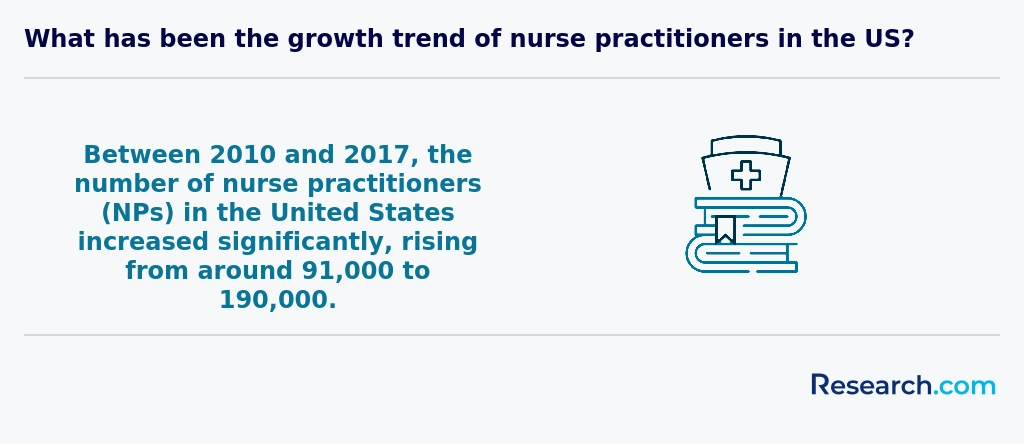
Pursuing a Doctor of Nursing Practice (DNP) marks a pivotal step toward leadership roles in healthcare, policy-making, and advanced clinical practice. Southern institutions offer flexible online DNP pathways designed for working nurses seeking to elevate patient outcomes and influence healthcare systems. For those ready to take the next step, exploring short dnp programs online can open doors to specialized concentrations and accelerated completion times. Key advantages of an online DNP include:
- Evidence-Based Leadership: Develop the skills to implement and evaluate clinical policies that improve patient safety and care quality.
- Specialized Tracks: Choose focus areas such as Nurse Executive, Pediatric Acute Care, or Family Nurse Practitioner to align with your career goals.
- Flexible Learning: Balance coursework with professional duties through asynchronous modules and regional clinical partnerships.
- Enhanced Job Prospects: DNP-prepared nurses often qualify for high-level roles in hospital administration, academia, and governmental agencies. When selecting a DNP program, verify accreditation by bodies like the Commission on Collegiate Nursing Education (CCNE) and confirm state board approval for clinical hours. Evaluate program outcomes-such as graduation rates, publication opportunities, and alumni leadership placements-to ensure your investment yields measurable career advancement. By choosing a reputable online DNP program in the South, you’ll strengthen your clinical expertise, expand your professional network, and position yourself at the forefront of nursing innovation.
Students pursuing online nursing degrees at institutions like the University of Florida or Texas A&M benefit from varied financial aid options that substantially reduce their education costs. Federal aid, including Pell Grants offering up to $7,395 annually to eligible undergraduates, is a key resource; many graduates recall how this grant eased their financial burden without the pressure of repayment.
Additionally, subsidized and unsubsidized federal student loans provide flexible terms, making borrowing more manageable during and after their studies. Southern states enhance support through state-specific scholarships, such as the Texas Nursing Scholarship Program, which requires service in underserved areas but covers significant tuition expenses.
Many graduates attest to employer tuition reimbursement programs offered by regional hospitals, which often cover partial or full tuition while they work. Furthermore, HRSA's Nursing Scholarship Program supports students by covering fees in exchange for commitments at shortage facilities prevalent throughout the South.
Private scholarships from organizations like the Southern Nursing Research Society add another layer of aid, maximizing access for diverse students enrolled in online programs from colleges such as the University of South Carolina.
Online nursing degrees require 500–700 clinical hours, blending virtual simulations with in-person practice at local partners. Most Southern programs coordinate placements at:
- Accredited hospitals or health systems near you
- Community health clinics serving diverse populations
- On-campus or remote simulation labs offering high-fidelity scenarios
Programs often assign a clinical coordinator to guide you through scheduling, paperwork, and evaluation, ensuring you meet state licensure requirements without relocating. If you hold an RN license and prefer no added clinical hours, explore RN-to-BSN options that waive in-person practica: rn to bsn no clinicals.
Check your program’s state approval and partnership network early to secure your ideal clinical site and complete hands-on requirements smoothly.
Enrollment in online nursing degree programs in the South requires meeting clear academic and professional prerequisites. For undergraduate programs like ADN or BSN, a high school diploma or GED is mandatory. Graduates from respected southern institutions often recall how having completed courses in anatomy, physiology, microbiology, chemistry, statistics, and English composition helped them smoothly transition into nursing studies. These foundational courses establish a solid knowledge base essential for success.
Advanced nursing programs, such as RN-to-BSN or MSN options popular at colleges like the University of Alabama or University of South Carolina, require an active RN license. Many students found that meeting state-specific licensure rules was a manageable but important step to qualify for these programs.
Applicants should also prepare for assessments like the TEAS exam, as many schools in the region use it to gauge readiness. A GPA between 2.5 and 3.0 is commonly required, ensuring students are academically prepared. Letters of recommendation and personal statements reflecting a strong commitment to nursing often enhance acceptance chances.
Students often emphasize that reliable internet access and knowledge of online learning tools are crucial for thriving in remote nursing courses, allowing them to engage effectively with clinical simulations and instructor feedback despite distance.

Pursuing an online nursing degree in the South requires not only rigorous coursework but also a structured clinical practicum that ensures you gain essential hands-on skills. Accredited programs typically mandate 500–800 clinical hours, and Southern institutions partner with local hospitals, clinics, and community health centers to place you in settings that align with your specialization-whether pediatric, geriatric, or acute care. Many schools also integrate high-fidelity simulation labs, offering realistic patient scenarios through virtual platforms and in-person workshops. To secure clinical placements, you’ll work closely with a clinical coordinator who verifies state licensing requirements and arranges preceptor assignments. Expect to complete competencies such as medication administration, patient assessment, and emergency protocols under the supervision of experienced RNs or nurse practitioners. Programs often use learning management systems (LMS) to track your progress, submit reflective journals, and schedule video debriefings with faculty mentors. For those aiming to advance beyond the RN role, bridging to nurse practitioner studies involves additional clinical hours and specialized preceptorships. To continue your education affordably while building on your existing practicum experience, consider exploring cheap nurse practitioner programs online, which offer competitive tuition and streamlined pathways into advanced practice. By combining robust clinical placements with cutting-edge simulation technology, Southern online nursing programs deliver the experiential learning necessary for confident, competent patient care.
Online nursing degree programs in the South typically include a rigorous combination of foundational science and specialized nursing courses designed to prepare students for diverse healthcare roles. Graduates from well-regarded institutions like the University of Alabama at Birmingham report that initial coursework covers human anatomy, physiology, microbiology, and chemistry, providing an essential scientific foundation.
Alongside these sciences, students engage in nursing fundamentals such as patient care, pharmacology, and health assessment. Many Southern programs then introduce specialized courses including adult and pediatric nursing, mental health nursing, community and public health nursing, and evidence-based nursing practice. These courses often include real-life case studies, helping students relate classroom theory to clinical environments.
To meet state licensure requirements, online learners also participate in virtual simulations and in-person clinical rotations arranged locally. This hybrid format is praised by graduates from institutions like the University of South Carolina for allowing flexible schedules without sacrificing hands-on experience, leading to strong confidence and preparedness on entering the workforce.
Online nursing degree specializations in the South commonly include Family Nurse Practitioner (FNP), Psychiatric-Mental Health Nursing, and Gerontological Nursing. Graduates from universities popular in the region often highlight the FNP track for preparing them to provide primary care at all life stages, a crucial skill given the South's rapid growth in nurse practitioner demand-over 30% growth expected in states like Texas and Florida by 2030. Southern students pursuing Psychiatric-Mental Health Nursing report feeling well-equipped to address the rising mental health challenges prevalent in the region.
Schools in the South also offer Nursing Administration and Leadership specializations, which graduates value highly for boosting their confidence in managing healthcare teams amid expanding regional healthcare systems. Pediatric Nursing, Emergency Nursing, and Informatics Nursing are other key options available. For students seeking affordable paths, institutions offering cheap nurse practitioner programs online provide quality training with costs generally below the national average. This variety of South region nursing specialties online programs enables students to align education with regional workforce needs while positively impacting their communities.
Choosing the best online nursing degree in the South starts with confirming accreditation by CCNE or ACEN, which ensures the curriculum meets national standards and improves NCLEX pass rates. Graduates from popular Southern institutions report feeling confident entering the workforce due to strong program reputations and high licensure success, often above 85%.
Clinical placement support is critical, especially in rural Southern areas where hospitals partner with local universities to facilitate hands-on experiences. Many students appreciate programs at schools in Texas or Georgia that actively coordinate these placements, making practical training more accessible despite geographical challenges.
Cost remains a decisive factor. Public university tuition typically ranges from $8,000 to $15,000 for in-state students, while private colleges may exceed $20,000. Comparing this alongside financial aid, scholarships, and employer tuition reimbursement helps many working adults find affordable nursing degrees Southern US offers. Those prioritizing budget might explore options listed in the Low Cost Online Doctorate in Nursing Degree Programs Ranking in the South.
Flexibility also drives student satisfaction. Asynchronous and part-time formats, common in schools across Florida and North Carolina, allow learners balancing family or jobs to progress steadily. Graduates frequently praise programs that enable degree completion within 12 to 18 months.
Lastly, reviewing graduation rates and employment outcomes gives insight into program quality. Strong alumni networks in Southern states help new nurses secure positions quickly, reinforcing the value of choosing one of the best online nursing programs in the South.
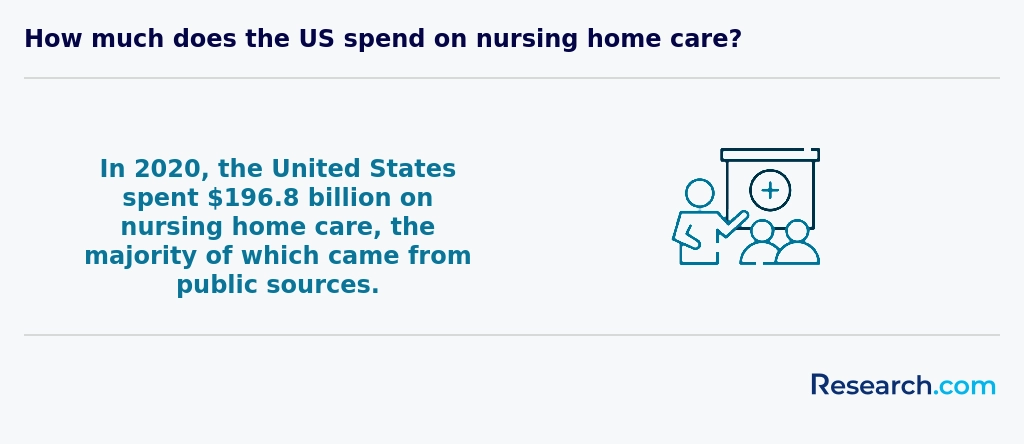
Graduates of online nursing degree programs in the South have access to a diverse range of nursing job opportunities in Southern US. Many begin as Registered Nurses (RNs), supported by programs at popular institutions like the University of Alabama and University of South Carolina, which prepare students for the NCLEX-RN exam essential for licensure. These graduates often report feeling empowered by the flexibility of online learning combined with strong clinical training.
Advancing their careers, online MSN programs enable nurses to become Nurse Practitioners, Clinical Nurse Specialists, or Nurse Educators. In rural Southern areas, Nurse Practitioners play a crucial role due to limited physician access, with salaries averaging between $95,000 and $115,000, providing graduates both professional satisfaction and financial stability. Additionally, healthcare management roles such as Nurse Managers attract those looking to impact patient care systems, with regional job growth expected to rise by over 10% by 2030.
Some graduates pursue specialized areas like public health nursing or informatics, capitalizing on the rise of telehealth in the South. For professionals balancing life commitments, these programs offer cost-effective pathways, often between $15,000 and $40,000. Many students recommend exploring the easiest degree options within nursing for a smoother transition into these rewarding careers.
The job market for online nursing degree graduates in the South remains strong, driven by demographic and policy factors. Registered nursing roles are expanding by about 11% from 2022 to 2032, notably faster than average. Graduates from popular nursing colleges in Texas or Florida often find ample opportunities in both urban hospitals and rural clinics, where healthcare shortages persist. Many online nursing jobs in the South emphasize BSN credentials, reflecting employer preferences linked to improved patient outcomes.
Financial considerations also favor Southern nursing students. Online programs at Southern public universities typically cost between $5,000 and $15,000 annually, making them accessible for working professionals balancing education with family or jobs. Graduates report that such affordability combined with flexible scheduling creates a positive, motivating study experience.
Additionally, nursing career opportunities Southern states attract a variety of roles, from home health to specialized advanced practice nursing. Those contemplating further education may explore one year online masters programs tailored to accelerate career advancement or specialization, enhancing long-term earnings and job stability.
2027 Most Valuable Online Nursing Degree Programs Ranking in the South
Investing in your education is a significant decision that can shape your career and future, and the Research.com team recognizes the importance of making well-informed choices. To support prospective students seeking nursing degrees in the South, we have carefully developed the "2027 Most Valuable Online Nursing Degree Programs Ranking in the South." Our dedication to quality, credibility, and accuracy is evident in the thorough research and data analysis applied to this ranking.
We utilized the following reputable data sources to ensure a comprehensive evaluation of nursing programs:
By exploring this ranking, readers will gain valuable insights into the most valuable online nursing degree programs in the South, enabling them to make informed decisions that align with their professional goals. For more information on how this ranking was created, please visit our Research.com methodology page.


# 10 position
University of North Georgia
Master of Science with a major in Nursing - Nursing Education track


Frequently Asked Questions About nursing
Students pursuing online nursing degrees in the South can maximize their learning by actively engaging with both digital and local clinical opportunities. The Southern regional workforce demands qualified nurses, with states like Texas and Florida expected to add over 40,000 nursing jobs by 2030, according to the U.S. Bureau of Labor Statistics. Online programs often combine virtual coursework with in-person clinical placements, crucial for hands-on skills. Students should select accredited programs that partner with nearby healthcare facilities to meet state licensure requirements efficiently. Networking with peers and faculty through online forums and local nursing associations also enhances learning and professional growth.
The nursing field in the South is evolving rapidly, with several emerging niches offering promising career opportunities. One notable area is gerontological nursing, driven by the region's growing elderly population. The U.S. Census Bureau projects a 30% increase in residents aged 65 and older in southern states by 2030, creating high demand for specialized care.
Another expanding niche is telehealth nursing. As rural communities in the South seek greater access to healthcare, telehealth has become vital. According to the Health Resources and Services Administration, telehealth usage in southern states has increased by over 60% since 2020.
Finally, oncology nursing is gaining importance due to higher cancer rates in some southern states, as reported by the CDC. These niches reflect opportunities for nurses pursuing online degrees to specialize and meet regional healthcare needs.
After completing an online nursing degree in the South, preparing for the job market requires strategic steps. First, obtaining state licensure through the NCLEX-RN exam is critical, as licensure requirements vary by Southern states. According to the National Council of State Boards of Nursing, timely exam preparation improves success rates.
Networking through local nursing associations, such as the Southern Nursing Research Society, helps graduates connect with employers. Additionally, Southern states like Texas and Florida show projected nurse employment growth of 15% through 2030 (BLS data), highlighting promising opportunities.
Gaining clinical experience via internships or residencies strengthens practical skills and job prospects. Finally, staying current with continuing education and certifications enhances competitiveness in this growing regional healthcare market.
Employers in the Southern United States prioritize several key skills when hiring nursing degree graduates, especially those trained through online programs. Clinical competence remains fundamental, with many hospitals seeking proficiency in patient care techniques and familiarity with electronic health records (EHR) systems. According to the Tennessee Center for Nursing, 75% of healthcare employers in the South rate strong clinical skills as critical for new nurses.
Communication abilities are also essential. Nurses must effectively collaborate with patients and multidisciplinary teams, enhancing patient outcomes and safety. Additionally, critical thinking and problem-solving skills are highly valued, enabling nurses to make sound decisions in fast-paced environments.
With rising demands on healthcare, time management and adaptability rank among the top traits nurses must demonstrate. The Southern Regional Education Board highlights that 68% of employers prefer graduates who show flexibility across various care settings, particularly in rural or underserved areas.
Finding nursing internships in the South requires strategic research and leveraging local resources. Many Southern states, including Texas, Florida, and Georgia, have partnerships between online nursing programs and regional hospitals or clinics that offer clinical placements. Checking with your nursing school's career services is a primary step, as they often have established agreements with healthcare providers.
Additionally, professional organizations like the Southern Nursing Research Society provide networking opportunities and internship listings tailored to Southern nursing students. According to the U.S. Bureau of Labor Statistics, healthcare employment in the South is projected to grow 15% by 2031, increasing internship availability.
State boards of nursing websites can also offer lists of approved clinical sites. Applying early and maintaining strong academic performance improves chances of securing quality internships in your desired Southern location.
Online nursing degrees in the South offer significant advantages for career mobility and advancement. The region is experiencing strong demand for registered nurses, with the U.S. Bureau of Labor Statistics projecting a 12% growth in nursing jobs in Southern states through 2031.
Flexibility in online programs allows current nurses to earn advanced degrees like BSN and MSN without leaving their jobs, promoting faster promotions and higher salaries. According to the Southern Regional Education Board, nurses with bachelor's degrees often qualify for leadership roles more quickly.
Many Southern employers now recognize accredited online degrees, enabling graduates to advance into specialties or administrative positions. This can lead to increased earnings, with nurse managers earning 15-25% more than entry-level RNs.
Studying for an online nursing degree in the South equips students with skills essential for interdisciplinary healthcare teams. Southern programs often emphasize collaboration, integrating nursing education with courses in healthcare management, social work, and public health. This approach aligns with the growing demand for nurses proficient in team-based care across hospitals and community settings.
According to the Southern Regional Education Board, more than 60% of nursing programs in the South include interdisciplinary training components. These programs prepare students to communicate effectively with physicians, therapists, and social workers, improving patient outcomes.
Additionally, Southern nursing schools frequently partner with local healthcare providers, offering practical experience in diverse clinical environments where interdisciplinary teamwork is vital.
Choosing between a thesis and a non-thesis nursing degree program in the South depends on your career goals and learning preferences. Thesis programs require independent research, ideal for students aiming for clinical research or doctoral studies. Non-thesis programs focus on practical skills and coursework, often appealing to nurses seeking leadership or advanced practice roles without extensive research.
In Southern states, institutions like the University of North Carolina and Emory University offer both options with accreditation from the CCNE or ACEN, ensuring quality education. According to the Southern Regional Education Board, about 60% of nursing students in the South choose non-thesis tracks due to their flexibility and faster completion times.
Consider time commitment and your comfort with research. Thesis degrees often demand more time and self-discipline, while non-thesis routes emphasize applied learning suitable for working professionals.
Students based in the South who wish to study nursing abroad have several options primarily through partnerships between Southern universities and foreign institutions. Many online nursing programs from Southern states, such as those in Texas and Florida, offer study abroad components or international clinical experiences as part of their curriculum. These opportunities are often facilitated by exchange programs or global health initiatives endorsed by the Council on Collegiate Nursing Education (CCNE).
In addition, some Southern institutions participate in consortiums that allow credits earned overseas to count toward a U.S. nursing degree. However, students must ensure foreign nursing qualifications align with U.S. licensing requirements, as the NCLEX-RN exam governs nurse licensure nationwide. According to the National Council of State Boards of Nursing, this step remains crucial for international practice.
Overall, Southern students interested in nursing abroad should consult academic advisors and verify that clinical experiences abroad meet state Board of Nursing regulations to ensure smooth licensure upon return.
Part-time job opportunities in the South that complement nursing degree education often include roles such as certified nursing assistant (CNA), medical scribe, and patient care technician. These positions provide practical experience and reinforce classroom knowledge while accommodating students' schedules. According to the U.S. Bureau of Labor Statistics (BLS), employment for nursing assistants in Southern states is projected to grow faster than average through 2032, reflecting strong local demand.
Medical scribe roles offer exposure to healthcare documentation and terminology, enhancing clinical understanding. Additionally, some hospitals in the South provide flexible evening or weekend shifts for part-time patient care technicians, helping students develop bedside skills. These opportunities build essential competencies useful for advancing nursing careers.
Online nursing students in the South have increasing networking opportunities through regional organizations and virtual events. Many Southern universities offering online nursing degrees connect students with local healthcare facilities for clinical experiences and mentorship programs. For example, the Southern Nursing Research Society often hosts conferences and workshops that welcome students across the region.
Online student groups on platforms like LinkedIn and university forums encourage peer-to-peer support and professional networking. According to the American Association of Colleges of Nursing, 62% of Southern nursing programs incorporate interactive online communities to enhance connections.
In-person events also remain valuable, with state nursing societies hosting annual meetings, creating chances for face-to-face networking and career development.
Alumni networks provide valuable support for online nursing degree students in the South by fostering professional connections and career growth opportunities. Many universities in southern states report active alumni chapters, which host networking events and mentorship programs tailored to nursing graduates. Such involvement can increase job placement rates, especially in competitive healthcare markets like Texas and Florida.
According to the Southern Regional Education Board, nearly 70% of nurses in the region find jobs through contacts within their professional networks. Alumni connections also offer access to continuing education resources and updated industry trends.
Students benefit from peer advice on licensure exam preparation and career advancement. These networks help bridge the gap between remote learning and real-world nursing practice by building community among online learners and graduates.
Customizing an online nursing degree in the South involves selecting programs that offer flexible course options aligned with your career goals. Many Southern universities provide specializations like pediatric, geriatric, or psychiatric nursing, enabling students to focus on preferred fields.
Look for programs accredited by the Commission on Collegiate Nursing Education (CCNE), ensuring quality and recognition in the healthcare job market. Additionally, some schools partner with regional hospitals, providing clinical placements near your location.
According to the Southern Regional Education Board, over 70% of nursing students in the South value programs offering part-time study, which helps balance work and education.
Consider programs with online electives and certifications such as nurse informatics or leadership to broaden career prospects.
Online nursing students in the South face several challenges unique to their region and study format. One major issue is limited clinical placement options, as rural and underserved areas often have fewer healthcare facilities able to partner with nursing programs. The Southern Nursing Research Society reports that this limits hands-on experiences crucial for licensure and employment.
Additionally, slower internet speeds in rural southern areas can hinder access to live lectures and interactive coursework. According to the Federal Communications Commission, around 22% of Southern households lack reliable broadband, affecting student participation.
Licensing variations among Southern states also require students to navigate complex requirements, which can delay graduation or employment.
With an online nursing degree, especially from programs accredited by recognized bodies like the CCNE or ACEN, graduates in the South can pursue a variety of professional certifications. Common certifications include the Certified Nurse Assistant (CNA), Licensed Practical Nurse (LPN), and Registered Nurse (RN) credentials, which are foundational to entering the nursing field.
For those with a Bachelor of Science in Nursing (BSN), advanced certifications such as the Certified Nurse Practitioner (CNP) or Clinical Nurse Specialist (CNS) become accessible. The American Nurses Credentialing Center (ANCC) offers many specialty certifications that can enhance career prospects.
According to the Southern Regional Education Board, nurses in southern states have increasing access to certification programs to meet growing healthcare demands. These certifications help improve job stability and earning potential in the region's expanding healthcare market.
To write a winning application for an online nursing program in the South, start by highlighting your academic achievements and relevant healthcare experience. Many Southern schools look for a minimum GPA of 3.0, but competitive programs may require higher. Be sure to tailor your personal statement to reflect your passion for nursing and commitment to serving communities in the South, which faces nursing shortages. According to the Southern Regional Education Board, states like Texas and Florida expect demand for registered nurses to grow by more than 15% through 2030. Strong letters of recommendation from healthcare professionals can also enhance your application.
Include any certifications like CPR or CNA, as these demonstrate readiness for clinical practice. Finally, proofread carefully to ensure clarity and professionalism, which are highly valued by admissions committees.
Nursing is recognized worldwide as a vital and respected profession, and the United States remains one of the leading countries for nursing education and career opportunities. In the South, nursing programs, including online degrees, are growing to meet the increasing demand for healthcare professionals. According to the U.S. Bureau of Labor Statistics, employment of registered nurses is projected to grow 7% from 2021 to 2031, driven strongly by population aging and chronic conditions.
Globally, nursing careers emphasize patient-centered care, but in the U.S. South, there is a specific focus on addressing regional health disparities through culturally competent care. This approach aligns with international trends promoting diversity and adaptability in nursing.
Additionally, online nursing degrees from accredited Southern institutions offer flexibility, allowing students to meet these global standards without relocating. This accessibility plays a significant role in preparing nurses to compete and collaborate internationally while serving local community needs efficiently.
Students pursuing online nursing degrees in the South can gain practical experience through clinical placements arranged by their institutions. Most accredited nursing programs require supervised clinical hours in hospitals, clinics, or community health settings.
The Southern Regional Education Board reports that partnerships between universities and local healthcare facilities help students complete these hours within their state. This approach allows students to apply theoretical knowledge in real-world environments close to home.
Additionally, some programs offer simulation labs and virtual clinical experiences to supplement hands-on training, especially important during healthcare staffing shortages.
Students should proactively communicate with their program advisors to identify nearby clinical sites that meet licensure requirements in their state.
Choosing the right concentration within an online nursing degree in the South starts with understanding your career goals. Popular focuses include family nurse practitioner, pediatric nursing, and gerontology. According to the Bureau of Labor Statistics, nurse practitioners are expected to see 40% job growth by 2031, making related concentrations strong choices.
It's essential to consider regional healthcare needs. For example, rural areas in the South often require nurses skilled in primary care or community health. Research state licensure requirements, as they vary and influence your scope of practice after graduation.
Review program accreditation and clinical placement options, ensuring they align with your chosen concentration.
See What Experts Have To Say About Studying Nursing
Read our interview with Nursing experts

Lisa Grubb
Nursing Expert
Assistant Professor
Johns Hopkins School of Nursing

- Top Skills Employers Want in Practical Nursing Graduates https://vervecollege.edu/what-employers-look-for-in-practical-nursing-graduates/
- Best Online Nursing Programs https://www.affordablecollegesonline.org/degrees/nursing-programs/
- Tips for Creating a Perfect Nursing School Application https://www.allnursingschools.com/articles/how-to-create-the-perfect-nursing-school-application/
- Sign Up for the Journal of Nursing. https://www.asrn.org/journal-nursing/3345-10-best-online-remote-nursing-jobs-2025.html
- Top Nursing Skills U.S. Employers Want to See on Your Resume | O'Grady Peyton https://www.ogradypeyton.com/blog/job-seeker-resources/top-nursing-skills-u.s.-employers-want-to-see-on-your-resume
- Can I Get a Nursing Degree Online? | University of Phoenix https://www.phoenix.edu/articles/nursing/can-i-get-a-nursing-degree-online.html
- How to Choose the Right Nursing School for Your Career Goals | Archer Review https://www.archerreview.com/blog/how-to-choose-the-right-nursing-school-for-your-career-goals
- How to Choose the Right Nursing Program for Your Career Goals - Maria College https://mariacollege.edu/blog/how-to-choose-the-right-nursing-program-for-your-career-goals
- Online Nursing Programs and Degrees | South University https://www.southuniversity.edu/online/degrees-programs/nursing
- What Nursing Concentration Is Right for Me? | Maryville Nursing https://nursing.maryville.edu/blog/what-nursing-concentration-is-right-for-me