
2027 Best Nursing Degree Programs Ranking in Michigan

Co-Founder and Chief Data Scientist
Choosing the right nursing degree program can shape your future and open doors to rewarding career opportunities. This article presents the 2027 Best Nursing Degree Programs Ranking in Michigan, developed by the Research.com team of data scientists to help you make an informed decision.
By exploring this ranking, you'll discover programs that stand out for quality education, support, and career outcomes. Whether you're starting your nursing journey or advancing your career, this guide offers valuable insights to help you find the perfect fit and take confident steps toward a fulfilling nursing profession.
Key benefits of getting nursing degree in Michigan
- Salary benefits: Nursing degree graduates in Michigan can expect rewarding salaries, with roles like Registered Nurse, Clinical Nurse Educator, Public Health Nurse, and Emergency Room Nurse earning an average annual wage of $94,480. Operating Room Nurses earn even higher, at about $128,490 annually, offering great financial stability.
- Career paths: Graduates from popular Michigan schools like the University of Michigan have versatile career options, including hospital nursing, education, public health, and emergency care, allowing for fulfilling and dynamic profession choices.
- Online degree advantages: Earning a nursing degree online from institutions like Michigan State University offers flexibility and convenience, helping busy students balance studies with work or family commitments without sacrificing quality education.
- 2027 Best Nursing Degree Programs Ranking in Michigan
- What can I expect from nursing degree in Michigan?
- Where can I work with nursing degree in Michigan?
What can I expect from nursing degree in Michigan?
When considering the cost of a nursing degree in Michigan, it's important to know that tuition can vary significantly depending on where you choose to study. Many graduates from public schools like the University of Michigan or Michigan State University share that in-state tuition rates are much more affordable, often making it easier to manage expenses without overwhelming debt. Typically, the average cost for an associate or bachelor's degree at these public institutions ranges from $10,000 to $15,000 per year for residents.
Private colleges often come with higher tuition, but they also provide scholarships geared specifically for nursing students, which can lighten the financial load. Many past students recall how applying for these scholarships not only helped them financially but also boosted their confidence in pursuing their dreams. Plus, financial aid packages and grants are commonly available to Michigan nursing students, making these programs more accessible than you might think.
Remember, the investment in your nursing education in Michigan can lead to a rewarding career with a median RN salary of about $73,000 per year-well worth the upfront cost. Graduates often emphasize how this balance of affordable education and strong job prospects helped them stay motivated throughout their studies.
Where can I work with nursing degree in Michigan?
With a nursing degree earned from top Michigan programs like those at the University of Michigan or Grand Valley State University, graduates find themselves stepping into a variety of rewarding roles. Many begin their careers in bustling hospital environments-the heartbeat of healthcare in Michigan-where they provide essential care alongside seasoned professionals. Imagine starting your shift at Michigan Medicine, supporting patients through critical moments; it's a challenging but deeply fulfilling experience that builds confidence and skill.
Others discover balance in outpatient care centers or physician offices, appreciating the steadier hours that let them enjoy life outside work. Graduates often share how working in long-term care facilities, such as nursing homes, allows them to build meaningful relationships with elderly patients, truly making a difference in their day-to-day lives.
Roles in public health or home healthcare also attract many, offering opportunities to impact whole communities or provide personalized care in patients' homes. For those drawn to leadership or research, positions in case management and healthcare administration await-each path shaped by the diverse healthcare landscape unique to Michigan.
Graduates from nursing programs at institutions like the University of Michigan and Wayne State University can expect solid earnings starting their careers in Michigan. Registered nurses typically earn around $94,480 annually, reflecting strong demand and competitive wages in the state. Many alumni from these schools describe feeling confident stepping into roles with salaries that comfortably support their goals.
Positions such as Clinical Nurse Educator or Public Health Nurse often offer similar compensation, averaging a yearly wage of about $94,480. These roles provide excellent pathways for nurses wanting to expand their impact beyond direct patient care. For example, a graduate who pursued additional certifications found a rewarding career teaching new nurses while earning a competitive salary.
Those who specialize further, such as Operating Room Nurses, see even higher earnings-up to $128,490 per year-due to advanced skills and responsibilities. Experienced nurses appreciate how their expertise and education translate directly into increased pay, often surpassing initial expectations.
Choosing to study nursing in Michigan means entering a field with clear financial rewards and strong community respect, fueling both personal satisfaction and professional growth.
- Nursing degrees in Michigan include ADN, BSN, and advanced degrees like MSN, with BSN increasingly preferred by employers.
- ADN tuition typically ranges from $5,000 to $15,000, while BSN programs cost about $10,000 to $35,000, varying by public or private schools.
- New nursing graduates usually start with an average salary of $60,000, with BSN holders earning more than ADN graduates.
- Experienced nurses earn between $80,000 and $90,000 annually due to advanced skills and specializations.
- Michigan expects around 10% job growth for nurses over the next decade, driven by a growing healthcare sector and aging population.
- Passing the NCLEX-RN exam is required to become a licensed nurse in Michigan, with ongoing education needed to maintain licensure.
Completing a nursing degree in Michigan depends largely on the path you choose. For instance, joining an Associate Degree in Nursing (ADN) program at community colleges like Washtenaw or Macomb Community College typically takes about two years. Graduates often share how this route allowed them to start working as registered nurses quickly, gaining valuable experience while considering further education.
If you're aiming for a Bachelor of Science in Nursing (BSN), expect around four years of study at universities such as the University of Michigan or Michigan State University. Many find the extended time rewarding because BSN programs offer in-depth training in leadership and research, preparing you for a wider range of opportunities in healthcare.
For those already holding an ADN, RN-to-BSN bridge programs are a flexible choice, usually lasting one to two years. Students juggling family or work responsibilities at institutions like Ferris State appreciate this option's adaptability.
Remember, accelerated BSN programs for students with non-nursing degrees can be completed in 12 to 18 months, a path that energizes many with prior college experience to fast-track their careers.
Becoming a licensed nurse in Michigan involves clear steps to ensure you’re ready for professional practice:
- Graduate from a CCNE- or ACEN-accredited nursing program.
- Submit your RN application online through the Michigan Department of Licensing and Regulatory Affairs.
- Complete a criminal background check and fingerprinting as required by the state.
- Register with Pearson VUE and pay the NCLEX-RN exam fee.
- Receive your Authorization to Test (ATT) and schedule the NCLEX-RN.
- Pass the NCLEX-RN to have your Michigan RN license issued. Licenses must be renewed every two years with required continuing education.
Planning for advanced practice? Explore the cheapest dnp program online to enhance your clinical skills and expand your career opportunities.
Choosing between online and on-campus nursing degrees in Michigan comes down to your lifestyle and learning preferences. Graduates from on-campus programs at institutions like the University of Michigan cherish the vibrant campus life, where face-to-face interactions foster close bonds with instructors and peers. They often highlight the invaluable experience gained in simulation labs and scheduled clinical rotations at renowned hospitals right in Ann Arbor. This hands-on approach boosts confidence and ensures readiness for the Michigan Board of Nursing licensing.
Conversely, many graduates from online programs at schools such as Wayne State University appreciate the flexibility to balance family or work while advancing their education. These students study through digital platforms but still complete their clinical hours locally, blending convenience with the necessary real-world experience. Success in these programs demands self-discipline and strong time management, but the payoff is often worth it, providing access to quality nursing education without relocating.
Both paths lead to competent, licensed nurses ready to serve Michigan communities with compassion and skill.
Applying to nursing programs in Michigan involves a clear, step-by-step process that ensures you meet all academic and administrative requirements. Follow these guidelines to maximize your chances of acceptance: 1. Research and Select Programs • Identify accredited schools (CCNE or ACEN) offering ADN, BSN, MSN, or DNP tracks. • Compare factors like clinical placements, NCLEX-RN pass rates, tuition costs, and delivery format (online vs. on-campus). 2. Confirm Prerequisite Completion • Verify completion of required courses: biology, chemistry, anatomy, and physiology. • Ensure your cumulative GPA meets program minimums, typically 2.5 or higher. 3. Register for and Pass the TEAS Exam • Schedule the Test of Essential Academic Skills (TEAS) at an approved testing center. • Aim for a score that exceeds program cutoffs to strengthen your application. 4. Gather Application Materials • Official transcripts from high school and any postsecondary institutions. • Two to three letters of recommendation from instructors or healthcare supervisors. • A thoughtfully written personal statement outlining your passion for nursing and career goals. 5. Complete the Online Application • Apply through each school’s portal, adhering to deadlines-most fall programs require submissions by January–March. • Pay attention to supplemental essays or video interviews that may be part of the process. 6. Explore Financial Aid and Scholarships • File the FAFSA early to access federal and state aid. • Research merit-based scholarships and grants specific to nursing. 7. Plan for Advanced Study If you’re considering doctoral preparation, explore affordable options like the Most Affordable Online Doctorate in Nursing Degree Programs to secure long-term career flexibility. By following these steps-researching programs thoroughly, meeting academic prerequisites, and submitting a polished application-you’ll position yourself for success in Michigan’s competitive nursing landscape.
The average nursing degree cost in Michigan varies significantly depending on whether you attend a public or private institution and if you are an in-state or out-of-state student. For many students pursuing their Associate Degree in Nursing (ADN) at community colleges, the total tuition typically hovers around $16,000, making it a practical and affordable pathway to begin their nursing careers. Graduates from these programs often appreciate how manageable the cost was while still receiving quality education that prepared them for real-world nursing challenges.
For those aiming for a Bachelor of Science in Nursing (BSN) at well-known public universities such as those in Ann Arbor or East Lansing, the median in-state total cost is about $16,458. This investment reflects a comprehensive four-year program with a strong emphasis on clinical experience, which many students recall as invaluable when becoming confident healthcare providers.
On the other hand, out-of-state students or those attending private universities should be prepared for a higher financial commitment, with median total costs reaching upwards near $42,000. Despite this, numerous nursing students find their education rewarding and worthwhile, often supported by financial aid and scholarships, which help mitigate costs. If you're searching for an affordable nursing school in Michigan, researching financial aid options is essential to ensure your tuition payments align with your budget.
Understanding Michigan nursing program tuition fees early on empowers you to make informed decisions and pursue your nursing degree with confidence, knowing the typical costs won't overshadow your passion for nursing and the rewarding future that lies ahead.
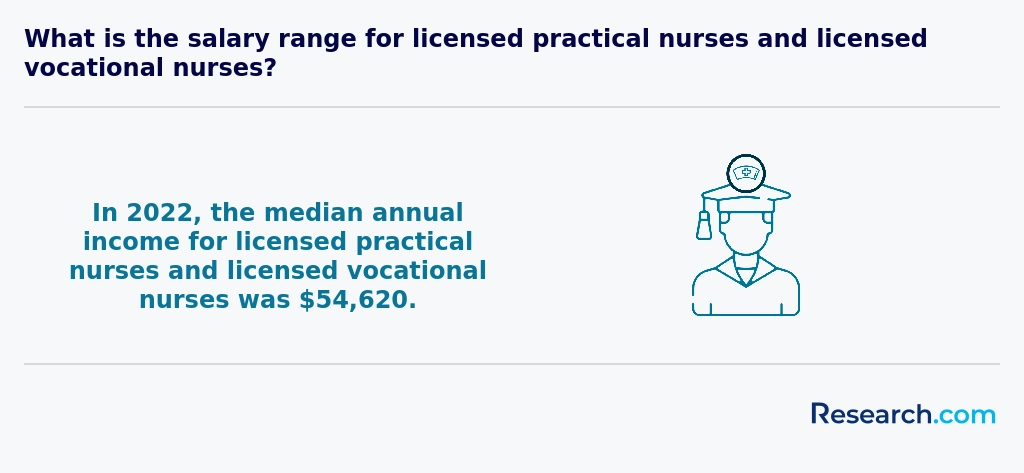
When considering a nursing program in Michigan, affordability is a crucial factor. Prospective students often seek institutions that offer high-quality education at a lower cost. To help with this, we have compiled a list of the most affordable nursing schools in Michigan. By exploring these options, students can find a program that fits their budget and meets their academic needs. For instance, students looking for an affordable nursing school in Michigan can find valuable information to guide their decision. This list is designed to provide insight into the cost-effective options available, ensuring that financial constraints do not hinder aspiring nurses from pursuing their dreams.
When pursuing a nursing degree in Michigan, many students find valuable financial support through federal aid such as the Free Application for Federal Student Aid (FAFSA). For example, graduates from the University of Michigan and Michigan State University often mention how the Pell Grant, offering up to $7,000 annually, significantly lightened their financial load without the stress of repayment.
State-specific programs also play a key role. The Michigan Nursing Scholarship Program is a game-changer, providing funds to students enrolled in approved nursing programs who commit to serving in Michigan's healthcare facilities after graduation. This helped many graduates from institutions like Grand Valley State University afford tuition while feeling motivated to give back to their communities.
Private scholarships and institutional grants from colleges and organizations such as the Michigan Nurses Association further brighten the financial outlook. Several students appreciate how combining work-study opportunities on campus or in clinical settings not only added income but invaluable hands-on experience.
Many registered nurses in Michigan seek to elevate their careers by pursuing a Bachelor of Science in Nursing (BSN) through RN-to-BSN bridge programs that combine clinical rigor with flexible formats. These pathways typically span 12–18 months for RNs holding an active license and offer coursework in leadership, community health, and evidence-based practice. Students can choose fully online options-ideal for working professionals-or hybrid models that blend virtual lectures with on-campus simulation labs. Admission criteria often include an ADN or diploma in nursing, a minimum GPA of 2.5–3.0, and completion of general education prerequisites. Clinical practicum hours remain integral, ensuring hands-on experience in diverse healthcare settings. Michigan institutions frequently partner with local hospitals and community clinics to guarantee meaningful placements, while academic support services-such as dedicated advisors and peer mentoring-help bridge students transition smoothly. Graduates report that completing a BSN unlocks leadership roles, improves salary potential by up to 15%, and enhances eligibility for advanced practice or graduate programs. For detailed insights into program structure, admission tips, and student feedback, explore our post university rn to bsn reviews, which rank user-rated RN-to-BSN offerings and highlight those with the most streamlined credit transfers and clinical partnerships.
To enroll in a nursing degree program in Michigan, you'll first need a high school diploma or GED, with strong coursework in biology, chemistry, and math. Many nursing programs at respected institutions like the University of Michigan or Grand Valley State University specifically look for completed prerequisites such as anatomy, physiology, and microbiology. These courses build a solid scientific foundation that nursing graduates often credit for their confidence during clinical rotations.
Standardized exams like the TEAS or HESI are essential steps. These tests assess your skills in reading, math, and science-core areas that nursing students must master. Graduates frequently highlight how preparing for these exams sharpened their ability to handle the fast-paced learning environment in Michigan's nursing schools.
A competitive GPA, usually between 2.5 and 3.0 or higher, can open doors at community colleges and universities across Michigan. Hands-on healthcare experience, such as volunteering at Detroit's local clinics, also makes applications stand out by showing real-world commitment.
Lastly, proof of immunizations and background checks are necessary due to Michigan's clinical rules, ensuring you're ready for patient care scenarios with confidence.
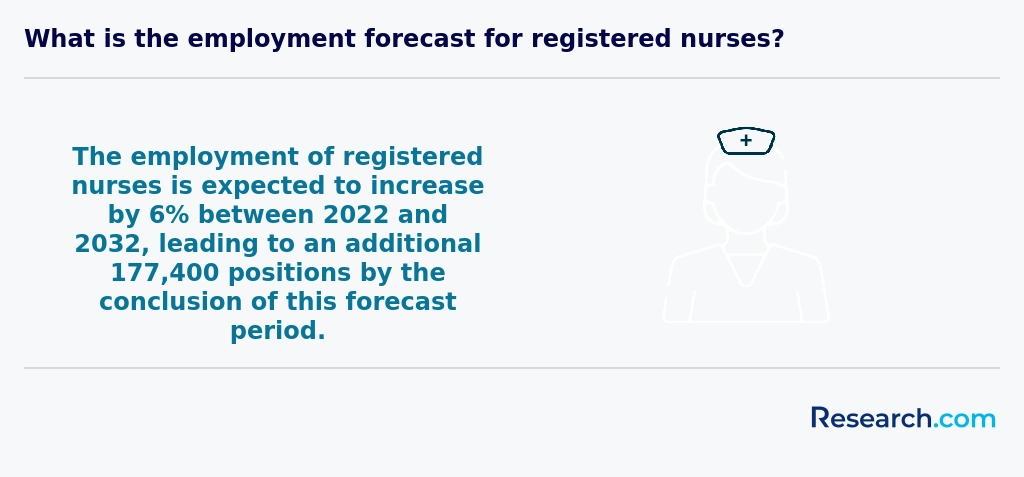
Planning ahead and understanding each application component will set you up for success when applying to nursing programs in Michigan. Follow these steps to stay organized and competitive: 1. Research Program Deadlines - Check individual school websites for application windows (typically October–February for fall entry). - Note rolling admissions dates and early decision deadlines if available. 2. Gather Prerequisite Documentation - Submit official transcripts showing completion of science courses (biology, chemistry, anatomy). - Prepare TEAS (Test of Essential Academic Skills) scores; aim for the 75th percentile or higher to strengthen your application. 3. Complete the Common Application Platforms - Many Michigan schools use NursingCAS. Create a profile, add institutions, and upload transcripts, test scores, and a personal statement. - For programs outside NursingCAS, follow individual school portals to submit materials directly. 4. Craft a Compelling Personal Statement - Highlight clinical experiences, volunteer work, and your passion for patient care. - Clearly articulate your long-term goals, whether it’s bedside nursing or advanced practice. 5. Secure Strong Recommendations - Request 2–3 letters from instructors, clinical supervisors, or healthcare professionals who can speak to your work ethic and clinical aptitude. - Provide recommenders with your resume and a summary of achievements to guide their letters. 6. Complete Health and Background Requirements - Submit proof of immunizations, health screenings, and CPR certification. - Undergo background checks and drug screenings as required by clinical partners. 7. Explore Advanced Entry Options - If you hold a non-nursing bachelor’s degree, consider direct-entry pathways like accelerated np programs for non nurses to fast-track your career. 8. Follow Up and Prepare for Interviews - Confirm receipt of application materials. - Practice common nursing school interview questions, focusing on scenarios showcasing critical thinking and empathy. By adhering to this timeline and checklist, you’ll present a well-rounded, competitive application to Michigan’s top nursing programs.
When you enroll in a nursing degree program in Michigan, expect a rich mix of courses designed to equip you thoroughly for real-world nursing. Graduates from popular institutions across the state often speak highly of foundational courses like anatomy, physiology, microbiology, and chemistry - these give you a deep understanding of the human body, which is vital when caring for patients.
Hands-on practice comes alive through core nursing classes such as Introduction to Nursing, Pharmacology, Medical-Surgical Nursing, Maternal and Child Health Nursing, Mental Health Nursing, and Community and Public Health Nursing. These courses are more than theory; they teach you how to think fast and act confidently during high-pressure moments in hospital wards or community clinics.
Many Michigan nursing programs also weave in subjects like nutrition, healthcare ethics, and policy, which prepare you to advocate effectively for your patients and navigate complex healthcare systems. Graduates often recall how these lessons helped them make compassionate, informed decisions.
At Michigan's leading universities and colleges, students balance rigorous classroom learning with clinical placements, where they bring this knowledge to life-whether it's assisting during surgery simulations or educating families on wellness in local health centers. This blend makes nursing in Michigan both challenging and incredibly rewarding.
When exploring nursing degree specializations in Michigan, you'll find a range of pathways tailored to fit your career goals and the state's healthcare demands. Graduates from universities like the University of Michigan and Wayne State often highlight programs such as Registered Nurse (RN) to Bachelor of Science in Nursing (BSN) Completion, which is ideal for those seeking to elevate their qualifications quickly and advance in clinical settings.
Other popular specializations include Family Nurse Practitioner (FNP), preparing nurses to manage primary care for patients of all ages, and Psychiatric Mental Health Nurse Practitioner (PMHNP), essential for addressing growing behavioral health needs across Michigan communities. Adult-Gerontology Acute Care Nurse Practitioner (AGACNP) is another vital track, especially with Michigan's aging population requiring focused care.
Many students mention how Michigan nursing program specialization options also cover Neonatal Nursing and Nursing Education and Administration, allowing you to either care for newborns or step into leadership and teaching roles. If you're an RN looking to advance, check out post university rn to bsn reviews for guidance on accelerating your degree journey.
When choosing the best nursing degree in Michigan, start by identifying your career goals and the degree level that matches them. Many graduates from universities like the University of Michigan or Michigan State University share how earning a BSN opened doors to leadership roles and specialized nursing positions. For those balancing work or family, exploring flexible options such as online or campus-based programs is key. Finding best affordable nursing programs in Michigan can make a significant difference-public universities often have lower tuition compared to private ones, easing financial stress while maintaining quality education.
Accredited programs accredited by CCNE or ACEN ensure you're prepared for the NCLEX-RN exam, a crucial step shared by successful nursing graduates in the state. Don't overlook financial aid and scholarships which helped many eager students enroll without heavy debt. Some learners also chose accelerated np programs for non nurses to advance quickly in their careers. Let your journey be guided by a balance of cost, quality, and your personal aspirations for a fulfilling nursing career in Michigan.
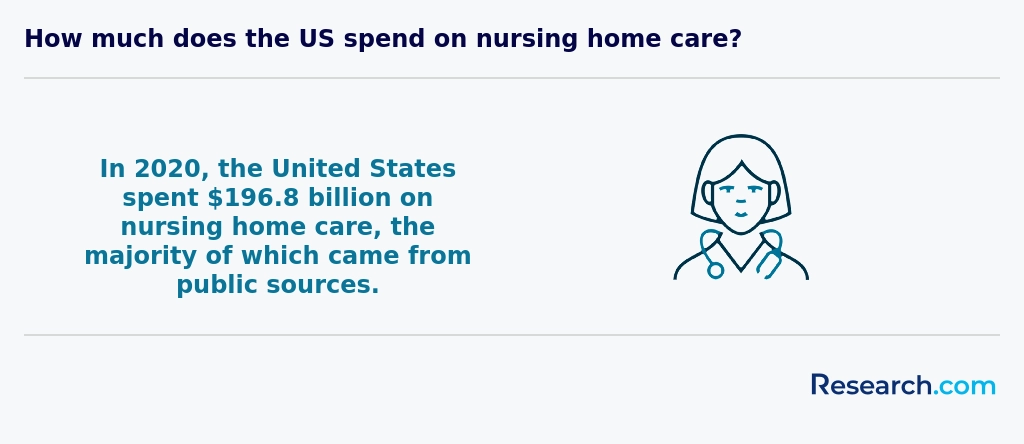
Graduates with a nursing degree in Michigan have access to a wide range of fulfilling career paths, each offering unique ways to impact patient lives. Many begin as registered nurses in major healthcare systems like the University of Michigan Hospitals or Henry Ford Health System, where hands-on experience in diverse clinical settings builds confidence and skill. Exploring specific fields such as pediatric or geriatric nursing allows nurses to specialize according to their passions, while others find meaningful roles in psychiatric or home health nursing, especially given Michigan's demographic needs.
For those eager to advance, earning a Master of Science in Nursing opens doors to roles like nurse practitioners or clinical nurse specialists, bringing autonomy in patient care and higher earning potential. Graduates often share how programs at institutions in Michigan helped them feel prepared to lead in underserved communities. As you evaluate nursing career options in Michigan, remember the practical benefits, from job opportunities to impactful work environments.
If you're considering further studies, check out options like the Most Affordable Online Doctorate in Nursing Degree Programs tailored for working professionals.
The nursing job market in Michigan is thriving, with strong demand driven by an aging population and healthcare expansion. Graduates from well-known institutions like the University of Michigan and Michigan State University often find themselves quickly employed in hospitals, outpatient clinics, and long-term care facilities. Many share their excitement about entering a workforce eager for skilled nurses, especially as specialized roles like nurse practitioners gain prominence.
Michigan nursing career opportunities are expanding beyond traditional settings. Telehealth and community health roles are becoming popular, appealing to graduates who enjoy combining technology with patient care. Practical experience gained at community colleges or public universities helps students confidently step into these diverse environments.
Financially, Michigan offers accessible tuition rates for nursing programs, which encourages a steady flow of dedicated nurses. If you're curious about what certification pays the most, exploring additional credentials can boost your career prospects in this positive job market.
2027 Best Nursing Degree Programs Ranking in Michigan
Investing in your education is a significant decision that can shape your career and future, and the Research.com team understands the importance of making well-informed choices. To assist prospective students, we have carefully developed the "2027 Best Nursing Degree Programs Ranking in Michigan." Our dedication to quality, credibility, and accuracy is demonstrated through thorough research and analysis conducted to compile this ranking.
We utilized the following reputable data sources to ensure a comprehensive evaluation of nursing programs:
By exploring this ranking, readers will gain valuable insights into the top nursing degree programs in Michigan, empowering them to make informed decisions about their educational journey. For more information on how this ranking was created, please visit our Research.com methodology page.


Frequently Asked Questions About nursing
To maximize their learning experience, nursing degree students in Michigan should engage actively in both academic coursework and clinical practice. Michigan hosts over 40 nursing programs accredited by the Accreditation Commission for Education in Nursing (ACEN), ensuring quality education aligned with industry standards. Students benefit from taking advantage of clinical placements in Michigan's diverse healthcare settings, such as the Detroit Medical Center and University of Michigan Hospitals, which offer exposure to varied patient populations.
Additionally, participating in simulation labs complements hands-on training and helps build critical decision-making skills. Students are encouraged to join professional groups like the Michigan Nurses Association to network and access career resources. According to the Michigan Center for Nursing, students graduating from state programs have a 90% pass rate on the NCLEX exam, reflecting effective preparation. Utilizing available academic support services and seeking mentorship further enhances learning outcomes.
The nursing field in Michigan is expanding into several emerging niches driven by healthcare needs and technological advances. One growing area is geriatric nursing, reflecting Michigan's aging population. The state's Department of Health projects a significant increase in residents over 65, increasing demand for nurses specialized in elderly care.
Another expanding niche is telehealth nursing, which has gained momentum, especially after the COVID-19 pandemic, enabling remote patient monitoring and virtual consultations. Michigan health systems are adopting telehealth to improve access in rural communities.
Additionally, nurse informatics is rising in importance, combining clinical expertise with information technology to improve patient care quality. Michigan's healthcare facilities report increasing job openings in this sector as electronic health records become standard.
These niches offer focused career paths with opportunities for advanced education and certification within the state's nursing programs.
After completing a nursing degree in Michigan, preparing for the job market involves several strategic steps to ensure employment success in a competitive field. First, pursue licensure by passing the NCLEX-RN exam, which is mandatory to practice as a registered nurse in Michigan. According to the Michigan Board of Nursing, new graduates should also obtain certification relevant to their specialty areas to increase job prospects.
Networking plays a vital role; joining state nursing associations such as the Michigan Nurses Association offers access to job boards, mentoring, and continuing education. Additionally, gaining clinical experience through internships or volunteer work can significantly improve employability.
Finally, use Michigan's healthcare labor market reports from the Department of Technology, Management & Budget, which projects above-average growth in nursing jobs through 2028, to target high-demand specialties and regions.
Employers in Michigan highly value nursing graduates who combine strong clinical skills with effective communication. According to the Michigan Center for Nursing, critical thinking and patient care competence are among the leading attributes sought in new nurses.
In addition, proficiency in electronic health record (EHR) systems is essential, reflecting the state's increasing adoption of healthcare technologies. A 2023 Michigan Department of Health report highlights that nurses' ability to handle technology improves patient outcomes and workflow efficiency.
Moreover, teamwork and adaptability stand out due to Michigan's diverse healthcare settings, ranging from urban hospitals to rural clinics. Employers prefer graduates who can collaborate well and remain flexible under pressure, facilitating quality patient care.
Finding internships in Michigan relevant to a nursing degree involves several strategic steps. Start by exploring clinical placement opportunities offered directly through nursing programs at Michigan universities and community colleges. Many schools collaborate with local hospitals and healthcare facilities for hands-on training. According to the Michigan Nursing Foundation, over 60% of nursing students secure internships through their schools' partnerships.
Additionally, check with major healthcare providers like the University of Michigan Health System and Henry Ford Health System, which frequently offer nursing internships. The Michigan Center for Nursing also maintains resources on clinical experience options. Networking through nursing associations in Michigan can further enhance internship prospects.
Obtaining a nursing degree in Michigan significantly enhances career mobility and advancement opportunities. Registered nurses with a Bachelor of Science in Nursing (BSN) often earn higher salaries and have access to specialized roles in hospitals and healthcare facilities. According to the Michigan Center for Nursing, the state expects a 15% growth in nursing jobs through 2029, emphasizing the demand for qualified professionals.
Advanced degrees like a Master of Science in Nursing (MSN) open doors to leadership, education, and nurse practitioner positions. Employers in Michigan increasingly prefer nurses with higher education for promotions and job security.
The Michigan Board of Nursing requires formal education for licensure, making degrees essential to entering and advancing in the field.
Studying for a nursing degree in Michigan equips students with skills essential for interdisciplinary roles in healthcare. Nursing programs in Michigan emphasize teamwork, communication, and collaboration with professionals from fields like medicine, social work, and pharmacy. According to the Michigan Center for Nursing, over 60% of nursing graduates engage in interprofessional practice within their first year of employment. Many universities incorporate simulation labs and clinical rotations that mirror real-world healthcare settings, promoting joint decision-making and patient-centered care.
Such training prepares graduates to work effectively in diverse teams, improving patient outcomes and healthcare efficiency across the state.
Choosing between a thesis and a non-thesis nursing degree program in Michigan depends largely on your career goals. Thesis programs emphasize research skills and critical analysis, ideal for students planning to pursue doctoral studies or roles in nursing education and policy. Non-thesis programs tend to focus more on practical skills and clinical experience, which suits those aiming for advanced practice roles or immediate entry into healthcare settings.
According to the Michigan Center for Nursing, the state expects a 15% growth in nursing jobs by 2030, highlighting the demand for both research-informed and clinically skilled nurses. Consider your future ambitions carefully when selecting your program.
Students based in Michigan who wish to study nursing abroad have several pathways available. Many Michigan nursing programs have established partnerships with international universities, allowing for study abroad semesters that count toward degree requirements. For example, Wayne State University and the University of Michigan offer global nursing experiences in countries like Ireland and Australia.
According to the Michigan Center for Nursing, over 130 nursing programs exist statewide, with growing emphasis on global health competencies. Students can explore options through exchange programs, clinical placements, or dual degree opportunities abroad.
It is crucial for Michigan students to ensure that overseas coursework is accredited and will meet licensing requirements from the Michigan Board of Nursing. Programs aligned with global organizations such as the Commission on Collegiate Nursing Education (CCNE) are preferable for maintaining eligibility to sit for the NCLEX-RN exam upon return.
Part-time job opportunities in Michigan that complement nursing degree education primarily include roles in healthcare settings where students can gain practical experience. Common positions are certified nursing assistant (CNA), medical scribe, or patient care technician. These roles help students develop clinical skills and improve patient interaction, preparing them for advanced nursing responsibilities.
Michigan's healthcare industry frequently employs part-time nursing students, especially since the demand for healthcare workers increased by 15% from 2020 to 2023, according to the Michigan Department of Labor. Working in hospitals, clinics, or long-term care facilities also enhances understanding of medical procedures and healthcare environments.
The state's workforce development programs often support nursing students seeking flexible, healthcare-related jobs. Such experiences can strengthen resumes and networking opportunities for full-time nursing careers post-graduation.
Nursing students in Michigan have access to abundant networking opportunities through various professional organizations and academic partnerships. The Michigan Nursing Association (MNA) offers student memberships, connecting aspiring nurses to experienced professionals across the state. Events, conferences, and workshops hosted by the MNA are excellent venues for building relationships and gaining industry insights.
Many Michigan universities collaborate with local hospitals and healthcare facilities, providing clinical placements that double as networking platforms. According to the Michigan Board of Nursing, clinical hours completed in healthcare settings often lead to mentorship and job prospects.
In addition, student groups like the National Student Nurses' Association (NSNA) have active chapters on Michigan campuses, which organize networking events and leadership development programs.
Alumni networks play a crucial role for nursing degree students in Michigan by providing valuable professional connections and mentoring opportunities. Graduates often stay active in these networks, which helps current students access job openings and internships within the state's healthcare system. According to the Michigan Center for Nursing, about 15% of new nurses find employment through referrals facilitated by alumni interactions.
These networks also offer guidance on licensure exams like the NCLEX-RN, which is essential for nursing practice in Michigan. Alumni can share insights on passing rates and preparation strategies, improving students' chances of success.
In addition, involvement in alumni associations supports continuing education by informing students about workshops and certification programs. This ongoing support strengthens the nursing workforce in Michigan by encouraging career development and retention within the state's high-demand healthcare sector.
Customizing a nursing degree program in Michigan allows students to align their education with specific career goals. Many Michigan institutions offer flexible tracks within nursing programs, such as concentrations in pediatric, geriatric, or psychiatric nursing. Students can often select electives that match their interests or pursue clinical placements in specialized healthcare settings. Additionally, some programs provide options for accelerated pathways or part-time study to accommodate working professionals.
The Michigan Department of Licensing and Regulatory Affairs reports a growing demand for nurses with diverse specialties, encouraging tailored preparation. By choosing programs accredited by the Commission on Collegiate Nursing Education (CCNE), students ensure their degree supports various licensing and certification paths.
Nursing students in Michigan face several common challenges during their education. One major obstacle is managing demanding clinical hours alongside coursework, as hands-on experience is essential yet time-consuming. The Michigan Center for Nursing reports that the state's growing healthcare needs increase pressure on students to gain competence quickly.
Financial strain is another issue. Tuition and fees for nursing programs can be high, and many students balance part-time jobs, which creates stress. According to the Michigan Nurses Association, limited availability of affordable clinical placements further complicates training.
Moreover, keeping up with rapidly evolving healthcare technology and regulations requires continuous learning. These factors combined create a challenging yet rewarding environment for aspiring nurses in Michigan.
With a nursing degree from Michigan, graduates can pursue several professional certifications to advance their careers. Common certifications include the Certified Nurse Assistant (CNA), Licensed Practical Nurse (LPN), and Registered Nurse (RN) credentials, which are essential for clinical practice in the state. Beyond entry-level certifications, nurses may pursue specialized credentials such as the Certified Nurse Midwife (CNM), Clinical Nurse Specialist (CNS), or Certified Registered Nurse Anesthetist (CRNA), depending on additional education and experience.
According to the Michigan Department of Licensing and Regulatory Affairs, certification requirements often include passing national exams and fulfilling clinical hours. These credentials help nurses qualify for roles in hospitals, community health, or advanced practice settings, where demand continues to grow.
Applying to a nursing program in Michigan requires careful preparation and attention to detail. Begin by researching accredited institutions approved by the Michigan Board of Nursing. This ensures your degree will meet state requirements for licensure. Strong academic performance in prerequisite courses such as biology, chemistry, and anatomy is crucial, as many programs set minimum GPA standards around 3.0.
Personal statements should clearly explain your passion for nursing, using specific experiences to demonstrate your commitment and understanding of the profession. Additionally, gathering strong recommendation letters, preferably from healthcare professionals or professors, can bolster your application.
Standardized test scores like the TEAS are often required; practicing these tests in advance can improve your ranking. Meeting application deadlines and submitting all requested documents early shows professionalism. According to the Michigan Center for Nursing, competition is increasing due to growing demand, so a carefully crafted, honest application that highlights your strengths will improve your chances.
The nursing profession holds strong global importance due to widespread healthcare needs and aging populations. In the United States, including Michigan, nursing shortages are escalating, with the Bureau of Labor Statistics projecting a 9% growth in registered nurse jobs through 2032. This reflects global trends where demand for skilled nurses is rising, especially in specialized fields like geriatrics and chronic disease management.
Michigan, home to over 170,000 registered nurses, benefits from international collaboration and standardized education practices. The state follows national curriculum guidelines shaped by organizations like the American Association of Colleges of Nursing, aligning with global competencies.
Internationally, a nursing degree often provides opportunities for mobility. However, licensing requirements vary by country, so U.S.-educated nurses should research credential recognition if considering work abroad. Many nursing programs in Michigan include awareness of global health issues, preparing graduates for diverse healthcare environments.
Gaining practical experience while studying for a nursing degree in Michigan is essential for career readiness. Most nursing programs in the state require clinical rotations, which allow students to work directly with patients in hospitals, clinics, or community health settings. These placements often total hundreds of hours and provide hands-on learning under professional supervision.
Additionally, many schools encourage participation in simulation labs that mimic real-life healthcare scenarios, strengthening critical thinking and clinical skills. Some Michigan nursing schools also offer internships or partnerships with healthcare facilities, which can enhance job prospects after graduation.
According to the Michigan Board of Nursing, clinical experience is a mandated component of licensure preparation, ensuring graduates meet state standards.
Choosing the right concentration within a nursing degree program in Michigan begins with understanding your career goals and the state's healthcare needs. Michigan offers a variety of specializations, such as family nurse practitioner, psychiatric nursing, and pediatric nursing. Research shows a growing demand for geriatric and primary care nurses in Michigan due to its aging population (Michigan Department of Health and Human Services, 2023).
Consider which settings-hospitals, clinics, or community care-you prefer. Also, investigate program accreditation and clinical placement opportunities in Michigan, which impact licensure and employment. Reviewing local job market trends and speaking with current Michigan nurses can provide valuable guidance tailored to your long-term plans.
- 2027 Best Online Nursing Degree Programs Ranking in Ohio
- 2027 Best Online Nursing Degree Programs Ranking in Indiana
- 2027 Best Online Nursing Degree Programs Ranking in Wisconsin
- 2027 Best Online Nursing Degree Programs Ranking in Illinois
- 2027 Best Online Nursing Degree Programs Ranking in Pennsylvania
- 2027 Best Online Nursing Degree Programs Ranking in Kentucky
- 2027 Best Online Nursing Degree Programs Ranking in Iowa
- 2027 Best Online Nursing Degree Programs Ranking in Missouri
- 2027 Best Online Nursing Degree Programs Ranking in New York
- 2027 Best Online Nursing Degree Programs Ranking in Tennessee
See What Experts Have To Say About Studying Nursing
Read our interview with Nursing experts


- Your Questions About Online Nursing School, Answered https://www.allnursingschools.com/how-to-get-into-nursing-school/online-programs/
- Study Nursing Abroad | Boomerang International Educational Services https://boomerangedu.com/study-nursing-abroad/
- Client Challenge https://www.springerpflege.de/nursing-graduates-perceived-future-career-pathway-and-career-shi/50653658
- Academic Programs : Nursing - Associate Degree : Northwestern Michigan College https://www.nmc.edu/programs/academic-programs/nursing-associate-degree/
- Nursing Internship and Externship Programs https://jobs.mayoclinic.org/nursinginternexternprograms
- Nursing Internships Abroad: An Introduction - RealStep https://www.real-step.com/en/articles/nursing-internships-abroad/
- Do I Have to Write a Thesis to Complete a Master’s Degree in Nursing? https://www.bestmasterofscienceinnursing.com/faq/write-thesis-complete-masters-degree-nursing/
- Nursing - SUM Admission https://admission.sum.edu.pl/nursing/
- Nursing (Registered) Associate in Applied Science | Lake Michigan College https://www.lakemichigancollege.edu/academics/health-sciences/nursing/nursing-associate
- Nursing Study Abroad Programs | Go Overseas https://www.gooverseas.com/study-abroad/nursing


