2027 Best Nursing Degree Programs Ranking in Houston

Co-Founder and Chief Data Scientist
If you're considering a nursing degree in Houston, choosing the right program is an important step towards a rewarding career. This article introduces the 2027 Best Nursing Degree Programs Ranking in Houston, created by the Research.com team of data scientists to help you make an informed decision.
By exploring top programs, you'll discover options that match your goals and aspirations. Earning a nursing degree opens doors to meaningful work in health care, making a difference in people's lives every day.
Read on to find guidance that supports your future success.
Key benefits of getting nursing degree in Houston
- Salary for nursing degree graduates: Graduates in Houston can expect rewarding salaries, with Registered Nurses earning a mean annual wage of $94,480 and Operating Room Nurses earning up to $128,490, ensuring financial stability and growth.
- Potential career paths: Nursing degree holders from popular Houston colleges often explore diverse roles such as Registered Nurse, Clinical Nurse Educator, or Public Health Nurse, offering flexibility and meaningful impact in healthcare.
- Benefits of online nursing degrees: Completing a nursing degree online from reputable Houston universities provides convenience and allows students to balance work or family while gaining the same valuable skills and career opportunities as traditional programs.
- 2027 Best Nursing Degree Programs Ranking in Houston
- What can I expect from nursing degree in Houston?
- Where can I work with nursing degree in Houston?
What can I expect from nursing degree in Houston?
When it comes to the average cost of a nursing degree in Houston, many students find it's pretty reasonable compared to other big cities. For example, at Houston Community College, in-state tuition for an Associate Degree in Nursing (ADN) can be quite affordable, often making it easier for students to manage costs without piling on debt. Graduates often share how helpful financial aid and scholarships were in easing the burden, especially for those juggling work and school.
Even at universities like the University of Houston or Texas Woman's University Houston Center, the tuition stays competitive. Public institutions usually have lower costs for Texas residents, which means you can get a solid nursing education without breaking the bank. Many grads talk about how this balance of quality education and affordable pricing made their journey less stressful and more focused on learning the skills that matter.
So, while prices vary a bit depending on the program level, Houston's nursing degrees generally offer strong value along with great clinical opportunities close to home.
Where can I work with nursing degree in Houston?
If you're studying nursing in Houston, you'll find tons of chances to jump into the workforce right after graduation. Many grads from schools like the University of Houston or Texas Woman's University land jobs in big hospitals around the Texas Medical Center. Imagine working at Houston Methodist or Memorial Hermann-these places are buzzing with action, from emergency rooms to pediatric wards. It's where you get hands-on experience and see your skills make a real difference.
Some grads prefer the steady pace of outpatient clinics or community health centers. Here, you get to build lasting relationships with patients, focusing on prevention and chronic care. It's rewarding to help folks manage their health in these local, friendly settings.
Home healthcare is also booming, especially with Houston's growing elderly population. Many grads find it fulfilling to provide one-on-one care right in people's homes-bringing comfort and support where it's needed most.
Plus, some go into teaching or healthcare admin, shaping future nurses or running clinics. The options are varied, and Houston's healthcare scene has something for every nursing grad ready to make an impact.
If you're aiming for a nursing degree in Houston, you're looking at solid earning potential right out of the gate. Graduates from popular schools like the University of Houston or Texas Woman's University often start their careers around $65,000 to $70,000 a year, which feels pretty good when paired with Houston's lower cost of living.
Once you've got some experience under your belt, you could easily see your salary climb past $90,000, especially if you land roles like registered nurse, clinical nurse educator, or public health nurse-all of which in Houston pull a mean annual wage of about $94,480 according to recent data. That's a nice step up and makes the long study hours feel worth it!
For those who take the next step into specialties, like operating room nursing, the numbers get even sweeter. The average salary here jumps to around $128,490 a year, reflecting the extra skills and responsibility you bring in. Imagine working at a big Houston hospital and seeing that paycheck-it's a rewarding hustle.
- Houston offers accredited nursing programs including ADN, BSN, and MSN degrees meeting state and national standards.
- ADN programs cost between $8,000 and $15,000, while BSN programs range from $20,000 to $40,000 in total tuition and fees.
- Entry-level registered nurses in Houston earn about $65,000 annually, with experienced nurses making $85,000 or more.
- The nursing job market in Houston is expected to grow 15% over the next decade, higher than the national average.
- Licensure in Texas requires passing the NCLEX-RN and completing continuing education, which Houston programs prepare students for.
If you're wondering how long it takes to finish a nursing degree in Houston, it really depends on the path you choose. For example, many students start with an Associate Degree in Nursing (ADN) at places like Houston Community College, which usually takes about two years. Graduates often share how rewarding it feels to pass the NCLEX-RN and enter the workforce quickly, making that two-year journey totally worth it.
On the other hand, if you're aiming for a Bachelor of Science in Nursing (BSN), expect about four years at universities like the University of Houston or Texas Woman's University. Many grads say this route gives them a richer experience with leadership and research skills that come in handy later.
If you already have an ADN, the RN-to-BSN bridge programs in Houston are a great option, typically taking 12 to 18 months. Many nurses working full-time appreciate the flexible, often online, setup here.
For those going further, Master's programs (MSN) at schools like Baylor College of Medicine add around two more years for advanced roles. So depending on your goal, nursing in Houston offers options that fit different lifestyles and timelines.
Pursuing a nursing degree in Houston, TX, begins with a clear understanding of each program’s application requirements and timelines. Here’s a step-by-step guide to help you navigate the process: 1. Research and Program Selection • Identify accredited nursing programs in Houston, such as ADN, BSN, MSN, or DNP tracks. • Review specific admission criteria on each school’s website, including minimum GPA and prerequisite courses. 2. Standardized Testing and Transcripts • Register for required entrance exams (TEAS or HESI A2) at least six weeks before application deadlines. • Request official transcripts from all postsecondary institutions; allow 2–4 weeks for processing. 3. Prerequisite Verification and Supporting Documents • Ensure completion of core science courses (biology, chemistry, anatomy, physiology) with required grades. • Prepare letters of recommendation-ideally from clinical instructors or healthcare professionals. • Draft a compelling personal statement highlighting your passion for nursing and relevant experience. 4. Application Submission and Fees • Complete the online application portal for each institution; typical windows open in August for Fall admission. • Pay non-refundable application fees (commonly $50–$100) by posted deadlines-usually October through December for spring and January through March for fall. 5. Interview and Background Check • Some programs require an admissions interview; schedule this promptly when invited. • Submit to background checks and provide immunization records as mandated by clinical partners. 6. Financial Planning and Advanced Study • Apply for FAFSA by December 1 to maximize federal aid eligibility. • Explore scholarships and work-study opportunities specific to nursing students. • When considering graduate advancement, review our Inexpensive Online Master’s in Nursing Degree Programs to balance quality and cost. 7. Final Decisions and Enrollment • Watch for acceptance notifications in March (spring cohort) or May (fall cohort). • Confirm intent to enroll by submitting deposits and selecting courses before the June or November deadlines. By adhering to these key steps and deadlines, you’ll position yourself for a smooth transition into a nursing program that aligns with your academic goals and career aspirations.
If you're thinking about getting your nursing degree in Houston, the main difference between online and on-campus programs really comes down to how you learn and connect with people. On-campus programs at places like the University of Houston offer hands-on labs and in-person classes where you hang out with your classmates and professors. One graduate shared how much they loved the face-to-face mentoring-it made learning complex skills way easier and even boosted their confidence before starting clinical rotations in local Houston hospitals.
On the flip side, online nursing degrees give you the freedom to study whenever you want, which is perfect if you have a job or family commitments. For example, grads from Texas Southern University's online program often mention how studying at their own pace helped them balance work and school. But don't forget, both options require real-world clinical hours in Houston-area healthcare facilities, so you still get that valuable hands-on experience.
So, whether you prefer the buzz of campus life or the flexibility of learning from home, Houston's nursing programs have something that fits your style while preparing you for the NCLEX-RN exam.
- Accredited by CCNE (Commission on Collegiate Nursing Education) or ACEN (Accreditation Commission for Education in Nursing)
- Approved by the Texas Board of Nursing for RN licensure eligibility
- Recent NCLEX-RN first-time pass rates range from 85% to 98%, reflecting program quality and faculty support
- Verification of accreditation and pass rates available on each school’s official website or the Texas Board of Nursing portal
Planning to advance your practice? Consider the shortest dnp program online for streamlined doctoral preparation.
The average nursing degree cost Houston reflects a mix of in-state and out-of-state tuition rates, with the median total cost sitting around $36,536 overall. If you're a local student at popular schools like the University of Houston or Texas Southern University, you can expect to pay closer to $15,000 for your entire degree as an in-state resident, which is super encouraging when budgeting for your education. Graduates from these schools often share how that balance of cost and quality made their nursing journey feel like a manageable and rewarding investment.
On the other hand, exploring private institutions in Houston, such as Baylor College of Medicine's School of Nursing, shows a higher price tag but also access to more specialized resources. Many students who choose private schools feel confident about the value they get out of those programs, even though the initial costs are steeper.
If saving money is a priority, community colleges like Houston Community College offer ADN programs that are considerably less expensive but still provide a solid path into nursing. Their tuition averages well below public universities, making it easier for students to get started without breaking the bank.
Keep in mind, the full cost of nursing school includes more than just tuition-things like books, uniforms, exam fees, and living expenses all add up. Luckily, there are plenty of financial aid options, grants, and scholarships to consider. For those looking to dig deeper into affordable opportunities, checking out the cheapest nursing programs in Texas is a smart move to find great deals and plan effectively for the whole journey.

1. University of Houston – Bachelor of Science in Nursing (BSN) • Accreditation: CCNE and Texas Board of Nursing-approved • NCLEX-RN Pass Rate: 92% (2023 cohort) • Clinical Partnerships: Texas Medical Center, Memorial Hermann • Format: Traditional, accelerated, and hybrid options • Annual Tuition: $22,389 (in-state), $34,567 (out-of-state) 2. Texas Woman’s University – Online & On-Campus BSN • Accreditation: ACEN and SACSCOC • NCLEX-RN Pass Rate: 89% • Clinical Sites: Harris Health System, CHI St. Luke’s Health • Flexible Scheduling: Fully online theory with local clinical placements • Annual Tuition: $11,950 (online), $15,200 (on-campus) 3. Houston Baptist University – Accelerated Second-Degree BSN • Accreditation: CCNE • NCLEX-RN Pass Rate: 95% • Cohort Model: Small class sizes with simulation-lab focus • Duration: 16 months full-time • Annual Tuition: $32,100 4. Lone Star College – Associate Degree in Nursing (ADN) • Accreditation: ACEN • NCLEX-RN Pass Rate: 87% • Clinical Rotations: Lyndon B. Johnson Hospital, Tomball Regional Medical Center • Duration: 2 years with evening/weekend options • Annual Tuition: $5,200 (in-district), $9,800 (out-of-district) 5. Prairie View A&M University – RN to BSN Completion Program • Accreditation: CCNE • NCLEX-RN Pass Rate: N/A (bridge program) • Admission: 30-credit bridge curriculum for licensed RNs • Delivery: Fully online with optional summer intensives • Annual Tuition: $9,600 (in-state), $17,250 (out-of-state) For licensed practical nurses seeking to fast-track your career, consider our top 6-month lpn to rn bridge program, designed for flexibility, high NCLEX-RN success, and seamless clinical integration.
If you're thinking about a nursing degree in Houston, don't worry-there's a good chance you'll find solid financial aid to help out. Many students at schools like the University of Houston or Texas Woman's University tap into federal aid by filling out the FAFSA. That opens the door to Pell Grants, which are amazing because they don't need to be paid back, and can cover up to around $7,400 a year depending on your situation.
A lot of grads mention how state programs really made a difference too. For example, Texas has scholarships and loan repayment options if you commit to working in underserved areas, which is especially helpful when budgeting your expenses.
Plus, if you're already working in healthcare at a Houston hospital, you might qualify for tuition reimbursement from your employer-something many nursing students find super encouraging!
Other perks include military benefits or special scholarships from private nursing groups, so there are plenty of routes to lighten the financial load while chasing that nursing dream.
Houston’s top nursing programs not only provide rigorous academic training but also deliver impressive NCLEX pass rates, a key indicator of a program’s effectiveness and graduates’ readiness for professional practice. For 2023, the University of Houston reported a first-time NCLEX-RN pass rate of 92%, while Texas Woman’s University achieved an 89% pass rate, and Houston Baptist University maintained a strong 90% rate. These figures surpass the Texas state average of 87%, highlighting the quality of clinical instruction and exam preparation offered by Houston institutions. Beyond preparing BSN candidates, many local schools also support LPN aspirants in achieving licensure success. For those seeking a flexible pathway, the fast lpn online program integrates targeted NCLEX-PN review modules, live tutoring sessions, and simulated practice exams to boost confidence and competence before test day. By leveraging specialized resources like interactive case studies and dedicated NCLEX coaches, LPN students often see pass rates climb by 10–15% compared to national averages. To further enhance licensing outcomes, programs in Houston commonly offer NCLEX boot camps, peer-led study groups, and personalized feedback from clinical instructors. These structured review opportunities ensure students master high-yield content areas-such as pharmacology, pediatrics, and adult health-while refining test-taking strategies. As a result, graduates emerge not only as compassionate caregivers but also as licensed professionals equipped to excel in Houston’s dynamic healthcare environment.
If you're thinking about jumping into a nursing program here in Houston, you'll need to tick a few boxes before you even get started. Most programs, like those at well-known schools in the area, expect you to have a high school diploma or a GED. Many grads recall how tackling biology, chemistry, and math really helped them feel ready for tough classes later on.
Another key step is acing the TEAS exam, which tests your reading, math, science, and English skills. Those who've passed it say it felt challenging but fair, and getting a good score boosted their confidence heading into classes.
You'll also need to finish some college-level prerequisites like anatomy and microbiology. Plus, showing proof of immunizations and passing background checks is pretty standard, since you'll be working with patients during clinicals. Admissions teams also love seeing volunteer work or healthcare experience-it really shows you're passionate and ready to care for others.

When considering a nursing degree in Houston, TX, one of the critical factors to evaluate is the cost of the program and how to budget for it. Understanding the expenses involved and the available financial aid options is essential for making informed decisions. For instance, students can explore the cheapest nursing programs in Texas to find a program that fits their budget. Additionally, many institutions offer scholarships, grants, and work-study programs to support nursing students. By carefully planning and managing their finances, aspiring nurses can focus on their studies and career goals without undue financial stress. It's also important to consider the long-term financial benefits of a nursing career, including competitive salaries and opportunities for advancement, which can help offset the initial investment in education.
If you're thinking about a nursing degree in Houston, expect a mix of courses that really get you ready to care for patients. Many grads from popular schools like the University of Houston or Houston Community College share that they started with the basics-human anatomy, physiology, microbiology, and chemistry. These classes help you understand how the body works and reacts to illnesses, which makes everything else in nursing click into place.
On top of that, you'll dive into specialized nursing topics like pediatric nursing, mental health nursing, and maternal care. Imagine learning how to support a new mom right after childbirth or helping kids feel safe in a hospital-these courses make those real-life moments feel a bit less scary.
The pharmacology classes are pretty cool too because you learn how meds actually work, which is crucial when you're out in Houston's hospitals. Plus, with so many healthcare hubs around, you get to practice hands-on through clinical training in real facilities, which students often say is the part that makes everything come alive.
If you're looking into nursing degree specializations in Houston, you'll find plenty of options that make your studies super relevant to the local healthcare scene. Graduates from universities like the University of Houston often praise how their programs focus on areas like community health nursing, which is perfect if you want to work in public health around Houston's diverse neighborhoods.
Other popular Houston nursing program concentration options include Critical Care Nursing, where students train to handle intense situations in busy hospitals like Houston Methodist, and Pediatric Nursing for anyone passionate about helping kids in specialized pediatric centers. Some grads share how the Family Nurse Practitioner track gave them the skills to provide primary care, which is in high demand in Texas right now.
For those exploring different paths, you might also like programs in Psychiatric and Mental Health Nursing or Geriatric Nursing, both vital as Houston grows and healthcare needs shift. Plus, if you're eager to start quickly, check out this fast lpn online program tailored for flexible learning and speedy entry into nursing careers.
Picking the best nursing degree in Houston means focusing on what really matters: accreditation, costs, and real-world experience. Graduates from popular nursing colleges in Houston often say their hands-on clinical rotations at Houston's big hospitals made all the difference. That kind of exposure isn't just textbook stuff-it's what prepares you for the fast-paced healthcare scene here. If you're juggling life and studying, check out programs known for flexibility and strong support, which many affordable nursing schools Houston Texas offer. Also, think about what degree suits you best; ADN programs can be quicker and less pricey, while BSN degrees often open more doors, especially within Houston's large hospital networks.
Don't forget to explore different paths - many students have found success boosting their careers through options like the top 6-month lpn to rn bridge program. It's all about matching your goals with a program that fits your life and taps into Houston's unique healthcare opportunities.
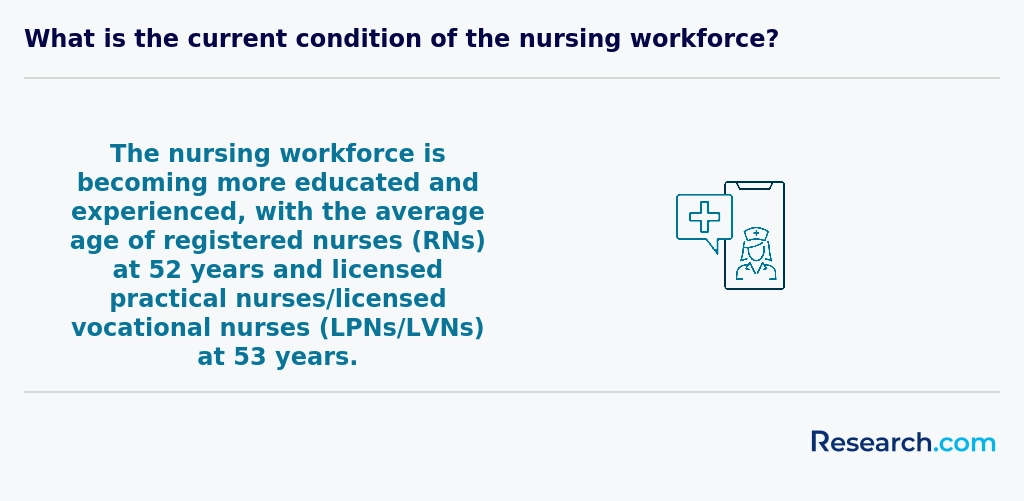
If you're thinking about nursing career opportunities in Houston, you're stepping into a city bursting with options. Graduates from popular nursing programs in Houston often start as Registered Nurses (RNs) in busy hospitals or cozy outpatient clinics, where they get to work hands-on with patients. Many share stories of jumping into fast-paced emergency rooms or specializing in pediatric nursing at well-known places like Texas Children's Hospital, which really brings their studies to life.
Others find themselves drawn to specialties like critical care, oncology, or labor and delivery-each offering unique challenges and rewarding moments. Thanks to Houston's massive healthcare scene, there are plenty of chances to grow into leadership roles or even move into nursing education at local universities, where grads enjoy giving back by training the next generation.
You'll also find growing opportunities in community health and healthcare informatics, fields that focus more on prevention and data. For those wanting to boost their credentials, advanced degrees open doors to becoming Nurse Practitioners or Nurse Anesthetists, with salaries rising accordingly. If budget is a concern, check out Inexpensive Online Master's in Nursing Degree Programs to help plan your next steps with confidence.
Ultimately, nursing degree job prospects Houston offer are wide and exciting, making the city a great place to start your healthcare journey.
Graduates from popular nursing programs in Houston often find the job market pretty welcoming. Thanks to Houston's booming healthcare sector and places like the Texas Medical Center, there's a steady demand for skilled nurses. Many grads from local colleges share how they landed roles quickly, whether in hospitals or specialty clinics. The nursing job opportunities in Houston grow alongside the city's expanding population and healthcare needs, making it easier to step into rewarding positions.
Salaries here are competitive too, with registered nurses earning slightly above the national average. Plus, there's a good mix of opportunities for everyone-from certified nursing assistants to advanced practice nurses. If you're looking to save some money on tuition before entering this market, check out options like the quickest associate degree online, which many students choose to start their journey without a hefty price tag.
Overall, the healthcare employment outlook Houston provides keeps nursing careers both stable and promising, making it a great place to study and work.
2027 Best Nursing Degree Programs Ranking in Houston
Investing in your education is a significant decision that can shape your future, and the Research.com team understands the importance of making informed choices. To assist prospective students in Houston, we have meticulously crafted the "2027 Best Nursing Degree Programs Ranking in Houston." Our commitment to quality, credibility, and accuracy is reflected in the extensive research and analysis conducted to compile this ranking.
We utilized the following reputable data sources to ensure a comprehensive evaluation of nursing programs:
By exploring this ranking, readers will gain valuable insights into the best nursing degree programs available in Houston, helping them make well-informed decisions about their educational path. For more details on our methodology, please visit our Research.com methodology page.

# 2 position
The University of Texas Health Science Center at Houston
PhD in Nursing


# 7 position
The University of Texas Health Science Center at Houston
Master of Science in Nursing
# 8 position
Chamberlain University-Texas
Bachelor of Science in Nursing


Frequently Asked Questions About nursing
Nursing degree students in Houston can maximize their learning by taking advantage of clinical placements at the city's top healthcare facilities, such as Houston Methodist and Texas Children's Hospital. These hands-on experiences are crucial for developing practical skills alongside theoretical knowledge. According to the Texas Board of Nursing, over 50% of nursing programs in Houston emphasize clinical hours, which improve student readiness for licensing exams.
Students should also engage in study groups and seek mentorship from experienced nurses to enhance their understanding of complex medical concepts. Utilizing resources offered by Houston community colleges and universities, including tutoring centers and simulation labs, can strengthen learning outcomes.
Additionally, staying informed about local healthcare trends and policies through Houston nursing associations supports professional growth and networking opportunities.
The nursing field in Houston is evolving rapidly, with several emerging niches gaining importance. One notable area is gerontological nursing, focusing on care for the region's growing elderly population. According to the Houston Health Department, adults over 65 are expected to increase significantly by 2030, driving demand for specialized skills.
Another rising specialty is telehealth nursing, which has expanded due to advances in technology and the need for remote care, especially after the COVID-19 pandemic. Houston's large healthcare network supports this growth by integrating virtual patient management.
Additionally, environmental health nursing is gaining attention as Houston faces challenges related to industrial pollution and disaster response. Nurses trained in this niche help manage public health risks in affected communities.
After completing a nursing degree in Houston, preparing for the job market involves several key steps. First, obtaining your Registered Nurse (RN) license by passing the NCLEX-RN exam is essential. Texas consistently reports a strong demand for nurses, with Houston's healthcare sector growing rapidly due to its large population and numerous medical centers, such as the Texas Medical Center.
Networking plays a critical role; consider joining local nursing associations like the Houston Nurses Association to connect with employers and mentors. Gaining clinical experience through internships or volunteer work in Houston hospitals can also boost employability. Finally, developing skills in specialized areas like critical care or pediatrics may increase your job prospects in the competitive Houston market.
Employers in Houston seek several key skills from nursing degree graduates, emphasizing both technical expertise and interpersonal abilities. Clinical competence is essential, including proficiency in patient care, medication administration, and use of electronic health records, vital for local hospitals such as Houston Methodist and Memorial Hermann.
Communication skills rank highly, as nurses must effectively collaborate with multidisciplinary teams and patients. According to the Texas Board of Nursing, strong critical thinking and adaptability are critical given Houston's diverse patient population and fast-paced medical environment.
Additionally, cultural sensitivity and empathy are increasingly valued to address Houston's varied communities. Employers also prioritize a solid foundation in evidence-based practice, ensuring graduates can apply the latest research to improve patient outcomes.
Finding nursing internships in Houston involves a strategic approach centered on healthcare institutions and academic partnerships. Many nursing programs in the Houston area collaborate with local hospitals such as Houston Methodist, Memorial Hermann, and Texas Children's Hospital to provide clinical internship placements.
Students should begin by consulting their nursing school's career services or clinical coordination office, as these departments often have established agreements with hospitals for internships. Networking with faculty and attending local healthcare job fairs can also uncover internship opportunities.
According to the Texas Board of Nursing, clinical experience is a mandatory component of nursing degrees, emphasizing the importance of internships in actual patient care settings. Houston's large healthcare industry offers a competitive environment but numerous spots, especially in specialties like pediatric and emergency nursing.
Additionally, online resources like the Houston Area Healthcareers Network provide updated listings of internships and externships specific to nursing.
Obtaining a nursing degree in Houston significantly enhances career mobility and advancement opportunities within the city's growing healthcare sector. The Houston metropolitan area employs over 120,000 registered nurses, according to the Texas Workforce Commission, creating strong demand for highly qualified professionals.
Degrees such as the Bachelor of Science in Nursing (BSN) are increasingly preferred by employers, with studies showing BSN-prepared nurses earn approximately 10-15% higher salaries than those with only an associate degree. Higher education facilitates access to specialized roles, leadership positions, and advanced practice careers, including nurse practitioner or nurse educator.
Educational credentials also influence eligibility for hospital promotions, including management tracks in Houston's large medical centers like the Texas Medical Center. Additionally, nursing degrees support licensure requirements and continuing education, which are essential for career growth and salary increases in Texas.
Studying for a nursing degree in Houston offers students comprehensive preparation for interdisciplinary roles in healthcare. Houston's nursing programs emphasize collaboration skills, integrating coursework that spans healthcare communication, ethics, and teamwork across disciplines. The city's large medical centers, like the Texas Medical Center, provide nursing students with diverse clinical experiences alongside doctors, pharmacists, and social workers, fostering real-world teamwork.
Houston-area nursing curricula follow guidelines from the American Association of Colleges of Nursing, ensuring graduates are equipped for interdisciplinary decision-making. For example, data from the Texas Board of Nursing highlights increasing enrollment in programs emphasizing interprofessional education, reflecting the demand for collaborative skills in local hospitals.
Choosing between a thesis and a non-thesis nursing degree program in Houston depends on your career goals and learning preferences. Thesis programs typically require original research, ideal for students aiming for advanced roles in nursing education, leadership, or PhD studies. Non-thesis options focus more on practical skills and clinical experience, suitable for those seeking direct patient care roles or managerial positions without research commitments.
In Houston, institutions like the University of Texas Health Science Center offer both formats. According to Texas Higher Education Coordinating Board data, thesis programs often take longer to complete, averaging 24 to 36 months, compared to 18 to 24 months for non-thesis tracks.
Consider the time commitment, your interest in research, and future job plans before deciding your path in the Houston nursing education landscape.
Students based in Houston who wish to study nursing abroad have several pathways facilitated by partnerships between Texas institutions and international universities. While Houston itself hosts numerous reputable nursing programs, study abroad options often come through exchange programs or affiliated campuses. For example, some nursing schools in Texas, including the University of Texas Health Science Center at Houston, offer limited international clinical placements or semester exchanges.
Additionally, US education agencies and organizations like NAFSA provide guidance on accredited foreign nursing programs recognized by the Commission on Collegiate Nursing Education (CCNE) or the Accreditation Commission for Education in Nursing (ACEN). Monitoring licensing requirements in foreign countries is essential since graduates must ensure eligibility for RN licensure upon return.
In Houston, part-time job opportunities that complement nursing degree education include roles like certified nursing assistant (CNA), medical scribe, and patient care technician. CNAs support nursing staff by assisting patients with daily activities, offering practical experience in healthcare settings. According to the Texas Workforce Commission, Houston's healthcare sector employed over 350,000 people in 2023, showing strong demand for these roles.
Medical scribes help nurses and doctors by documenting patient interactions, which builds medical terminology skills. Patient care technicians perform basic nursing duties and vital sign monitoring, providing hands-on experience.
These positions offer flexible schedules, allowing students to balance work and clinical coursework effectively.
Nursing students in Houston benefit from a variety of networking opportunities that can enhance their career prospects. Local universities like the University of Texas Health Science Center and Texas Woman's University often host nursing conferences and workshops. These events connect students with healthcare professionals and potential employers.
Additionally, Houston's Harris County Medical Society and Texas Nurses Association provide student memberships, offering access to professional development and networking events. According to the Texas Workforce Commission, Houston's healthcare sector employs over 140,000 nursing professionals, creating a strong community for mentorship and collaboration.
Alumni networks offer significant benefits to nursing degree students in Houston by providing access to professional connections and mentorship. Many local hospitals, including Houston Methodist and Memorial Hermann, frequently recruit graduates from regional nursing programs.
These networks help students learn about job openings, internships, and volunteer opportunities early, increasing their chances of gaining practical experience. According to the Texas Board of Nursing, Houston has one of the largest concentrations of nursing professionals in the state, making a strong alumni community particularly valuable for networking.
Moreover, alumni can offer guidance on licensing exams, career advancement, and continuing education options specific to Texas requirements, enhancing students' preparedness for a successful nursing career in Houston.
Customizing a nursing degree program in Houston to align with your career goals involves selecting the right specialization and learning format. Many local universities offer options such as Registered Nurse (RN) to Bachelor of Science in Nursing (BSN), Advanced Practice Registered Nurse (APRN), or Nurse Practitioner tracks. Choosing elective courses focused on pediatrics, geriatrics, or critical care can tailor your expertise.
Houston has a strong healthcare industry, with institutions like Texas Medical Center providing clinical practicum opportunities. According to the Texas Board of Nursing, practicing in specialized areas often requires corresponding certifications, which can be incorporated into your study plan.
Flexible schedules, including part-time and online courses, are available to accommodate working professionals. This customization helps balance work, study, and personal life while progressing toward career advancement.
Nursing students in Houston face several challenges common to the demanding nature of nursing education across the United States. One significant hurdle is balancing rigorous coursework with clinical practice hours. Houston's healthcare facilities require students to complete extensive hands-on training, which can be time-consuming and stressful.
Additionally, the cost of education poses a major challenge. According to the Texas Higher Education Coordinating Board, tuition and fees for nursing programs in Houston average between $8,000 and $12,000 per year for in-state students, often excluding additional costs like textbooks and supplies.
Another difficulty is the competitive admission process. Houston's nursing schools receive many applicants annually, with some programs accepting fewer than 30% of applicants, making entrance highly selective.
Finally, students report high levels of academic pressure and burnout, intensified by the COVID-19 pandemic's impact on clinical placements and learning environments.
With a nursing degree in Houston, graduates can pursue a variety of professional certifications to advance their careers. Common options include the Registered Nurse (RN) license, awarded by the Texas Board of Nursing after passing the NCLEX-RN exam. Beyond that, Houston-based nurses often seek specialty certifications such as Certified Medical-Surgical Registered Nurse (CMSRN) or Certified Emergency Nurse (CEN) to enhance their expertise.
Advanced certifications like Nurse Practitioner (NP) or Clinical Nurse Specialist (CNS) require additional education but offer higher earning potential and autonomy. According to the Texas Center for Nursing Workforce Studies, Houston has seen a 7% growth in certified advanced practice nurses between 2020 and 2023. These credentials improve job prospects in Houston's diverse medical facilities.
Writing a winning application for a nursing program in Houston requires careful preparation and attention to detail. Start by researching programs accredited by the Commission on Collegiate Nursing Education (CCNE) or the Accreditation Commission for Education in Nursing (ACEN), as many Houston schools hold these credentials. Demonstrating a strong academic record with a competitive GPA and prerequisite coursework is essential since programs often expect at least a 3.0 GPA.
Highlighting relevant healthcare experience, such as volunteering or working in clinical settings, can strengthen your application. Including a well-crafted personal statement that explains your motivation to pursue nursing in Houston, referencing the city's growing healthcare sector, adds value. Finally, secure strong letters of recommendation from educators or healthcare professionals familiar with your skills and character to complete a compelling application profile.
Globally, nursing is recognized as a vital healthcare profession with increasing demand. In the United States, including Houston, the nursing workforce is expected to grow 9% from 2020 to 2030, according to the U.S. Bureau of Labor Statistics. Houston reflects this trend, with local healthcare centers expanding nurse staffing to meet diverse community needs.
Internationally, nursing careers often emphasize cultural competence and adaptability due to global health challenges. The World Health Organization highlights the importance of nurses in achieving universal health coverage. For Houston students, pursuing a nursing degree means joining a globally respected field that values both advanced training and compassionate care.
Education pathways such as ADN and BSN degrees in Houston align with U.S. standards, enabling graduates to work nationally or pursue global opportunities in nursing.
Gaining practical experience while studying for a nursing degree in Houston is essential for skill development and employment readiness. Many nursing programs in the city include clinical rotations in local hospitals and healthcare centers, such as the Texas Medical Center, the largest medical complex worldwide. These rotations allow students to work directly with patients under supervision, applying theoretical knowledge in real-world settings.
Additionally, Houston nursing students can pursue internships or volunteer opportunities at community clinics and public health organizations. Such experiences improve patient care skills and provide valuable networking opportunities. According to the Texas Board of Nursing, over 60% of Houston's nursing schools mandate practical clinical hours to graduate, ensuring hands-on training is integral to education.
When choosing a concentration within a nursing degree program in Houston, consider your career goals and the local healthcare needs. Houston hosts one of the largest medical centers globally, offering specializations like pediatric, emergency, and critical care nursing. Programs often align with regional demands, so selecting a concentration with growing job prospects can enhance employment opportunities.
Many Houston nursing schools provide clinical rotations at major hospitals, including the Texas Medical Center, which helps students gain hands-on experience in their chosen field. Exploring available certifications related to specialties can also guide your decision. Reviewing labor statistics from the Texas Workforce Commission may reveal that areas such as geriatric and psychiatric nursing are experiencing steady growth locally.
- 2027 Best Nursing Degree Programs Ranking in Hattiesburg
- 2027 Best Nursing Degree Programs Ranking in Mobile
- 2027 Best Nursing Degree Programs Ranking in Lubbock
- 2027 Best Nursing Degree Programs Ranking in Birmingham
- 2027 Best Nursing Degree Programs Ranking in Kansas City
- 2027 Best Nursing Degree Programs Ranking in Saint Louis
- 2027 Best Nursing Degree Programs Ranking in Atlanta
- 2027 Best Nursing Degree Programs Ranking in Macon
- 2027 Best Nursing Degree Programs Ranking in Lincoln
- 2027 Best Nursing Degree Programs Ranking in Tampa
See What Experts Have To Say About Studying Nursing
Read our interview with Nursing experts


- The Nurses' Alumni Association https://giving.mainlinehealth.org/get-involved/auxiliaries-and-womens-boards/lankenau-medical-center-womens-board/the-nurses-alumni-association
- Top Nursing Skills U.S. Employers Want to See on Your Resume | O'Grady Peyton https://www.ogradypeyton.com/blog/job-seeker-resources/top-nursing-skills-u.s.-employers-want-to-see-on-your-resume
- How to Choose a Nursing Program: A Comprehensive Guide - Madonna ABSN https://absn.madonna.edu/blog/how-to-choose-a-nursing-program/
- How Do Nurses Navigate Career Advancement? | NursingEducation https://nursingeducation.org/insights/career-advancement/
- Pros And Cons Of Online Nursing In 2025 | Davis & Elkins https://www.dewv.edu/the-pros-and-cons-of-online-nusing-in-2025-is-it-right-for-you/
- Nursing Study Abroad Programs | Go Overseas https://www.gooverseas.com/study-abroad/nursing
- Nursing Careers at Memorial Hermann Health System https://jobs.memorialhermann.org/us/en/nursing-careers
- How to Write https://esign.com/letter-of-intent/school/nursing/
- Getting RN Experience After Graduation | All Nursing Schools https://www.allnursingschools.com/articles/getting-rn-experience/
- Determine Your Career Goals for Nursing https://www.achievetestprep.com/blog/what-are-career-goals-for-nursing