
2027 Best Nursing Degree Programs Ranking in Oakland

Co-Founder and Chief Data Scientist
Choosing the right nursing degree program is a big step toward a rewarding and impactful career. If you're in Oakland and considering this path, this article is here to guide you confidently.
We present the 2027 Best Nursing Degree Programs Ranking in Oakland, created by the Research.com team of data scientists. This ranking helps you easily compare programs based on reliable data, ensuring you make an informed decision.
Explore your options, find programs that match your goals, and take pride in advancing toward a brighter future in nursing.
Key benefits of getting nursing degree in Oakland
- Competitive salaries: Nursing degree graduates in Oakland can expect rewarding pay, with roles like Registered Nurse, Clinical Nurse Educator, Public Health Nurse, and Emergency Room Nurse earning around $94,480 annually, while Operating Room Nurses make as much as $128,490.
- Varied career paths: Graduates from institutions like the University of California, Oakland enjoy diverse opportunities, ranging from direct patient care to specialized roles in public health and education, allowing them to find a fulfilling career that suits their passions.
- Flexible online options: Earning a nursing degree online from schools such as Mills College enables busy students to balance studies and life commitments, offering convenience and access to quality education without sacrificing career momentum.
- 2027 Best Nursing Degree Programs Ranking in Oakland
- What can I expect from nursing degree in Oakland?
- Where can I work with nursing degree in Oakland?
What can I expect from nursing degree in Oakland?
The average cost of a nursing degree in Oakland varies depending on the institution and program level, but students often find tuition ranging from $5,000 to $15,000 per year for an Associate Degree in Nursing (ADN) at community colleges like Laney College. Graduates frequently share that these programs offer an affordable path to entry-level nursing careers, balancing quality education with manageable expenses. For those pursuing a Bachelor of Science in Nursing (BSN) at private institutions such as Holy Names University, annual tuition can range from $20,000 to $30,000. Despite the higher cost, many students appreciate the enhanced clinical experiences and networking opportunities these programs provide, which increase job readiness and confidence in healthcare settings.
Financial aid options, including scholarships and state grants, often help offset expenses, making the pursuit of advanced nursing degrees more attainable. Accelerated BSN tracks also allow graduates with prior degrees to reduce time and financial commitments, supporting a quicker transition into fulfilling nursing roles within Oakland's healthcare community.
Where can I work with nursing degree in Oakland?
Graduates with a nursing degree in Oakland find employment opportunities across a rich and varied healthcare landscape. Many secure positions at prominent local institutions such as Highland Hospital, where nurses actively contribute in emergency care, intensive care units, and pediatric departments. These hospitals value graduates from respected nursing programs at colleges in Oakland for their readiness and clinical competence.
Outpatient clinics and Federally Qualified Health Centers also offer dynamic roles, especially appealing to those passionate about community health and chronic disease management. Nursing graduates often describe rewarding experiences working in these settings, engaging directly with underserved populations to make tangible differences.
Long-term care facilities, including those associated with Alta Bates Summit Medical Center, attract nurses interested in geriatric care and rehabilitation. Graduates express fulfillment in supporting Oakland's aging community, reflecting a powerful sense of purpose and career growth.
The city's biotech and research sectors provide avenues for specialized nursing roles, such as clinical research nursing, allowing graduates to apply advanced skills in innovative environments. Many find exhilaration in contributing to groundbreaking clinical trials, reinforcing Oakland's reputation as a hub for healthcare excellence.
Graduates with a nursing degree from institutions like California State University, East Bay or Merritt College in Oakland can anticipate competitive earnings aligned with the region's healthcare demands. Registered Nurses typically earn a mean annual wage around $94,480, according to the latest data. This figure reflects a strong market influenced by nearby major healthcare providers.
Nurses advancing into specialized roles also see promising salaries. For example, Operating Room Nurses in Oakland earn substantially higher, with mean annual wages near $128,490, demonstrating the financial benefits of focused expertise. These roles often appeal to graduates seeking to leverage their skills in dynamic, fast-paced clinical environments.
Many nursing graduates report satisfaction not only from their income but from their ability to positively impact patient care in facilities like Kaiser Permanente. Early-career nurses highlight starting salaries that allow them to comfortably navigate Oakland's cost of living while pursuing continuing education. These earnings underline nursing as both a rewarding and financially viable career path in the Bay Area.
- Tuition for nursing programs in Oakland ranges from $6,000 to $20,000 per year depending on the institution and degree type.
- Entry-level registered nurses in Oakland typically earn around $85,000 annually, with experienced nurses earning $120,000 or more.
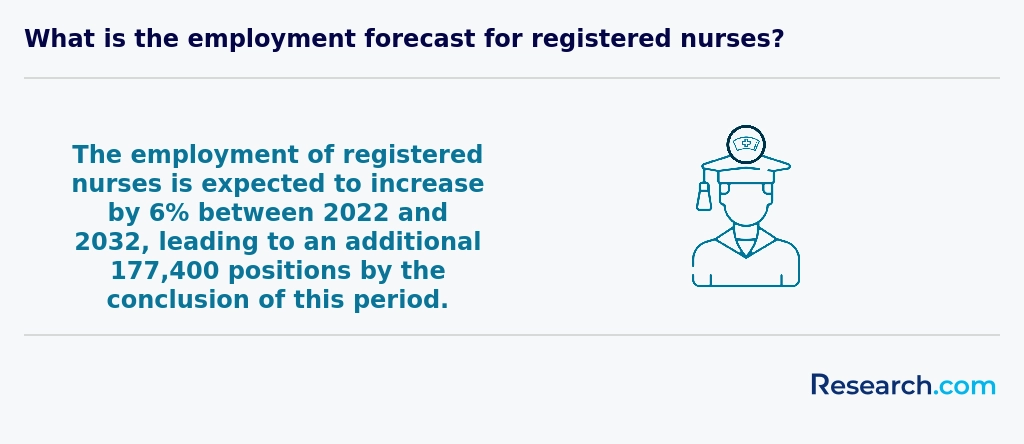
- The job market for nurses in Oakland is growing, with a projected 11% employment increase for registered nurses in California from 2022 to 2032.
- Oakland nursing programs are accredited by the California Board of Registered Nursing, requiring graduates to pass the NCLEX-RN licensing exam.
- Many schools offer continuing education pathways such as RN-to-BSN and Master of Science in Nursing programs for career advancement.
Completing a nursing degree in Oakland typically depends on the program level and pacing chosen by the student. Graduates from Peralta Community College District report that ADN programs generally take about two years, offering a swift yet comprehensive route into nursing. Many find this path energizing, appreciating how it balances classroom learning with early clinical practice.
Those enrolled at California State University, East Bay often pursue a BSN, which requires around four years to complete. These students commonly describe the experience as both challenging and rewarding, with clinical rotations providing essential hands-on skills alongside academic coursework. The immersive environment helps build confidence and professional competence.
For nurses advancing to a Master of Science in Nursing, an additional two years beyond the BSN is standard. This step prepares students for leadership and specialized roles, often inspiring a sense of purpose and professional growth. Part-time students balancing work or family may require extra time, but flexibility in program options allows many to successfully manage these commitments while progressing steadily.
Choosing a nursing program in Oakland, CA, requires close attention to accreditation status and measurable student outcomes. All top programs in the area hold accreditation from the Commission on Collegiate Nursing Education (CCNE) or the Accreditation Commission for Education in Nursing (ACEN) and meet California Board of Nursing requirements. In 2023, BSN programs at Samuel Merritt University and California State University, East Bay reported first-time NCLEX-RN pass rates of 95% and 92%, respectively-well above the state average of 89%. ADN graduates from Laney College and the College of Alameda achieved pass rates of 88% and 90%, while local LPN cohorts reached an average of 87%. Employment metrics further differentiate program quality. On average, 94% of BSN graduates secure full-time nursing positions within six months of graduation, with specialties like medical-surgical and pediatric nursing showing particularly high placement rates. ADN and LPN alumni report employment rates of 89% and 85%, driven by strong partnerships between community colleges and Oakland healthcare employers. Career services offices often host dedicated job fairs, resume workshops, and mentorship programs to boost these outcomes. Institutional outcome data-including attrition rates, average time to employment, and specialty placement percentages-is typically published on school websites and in annual fact books. Prospective students should compare these metrics alongside program costs and clinical opportunities. For those interested in exploring practical nursing pathways beyond California, consider reviewing the best lpn program in florida to benchmark national standards and broaden your decision-making toolkit. Understanding accreditation and alumni outcomes not only ensures licensure eligibility but also signals the program’s commitment to student success and market readiness, empowering you to select a nursing degree that truly delivers on its promises.
Online nursing degrees in Oakland offer flexibility that appeals to working adults and those managing family responsibilities. Graduates from local programs like those at California State University, East Bay often recall balancing coursework on digital platforms with their jobs, appreciating the ability to study from home or any remote location. These programs reduce tuition costs by 10-20% compared to on-campus options by eliminating some facility fees, though students must still arrange clinical placements at nearby hospitals to fulfill hands-on requirements.
Conversely, on-campus nursing degrees provide a structured environment favored by students who thrive on direct mentorship and immediate interaction. Those who attend institutions such as Merritt College benefit from face-to-face lectures, access to simulation labs, and dynamic study groups. Graduates frequently highlight the value of networking opportunities that bolster confidence and career prospects within Oakland's healthcare community.
The choice between formats often hinges on learning preferences, time management skills, and financial considerations, with both paths leading to accredited degrees qualifying graduates for the NCLEX-RN exam in this competitive job market.
Accreditation ensures program quality and eligibility for licensure through the California Board of Registered Nursing (BRN), while strong NCLEX-RN pass rates demonstrate student readiness for real-world practice.
- Accreditation bodies: ACEN (Accreditation Commission for Education in Nursing) and CCNE (Commission on Collegiate Nursing Education) validate curriculum rigor, clinical components, and faculty expertise.
- State approval: BRN authorization is required for graduates to sit for the NCLEX-RN and obtain RN licensure in California.
- NCLEX-RN pass rates: Top Oakland programs routinely exceed the California average of 90%, reflecting effective exam preparation and hands-on training.
- Verification tips: Review each school’s ACEN/CCNE status and recent pass-rate statistics on the BRN or institutional websites before applying.
- Employer impact: Graduates from accredited programs with high NCLEX-RN pass rates are favored by healthcare facilities, boosting early-career employment prospects.
For flexible, accredited online pathways, explore our cheapest online rn to bsn programs.
The average nursing degree cost in Oakland varies depending on the program level and type of institution. For students pursuing an associate degree in nursing, community colleges such as those within the Peralta Community College District offer tuition rates between $1,200 and $1,800 annually for in-county residents. Graduates recall appreciating how this affordable tuition allowed them to focus on gaining practical skills without excessive financial strain. These costs typically do not include additional expenses such as textbooks, uniforms, and clinical training supplies, which add to the total investment.
Students aiming for a bachelor's degree in nursing often attend four-year institutions, including Mills College or California State University campuses nearby. Residents enrolling in these programs can expect annual tuition fees ranging from approximately $7,000 to $8,500. Over a typical four-year course, this amounts to a total cost surpassing $30,000 when factoring in fees and necessary materials. Many graduates describe the journey as challenging but rewarding, highlighting the value of their education in the vibrant healthcare job market.
Understanding the total cost nursing program Oakland students face means also anticipating expenses related to licensing exam preparation, health clearances, and equipment for clinical training. Several students manage these effectively through scholarships or employer tuition reimbursement. Those interested in other healthcare paths may also explore careers as a radiology technician, balancing costs and career outcomes.

Pursuing a Master of Science in Nursing (MSN) enables Oakland nursing graduates to advance into leadership, education, and specialty practice roles while enjoying the flexibility of online learning. Accredited online MSN programs balance rigorous coursework-such as advanced health assessment and healthcare policy-with clinical practicums that can often be completed locally. Many programs offer concentrations in nurse education, administration, or family practice, empowering nurses to tailor their career trajectory. Cost is a critical factor when selecting an MSN program. Prospective students should compare tuition rates, fees, and financial aid packages to maximize return on investment. For those seeking high-quality, budget-friendly options, explore our Low Cost Online Master's in Nursing Degree Programs Ranking in the South, which highlights programs with competitive tuition and strong accreditation. Beyond affordability, consider program length-typically 18 to 24 months-and support services such as career counseling and NCLEX-RN prep (for bridge programs). Earning an MSN can boost earning potential, with nurse practitioners averaging over $120,000 annually in California. By choosing an online MSN that aligns with both your career goals and budget, you’ll position yourself for continued professional growth in the evolving healthcare landscape.
Nursing students in Oakland benefit from numerous financial aid options tailored to ease educational expenses. Graduates from institutions like Laney College and California State University, East Bay often recall how federal Pell Grants, offering up to $7,395 annually, provided critical support during their studies. These grants, being need-based and non-repayable, help significantly reduce tuition barriers.
Supplementing Pell Grants, many students successfully access the Federal Supplemental Educational Opportunity Grant, which can add between $100 and $4,000 to their financial aid package, easing out-of-pocket costs further. State-level aid through the Cal Grant program is a vital resource as well, with eligible students receiving up to $12,570 annually to attend public colleges in California.
Local scholarships from healthcare foundations and nursing associations in Alameda County also play an essential role. Several graduates share how such awards, based on academic merit or financial need, made the difference between dropping out and completing their degrees.
Additionally, work-study opportunities and loan forgiveness programs offered by hospitals and initiatives like the National Health Service Corps provide practical financial relief while students gain valuable clinical experience in Oakland's healthcare settings.
To pursue a nursing degree in Oakland, CA, it's essential to consider the financial implications, including the cost of tuition, living expenses, and potential financial aid. Students can explore various options such as scholarships, grants, and loans to fund their education. For instance, researching the most affordable nursing schools in California can help in making an informed decision about their educational investment. By understanding the financial aspects of nursing education, students can better plan their academic and professional journeys, ultimately leading to a rewarding career in healthcare.
To enroll in a nursing degree program in Oakland, applicants must first hold a high school diploma or equivalent, such as a GED. Graduates from well-known community colleges and universities in Oakland often recall how a strong foundation in biology, chemistry, and mathematics helped them excel in their nursing coursework. These prerequisites are essential for building the scientific knowledge critical to nursing practice.
Prospective students are typically required to complete college-level courses including human anatomy and physiology, microbiology, chemistry, nutrition, English composition, and psychology or sociology. Many nursing programs in Oakland expect candidates to earn a minimum grade of "C" or better, ensuring academic readiness. For example, students at local institutions appreciate how this preparation eases the transition into demanding clinical training.
Hands-on experience also plays a significant role. Many successful graduates share that volunteering or working as nurse assistants before applying helped them develop confidence and a clearer understanding of healthcare environments. Several programs require passing standardized exams like the TEAS, which further validates a student's preparedness.
Additionally, candidates must be ready for background checks and immunization verifications required for clinical placements, underscoring the responsibility and professionalism expected in Oakland's nursing education.

Many aspiring healthcare professionals begin as Certified Medical Assistants (CMAs) and seek to advance their clinical roles by becoming Licensed Practical Nurses (LPNs). Oakland, CA, offers tailored bridge programs that recognize prior CMA training, reduce redundancy, and accelerate the path to licensure. These programs typically span 12–18 months, combining foundational nursing theory with hands-on clinical rotations in local hospitals and long-term care facilities. Key features:
- Credit for Prior Learning: Students receive advanced placement for CMA coursework in anatomy, physiology, and patient care fundamentals, trimming 20–30% off traditional LPN curricula.
- Flexible Delivery: Hybrid formats blend online lectures with evening or weekend lab sessions, enabling working CMAs to maintain part-time employment.
- NCLEX-PN Prep: Intensive review workshops and simulation labs are embedded to boost first-time pass rates on the NCLEX-PN exam.
- Clinical Partnerships: Collaborations with top Oakland healthcare providers ensure diverse patient populations and real-world experience. Admissions usually require active CMA certification, a minimum GPA of 2.5, background clearance, and basic life support (BLS) certification. Prospective students can compare program lengths, tuition costs, and support services via our detailed cma to lpn program guide. Graduates report swift employment in acute care and community health settings, with average starting salaries ranging from $50,000 to $60,000 annually. By leveraging CMA expertise through a specialized bridge pathway, Oakland’s healthcare workforce gains skilled LPNs ready to meet growing patient needs.
Students pursuing nursing degrees in Oakland typically engage in a comprehensive curriculum combining foundational sciences and specialized nursing coursework. Foundational classes often include human anatomy and physiology, microbiology, and chemistry, which graduates recall as essential for understanding the biological mechanisms behind patient care.
Core nursing courses at Oakland's respected institutions cover a wide range of practical and theoretical topics such as health assessment, pharmacology, and pathophysiology. Many graduates reflect on the value of courses addressing adult, pediatric, and geriatric nursing care, along with mental health and community health nursing, as these prepare them for varied clinical environments.
Professional development courses focusing on ethics, leadership, and communication are integral, fostering skills that alumni frequently cite as crucial during demanding clinical rotations and teamwork scenarios. Simulation labs and clinical placements in local hospitals offer hands-on experience that students cherish for building confidence and real-world competence.
Programs align with California Board of Registered Nursing standards, including a requirement of at least 500 clinical hours, providing graduates with a solid foundation for successful licensure and practice in Oakland's dynamic healthcare settings.
Nursing degree specializations in Oakland encompass a range of focused tracks designed to meet the region's diverse healthcare demands. Students enrolled in programs at institutions like California State University, East Bay, often choose pathways such as medical-surgical nursing, a highly sought-after area reflecting both local and national needs. Other popular options include pediatric nursing, where graduates find rewarding opportunities caring for children in multicultural communities.
Oakland nursing program specialty options extend to geriatric nursing, addressing the increasingly prevalent elderly population, and psychiatric nursing, which equips students to support mental health initiatives. Licensed Vocational Nurse pathways provide a practical route for those entering the profession, with many students appreciating the option to bridge toward Registered Nurse credentials. Clinical settings around the city offer invaluable practical experience, adding to the positive sentiments shared by graduates who feel well-prepared for their careers.
Advanced specializations through BSN or MSN programs further expand possibilities, including family practice or women's health Nurse Practitioner tracks. For those exploring technical roles, programs offering training to become a dialysis technician job are also accessible, complementing nursing education with vital skill sets.
Choosing the best nursing degree in Oakland requires assessing your career goals and the program's ability to provide relevant skills. Graduates from well-regarded universities in Oakland often praise BSN programs for offering broader job opportunities and leadership pathways, compared to ADN paths typically provided by public community colleges. These BSN programs have been noted for their strong NCLEX-RN pass rates and support networks, reflecting the local healthcare industry's standards.
Cost and flexibility are also critical. Many students appreciate community colleges' affordable tuition, averaging $5,000 per year for in-state residents, especially when balancing work and study with part-time or evening class options. Conversely, university BSN programs costing between $12,000 and $25,000 annually could appeal to those aiming for specialized roles.
Researching nursing schools in Oakland by examining accreditation, clinical placements in nearby hospitals, and student support has helped many make informed choices. For example, students often compare programs' NCLEX success and seek financial aid opportunities. Those interested in broad health fields might also explore related areas, such as psychology programs in West Virginia for further career insights. This practical approach helps identify the best nursing degree programs Oakland candidates can pursue.
Graduates holding a nursing degree in Oakland encounter a range of nursing career opportunities in Oakland, reflecting the city's diverse healthcare environment. Many begin as Registered Nurses, working in hospitals or community clinics and earning competitive salaries reflecting the high demand. Some alumni from popular local colleges report satisfaction in roles such as Critical Care or Pediatric Nursing, where they apply specialized skills in life-saving and supportive care.
Career advancement frequently leads to specialties like Oncology Nursing or Geriatric Nursing, which addresses Oakland's significant aging population. Graduates selecting these paths experience rewarding challenges and contribute meaningfully to their communities. Additionally, Nurse Practitioners in Oakland enjoy median salaries above $130,000, a reflection of their expanded clinical autonomy and expertise.
Those interested in leadership often pursue nurse management roles or advanced degrees, balancing administrative responsibilities with patient care insights. Others find fulfillment in academia and training new nurses at well-regarded institutions. Prospective students can explore the cost of nursing education through resources like nursing schools houston cost, to align educational investment with career goals.
Registered nurse job outlook Oakland remains positive, supported by regional growth projections, providing a stable and promising future for degree holders.

The job market for nursing degree graduates in Oakland remains exceptionally favorable, supported by steady growth projections and high local demand. Healthcare facilities such as UCSF Benioff Children's Hospital Oakland and Kaiser Permanente frequently recruit graduates from prominent local programs, reflecting a vibrant nursing career opportunities Oakland 2027 landscape. Many graduates describe the transition from university clinical rotations to full-time roles as seamless, attributing their success to strong community ties and targeted training.
The average annual wage for registered nurses in Oakland surpasses the national average, with figures around $105,000, making the profession both financially and personally rewarding. Students from institutions like Laney College and Samuel Merritt University often emphasize the balance of rigorous education and practical experience that prepares them for licensing exams and specialty certifications. Those aiming to work in advanced practice roles find expanding opportunities driven by evolving healthcare needs.
Preparation for certified specialties boosts employability, and the relatively affordable tuition at California public universities combined with community colleges offers a clear path to entering this field. Many graduates find themselves inspired by the diverse clinical environments available, which is why detailed guidance on nursing diverse settings is essential for making informed career decisions in Oakland.
2027 Best Nursing Degree Programs Ranking in Oakland
Investing in your education is a significant decision that can greatly influence your future, and the Research.com team recognizes the importance of making well-informed choices. To support prospective nursing students in Oakland, we have carefully developed the "2027 Best Nursing Degree Programs Ranking in Oakland." Our dedication to quality, credibility, and accuracy is demonstrated through thorough research and rigorous analysis.
We utilized the following reputable data sources to ensure a comprehensive and trustworthy evaluation of nursing degree programs:
By consulting this ranking, readers will gain valuable insights into the highest-quality nursing programs available in Oakland, empowering them to make decisions that align with their career goals. For more details on how the ranking was created, please visit our Research.com methodology page.
# 1 position
Samuel Merritt University
Master of Science in Nursing

# 2 position
Samuel Merritt University
Bachelor of Science in Nursing
Frequently Asked Questions About nursing
Nursing degree students in Oakland can maximize their learning experience by actively engaging in both classroom and clinical settings. Oakland's diverse healthcare facilities, including Kaiser Permanente and UCSF Medical Center, offer valuable opportunities for hands-on practice, which is crucial for skill development according to the California Board of Registered Nursing.
Students should also take advantage of local workshops and simulation labs to enhance critical thinking and patient care skills. Networking with local healthcare professionals through internships or volunteering helps build connections and gain practical insights.
Moreover, utilizing resources from accredited programs, such as those recognized by the Accreditation Commission for Education in Nursing (ACEN), ensures quality education aligned with regional healthcare needs.
The nursing field is rapidly evolving with new specialized areas emerging, especially relevant for students pursuing nursing degrees in Oakland. Among these niches, gerontological nursing is growing due to the increasing elderly population in the region, with Alameda County seeing a 14% rise in seniors over the past decade, according to the U.S. Census Bureau.
Another expanding area is telehealth nursing, driven by Oakland's adoption of digital health technologies that surged during the COVID-19 pandemic. This specialty focuses on remote patient monitoring and virtual care.
Additionally, psychiatric mental health nursing is gaining importance as mental health awareness increases nationally and locally. The California Board of Registered Nursing highlights mental health nursing as a critical area for workforce expansion.
After completing a nursing degree in Oakland, preparing for the job market involves several strategic steps. First, obtaining licensure through the National Council Licensure Examination (NCLEX-RN) is essential to practice as a registered nurse in California. According to the California Board of Registered Nursing, the passing rate for this exam helps gauge readiness for clinical roles.
Networking is also crucial-Oakland's proximity to large medical centers like UCSF Medical Center provides opportunities for internships and job placements. Joining local nursing associations can connect graduates with job openings and professional development resources.
Finally, tailoring a resume to highlight clinical experiences gained during education can improve employability in Oakland's competitive healthcare sector.
Employers in Oakland highly value nursing degree graduates who demonstrate strong clinical skills and critical thinking. According to the California Board of Registered Nursing, proficiency in patient assessment, medication administration, and care planning is essential. Communication skills rank just as high, as nurses must effectively collaborate with diverse healthcare teams and explain treatments clearly to patients.
Adaptability and cultural competence are crucial in Oakland's diverse communities, enabling nurses to provide sensitive care to varied populations. The U.S. Bureau of Labor Statistics highlights that employers also seek graduates familiar with electronic health records (EHR) and current healthcare technologies. These combined skills ensure graduates meet the growing demands of Oakland's healthcare systems.
Finding nursing internships in Oakland involves a strategic approach focusing on local healthcare facilities and educational partnerships. Many nursing programs in Oakland collaborate with hospitals such as Highland Hospital and Kaiser Permanente Oakland Medical Center, offering structured internship placements. According to the California Board of Registered Nursing, clinical experience is a key requirement for licensure, making internships essential. Students should connect with their school's career services to access exclusive internship listings and application support.
Networking through professional organizations like the California Nurses Association also helps discover local opportunities. Additionally, checking with the Alameda Health System's internship programs can provide hands-on experience within the community. Early application is vital as positions are competitive.
In Oakland, obtaining a nursing degree significantly enhances career mobility and advancement opportunities. The city's healthcare sector is growing, with the California Employment Development Department projecting a 14% increase in registered nurse jobs statewide by 2030, benefiting local graduates.
A nursing degree qualifies individuals for various roles, from bedside care to leadership and specialized nursing fields. Advanced degrees, such as a Bachelor of Science in Nursing (BSN), often lead to higher salaries and managerial positions in hospitals like Highland Hospital and Alta Bates.
Moreover, Oakland's hospitals value accredited nursing programs, which can ease licensing and certification processes, critical steps for career progression.
Nursing degree programs in Oakland emphasize interdisciplinary collaboration to prepare students for diverse healthcare environments. Courses often integrate training with other health professions such as social work, pharmacy, and public health, reflecting real-world team-based care. According to the California Board of Registered Nursing, nearly 40% of nursing programs in the Oakland area include clinical rotations that involve working alongside multiple healthcare disciplines.
This approach builds communication and coordination skills crucial for patient outcomes. Schools also focus on cultural competence and community health to address Oakland's diverse population. Graduates leave with practical experience in teamwork, problem-solving, and leadership, enabling their effective participation in interdisciplinary medical teams.
When choosing between a thesis and a non-thesis nursing degree program in Oakland, consider your career goals carefully. Thesis programs typically suit those interested in research, teaching, or pursuing a doctorate later. These programs require completing original research and a formal thesis, which can take extra time and effort.
Non-thesis programs often focus on practical skills and clinical application, making them ideal for nurses aiming to advance directly in clinical or administrative roles. According to the California Board of Registered Nursing, Oakland has a growing demand for nurse leaders skilled in management and specialized care.
Additionally, non-thesis programs may offer more flexible schedules, which is important for working professionals. Visit local institutions' websites for specific program structures and statistics on graduates' employment outcomes in Oakland.
Students in Oakland interested in studying nursing abroad have several pathways through US university partnerships and exchange programs. Many California State University campuses, such as CSU East Bay, offer study abroad opportunities specifically for nursing students, allowing them to complete clinical rotations or coursework in countries like Australia or the United Kingdom.
These programs often last from a few weeks up to a full semester, helping students gain international healthcare experience while earning credits toward their degree. According to the Institute of International Education, about 10% of US nursing students participate in study abroad activities, reflecting growing interest in global health competencies.
Additionally, some students choose to enroll directly in accredited foreign nursing programs with U.S. credential evaluation to advance their careers. However, they must verify state licensing requirements through the California Board of Registered Nursing.
Part-time job opportunities in Oakland complementing nursing degree education commonly include roles such as Certified Nursing Assistant (CNA), medical assistant, and patient care technician. These positions provide valuable hands-on experience in healthcare settings, which is crucial for nursing students. According to the California Employment Development Department, CNAs in the Oakland area earn an average hourly wage of $16 to $19, making this an accessible entry point.
Hospitals and clinics in Oakland often hire part-time staff, allowing students to balance work with coursework. Volunteering in healthcare facilities is another way to gain exposure without conflicting schedules. Such roles build patient communication and clinical skills essential for nursing careers.
Nursing students in Oakland have multiple networking opportunities to build professional connections essential for their careers. Local universities such as Mills College and Samuel Merritt University host events where students meet practicing nurses, faculty, and alumni. These institutions often collaborate with nearby hospitals, providing clinical placements that encourage relationship-building with healthcare professionals.
The Oakland Chamber of Commerce and organizations like the Alameda County Public Health Department also offer workshops and volunteer roles tailored to nursing students. Additionally, membership in the California Nursing Students' Association grants access to statewide conferences and networking forums.
According to the California Board of Registered Nursing, Oakland's healthcare sector grows steadily, increasing local demand for nurses and networking venues.
Alumni networks provide valuable support for nursing degree students in Oakland by offering connections to experienced professionals and job opportunities. These networks often organize mentorship programs, which help students navigate clinical experiences and career planning. According to the California Board of Registered Nursing, nearly 40% of new nurses find jobs through personal networks, highlighting the importance of alumni ties.
Additionally, alumni frequently share information about local healthcare trends and openings at Oakland's major hospitals, such as Kaiser Permanente and Highland Hospital. This real-time insight can give students a competitive edge in the local job market.
Customizing a nursing degree program in Oakland allows students to align their education with specific career goals. Many local institutions offer flexible options such as electives, clinical rotations, and specialties. For example, students can choose focus areas like gerontology, pediatrics, or community health, which match the demand in the Oakland healthcare market.
Oakland's diverse population creates a need for nurses skilled in cultural competence and various care settings. Programs often include hands-on experience in local hospitals, clinics, and community centers, giving practical insight.
Additionally, some schools provide accelerated or bridge programs, like RN-to-BSN pathways, facilitating career advancement. As reported by the California Board of Registered Nursing, Oakland offers a strong network for clinical placements and professional growth, which is critical for tailored nurse training.
Nursing students in Oakland often face several common challenges throughout their education. One major hurdle is managing the demanding workload, which includes intense clinical hours alongside theoretical studies. According to the California Board of Registered Nursing, clinical placements in Oakland hospitals can require up to 40 hours per week, leading to stress and time management issues.
Financial strain is another significant challenge. The cost of nursing programs in Oakland averages around $15,000 to $30,000 annually, not including living expenses, which can be burdensome for many students.
Additionally, students often encounter difficulties balancing work, family, and school responsibilities. The COVID-19 pandemic has also intensified stress levels due to increased healthcare demands and evolving safety protocols in clinical settings.
With a nursing degree in Oakland, graduates can pursue various professional certifications to specialize and advance their careers. Common certifications include the Registered Nurse (RN) license, which is the foundation for all advanced credentials. Many nurses opt for additional certifications such as Certified Nurse Practitioner (CNP), Certified Nurse Midwife (CNM), or Clinical Nurse Specialist (CNS).
According to the California Board of Registered Nursing, Oakland nurses also pursue certifications like Basic Life Support (BLS) and Advanced Cardiovascular Life Support (ACLS), which are often required for critical care roles. These credentials enhance job opportunities and earning potential.
Certification exams typically require clinical experience and continuing education, making ongoing learning essential for nurses in Oakland's competitive healthcare market.
Writing a winning application for a nursing program in Oakland begins with understanding the competitive nature of local schools. Nursing programs here often require a minimum GPA of 3.0, with some demanding higher grades in science courses such as biology and chemistry. Including a strong personal statement that highlights your passion for healthcare and any relevant experience, like volunteering in hospitals or clinics, will strengthen your application.
Oakland nursing programs may also require passing the TEAS (Test of Essential Academic Skills), which evaluates reading, math, science, and English skills. Preparing for this exam is critical since scores directly impact admission chances. Additionally, letters of recommendation from healthcare professionals or academic instructors can enhance your profile.
According to the California Board of Registered Nursing, successful applicants typically demonstrate commitment through extracurricular activities and clear career goals aligned with community health needs in Oakland. Researching each program's prerequisites and tailoring your application accordingly increases your likelihood of admission.
The nursing profession is recognized worldwide as essential to healthcare, offering diverse opportunities across different countries. In the United States, including Oakland, registered nurses (RNs) must complete accredited programs such as Associate's or Bachelor's degrees in Nursing to be licensed.
Globally, the nursing workforce faces a growing demand driven by aging populations and chronic illnesses. According to the Bureau of Labor Statistics, employment of registered nurses in the U.S. is projected to grow 9% from 2022 to 2032, reflecting strong job security for new graduates.
Oakland's nursing programs align with these trends, preparing students for both local healthcare roles and potential international practice, supported by standardized licensing exams like the NCLEX-RN.
Internationally educated nurses often seek U.S. credentials, reflecting the high regard of American nursing education standards. This global mobility underscores nursing as a career with both local impact and worldwide relevance.
Gaining practical experience while studying for a nursing degree in Oakland is essential for building clinical skills and improving job prospects. Most accredited nursing programs in the area incorporate clinical rotations as mandatory components. These rotations take place in local hospitals, clinics, and community health centers, offering hands-on experience under supervision.
Additionally, students can apply for internships or volunteer positions at facilities like UCSF Medical Center or Highland Hospital. According to the California Board of Registered Nursing, nearly 75% of nursing students in the Bay Area participate in clinical placements during their studies.
Some programs also offer simulation labs, where advanced technology mimics real-life medical situations, supplementing field experience.
Choosing the right concentration within a nursing degree in Oakland involves assessing your career goals and interests. Nursing programs often offer specializations such as pediatric, geriatric, psychiatric, or acute care nursing. Each concentration prepares students for different patient populations and work environments.
Research from the California Board of Registered Nursing indicates that specialties like gerontology are increasingly important due to Oakland's growing elderly population. Consider job market demand and salary prospects, which vary by concentration.
Speak with local nursing schools' advisors and current professionals to understand the skills and certifications required. Also, review licensing requirements specific to your desired concentration in California.
- 2027 Best Nursing Degree Programs Ranking in San Francisco
- 2027 Best Nursing Degree Programs Ranking in Los Angeles
- 2027 Best Nursing Degree Programs Ranking in Las Vegas
- 2027 Best Nursing Degree Programs Ranking in San Diego
- 2027 Best Nursing Degree Programs Ranking in Phoenix
- 2027 Best Nursing Degree Programs Ranking in Tempe
- 2027 Best Nursing Degree Programs Ranking in Denver
- 2027 Best Nursing Degree Programs Ranking in Colorado Springs
- 2027 Best Nursing Degree Programs Ranking in Lubbock
- 2027 Best Nursing Degree Programs Ranking in Lincoln
See What Experts Have To Say About Studying Nursing
Read our interview with Nursing experts

Lisa Grubb
Nursing Expert
Assistant Professor
Johns Hopkins School of Nursing

- Nursing - SUM Admission https://admission.sum.edu.pl/nursing/
- Nursing Study Abroad Programs | Go Overseas https://www.gooverseas.com/study-abroad/nursing
- How to Choose the Right Nursing Program for Your Career Goals - Maria College https://mariacollege.edu/blog/how-to-choose-the-right-nursing-program-for-your-career-goals
- Do I Have to Write a Thesis to Complete a Master’s Degree in Nursing? https://www.bestmasterofscienceinnursing.com/faq/write-thesis-complete-masters-degree-nursing/
- Guide to Making a Career Change to Nursing https://teach.com/online-ed/healthcare-degrees/online-msn-programs/career-change-to-nursing/
- Nursing Degree You Need to Become an RN https://www.allnursingschools.com/registered-nursing/degrees/
- Nursing - Oakland City University https://www.oak.edu/nursing/
- Nursing Internships Abroad: An Introduction - RealStep https://www.real-step.com/en/articles/nursing-internships-abroad/
- THE FIELD OF NURSING - FIRST-DEGREE OF STUDIES https://wnoz.wum.edu.pl/pl/content/field-nursing-first-degree-studies
- Study Nursing Abroad | Boomerang International Educational Services https://boomerangedu.com/study-nursing-abroad/


