
2027 Best Nursing Degree Programs Ranking in Fort Worth

Co-Founder and Chief Data Scientist
Choosing the right nursing degree program is a big step towards a rewarding career in healthcare. If you're in Fort Worth and thinking about your future, this article is here to help.
We present the 2027 Best Nursing Degree Programs Ranking in Fort Worth, created by the Research.com team of data scientists. This ranking is designed to guide you through the many options and highlight programs that stand out for quality and outcomes.
Reading this article will empower you to make an informed decision and embrace the positive impact a nursing degree can have on your life and community.
Key benefits of getting nursing degree in Fort Worth
- Salary for nursing degree graduates: Graduates in Fort Worth can expect competitive pay, with Registered Nurses, Clinical Nurse Educators, Public Health Nurses, and Emergency Room Nurses earning a mean annual wage of $94,480, while Operating Room Nurses can earn up to $128,490.
- Career paths: Nursing degrees open doors to diverse roles including patient care, education, and emergency services, as seen with graduates from local institutions who thrive in hospitals, clinics, and community health settings.
- Online degree benefits: Earning a nursing degree online offers flexibility for busy students in Fort Worth, allowing them to balance work and study effectively, as demonstrated by successful graduates from prominent local online programs.
- 2027 Best Nursing Degree Programs Ranking in Fort Worth
- What can I expect from nursing degree in Fort Worth?
- Where can I work with nursing degree in Fort Worth?
What can I expect from nursing degree in Fort Worth?
The average cost of a nursing degree in Fort Worth varies but often falls between $15,000 and $40,000, depending on the program type and institution. Graduates from Texas Christian University and Texas Woman's University recall balancing financial aid packages with rigorous coursework and clinical rotations, which often take place in well-known local hospitals. These costs, while significant, are viewed not as barriers but as investments in a meaningful career path serving the Fort Worth community.
Many nursing students describe the weight of tuition alongside living expenses, yet emphasize how scholarships and grants specific to Fort Worth nursing programs helped ease financial pressures. One common reflection is how the financial commitment deepened their resolve to succeed, connecting classroom theories on patient care with hands-on experiences at Medical City Fort Worth or John Peter Smith Hospital.
This blend of expense and opportunity challenges students to move beyond conventional budgeting concerns and see their education as a gateway to a critically needed profession in a growing metroplex. The cost, though substantial, is often outweighed by the sense of purpose gained through training at these respected Fort Worth institutions.
Where can I work with nursing degree in Fort Worth?
Graduates from nursing programs at Fort Worth's respected institutions like Texas Christian University or the University of North Texas Health Science Center often find themselves stepping directly into diverse and dynamic roles across the city's robust healthcare landscape. It's not just about working in traditional hospital units at Texas Health Harris Methodist or John Peter Smith Hospital-though those remain vital pillars. Many graduates discover rewarding careers in outpatient clinics and specialty care centers, such as Baylor Scott & White, where preventative medicine and chronic condition management reshape patient interaction daily.
Picture a recent graduate navigating the bustling corridors of a long-term care facility, providing comfort and expertise to elderly residents, knowing their work contributes to a critical support system as Fort Worth's aging population grows. Others gravitate toward community health initiatives with Tarrant County Public Health Services, where wellness and disease prevention efforts reflect a deeply personal mission beyond clinical routine.
Courageous nursing graduates also embrace specialized roles at military and veteran medical centers, finding profound purpose in serving those who served. These paths reveal that earning a nursing degree in Fort Worth is a gateway to meaningful, multifaceted careers that challenge conventional limits and foster genuine connection.
Graduates from nursing programs in Fort Worth can anticipate substantial earning potential right from the start. For example, registered nurses-common roles for those completing degrees at institutions like Texas Christian University or Texas Wesleyan University-earn a mean annual wage of about $94,480 locally, matching top clinical educator and public health nurse salaries in the area. This contrasts with the national median that often leaves graduates wondering if their investment is worthwhile.
Specialization pays even more. Nurses who advance into emergency room roles secure the same robust mean wage of $94,480, reflecting the demanding nature and critical responsibility they shoulder. Meanwhile, operating room nurses enjoy a notable premium, earning an average of $128,490, highlighting how pursuing certifications or graduate degrees can dramatically boost compensation.
Fort Worth graduates often share stories of realizing these numbers not just on paper but through roles in busy hospitals and specialty clinics. This reinforces the tangible benefits of a nursing degree here, where academic rigor and local healthcare needs intersect for rewarding career opportunities.
- Tuition for a BSN at public universities in Fort Worth ranges from $8,000 to $12,000 per year for in-state students.
- Private nursing schools in Fort Worth charge between $15,000 and $25,000 annually, excluding books and clinical fees.
- Starting salaries for entry-level registered nurses average about $63,000 annually, above the national average.
- Experienced nurses typically earn between $75,000 and $90,000 per year, with advanced practice nurses making over $100,000.
- Fort Worth's nursing job market is growing, driven by retirements and higher demand for healthcare services.
- Accredited nursing programs in Fort Worth are required to qualify for the NCLEX-RN licensing exam in Texas.
Completing a nursing degree in Fort Worth challenges many assumptions about time and opportunity. Graduates from Texas Christian University often share how their four-year Bachelor of Science in Nursing (BSN) program, while demanding, felt like a transformative journey rather than just a timeline to endure. Meanwhile, community college students pursuing the Associate Degree in Nursing (ADN) frequently appreciate graduating in about two years, enabling quicker entry into the healthcare world and immediate impact on patients' lives.
Some who began with an ADN express excitement when enrolling in accelerated BSN programs at the University of North Texas Health Science Center, finishing intensive courses in 12 to 18 months and feeling empowered by immersing fully in their studies. For those advancing further, the additional two to four years to earn a Master of Science in Nursing (MSN) provide a deep sense of purpose, unlocking leadership roles that perpetually inspire a commitment to care.
These varied paths in Fort Worth reflect more than duration-they embody different rhythms of growth, sacrifice, and satisfaction felt deeply by students who truly engage with their nursing education.
After graduation, obtaining your RN license involves clear, regulated steps to ensure you’re ready for practice and continued professional growth.
- Submit an application and fee to the Texas Board of Nursing, including official transcripts.
- Register with Pearson VUE and schedule the NCLEX-RN exam once approved.
- Complete a background check and fingerprinting as required by Texas law.
- Upon passing the NCLEX-RN, receive your Texas RN license and begin clinical practice.
Maintaining your license requires:
- Renewal every two years through the Texas Board of Nursing portal.
- Completion of at least 20 hours of continuing education, including pharmacology.
For nurses aiming to expand their scope, pursuing a Doctor of Nursing Practice can enhance leadership and clinical expertise-you may explore dnp online programs to take the next step.
Choosing between online and on-campus nursing degrees in Fort Worth often means weighing vastly different daily experiences. Graduates from Texas Christian University cherish the hands-on clinical practice in well-equipped labs and the camaraderie formed during face-to-face classes. They describe the energy of bustling campus hallways and immediate access to faculty as crucial for building confidence before working in real healthcare settings.
On the other hand, online graduates appreciate the flexibility to juggle family and work while studying, using virtual simulations and video lectures tailored to their pace. Yet, even they recount the challenge of coordinating local clinical placements without the direct support they found on campus. This contrast highlights that, while online programs offer freedom, they demand strong self-discipline and proactive planning.
Both paths in Fort Worth demand rigorous accreditation by the Texas Board of Nursing and a commitment to mastering skills essential for passing the NCLEX-RN exam. Ultimately, it's about matching your lifestyle with a learning style that fuels your passion and perseverance.
Ensuring your nursing program is fully accredited and recognized by the Texas Board of Nursing is a vital first step toward a successful career. Accreditation confirms that a program meets rigorous educational standards, qualifies you for federal financial aid, and guarantees eligibility for the NCLEX-RN exam. In Fort Worth, look for programs approved by the Commission on Collegiate Nursing Education (CCNE) or the Accreditation Commission for Education in Nursing (ACEN). These accrediting bodies evaluate curriculum quality, faculty credentials, clinical partnerships, and student outcomes. Before applying, verify accreditation status by: • Checking the CCNE or ACEN directories online. • Confirming Texas Board of Nursing program approval, which you can find on the board’s official website. • Reviewing NCLEX-RN pass rates, since high pass rates often indicate strong program quality and preparation. Accreditation also affects transferability of credits and portability of licensure-a critical factor if you plan to relocate or pursue advanced practice roles. Completing an accredited Fort Worth nursing program ensures your credentials will be recognized nationwide and provides access to scholarships reserved for accredited students. For those considering online or hybrid pathways, compare program accreditation and affordability with research on nationally ranked offerings, such as our Most Affordable Online Nursing Degree Programs Ranking in Columbia, MO. Whether on campus or online, accreditation and state licensure approval remain non-negotiable benchmarks for a trustworthy and career-ready nursing education.
The average cost of a nursing degree in Fort Worth typically centers around a median total of $69,093, with notable differences if you qualify as an in-state student, where the cost drops to about $50,661. These figures reflect the full investment, not just tuition, encompassing living expenses, textbooks, uniforms, and clinical fees that many nursing students encounter. Graduates from institutions like Texas Christian University or the University of North Texas Health Science Center often describe the journey as challenging but rewarding, highlighting how understanding these costs early helps them manage finances and focus on what truly matters-their clinical skills and patient care.
Many students begin their nursing education at community colleges where tuition is considerably lower, ranging roughly from $4,000 to $8,000 per year depending on residency status. This pathway appeals to those looking to balance quality education with affordability, all while preparing to pass the NCLEX-RN exam efficiently. However, the allure of private universities offering BSN programs is strong despite tuition spiking up to $30,000 annually, as the immersive experience and networking opportunities create a positive, motivating environment that graduates reflect on fondly.
For Fort Worth residents considering this investment, the decision involves more than just comparing dollars. The Fort Worth nursing program tuition fees align with a commitment to a demanding yet fulfilling career, where financial considerations coexist with passion and purpose. Keeping in mind that financial aid and scholarships can significantly defray these sums adds an important layer of optimism.
Exploring the local nursing job market also reinforces how this investment translates into tangible career opportunities, encouraging students to see the cost as a stepping stone rather than a barrier.

As a prospective nursing student in Fort Worth, TX, understanding the financial aspects of pursuing a nursing degree is crucial. Beyond the tuition fees, there are additional expenses such as books, uniforms, and transportation that can significantly impact the overall cost of obtaining a degree. To manage these expenses effectively, students can explore various financial aid options, including federal grants, state programs like the cheapest nursing schools in Texas, scholarships, and private loans. Creating a budget that accounts for all these factors can help nursing students navigate their educational expenses with greater ease, allowing them to focus on their passion for healthcare. Moreover, many nursing programs in Fort Worth offer work-study opportunities, which can provide students with valuable experience in the healthcare field while also earning money to support their studies. By being proactive about financial planning, nursing students can set themselves up for success, both during their studies and in their future careers.
Choosing to pursue a nursing degree in Fort Worth often means confronting the hefty price tag of education, but financial aid options here can transform anxiety into hope. Graduates from institutions like Tarrant County College frequently share how federal aid through FAFSA made a critical difference, unlocking Pell Grants up to $7,395 that eased their tuition burden without the dread of repayment hanging overhead. These grants, paired with accessible federal loans and work-study programs, create a foundation of support often overlooked by prospective students.
State programs layer additional opportunity-scholarships from the Texas Nurses Association and grants like the Texas Educational Opportunity Grant delivered through THECB have opened doors for many local students striving to serve their communities. Imagine a nursing student who, thanks to these offers, could focus more on clinical rotations rather than worrying about monthly bills.
Locally, Fort Worth colleges don't just teach; they invest. Institutional scholarships and partnerships with healthcare providers mean students can earn tuition help in exchange for future service. One graduate recalls how this tuition stipend turned what seemed a distant dream into a tangible career path.
Employer-sponsored aid also reshapes the journey from student to professional. Hospitals and clinics offering tuition reimbursement in exchange for commitment create a win-win dynamic.
Finally, private scholarships targeted at nursing students, often tied to merit or specialty areas, provide yet another layer of encouragement and recognition for dedication in this challenging field.
A strong focus on NCLEX-RN preparation can make or break your journey from student to licensed nurse in Fort Worth, TX. Most top programs report first-time NCLEX pass rates above the Texas average of 87%, with institutions like Texas Christian University and the University of Texas at Arlington consistently achieving pass rates in the mid-90s. To support this success, many nursing schools embed dedicated review courses, simulation labs, and study workshops throughout the curriculum. For example, students benefit from mock exams under timed conditions, targeted remediation sessions led by faculty, and access to online question banks tailored to the newest NCLEX test plan. To further enhance your readiness, consider exploring accelerated pathways-these programs often integrate intensive NCLEX prep modules into a condensed timeline, enabling students to retain key concepts and practice critical thinking under pressure. For insights into accelerated formats that still deliver comprehensive licensure training, check out our guide to accelerated rn programs online. Beyond structured coursework, successful candidates also leverage peer study groups, on-campus tutoring centers, and mobile apps designed for on-the-go review. Graduates frequently recommend setting a study calendar six to eight weeks before graduation, dedicating daily blocks for pharmacology, health assessment, and clinical scenario questions. By integrating these strategies with your program’s built-in support, you’ll maximize your confidence and performance on exam day, ensuring a seamless transition into your nursing career.
Meeting the prerequisites for nursing degrees in Fort Worth goes beyond simply ticking boxes-it sets the foundation for a challenging yet rewarding journey. Graduates from Baylor University and Texas Wesleyan recall how their high school biology and chemistry classes were essential stepping stones, making later courses in anatomy and physiology feel like extensions of what they already understood deeply. These foundational sciences aren't just academic hurdles; they prepare you for real clinical moments, like observing patient care or understanding medication interactions firsthand.
Standardized tests like the TEAS might seem intimidating, but many Fort Worth nursing students say that preparing for them sharpened their critical thinking and boosted their confidence. Passing background checks and showing up with up-to-date immunizations became a rite of passage, underscoring the responsibility inherent in caring for others.
Imagine starting your first clinical rotation, knowing your preparation meets Texas's rigorous standards. That mix of anticipation and readiness comes from fulfilling prerequisites that ensure you're not just entering nursing, but embracing it fully.
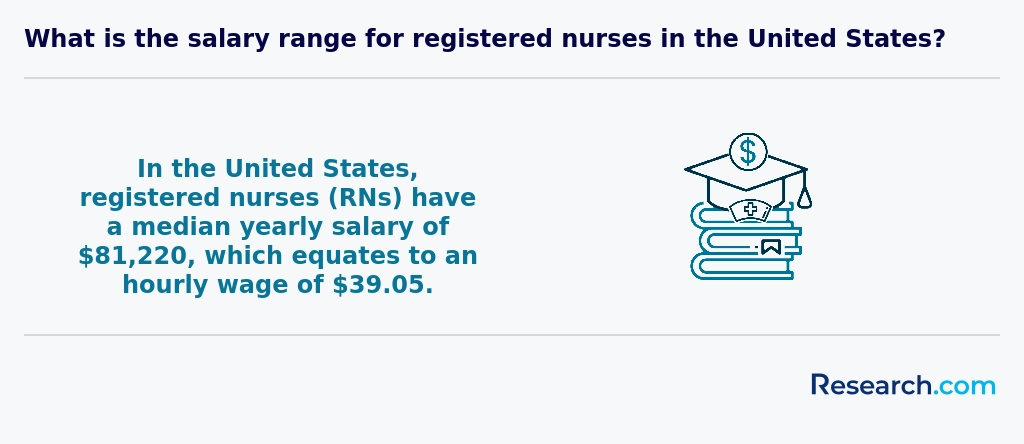
Fort Worth nursing programs are increasingly embracing holistic care models, integrating mind-body approaches, patient-centered communication, and complementary therapies into their curricula. Courses on nutrition, stress management, and therapeutic touch equip students with the skills to address the physical, emotional, and spiritual needs of diverse patient populations. By learning evidence-based modalities-such as aromatherapy, guided imagery, and mindfulness-graduates develop a comprehensive toolkit that enhances patient outcomes and satisfaction. Many local institutions offer electives or certificate tracks in holistic nursing, allowing students to explore career paths as holistic nurse practitioners or integrative health coordinators. These specializations not only broaden clinical competencies but also align with growing patient demand for personalized, wellness-focused care. For those curious about advanced practice roles that blend conventional medicine with holistic principles, the question “can a nurse practitioner practice holistic medicine” is fully addressed in our dedicated guide, offering insights into certification requirements, scope of practice, and real-world case studies. As the nursing profession evolves, Holistic Nursing Specialty certifications-accredited by the American Holistic Nurses Association (AHNA)-provide a formal pathway to demonstrate expertise in integrative modalities. Graduates with this credential often find opportunities in hospital wellness centers, outpatient integrative clinics, and community health organizations, where they lead multidisciplinary teams in developing person-centered care plans. Incorporating holistic principles early in your nursing education not only enhances your clinical skill set but also prepares you to meet the shifting healthcare landscape in Fort Worth and beyond.
Nursing programs in Fort Worth immerse students in a rigorous blend of science and hands-on practice that truly prepares them for the realities of healthcare. Graduates from renowned local institutions often reflect on courses like anatomy and physiology, microbiology, and nutrition as eye-opening foundations that explain why patients respond differently to treatments. These aren't just textbooks; they're the building blocks that transform abstract classroom knowledge into life-saving decisions during clinical rotations.
Students frequently describe the challenge and reward of mastering pharmacology and pathophysiology - understanding complex medication effects and disease processes becomes essential when providing compassionate care in busy Fort Worth hospitals. Courses in health assessment push students to develop keen observational skills, turning theory into confident patient evaluations.
Moreover, nursing ethics and legal issues resonate deeply with many, inspiring a strong sense of professional responsibility and advocacy. Fort Worth's emphasis on evidence-based practice also sparks an appreciation for continuous learning, encouraging future nurses to question, research, and apply new knowledge, ensuring they never stop improving patient outcomes.

Nursing degree specializations in Fort Worth offer a deeper, more focused pathway than many students initially expect. Graduates from popular colleges here often reflect on how the Registered Nurse (RN) to Bachelor of Science in Nursing (BSN) track sharpened their leadership and clinical expertise, setting them up for real responsibilities from day one. Other concentrations like Family Nurse Practitioner (FNP) prepare nurses to care for patients of all ages, a mission critical in Fort Worth's expanding healthcare landscape.
Those drawn to Pediatric Nursing find themselves passionately supporting infants and adolescents in community hospitals, often sharing stories of moments when their specialized care made a child's day brighter. Psychiatric-Mental Health Nursing graduates frequently recount the fulfillment of addressing growing mental health needs with compassion and skill. For students exploring Fort Worth nursing program concentration options, Geriatric and Critical Care Nursing are more than specialties-they're commitments to vulnerable populations requiring acute attention.
Getting hands-on experience is vital, which is why many students pursue nursing externships Alabama to complement what they learn in Fort Worth. These real-world engagements shape confidence and readiness, blending classroom knowledge with the nuanced demands of healthcare settings in the Dallas-Fort Worth area.
Choosing the best nursing degree in Fort Worth means looking beyond just reputation or convenience. Graduates from popular local institutions often reflect on how critical accreditation was in their journey-programs approved by bodies like CCNE or ACEN gave them confidence their education would be recognized wherever they chose to work. This assurance matters deeply when you're balancing part-time courses or online options, which many Fort Worth students lean into while managing family or jobs.
Consider the real-world advantage of clinical rotations at leading Fort Worth hospitals such as Texas Health Harris Methodist or John Peter Smith Hospital. Graduates frequently share how hands-on experience at these centers shaped their careers and helped them pass the NCLEX-RN with confidence, boosting their employment prospects in a competitive market. This is essential when exploring affordable nursing schools in Fort Worth, where the cost-benefit ratio must be clear considering tuition and living expenses.
Sometimes choosing the right path means questioning common assumptions about nursing programs. Reflect on how some students found unexpected value in programs with strong community ties, flexible scheduling, and high NCLEX-RN pass rates rather than just prestige. For those navigating financial and career decisions, reviewing outcomes like employment rates can be as revealing as academic rankings. It's also worthwhile to explore related fields; for example, some have found insight by comparing philosophies with psychology programs in West Virginia, broadening how they view healthcare education.

Nursing degree holders in Fort Worth discover a spectrum of career paths often overlooked by those fixated solely on bedside roles. Graduates from institutions like Texas Christian University often share how transitioning into case management or nurse administration opened unexpected doors, allowing them to blend compassion with leadership. These roles tap into skills beyond clinical care, influencing patient outcomes on a systemic level. Across Fort Worth, nursing degree job prospects extend into health education and clinical research, arenas where former students have driven meaningful community health initiatives and contributed to groundbreaking studies.
Some graduates pursue advanced practice roles at the University of North Texas Health Science Center, becoming nurse practitioners or specialists, transforming patient care with deeper expertise. This variety challenges the narrow view that nursing jobs are limited to hospitals. Fort Worth students reflect on this broad horizon with enthusiasm, acknowledging that the flexibility fuels long-term satisfaction and reflects the dynamic nature of nursing careers. For those curious about the larger forces shaping these opportunities, understanding the healthcare industry growth is essential to appreciating the evolving landscape.
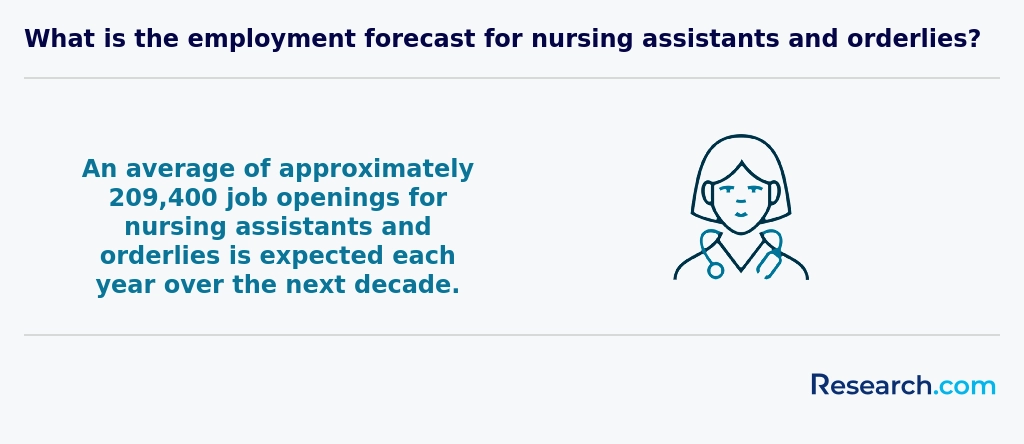
The nursing job outlook Fort Worth presents a compelling picture that contradicts the idea of limited opportunities in regional healthcare markets. Graduates from well-known institutions in the area often share how the steady growth of North Texas's population directly translates to a rising demand for skilled nurses. Fort Worth's healthcare sector, including major employers like Texas Health Resources and JPS Health Network, actively seeks qualified nursing degree holders, making employment not just possible but promising.
One graduate from a local university described how the competitive salaries and varied positions-from Licensed Vocational Nurses to Nurse Practitioners-made the investment in a nursing degree feel worthwhile. Given tuition costs varying greatly, many students consider attending the cheapest nursing schools in Texas in Fort Worth to balance affordability with quality education. This practical approach reflects the understanding that Fort Worth nursing degree employment opportunities are increasingly diverse, offering graduates multiple career pathways that can adapt to their personal ambitions and lifestyle preferences.
2027 Best Nursing Degree Programs Ranking in Fort Worth
Investing in your education is a significant decision that can shape your future, and the Research.com team is deeply aware of the importance of making well-informed choices. To assist prospective students, we have carefully developed the "2027 Best Nursing Degree Programs Ranking in Fort Worth." Our commitment to quality, credibility, and accuracy is demonstrated through rigorous research and thorough analysis in creating this ranking.
We utilized the following reputable data sources to ensure a comprehensive and trustworthy evaluation of nursing programs:
By exploring this ranking, readers will gain valuable insights to help identify top-quality nursing degree programs in Fort Worth, empowering them to make informed decisions about their educational and professional futures. For more information about how this ranking was created, please visit our Research.com methodology page.


Frequently Asked Questions About nursing
Nursing degree students in Fort Worth can enhance their learning by engaging actively in clinical experiences offered through local healthcare facilities. Fort Worth's robust medical community, including the Baylor Scott & White All Saints Medical Center, provides diverse clinical settings essential for hands-on practice. According to the Texas Board of Nursing, completing a minimum of 500 clinical hours strengthens competency and readiness for licensure exams.
Students should also utilize resources such as simulation labs and study groups, which improve critical thinking and collaboration skills. Fort Worth nursing programs often emphasize evidence-based practice, encouraging students to stay updated with current research and guidelines.
Networking through local nursing associations and attending workshops can further professional growth.
The nursing field is evolving rapidly, with several emerging niches gaining traction, especially in regions like Fort Worth. One prominent area is geriatric nursing, driven by the aging population in Texas. The Texas Department of State Health Services reports a growing demand for nursing professionals skilled in elder care and chronic disease management.
Another expanding niche is telehealth nursing, which uses technology to provide remote patient care. Fort Worth healthcare providers increasingly rely on telehealth, creating new job opportunities requiring technical expertise alongside traditional nursing skills.
Additionally, forensic nursing and nurse informatics are gaining attention. Forensic nursing involves caring for trauma victims and collaborating with law enforcement, while informatics nurses manage healthcare data to improve patient outcomes.
These specialties reflect broader trends in healthcare, offering diverse career paths for Fort Worth nursing students.
After completing a nursing degree in Fort Worth, preparing for the job market involves several key steps. First, obtaining licensure through the National Council Licensure Examination (NCLEX-RN) is essential to practice as a registered nurse in Texas. According to the Texas Board of Nursing, the state has a high demand for nurses, with employment projected to grow faster than average through 2030.
Networking with local healthcare providers and attending job fairs in the Fort Worth area can increase employment opportunities. Fort Worth's large medical centers, like Texas Health Harris Methodist Hospital, often seek new nursing graduates. Additionally, gaining clinical experience through internships or volunteering helps build practical skills and resumes.
Continuing education and specialty certifications also improve marketability, particularly in areas such as critical care or geriatric nursing. Utilizing resources like the Texas Nurses Association can provide up-to-date job listings and professional development.
Employers in Fort Worth prioritize a blend of clinical expertise and interpersonal skills when hiring nursing degree graduates. Strong proficiency in patient care, including accurate assessment and medication administration, is essential. According to the Texas Board of Nursing, critical thinking and decision-making abilities are highly valued to manage diverse medical situations effectively.
Communication skills also rank high, as nurses must collaborate with doctors, patients, and families clearly and compassionately. In Fort Worth's growing healthcare market, adaptability and cultural competence are increasingly important due to its diverse population.
Finally, familiarity with electronic health records (EHR) systems is crucial, reflecting national trends reported by the American Nurses Association. These skills collectively contribute to a nurse's success in the Fort Worth healthcare environment.
Finding nursing internships in Fort Worth involves researching local hospitals, clinics, and healthcare facilities that partner with educational institutions. Major employers like Texas Health Harris Methodist Hospital and JPS Health Network often offer clinical placements for students enrolled in nursing programs.
Applicants should also connect with university career services at schools such as Texas Christian University and the University of North Texas Health Science Center. These offices regularly update internship opportunities and provide guidance on application procedures.
Another strategy is exploring Fort Worth's nursing associations or local chapters of national bodies like the American Nurses Association, which sometimes list internship programs and networking events.
The Texas Board of Nursing reports a steady increase in clinical training opportunities, reflecting Fort Worth's growing healthcare sector, which enhances practical experience options for nursing students.
A nursing degree significantly enhances career mobility and advancement opportunities in Fort Worth. The city's healthcare sector is growing rapidly, creating high demand for qualified nurses. According to the Texas Workforce Commission, registered nurses in Fort Worth earn an average annual salary above the state median, reflecting strong local job prospects.
Holding a nursing degree, especially a Bachelor of Science in Nursing (BSN), often qualifies graduates for higher-paying roles and leadership positions in hospitals, clinics, and specialized care facilities. Additionally, Fort Worth's many healthcare organizations prioritize degree-holding nurses for promotions and advanced practice roles, such as nurse practitioners or nurse educators.
Continuing education with a nursing degree also supports licensure upgrades and certification eligibility, which are vital to career growth within Texas's healthcare system. This formal education foundation enables nurses to adapt to Fort Worth's evolving healthcare demands efficiently.
Studying for a nursing degree in Fort Worth equips students with the skills needed for interdisciplinary healthcare roles through comprehensive curricula and experiential learning. Programs often emphasize collaboration across healthcare fields such as medicine, pharmacy, social work, and physical therapy.
Fort Worth nursing programs align with standards from the Texas Board of Nursing and incorporate interprofessional education to improve communication and teamwork skills essential for patient-centered care.
Clinical placements in local hospitals, including those within the Cook Children's Health Care System and Texas Health Resources, expose students to diverse healthcare teams.
According to the Texas Workforce Commission, Fort Worth's healthcare sector continues to grow, increasing the need for nurses prepared to work alongside various specialists.
When choosing between a thesis and a non-thesis nursing degree program in Fort Worth, consider your career goals. Thesis programs usually focus on research and prepare students for doctoral studies or academic roles. This path often involves conducting original research and writing a detailed paper.
Non-thesis options are more practice-oriented, emphasizing clinical skills and practical application in healthcare settings. These programs are popular among nurses aiming to advance in clinical or administrative positions without pursuing further research degrees.
In Fort Worth, institutions such as Texas Woman's University offer both options, reflecting the diverse needs of the local nursing workforce. According to the Texas Board of Nursing, Fort Worth has seen a 5% growth in nursing jobs since 2020, favoring clinically skilled practitioners.
Ultimately, align your choice with your interests, available time, and professional aspirations.
Students based in Fort Worth interested in studying nursing abroad have several pathways to consider within the framework of U.S. higher education. Many universities in Texas, including those in the Fort Worth area, offer study abroad programs or exchange partnerships with international nursing schools. These programs provide opportunities to gain global health perspectives while earning credits toward a nursing degree.
Additionally, students can explore dual-degree arrangements or short-term clinical placements overseas, enhancing their practical experience in diverse healthcare settings. Fort Worth's growing healthcare sector, ranked among the top in Texas by the Texas Workforce Commission (2023), supports the value of such global exposure for future nurses.
Students should verify program accreditation and ensure the international curriculum aligns with U.S. licensure requirements to maximize career benefits.
Part-time job opportunities in Fort Worth that complement nursing degree education are diverse and practical. Many students find positions as certified nursing assistants (CNAs) in local hospitals or long-term care facilities. These roles provide valuable hands-on experience with patient care, enhancing clinical skills learned in the classroom.
Pharmacies and clinics also offer part-time work, such as pharmacy technician roles or medical receptionist jobs, which help students understand healthcare workflows and patient interaction. According to the Texas Workforce Commission, Fort Worth's healthcare sector continues to grow, increasing demand for such support roles.
Volunteer opportunities at Fort Worth community health centers can also bolster resumes for nursing students by offering exposure to public health settings.
Nursing students in Fort Worth benefit from numerous networking opportunities tailored to their professional growth. Local universities like Texas Christian University and Texas Wesleyan University host nursing student organizations, providing forums for peer collaboration and mentorship.
The Fort Worth chapter of the Texas Nurses Association regularly schedules events, workshops, and conferences, allowing students to connect with licensed professionals and healthcare employers. According to the Texas Nurses Association, membership offers access to over 5,000 nurses statewide, including many in the Fort Worth area.
Additionally, clinical rotations at nearby hospitals such as JPS Health Network and Baylor Scott & White provide direct exposure to healthcare teams, fostering professional relationships early in students' careers. These experiences often lead to employment opportunities.
Alumni networks play a significant role in supporting nursing degree students in Fort Worth. These networks connect current students with graduates who have firsthand experience in the local healthcare environment. This connection provides valuable mentorship opportunities and guidance on navigating clinical placements in Fort Worth-area hospitals and clinics.
According to data from the Texas Board of Nursing, roughly 15,000 nurses practice in the Fort Worth area, making networking essential for job placement after graduation. Alumni often share job leads and advice, increasing employment prospects for new nurses entering a competitive market.
Moreover, alumni networks facilitate access to continuing education workshops and seminars held locally, which are critical for maintaining licensure and advancing nursing careers. By leveraging these connections, students gain insight into evolving healthcare trends specific to North Texas.
Customizing a nursing degree program in Fort Worth involves selecting coursework and clinical experiences that align with your career ambitions. Many local institutions offer specialty tracks such as pediatric, geriatric, or psychiatric nursing. Additionally, students can enhance their education through elective courses focused on leadership, community health, or emergency care.
Fort Worth's healthcare industry, including established hospitals like Texas Health Harris Methodist, provides diverse clinical placement opportunities. According to the Texas Workforce Commission, registered nursing is among the fastest-growing occupations in the region, making experiential learning critical.
Some programs also provide flexible scheduling options or accelerated tracks for working professionals, enabling learners to balance education with employment.
Nursing students in Fort Worth commonly face several challenges throughout their education. One major difficulty is balancing demanding clinical hours with academic coursework. Clinical placements often require long shifts, which can interfere with study time and personal responsibilities.
Another challenge involves the competitive nature of nursing programs in the area. According to the Texas Board of Nursing, several Fort Worth institutions have selective admission processes due to high application volumes.
Additionally, students must adapt to constantly evolving healthcare standards and technologies, which can be stressful. Financial pressures also affect many, as tuition and associated costs add up during multi-year programs.
With a nursing degree in Fort Worth, graduates can pursue various professional certifications that enhance career opportunities and expertise. Common certifications include the Certified Registered Nurse Anesthetist (CRNA), Certified Nurse Midwife (CNM), and Critical Care Registered Nurse (CCRN). These credentials require passing exams administered by national organizations such as the American Nurses Credentialing Center (ANCC).
Fort Worth nurses often pursue Basic Life Support (BLS) and Advanced Cardiovascular Life Support (ACLS) certifications, which are essential for working in hospital environments. According to the Texas Board of Nursing, certified nurses tend to have better job placement and higher salaries within the region.
Applying for a nursing program in Fort Worth requires thorough preparation and attention to detail. Start by researching the specific admission requirements of local institutions like Texas Christian University and Texas Wesleyan University, which often include a minimum GPA of 3.0 and prerequisite courses in biology and anatomy.
Strong letters of recommendation from healthcare professionals or instructors can strengthen your application, highlighting your commitment to nursing and teamwork skills. Additionally, crafting a clear, focused personal statement that addresses your motivation for nursing and connection to Fort Worth's healthcare community is crucial.
Many programs also value relevant experience; consider volunteering or working in clinical settings before applying. According to the Texas Board of Nursing, applicants with prior healthcare experience are more competitive.
The nursing profession holds a significant global presence, reflecting diverse health needs and cultural contexts. In the United States, including Fort Worth, nursing is one of the fastest-growing careers, with the U.S. Bureau of Labor Statistics projecting a 7% employment growth from 2021 to 2031.
Globally, nurses are vital in addressing public health challenges, such as aging populations and infectious diseases. Many U.S.-trained nurses from Fort Worth engage in international health initiatives or pursue advanced roles in global health organizations.
The Fort Worth area benefits from reputable nursing programs that align with international standards, making graduates competitive worldwide. According to the Texas Board of Nursing, Fort Worth graduates enjoy licensure portability that facilitates work in different states and countries.
Gaining practical experience while studying for a nursing degree in Fort Worth is essential for building clinical skills required in healthcare. Many nursing programs in the area include hands-on clinical rotations at local hospitals and clinics as part of their curriculum. For instance, students often partner with facilities like Texas Health Harris Methodist Hospital and John Peter Smith Hospital. These experiences provide exposure to real patient care under professional supervision.
Additionally, Fort Worth nursing students can participate in internships or volunteering opportunities within community health organizations, which help develop practical skills and professional networks. The Texas Board of Nursing recommends completing at least 500 clinical hours before graduation, aligning Fort Worth programs with national standards.
Choosing the right concentration within a nursing degree program in Fort Worth involves evaluating your career goals and local healthcare demands. Fort Worth hosts diverse healthcare facilities, including large hospitals and specialized clinics, creating opportunities in areas like acute care, pediatrics, and gerontology. According to the Texas Board of Nursing, high demand exists for nurses in geriatric and family nurse practitioner roles due to the region's growing aging population.
Consider also the program's clinical partnerships, as hands-on experience in Fort Worth's hospitals enhances practical skills. Research program accreditation and faculty expertise to ensure quality education tailored to your chosen concentration.
- 2027 Best Nursing Degree Programs Ranking in Lubbock
- 2027 Best Nursing Degree Programs Ranking in Kansas City
- 2027 Best Nursing Degree Programs Ranking in Hattiesburg
- 2027 Best Nursing Degree Programs Ranking in Lincoln
- 2027 Best Nursing Degree Programs Ranking in Mobile
- 2027 Best Nursing Degree Programs Ranking in Saint Louis
- 2027 Best Nursing Degree Programs Ranking in Omaha
- 2027 Best Nursing Degree Programs Ranking in Colorado Springs
- 2027 Best Nursing Degree Programs Ranking in Birmingham
- 2027 Best Nursing Degree Programs Ranking in Denver
See What Experts Have To Say About Studying Nursing
Read our interview with Nursing experts

Lisa Grubb
Nursing Expert
Assistant Professor
Johns Hopkins School of Nursing

- Nursing Careers Roaming the Fort Worth Frontier https://www.nurserecruiter.com/texas/fort-worth
- THE FIELD OF NURSING - FIRST-DEGREE OF STUDIES https://wnoz.wum.edu.pl/pl/content/field-nursing-first-degree-studies
- Guide to Making a Career Change to Nursing https://teach.com/online-ed/healthcare-degrees/online-msn-programs/career-change-to-nursing/
- Interdisciplinary Education and Practice https://www.aacnnursing.org/news-data/position-statements-white-papers/interdisciplinary-education-and-practice
- Your Questions About Online Nursing School, Answered https://www.allnursingschools.com/how-to-get-into-nursing-school/online-programs/
- Nursing Internships Abroad: An Introduction - RealStep https://www.real-step.com/en/articles/nursing-internships-abroad/
- Nursing Careers https://jobs.texashealth.org/professions/nursing/
- Nursing - SUM Admission https://admission.sum.edu.pl/nursing/
- How to Choose the Right Nursing School for Your Career Goals | Archer Review https://www.archerreview.com/blog/how-to-choose-the-right-nursing-school-for-your-career-goals
- Nurse Salary https://nursinglicensemap.com/resources/nurse-salary/


