
2027 Most Valuable Nursing Degree Programs Ranking in Little Rock

Co-Founder and Chief Data Scientist
Choosing the right nursing degree program can shape your future and open doors to a rewarding career in healthcare. This article presents the 2027 Most Valuable Nursing Degree Programs Ranking in Little Rock, thoughtfully created by the Research.com team of data scientists to guide you in making an informed decision.
By exploring this ranking, you'll discover which programs offer real value, helping you invest your time and effort wisely. Pursuing a nursing degree brings personal growth and meaningful opportunities to impact lives.
Key benefits of getting nursing degree in Little Rock
- Salary for nursing degree graduates: Graduates in Little Rock can expect competitive salaries, with Registered Nurses and Public Health Nurses earning a mean annual wage of $94,480, while Operating Room Nurses earn up to $128,490, reflecting rewarding financial opportunities.
- Career paths: Nursing graduates from local institutions like the University of Arkansas at Little Rock enjoy diverse options including clinical practice, education, and emergency nursing, allowing you to pursue a career that suits your passion and skills.
- Online degree benefits: Earning a nursing degree online from a university in Little Rock offers flexible scheduling and access to quality education, perfect for balancing work and study while advancing your career at your own pace.
- 2027 Most Valuable Nursing Degree Programs Ranking in Little Rock
- What can I expect from nursing degree in Little Rock?
- Where can I work with nursing degree in Little Rock?
What can I expect from nursing degree in Little Rock?
The average cost of a nursing degree in Little Rock varies depending on the program and institution, but many students find it affordable compared to other regions. For instance, graduates from public colleges often share that in-state tuition and fees for an Associate Degree in Nursing (ADN) hover around $6,000 to $10,000 per year, making the total for a two-year program manageable. Those pursuing a Bachelor of Science in Nursing (BSN) at well-known local universities typically face costs closer to $10,000 to $15,000 annually, depending on whether they qualify for in-state tuition and scholarships.
Many nursing students express relief and excitement about the availability of financial aid and state scholarships, which help ease the burden. One graduate recalled how combining scholarships with part-time work allowed them to focus more on clinical rotations at University of Arkansas for Medical Sciences, enhancing hands-on learning without overwhelming debt.
As demand for nurses grows, future nursing degree costs may stay competitive, bolstered by state initiatives encouraging more affordable access and loan repayment programs for those who serve in underserved areas nearby.
Where can I work with nursing degree in Little Rock?
Graduates from nursing programs at institutions like the University of Arkansas for Medical Sciences often find themselves stepping into dynamic roles at major hospitals and specialty care centers throughout Little Rock. Many share how starting their careers at UAMS not only gave them hands-on clinical experience but also opened doors to research and advanced practice positions that feel both challenging and rewarding.
Others describe working in community health clinics and outpatient settings where they engage deeply with patients managing chronic conditions or seeking preventive care. These roles offer a meaningful chance to make a tangible difference in neighborhoods, especially as Little Rock expands its focus on mental health and wellness.
With the city's growing aging population, graduates also often move into long-term care or rehabilitation centers, where they appreciate the close relationships they build with elderly patients and interdisciplinary teams. For those passionate about influencing health beyond direct care, public health agencies and academic institutions in Little Rock present exciting career paths that blend policy, education, and research.
The evolving healthcare landscape here ensures nursing graduates continually find fulfilling opportunities tailored to their interests and specialties.
Graduates holding nursing degrees from well-regarded institutions in Little Rock often step into roles with competitive salaries. Registered nurses typically earn around $94,480 annually, reflecting both the local healthcare demand and the quality of nursing programs at colleges like the University of Arkansas for Medical Sciences. Many graduates share how their hands-on clinical experiences prepared them to thrive in hospitals, where they see starting wages close to these figures.
Those advancing into specialized roles, such as operating room nurses, can anticipate even higher earnings - with mean annual wages reaching approximately $128,490. This potential for substantial income motivates students to pursue certifications in areas like critical care or surgical nursing offered by local programs.
The steady growth in healthcare needs in Little Rock encourages graduates to envision futures filled with increasing responsibilities and rewarding pay. The combination of practical training, campus support, and demand in the local job market makes nursing in Little Rock an attractive path for financial stability and career fulfillment.
- Little Rock offers nursing degrees at associate, bachelor's, and advanced levels through several accredited institutions.
- Associate Degree in Nursing (ADN) costs range from $8,000 to $15,000 for in-state students, while Bachelor of Science in Nursing (BSN) programs average $20,000 to $35,000.
- Entry-level registered nurses in Little Rock earn between $58,000 and $62,000 annually, with salaries increasing to $75,000-$90,000 for advanced degrees and specializations.
- The nursing job market is growing slightly faster than the national average, with many opportunities at local hospitals and clinics.
- Graduates must pass the NCLEX-RN exam to obtain licensure, and local programs typically include exam preparation.
Completing a nursing degree in Little Rock varies depending on the pathway you choose, with many students finding the timeline both manageable and rewarding. For example, graduates from community colleges often complete an Associate Degree in Nursing (ADN) in about two years, quickly moving into fulfilling nursing roles. This accelerated route appeals to those eager to start working and gaining practical experience.
Meanwhile, others at institutions like the University of Arkansas for Medical Sciences (UAMS) embrace the four-year Bachelor of Science in Nursing (BSN) program, which offers deeper clinical training and leadership skills. Graduates frequently express satisfaction, noting how this comprehensive education opens doors to higher-paying jobs and specialized fields.
For working nurses, RN-to-BSN programs in Little Rock provide flexible options, typically taking 1 to 2 years, enabling a balance between career and further study. Many share how this step enhanced their confidence and job prospects.
Looking ahead, as healthcare evolves, the 1.5 to 3 years required for a Master of Science in Nursing (MSN) after the BSN promises to equip nurses with advanced expertise, fulfilling growing demands for leadership and specialized care across Little Rock's medical community.
Graduates must obtain an Arkansas nursing license before practicing, ensuring safety and quality of care.
- Complete a state-approved nursing program with accredited curriculum.
- Register for and pass the NCLEX-RN exam through Pearson VUE.
- Apply to the Arkansas State Board of Nursing, submitting transcripts, background check, and licensing fees.
- Provide proof of immunizations and current CPR/BLS certification.
Licenses renew every two years; applicants must complete required continuing education hours and pay a renewal fee. For program comparisons in other states, see best nursing colleges in florida.
Online and on-campus nursing degrees in Little Rock differ mainly in how students experience their education. Graduates from the University of Arkansas for Medical Sciences often recall the energizing atmosphere of face-to-face classes, where hands-on practice in simulation labs helped build confidence quickly. This immersive setting creates immediate connections with instructors and peers, making mentorship and feedback more natural and supportive.
Meanwhile, graduates from Arkansas State University Three Rivers share how online programs offer the freedom to balance work or family while accessing diverse coursework. They describe the challenge and reward of organizing local clinical hours around their schedules, turning Little Rock's healthcare facilities into practical learning hubs. The flexibility encourages self-discipline but also opens doors to programs beyond the city, broadening perspectives.
Looking ahead, hybrid models might blend these strengths, allowing students to benefit from both in-person skill-building and flexible remote learning, tailored to Little Rock's unique healthcare environment and student lifestyles.
To find the most suitable nursing program in Little Rock, AR, prospective students should consider several factors, including accreditation, curriculum, clinical experience, and cost. It is also essential to research the program's reputation, faculty expertise, and graduate outcomes. For instance, students can explore the valuable nursing schools in Arkansas to get a comprehensive overview of the top-ranked programs in the state. By evaluating these factors and doing thorough research, students can make an informed decision and choose a nursing program that aligns with their career goals and personal preferences.
Nursing students in Little Rock typically face an average total nursing program expenses Little Rock around $36,204, which includes tuition and associated fees. In-state students benefit from a considerably lower median cost near $9,748, making public universities and community colleges attractive options for those residing locally. Graduates often recall the balanced investment between affordability and quality education that institutions in Little Rock provide, especially compared to costlier metropolitan areas.
For example, a recent nursing graduate from a well-regarded Little Rock university described how their program's total costs, combined with affordable living expenses, made pursuing a nursing degree both manageable and rewarding. These positive experiences highlight the accessibility of nursing education here. Many students begin at community colleges, enjoying tuition that fits their budgets while paving the way to licensure and eventual transfer to four-year programs.
As nursing education evolves, there is growing interest in accelerated programs and specialized tracks that may influence average nursing degree cost Little Rock in the future. Students considering their options are advised to explore accredited nursing programs for programs that blend cost-efficiency with cutting-edge training. This ensures they align educational investment with career aspirations in this dynamic healthcare field.
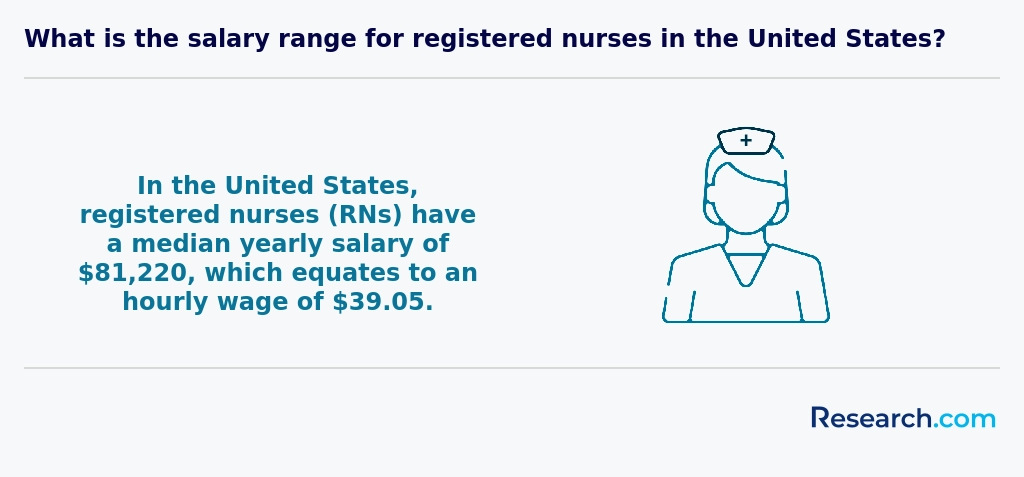
Obtaining your nursing license in Arkansas involves several key steps designed to ensure you meet the state’s standards for safe, competent practice. First, graduates must apply to the Arkansas State Board of Nursing (ASBN) and submit official transcripts verifying completion of an accredited nursing program. Concurrently, candidates register for and pass the NCLEX-RN examination. The ASBN typically issues an Authorization to Test (ATT) within two weeks of application approval, and scheduling your NCLEX through Pearson VUE secures your exam date. Upon passing the NCLEX-RN, you’ll receive your Arkansas RN license within 10–15 business days. If you plan to practice in multiple states, consider applying for a multistate compact license through the Nurse Licensure Compact (NLC). Maintaining your license requires renewing every two years and completing 15 contact hours of continuing education, including at least one hour in the area of safe opioid prescribing. Popular certifications like CCRN (Critical Care) or CPN (Pediatric Nursing) can further distinguish your resume and increase earning potential. For nurses exploring alternative roles, you might also research questions like can you become a midwife without a nursing degree, helping you plan a seamless transition into specialized healthcare fields.
Financial aid for nursing degrees in Little Rock is evolving, creating hopeful pathways for students eager to enter the field. Graduates from the University of Arkansas for Medical Sciences (UAMS) often share how federal aid like the Pell Grant, which can cover up to $7,395 annually, made their education affordable without overwhelming debt. Many find that applying for FAFSA unlocks access to these essential funds, laying a solid foundation.
Looking ahead, the Health Resources and Services Administration (HRSA) programs are expected to expand, offering scholarships and loan repayments linked to commitments in underserved Arkansas regions. This creates a win-win scenario where students gain financial relief while addressing critical healthcare needs locally.
Institutional scholarships at schools like UAMS give hopeful nursing students a real chance to reduce costs further-about half of their cohort benefits from merit- or need-based aid, making dreams of nursing careers feel tangible. Plus, emerging employer tuition reimbursement options in Little Rock's healthcare community may soon become more common, offering ongoing support for working students aiming to advance.
Before beginning your nursing career in Little Rock, you must secure state licensure and pass national certification exams. Arkansas’s Board of Nursing mandates that all graduates of accredited programs successfully complete the NCLEX-RN (for RNs) or NCLEX-PN (for LPNs) within two years of graduation. Key steps include:
- Complete an approved nursing program with a minimum 2.75 GPA and all clinical hours documented.
- Submit an application to the Arkansas State Board of Nursing, including official transcripts, background check, and fees (approximately $200).
- Register with Pearson VUE to schedule your NCLEX exam; prepare using state-specific practice questions and review materials.
- Upon passing the NCLEX, obtain your Arkansas license via endorsement if you’re already licensed elsewhere. You’ll need to provide proof of good standing, verification of passing scores, and a licensure-by-exam or endorsement fee.
- Maintain licensure through continuing education: Arkansas requires 30 contact hours every two years, which can include workshops, seminars, and approved online courses. For students exploring alternate pathways or seeking flexible study options, consider researching lpn online programs ohio to understand how online LPN training complements state requirements and accelerates entry into the workforce. By fulfilling these licensure and certification requirements, you’ll ensure compliance, boost employability, and advance your nursing career with confidence.
Enrolling in a nursing degree program in Little Rock typically begins with having a high school diploma or GED, coupled with foundational coursework in biology, chemistry, and math. Graduates from popular nursing programs in Little Rock often recall how these prerequisites ensured they felt ready and confident when facing early college challenges. For example, students from community colleges or universities in the area emphasize that strong performance in these subjects laid the groundwork for understanding complex nursing concepts later.
Many programs also require standardized test scores like the ACT or SAT, especially at four-year universities. Additionally, nursing-specific entrance exams such as the TEAS are becoming increasingly common, aiming to fairly assess skills across reading, math, science, and English. These steps help future nurses feel a sense of accomplishment early on, affirming their readiness for demanding clinical work ahead.
Health and safety standards remain crucial; graduates often share that providing immunization records and passing background checks helped them gain access to essential clinical placements. With bridge programs growing in popularity, many returning students find a current RN license and a competitive GPA are vital prerequisites, reflecting evolving expectations within Little Rock's nursing education landscape.
Volunteer or healthcare work experience, though sometimes optional, is frequently highlighted by former students as a pivotal element that enriched their practical understanding and boosted their confidence before classes even began.
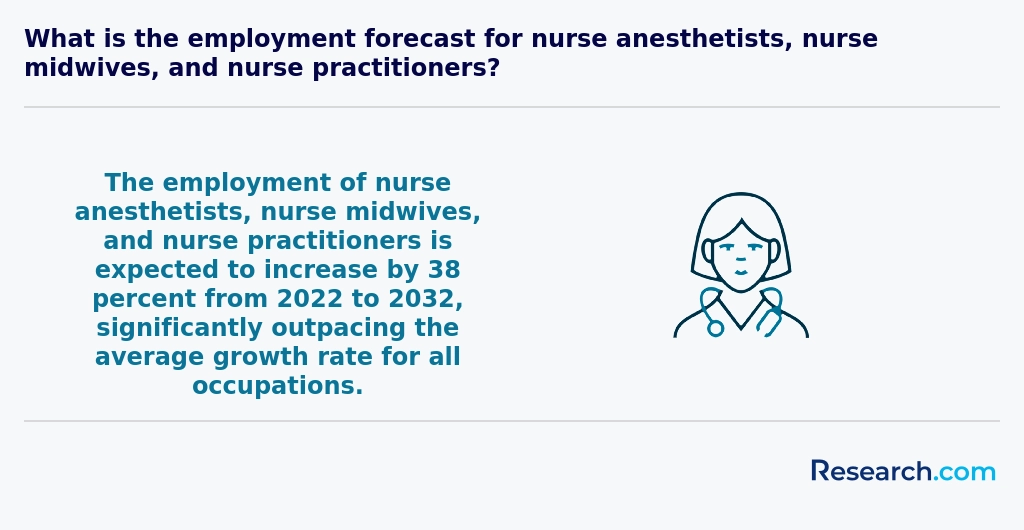
Little Rock’s nursing programs distinguish themselves through robust support systems designed to foster student success from enrollment to licensure. Academic advising offices pair students with dedicated advisors who guide course selection, clinical placement planning, and progression toward graduation. Simulation centers at institutions like UAMS feature high-fidelity manikins and virtual reality tools, allowing students to practice critical procedures in a risk-free environment. Peer-mentorship programs connect incoming students with upper-class nursing majors, offering insights on study strategies, time management, and navigating clinical rotations. Career services teams host resume workshops, mock interviews, and networking events with local healthcare employers, helping graduates secure positions before cap and gown ceremonies. For those balancing work or family commitments, online tutoring platforms and 24/7 library access ensure coursework support around the clock. Student Nursing Associations at Arkansas State University and Baptist Health College provide leadership opportunities, community outreach projects, and conference discounts. Prospective students seeking cost-effective online options may also explore our Cheapest Online Nursing Degree Programs Ranking in Texas to compare flexible, high-quality curricula that complement Little Rock’s in-person resources.
Nursing degrees in Little Rock commonly include courses like anatomy, physiology, microbiology, and chemistry, grounding students in the essential science needed to excel in healthcare. Graduates from well-known local colleges often recall how pharmacology classes unlocked their understanding of medication effects, boosting their confidence in real hospital settings across the city.
Hands-on health assessment courses are a highlight, where students practice vital skills such as patient interviews and physical exams. One graduate shared how these classes made clinical rotations at Little Rock hospitals feel like a natural extension of their studies, not a daunting challenge.
Programs focus heavily on pathophysiology, linking classroom science to medical outcomes seen daily in clinics. The clinical nursing courses, offered at facilities around Little Rock, immerse students in patient care and teamwork-moments that foster pride and a sense of real impact on community health.
Beyond medical expertise, courses in nursing ethics and healthcare policy prepare students to navigate evolving legal landscapes, sparking passion for advocacy and leadership within Arkansas's health system. Many programs also offer electives in specialties such as pediatric or mental health nursing, letting students shape their future paths while feeling personally empowered.
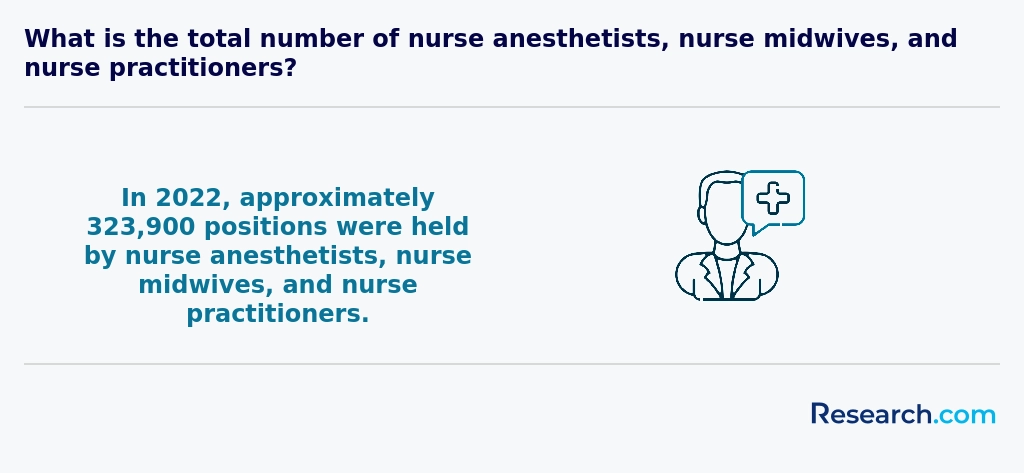
Nursing degree specializations in Little Rock continue to evolve, with programs at renowned institutions like the University of Arkansas for Medical Sciences offering students diverse pathways. Graduates often share how their training in areas such as Pediatric Nursing and Geriatric Nursing prepares them for the distinct needs of Arkansas's population, including its sizable elderly community. Many students express excitement about emerging fields like Psychiatric Nursing, which addresses growing mental health challenges locally and nationwide.
Little Rock nursing program specialties also include Critical Care and Obstetric Nursing, where hands-on experiences in hospital settings foster confidence and resilience. Alumni frequently recall immersive clinical rotations that helped them master complex care for critically ill patients or support women through childbirth. Additionally, several nursing students are motivated to explore advanced roles through accredited online safety programs, enhancing their skills in Nurse Anesthesia and Midwifery.
These specializations not only align with current healthcare demands but also reflect graduates' aspirations to make meaningful impacts in their communities while benefiting from Little Rock's supportive, cost-effective educational environment.
Choosing the best nursing degree in Little Rock often means balancing accreditation, cost, and hands-on experience. Graduates from local institutions like the University of Arkansas for Medical Sciences often speak of the confidence gained through clinical rotations at nearby hospitals, which serve as a cornerstone for real-world readiness. For many, the assurance that their program is accredited by CCNE or ACEN plays a crucial role in feeling secure about their future licensure and career prospects. Students seeking affordable nursing schools Little Rock residents often turn to community colleges offering ADN programs, appreciating the lower tuition without sacrificing educational quality.
Flexibility also matters-working students in Little Rock find part-time or hybrid schedules invaluable for managing life and study. Some accelerated BSN tracks at universities provide motivated students with a faster route to licensure, fueling excitement about quickly entering the workforce. Exploring clinical partnerships and graduation data shines light on program success, inspiring confidence in choices. For those curious about advanced paths, checking out the best nurse practitioner programs in wisconsin can broaden perspectives beyond the immediate area.
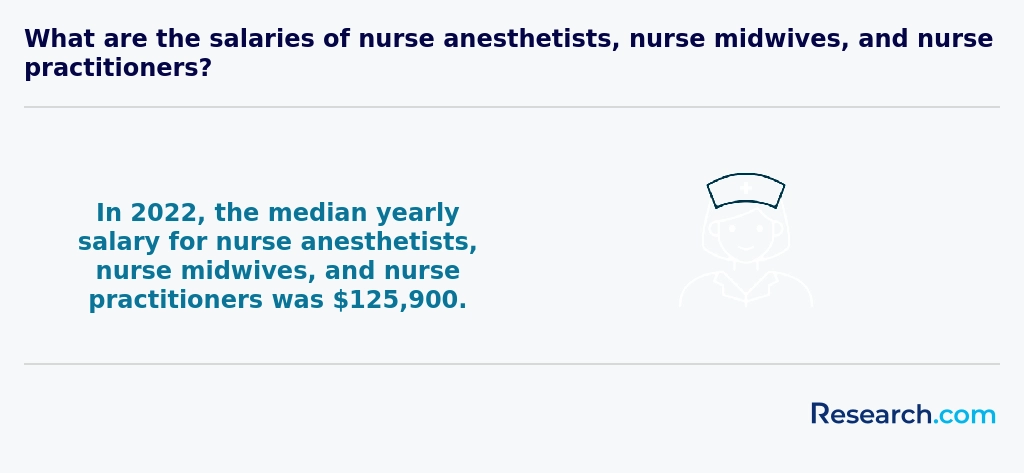
Nursing degree graduates in Little Rock find themselves at a dynamic crossroads with diverse nursing career opportunities in Little Rock emerging rapidly. Graduates from prominent local institutions often begin with roles as registered nurses, gaining hands-on experience in UAMS Medical Center or community clinics, where the demand is both immediate and growing. Many share excitement about advancing into specialized fields such as nurse practitioners or clinical nurse specialists, driven by Little Rock's expanding healthcare infrastructure and aging population needs.
Others envision futures as public health nurses or healthcare administrators, roles that increasingly integrate technology and community-focused care models. These career paths reflect a growing trend toward personalized patient services and health equity. Nursing students from Little Rock's top colleges frequently express enthusiasm about contributing to innovations in patient education and preventive healthcare, inspired by the city's unique health challenges.
For those exploring further education or new opportunities, checking nursing school reviews Cincinnati has proven helpful in comparing programs. This perspective enhances job prospects and aligns with the accelerating job market for nursing degree graduates Little Rock.

The nursing job outlook in Little Rock is promising, fueled by a growing healthcare sector and the presence of top institutions like the University of Arkansas for Medical Sciences (UAMS). Graduates from local nursing programs often share encouraging stories about quickly finding roles in hospitals, clinics, or community health centers. Many find themselves drawn to the dynamic environment where increasing outpatient care and the aging population are driving new nursing opportunities beyond traditional settings.
Healthcare employment opportunities Little Rock offers are expanding, with strong support from major providers such as Arkansas Children's Hospital and Veterans Affairs facilities. These employers actively seek qualified nurses, making it a vibrant job market for those holding ADN or BSN degrees. Nursing students at these colleges appreciate how hands-on clinical experiences and academic standards in healthcare programs prepare them for real-world challenges while opening doors to competitive salaries and career growth.
2027 Most Valuable Nursing Degree Programs Ranking in Little Rock
Investing in your education is a significant decision that can profoundly impact your future, and the Research.com team is keenly aware of the importance of making well-informed choices. To support aspiring nurses in Little Rock, we have carefully developed the "2027 Most Valuable Nursing Degree Programs Ranking in Little Rock." Our dedication to quality, credibility, and accuracy is demonstrated through the thorough research and analysis behind this ranking.
We utilized the following reputable data sources to ensure a comprehensive evaluation of nursing degree programs:
By consulting this ranking, readers will receive valuable insights into the most valuable nursing degree programs in Little Rock, empowering them to choose the educational path that best aligns with their goals. For more information on how this ranking was developed, please visit our Research.com methodology page.


Frequently Asked Questions About nursing
Nursing degree students in Little Rock can maximize their learning experience by engaging actively in hands-on clinical placements offered through local hospitals like the University of Arkansas for Medical Sciences (UAMS). These real-world experiences are crucial, as Arkansas requires at least 1,000 clinical hours for registered nurse (RN) licensure.
Students should also take advantage of simulation labs, which are widely available at nursing schools in Little Rock, to practice critical skills in a controlled environment. Joining study groups and connecting with professional organizations such as the Arkansas Nurses Association helps students network and stay updated on healthcare trends.
Additionally, balancing coursework with time management strategies and seeking tutoring support can improve academic success. According to the Arkansas Department of Higher Education, nursing retention rates increase significantly when students utilize campus resources effectively.
The nursing field is rapidly evolving, with new specialized areas emerging to meet healthcare demands. In Little Rock, Arkansas, nurses increasingly pursue niches such as gerontology, focusing on an aging population expected to grow by 18% in the next decade (U.S. Census Bureau). Chronic disease management and community health nursing are also rising in prominence, responding to local public health needs.
Another growing area is informatics nursing, where professionals integrate healthcare and technology. This niche supports efficient patient data management, an important trend given Arkansas's expanding telehealth services.
Overall, these emerging specialties offer valuable career paths for nursing students in Little Rock ready to address future healthcare challenges.
After completing a nursing degree in Little Rock, preparing for the job market involves several key steps. First, graduates must pass the NCLEX-RN exam, which is required to become a licensed registered nurse in Arkansas. According to the Arkansas State Board of Nursing, the NCLEX pass rate for first-time test takers in the state was around 87% in recent years.
Networking is crucial in Little Rock's healthcare community. Attending job fairs, joining local nursing associations like the Arkansas Nurses Association, and connecting with hospital recruiters can open doors. Little Rock has a growing demand for nurses in hospitals such as the University of Arkansas for Medical Sciences (UAMS), offering many employment opportunities.
Additionally, gaining specialized certifications, such as in gerontology or pediatrics, can improve job prospects. Finally, tailoring resumes to highlight clinical experience and developing strong interview skills are important to stand out in this competitive market.
Employers in Little Rock prioritize several key skills when hiring nursing degree graduates. Strong clinical competence, including proficiency in patient care and familiarity with electronic health records, is essential. Communication skills are also critical, as nurses must effectively interact with patients, families, and healthcare teams.
According to the Arkansas Center for Nursing, critical thinking and problem-solving abilities are highly valued to handle complex situations and make quick decisions. Additionally, cultural competence is important in Little Rock's diverse population, ensuring respectful and effective care for all patients.
Time management and adaptability rank among the top skills, reflecting the fast-paced environment of local healthcare facilities.
Finding nursing internships in Little Rock involves exploring local healthcare facilities and educational resources. Many nursing programs in the city maintain partnerships with hospitals like the University of Arkansas for Medical Sciences (UAMS), offering students direct access to clinical placements. The Arkansas Department of Health and other regional medical centers also provide internship opportunities tailored to nursing students.
Students are encouraged to consult their academic advisors or career centers for updated internship listings. Additionally, websites like the Arkansas Nurses Association feature resources and events that connect students with practical training options. Networking through local nursing organizations can further enhance internship prospects.
A nursing degree significantly enhances career mobility and advancement opportunities in Little Rock. According to the U.S. Bureau of Labor Statistics, registered nurses in Arkansas, including Little Rock, have a strong job growth projection of 9% from 2022 to 2032, which is faster than the average for all occupations. Earning an Associate Degree in Nursing (ADN) or a Bachelor of Science in Nursing (BSN) opens pathways to diverse roles such as clinical nurse, nurse educator, or nurse manager. Employers in Little Rock increasingly prefer BSN-prepared nurses for leadership positions.
Advanced degrees like a Master of Science in Nursing (MSN) further expand career options into specialties and administrative roles. Local healthcare systems such as Arkansas Children's Hospital and CHI St. Vincent value higher education credentials for promotions and salary increases. Additionally, licensure and certifications tied to degrees improve eligibility for competitive job openings. The link between nursing education and career growth in Little Rock is supported by consistent demand for qualified nurses across healthcare settings, making degree completion a critical step for career advancement.
Studying for a nursing degree in Little Rock equips students with skills essential for interdisciplinary healthcare teams. Programs emphasize collaboration with professionals across medicine, social work, and public health. The University of Arkansas for Medical Sciences, a key nursing educator in Little Rock, integrates simulation labs and clinical rotations that focus on team-based care. This hands-on experience reflects the evolving US healthcare environment, promoting communication and coordination.
According to the Arkansas Center for Nursing, over 60% of nurses in the state participate in interdisciplinary teams, highlighting local demand for such training. Courses often include leadership and ethics, preparing graduates to contribute effectively in diverse clinical settings.
When choosing between a thesis and a non-thesis nursing degree program in Little Rock, consider your career goals. A thesis program focuses on research, preparing students for roles in academia or advanced clinical research. Non-thesis programs emphasize practical skills, ideal for nurses seeking leadership or advanced practice roles without conducting original research.
Thesis programs often require more time and strong research skills, while non-thesis paths may offer flexible clinical experiences. According to the Arkansas Department of Higher Education, Little Rock universities report growing demand for nurse practitioners, favoring non-thesis degrees for quicker workforce entry.
Review the curriculum details of each program, and assess whether you prefer an investigative or applied learning approach. Speak with advisors and local employers to align your decision with job market expectations in Little Rock's healthcare sector.
Students based in Little Rock interested in studying nursing abroad have several pathways within the US higher education framework. Many nursing programs in Arkansas, such as those at the University of Arkansas for Medical Sciences, offer study abroad opportunities or international clinical placements, allowing hands-on experience in health systems overseas.
Additionally, students can choose joint or dual degree programs in partnership with institutions abroad, which are often aligned with US nursing accreditation standards. These programs help maintain eligibility for US licensure exams while gaining international exposure.
It is essential for students to verify if credits earned abroad transfer seamlessly and if the program meets Arkansas State Board of Nursing requirements. According to the Arkansas Department of Higher Education, such international opportunities remain limited but growing as global healthcare collaboration expands.
Students pursuing nursing degrees in Little Rock can find valuable part-time job opportunities that enhance their education and professional experience. Positions such as certified nursing assistant (CNA) or patient care technician are common choices. These roles provide hands-on experience in local hospitals like the University of Arkansas for Medical Sciences, which employs many nursing students.
Additionally, medical scribe jobs and home health aide roles offer exposure to patient care and medical documentation. According to the Arkansas Department of Workforce Services, healthcare support occupations in Little Rock are expected to grow by 12% through 2030, signaling ample part-time openings for nursing students.
Nursing students in Little Rock benefit from numerous networking opportunities through local universities and healthcare organizations. The University of Arkansas for Medical Sciences (UAMS) offers student organizations and events where nursing students can connect with experienced professionals and peers. These include the Student Nurses' Association, which helps students participate in regional and national conferences.
Additionally, hospitals like Arkansas Children's Hospital and Baptist Health Medical Center provide clinical placements that foster connections with nursing staff and administrators.
Professional groups such as the Arkansas Nurses Association regularly host workshops and seminars in Little Rock, encouraging networking and career development.
Alumni networks play a significant role in supporting nursing degree students in Little Rock. These networks provide valuable connections to experienced nursing professionals who graduated from local programs, offering mentorship and career guidance. According to the Arkansas Nurses Association, strong alumni ties can increase job placement rates by up to 20% for recent graduates in the region.
In a competitive healthcare job market like Little Rock's, alumni networks facilitate access to exclusive job postings and internships within local hospitals and clinics. Graduates often share insights on workplace expectations and continuing education opportunities, helping new students adapt more quickly.
Moreover, alumni events and online communities foster ongoing professional development, encouraging lifelong learning which is crucial for maintaining nursing licensure in Arkansas.
Customizing a nursing degree program in Little Rock begins with selecting the right institution and pathway, such as an Associate Degree in Nursing (ADN), Bachelor of Science in Nursing (BSN), or advanced degrees like a Master's or Doctorate. Many local schools offer flexible schedules, including part-time, evening, and online classes, to accommodate working students.
Students can often tailor their studies through elective courses and clinical rotations that match their career interests, such as pediatric nursing, gerontology, or critical care. According to the Arkansas Center for Nursing, clinical experience in Little Rock's diverse healthcare settings boosts practical skills and employment prospects.
Furthermore, joining nursing student organizations and seeking mentorship helps align academic experiences with career goals. Finally, certification preparation and continuing education options available locally support specialization and career advancement.
Nursing students in Little Rock often face several common challenges during their education. One major difficulty is balancing rigorous coursework with clinical rotations, which demand significant time and physical effort. According to the Arkansas Center for Nursing, many students report high stress levels due to the intensity of hands-on training combined with academic responsibilities.
Access to affordable clinical placements can also be limited, as hospitals and clinics in Little Rock experience high demand for nursing internships. This competition can delay students' progress toward graduation.
Additionally, students may encounter financial strain, since nursing programs often require costly textbooks, supplies, and fees beyond tuition.
With a nursing degree in Little Rock, you can pursue several professional certifications that enhance your skills and career opportunities. Common certifications include the Certified Nurse Assistant (CNA), Licensed Practical Nurse (LPN), and Registered Nurse (RN) credentials, which are essential for entry and mid-level nursing roles.
Advanced certifications such as Certified Nurse Practitioner (CNP), Certified Clinical Nurse Specialist (CNS), and Certified Nurse Midwife (CNM) are available for nurses seeking specialization. National certification bodies like the American Nurses Credentialing Center (ANCC) oversee these.
Local healthcare employers in Little Rock often prioritize candidates with certifications that demonstrate expertise in areas like pediatric, geriatric, or critical care nursing, reflecting Arkansas Department of Health recommendations.
Applying to a nursing program in Little Rock requires careful planning and attention to detail. Start by researching accredited institutions such as the University of Arkansas for Medical Sciences (UAMS), which is well-regarded in nursing education. Focus on meeting prerequisite courses in biology, chemistry, and anatomy, as most programs require a minimum GPA around 3.0.
Strong test scores, such as the TEAS (Test of Essential Academic Skills), can improve your chances; UAMS typically expects scores above the 60th percentile. Highlight relevant healthcare experience, volunteer work, or certifications like CNA in your personal statement to demonstrate commitment.
Letters of recommendation from healthcare professionals add credibility. Be sure to tailor your application essays to reflect your motivation to serve Arkansas's healthcare needs, referencing local nursing demands reported by the Arkansas Department of Health.
Globally, nursing is recognized as a vital profession with growing demand due to aging populations and healthcare challenges. In the US, including Little Rock, this trend mirrors global patterns, with the Bureau of Labor Statistics projecting a 9% growth in nursing jobs from 2020 to 2030. Nursing careers offer opportunities to work in diverse settings internationally, contributing to health systems worldwide.
Little Rock's nursing programs prepare students for both local and global healthcare environments by emphasizing cultural competence and evidence-based practices, essential skills amid increasing globalization in healthcare. According to the Arkansas Center for Nursing, Little Rock graduates often engage in exchange programs enhancing global nursing perspectives.
Educational standards in the US align with international frameworks like those from the World Health Organization, promoting mobility of nurses across borders. Thus, obtaining a nursing degree in Little Rock equips students with the credentials and skills recognized globally.
Gaining practical experience is essential when pursuing a nursing degree in Little Rock. Students can participate in clinical rotations at local hospitals such as the University of Arkansas for Medical Sciences (UAMS), which offers diverse settings including pediatrics, emergency care, and long-term facilities. These rotations provide hands-on learning under licensed professionals' supervision.
Additionally, nursing programs often include simulation labs that mimic real-life medical scenarios, helping students build confidence and skills. Volunteering or working as nurse aides in healthcare facilities around Little Rock can further enhance practical knowledge and employment prospects. According to the Arkansas Department of Higher Education, over 80% of nursing students are involved in clinical practice during their study, reflecting the city's strong support for experiential learning.
Choosing the right concentration within a nursing degree program in Little Rock involves understanding your career goals and the local healthcare demands. Popular concentrations include family nurse practitioner, psychiatric nursing, and pediatric nursing, addressing diverse patient needs.
Consider the employment outlook: the Arkansas Department of Workforce Services projects a 15% growth in healthcare jobs by 2030, with advanced practice nurses in high demand. Research local hospitals like the University of Arkansas for Medical Sciences, which often seek nurses with specialized skills.
Evaluate program curricula and clinical opportunities in Little Rock to ensure hands-on experience in your chosen field. Speak with advisors and current students for insights into the outcomes of each concentration.
- 2027 Most Valuable Nursing Degree Programs Ranking in Memphis
- 2027 Most Valuable Nursing Degree Programs Ranking in Saint Louis
- 2027 Most Valuable Nursing Degree Programs Ranking in Hattiesburg
- 2027 Most Valuable Nursing Degree Programs Ranking in Birmingham
- 2027 Most Valuable Nursing Degree Programs Ranking in Nashville
- 2027 Most Valuable Nursing Degree Programs Ranking in Kansas City
- 2027 Most Valuable Nursing Degree Programs Ranking in Mobile
- 2027 Most Valuable Nursing Degree Programs Ranking in Louisville
- 2027 Most Valuable Nursing Degree Programs Ranking in Peoria
- 2027 Most Valuable Nursing Degree Programs Ranking in Austin
See What Experts Have To Say About Studying Nursing
Read our interview with Nursing experts

Lisa Grubb
Nursing Expert
Assistant Professor
Johns Hopkins School of Nursing

- How to Choose a Nursing Program | All Nursing Schools https://www.allnursingschools.com/how-to-get-into-nursing-school/choose-the-right-school/
- Recruitment procedure - University Admission Office https://admission.mug.edu.pl/29318.html
- Nursing Pathways Program https://supportstvincent.org/nursing-pathways-program
- Client Challenge https://www.springerpflege.de/nursing-graduates-perceived-future-career-pathway-and-career-shi/50653658
- Nursing - SUM Admission https://admission.sum.edu.pl/nursing/
- Essential Tips for Nursing Students to Advance Their Careers https://almanaltraining.com/essential-tips-for-nursing-students-to-advance-their-careers/
- What Are the Best RN Certifications for Your Career? https://credenzahealth.com/career-advice/what-are-the-best-rn-certifications-for-your-career
- How to Survive Your First Semester of Nursing School https://www.bhclr.edu/2023/08/how-to-survive-nursing-school/
- Guide to Making a Career Change to Nursing https://teach.com/online-ed/healthcare-degrees/online-msn-programs/career-change-to-nursing/
- Nursing Internships Abroad: An Introduction - RealStep https://www.real-step.com/en/articles/nursing-internships-abroad/


