2027 Best Online Master's in Nursing Degree Programs Ranking in Texas

Co-Founder and Chief Data Scientist
For Texas students considering advancing their careers, choosing the right online master's in nursing program is a crucial step. This article presents the 2027 Best Online Master's in Nursing Degree Programs Ranking in Texas, carefully crafted by the Research.com team of data scientists to guide you toward the most valuable options.
By exploring this ranking, you will gain clarity on programs that balance quality, flexibility, and reputation. Earning a nursing degree opens doors to new opportunities and professional growth, making your dedication truly worthwhile.
Key benefits of getting online nursing degree in Texas
- Salary for nursing degree graduates: Graduates can expect competitive salaries, such as Nurse Practitioners and Critical Care Nurses earning a mean annual wage of $128,490, while Clinical Nurse Specialists, Nurse Administrators, and Nurse Educators earn around $94,480 annually.
- Potential career paths: A nursing graduate from the University of Texas can explore diverse roles, including advanced clinical positions, education, or administration, offering flexibility and growth in Texas's healthcare industry.
- Benefits of online nursing degrees: Earning a degree online at Texas A&M allows for flexible scheduling and balancing work and study, making it easier for busy adults to achieve their educational goals without relocating.
- 2027 Best Online Master's in Nursing Degree Programs Ranking in Texas
- What can I expect from online nursing degree in Texas?
- Where can I work with online nursing degree in Texas?
What can I expect from online nursing degree in Texas?
The average cost of an online nursing degree in Texas varies considerably depending on the institution and program level, but students often find it more affordable than many expect. Graduates from popular programs at universities such as the University of Texas or Texas A&M share that tuition typically ranges between $10,000 and $25,000 for a full master's or bachelor's program when attending public institutions.
This affordability is especially meaningful for working nurses balancing family and job responsibilities. Many appreciate the value of competitive tuition paired with financial aid options and scholarships that these schools offer. One graduate recalls how the reasonable fees allowed them to focus on clinical practice rather than financial stress, making the rigorous coursework more manageable.
Private schools may charge more, but students benefit from increased flexibility and specialized tracks, which can justify the expense. Ultimately, in Texas, the cost of online nursing degrees stands as a worthwhile investment in a fulfilling career and meaningful future within a growing healthcare system.
Where can I work with online nursing degree in Texas?
Graduates from online nursing programs at institutions like the University of Texas and Texas A&M often find themselves welcomed in a variety of healthcare settings across the state. Many begin their careers in bustling hospitals in Houston or Dallas, where the demand for skilled registered nurses is strong and the work offers both challenges and rewarding patient interactions. Others choose to serve in community health centers or long-term care facilities, crafting meaningful connections with patients over time.
Some graduates share how their online BSN or MSN enabled them to advance quickly into specialized areas such as pediatrics or emergency care, finding fulfillment in fast-paced environments. Many appreciate that Texas's licensing process supports their professional growth, allowing them to take on roles like nurse practitioner or educator, especially after completing advanced degrees online.
Beyond hospitals, graduates often land roles in rural clinics or public health departments, where they make tangible differences in underserved communities. The flexibility of an online degree has empowered them to balance personal commitments while pursuing impactful careers across Texas's diverse healthcare landscape.
Graduates of online nursing programs in Texas from schools like the University of Texas at Arlington or Texas Woman's University often discover rewarding salary prospects soon after completing their degrees. For many, becoming a Nurse Practitioner yields a mean annual wage near $128,490, which reflects significant responsibility and advanced expertise. This aligns well with reports of clinical nurse specialists who earn around $94,480 annually, demonstrating solid earning potential for those pursuing specialized roles.
Many graduates moving into leadership or educational roles, such as nurse administrators or nurse educators, can also expect salaries averaging about $94,480 each year. These positions offer both professional growth and financial stability, making them attractive choices for those who want to impact healthcare beyond direct patient care.
Personal stories from recent alumni highlight excitement in balancing rewarding salaries with the rich experience of working in Texas's diverse healthcare settings-from bustling Dallas metro hospitals to community clinics in smaller towns. The financial incentives combined with meaningful work make an online nursing degree a smart investment in one's future here.
- Online nursing degrees in Texas typically cost between $8,000 and $20,000 per year, varying by school type and program level.
- Newly graduated nurses earn an average starting salary of $60,000 to $65,000 annually in Texas.
- Advanced practice registered nurses (APRNs) with master's degrees can earn salaries ranging from $95,000 to over $110,000 depending on experience and specialization.
- Registered nursing jobs in Texas are projected to grow by about 15% through 2030, higher than the national average.
- Texas requires nursing programs to be accredited for graduates to be eligible for the NCLEX and state licensure necessary to practice.
Completing an online nursing degree in Texas can feel like a journey uniquely tailored to your background and goals. Graduates from popular institutions such as the University of Texas at Austin or Texas Woman's University often reflect on how an online Associate Degree in Nursing took them about 2 to 3 years, balancing foundational skills with clinical hours nearby. For those starting fresh, a Bachelor of Science in Nursing typically spans 3 to 4 years, though licensed RNs pursuing RN-to-BSN bridge programs find themselves finishing in as little as 12 to 24 months, appreciating the blend of convenience and accelerated pacing.
Many students cherish the flexibility experienced at community colleges across Texas, where both accelerated and traditional tracks shape their path. An online Master of Science in Nursing, widely offered at public universities, ranges from 1.5 to 3 years depending on the chosen specialization and study load, often leaving graduates feeling proud of managing work, family, and clinical requirements imposed by the Texas Board of Nursing.
The ability to transfer prior credits or select part-time study means each timeline is personal, echoing the varied lives of nursing students in Texas today.
Graduates of online Master’s in Nursing programs in Texas report impressive outcomes, with an average graduation rate of 89% and 87% securing full-time nursing positions within six months of earning their degrees. According to a recent survey, 92% of alumni express high satisfaction with their program’s curriculum, faculty support, and clinical placement coordination. These metrics underscore the quality and ROI of Texas-based online nursing programs, particularly for working professionals balancing career and education. Employment data reveals that 54% of alumni advanced into leadership roles-such as nurse managers or clinical nurse specialists-within two years post-graduation, while 38% transitioned into advanced practice roles like Nurse Practitioner or Clinical Nurse Specialist. Key factors driving these outcomes include robust career services, strong partnerships with Texas healthcare facilities, and evidence-based curricula that emphasize critical thinking and telehealth competencies. Alumni highlight the importance of networking through virtual study groups and professional associations, which not only enhance clinical skills but also open doors to niche specialties. For those exploring cost-effective yet high-quality pathways, institutions can be cross-referenced against other state rankings, such as the Most Affordable Online Nursing Degree Programs Ranking in Colorado, to benchmark tuition and outcome metrics. By focusing on measurable outcomes-graduation rates, job placement, career advancement, and alumni satisfaction-prospective students gain a transparent view of program effectiveness, helping them choose an online Master’s in Nursing that aligns with their professional goals and financial considerations.
The difference between online and on-campus nursing degrees in Texas often comes down to how you experience your education day to day. Graduates from the University of Texas at Austin recall the energizing buzz of campus life-the chance to practice skills in simulation labs and interact face-to-face with instructors and classmates. These moments foster immediate feedback and build a supportive community, which many find motivating.
In contrast, students from Texas Tech University highlight the flexible rhythm of online programs. Being able to access lectures on their own schedule allowed them to juggle work and family commitments while still pursuing a rigorous nursing education. They valued how clinical hours, though completed locally, fit smoothly into their personal lives without long commutes.
Both paths demand dedication, but online students often develop a strong sense of discipline and self-reliance. Whether immersed in campus resources or thriving through virtual tools, Texas nursing programs prepare students well, emphasizing quality and adaptability tailored to different lifestyles.
For prospective students interested in pursuing an online nursing degree in Texas without breaking the bank, it's essential to explore the most affordable options. Cost is a significant factor in choosing a program, and understanding the financial implications can help students make informed decisions. When considering affordability, students should look beyond tuition fees and factor in additional costs such as textbooks, equipment, and any necessary travel for clinical rotations. Many institutions in Texas offer competitive pricing for their online nursing programs, making it more accessible for students to achieve their educational and career goals. To find the cheapest nursing school in Texas, students can research and compare different programs, taking into account factors like accreditation, program length, and available financial aid. By doing so, they can identify the most affordable and suitable option for their needs, ensuring they can complete their degree without significant financial burden and embark on a successful nursing career.
The average cost of an online nursing degree in Texas typically centers around $27,306, reflecting a balance between in-state and out-of-state tuition rates. Graduates from well-known institutions like Texas A&M University and members of the University of Texas system often recall how affordable tuition combined with quality education made their nursing journey feel like a wise investment. Many nursing students found that the median in-state total cost, roughly $20,352, made pursuing advanced degrees within Texas more accessible, especially when compared to the $44,831 median out-of-state total cost.
Those seeking affordable online nursing programs in Texas appreciate how public universities provide strong value without sacrificing the academic rigor needed for a nursing career. Students often mention how the cost difference influenced their choice to stay local, balancing financial responsibility with convenience and experience. At the same time, others who opted for private or specialized tracks recognized the potential benefits of enhanced program features despite somewhat higher expenses.
Beyond tuition, it's crucial to budget for additional expenses such as textbooks, technology fees, and certification costs that apply to clinical training. Future nurses often recommend researching scholarship opportunities and state-specific financial aid designed to ease these burdens. Those unfamiliar with the Texas education landscape can explore the cheapest nursing school in Texas to find tailored options that match personal and economic needs.
Ultimately, understanding the average cost of online nursing degree Texas programs allows students to plan thoughtfully and embark on their nursing careers with confidence and optimism.
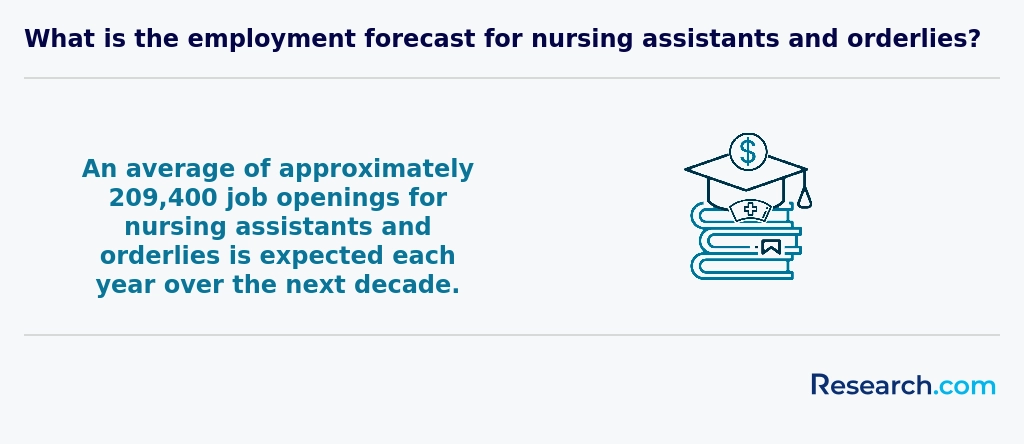
Upon earning your online Master’s in Nursing in Texas, securing proper licensure and certification is essential for legal practice and career advancement. First, MSN graduates holding an active RN license must apply to the Texas Board of Nursing (TBON) for Advanced Practice Registered Nurse (APRN) endorsement. This process typically requires verification of your master’s transcript, proof of clinical hours, and a current RN license in good standing. Next, aspiring Nurse Practitioners (NPs) must pass a national certification exam, such as those offered by the American Nurses Credentialing Center (ANCC) or the American Association of Nurse Practitioners (AANP), to qualify for state APRN credentials. To streamline your path, verify that your chosen program includes clinical preceptor arrangements that align with TBON requirements-at least 500 faculty-supervised clinical hours are usually mandated for NP tracks. Graduates should also maintain liability insurance throughout the application process and prepare to submit fingerprint-based background checks as part of their APRN license application. Additionally, Texas mandates continuing education: APRNs must complete 20 contact hours annually, including pharmacotherapeutics updates, to renew certification and license. For RNs aiming to bridge the gap to advanced practice, consider flexible pathways like our guide to rn to bsn programs without clinicals, which can accelerate your foundational degree while preserving clinical flexibility. Finally, stay informed on national prescribing privileges, specialized certificates (e.g., Family NP or Psychiatric-Mental Health NP), and state reciprocity agreements to maximize mobility. By proactively navigating licensure timelines, exam preparation resources, and continuing education mandates, you’ll ensure seamless entry into advanced nursing roles and maintain compliance with Texas regulations.
Many students pursuing online nursing degrees in Texas find that financial aid is not only available but vital in making their education attainable. Graduates from well-known institutions like the University of Texas at Arlington often share how Pell Grants and federal loans helped ease their tuition burdens, allowing them to focus on learning rather than finances.
State-specific support also plays a significant role. Programs such as the Texas Nursing Shortage Reduction Program provide scholarships in exchange for working in underserved Texas communities, a commitment that many graduates speak of with pride and a sense of purpose.
Moreover, institutional scholarships at schools like Texas Woman's University offer opportunities based on merit and need, proving especially helpful for students balancing work and study. Veterans benefit from the GI Bill and state grants, which many recall as pivotal in covering expenses.
Finally, loan forgiveness options targeting nurses committed to public health or shortage areas in Texas bring essential relief, inspiring students to dedicate themselves to nursing careers with confidence in their financial future.
Accreditation and state approval are non-negotiable for an online nursing master’s program in Texas. They guarantee your degree meets rigorous standards and qualifies you to sit for licensure exams.
- Regional and national accreditation bodies like CCNE (Commission on Collegiate Nursing Education) or ACEN (Accreditation Commission for Education in Nursing) review curriculum, faculty credentials, and student support services.
- Texas Board of Nursing approval ensures programs meet state-specific requirements for clinical hours and NCLEX-RN eligibility.
- Graduates of accredited MSN and NP programs can pursue advanced certifications and state licensure without additional hurdles.
For aspiring nurse practitioners seeking cost-effective, accredited options, explore our affordable np programs.
Enrolling in an online nursing degree in Texas begins with meeting clear prerequisites that set the foundation for success. Most programs-like those offered by flagship schools such as the University of Texas and Texas Woman's University-require applicants to hold a high school diploma or GED. For those aiming higher, such as a Master's degree, having a BSN or related healthcare degree is essential. Graduates often recall how completing prerequisite courses like anatomy, microbiology, and psychology at community colleges strengthened their understanding and boosted confidence before starting nursing classes.
Many nursing hopefuls find that passing the TEAS exam is a crucial step, as it tests skills in reading, math, science, and English-key for navigating the demanding curriculum. Licensed nurses appreciate that submitting a current license, recognized under the Nurse Licensure Compact, helps streamline advanced entry. Beyond academics, clear background checks and up-to-date immunizations are mandatory, reflecting the profession's responsibility to patient safety. These prerequisites ensure students enter programs prepared and motivated, just as many graduates have experienced firsthand, making the journey both achievable and rewarding.
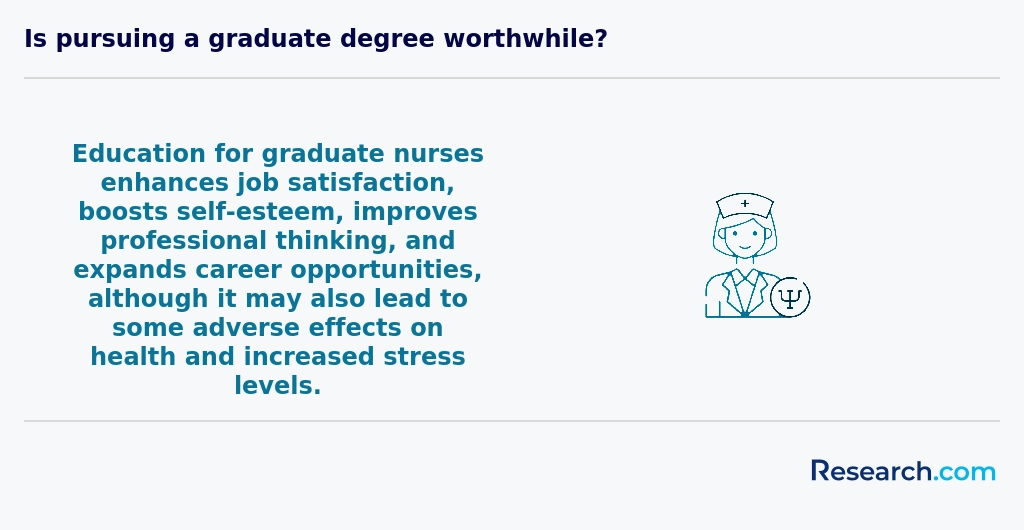
For career changers holding a bachelor’s degree in a field other than nursing, direct-entry Master of Science in Nursing (DEMSN) programs offer a fast-track pathway to advanced practice roles. These online programs typically span 24 to 36 months and integrate foundational nursing coursework with graduate-level specialties, enabling non-nurses to earn an MSN without first completing a BSN. Admissions requirements generally include completion of prerequisite science courses (e.g., anatomy, physiology, microbiology) and a minimum GPA of 3.0. Clinical rotations are arranged in partnership with Texas healthcare facilities, ensuring hands-on experience in diverse settings-ranging from acute care hospitals to community health clinics. Key benefits of DEMSN programs in Texas:
- Accelerated timeline: Begin graduate-level nursing courses immediately, reducing total study time compared to sequential BSN-to-MSN paths.
- Streamlined curriculum: Core nursing skills and advanced practice competencies are taught in an integrated sequence, enhancing continuity of learning.
- Flexible delivery: Many programs combine asynchronous lectures with live simulation labs and on-site clinical placements. Graduates qualify to sit for the NCLEX-RN licensure exam and pursue advanced certifications-such as Family Nurse Practitioner (FNP) or Clinical Nurse Specialist (CNS). For students coming from non-nursing backgrounds, these programs represent a comprehensive bridge; explore top-ranked non nursing degree to msn online pathways to find the fastest route to your MSN.
Typical online nursing degree programs in Texas include courses that build a strong foundation in both theory and hands-on clinical skills, preparing students for real-world challenges. Graduates from popular institutions like the University of Texas at Arlington and Texas Woman's University often reflect on how courses like Advanced Pathophysiology helped them confidently understand complex disease processes, which proved invaluable during clinical rotations.
Pharmacology is another critical course, offering in-depth knowledge about medications that students apply daily when caring for patients in busy hospital settings. Health Assessment courses teach essential techniques that graduates frequently recall when conducting patient evaluations in community health clinics across Texas.
Courses such as Evidence-Based Practice and Healthcare Policy and Ethics encourage thoughtful decision-making and professional responsibility, qualities highly praised by alumni who lead nursing teams in Houston and Dallas. Nursing Leadership and Management classes, combined with Population Health studies, equip students to address diverse healthcare needs, especially in underserved Texas communities.
Online nursing specializations in Texas offer deeply meaningful pathways that align with both statewide healthcare needs and personal career aspirations. Graduates from popular institutions in Texas often share how pursuing a Family Nurse Practitioner (FNP) concentration allowed them to serve rural communities where primary care access is limited. This specialization feels especially rewarding as it addresses urgent healthcare gaps.
Similarly, the Psychiatric-Mental Health Nurse Practitioner (PMHNP) track resonates with nurses passionate about mental wellness, a crucial focus given the state's ongoing mental health workforce shortages. Those who chose programs at well-regarded Texas colleges reflect on the profound impact of supporting patients through emotional challenges.
For students interested in advancing their expertise, Texas online nursing degree concentrations also include Adult-Gerontology Acute Care Nurse Practitioner (AGACNP), Neonatal Nurse Practitioner (NNP), Nursing Education, and Healthcare Administration. Many find hybrid structures beneficial, balancing online coursework with clinical hours locally. Some even explore rn to bsn programs without clinicals to fit their lifestyle flexibly. These diverse options help students feel prepared and optimistic about their future contributions to Texas's dynamic healthcare landscape.
When selecting the best online nursing programs in Texas, accreditation stands out as the first key consideration. Graduates from well-regarded institutions often recall how accreditation by bodies like the CCNE or ACEN gave their degrees credibility with employers and helped them pass licensing exams confidently. Many Texas public universities strike a balance between quality and affordability, with in-state tuition sometimes below $500 per credit hour, making affordable online nursing degrees Texas very accessible without sacrificing standards.
Flexibility also matters deeply. Nurses balancing work and life frequently speak of programs that offer asynchronous courses, letting them study evenings or weekends. Schools known for strong clinical placement support within Texas also alleviate stress by connecting students to valuable hands-on experiences in local hospitals, which proved crucial for many graduates' success.
It's worthwhile to consider how a program aligns with your goals; some graduates chose specialized tracks like family nurse practitioner or nurse educator paths. For those starting without nursing backgrounds, exploring options like non nursing degree to msn online programs can be a game-changer in career advancement.

Graduates of online nursing degree programs in Texas often find themselves welcomed by a variety of rewarding paths. Many who earned their BSN online at respected institutions like the University of Texas at Austin have gone on to become registered nurses, providing essential care in hospitals and community clinics. The sense of fulfillment that comes with impacting lives daily is a common reflection among these professionals. For those pursuing advanced degrees, online MSN programs from Texas Woman's University empower nurses to take on roles such as nurse practitioners or administrators, where leadership and specialized knowledge come to the fore.
Exploring online nursing careers in Texas can also lead to niché areas like public health nursing or healthcare informatics. Graduates describe how these options align deeply with their passions, offering ways to foster community wellness or innovate in patient data management. Online degrees from Texas institutions often provide this flexibility, enabling students to tailor their experience. Many find career growth accompanied by a genuine connection to the state's diverse populations.
Other jobs with online nursing degree Texas include case management and research roles that contribute to improving healthcare delivery. For those interested, it is worth checking out the Most Affordable Online Nursing Degree Programs Ranking in Colorado as a comparative resource when considering tuition and program options outside Texas.
The job market for online nursing degree graduates in Texas is notably strong, reflecting the state's rapid growth and increasing healthcare needs. Graduates from well-known programs at universities like the University of Texas or Texas A&M often find themselves quickly absorbed into roles ranging from registered nurses to advanced practice providers, thanks to high demand across urban and rural healthcare settings. Many report feeling empowered by the flexibility of their online programs, which allowed them to balance work and studies while preparing thoroughly for the NCLEX-RN licensing exam.
Opportunities expand as Texas hospitals and clinics continue to grow, driven by population increase and an aging demographic requiring more long-term care. This vibrant environment means employment prospects for online nursing jobs in Texas remain favorable, with competitive salaries matching the responsibilities involved. Graduates often share a sense of optimism about their career trajectory, boosted by the accessibility of accredited online nursing degrees.
Cost-wise, nursing degrees available online in Texas tend to be more affordable relative to other states and programs, fitting well within typical regional tuition ranges. For students wanting to explore how nursing compares to other lucrative fields, more information can be found here.
2027 Best Online Master's in Nursing Degree Programs Ranking in Texas
Investing in your education is a significant decision that can shape your future, and the Research.com team understands the importance of making informed choices. To assist prospective students in Texas, we have meticulously developed the "2027 Best Online Master's in Nursing Degree Programs Ranking in Texas." Our commitment to quality, credibility, and accuracy is reflected in the thorough research and analysis undertaken to compile this ranking.
We utilized the following reputable data sources to ensure a comprehensive evaluation of nursing programs:
By exploring this ranking, readers will gain valuable insights into the best online nursing master's programs available in Texas, enabling them to make well-informed decisions about their educational journeys. For more information on how the ranking was created, please visit our Research.com methodology page.


Frequently Asked Questions About nursing
Online nursing degree students in Texas can maximize their learning experience by actively engaging with available resources and maintaining consistent communication with instructors and peers. The Texas Board of Nursing requires clinical hours, so students should seek local healthcare facilities approved for practicum experiences to fulfill these obligations.
Utilizing virtual simulation tools and participating in study groups helps reinforce practical knowledge. According to the Texas Center for Nursing Workforce Studies, Texas employs over 350,000 registered nurses, highlighting ample opportunities for mentorship and networking within the state.
Time management and setting a dedicated study schedule remain essential for balancing coursework with personal and professional commitments.
The nursing field in Texas is rapidly evolving, with new specialty areas emerging due to advances in healthcare and population needs. One key niche gaining traction is telehealth nursing, driven by the state's efforts to expand remote care access, especially in rural communities. According to the Texas Center for Nursing Workforce Studies, telehealth roles grew by over 20% in recent years.
Another growing area is gerontological nursing. Texas has a large aging population, with nearly 15% over age 65, increasing demand for nurses specialized in elderly care. Additionally, informatics nursing, which blends nursing with data management and technology, is expanding as hospitals adopt digital systems. These niches offer exciting opportunities for nurses pursuing online degrees in Texas.
After completing an online nursing degree in Texas, preparing for the job market involves several strategic steps. First, obtaining Texas state licensure through the Texas Board of Nursing is essential; passing the NCLEX-RN exam is mandatory for registered nurses. According to the Texas Workforce Commission, registered nursing is among the fastest-growing occupations in the state, with projected job growth of 22% through 2030.
Building a professional resume highlighting clinical experiences and certifications strengthens job prospects. Networking via local nursing associations and healthcare job fairs can open valuable opportunities. Additionally, gaining specialized certifications in areas like gerontology or pediatrics can increase employability in Texas's diverse healthcare settings.
Continuing education and skill development, particularly in telehealth and electronic health records, align with Texas employers' evolving needs. Using resources like the Texas Nurses Association can provide updated job market insights and career support.
Employers hiring nursing degree graduates in Texas prioritize a mix of clinical and interpersonal skills. Strong critical thinking and clinical judgment are essential for making informed decisions in fast-paced healthcare settings. According to the Texas Board of Nursing, proficiency in patient care, medication administration, and health assessment ranks highly on employer expectations.
Communication skills stand out, as nurses must effectively interact with patients, families, and multidisciplinary teams. Adaptability and teamwork are also crucial, given the diverse and evolving environment in Texas hospitals and clinics.
With 84,000 registered nurses statewide (Texas Workforce Commission, 2023), employers seek candidates who demonstrate both technical competence and compassionate care.
Finding nursing internships in Texas begins with exploring opportunities through nursing schools and healthcare facilities. Many online nursing programs in Texas collaborate with local hospitals, clinics, and community health centers to place students in clinical rotations and internships. The Texas Board of Nursing requires clinical experience for licensure, so most programs assist students in securing relevant placements.
Students should also check with the Texas Nurses Association, which offers resources and networking opportunities to connect with potential internship programs. Additionally, major hospital systems such as Texas Health Resources and Baylor Scott & White Health often list internship openings.
It is advisable to apply early and prepare a professional resume highlighting nursing coursework and skills. Online platforms like Handshake and Indeed may also list nursing internships specific to Texas.
An online nursing degree in Texas can significantly enhance career mobility and advancement opportunities. Texas ranks among the top states for nursing jobs, with the Texas Workforce Commission projecting a 16% growth in registered nurse employment from 2020 to 2030.
Graduates with online nursing degrees often qualify for advanced roles, such as nurse practitioners or clinical nurse specialists, which require a master's level education. These positions typically offer higher salaries and greater responsibility. According to the Texas Board of Nursing, many online programs meet state licensure requirements, allowing graduates to practice throughout Texas seamlessly.
Additionally, online nursing degrees enable working professionals to upskill without pausing their careers, promoting continuous professional development. This flexibility supports nurses aiming for leadership or specialized clinical roles within Texas healthcare institutions.
Studying for a nursing degree in Texas equips students with skills essential for interdisciplinary roles by emphasizing collaboration across healthcare teams. Texas nursing programs integrate courses that cover communication, leadership, and healthcare policy, enabling nurses to work alongside physicians, therapists, and social workers effectively.
The Texas Board of Nursing requires curricula to include training in evidence-based practice and informatics, which supports coordinated patient care. According to the Texas Higher Education Coordinating Board, nursing graduates increasingly take on roles in case management and health education, where teamwork is vital.
Additionally, many Texas programs offer clinical experiences in diverse settings, preparing students to adapt and contribute in various interdisciplinary healthcare environments.
When choosing between a thesis and a non-thesis nursing degree program in Texas, consider your career goals and learning preferences. Thesis programs require conducting original research, which is ideal if you plan to pursue a PhD or a research-focused role.
Non-thesis programs typically emphasize practical skills and coursework, better suited for nurses aiming for clinical leadership or advanced practice roles. According to the Texas Board of Nursing, advanced practice nurses make up a growing segment, highlighting the value of clinical experience.
Cost and time are also factors; thesis programs often take longer due to research demands. Verify accreditation and faculty expertise in both types before deciding.
Students based in Texas who want to study nursing abroad while pursuing online degrees face limited direct options. Most Texas universities offering online nursing programs focus on domestic licensure and clinical placements within the U.S. However, some universities have partnerships allowing clinical experiences overseas, but these are rare and typically require travel.
Texas is home to over 150,000 registered nurses (RNs), and the Texas Board of Nursing mandates clinical hours completed within accredited U.S. facilities for licensure. Consequently, students aiming for Texas licensure must consider local clinical requirements.
For research about global nursing standards or international health systems, students can enroll in global health or nursing theory courses online, but fully online international clinical degrees remain uncommon as of 2024.
Part-time jobs that complement nursing degree education in Texas often involve healthcare support roles. Positions such as certified nursing assistants (CNAs), medical assistants, or phlebotomists provide practical experience alongside academic learning.
Texas has one of the highest demands for healthcare workers, according to the Texas Workforce Commission, which estimates a 15% growth rate for registered nurses through 2030. This demand translates into multiple flexible, part-time job options for nursing students.
These roles help students apply clinical skills, improve patient communication, and better understand healthcare environments. Additionally, working in hospitals or outpatient clinics familiarizes students with Texas healthcare regulations and practices.
Such employment not only boosts resumes but also helps cover educational expenses while gaining relevant experience essential for nursing licensure.
Online nursing students in Texas benefit from various networking opportunities that support their professional growth. Many Texas universities offering online nursing programs facilitate virtual events, including webinars and discussion groups, where students connect with peers and faculty. Additionally, students can join state nursing organizations such as the Texas Nurses Association, which offers access to conferences, mentorship programs, and career resources tailored to nursing professionals.
The Texas Board of Nursing reports over 300,000 licensed nurses, making statewide networking critical for job placement and knowledge sharing. Online platforms and social media groups dedicated to Texas nursing communities also provide informal yet valuable networking channels for students.
Alumni networks provide valuable support for online nursing degree students in Texas. These networks connect current students with graduates who have experience in diverse healthcare settings across the state. This connection offers mentorship opportunities that guide students through the challenges of balancing study with clinical practice, especially in Texas's large and varied healthcare market.
Many Texas nursing alumni actively share job openings and professional advice through organized groups, enhancing employment prospects after graduation. According to the Texas Center for Nursing Workforce Studies, personal connections can significantly improve job placement rates.
Additionally, alumni events and online platforms foster continuous learning and collaboration, helping students stay updated on state-specific nursing practices and regulations.
To customize your online nursing degree program in Texas, start by selecting specializations aligned with your career goals, such as nurse practitioner, nurse educator, or nurse administrator. Many Texas schools offer elective courses and tracks tailored to these roles. Consider programs accredited by the Commission on Collegiate Nursing Education (CCNE) or the Accreditation Commission for Education in Nursing (ACEN) to ensure quality education recognized statewide.
Texas boasts a growing demand for advanced practice nurses, with the Texas Center for Nursing Workforce Studies projecting a 22% increase in nurse practitioner roles by 2030. Utilize clinical placement options in healthcare settings across Texas to gain relevant experience.
Additionally, flexible course scheduling allows working professionals to balance education and work. Check if your program includes opportunities for online simulations or interprofessional collaboration, which enhance practical skills. Tailoring your degree this way can help you meet licensure requirements by the Texas Board of Nursing and better position you for your desired nursing career.
Online nursing students in Texas often face unique challenges related to balancing rigorous coursework with personal and professional responsibilities. Many juggle full-time jobs, family care, and clinical requirements, making time management essential.
Access to high-quality clinical placements is another common obstacle. Texas requires in-person clinical hours for licensure, so students must find local healthcare facilities that partner with their programs. This can be particularly difficult in rural areas where nursing shortages persist.
Technical issues and limited direct faculty interaction also impact learning. According to the Texas Board of Nursing, about 30% of online nursing students report difficulties with digital platforms or feel less supported compared to on-campus peers.
With an online nursing degree in Texas, graduates can pursue numerous professional certifications to advance their careers. Common certifications include the Registered Nurse (RN) license, required to practice nursing in the state. Beyond this, advanced certifications such as Certified Nurse Practitioner (CNP), Certified Nurse Midwife (CNM), and Certified Clinical Nurse Specialist (CNS) are available for those completing master's degrees.
Texas Registered Nurses must pass the National Council Licensure Examination (NCLEX-RN), managed by the Texas Board of Nursing. According to the Board's 2023 data, over 90% of online-degree graduates pass on their first attempt.
Specialty certifications, such as those from the American Nurses Credentialing Center (ANCC), can further enhance credentials in areas like pediatrics, oncology, and gerontology.
Writing a winning application for an online nursing program in Texas starts with understanding the state's high demand for qualified nurses. Texas ranks among the top states for nursing job growth, making competition for programs strong. A well-crafted application should clearly showcase your academic achievements, especially your GPA and any relevant coursework in health sciences.
Emphasize your clinical experience, even if minimal, to demonstrate practical skills. Letters of recommendation from nursing professionals or educators can strongly support your candidacy. Also, clearly articulate your career goals in a concise personal statement, reflecting knowledge of Texas healthcare needs.
Meeting all application deadlines and submitting required documents promptly is critical. According to the Texas Board of Nursing, programs often require proof of RN licensure or eligibility before enrollment. Finally, preparing for and doing well on the GRE or other entrance exams, if required, can further strengthen your application.
Nursing is a globally respected profession, with steady demand due to aging populations and healthcare needs worldwide. In the United States, including Texas, the Bureau of Labor Statistics projects a 15% growth in registered nurse jobs from 2021 to 2031, faster than average for all occupations.
Texas alone employs over 330,000 licensed nurses (Texas Board of Nursing, 2023), reflecting the state's vast healthcare infrastructure. Globally, nursing roles often require similar educational backgrounds, but the US emphasizes advanced degrees and certifications for career progression.
Online nursing degrees in Texas provide flexible access to education recognized nationwide, preparing students for both local and international nursing standards. This global outlook helps nurses adapt to diverse healthcare settings and emerging medical technologies.
Gaining practical experience is essential when pursuing an online nursing degree in Texas. Most accredited online programs require students to complete clinical hours at approved healthcare facilities. These placements allow students to apply theoretical knowledge in real-world settings under the supervision of experienced nurses.
Texas has over 1,200 hospitals and many outpatient clinics where students can complete their clinical rotations. The Texas Board of Nursing mandates a minimum number of clinical hours for licensure, typically ranging from 500 to 1,000 hours depending on the program level.
Many online nursing programs partner with local healthcare providers in Texas to facilitate these clinical experiences, making it easier for students to find nearby placements. It is important to consult program advisors early to secure clinical sites that comply with both educational and state requirements.
Choosing the right concentration within an online nursing degree program in Texas depends on your career goals and interests. Popular concentrations include family nurse practitioner, psychiatric mental health, and nurse education. According to the Texas Board of Nursing, family nurse practitioners are in high demand due to a shortage of primary care providers in the state.
Consider the local healthcare needs in Texas, where rural areas often require specialized nursing roles. Additionally, review program accreditation and ensure it is approved by the Texas Board of Nursing to guarantee eligibility for state licensure.
Also, evaluate if the concentration offers clinical placements in Texas, which can be crucial for hands-on experience and licensure requirements.
- 2027 Best Online Master's in Nursing Degree Programs Ranking in Louisiana
- 2027 Best Online Master's in Nursing Degree Programs Ranking in Arkansas
- 2027 Best Online Master's in Nursing Degree Programs Ranking in Kansas
- 2027 Best Online Master's in Nursing Degree Programs Ranking in Missouri
- 2027 Best Online Master's in Nursing Degree Programs Ranking in Colorado
- 2027 Best Online Master's in Nursing Degree Programs Ranking in Mississippi
- 2027 Best Online Master's in Nursing Degree Programs Ranking in Tennessee
- 2027 Best Online Master's in Nursing Degree Programs Ranking in Arizona
- 2027 Best Online Master's in Nursing Degree Programs Ranking in Georgia
- 2027 Best Online Master's in Nursing Degree Programs Ranking in Florida
See What Experts Have To Say About Studying Nursing
Read our interview with Nursing experts

Lisa Grubb
Nursing Expert
Assistant Professor
Johns Hopkins School of Nursing

- Know more about thesis vs non- thesis: what is the difference? https://studyfans.com/en/blogs/816
- How Much Can I Earn With a BSN? https://www.allnursingschools.com/bsn/salary/
- How to choose the right online nursing program in Texas for your career - Dallas Voice https://dallasvoice.com/how-to-choose-the-right-online-nursing-program-in-texas-for-your-career/
- How to Choose the Right Nursing School for Your Career Goals | Archer Review https://www.archerreview.com/blog/how-to-choose-the-right-nursing-school-for-your-career-goals
- How to Choose a Nursing Program: A Comprehensive Guide - Madonna ABSN https://absn.madonna.edu/blog/how-to-choose-a-nursing-program/
- Do I Have to Write a Thesis to Complete a Master’s Degree in Nursing? https://www.bestmasterofscienceinnursing.com/faq/write-thesis-complete-masters-degree-nursing/
- Essential Tips for Nursing Students to Advance Their Careers https://almanaltraining.com/essential-tips-for-nursing-students-to-advance-their-careers/
- Exploring Diverse Nursing Career Horizons - N2S Healthcare Blog https://n2shealthcare.com/blog/exploring-diverse-nursing-career-horizons-n2s-healthcare-blog
- How to Set and Achieve Your Nursing Career Goals | HealthTrust https://engage.healthtrustjobs.com/how-to-set-achieve-nursing-career-goals
- What Are the Best Jobs to Work While in Nursing School? https://www.dewv.edu/what-are-the-best-jobs-to-work-while-in-nursing-school/