
2027 Fastest Online Doctorate in Nursing Degree Programs Ranking in St. Louis, MO

Co-Founder and Chief Data Scientist
Choosing the right nursing doctorate program can shape your future in healthcare. For prospective students in St. Louis, our article presents the 2027 Fastest Online Doctorate in Nursing Degree Programs Ranking in St. Louis, MO. This ranking, created by Research.com's team of data scientists, is designed to simplify your search by highlighting top programs based on speed and quality.
Reading this guide will help you confidently select a program that fits your goals, advancing your career while balancing life's demands. Earning a nursing doctorate is a powerful step toward meaningful professional growth and lasting impact.
Key benefits of getting online nursing degree in St. Louis
• Graduates with a nursing degree in St. Louis can expect competitive salaries, with roles like Advanced Practice Registered Nurse and Family Nurse Practitioner earning a mean annual wage of $128,490 and hourly wage of $61.78.
• Nursing graduates from local universities often find diverse career paths available, including psychiatric, adult, and acute care nurse practitioner positions, offering rewarding opportunities to specialize based on personal interests.
• Earning a nursing degree online from a St. Louis institution provides flexibility and convenience, allowing students to balance life and work while accessing quality education that prepares them for a fulfilling nursing career.
- 2027 Fastest Online Doctorate in Nursing Degree Programs Ranking in St. Louis, MO
- What can I expect from online nursing degree in St. Louis?
- Where can I work with online nursing degree in St. Louis?
What can I expect from online nursing degree in St. Louis?
The average cost of an online nursing degree in St. Louis varies depending on the program and level of study. At popular institutions like the University of Missouri-St. Louis or St. Louis University, undergraduate tuition typically ranges from $7,000 to $15,000 per year for in-state students. Graduates often express relief at finding affordable options that still maintain strong accreditation, helping them feel confident in their investment.
Graduate programs, such as MSN or DNP degrees, naturally come with higher costs due to advanced coursework and clinical requirements. Many graduates share how budgeting for these programs made them more focused and motivated, knowing they were preparing for specialized nursing roles within major local healthcare systems like BJC HealthCare.
Because programs blend online classes with hands-on clinical hours at nearby facilities, students can balance financial planning with practical experience. This approach helps many graduates feel prepared and optimistic about their career paths while managing expenses realistically within the St. Louis market.
Where can I work with online nursing degree in St. Louis?
With an online nursing degree from a well-regarded St. Louis university, graduates often step directly into roles at major healthcare systems like BJC HealthCare or Mercy Health. These employers value local knowledge and offer positions ranging from medical-surgical nursing to emergency and intensive care. Graduates frequently describe feeling confident starting their careers in these busy hospitals, where hands-on experience and teamwork shape daily routines.
Some choose to specialize further, advancing into nurse practitioner or clinical nurse specialist roles. Local clinics and outpatient centers actively seek these advanced practice nurses to fill gaps, especially in underserved urban neighborhoods. Graduates recall how their programs at St. Louis colleges prepared them to meet Missouri licensure requirements, smoothing the transition into these in-demand positions.
Online nursing degrees also open doors to public health agencies like the St. Louis City Department of Health, school nursing, and home health care, where graduates find meaningful work supporting community wellness and aging populations. This diversity of career paths helps students envision practical steps to apply their education right where they live and want to build fulfilling careers.
Graduates from popular St. Louis institutions offering online nursing degrees often find themselves earning competitive salaries that make their investment worthwhile. For example, those stepping into roles like Family Nurse Practitioner or Adult Nurse Practitioner can expect mean annual wages around $128,490 according to the latest Bureau of Labor Statistics data. This aligns well with online learners from schools in the region, enabling them to pursue advanced roles without sacrificing current employment.
Many graduates report satisfaction from balancing their studies with part-time nursing jobs, progressively increasing their income as they gain credentials. Entry-level registered nurses in St. Louis typically start closer to $70,000 annually, a practical baseline for those newly entering the field after completing RN or BSN programs online. Advancing to specialized certifications or nurse practitioner positions then opens the door to these higher salaries.
The consistent demand in St. Louis healthcare facilities-from hospitals to specialized clinics-supports steady salary growth. Graduates frequently mention how earning while learning, combined with flexible online courses, accelerated their career progress and income, proving that a strategic approach to online nursing education pays financial dividends locally.
- Tuition for online nursing bachelor's degrees in St. Louis ranges from $15,000 to $30,000, depending on the institution.
- Over 50,000 nurses work in the St. Louis area, with registered nurses earning an average starting salary of about $68,000.
- Nursing salaries in the region can increase to approximately $85,000 or more with experience and certifications.
- Online nursing students must complete in-person clinical hours locally to meet Missouri state licensing requirements.
- The nursing job market in St. Louis is expected to grow by about 12% over the next decade.
- Accreditation by CCNE or ACEN is essential for quality education and meeting licensure eligibility.
Completing an online nursing degree in St. Louis varies based on your background and the program you choose. For traditional students starting a Bachelor of Science in Nursing, full-time study typically takes four years, but many local programs, like those at well-known St. Louis universities, offer part-time enrollment, stretching completion to six years or more. Graduates often appreciate the flexibility this provides while balancing work or family.
Those with a previous non-nursing bachelor's degree can take accelerated BSN programs finishing in as little as 12 to 18 months. These options are perfect for career changers eager to join the nursing field quickly. Graduates from these intensive tracks often share how manageable it was to fit classes into their busy lives.
Working registered nurses advancing to their BSN through online RN-to-BSN programs nearby usually complete their studies in one to two years. Schools in the St. Louis area tailor clinical placements to local healthcare settings, making it practical to gain experience close to home.
For advanced degrees like the Doctor of Nursing Practice, expect around three to four years of part-time study. Many graduates highlight the program's design, allowing them to keep working while progressing toward higher qualifications.
Choosing between an online and on-campus nursing degree in St. Louis starts with understanding how each fits your lifestyle. Graduates from St. Louis University's online program often praise the flexibility, balancing coursework with full-time jobs or family responsibilities. Coursework is mostly asynchronous, letting you study on your schedule, but remember, you'll still complete clinical hours in local hospitals or healthcare centers around St. Louis.
On the other hand, students who attend Maryville University's campus enjoy direct interaction with instructors and peers. They report that in-person labs and scheduled clinical rotations helped build confidence through hands-on practice and immediate feedback. This setup also helps forge local professional connections, useful when searching for job opportunities in St. Louis healthcare networks.
The cost difference can be subtle. Online learners at these universities might save on commuting but should budget for tech fees. Regardless of your choice, being proactive with time management and clinical placement planning makes the nursing path smoother and more rewarding.
The average cost of an online nursing degree in St. Louis is roughly $54,900 for the entire program, based on median total tuition fees. Students pursuing a Bachelor of Science in Nursing (BSN) or advanced degrees should budget thoughtfully since tuition can vary significantly depending on the university and the level of study. Graduates from well-known institutions like the University of Missouri-St. Louis often share that while tuition seems steep initially, support from scholarships and employer tuition reimbursement programs make it manageable.
Online nursing programs in St. Louis typically include necessary fees but students should plan for extra costs like textbooks, technology, and clinical placement, which can add $1,000 to $3,000. A practical approach is to contact the financial aid office early and explore options-it's quite common for nursing students here to receive aid that cuts the actual expenses significantly. Being part of a program accredited by recognized bodies like the Commission on Collegiate Nursing Education (CCNE) is important, not only for quality assurance but also because it influences eligibility for financial aid and post-graduation employment.
When estimating the average cost of online nursing degree St Louis residents should weigh the total tuition alongside personal expenses. Many find enrollments at popular nursing schools in St. Louis a worthy investment for the career benefits they gain. For those considering further study options, exploring a dual post graduate degree can be a strategic step that aligns budget and career advancement effectively.
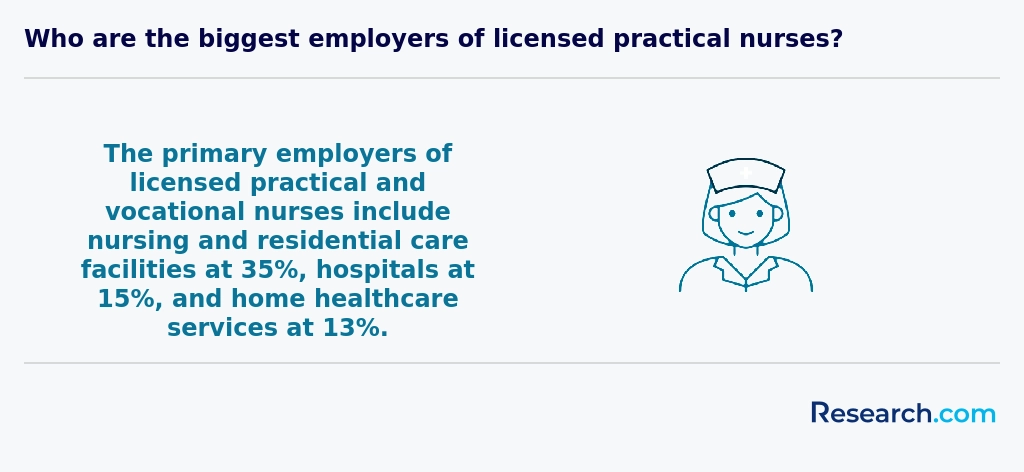
When pursuing an online nursing degree in St. Louis, your first step should be completing the FAFSA to unlock federal aid like the Pell Grant, which many graduates from well-known local schools like Maryville University have credited for easing their tuition burden without adding debt. Federal student loans are also an option, offering manageable repayment plans that students found helpful while juggling work.
State programs in Missouri can further reduce costs. For example, the Access Missouri Financial Assistance program provides grants specifically for residents, and the Missouri Health Professions Student Loan Repayment Program offers loan forgiveness to those committing to work in underserved communities-a real incentive that graduates from Saint Louis University appreciated after finishing their degrees.
Local scholarships hold significant value too. Nursing students at Webster University often secure awards from the Missouri Nurses Association, targeting those with strong community involvement. Many working nurses in St. Louis also benefit from employer tuition assistance, especially in hospitals facing high demand, turning educational goals into achievable milestones.
Choosing a fully accredited online doctorate program ensures eligibility for federal aid and professional licensure.
- Regional accreditation (e.g., Higher Learning Commission) plus CCNE or ACEN accreditation validates academic quality.
- Approval by the Missouri State Board of Nursing is mandatory for DNP or PhD clinical practice licensure.
- Accredited programs meet clinical hour requirements and prepare students for national certification exams.
- Completion of an accredited DNP capstone or dissertation aligns with state scope-of-practice regulations.
Review the cheapest dnp programs online to find quality programs that fit your budget.
To enroll in an online nursing degree in St. Louis, you first need a high school diploma or GED, which most graduates from local colleges confirm as a straightforward starting point. For those pursuing advanced degrees like MSN or DNP, holding an accredited nursing degree or an active Missouri RN license is essential. Many graduates recall how having their Missouri RN license simplified enrollment at popular schools such as Saint Louis University or the University of Missouri-St. Louis.
Next, completing prerequisite courses in anatomy, physiology, microbiology, chemistry, and statistics is a must. Some students speak highly of using community college credits to check these boxes affordably before applying to larger programs. A practical tip is to confirm if your chosen school accepts online credits, as this varies.
Additionally, passing the TEAS test often comes up as a key hurdle. Passing scores opened doors for numerous successful applicants in the region. Certifications like CPR or Basic Life Support are also commonly required, adding confidence as you prepare for clinical parts of the degree.
Finally, don't overlook letters of recommendation, personal statements, and health or background screenings. Graduates share that organizing these early made their application process smoother, especially when balancing work or family life.

Accreditation and state licensure ensure your online nursing doctorate meets quality standards and prepares you for practice in Missouri.
- Confirm regional accreditation (e.g., Higher Learning Commission) for overall institutional recognition
- Verify specialized nursing accreditation from CCNE or ACEN to meet industry benchmarks
- Check approval by the Missouri State Board of Nursing to satisfy licensing requirements
- Ensure clinical placement sites are authorized and affiliated with accredited programs
For accredited DNP options, review our list of online dnp programs
Online nursing degree programs in St. Louis typically include courses like Anatomy and Physiology, which graduates say helped them confidently understand the human body-essential for hands-on patient care. Alongside these, Microbiology and Pathophysiology deepen knowledge about diseases, making clinical situations clearer when working in local hospitals or clinics.
Nursing-specific courses such as Pharmacology and Nursing Fundamentals are common across programs at popular schools in St. Louis. Graduates recall how Pharmacology courses gave them practical insights into medication effects, boosting their confidence during clinical rotations.
Health Assessment classes teach you to conduct thorough patient exams-a skill recent graduates appreciated when working in fast-paced St. Louis healthcare settings. Nursing Ethics and Leadership courses prepare students to handle real-world team dynamics and ethical decisions encountered daily in hospitals.
Many students found Evidence-Based Practice and Cultural Competency classes particularly valuable for delivering inclusive care in diverse St. Louis communities. Despite studying online, clinical practicums or virtual simulations provide meaningful hands-on experience, bridging theory with practical nursing demands in Missouri's healthcare landscape.
Online nursing degree specializations in St. Louis commonly include Family Nurse Practitioner (FNP), Psychiatric-Mental Health Nurse Practitioner (PMHNP), Adult-Gerontology Nurse Practitioner (AGNP), Nurse Educator, and Nursing Leadership and Administration. Graduates from popular universities in St. Louis often highlight how specializing as an FNP allowed them to fill urgent primary care gaps in the community, providing satisfaction in both career growth and impact. Similarly, AGNP nurses find meaningful work managing chronic conditions within the city's aging population, a critical healthcare need.
Many students pursuing nursing doctorate focus areas St. Louis MO appreciate how programs blend theory and clinical practice without requiring relocation. For example, Nurse Educator tracks equip graduates to confidently train new nurses, addressing faculty shortages statewide. Leadership specializations attract nurses eager to drive improvements in hospital systems across St. Louis.
Choosing the right specialization also depends on certification opportunities. Working nurses benefit from flexible online study that prepares them for credentials like Nurse Practitioner or Clinical Nurse Specialist. To understand financial benefits and career options, it helps to explore what certifications make the most money, making informed steps toward specialization easier.
Begin by verifying accreditation, focusing on programs in St. Louis accredited by the Commission on Collegiate Nursing Education or the Accreditation Commission for Education in Nursing. Graduates from popular nursing colleges in the area often share that accredited programs gave them confidence employers recognized their qualifications. Next, consider programs that blend online coursework with local clinical placements within St. Louis hospitals or clinics, ensuring you can complete hands-on requirements nearby without relocating.
Cost is a major factor: many students appreciate affordable nursing doctorate St. Louis online options that offer competitive tuition compared to on-campus counterparts. Don't overlook added fees for technology or clinical site coordination, as these can affect your budget. Programs offering strong student support-academic advising, career counseling, and technical help-receive praise from graduates for easing the transition into demanding nursing roles.
Finally, examine program outcomes like NCLEX pass rates and local employment projections. Nursing graduates in St. Louis often highlight the benefit of programs with pass rates above 85%, helping them secure jobs in a growing metro market projected for 9% nurse employment growth. For those curious about advanced nursing education options, consider exploring what phd does not require a dissertation to plan further steps effectively.
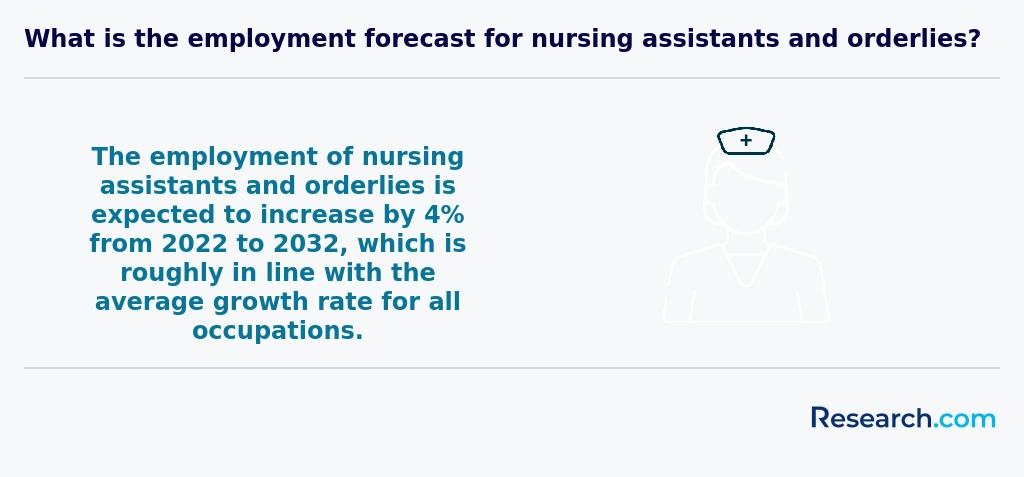
Graduates with an online nursing degree in St. Louis quickly discover practical career paths tailored to local healthcare demands. Many begin as Registered Nurses (RNs) in hospitals or community clinics near popular institutions like Barnes-Jewish College or Saint Louis University. These roles offer hands-on experience, building confidence and skills essential for advancement.
Those holding a BSN often transition into specialized positions such as Emergency Room Nurse or Pediatric Nurse. Graduates frequently share how online programs at well-known St. Louis colleges allowed them to balance work and study while preparing for these in-demand roles. This approach ensures they remain competitive without relocating.
For more ambitious nurses, online Master of Science in Nursing degrees pave the way to becoming Nurse Practitioners or Clinical Nurse Specialists, often earning over $100,000 annually in the St. Louis area. Meanwhile, others leverage their degrees to move into management or healthcare administration, shaping patient care on a broader level.
Current healthcare workers in St. Louis also use online nursing programs to shift careers smoothly within the health sector or explore trade careers as a complementary option.
Choosing an online nursing degree opens multiple practical pathways, making it a solid choice for career growth in St. Louis' healthcare market and beyond.
The job market for online nursing jobs in St. Louis MO is strong and growing, with many graduates from local universities quickly finding employment. Those earning their nursing degrees online from institutions like Saint Louis University or the University of Missouri-St. Louis report smooth transitions into roles at major healthcare providers such as BJC HealthCare and SSM Health. Employers highly value the flexibility and updated skills gained through these programs, and nurses often advance within a few years due to ongoing demand.
St. Louis nursing career opportunities include hospitals, outpatient clinics, and community health organizations that actively recruit graduates with Bachelor of Science in Nursing and higher degrees. Graduates reflect positively on the balance between work and study that online formats allow, a practical advantage for many working nurses looking to upskill.
For those considering shorter routes, exploring what 6 month certificate course can lead to a higher salary online can be a useful step alongside a nursing degree to boost employability in specialized roles.
2027 Fastest Online Doctorate in Nursing Degree Programs Ranking in St. Louis, MO
Investing in your education is a significant decision that can shape your future, and the Research.com team understands the importance of making informed choices. To assist prospective students in St. Louis, MO, we have meticulously crafted the "2027 Fastest Online Doctorate in Nursing Degree Programs Ranking." Our commitment to quality, credibility, and accuracy is reflected in the extensive research and analysis conducted to compile this ranking.
We utilized the following reputable data sources to ensure a comprehensive evaluation of online nursing doctorate programs:
By exploring this ranking, readers will gain valuable insights into the fastest online nursing doctorate programs available in St. Louis, helping them make informed decisions about their educational paths. For more details on our methodology, please visit our Research.com methodology page.
# 1 position
Maryville University of Saint Louis
Doctor of Adult-Gerontology Primary Care Nurse Practitioner

# 2 position
Chamberlain University - St. Louis
Doctor of Nursing Practice

Frequently Asked Questions About nursing
Online nursing degree students in St. Louis can enhance their learning by actively engaging with virtual resources and local clinical opportunities. Utilizing interactive platforms and simulation tools provided by accredited programs improves practical skills. Connecting with local healthcare facilities for in-person clinical rotations is crucial, as Missouri requires hands-on experience for licensing.
St. Louis hosts numerous hospitals and clinics, such as Barnes-Jewish Hospital, offering diverse clinical placements. Students should also participate in local nursing associations to build professional networks.
Regular communication with instructors and peers supports academic success. According to the Missouri State Board of Nursing, combining digital study with practical learning increases competency and job readiness.
The nursing field is rapidly evolving, with new specialties emerging to meet healthcare demands. In St. Louis, a growing niche is nurse informatics, combining nursing science with information technology to improve patient care systems. According to the Missouri Center for Nursing, demand for informatics nurses in the region is expected to grow by 15% over the next decade.
Another expanding area is gerontological nursing, addressing the needs of an aging population. St. Louis has a significant number of residents over 65, increasing the need for nurses specialized in elder care. Additionally, psychiatric-mental health nursing is gaining importance in response to rising mental health concerns nationwide.
These niches offer promising career paths for those pursuing online nursing degrees who want to work in specialized and impactful roles.
Graduates with an online nursing degree in St. Louis should first obtain licensure by passing the NCLEX-RN exam required in Missouri. Registering with the Missouri State Board of Nursing ensures legal eligibility to work. Building a professional network through local nursing associations like the Missouri Nurses Association can boost job prospects. St. Louis healthcare systems employ many nurses, with Mercy Health and BJC HealthCare among top local employers. According to the Missouri Economic Research and Information Center, nursing jobs in St. Louis are projected to grow steadily. Gaining clinical experience through internships or part-time roles while studying strengthens practical skills and resumes.
Employers in St. Louis seek nursing graduates who demonstrate strong clinical skills, critical thinking, and effective communication. According to the Missouri Center for Nursing, proficiency in patient care and the ability to adapt to diverse healthcare settings are essential. Employers also value graduates with skills in electronic health record (EHR) management, as digital documentation is widespread.
St. Louis healthcare facilities emphasize teamwork and cultural competence, reflecting the city's diverse population. Leadership and time management skills are increasingly important for nurses advancing in their careers. A 2023 report from the Missouri Department of Higher Education confirms that graduates with these skills have higher employment rates within six months of graduation.
To find internships in St. Louis relevant to a nursing degree, start by exploring hospitals and healthcare systems such as BJC HealthCare and Mercy Hospital, which often offer structured internship programs for nursing students. These facilities provide hands-on clinical experience, crucial for licensing and job readiness. Check their official websites or contact their education departments directly.
Professional organizations like the Missouri Nurses Association also list local internship and volunteer opportunities. Additionally, nursing schools in St. Louis typically have career services that connect online students with regional internships.
According to the Missouri Department of Health and Senior Services, clinical training in hospitals remains essential for nursing licensure in the state, emphasizing the importance of local internships.
Online nursing degrees in St. Louis significantly enhance career mobility by providing flexible access to advanced education while working. Many nurses pursuing higher degrees find they qualify for better-paying roles such as nurse practitioners, nurse educators, or administrators. According to the Missouri Economic Research and Information Center, healthcare jobs in St. Louis are expected to grow by over 10% through 2030, increasing demand for highly skilled nurses.
Advanced degrees obtained online also support career advancement by meeting licensure and certification requirements, such as the Nurse Practitioner certification. Programs accredited by organizations like the Commission on Collegiate Nursing Education ensure local employers recognize the credential. Consequently, graduates often experience faster promotion rates and expanded job options within St. Louis healthcare systems.
Studying for a nursing degree in St. Louis offers valuable preparation for interdisciplinary roles by emphasizing collaboration with diverse healthcare professionals. Programs often integrate training in communication, leadership, and team-based care, essential for working alongside physicians, social workers, and therapists. According to the Missouri Nursing Workforce Center, over 60% of local nurses report frequent interdisciplinary collaboration, highlighting its importance in the region.
Online nursing degrees in St. Louis incorporate case studies and simulations that reflect real-world scenarios, enhancing skills in joint decision-making. This approach equips graduates to contribute effectively to comprehensive patient care in hospitals and community health settings.
Choosing between a thesis and a non-thesis online nursing degree program in St. Louis depends largely on your career goals and learning preferences. Thesis programs typically involve original research, ideal for those aiming at academic, research, or advanced clinical roles.
Non-thesis options often focus on practical skills and coursework, suiting nurses targeting leadership, management, or direct patient care positions. Accreditation matters; programs in St. Louis are usually accredited by organizations like CCNE or ACEN, ensuring quality education.
According to the Missouri Economic Research and Information Center, healthcare jobs in St. Louis are growing about 12% through 2030, emphasizing the need for advanced nursing roles. Consider your time commitment and interest in research when deciding.
Students based in St. Louis seeking to study nursing abroad often explore online nursing degree programs offered by accredited U.S. institutions with international recognition. While direct study overseas is uncommon, many programs provide global clinical placement options or partnerships that enable international experience. According to the Missouri Center for Nursing, about 75% of nursing students in the state enroll in online or hybrid formats, reflecting growing accessibility to remote education.
Most online nursing degrees follow U.S. accreditation standards, essential for licensure. St. Louis students can also consider programs accredited by the Commission on Collegiate Nursing Education (CCNE) or the Accreditation Commission for Education in Nursing (ACEN), ensuring quality across borders.
Finally, international experience opportunities may come through elective clinical rotations or virtual exchanges rather than full degree programs abroad, making online study a flexible option for those balancing education with other commitments in St. Louis.
Students pursuing online nursing degrees in St. Louis can benefit from part-time jobs that offer practical experience and complement their studies. Common roles include certified nursing assistant (CNA) positions, which provide hands-on patient care experience. According to the Missouri Economic Research and Information Center, CNAs in St. Louis earn an average of $13 to $16 per hour, making it a viable option for part-time work.
Other opportunities include medical scribing or patient care technician roles, both of which enhance clinical knowledge and exposure to healthcare settings. Local hospitals and clinics often seek flexible part-time staff to support nursing teams.
Such roles not only strengthen resumes but also help students apply theoretical knowledge in real-world contexts, improving job prospects post-graduation.
Online nursing students in St. Louis have access to numerous networking opportunities despite their remote learning format. Many local universities offering online nursing programs host virtual career fairs and professional mixers that connect students with healthcare employers in the region. According to the Missouri Center for Nursing, St. Louis boasts over 50,000 registered nurses, creating a robust professional community for networking and mentorship.
Additionally, students can engage with local chapters of national nursing organizations like the American Nurses Association - Missouri. These groups hold regular meetings and conferences, some accessible online, supporting peer interaction and career growth. Hospitals and healthcare systems in St. Louis also frequently offer internships and practicum placements, fostering valuable local connections.
Alumni networks offer valuable benefits for online nursing degree students in St. Louis by connecting current students with established professionals in the field. These networks facilitate mentorship opportunities, which can enhance clinical knowledge and provide career guidance tailored to the local healthcare environment. According to the Missouri Center for Nursing, St. Louis experiences a growing demand for nurses, making these connections vital for job placement after graduation.
Additionally, alumni often share job openings and internship opportunities exclusive to program graduates. Networking through alumni groups can increase employment rates for online nursing graduates, supporting their transition from education to practice.
The communal support also encourages lifelong learning and professional development, essential in the rapidly evolving nursing landscape. Engaged alumni networks help students stay informed about local healthcare trends and continuing education resources in St. Louis.
Customizing an online nursing degree program in St. Louis allows students to align their education with specific career goals. Many universities in the area offer flexible curricula with elective courses focused on specialties such as pediatrics, geriatrics, or nurse leadership. Students can often choose between research, clinical practice, or education tracks according to their interests.
Local schools often collaborate with healthcare facilities across St. Louis, enabling practical experience tailored to desired nursing roles. Accreditation by organizations like the CCNE ensures quality education that meets industry standards. According to the Missouri Department of Higher Education, tailored programs help meet the demand for specialized nursing roles in St. Louis' growing healthcare market.
Online nursing students in St. Louis often face challenges related to balancing coursework with clinical practice requirements. Missouri mandates hands-on clinical hours that cannot be completed entirely online, requiring students to arrange local placements, which can be difficult due to limited availability.
Connectivity issues and access to reliable technology also pose obstacles, especially for students in rural areas surrounding St. Louis. According to the Missouri Department of Higher Education, about 15% of students report difficulties with internet access impacting their studies.
Additionally, time management is a common struggle, as many online learners juggle jobs and family commitments while pursuing demanding nursing curricula. Support services at St. Louis institutions vary, affecting student success.
Obtaining an online nursing degree in St. Louis opens doors to various professional certifications that can enhance your career. Common certifications include the Certified Nurse Practitioner (CNP), Certified Nurse Educator (CNE), and Certified Nurse Executive (CNE). These credentials require passing national exams offered by bodies such as the American Nurses Credentialing Center (ANCC) or the American Association of Nurse Practitioners (AANP).
Locally, St. Louis Health Networks report growing demand for advanced practice nurses with certifications, especially in primary care and leadership roles. Certification can increase earning potential, with nurse practitioners in Missouri earning an average of $110,000 annually according to the Bureau of Labor Statistics (2023).
Additionally, certifications in specialties like pediatrics, geriatrics, and psychiatric nursing are accessible with an online degree, provided clinical hours are completed. These qualifications support employment in St. Louis' healthcare systems, including major hospitals like BJC HealthCare.
Writing a winning application for an online nursing program in St. Louis requires clear organization and attention to detail. Start by researching accredited nursing schools in the area, such as those recognized by the Commission on Collegiate Nursing Education (CCNE). St. Louis nursing programs often emphasize clinical experience and academic excellence, so highlight your relevant work history and education.
Be sure to craft a compelling personal statement that explains your motivation for nursing and your commitment to serving the community. St. Louis health systems like BJC HealthCare value candidates who understand local healthcare challenges. Including specific examples of your problem-solving skills or leadership can strengthen your application.
Lastly, request strong letters of recommendation from nursing supervisors or professors familiar with your capabilities. According to the Missouri State Board of Nursing, meeting all licensing and prerequisite requirements early will improve your chances of acceptance.
Nursing is recognized worldwide as a vital and respected profession, with demand growing due to aging populations and increasing healthcare needs. In the United States, including St. Louis, nursing careers offer strong job security and competitive salaries. According to the Missouri Economic Research and Information Center, nursing jobs in St. Louis are projected to grow faster than the national average through 2028.
Globally, nursing education standards vary, but U.S. degrees, especially online programs, are valued for their comprehensive training and clinical focus. Many international healthcare systems look to U.S.-trained nurses as leaders in patient care and innovations.
The global perspective underscores nursing's role not just as a job but as a critical contributor to public health, particularly amid pandemics and chronic disease management.
Students pursuing an online nursing degree in St. Louis can gain practical experience through local clinical placements required by most accredited nursing programs. These hands-on rotations typically take place in hospitals, clinics, or community health centers. St. Louis offers a variety of opportunities, including partnerships with well-established facilities such as Barnes-Jewish Hospital and SSM Health St. Mary's Hospital.
Clinical hours are essential for licensure and are often coordinated by the nursing school to meet state board requirements. According to Missouri's Board of Nursing, students must complete a minimum number of supervised clinical hours to qualify for the NCLEX-RN exam.
Additionally, many online programs encourage internships and volunteer roles within St. Louis healthcare networks, providing valuable real-world experience alongside theoretical learning.
When choosing a concentration within an online nursing degree program in St. Louis, consider your career goals and the local healthcare demand. For example, family nurse practitioner and gerontology concentrations align well with St. Louis's aging population, according to the Missouri Department of Health statistics. It's important to review each program's curriculum for specialties offered and accreditation, such as CCNE or ACEN, to ensure quality education. Also, look for programs that provide clinical placements or partnerships with local hospitals like Barnes-Jewish or St. Louis Children's Hospital. Understanding these factors helps tailor your education to the city's specific nursing workforce needs.
- 2027 Fastest Online Nursing Degree Programs Ranking in Lebanon, IL
- 2027 Fastest Online Bachelor's in Nursing Degree Programs Ranking in Columbia, MO
- 2027 Fastest Online Nursing Degree Programs Ranking in Peoria, IL
- 2027 Fastest Online Nursing Degree Programs Ranking in Joliet, IL
- 2027 Fastest Online Nursing Degree Programs Ranking in Hammond, IN
- 2027 Fastest Online Nursing Degree Programs Ranking in Nashville, TN
- 2027 Fastest Online Nursing Degree Programs Ranking in Pittsburg, KS
- 2027 Fastest Online Nursing Degree Programs Ranking in Chicago, IL
- 2027 Fastest Online Nursing Degree Programs Ranking in Muncie, IN
- 2027 Fastest Online Nursing Degree Programs Ranking in Fayetteville, AR
See What Experts Have To Say About Studying Nursing
Read our interview with Nursing experts

Lisa Grubb
Nursing Expert
Assistant Professor
Johns Hopkins School of Nursing

- Top Skills Employers Want in Practical Nursing Graduates https://vervecollege.edu/what-employers-look-for-in-practical-nursing-graduates/
- Nursing Internship and Externship Programs https://jobs.mayoclinic.org/nursinginternexternprograms
- Know more about thesis vs non- thesis: what is the difference? https://studyfans.com/en/blogs/816
- Scholarships & Financial Aid https://www.aacnnursing.org/students/scholarships-financial-aid
- | NRR | Dove Medical Press https://www.dovepress.com/internship-challenges-encountered-by-nursing-students-a-qualitative-st-peer-reviewed-fulltext-article-NRR
- Online Nursing Prerequisites | Sophia Nursing Pathway https://www.sophia.org/online-courses/course-pathways/nursing-pathway/
- Tips for Creating a Perfect Nursing School Application https://www.allnursingschools.com/articles/how-to-create-the-perfect-nursing-school-application/
- Nursing Jobs in St. Louis, MO https://credenzahealth.com/jobs/in-st-louis-mo
- School of Nursing Alumni Resources https://nursing.utmb.edu/About/Alumni
- Top Nursing Skills U.S. Employers Want to See on Your Resume | O'Grady Peyton https://www.ogradypeyton.com/blog/job-seeker-resources/top-nursing-skills-u.s.-employers-want-to-see-on-your-resume





