2027 Most Affordable Nursing Degree Programs Ranking in Montgomery

Co-Founder and Chief Data Scientist
Thinking about pursuing a nursing degree in Montgomery? This article introduces the 2027 Most Affordable Nursing Degree Programs Ranking in Montgomery, created by the Research.com team of data scientists. It's designed to help you make an informed choice by highlighting programs that offer both quality education and affordability.
Choosing the right nursing program is important for your future career and financial well-being. Reading this ranking can guide you toward options that fit your goals and budget, making your educational journey smoother and more rewarding.
Embark on your path to a meaningful nursing career with confidence and clarity.
Key benefits of getting nursing degree in Montgomery
- Salary for nursing degree graduates: Registered Nurses and Public Health Nurses in Montgomery can expect a mean annual wage of $94,480, while Operating Room Nurses earn notably higher at $128,490, reflecting strong earning potential in diverse nursing roles.
- Career paths: Graduates from popular Montgomery colleges often pursue roles as Clinical Nurse Educators, Emergency Room Nurses, or Public Health Nurses, offering varied opportunities to make a meaningful impact in healthcare.
- Online degree benefits: Earning a nursing degree online in Montgomery provides flexibility and allows students to balance work and study, making it easier to gain experience while completing their education.
- 2027 Most Affordable Nursing Degree Programs Ranking in Montgomery
- What can I expect from nursing degree in Montgomery?
- Where can I work with nursing degree in Montgomery?
What can I expect from nursing degree in Montgomery?
When diving into the cost of nursing degrees in Montgomery, many students discover a range that feels both challenging and promising. Graduates from well-known institutions like Faulkner University and Auburn University at Montgomery often share how tuition for an Associate Degree in Nursing typically falls between $8,000 and $15,000 for the full program. Those eyeing a Bachelor of Science in Nursing usually prepare for an investment closer to $20,000 to $40,000, depending on the university and whether they qualify for in-state tuition.
But the adventure doesn't stop at tuition. Hands-on clinical experiences-vital to honing skills-may add costs such as transportation to sites like Baptist Medical Center South. Many students speak positively about how financial aid, scholarships, and grants available locally helped ease these expenses, turning what initially seemed like a steep hill into a manageable climb.
Imagine waking up early for a clinical shift, feeling that pulse of excitement mixed with nerves, knowing every dollar spent is an investment toward becoming a confident nurse deeply connected to Montgomery's healing community.
Where can I work with nursing degree in Montgomery?
With a nursing degree in Montgomery, your career path is wide open and exciting, stretching from bustling hospital corridors to the comforting homes of patients in need. Graduates from Auburn University Montgomery often find themselves thriving in places like Jackson Hospital or Baptist Medical Center South, where they gain hands-on experience in surgery, maternity, and emergency care-roles that spark both challenge and fulfillment.
Many also discover joy working in long-term care facilities and rehabilitation centers, where their skills make a real difference in patients' lives every day. Imagine guiding elderly patients through recovery or managing chronic illnesses in a close-knit community setting.
Others take adventurous turns into public health clinics run by the Alabama Department of Public Health, focusing on prevention and education-helping families manage diabetes or stay protected through vaccinations.
And for those who enjoy teaching or shaping health policies, universities and nonprofit organizations offer dynamic opportunities, where you can pass wisdom to the next generation or influence community wellness.
Montgomery's nursing graduates love how their degrees unlock diverse and meaningful career directions right in their own backyard.
Graduates with a nursing degree from well-known Montgomery colleges often find themselves stepping into roles with competitive salaries that reflect their hard work and dedication. For example, many new registered nurses begin earning an average annual wage near $94,480, according to the latest data from the U.S. Bureau of Labor Statistics. This figure offers exciting opportunities right after graduation, especially when compared to regional norms.
Some graduates explore specialized paths that could lead to even higher earnings. Emergency Room Nurses and Clinical Nurse Educators, common roles taken by ambitious Montgomery graduates, earn similar median wages near $94,480 annually, providing solid financial stability along with meaningful work.
For those drawn to advanced clinical settings, Operating Room Nurses stand out, with salaries soaring to an impressive $128,490 per year. Imagine the pride of applying skills learned in Montgomery's highly regarded nursing programs to such impactful roles while earning well above average.
These salary levels paired with Montgomery's affordable living costs make the nursing profession here not just a career but a fascinating journey toward financial independence and professional growth.
- Nursing programs in Montgomery range from LPN certificates to BSN degrees, with BSN costs averaging between $25,000 and $35,000.
- Public community colleges offer lower tuition fees, especially for in-state residents, with financial aid and scholarships commonly available.
- Starting salaries for new nursing graduates average about $53,000 per year, increasing to around $72,000 within five to ten years of experience.
- The Montgomery nursing job market is growing at a projected rate of 14% through 2028, faster than many other professions.
- Graduates must pass the NCLEX-RN exam for licensure, and many local programs include NCLEX preparation to boost pass rates.
Diving into a nursing degree in Montgomery is like embarking on a rewarding journey tailored to your pace and background. Many graduates from local community colleges share stories of completing their Associate Degree in Nursing (ADN) in just about two years, immersing themselves fully in hands-on training to quickly join the healthcare workforce.
On the other hand, those enrolling at Montgomery's universities often experience a more immersive adventure through a traditional Bachelor of Science in Nursing (BSN). These four years are filled with a blend of rigorous coursework and real-world clinical experiences that graduates say prepare them not just as nurses, but as confident leaders ready to make a difference.
For students who have already earned a bachelor's degree elsewhere, the accelerated BSN programs stand out as a thrilling but intense sprint, condensing the nursing path into 12 to 18 months. Graduates often describe this route as a passionate dive into nursing, balancing challenge with excitement.
Plus, Montgomery offers flexible part-time and online options, allowing many to juggle family, work, and study, extending the timeline but opening doors for diverse learners eager to embrace this vibrant field.
A high NCLEX-RN pass rate is a critical indicator of a nursing program’s quality and its graduates’ readiness for licensure. In Montgomery, AL, top programs consistently outperform national averages, reflecting strong curricula and dedicated exam preparation. Key NCLEX performance metrics:
- Auburn University at Montgomery: 92% first-time pass rate (2023), supported by weekly review workshops and simulation labs.
- Alabama State University: 89% first-time pass rate (2023), with integrated online practice exams and faculty-led study groups.
- Huntingdon College: 94% first-time pass rate (2023), leveraging small class sizes for personalized guidance. Strategies for licensure success: 1. Structured Review Courses – Enroll in dedicated NCLEX prep classes offering practice question banks, live Q&A sessions, and adaptive learning algorithms. 2. Simulation-Based Learning – Regular use of high-fidelity patient simulators builds clinical judgment under exam-like conditions. 3. Faculty Mentorship – One-on-one tutoring and faculty office hours help address individual knowledge gaps before test day. 4. Peer Study Groups – Collaborative study fosters accountability and exposes students to diverse question-solving techniques. For students exploring flexible, cost-effective preparations that pair comprehensive NCLEX support with affordable tuition, consider our Low Cost Online Bachelor's in Nursing Degree Programs. These programs combine interactive review modules, virtual simulations, and expert-led webinars-empowering you to achieve licensure success without the burden of excessive debt.
Choosing between online and on-campus nursing degrees in Montgomery feels like stepping into two distinct adventures. Online programs, embraced by many students at local institutions, offer the thrill of flexibility-imagine juggling family, work, and studies while tuning into lectures from your favorite cozy spot at home. Graduates often recall the self-discipline it demanded but cherish the freedom it provided.
On the flip side, attending on-campus nursing classes at colleges like those in Montgomery brings the buzz of in-person connections. Students thrive in hands-on labs and lively discussions, sharpening skills through immediate feedback and vibrant campus life. One graduate described the energy in simulation centers as life-changing, perfect for building confidence before real clinical rotations.
Whether online or on-campus, every nursing student in Montgomery shares the common excitement of clinical hours at nearby hospitals, grounding education in real-world care. These practical moments turn theory into skill-no screen can replace that heartbeat of patient interaction.
To make an informed decision about which nursing program to attend, it's essential to consider various factors, including cost, accreditation, program type, and curriculum. Prospective students can explore options for an affordable nursing school in Alabama by researching and comparing different institutions. When evaluating the affordability of a nursing program, students should look beyond tuition fees and consider additional expenses such as textbooks, uniforms, and licensure fees. Many nursing schools in Montgomery, AL, offer financial aid packages, scholarships, and grants to help students manage these costs. By carefully evaluating these factors and exploring available financial aid options, students can find a nursing program that fits their budget and helps them achieve their career goals in nursing.
The average nursing degree cost Montgomery 2027 students can expect to face hovers around $9,700 for in-state programs. Many graduates who have walked the halls of well-known public universities and colleges in Montgomery share stories of balancing clinical shifts, textbooks, and fees that add up but remain manageable thanks to this median cost. These institutions frequently offer ADN and BSN options that align with the budgets of most local students, making the dream of becoming a nurse feel closer and more attainable.
For those exploring more expansive horizons with private institutions, costs can climb, sometimes reaching beyond $30,000 annually. Alumni from these schools express enthusiasm for the robust hands-on experiences they gained, which contributed to their confidence and career readiness despite the heavier price tag. To make nursing studies more affordable, many find exploring online nursing degrees michigan thesis requirements helpful, embracing flexible, cost-effective pathways.
Students hunting for affordable nursing programs Montgomery cost know it is essential to budget for additional expenses beyond tuition-think clinical equipment, uniforms, and certification fees that round out the educational journey. Graduates often reflect fondly on the community and financial aid support that lightened their financial load, turning investment in their future into an exciting adventure rather than a burden.
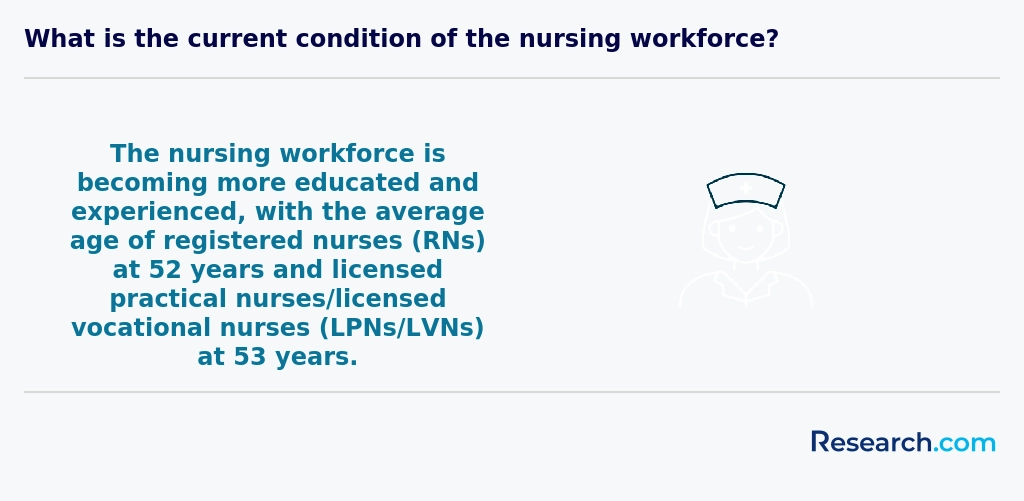
A key indicator of program quality for nursing students in Montgomery, AL is the NCLEX-RN pass rate, which reflects graduates’ readiness for real-world practice and state licensure. Across local institutions like Auburn University at Montgomery, Alabama State University, and Trenholm State Community College, recent cohorts have achieved NCLEX-RN first-time pass rates ranging from 88% to 94%, consistently outperforming national averages. High pass rates highlight the effectiveness of the curriculum, rigorous clinical training, and robust faculty support that prepare students to excel on licensing exams. Beyond the NCLEX, many graduates pursue advanced practice certifications-such as becoming a Family Nurse Practitioner (FNP). For those aiming to expand their scope of practice, comparing top post-graduate pathways like fnp programs california can help ensure comprehensive preparation for national certification exams. Additionally, nursing programs in Montgomery maintain accreditation with the Commission on Collegiate Nursing Education (CCNE) or the Accreditation Commission for Education in Nursing (ACEN), further validating that licensure and certification requirements are fully integrated into both theory and hands-on training. Tracking these outcomes not only guides prospective students toward the most reliable and results-driven programs but also builds confidence among employers who value graduates with proven success in licensure and specialist certifications.
Diving into the world of nursing in Montgomery? Financial aid here feels like discovering hidden treasure chests along your journey. Many nursing students at Alabama State University speak warmly of the FAFSA process, unlocking Pell Grants that helped cover essential tuition costs without the stress of repayment. Imagine walking into your first class knowing much of your financial burden is eased by these grants.
Beyond federal aid, the Alabama Student Assistance Program (ASAP) casts a helpful net for local nursing learners, offering need-based grants that truly make a difference at institutions like Auburn University at Montgomery. Graduates often share how these grants turned daunting tuition fees into manageable steps toward their dreams.
Then there are scholarships from nursing programs and partnerships with nearby healthcare centers, rewarding commitment and excellence. Picture a community college nursing student receiving a scholarship in exchange for a future role at a local hospital-this kind of support sparks not just financial relief but pride and motivation.
Veterans and military students smile too, thanks to benefits like the GI Bill that cover housing and tuition, making their path even brighter. For many, joining professional nursing organizations opens doors to exclusive scholarships, turning the pursuit of a nursing degree into an inspiring adventure filled with support and optimism.
To become a licensed registered nurse in Alabama, graduates must satisfy Board of Nursing criteria and pass the NCLEX-RN exam.
- Graduate from an accredited, Alabama Board–approved nursing program
- Submit application, official transcripts and fingerprints for a background check
- Register for NCLEX-RN via Pearson VUE and schedule your exam
- Achieve a passing score on NCLEX-RN to receive licensure and practice legally
Alabama’s average NCLEX-RN pass rate hovers around 87%, with leading programs like Auburn University at Montgomery reporting pass rates above 90%. Tracking these rates can help you choose a program that best prepares you for exam success and clinical practice.
For those ready to advance beyond licensure, explore accelerated dnp programs for a faster path to doctoral-level nursing.
Diving into nursing studies in Montgomery means gearing up with a solid academic foundation that sets you on the right path. Graduates from local colleges often recall how their journey began with strong high school credentials-biology, chemistry, anatomy, and physiology classes were essential stepping stones. Imagine walking into a campus like the one at a popular community college and realizing that your grasp of these sciences suddenly becomes your greatest ally.
Many programs here appreciate more than just raw numbers, sometimes swapping SAT or ACT scores for the nursing-specific TEAS exam, which tests skills closely tied to future nursing tasks. Picture preparing for that test as an adventure into your potential, rather than a hurdle.
Additionally, completing prerequisite college courses like microbiology or nutrition feels empowering, as it prepares you for real clinical experiences. Multiple graduates describe the moment they satisfied these requirements and got their CPR certification, feeling ready to step confidently into hospitals and clinics around Montgomery.
Background checks and immunizations are also routine, ensuring every student contributes to a safe learning environment. These prerequisites-while detailed-open doors to a rewarding career, backed by the guidance and community found within Montgomery's nursing programs.

Before beginning your nursing career in Montgomery, AL, graduates must obtain state licensure and pursue specialized certifications to ensure clinical competence and legal compliance. To become a Registered Nurse (RN), you must: 1. Apply to the Alabama Board of Nursing and submit official transcripts from an accredited nursing program. 2. Register for and pass the NCLEX-RN exam, administered by Pearson VUE. Recent data shows that programs with high NCLEX pass rates often provide dedicated test-prep workshops and simulation labs. 3. Complete a criminal background check and comply with immunization and health screening requirements. License renewal occurs every two years and requires proof of 24 contact hours of continuing education (CE). Popular CE topics include patient safety, pharmacology updates, and evidence-based practice. Many local institutions offer CE courses both online and in person, making it easier to maintain active licensure. For Advanced Practice Registered Nurses (APRNs) such as Nurse Practitioners (NPs), additional steps include:
- Earning a Master of Science in Nursing (MSN) or Doctor of Nursing Practice (DNP).
- Passing a national certification exam through bodies like the American Nurses Credentialing Center (ANCC) or the American Association of Nurse Practitioners (AANP).
- Securing state APRN certification and collaborating physician agreements, if required by Alabama law. If you’re exploring the fastest pathway to advanced practice roles, learn more about how fast can you become a nurse practitioner and plan your next steps toward specialization.
Imagine stepping into a nursing program in Montgomery and diving right into courses that bring health care to life. Graduates from popular colleges like Auburn University at Montgomery often share how foundational classes like anatomy and physiology felt like unlocking the secrets of the human body, turning curiosity into clear understanding. Alongside these, microbiology and psychology add depth, helping students grasp both the science and art of patient care.
Core nursing courses guide you through essential skills: fundamentals of nursing provide hands-on practice with patient safety, while pharmacology opens the door to mastering medication management. Students find excitement in medical-surgical nursing as they learn to care for patients with a wide range of illnesses, blending theory with real-world clinical practicums in nearby hospitals.
Specialized topics like maternity, pediatric, and mental health nursing prepare you to support families and individuals with empathy and confidence. Community health courses highlight how nurses in Montgomery make a difference beyond hospital walls, engaging with prevention and education. This blend shapes nurses ready for any challenge, with relatable, hands-on experiences that turn learning into adventure.
Nursing degree specializations in Montgomery invite students to dive into vibrant, meaningful careers shaped by unique local needs. Many graduates from popular universities in Montgomery experience exciting pathways like Family Nurse Practitioner (FNP), where they joyfully support patients across all ages in community clinics. Others embrace Geriatric Nursing, feeling a rewarding connection as they care for the city's growing elderly population. Pediatric Nursing specialists share heartfelt moments with young patients, fostering hope through every hospital stay.
Montgomery nursing programs with specialization options often include Psychiatric and Mental Health Nursing, where graduates find purpose addressing the rising mental health demands in regional hospitals like Baptist Medical Center South. Critical Care Nursing also draws students eager for adrenaline-filled, fast-paced environments, sharpening their skills through clinical rotations at Jackson Hospital and beyond. For many, this adventurous journey feels like joining a supportive community dedicated to healing.
The variety in these programs makes Montgomery a fantastic place to begin your nursing career, with hands-on learning and connections that truly matter. If you're exploring healthcare paths beyond nursing, you might also consider the medical assistant program offered nearby, broadening your understanding of patient care.
Choosing the best nursing degree in Montgomery means diving into a world of possibilities that match your personal aspirations and financial needs. Many graduates from Alabama State University rave about the accredited BSN program's blend of rigorous academics and strong NCLEX preparation, boosting their confidence before stepping into clinical roles. If you crave hands-on experience, consider the local clinical opportunities near Baptist Medical Center or Jackson Hospital-these real-world settings ignite enthusiasm and sharpen skills in ways classrooms alone cannot.
For those exploring affordable nursing degree programs Montgomery offers, community colleges like Huntingdon and Enterprise State provide ADN pathways that open doors without overwhelming debt. These options help students focus on learning rather than worrying about tuition, making the journey feel more achievable and rewarding. Embracing nursing as a career adventure means carefully weighing costs, accreditation, and practical training.
Curious about other pathways beyond Montgomery? Some adventurous students explore online options, discovering resources like Nebraska RN programs, which expand horizons while accommodating busy lifestyles.
Graduates earning a nursing degree in Montgomery find themselves stepping into a rich landscape of nursing career opportunities in Montgomery that spark curiosity and growth. Many begin as registered nurses working in bustling local hospitals or caring deeply in outpatient centers, gaining hands-on experience that shapes their futures. Nurses from popular Montgomery colleges often share how stepping into pediatric or geriatric nursing can transform a typical day into a meaningful adventure, mastering skills that truly change lives.
Diving deeper, some graduates pursue specializations like critical care or psychiatric nursing, each path offering unique challenges and rewards in the city's expanding healthcare facilities. Advanced degrees open doors to roles such as nurse practitioners or nurse anesthetists, unlocking salaries that reflect their expertise and dedication. This sense of achievement resonates strongly with those who continue their studies in Montgomery's community colleges and state universities.
The vibrant medical community here not only employs these skilled professionals but also collaborates closely with healthcare management organizations, offering diverse roles beyond bedside nursing. For those curious about Montgomery nursing degree job prospects, the journey often feels like stepping into a world full of possibilities, where education and local demand work hand-in-hand to shape inspiring careers.

The nursing job outlook in Montgomery shines with promise, fueled by a growing healthcare sector that welcomes new graduates with open arms. Students from popular colleges here often share stories of seamless transitions into roles at Baptist Medical Center East or Jackson Hospital, where the demand is as dynamic as the city itself. Imagine the rewarding feeling of providing care in bustling hospital wings or calm outpatient clinics, driven by a community that truly values nursing expertise.
Healthcare employment opportunities Montgomery AL continue to expand, especially as an aging population increases the need for skilled nurses in chronic illness management and home health services. Graduates frequently mention that their education not only prepares them for bedside care but for the diverse demands of specialized nursing roles that flourish in Montgomery's supportive environment.
For those weighing tuition costs and career paths, exploring options like online nursing programs no GRE Texas offers flexible ways into nursing, complementing the strong local job market with adaptable study plans.
2027 Most Affordable Nursing Degree Programs Ranking in Montgomery
Investing in your education is a significant decision that can shape your future, and the Research.com team is keenly aware of the importance of making well-informed choices. To support prospective students seeking nursing degrees in Montgomery, we have carefully developed the "2027 Most Affordable Nursing Degree Programs Ranking in Montgomery." Our dedication to quality, credibility, and accuracy is demonstrated through extensive research and thorough analysis undertaken to produce this ranking.
We utilized the following reputable data sources to ensure a comprehensive evaluation of nursing degree programs:
By reviewing this ranking, readers will gain valuable insights into the most affordable nursing degree options in Montgomery, empowering them to make sound educational and financial decisions. For more information about how this ranking was created, please visit our Research.com methodology page.
# 1 position
South University-Montgomery
Bachelor of Science in Nursing


Frequently Asked Questions About nursing
Nursing students in Montgomery can maximize their learning by actively engaging in clinical experiences offered through local hospitals such as Baptist Medical Center South and Jackson Hospital. These partnerships provide diverse patient care settings crucial for skill development.
Utilizing resources at institutions like Auburn University at Montgomery, which offers simulation labs, helps students practice real-life scenarios in a controlled environment, improving critical thinking.
Networking with local nursing organizations, including the Alabama State Nurses Association, can offer mentorship and professional growth opportunities.
Furthermore, Montgomery's nursing programs often emphasize evidence-based practice, encouraging students to stay updated with the latest research to enhance patient outcomes.
The nursing field in Montgomery is expanding into several emerging niches that reflect broader healthcare trends and patient needs. One growing area is geriatric nursing, driven by Alabama's aging population, which is expected to increase demand for specialized care. According to the Alabama Department of Public Health, the senior population in Montgomery has grown by over 10% in the last five years, highlighting opportunities for nurses trained in elder care.
Another notable niche is psychiatric nursing, as mental health services gain awareness and funding nationwide. Nurses with skills in behavioral health are increasingly needed in hospitals and community clinics across Montgomery.
Additionally, telehealth nursing is becoming prominent, supported by state investments and technological advances, allowing nurses to provide remote patient monitoring and consultations. This aligns with Montgomery's push toward expanding digital healthcare access.
After completing a nursing degree in Montgomery, preparing for the job market requires a strategic approach. Graduates should first obtain licensure by passing the NCLEX-RN exam, which is mandatory to practice as a registered nurse in Alabama. According to the Alabama Board of Nursing, passing rates in the state have averaged around 85% in recent years, reflecting strong program quality.
Networking with local healthcare employers, such as Baptist Health and Jackson Hospital, can improve job prospects. Completing internships or clinical rotations in Montgomery-area facilities often leads to employment offers. Using resources like the Alabama Department of Labor's healthcare employment data can help identify high-demand nursing specialties with better salary potential.
Further credentials, such as CPR certification and specialty nursing certificates, boost employability and professional growth. Staying informed about continuing education opportunities within Montgomery's nursing community also supports career advancement.
Employers in Montgomery prioritize specific skills when hiring nursing degree graduates. Clinical competence is critical; nurses must demonstrate strong patient care abilities and proficiency in medical procedures. Communication skills are also essential, enabling clear interaction with patients, families, and healthcare teams. According to the Alabama Board of Nursing, teamwork and adaptability are highly valued due to the fast-paced clinical environments common in Montgomery hospitals.
Additionally, critical thinking and problem-solving skills help nurses respond effectively to emergencies. Familiarity with electronic health records (EHR) systems is increasingly important as healthcare digitizes. Cultural competence is another key skill, reflecting Montgomery's diverse population and promoting inclusive patient care.
Finding nursing internships in Montgomery requires a combination of research and networking within local healthcare institutions. Many nursing programs in the city collaborate directly with hospitals such as Jackson Hospital and Baptist Medical Center, providing structured clinical placements. Students should contact their academic advisors early to learn about affiliated internship opportunities and application deadlines.
Additionally, the Alabama Board of Nursing encourages students to gain hands-on experience through internships or externships to meet licensure requirements. Local health departments and community clinics may also offer internship positions for nursing students. Utilizing platforms like the Alabama Nursing Workforce Center can help identify openings specific to Montgomery.
In Montgomery, earning a nursing degree significantly enhances career mobility and advancement opportunities. According to the Alabama Board of Nursing, registered nurses with a bachelor's degree often have access to higher-paying roles and leadership positions in hospitals and clinics. The local healthcare market values advanced credentials, especially as the city experiences growth in healthcare facilities, including specialized centers.
Many employers in Montgomery prefer candidates with at least an Associate Degree in Nursing (ADN), but those with a Bachelor of Science in Nursing (BSN) or higher tend to qualify faster for promotions and specialized roles. For example, a 2023 report by the U.S. Bureau of Labor Statistics highlights that nurses with BSNs earn approximately 15-20% more than those with diplomas or ADNs nationwide, a trend seen in Montgomery's demand as well.
Additionally, nursing degrees enable professionals to pursue further certifications and roles in administration, education, and advanced clinical practice. This broadens their career paths beyond bedside care.
Studying for a nursing degree in Montgomery equips students with skills essential for interdisciplinary healthcare roles. Programs often integrate courses in communication, healthcare policy, and ethics, facilitating collaboration with professionals like doctors, social workers, and pharmacists. According to the Alabama Board of Nursing, many local nursing programs emphasize teamwork in clinical settings, helping students navigate complex patient care environments.
Montgomery's healthcare facilities, including community hospitals and clinics, provide hands-on training where nursing students engage in multidisciplinary teams. This experience helps graduates understand diverse perspectives and enhances problem-solving abilities.
Such training is critical as healthcare increasingly relies on coordinated care models to improve patient outcomes and efficiency.
Choosing between a thesis and a non-thesis nursing degree program in Montgomery depends on your academic and career goals. Thesis programs typically require original research and a formal thesis document. This path suits students interested in advanced clinical practice, research, or pursuing a doctorate.
Non-thesis programs concentrate more on practical nursing skills and coursework, ideal for those aiming to enter the workforce quickly or focus on leadership roles in healthcare settings. According to the Alabama Board of Nursing, Montgomery offers several accredited programs with both options available.
Consider your timeline, learning style, and future plans when deciding, as thesis tracks can take longer but offer deeper research experience.
Students based in Montgomery seeking to study nursing abroad have several pathways to consider through U.S. higher education institutions that offer international study opportunities. Many accredited nursing programs in Alabama collaborate with foreign universities to provide study abroad experiences, usually during summer or semester breaks. These programs allow students to gain global healthcare perspectives while earning credits toward their degree.
Montgomery students often explore options in countries with established nursing education frameworks, such as the United Kingdom, Canada, or Australia. According to the Alabama Commission on Higher Education, about 12% of nursing students from the state participate in exchange or short-term international programs. Partnerships typically include clinical placements or research projects focused on public health challenges.
It's important for students to choose programs affiliated with U.S. nursing accreditation bodies like CCNE or ACEN to ensure credits transfer smoothly. Financial aid and scholarships dedicated to study abroad can also ease costs for Montgomery-based nursing students interested in global exposure.
Part-time job opportunities in Montgomery that complement nursing degree education typically include roles such as certified nursing assistant (CNA), medical scribe, and patient care technician. These positions provide practical experience in healthcare settings, helping students apply classroom knowledge.
According to the Alabama Department of Labor, healthcare support occupations in Montgomery are expected to grow by 12% through 2030, creating ample part-time positions. CNAs often earn between $11 and $15 per hour locally, offering both income and relevant skills.
Additionally, roles like pharmacy technician or home health aide also support nursing students by enhancing understanding of patient care and medication management, strengthening resumes for future nursing careers.
Nursing students in Montgomery have multiple networking opportunities that can enhance their educational experience and career prospects. Local colleges such as Auburn University at Montgomery and Alabama State University offer student nursing organizations that regularly host events, workshops, and guest lectures. These provide valuable chances to connect with peers, faculty, and healthcare professionals.
Additionally, Montgomery's proximity to major hospitals like Baptist Medical Center and Jackson Hospital allows students to engage in clinical rotations and internships, fostering direct relationships with practicing nurses and healthcare leaders. Professional associations like the Alabama Nurses Association also hold regional meetings and conferences in Montgomery, helping students build professional networks early on.
Alumni networks provide significant benefits to nursing degree students in Montgomery by offering professional connections that can lead to job placements and internships. According to the Alabama Board of Nursing, local hospitals and clinics value referrals from established alumni, increasing employment opportunities for new graduates.
These networks also give students access to mentorship from experienced nurses who understand the specific demands of healthcare in Montgomery. Such guidance supports students in navigating clinical experiences and passing licensure exams.
Events organized by alumni groups create a platform for ongoing education and skill development, often featuring speakers from prominent Montgomery healthcare institutions.
Overall, alumni networks strengthen the professional community around nursing education in Montgomery, contributing to students' career readiness.
Customizing a nursing degree program in Montgomery allows students to align their education with specific career goals. Many programs offer elective courses in specialties such as pediatric nursing, gerontology, or community health, enabling students to focus on fields with growing demand locally. According to the Alabama Board of Nursing, nurses specializing in geriatric care are increasingly sought after due to Montgomery's aging population.
Students can also choose between practical tracks like Registered Nurse (RN) or advanced degrees such as a Bachelor of Science in Nursing (BSN), which prepares them for leadership roles. Local colleges often provide clinical placements in Montgomery hospitals to gain hands-on experience relevant to career interests.
Some schools support part-time or online learning options, ideal for working professionals aiming to shift specialties or advance in their current roles.
Nursing students in Montgomery often face demanding coursework combined with clinical practice hours. According to the Alabama Board of Nursing, students must complete a minimum of 500 clinical hours, which can be challenging to balance with academic responsibilities. Many report stress related to time management and balancing work or family commitments alongside their studies.
Another challenge is navigating limited clinical placement sites in Montgomery's healthcare facilities, leading to competition and scheduling difficulties. Additionally, students must prepare for the NCLEX-RN licensure exam, which has a rigorous pass rate standard of about 85% in Alabama, creating pressure for thorough preparation.
Financial concerns also affect nursing students, as tuition and related costs continue to rise across the state.
With a nursing degree in Montgomery, graduates can pursue several professional certifications to advance their careers. The most common starting point is obtaining Registered Nurse (RN) licensure by passing the NCLEX-RN exam, required throughout Alabama and the US.
Beyond RN licensure, nurses can specialize in areas such as critical care, pediatrics, or geriatrics. Certifications like the CCRN (Critical Care Registered Nurse) or CPN (Certified Pediatric Nurse) are popular options endorsed by the American Nurses Credentialing Center (ANCC).
Advanced practice certifications, including Nurse Practitioner (NP) or Clinical Nurse Specialist (CNS), require further education but offer higher earning potential. According to Alabama Board of Nursing, Montgomery-area nurses have increasing access to certification programs linked to regional healthcare providers and universities.
Writing a winning application for a nursing program in Montgomery requires careful preparation and attention to detail. Begin by researching the specific nursing schools in the area, such as Auburn University at Montgomery and Trenholm State Community College, to understand their admission criteria.
Highlight your academic achievements, especially in science and math, as competitive GPA averages for these programs often range from 3.0 to 3.5. Include a well-crafted personal statement explaining your passion for nursing and commitment to community health.
Gather strong recommendation letters from educators or healthcare professionals familiar with your skills. Finally, prepare for any required entrance exams and clarify your clinical experience, as hands-on practice is highly valued by Montgomery nursing programs.
Nursing is recognized worldwide as a vital and respected healthcare profession. In the United States, including Montgomery, nursing careers combine clinical skills with compassionate patient care, making them highly valued globally. According to the U.S. Bureau of Labor Statistics, nursing employment is projected to grow 9% from 2020 to 2030, reflecting increasing demand domestically and abroad.
Many countries face nursing shortages, leading to international recruitment and opportunities for U.S.-trained nurses to work globally. Montgomery's nursing programs focus on meeting both local healthcare needs and global standards, preparing students for diverse healthcare environments. This international demand underscores nursing as a stable and versatile career choice with global mobility.
Gaining practical experience while studying for a nursing degree in Montgomery is essential for preparing students for real-world healthcare settings. Local nursing programs typically incorporate clinical rotations, where students work under supervision in hospitals, clinics, and community health centers. For example, institutions often partner with hospitals like Jackson Hospital and Baptist Medical Center, giving students access to diverse patient care experiences.
Additionally, many programs encourage participation in simulation labs that replicate clinical environments to enhance hands-on skills safely. Volunteering opportunities within Montgomery's healthcare facilities also allow students to build experience and professional networks.
According to the Alabama Board of Nursing, clinical hours vary by program but commonly range from 500 to 1,000 hours, ensuring comprehensive practical learning.
Choosing the right concentration within a nursing degree program in Montgomery requires assessing both your career goals and local healthcare needs. Popular nursing concentrations include family nursing, pediatric nursing, and geriatric nursing, each addressing specific patient groups. According to the Alabama Board of Nursing, Montgomery's healthcare sector increasingly demands nurses skilled in chronic disease management due to the area's aging population.
Researching job growth is also essential. The U.S. Bureau of Labor Statistics reports Alabama expects a 15% increase in registered nurse employment through 2031, with Montgomery reflecting similar trends. Selecting a concentration aligned with these growth areas can improve job prospects.
Additionally, consider program accreditation and clinical placement opportunities in Montgomery's hospitals, such as Baptist Medical Center. Practical experience strengthens expertise and employability within your chosen nursing focus.
- 2027 Most Affordable Nursing Degree Programs Ranking in Birmingham
- 2027 Most Affordable Nursing Degree Programs Ranking in Atlanta
- 2027 Most Affordable Nursing Degree Programs Ranking in Mobile
- 2027 Most Affordable Nursing Degree Programs Ranking in Macon
- 2027 Most Affordable Nursing Degree Programs Ranking in Hattiesburg
- 2027 Most Affordable Nursing Degree Programs Ranking in Memphis
- 2027 Most Affordable Nursing Degree Programs Ranking in Jacksonville
- 2027 Most Affordable Nursing Degree Programs Ranking in Tampa
- 2027 Most Affordable Nursing Degree Programs Ranking in Orlando
- 2027 Most Affordable Nursing Degree Programs Ranking in Louisville
See What Experts Have To Say About Studying Nursing
Read our interview with Nursing experts

Lisa Grubb
Nursing Expert
Assistant Professor
Johns Hopkins School of Nursing

- 10 Nursing Fields That Are Growing in Demand https://promedcert.com/blog/10-nursing-fields-that-are-growing-in-demand
- Top Nursing Skills U.S. Employers Want to See on Your Resume | O'Grady Peyton https://www.ogradypeyton.com/blog/job-seeker-resources/top-nursing-skills-u.s.-employers-want-to-see-on-your-resume
- How to Choose the Right Nursing Program for Your Career Goals - Maria College https://mariacollege.edu/blog/how-to-choose-the-right-nursing-program-for-your-career-goals
- Guide to Making a Career Change to Nursing https://teach.com/online-ed/healthcare-degrees/online-msn-programs/career-change-to-nursing/
- How to Write https://esign.com/letter-of-intent/school/nursing/
- Do I Have to Write a Thesis to Complete a Master’s Degree in Nursing? https://www.bestmasterofscienceinnursing.com/faq/write-thesis-complete-masters-degree-nursing/
- How Do Nurses Prepare to Work in a Multidisciplinary Team? | NursingEducation https://nursingeducation.org/insights/multidisciplinary-team/
- What Are the Best Jobs to Work While in Nursing School? https://www.dewv.edu/what-are-the-best-jobs-to-work-while-in-nursing-school/
- How Much Can I Earn With a BSN? https://www.allnursingschools.com/bsn/salary/
- Nursing Careers in Montgomery: Where Compassion Meets Culture and Opportunity Awaits https://www.nurserecruiter.com/alabama/montgomery