
2027 Part-Time vs. Full-Time Electrical Engineering Degree Programs

Co-Founder and Chief Data Scientist
Choosing between part-time and full-time electrical engineering degree programs can be challenging, especially for students juggling work, finances, and academic ambitions. Roughly 30% of electrical engineering students opt for part-time study, attracted by the flexibility it offers. However, balancing a rigorous workload with outside responsibilities often causes uncertainty about the best path to timely degree completion and career advancement.
This article explores key differences in course pace, workload intensity, and learning formats between part-time and full-time electrical engineering programs. Understanding these aspects will help prospective students identify which structure aligns with their personal and professional goals, making an informed decision about their educational journey.
Key Benefits of Part-Time vs. Full-Time Electrical Engineering Degree Programs
- Part-time programs allow students to maintain employment, supporting financial stability and reducing debt while gaining practical electrical engineering experience.
- Flexible scheduling in part-time study helps balance work-life commitments, enhancing time management and reducing burnout risk among electrical engineering students.
- Extended program duration supports deeper mastery of complex concepts, offering students additional time to engage with emerging technologies in electrical engineering.
How Are Part-Time Electrical Engineering Programs Structured Compared to Full-Time Programs?
The differences in electrical engineering degree formats reflect the varied needs of today's students, helping them align academic progress with lifestyle demands more effectively. Choosing between part-time vs full-time electrical engineering program structure is key for students balancing life and study commitments.
Scheduling differences can influence the pace of learning and the overall academic experience.
Part-Time Program
- Course Load: Typically 6 to 9 credit hours per semester, allowing a lighter academic demand.
- Weekly Commitment: Averages 7 to 12 hours weekly, making it suitable for working professionals.
- Scheduling Flexibility: Often includes evening, weekend, hybrid, or fully online classes to accommodate varied schedules.
- Accessibility: Some lab or in-person experiences may be limited compared to full-time programs.
Full-Time Program
- Course Load: Students enroll in 12 to 18 credit hours per semester, offering a more intensive study routine.
- Weekly Commitment: About 15 to 25 hours spent in classroom and lab activities each week.
- Scheduling: Primarily daytime classes with less scheduling flexibility but more structured engagement.
- Interaction: Greater direct access to faculty and peer collaboration enhances the learning environment.
Many universities, such as Purdue and Arizona State, support part-time learners with targeted online courses, making it easier to pursue an electrical engineering degree without disrupting work schedules. For students aiming to accelerate their studies, exploring options like a fast track bachelor degree online can also be worthwhile.
How Long Does It Take to Earn a Part-Time vs Full-Time Electrical Engineering Degree?
Understanding the typical duration of an electrical engineering degree helps students plan their academic and career timelines effectively. The full-time electrical engineering program length usually spans around four years for a bachelor's degree, following a standard course load of 15 credits per semester. This duration aligns with data from the National Center for Education Statistics, which cites an average completion time of about 4.5 years for engineering majors.
The duration of part-time electrical engineering degree programs varies more widely. Part-time students often enroll in 6 to 9 credits per semester, extending their path to graduation to six to eight years. Factors like program structure, availability of evening or online classes, and transfer credits can influence how long it takes to finish. Some students may benefit from accelerated options or summer terms to shorten their studies.
Key factors influencing time to degree include:
- Course Load: Full-time students follow a regular semester course load, while part-time students balance fewer credits with work or family commitments.
- Program Flexibility: The availability of online courses and accelerated tracks can reduce completion times.
- Transfer Credits: Policies on accepting previous coursework or prior learning impact degree length.
For students considering alternatives, exploring easy associates degrees can provide foundational knowledge before pursuing an engineering degree.
Are Admission Requirements Different for Part-Time vs Full-Time Electrical Engineering Programs?
Prospective students researching admission criteria for part-time electrical engineering degrees or full-time electrical engineering program entry requirements should carefully consider their academic background, work experience, and time availability to choose the best fit for their career progression.
While there are shared expectations, each format reflects the unique needs and circumstances of its students.
- GPA Expectations: Full-time electrical engineering program entry requirements typically demand a minimum GPA around 3.0 on a 4.0 scale, demonstrating the competitive nature of full-time study. Part-time admission criteria for electrical engineering degrees often accept a slightly lower GPA, near 2.75, accommodating those balancing work and education.
- Prerequisite Coursework: Both study formats require foundational knowledge in mathematics, physics, and engineering basics. However, part-time students often benefit from more flexible timelines to complete these prerequisites, sometimes allowing concurrent enrollment or extended deadlines.
- Professional Experience: Part-time programs value relevant work experience highly, sometimes allowing several years of electrical engineering or related field practice to offset lower academic standing. Full-time programs may place less emphasis on this aspect, focusing more on academic readiness.
- Standardized Tests and Supporting Documents: Full-time programs typically require GRE scores or similar standardized tests, whereas some part-time offerings waive these to reduce barriers for working professionals. Letters of recommendation and personal statements remain important for both formats.
Understanding these distinctions helps candidates determine which program aligns with their goals. Those interested in accelerating their education might explore options such as the fastest online associates degree paths, often relevant for foundational coursework prior to advanced study.
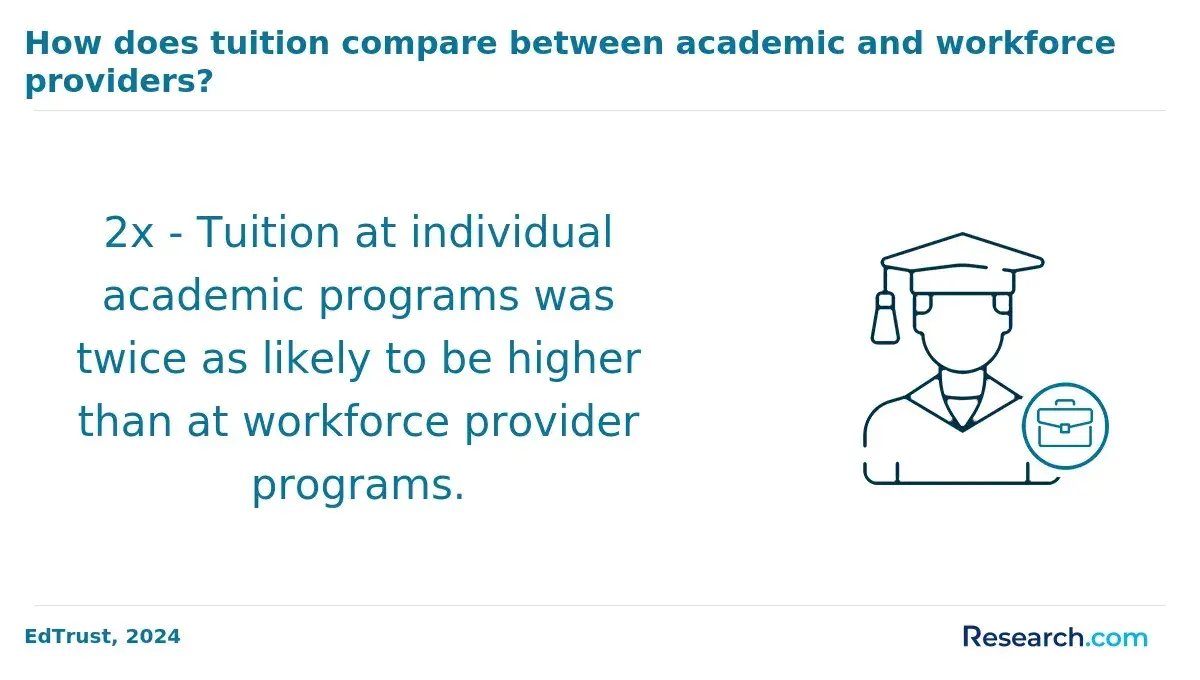
Tuition fees for part-time and full-time electrical engineering programs differ mainly in payment structure and timing. Full-time students generally pay a fixed rate for a full course load, which can lead to higher costs each semester but often results in completing the degree faster. Part-time students pay per credit hour, spreading expenses over a longer period, which might increase the total amount spent due to extended enrollment and extra fees.
- Per-credit costs: Part-time enrollment charges tuition by credit hour, typically between $400 and $800, while full-time students benefit from flat rates covering a set number of credits per term.
- Overall expense: Although full-time tuition seems pricier per semester, faster completion often reduces total costs compared to part-time paths stretched over several years.
- Financial aid: More aid options like Pell Grants and subsidized loans are available to full-time students, whereas part-time students may face limited eligibility or smaller aid amounts.
- Additional fees: Part-time students may incur repeated registration and technology fees each semester, increasing cumulative expenses throughout the program.
Part-time electrical engineering degree programs generally provide more online and hybrid course options than full-time programs. This flexibility is intended to accommodate working adults balancing career and education.
Below is an overview of how each format typically handles course delivery based on key factors:
- Program Design: Part-time programs often include evening, weekend, or asynchronous classes to support remote or hybrid participation. Full-time programs prioritize on-campus labs and group work requiring physical attendance.
- Institutional Policies: Universities commonly allocate hybrid course slots preferentially to part-time students to ease their work-study balance. Full-time students usually engage more in traditional in-person coursework.
- Student Demographics: Part-time learners are mostly employed adults seeking advancement, driving demand for flexible formats. Full-time students are predominantly recent high school graduates focused on immersive, campus-based study.
- Course Availability: Approximately 65% of part-time students take some courses online, whereas only about 30% of full-time students do, reflecting institutional efforts to cater to diverse needs.

Most institutions permit students to switch between part-time and full-time enrollment in electrical engineering programs, though this depends on specific institutional policies. Typically, students must submit a formal request or complete an enrollment change form, often requiring approval from academic advisors or administrative offices. Deadlines for these changes usually align with academic terms, ensuring orderly management. Before making the switch, it's important to consider how the decision might affect course loads, financial obligations, and academic progress. Each school's regulations can differ, so consulting official guidelines is essential for a smooth transition.
Common restrictions include maintaining good academic standing, as poor performance may limit eligibility to change enrollment status. Financial aid is another critical factor, since full-time status often determines qualification for scholarships, grants, or loan deferments. Additionally, some courses may only be available to full-time students or during certain semesters. Academic advising is usually required to confirm that the change aligns with degree completion plans. Switching enrollment status can also extend or shorten graduation timelines depending on the direction of the change.
Delivery format significantly shapes the learning experience for electrical engineering students, with part-time and full-time learners requiring different levels of flexibility. Understanding how online, hybrid, and campus options affect scheduling, workload, and support can help students choose the best fit for their goals.
- Scheduling Flexibility: Online programs offer the most adaptable schedules, ideal for part-time students balancing work and study. Full-time students generally encounter fewer conflicts with fixed campus timetables, which provide consistent routines.
- Workload Management: Hybrid vs campus electrical engineering programs differ in workload distribution; hybrid formats enable part-time learners to spread coursework over time, while full-time campus students often face intensive, structured schedules that promote faster degree completion.
- Accessibility and Location: Online electrical engineering degree formats remove geographic barriers, crucial for part-time students not near campus, whereas full-time students often value on-campus access to labs and hands-on resources essential for their training.
- Learning Pace: Self-paced study is a key advantage of online and hybrid formats, helping part-time learners adjust to external commitments. Full-time students usually follow a fixed calendar for immersive learning experiences.
- Student Support Services: Campus programs provide direct faculty and peer interaction beneficial to full-time learners tackling complex engineering topics. Part-time online students may face challenges accessing immediate help, though virtual tutoring is expanding.
Those exploring the best affordable online college programs can find valuable options tailored to part-time study constraints without sacrificing quality in their electrical engineering education.
Employers generally recognize both part-time and full-time electrical engineering degrees, but many show a preference for full-time degrees due to perceived rigor and focused study. Full-time programs often signal strong academic dedication, as they typically demand deeper immersion in foundational coursework and structured learning. According to a 2022 survey by the National Society of Professional Engineers, 68% of employers equated full-time study with a more comprehensive educational experience.
However, time management skills and real-world experience gained through part-time study are also valued, particularly by employers who prioritize adaptability and multitasking in fast-paced roles. Those weighing the part-time vs full-time electrical engineering degree value should consider how these perceptions align with their career goals.
Industry-specific preferences further shape employer attitudes toward degree formats. Startups and consulting firms often prioritize professional experience, certifications, and demonstrated skills over whether a degree was earned full- or part-time. Larger corporations with structured hiring pipelines tend to prefer full-time graduates due to standardized recruitment processes.
Regulatory or infrastructure sectors emphasize licensure and practical competencies more than enrollment status. Importantly, part-time degrees combined with internships or relevant job experience continue to offer meaningful pathways and signal career readiness. Prospective students can explore options through resources such as the best online nationally accredited universities to find programs that fit their professional and educational needs.
Return on investment (ROI) plays a vital role when selecting between part-time and full-time electrical engineering degree programs. It reflects the balance between total education expenses and the monetary gains achieved through improved earning capacity and career growth. Key aspects to consider include tuition costs, program duration, income lost while studying, and expected salaries after graduation.
Full-time programs typically take about four years to finish, allowing quicker access to well-paying jobs. However, students often face higher upfront tuition fees and may need to pause or cut back on work, resulting in lost wages during their studies. Conversely, part-time programs extend the timeline to six years or more, enabling students to work while studying and lessen immediate financial strain, though advancing in their careers may be slower.
- Full-time: Involves higher initial costs and income loss due to full study commitment, but offers faster salary growth and earlier career advancement.
- Part-time: Spreads tuition payments over a longer period and maintains steady work income, but delays degree completion and defers salary increases.
- Postgraduate salary: Average earnings for graduates eventually align regardless of study format, though entering the workforce sooner usually benefits full-time students financially.
Choosing the right program format is essential for balancing academic ambitions, career plans, and personal responsibilities. This decision shapes how effectively you can manage your studies alongside other commitments.
- Time availability: Full-time programs usually require a larger time commitment per semester, ideal if you can focus mainly on studies. Part-time options allow you to spread coursework over more semesters, fitting better with work or family demands.
- Financial resources: Part-time study helps manage tuition payments over time, reducing immediate financial pressure. Full-time students may face higher upfront costs but can enter the workforce sooner.
- Career goals: If you aim for rapid workforce entry, full-time study accelerates completion. Part-time study suits those needing steady progress while maintaining employment.
- Learning style: Full-time students benefit from concentrated immersion and peer engagement. Part-time learners must have strong discipline and effective time management.
- Program duration: Full-time tracks typically finish in about four years, while part-time routes often extend to six years or more.
- Flexibility: Part-time formats accommodate changing life circumstances, offering adaptability that full-time programs rarely provide.
What Graduates Say About Their Part-Time vs. Full-Time Electrical Engineering Degree
- Hollis: "Pursuing a full-time electrical engineering degree was an intense but rewarding journey. The hands-on labs and expert professors truly enhanced my understanding, preparing me well for the industry. Although the average cost of attendance was a concern, the career opportunities I gained have far outweighed the investment."
- Hugh: "My part-time electrical engineering program allowed me to balance work and study, making the financial burden more manageable. Reflecting on the experience, the steady pacing helped me absorb the material deeply, even if it took longer to graduate. Considering the overall expense, I found the flexibility worth every penny for advancing my career."
- Atlas : "Completing a full-time electrical engineering degree opened doors I never imagined. The cost was significant-comparable to national averages-but the skills and network I built have been invaluable. Professionally, this degree shifted my trajectory and gave me a competitive edge in a challenging market."
Other Things You Should Know About Electrical Engineering Degrees
Prerequisites for enrolling in a part-time electrical engineering degree program in 2027 typically include a high school diploma or equivalent, completion of prerequisite math and science courses, and submission of standardized test scores, such as the SAT or ACT, depending on the institution's requirements.
Most programs require high school or college-level calculus I, calculus II, and calculus-based physics before enrollment or by the end of the first year. Many also expect algebra, trigonometry, and chemistry. Accredited ABET programs often use these courses to screen applicants and place them into the correct sequence.
- Studying in the full-time or part-time model | ZHAW School of Engineering https://www.zhaw.ch/en/engineering/study/bachelors-degree-programmes/full-time-or-part-time-programme
- Fees and scholarships https://apply.p.lodz.pl/en/enrollment/enroll/fees-and-scholarships
- BEng(Hons) Electrical and Electronic Engineering https://courses.uwe.ac.uk/H61D/electrical-and-electronic-engineering
- How to become an Electrical engineer https://www.thecompleteuniversityguide.co.uk/student-advice/careers/how-to-become-an-electrical-engineer
- Bachelor of Engineering Technology in Electrical and Electronic Engineering NQF7 | AIE, Academic Institute of Excellence https://aie.ac/detailedQualification/91_Bachelor%2520of%2520Engineering%2520Technology%2520in%2520Electrical%2520and%2520Electronic%2520Engineering%2520NQF7
- Bachelor of Engineering (Honours) / Master of Engineering (Electrical Engineering) | UNSW Sydney https://www.unsw.edu.au/study/undergraduate/bachelor-of-engineering-honours-master-of-electrical-engineering
- Electrical nad Electronic Engineering | The University of Western Australia https://www.uwa.edu.au/study/courses/electrical-and-electronic-engineering
- Electrical Engineering Degree https://universitycompare.com/guides/subject/electrical-engineering
- Work-integrated Master's degree programme in Electrical Engineering https://masters.au.dk/electrical-engineering-workintegratedmasters
- Electrical and Electronic Engineering https://www.staffs.ac.uk/course/electrical-electronic-engineering-beng


