
2027 How to Verify Accreditation for Electrical Engineering Degree Programs

Co-Founder and Chief Data Scientist
Choosing an electrical engineering degree program without verifying accreditation can lead to wasted time and resources. Many students discover after enrollment that their credits may not transfer or that they are ineligible for professional licensure. According to ABET, over 80% of employers prefer graduates from accredited engineering programs, highlighting the importance of recognized credentials. This article explains how to confirm a program's accreditation status, helping prospective students ensure academic quality, access financial aid, and secure future career opportunities in the electrical engineering field.
Key Benefits of Accredited Electrical Engineering Degree Programs
- Accreditation ensures academic quality assurance, confirming programs meet rigorous industry and educational standards crucial for a competitive electrical engineering workforce.
- Only accredited electrical engineering programs qualify students for federal financial aid, expanding access and reducing financial barriers in this high-demand field.
- Employers and licensure boards recognize accredited degrees, facilitating smoother career entry and meeting professional certification requirements typical in electrical engineering careers.
What Does Accreditation Mean for Electrical Engineering Degree Programs?
Accreditation in higher education is a formal process that assesses and validates the quality of academic programs offered by institutions. The Accreditation Board for Engineering and Technology (ABET) is the key accrediting body for electrical engineering degree programs, ensuring they meet rigorous academic and professional standards.
More than 80% of engineering students in the U.S. enroll in ABET-accredited programs, highlighting the crucial role accreditation plays in maintaining industry and academic credibility. For students evaluating electrical engineering degree accreditation importance, understanding this process helps confirm that a program delivers a dependable and well-recognized education.
Accreditation impacts electrical engineering programs by guaranteeing that curricula remain comprehensive and aligned with current engineering practices. It ensures that faculty qualifications, laboratory facilities, and technology resources meet established standards, supporting a high-quality learning environment.
Students can trust that an accredited program fosters continuous improvement and prepares them effectively for their careers. For those interested in related professional degrees, exploring msw programs online offers additional insights into accredited education pathways.
What Types of Accreditation Should a Electrical Engineering Degree Program Have?
Knowing the different types of accreditation is vital when evaluating electrical engineering degree programs to ensure academic legitimacy, credit transfer, and career benefits. The following points highlight essential accreditation standards to consider.
- Institutional Accreditation: This accreditation confirms that the entire college or university meets established quality standards, affecting credit transferability and eligibility for federal financial aid. Institutional accreditation is a baseline assurance of academic reliability for students pursuing an electrical engineering degree.
- Regional vs. National Accreditation: Regional accreditation is generally more prestigious and widely recognized than national accreditation. Employers and graduate programs tend to prefer graduates from regionally accredited institutions, which can impact career advancement and further education opportunities.
- Programmatic Accreditation: Specialized accreditation, such as that by recognized engineering boards, evaluates the electrical engineering department specifically. This ensures the curriculum aligns with industry standards and is critical for professional credibility and certification.
- Licensure-Related Accreditation: Certain accreditations are necessary to qualify for professional licensure exams, including the Professional Engineer (PE) exam. Attending a program with recognized accrediting agencies for electrical engineering degrees enhances eligibility for licensure and strengthens job market prospects.
The choice of an electrical engineering program also intersects with broader educational goals, as some students pursue complementary degrees; for example, exploring the fastest online psychology degree can provide interdisciplinary advantages in technology and human factors.
How Can You Verify If a Electrical Engineering Degree Program Is Accredited?
Confirming a program's accreditation is crucial to ensure the quality of an electrical engineering degree, eligibility for federal financial aid, and favorable career or licensure outcomes. Without proper accreditation, students risk facing obstacles in transferring credits, obtaining licenses, or gaining employer confidence.
Here are key steps to verify if an electrical engineering degree program is accredited in the United States:
- U.S. Department of Education Database: Use the official federal database to verify whether the institution and its electrical engineering program hold recognized accreditation. This resource lists schools and programs approved by agencies acknowledged by the Department of Education.
- Council for Higher Education Accreditation (CHEA): Review CHEA's listings to identify reputable accrediting organizations that endorse the program. CHEA's endorsement offers an additional layer of quality assurance for students researching accredited electrical engineering programs for academic quality and licensure.
- Direct School Inquiry: Contact the school's admissions or registrar's office directly to request official accreditation documentation. This step clarifies both institutional and programmatic status, providing personalized confirmation.
- Programmatic Accreditation: Confirm if the degree program holds accreditation from specialized bodies such as ABET. Such accreditation specifically evaluates electrical engineering curricula for academic rigor and industry relevance.
- Professional Licensure Boards: Check with relevant state licensing authorities to ensure the degree meets educational prerequisites for engineering licensure, protecting your path to becoming a licensed professional engineer.
For students also exploring related fields, consider options like online masters degree psychology programs, which have their own accreditation criteria and financial aid considerations.
Identifying warning signs of unaccredited programs is crucial to safeguarding academic reputation, qualifying for financial assistance, and supporting future professional goals. Prospective students should pay attention to specific indicators that suggest a program's accreditation status may be questionable.
- Claims of "Lifetime" Accreditation: Accreditation is typically subject to regular review to verify that academic standards are consistently met. Programs offering permanent or lifetime accreditation often lack authentic oversight, which raises concerns about their legitimacy and quality assurance practices.
- Unrecognized Accrediting Agencies: Legitimate electrical engineering programs are accredited by well-known organizations, often recognized by the U.S. Department of Education or CHEA. If the accrediting body is unfamiliar or unverified, students risk enrolling in programs without proper quality control.
- Exceptionally Low Tuition: While affordable options are valuable, tuition fees significantly below typical market rates may indicate compromised resources or substandard educational offerings. Low cost can be a red flag for insufficient facilities, faculty, or support services.
- Misleading Program Descriptions: Overpromises such as guaranteed employment or licensure are often used to entice students but are rarely realistic. Accredited programs provide clear, verifiable information on curriculum content, faculty qualifications, and career outcomes rather than vague or exaggerated claims.
Online electrical engineering degree programs can indeed receive accreditation, which is vital for maintaining educational quality, eligibility for financial aid, and recognition by employers and licensing boards. Accreditation requires that these programs meet the same stringent standards as traditional campus offerings, including rigorous instructional quality, clear learning outcomes, and effective oversight from the institution. This recognition reassures students and professionals that their degree holds weight across various sectors.
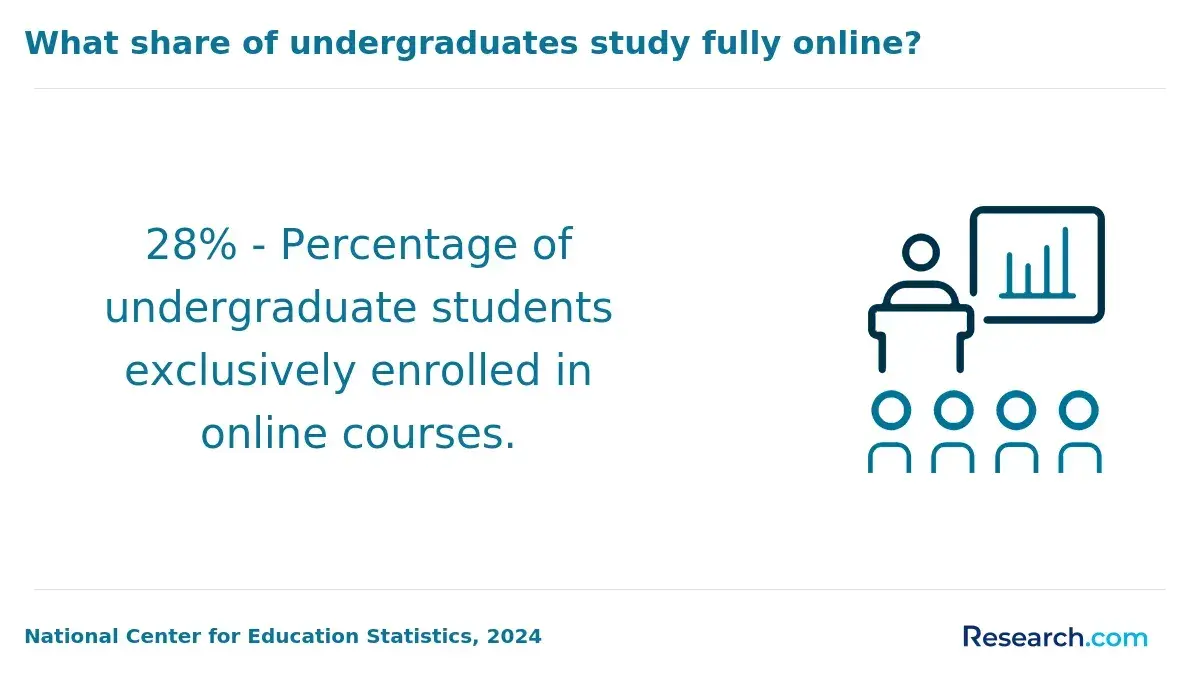
Notably, over 40% of postsecondary students have engaged in distance learning recently, signaling the increasing acceptance and prevalence of accredited online programs. Prominent accreditation bodies evaluate these programs uniformly, ensuring online graduates receive credentials that align with industry and academic expectations.
I spoke with a graduate of an online electrical engineering degree program who described the experience as challenging but rewarding, emphasizing the need for self-discipline and strong time management. He shared that, despite initial doubts about the online format, he found the coursework demanding and comprehensive, comparable to traditional settings.
He recalled, "There were moments I questioned if an online degree would hold the same value, but after securing a position where they recognized my qualification, my confidence grew." His journey illuminated how accreditation played a critical role in validating his studies and easing his path into professional roles that require accredited credentials.
For students aiming to enter licensed or regulated electrical engineering careers, accreditation is a vital factor that influences eligibility for professional licensure. Considering how accreditation affects access to exams, recognition, and career progress is essential.
- Licensure Exam Access: Most states require candidates to have graduated from an accredited electrical engineering program to sit for key exams like the Fundamentals of Engineering (FE) and Professional Engineer (PE) tests. Without this accreditation, students often cannot take these exams, hindering their path to licensure.
- Licensing Board Requirements: State and regional licensing boards use accreditation status to verify that candidates meet educational standards. Graduates from accredited programs typically fulfill these mandatory criteria, streamlining their application process for professional licenses.
- Employer and Regulatory Recognition: Employers and regulatory bodies tend to prefer degrees from accredited programs because they guarantee program quality and preparedness. This recognition can influence hiring decisions and compliance with industry standards.
- Potential Challenges Without Accreditation: Those graduating from non-accredited programs may encounter additional hurdles such as supplementary coursework or extended work experience requirements. This can delay licensure and narrow job opportunities, since unaccredited degrees often do not qualify for federal financial aid and can raise credibility concerns.
Credit transferability is a critical concern for students who change schools, pursue advanced degrees, or relocate, as it helps protect academic progress and reduces redundant coursework. Several key factors determine whether credits from an accredited electrical engineering program will be accepted by another institution.
- Institutional Accreditation Type: Credits from programs accredited by recognized agencies have a higher chance of transfer since they meet rigorous national quality standards, assuring receiving schools of academic reliability.
- Course Equivalency and Curriculum Alignment: Receiving schools carefully compare course descriptions, credit hours, and learning outcomes to assess whether transferred credits align with their program requirements.
- Receiving School Transfer Policies: Each institution maintains its own rules regarding transfer credits, including minimum grade thresholds and maximum transferable credit limits, which directly impact acceptance.
- Limits on Transfer Credits: Some schools cap the total number of transferable credits or restrict transferability of core major courses, requiring students to complete essential classes on-site.
For example, a graduate of an electrical engineering degree program shared how her credit transfer experience was a mix of challenges and reassurance. "I had completed two years at one institution, but moving states meant starting over unless credits transferred," she recalled. She spent weeks submitting detailed syllabi and course materials to highlight course equivalencies.
While some core courses didn't transfer, most foundational credits were accepted, shortening her path to graduation. "It took persistence and communication, but verifying transfer policies early saved me from unexpected delays," she emphasized. Her experience illustrates the importance of proactive planning and detailed documentation in navigating credit transfers between schools.
Accreditation plays a crucial role in determining student eligibility for federal, state, and institutional financial aid, with approximately 85% of federally aided students enrolled in accredited programs. This status ensures that programs meet recognized standards, impacting the types and amounts of financial support available. The following points highlight key considerations regarding accreditation's influence on financial aid for electrical engineering students.
- Federal Aid Eligibility: Accreditation is mandatory for students to qualify for Title IV financial aid programs such as Pell Grants, Stafford Loans, and Direct Loans. Without enrollment in an accredited electrical engineering program, students lose access to these essential federal resources, restricting their financial support options.
- State and Military Benefits: Many state education funding programs and military tuition assistance require attendance at accredited institutions. These requirements ensure that benefits go to students in programs that meet established academic quality, influencing approval of aid applications and the availability of additional funding avenues.
- Institutional Scholarships and Grants: Colleges and universities often limit merit-based scholarships and grants to students in accredited programs. This policy helps maintain academic standards and federal compliance, meaning non-accredited program enrollees may face reduced access to these financial incentives.
- Impact on Student Costs and Resources: Accreditation directly affects out-of-pocket expenses and access to educational resources, as it determines eligibility for a broader range of financial aid options. Consequently, verifying a program's accreditation can significantly influence overall affordability and educational opportunities.
Accreditation is a critical factor for students pursuing careers in electrical engineering, as it directly influences job market credibility and career prospects. Studies show that about 85% of engineering employers prefer hiring graduates from accredited programs, highlighting the importance of recognized credentials. The following points outline how accreditation impacts employability in electrical engineering fields.
- Employer Recognition: Accreditation assures employers that the program's curriculum meets industry standards and covers essential technical skills. This recognition increases the likelihood that graduates will be considered for roles by companies prioritizing quality education.
- Professional Credibility: Graduates from accredited electrical engineering degrees enjoy enhanced credibility, as their education aligns with national and international standards. This credibility fosters trust among employers and supports the graduate's reputation within the field.
- Certification and Licensure Eligibility: Many professional certifications and state licensure boards require candidates to hold degrees from accredited programs. This requirement is essential for obtaining professional engineer (PE) licensure and other advanced credentials often needed for career advancement.
- Job Market Competitiveness: Accreditation serves as evidence of rigorous academic preparation and a commitment to the profession, making graduates more competitive. Employers view this as a positive indicator when comparing candidates, especially in competitive electrical engineering careers.
Students interested in maximizing their professional employment chances should prioritize gaining accredited electrical engineering degrees. This accreditation not only validates academic excellence but also affects financial aid eligibility and long-term career or licensure opportunities. For those exploring options related to the electrical engineering field, considering the highest paying degrees can help align educational choices with future financial and professional goals.
Accreditation can significantly influence earnings potential for graduates of electrical engineering programs due to employer preferences and industry standards. On average, graduates from accredited electrical engineering programs earn about $75,000 annually, whereas those from non-accredited programs start closer to $60,000. These salary differences reflect several important factors.
- Employer Preference: Companies often favor candidates holding degrees from accredited institutions because these programs meet standardized educational criteria, giving employers confidence in the graduate's qualified training.
- Eligibility for Advanced Roles: Many senior or specialized electrical engineering positions and professional licensing requirements mandate graduation from an accredited program, increasing access to better-paying jobs.
- Industry Recognition: Accreditation signals adherence to rigorous educational standards, enhancing a graduate's reputation and improving chances of securing higher-level opportunities.
- Long-term Career Advancement: Accredited programs typically offer curricula aligned with the latest technologies, helping graduates stay competitive in a rapidly evolving field. This alignment is crucial for those seeking graduate studies or certifications that boost earnings potential.
Graduates researching pathways to maximize their financial and professional outcomes should verify program accreditation as a key factor. For those exploring options for a reliable and affordable degree, resources like the cheapest online college can provide valuable information. Understanding accreditation's impact on salary differences for accredited vs unaccredited electrical engineering degrees supports informed decisions for future electrical engineers.
What Graduates Say About Their Accredited Electrical Engineering Degree
- Yeshua: "Learning about the significance of accreditation early in my electrical engineering journey gave me the confidence to choose a program that truly met industry standards. I took time to research the accrediting bodies and verified the program's credentials through official education websites. This decision made a profound difference when I started my career, as employers recognized the quality of my education right away."
- Hugh: "Reflecting on my education, I realize now how crucial it was to ensure my electrical engineering degree was accredited. I methodically followed the steps of checking the program's status with national accreditation agencies and reading through detailed reports. This careful diligence paved the way for me to secure meaningful work opportunities and made continuing education much smoother."
- Atlas: "Completing an accredited electrical engineering degree was a strategic choice that paid dividends throughout my professional life. I actively verified the accreditation through official channels and even consulted alumni networks to confirm the program's reputation. This grounding not only opened doors for me but also instilled a professional discipline that I carry into every project today."
Other Things You Should Know About Electrical Engineering Degrees
Students can verify accreditation by checking the program's status with the relevant accrediting body, such as ABET, in 2027. Visiting the accreditor's official website or requesting a proof letter from the program are common methods to confirm accreditation.
Look up the program in the ABET accredited-programs database and confirm the listed status and cycle year. ABET reviews engineering programs on a six-year accreditation term, so the listing should show whether the program is currently accredited, not just once approved.
Most U.S. states recognize accreditation from agencies like ABET for electrical engineering programs, as it is the industry standard. However, some states may have additional requirements or accept accreditation from specific regional bodies. Students should verify requirements with state engineering licensure boards.
- Electrical Engineering degree program earns ABET accreditation - Dunwoody College News https://dunwoody.edu/news/2025/electrical-engineering-degree-program-earns-abet-accreditation/
- Unaccredited Colleges: How To Spot Scams https://www.accreditedschoolsonline.org/resources/how-to-spot-unaccredited-colleges/
- College of Engineering https://www.utoledo.edu/engineering/abet-accreditation/electrical-engineering-and-computer-science-engineering-accreditation.html
- ABET - Wikipedia https://en.wikipedia.org/wiki/ABET
- Electrical and Computer Engineering https://www.tntech.edu/engineering/programs/ece/transfer.php
- How important is ABET accreditation for Electrical Engineering? https://talk.collegeconfidential.com/t/how-important-is-abet-accreditation-for-electrical-engineering/1941391
- Why ABET Accreditation Matters - ABET https://www.abet.org/accreditation/what-is-accreditation/why-abet-accreditation-matters/
- Is Electrical Engineering a Good Career? Here’s Everything You Need to Know https://rungta.ac.in/is-electrical-engineering-a-good-career-option-lets-break-it-down
- Careers in limbo after graduates discover university courses were never accredited https://www.abc.net.au/news/2025-10-08/university-course-accreditation-class-action/105820008
- Why Electrical Engineering Certification is Important for Your Career https://www.koenig-solutions.com/blog/electrical-engineering-certification


