2027 Electrical Engineering Degree Coursework Explained: What Classes Can You Expect to Take?

Co-Founder and Chief Data Scientist
Many prospective students struggle to understand what specific coursework an electrical engineering degree entails and how it aligns with industry demands. According to the U. S. Bureau of Labor Statistics, employment in electrical engineering is expected to grow 7% from 2022 to 2032, highlighting the need for skills in emerging technologies.
A well-structured curriculum equips students with core knowledge in circuit design, signal processing, and control systems, which employers highly value. This article clarifies the typical classes within an electrical engineering program and explains how they prepare students for the evolving challenges of the engineering workforce.
Key Benefits of Electrical Engineering Degree Coursework
- Electrical engineering coursework builds strong analytical and problem-solving skills through rigorous study of circuits, systems, and signal processing, essential for innovative technology development.
- Students gain hands-on experience with software and hardware tools, enhancing practical expertise highly valued by employers in automation, telecommunications, and power industries.
- Graduates often see a median salary increase of over 15% compared to other engineering fields, reflecting high demand for electrical engineering specialists in advanced technical roles.
What Types of Class Do You Take in a Electrical Engineering Degree?
Electrical engineering degree programs organize their curriculum to combine fundamental knowledge with specialized skills and practical experience. Approximately 85% of accredited programs include hands-on learning components, illustrating the field's emphasis on applying theoretical concepts to real-world challenges. This approach supports students in mastering technical rigor while preparing them professionally. The electrical engineering core courses typically fall into several key categories that collectively build essential competencies.
Students pursuing an electrical engineering degree classes overview can expect these main types of coursework:
- Core Foundational Courses: These courses provide the technical backbone of the degree, covering essential principles such as circuits, electromagnetism, and digital systems. They cultivate problem-solving abilities and analytical thinking necessary for advanced study.
- Specialization or Elective Courses: These classes allow students to focus their education on advanced topics aligned with personal career interests, such as power systems, telecommunications, or embedded systems, enabling deeper expertise.
- Research or Methods Coursework: Focused on scientific methods, data analysis, and design techniques, these classes enhance students' capacity to innovate and conduct independent investigations within engineering contexts.
- Practicum, Internship, or Capstone Experiences: Many programs require real-world applications, enabling students to apply theoretical knowledge in professional environments while building teamwork and communication skills.
For students exploring further educational options, there are also accelerated pathways like edd online programs that can complement or extend technical expertise into leadership and educational roles.
What Are the Core Courses in a Electrical Engineering Degree Program?
Core classes in electrical engineering provide essential foundational knowledge crucial for advanced study and professional success. These courses build analytical and problem-solving skills through a mix of theoretical concepts, practical applications, and research techniques. Such fundamental classes in electrical engineering degree programs prepare students to understand and innovate within complex electrical systems.
Many core courses also integrate research methods and professional practices, helping students develop critical thinking and ethical decision-making skills needed in real-world environments. Applied coursework connects theory to practice by enabling students to design and test electrical devices and systems effectively. Below is an overview of typical core courses emphasizing key competencies students gain in these programs.
- Circuit Analysis and Design: Focuses on fundamentals of electrical circuits, components, and system behavior. Students learn to analyze, model, and build basic circuit configurations essential for many engineering applications.
- Electromagnetics: Covers electric and magnetic field theories and their practical uses. This course equips students to understand wave propagation, antennas, and electromagnetic compatibility.
- Signals and Systems: Explores the processing and analysis of signals and the behavior of linear systems. Competencies include signal transformation and system response evaluation.
- Digital Logic Design: Introduces principles behind digital circuits and computer hardware architecture. Students gain skills in designing and troubleshooting digital systems.
- Control Systems: Teaches techniques for regulating dynamic systems to maintain desired output and stability. This includes feedback and control theory applications.
- Microprocessors and Embedded Systems: Focuses on programming microprocessors and interfacing with hardware. Students learn embedded system design for real-time application.
- Professional Practice and Ethics: Addresses workplace standards, responsibility, and ethical considerations in engineering. Preparing students for professional challenges and decision-making is a key outcome.
For students exploring related fields, reviewing options like counseling degrees online accredited can provide insight into alternative career paths. Understanding core electrical engineering courses establishes a solid foundation for diverse technical roles and lifelong learning.
What Elective Classes Can You Take in a Electrical Engineering Degree?
Elective courses in an electrical engineering degree enable students to customize their studies according to individual interests or targeted career ambitions. Industry data indicates that around 60% of students select electives to focus on innovative technological sectors, underscoring their role in professional preparedness. Below are some popular elective options that help shape specialized skill sets and career directions.
- Power Systems: Concentrates on the generation, transmission, and distribution of electricity. This course equips students with knowledge vital for roles in energy utilities and the growing field of renewable power development.
- Embedded Systems: Focuses on microcontroller programming and integrating hardware with software components. It prepares students for careers in the Internet of Things (IoT), robotics, and consumer electronics industries.
- Communication Systems: Covers wireless and optical communications technology. Students develop expertise applicable to telecommunications and network infrastructure design.
- Control Systems: Teaches principles of automation and feedback control, critical in sectors such as manufacturing, aerospace, and automotive engineering.
- Signal Processing: Emphasizes techniques for analyzing and filtering data signals. This specialization benefits fields like audio processing, video technology, and biomedical engineering.
These courses often combine theoretical study with practical projects, enhancing analytical and problem-solving skills. When choosing electives, students align their technical abilities with industry trends to optimize job market readiness.
When speaking with a professional who earned an electrical engineering degree, he reflected on the elective decision process as both challenging and rewarding. "I wanted to ensure my choices would open doors but also keep me engaged," he recalled. Balancing interests with future job opportunities required thorough research and advice from mentors. He especially valued hands-on projects in his electives, which "helped build confidence in applying concepts beyond textbooks." The experience reinforced the importance of selecting courses that matched both his passion and professional goals, making the elective period a pivotal part of his education journey.
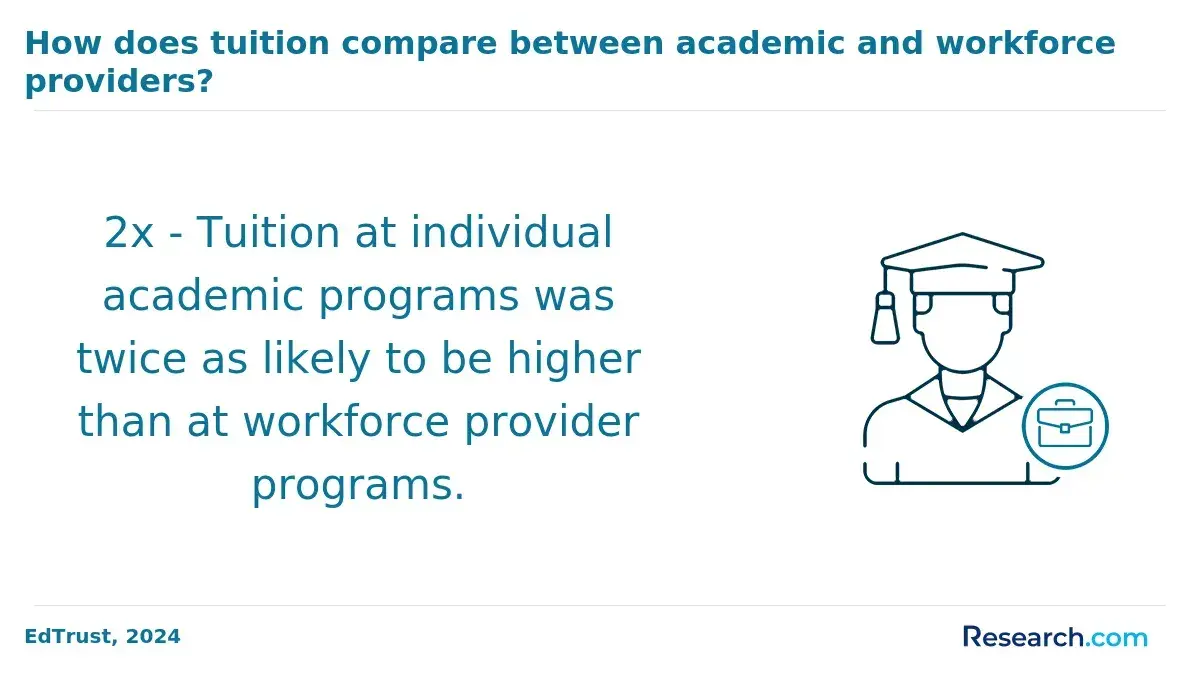
Breakdown of Public Fully Online Title IV Institutions

Practical, hands-on experiences in electrical engineering programs play a vital role in connecting theoretical concepts with real-world applications. These opportunities help students develop technical and professional skills needed in the industry. Approximately 60% of electrical engineering undergraduates take part in internships or cooperative education programs before finishing their degrees. Here are key details about these experiences:
- Program Requirements: Internships or practicums are often encouraged but not always mandatory, varying by institution. Many programs integrate these experiences as optional or recommended components of the curriculum.
- Duration and Hours: Typical placements last from 8 to 16 weeks, requiring approximately 240 to 480 hours of professional work. This timeframe allows students to engage meaningfully with projects and workplace routines.
- Types of Experiences: Positions are commonly found in sectors like telecommunications, power systems, electronics manufacturing, and software development related to electrical systems. These roles offer exposure to diverse industry challenges and technologies.
- Skills Developed: Beyond technical expertise such as circuit design and troubleshooting, these experiences foster soft skills like communication, time management, and teamwork. They also provide insights into professional environments and project dynamics.
Capstone projects and theses are key components that showcase a student's mastery of both theoretical knowledge and practical skills in electrical engineering programs. Approximately 70% of undergraduate programs in the U.S. mandate the completion of one of these culminating projects before graduation, reflecting their importance in student development.
- Differences between capstone and thesis: A capstone project is a collaborative and hands-on endeavor focused on designing and testing real-world electrical systems. In contrast, a thesis is an individual research project aimed at exploring an original problem, culminating in a comprehensive written report and sometimes an oral defense.
- Typical requirements: Both projects usually demand a significant time investment during the final year of study and close supervision by faculty advisors to ensure academic rigor and practical relevance.
- Skills developed: Capstones emphasize teamwork, applied problem-solving, and technical design skills. Theses foster deep analytical thinking, research methodology expertise, and advanced writing abilities.
- Time commitment: Students often dedicate several months to these projects, balancing coursework, research, and collaborative meetings, which helps prepare them for professional or academic workloads.
- Career and academic goals: Capstone projects commonly prepare students for engineering roles in industry by enhancing practical skills, while theses are more suited for those intending to pursue graduate studies or research-focused careers.
To better understand these requirements in practice, I spoke with a professional who completed an electrical engineering degree with a capstone project. She described the experience as both demanding and rewarding, recalling how navigating complex design challenges alongside her teammates exposed her to real engineering workflows. "It was intense managing deadlines and testing prototypes, but seeing a functional device at the end made it worthwhile," she shared. The project sharpened her communication and project management skills, proving invaluable when entering the workforce. Reflecting on her journey, she noted, "Though it wasn't easy, the hands-on experience gave me confidence and a clearer sense of what to expect on the job." This personal insight highlights how these culminating projects are vital bridges between academic learning and professional practice.

Electrical engineering coursework remains consistent across online and on-campus formats in terms of curriculum, learning outcomes, and academic rigor. Both modalities cover essential topics such as circuit analysis, digital systems, electromagnetics, and control systems to ensure students gain the necessary knowledge and skills. Academic standards and expected competencies are aligned to prepare graduates adequately for careers in the field. Thus, the core educational foundation does not differ significantly between delivery modes.
Differences emerge primarily in how courses are delivered and experienced. Online instruction often utilizes recorded lectures, virtual labs, and discussion boards, whereas on-campus classes rely on face-to-face teaching and hands-on lab work. Interaction online tends to be mediated through video conferencing and forums, which may limit spontaneous dialogue compared to real-time campus interactions. Online programs also offer greater scheduling flexibility, benefiting working students, while on-campus courses follow fixed timetables. Access to specialized equipment and collaborative study sessions is more readily available on campus, although online learners may use virtual simulations and remote lab kits. Assessments vary accordingly, with online formats favoring quizzes and proctored exams and campuses emphasizing traditional exams and practical evaluations.
Electrical engineering classes typically require between 15 to 25 hours per week for most students. This workload includes attending 3 to 5 hours of lectures, completing readings, working on assignments, collaborating on group projects, and spending 3 to 5 hours in hands-on labs or applied learning sessions. Most of this time is dedicated outside of class to homework and project work, averaging 7 to 10 hours weekly. Students looking into electrical engineering coursework weekly hours should expect a well-rounded but intense time commitment. Below are key factors that influence how many hours per week students spend on their classes.
- Enrollment status: Full-time students generally engage more hours weekly, while part-time students spread their workload across longer semesters, reducing weekly hours but extending the commitment.
- Course level: Advanced or upper-division courses demand extra time to grasp complex concepts and complete extensive projects, increasing weekly hours.
- Online vs. on-campus: Online courses often require disciplined self-study since they provide flexible schedules but less direct classroom time, which can impact the weekly time commitment.
- Credits per term: A heavier credit load translates directly to more study and work hours to manage assignments and exams effectively.
- Practicum or senior projects: Intensive projects or capstone experiences significantly increase weekly workload during focused periods, with practical lab work adding to overall hours.
The time commitment for electrical engineering classes is an important consideration for prospective students aiming to balance their academics and personal responsibilities. Those interested in flexible learning options may also explore programs such as an online executive mba, which highlight the varying demands of coursework formats.
The total number of credit hours required to complete an electrical engineering degree significantly impacts the program's length, academic workload, and graduation timeline. These requirements vary depending on the degree level and program structure, influencing how students plan their semesters and progress efficiently through the curriculum.
Typically, credit hours for electrical engineering degrees are divided into several key components, each essential to fulfilling graduation requirements. Below is a summary of common categories found across programs:
- Core coursework: These classes usually make up the bulk of an undergraduate electrical engineering degree, totaling around 60 to 80 credit hours. Core courses cover foundational topics such as circuits, signals and systems, digital systems, and electromagnetics, ensuring students develop a strong technical base.
- Electives: Electives typically account for 20 to 30 credit hours, allowing students to specialize in areas like power systems, communications, or embedded systems. This flexibility helps tailor the degree to individual interests and career goals.
- Experiential requirements: Many programs include hands-on components such as internships, laboratory work, or capstone design projects. These usually contribute 10 to 15 credit hours and provide practical experience that reinforces theoretical knowledge.
- Graduate programs: At the graduate level, electrical engineering degree credit hour requirements often range between 30 and 45 credits. These focus more heavily on advanced coursework, research, or thesis work compared to undergraduate programs, emphasizing specialized knowledge and technical expertise.
Students considering how many credits to graduate in electrical engineering should also evaluate program options to find a path aligning with their learning goals and schedules. For those interested, it is worth exploring affordable edd programs as an additional educational pathway beyond engineering degrees.
Electrical engineering coursework plays a crucial role in preparing students for professional success by cultivating practical skills, technical knowledge, and real-world problem-solving abilities. These components combine to enhance students' career readiness, giving them an edge in a competitive job market. According to the U.S. Bureau of Labor Statistics, employment for electrical engineers is projected to grow 7% from 2022 to 2032, reflecting a steady demand for graduates with applied competencies.
- Skill development: Courses build expertise in areas such as circuit analysis, signal processing, and control systems. Mastery of these core concepts equips students with the technical foundation necessary for diverse engineering roles.
- Applied projects: Hands-on learning through design and testing of electrical systems mirrors workplace challenges. These projects promote critical thinking and problem-solving essential for real-world engineering tasks.
- Industry tools and technologies: Students gain experience using software for circuit design and simulation, preparing them to operate industry-standard platforms immediately upon entering the workforce.
- Professional networking: Collaborative coursework encourages teamwork and communication skills while connecting students with peers and mentors, fostering relationships important for career advancement.
When asking your employer to pay for an electrical engineering degree, it is important to prepare a clear, professional proposal. Start by researching your company's tuition reimbursement or sponsorship policies, if available, and understand eligibility criteria. Schedule a meeting with your manager or HR representative to discuss your educational goals and how the degree will benefit your role and the organization.
In your conversation, emphasize how your coursework will enhance your skills and contribute to company success. Highlight specific competencies such as problem-solving, proficiency with industry-standard tools, and applied projects that simulate real-world engineering challenges. Demonstrating commitment to your professional growth shows you value your employer's investment.
A thoughtful approach might include the following points for discussion:
- Explain the alignment between degree content and current or future job responsibilities.
- Provide a plan for managing work responsibilities alongside study hours.
- Discuss how the degree could lead to improved efficiency, innovation, or leadership within your team.
- Inquire about repayment or work-back agreements commonly tied to sponsorships.
Electrical engineering degree career readiness is strengthened by integrating both theoretical knowledge and practical experience throughout the curriculum. This combination ensures graduates are well-equipped to tackle evolving industry demands.
For those considering related options, exploring easy associate degrees may provide alternative or complementary pathways into technical fields.
Completing electrical engineering coursework significantly influences earning potential by building expertise that employers actively seek. Graduates equipped with both core knowledge and advanced skills tend to secure higher starting salaries and benefit from faster wage increases throughout their careers. For example, the U.S. Bureau of Labor Statistics reported a median annual wage of about $100,000 for electrical engineers in 2023.
Key factors linking coursework to salary growth include:
- Development of In-Demand Skills: Courses covering essentials-such as signal processing, microelectronics, and power systems-equip students with technical abilities that are highly valued, helping them command better pay early on.
- Completion of Specialized or Advanced Courses: Focusing on emerging fields like renewable energy or embedded systems enhances job prospects. Specialized knowledge often translates into premium salaries within competitive sectors.
- Leadership and Management Training: Coursework that incorporates project management or teamwork skills prepares graduates for supervisory roles, which typically offer increased compensation.
- Applied Experiences Through Practicums and Capstones: Hands-on projects and laboratory work demonstrate practical problem-solving capabilities. Employers reward such readiness with better job opportunities and higher wages.
- Preparation for Professional Certifications: Courses designed to prepare students for certifications like the Fundamentals of Engineering (FE) exam boost employability. Credentialed engineers frequently see a noticeable uplift in salary as certifications validate their technical competence.
What Graduates Say About Their Electrical Engineering Degree Coursework
- Yeshua: "The electrical engineering program was a fantastic investment, especially considering the average cost of attendance was quite reasonable compared to similar fields. Taking the coursework online allowed me to balance my job and studies effectively, proving that flexible learning can still deliver a rigorous and comprehensive education. Today, I apply those skills daily in designing circuits and systems, which has significantly boosted my confidence and career growth."
- Hugh: "Reflecting back, the cost of the electrical engineering coursework felt steep but justified, given its depth and the hands-on experience I gained by attending classes on campus. The face-to-face interactions with professors and peers greatly enriched my understanding of complex concepts. This degree has become the cornerstone of my career, enabling me to tackle advanced projects and lead technical teams with assurance."
- Atlas: "From a professional standpoint, enrolling in the electrical engineering degree program was a strategic move despite the high tuition fees. Completing the coursework online was challenging but it taught me discipline and time management, critical skills in my current role. The knowledge I acquired has opened doors to innovative problem-solving opportunities and leadership positions in the tech industry."
Other Things You Should Know About Electrical Engineering Degrees
In 2027, an electrical engineering degree typically includes fundamental courses like Circuit Analysis, Electromagnetics, Digital Systems, Signal Processing, and Microelectronics. These foundational classes are essential for understanding the principles of electrical engineering and building towards more advanced topics.
In 2027, programming classes are essential in an electrical engineering curriculum. They provide students with the skills to develop algorithms and automate processes, which are crucial for designing and implementing modern electrical systems and technologies.
Most programs require circuit analysis labs, electronics labs, and digital systems labs, plus a capstone design project in the final year. These courses usually carry 1 to 2 credit hours each and require safety training, experiment reports, and graded design demonstrations.
- Elective Courses https://www.lakeheadu.ca/programs/departments/electrical-engineering/programs/ug/electives
- The Power of a Bachelor's Degree in Electrical Engineering https://www.monash.edu.my/news-and-events/trending/bachelors-degree-in-electrical-engineerig
- Five reasons to study Electrical & Electronic Engineering https://www.thecompleteuniversityguide.co.uk/student-advice/what-to-study/five-reasons-to-study-electrical-and-electronic-engineering
- Electrical Engineering Major | Courses For Degree | Career Girls https://www.careergirls.org/college-majors/electrical-engineering/
- Academic Calendar 2025-2026 https://www.queensu.ca/academic-calendar/engineering-applied-sciences/academic-plans/electrical-engineering/electrical-engineering-electives/
- Benefits of studying Electrical Engineering — JIET Jodhpur https://www.jietjodhpur.ac.in/blog/benefits-of-studying-electrical-engineering
- Electrical Engineering https://www.bcit.ca/programs/electrical-engineering-bachelor-of-engineering-full-time-8030beng/
- Electrical Engineering Specializations https://ece.umd.edu/undergraduate/degrees/bs-electrical-engineering/specializations
- Electrical Engineering Course Requirements https://www.stonehill.edu/programs/electrical-engineering/course-requirements/
- Electrical Engineer Salary: Your 2025 Guide https://www.coursera.org/articles/electrical-engineer-salary