2027 Best Nursing Degree Programs Ranking in Syracuse

Co-Founder and Chief Data Scientist
Choosing the right nursing degree program in Syracuse can feel overwhelming. To help you make an informed decision, this article presents the 2027 Best Nursing Degree Programs Ranking in Syracuse, created by the Research.com team of data scientists.
By exploring this ranking, you'll discover valuable insights into programs that match your goals and needs. Pursuing a nursing degree opens doors to a rewarding career in healthcare where you can truly make a difference.
This guide aims to support and inspire you on your educational journey, making the path clearer and more achievable.
Key benefits of getting nursing degree in Syracuse
- Graduates with a nursing degree in Syracuse can expect competitive salaries, such as $94,480 annually for Registered Nurses and up to $128,490 for Operating Room Nurses, providing strong financial stability.
- Nursing degree holders from Syracuse institutions often explore diverse roles, including Public Health Nursing and Emergency Room Nursing, showing a rewarding range of career paths to suit different passions and skills.
- Choosing an online nursing degree in Syracuse offers flexible study options, allowing students to balance work and family while gaining the same quality education as traditional programs, perfect for busy individuals.
- 2027 Best Nursing Degree Programs Ranking in Syracuse
- What can I expect from nursing degree in Syracuse?
- Where can I work with nursing degree in Syracuse?
What can I expect from nursing degree in Syracuse?
The average cost of a nursing degree in Syracuse varies depending on the program and institution. Graduates from Syracuse University's nursing programs typically encounter tuition fees ranging from $30,000 to $50,000 per year for their bachelor's or advanced degrees. Meanwhile, associate degree programs at Onondaga Community College offer a more affordable route, generally costing between $5,000 and $10,000 annually. Many students choose this pathway to gain practical skills at a lower cost before pursuing further education.
Students often describe balancing the financial investment with the rewarding clinical experiences arranged through partnerships with local healthcare centers like Upstate University Hospital. They find great value in this hands-on exposure, which enhances their confidence and readiness for professional roles.
Financial aid and scholarships available at these institutions help alleviate costs, making nursing education accessible while maintaining quality. Graduates frequently express satisfaction with their investment, citing strong licensure success rates and promising job prospects in the Syracuse healthcare market.
Where can I work with nursing degree in Syracuse?
Graduates with a nursing degree from institutions such as the University of Syracuse or SUNY Upstate Medical University find themselves well-positioned for diverse and rewarding employment opportunities across the city's healthcare landscape. Many begin their careers at prominent locations like University Hospital, where they engage in specialized roles ranging from emergency care to oncology, gaining hands-on experience within a large, supportive system.
Others discover fulfilling work in long-term care settings, including nursing homes and assisted living centers, where their skills directly improve the quality of life for elderly residents. The steady demand in these facilities offers graduates a sense of job security and heartfelt professional satisfaction.
Community health agencies and outpatient clinics present additional paths, allowing nurses to focus on preventative care, chronic disease management, and patient education. Graduates often share how these environments provide a balance between meaningful patient interaction and more predictable work hours, enhancing their overall job happiness.
With Syracuse's varied healthcare options and strong local demand, nursing graduates feel confident and inspired, knowing their qualifications open doors to impactful and stable careers.
Graduates holding a nursing degree from Syracuse institutions often find rewarding salary prospects across diverse nursing roles. For example, registered nurses, clinical nurse educators, public health nurses, and emergency room nurses in Syracuse have a mean annual wage around $94,480. This salary reflects the steady demand and competitive compensation that local healthcare employers offer, creating positive career momentum for recent alumni.
Many graduates from Syracuse-based nursing programs share their excitement about securing positions that not only provide financial stability but also professional growth opportunities. They often start their careers in hospitals or community clinics, where the demand for skilled nurses remains consistent.
Specialized nursing roles also present attractive earning possibilities. Operating room nurses, for instance, have a significantly higher mean annual wage of approximately $128,490. Graduates with advanced skills and certifications can aspire to these positions for increased responsibility and compensation.
These figures highlight the valuable return on investment for students pursuing nursing degrees in Syracuse, where local healthcare facilities support both entry-level and specialized nursing careers with competitive wages and benefits.
- Nursing degrees in Syracuse include ADN, BSN, and MSN programs offered by accredited local colleges and universities.
- BSN tuition costs range from $8,000 to $15,000 per year at public in-state schools and $20,000 to $35,000 annually at private institutions.
- Additional expenses such as books, uniforms, and exam fees should be factored into the total cost of nursing education.
- Entry-level nursing salaries average between $55,000 and $65,000 per year, with experienced nurses earning $75,000 to $90,000 on average.
- Nursing job growth in Syracuse exceeds the national average due to an aging population and expanding healthcare services.
- Completing a nursing degree locally may offer advantages in networking and internships within Syracuse's healthcare system.
In Syracuse, completing a nursing degree depends largely on the type of program chosen. Graduates from Licensed Practical Nurse (LPN) programs, often offered at local community colleges, typically finish within 12 to 18 months. These programs quickly equip students with essential nursing skills, allowing many to feel confident stepping into practical nursing roles shortly after graduation.
Associate Degree in Nursing (ADN) programs, such as those at Onondaga Community College, usually require two years of full-time study. Alumni often describe this timeframe as a balanced mix of rigorous coursework and rewarding hands-on clinical experiences, preparing them well for passing the NCLEX-RN and starting their careers as registered nurses.
For aspiring nurses seeking advanced roles, Bachelor of Science in Nursing (BSN) programs at institutions like Le Moyne College typically take four years full-time. Graduates frequently share how the comprehensive curriculum opens doors to leadership and specialty positions. Accelerated BSN options also exist in Syracuse, enabling students with prior degrees to complete nursing studies in as little as 12 to 18 months, intensifying their focus but delivering swift results.
Top Syracuse nursing programs maintain accreditation from the Commission on Collegiate Nursing Education (CCNE) or the Accreditation Commission for Education in Nursing (ACEN) and are approved by the New York State Education Department. This ensures consistent quality and nationwide recognition.
- Graduates become eligible for the NCLEX-RN exam, the mandatory step for licensure as a registered nurse.
- Leading Syracuse schools report first-time NCLEX-RN pass rates above 90%, reflecting strong preparation.
- Accreditation guarantees transferability of credits and confidence that curricula meet evolving clinical standards.
For nurses pursuing advanced practice roles, consider exploring online nurse practitioner programs texas.
Online nursing degrees in Syracuse offer significant flexibility, allowing students to balance coursework with work or family life. Graduates from such programs value the convenience of asynchronous lectures paired with occasional live virtual discussions, fitting studies around their schedules. This format appeals particularly to those who cannot relocate or commit to daily campus attendance. However, online students must complete hands-on clinical hours at local healthcare facilities to fulfill licensure requirements.
Conversely, on-campus programs at institutions like Syracuse University or SUNY campuses provide immersive, face-to-face learning experiences. Students benefit from immediate access to faculty, simulation labs, and collaborative study groups, fostering a strong sense of community and engagement. Many graduates recall the motivation derived from peers and direct interaction, which can enhance understanding and skills.
Despite differences in delivery, both paths share similar tuition costs in Syracuse and require in-person clinical training. Online formats reduce expenses related to commuting and housing, while on-campus attendance offers richer campus resources and a structured environment conducive to hands-on learning.
The city of Syracuse, NY, offers a wide range of nursing programs, from associate's to master's degrees, providing students with diverse opportunities for education and career advancement. Prospective nursing students can explore various programs, including those at Syracuse University and Onondaga Community College, which cater to different learning styles and career goals. For those looking for affordable options, considering the most affordable nursing programs in New York can be a prudent step, allowing them to balance financial constraints with their desire for a high-quality nursing education. By choosing a nursing program in Syracuse, students can embark on a rewarding journey that combines theoretical knowledge with practical experience, preparing them for successful and fulfilling careers in healthcare.
The average cost of a nursing degree in Syracuse varies depending on the institution and program type but typically aligns with the state median in-state total cost of around $40,330. Graduates from SUNY Upstate Medical University often reflect on managing expenses effectively, especially those pursuing the Bachelor of Science in Nursing (BSN) program, which can approach this median over the full course of study. Community colleges such as Onondaga Community College offer more affordable options with associate degrees costing significantly less, appealing to many due to their lower tuition and faster completion times.
For students considering the total tuition and fees for nursing program Syracuse residents attend, the financial investment is substantial but balanced by the availability of financial aid resources and state assistance programs. The path through a BSN may be more costly, yet graduates frequently highlight the rewarding experience and career opportunities that justify the expense. In contrast, private institutions in the area typically exceed these costs, sometimes doubling the outlays, which some students find daunting but worthwhile for the personalized education and networking opportunities offered.
Many nursing students find value in researching the most affordable nursing programs in New York to maximize their financial planning. This pragmatic approach, combined with budgeting for additional expenses such as textbooks, licensing fees, and clinical supplies, provides a clear framework for managing the average cost of nursing degree in Syracuse.
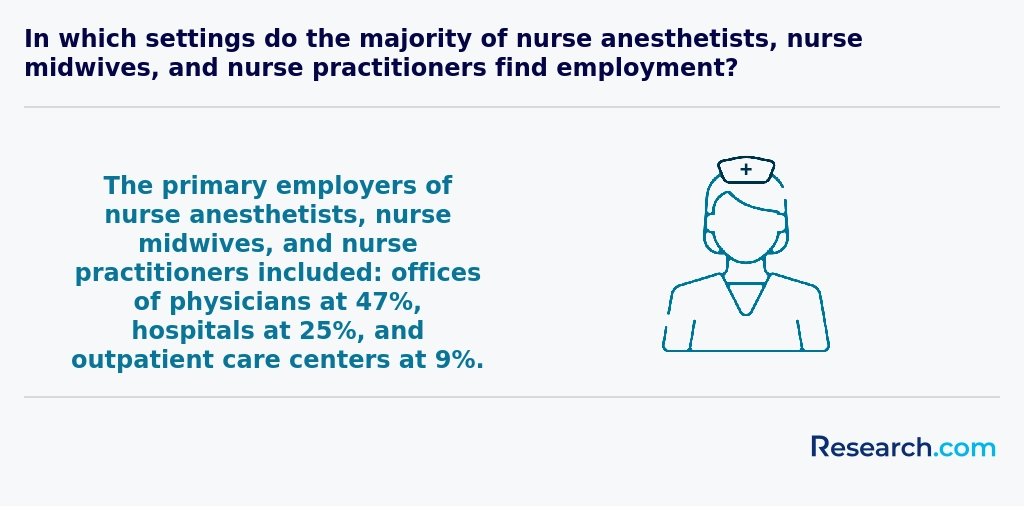
Nursing programs in Syracuse, NY, are accredited by leading bodies such as the Commission on Collegiate Nursing Education (CCNE) and the Accreditation Commission for Education in Nursing (ACEN), ensuring that curricula meet national quality standards. Equally important to prospective students is the NCLEX-RN pass rate, a key indicator of program effectiveness and graduate readiness. Below is a snapshot of recent NCLEX-RN success rates for Syracuse-area institutions:
- Syracuse University: 95% first-time pass rate
- Le Moyne College: 93% first-time pass rate
- Onondaga Community College: 92% first-time pass rate These figures exceed the New York State average of 88%, demonstrating the strong preparation students receive. Accredited programs also regularly undergo rigorous review cycles, providing continuous improvement to course content, faculty qualifications, and clinical partnerships. For those aiming to advance their credentials while managing costs, you may also explore the cheapest online msn programs, which maintain accreditation and competitive NCLEX pass rates.
Nursing students in Syracuse have access to a variety of financial aid options tailored to ease the financial burden of their education. Federal aid plays a significant role, with Pell Grants providing up to $7,395 in need-based, non-repayable funding-a critical resource acknowledged by graduates from Syracuse University and Onondaga Community College. Complementing grants, federal Direct Subsidized and Unsubsidized Loans offer flexible repayment plans, benefiting many nursing students who balance studies with work or family commitments.
New York State's Excelsior Scholarship stands out by covering full tuition at public institutions for eligible students, helping local nursing students stay focused on their clinical training rather than financial stress. Graduates often share how this scholarship enabled them to fully engage with demanding coursework without the distraction of mounting expenses.
Beyond federal and state aid, local scholarships from healthcare organizations and nursing associations provide specialized support. Many nursing students cite the Central New York Community Foundation's scholarships as transformative, easing costs related to books, uniforms, and exam fees. Additionally, federal work-study programs offer practical, part-time employment opportunities that align with students' educational goals and schedules.
Students report that collaborating with financial aid offices at Syracuse-area colleges is invaluable. Tailored aid packages, combining these resources, make the journey through nursing education financially manageable and emotionally empowering for many aspiring healthcare professionals.
For nurses aiming to expand their scope of practice and assume primary care responsibilities, Family Nurse Practitioner (FNP) programs offer a clear pathway to advanced clinical roles. FNPs are licensed to assess, diagnose, and manage acute and chronic health conditions across the lifespan, often serving as primary care providers in underserved communities. Coursework typically includes advanced health assessment, pathophysiology, pharmacology, and evidence-based practice, complemented by 600–700 clinical hours in diverse settings such as family clinics, pediatrics, and geriatrics. Many graduate programs now offer accelerated formats to meet growing demand for APRNs. Prospective students should compare accreditation by the Commission on Collegiate Nursing Education (CCNE) or the Accreditation Commission for Education in Nursing (ACEN) and review NCLEX pass rates, job placement statistics, and faculty-to-student ratios. For those seeking intensive, fast-track options, consider exploring our one-year online fnp programs, which combine flexible online didactics with closely supervised clinical preceptorships. Admission requirements for FNP tracks often include a BSN from an accredited institution, a minimum GPA (commonly 3.0 or higher), RN licensure, and professional recommendations. Competitive programs may also request personal statements detailing leadership experience and commitment to primary care. Graduates of FNP programs report median starting salaries between $100,000 and $115,000 in New York State, reflecting strong job growth projected at 45% through 2032. By choosing a program aligned with your career goals-whether campus-based or hybrid-you can leverage advanced practice credentials to deliver comprehensive, patient-centered care.
Enrolling in nursing degree programs in Syracuse requires meeting established prerequisites that align with national standards, though exact requirements can vary by institution. Graduates from prominent Syracuse nursing colleges often recall the importance of having a high school diploma or GED along with a solid foundation in biology, chemistry, and mathematics, which are crucial for succeeding in demanding coursework.
Many prospective students must complete specific prerequisite courses before applying, such as human anatomy and physiology, microbiology, nutrition, psychology, and English composition. These foundational subjects prepare students for the clinical and theoretical challenges ahead.
Applicants to Syracuse nursing schools frequently share that maintaining a competitive GPA-typically between 2.5 and 3.0-is essential to secure admission. Beyond academics, programs require background checks and proof of immunizations, reflecting the professional standards expected in healthcare environments.
Standardized entrance exams like the TEAS also play a significant role, helping applicants demonstrate their academic readiness. These requirements, though rigorous, inspire many to feel confident and motivated, knowing they are well-equipped for a rewarding nursing career.

Graduates of Syracuse’s nursing programs consistently achieve strong NCLEX-RN first-time pass rates, reflecting the quality of instruction and clinical preparation provided by local institutions. Syracuse University reports a 95% first-time NCLEX pass rate, while Le Moyne College and Onondaga Community College average 92% and 90%, respectively. These figures exceed the national average of 88%, demonstrating the effectiveness of hands-on simulation labs, extensive clinical rotations, and dedicated exam review workshops. Accreditation by the Commission on Collegiate Nursing Education (CCNE) and the Accreditation Commission for Education in Nursing (ACEN) ensures that curricula align with current best practices and competency standards set by state boards of nursing. Prospective students should confirm program accreditation and review NCLEX performance data, often published on institutional websites, to gauge their likelihood of licensure success. For those considering advanced practice roles, exploring graduate programs with proven licensure outcomes is equally important. For additional options and cost-effective pathways to a master’s degree, see the Most Affordable Online Master's in Nursing Degree Programs Ranking in Ohio.
Nursing degree programs in Syracuse, particularly at institutions like SUNY Upstate Medical University, offer a comprehensive blend of courses designed to equip students with vital knowledge and skills. Graduates often reflect on foundational classes such as human anatomy and physiology, which provide a clear understanding of the human body by connecting textbook learning to hands-on lab experiences.
Core courses in pathophysiology and pharmacology stand out as essential, helping students grasp how diseases impact body systems and how to safely administer medications. Many nursing students in Syracuse find these subjects both challenging and rewarding, as they directly prepare them for clinical settings.
Hands-on learning is emphasized through nursing fundamentals, patient assessment, and ethics, enabling students to develop communication skills and ethical judgment. Local clinical rotations in Syracuse-area hospitals further enhance this training, making theoretical lessons come alive through real patient interactions.
Mental health and community health nursing courses equip students to address diverse populations, while leadership classes prepare those aiming for administrative roles. These combined experiences foster a deep sense of readiness and confidence among nursing graduates ready to serve within Syracuse's healthcare landscape.
Nursing degree specializations in Syracuse offer students focused paths tailored to regional healthcare demands and evolving industry standards. Graduates from popular institutions have noted the invaluable experience gained through specializations such as Registered Nurse (RN) to Bachelor of Science in Nursing (BSN) programs, which enhance clinical proficiency for bedside care. Other prominent options include Family Nurse Practitioner (FNP), emphasizing comprehensive primary care for diverse age groups; Gerontological Nursing, addressing the complexities of elderly patient care amid New York State's aging demographic; and Psychiatric-Mental Health Nursing, a critical field responding to increased attention on behavioral health.
Students specializing in Pediatric Nursing or Critical Care Nursing appreciate the hands-on clinical rotations offered by Syracuse-area hospitals, such as Upstate University Hospital. These real-world experiences prepare nurses for challenges in pediatric wards or intensive care units, fostering confidence and professional growth. Those exploring advanced nursing programs Syracuse NY often find pathways designed to combine rigorous academic training with practical skills, helping graduates thrive in competitive healthcare settings while feeling motivated by meaningful patient interactions.
For those considering further education, the region also features cheapest online msn programs that complement in-person specialization tracks, expanding options for career advancement within the state's diverse nursing fields.
Choosing the best nursing degree in Syracuse involves evaluating your career goals and the educational pathways suited to them. Graduates from SUNY Upstate Medical University often highlight how the BSN program's strong focus on clinical placements within Syracuse's extensive healthcare network prepared them effectively for real-world demands. These programs balance theoretical knowledge with hands-on experience, which is essential for success in nursing roles requiring leadership and specialization. Considering affordable nursing degree options Syracuse, such as ADN programs at Onondaga Community College, can offer a more budget-friendly path while still providing accredited education and good NCLEX pass rates.
Students often emphasize the importance of program accreditation and the strong local NCLEX pass rates that reflect high teaching standards. Flexibility is also key; many find part-time or evening classes ideal for balancing work and study. For those seeking faster progression, graduates recommend exploring one-year online fnp programs as promising alternatives, especially when aiming to enter specialized nurse practitioner roles.
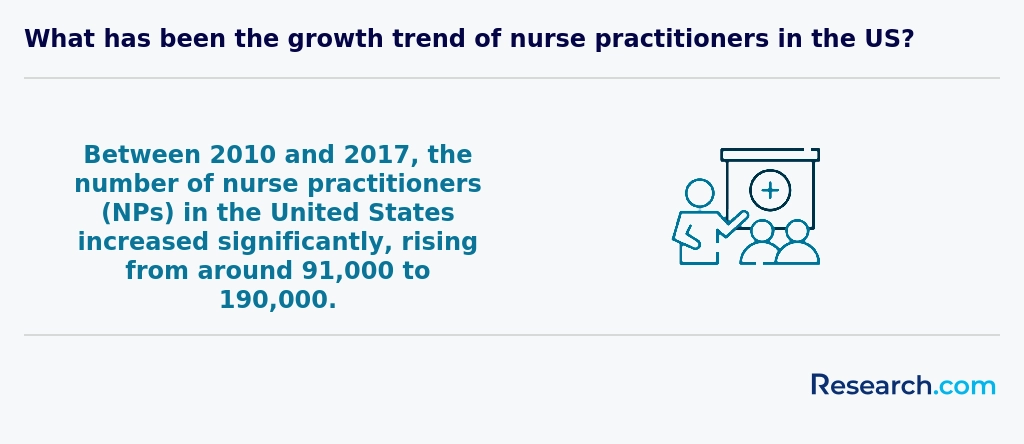
Graduates with a nursing degree in Syracuse have access to diverse nursing career opportunities in Syracuse, reflecting the versatility of the profession in this region. Many find rewarding positions in hospitals such as Upstate University Hospital, gaining hands-on experience in acute care settings like emergency departments and intensive care units. Others choose to specialize in fields such as pediatrics or geriatrics, tailoring their expertise to meet specific patient needs, which alumni of Syracuse-area colleges often speak about with enthusiasm.
Advanced practice roles, including nurse practitioners and nurse anesthetists, appeal to those seeking increased autonomy and higher compensation, often requiring further study. Community health nursing professionals engage with local public health initiatives that impact Syracuse neighborhoods directly, creating a meaningful connection to the community. Graduates pursuing administrative or educational tracks leverage skills gained from college programs to lead nursing teams or train future healthcare professionals, enhancing the healthcare landscape.
With strong job prospects with nursing degree Syracuse graduates value the practical experience and professional growth available locally. For those considering further education options, exploring the Most Affordable Online Master's in Nursing Degree Programs Ranking in Ohio can support career advancement while managing tuition costs.
The nursing job opportunities in Syracuse remain strong due to the city's robust healthcare system, which includes prominent institutions like Upstate University Hospital. Graduates of nursing programs at Syracuse's well-regarded colleges often find rewarding employment in local hospitals, outpatient clinics, and community health organizations, where demand for skilled nurses is steadily growing. Many graduates share how their education prepared them for varied roles, from critical care to geriatrics, reflecting the diverse needs within the area.
Students pursuing a nursing degree in Syracuse benefit from competitive tuition rates at public institutions, making it financially feasible to enter this promising field. With an expected job growth of 9-12% through 2032, Syracuse nursing degree employment outlook is favorable, supporting a steady influx of new professionals into the local workforce. Additionally, opportunities extend to educational and administrative nursing roles, benefiting graduates aiming for career advancement beyond direct patient care.
For those balancing life and study, exploring fast online programs for working adults in nursing offers additional flexibility while tapping into Syracuse's thriving healthcare market.
2027 Best Nursing Degree Programs Ranking in Syracuse
Investing in your education is a significant decision that can shape your future, and the Research.com team understands the importance of making informed choices. To assist prospective students in Syracuse, we have meticulously crafted the "2027 Best Nursing Degree Programs Ranking in Syracuse." Our commitment to quality, credibility, and accuracy is reflected in the extensive research and analysis conducted to compile this ranking.
We utilized the following reputable data sources to ensure a comprehensive evaluation of nursing programs:
By exploring this ranking, readers will gain valuable insights into the best nursing degree programs available in Syracuse, helping them make informed decisions about their educational paths. For more details on our methodology, please visit our Research.com methodology page.


Frequently Asked Questions About nursing
Nursing degree students in Syracuse can maximize their learning experience by actively engaging in clinical placements offered through local hospitals and health centers. Syracuse's healthcare facilities, including St. Joseph's Hospital Health Center, provide vital hands-on opportunities that complement classroom theory. According to the New York State Education Department, practical experience remains a key element in nursing education for licensure readiness.
Students should also take advantage of additional resources such as simulation labs available at institutions like SUNY Upstate Medical University. These labs offer realistic patient scenarios, enhancing critical thinking and decision-making skills.
Joining study groups and professional nursing organizations can improve understanding and networking. Balancing academic coursework with volunteer work in Syracuse communities helps develop communication and empathy skills essential to nursing practice.
The nursing field in Syracuse is evolving with several emerging niches attracting attention and demand. One notable area is geriatric nursing, reflecting the region's growing elderly population. According to the U.S. Census Bureau, Onondaga County, where Syracuse is located, has seen a 12% increase in residents aged 65 and older over the past decade.
Another expanding niche is community health nursing, vital for addressing local public health challenges. Syracuse's recent health reports emphasize the need for nurses specializing in managing chronic diseases and health education.
Additionally, informatics nursing is gaining importance. This specialty combines nursing with data management to improve healthcare outcomes, especially as local hospitals advance their digital records systems.
Finally, psychiatric nursing is growing due to increased awareness around mental health and expanding behavioral health services within Syracuse's healthcare system.
After completing a nursing degree in Syracuse, preparing for the job market involves both practical and strategic steps. First, obtaining licensure through the National Council Licensure Examination (NCLEX-RN) is essential to practice as a registered nurse. Syracuse supports many clinical internship opportunities thanks to partnerships with local hospitals such as SUNY Upstate Medical Center.
Networking plays a critical role; attending job fairs and joining nursing organizations like the New York State Nurses Association can improve employment chances. According to the U.S. Bureau of Labor Statistics, registered nursing jobs in Syracuse are projected to grow by about 9% through 2030, reflecting strong demand.
Building skills in specialized care areas and engaging in continuing education also enhances employability in this competitive market.
Employers in Syracuse highly value nursing graduates who demonstrate strong clinical skills and critical thinking. According to the New York State Department of Labor, proficiency in patient care, medication administration, and understanding of electronic health records is essential.
Communication skills are particularly important, as nurses must effectively coordinate with patients and healthcare teams. A 2023 survey by the Syracuse Healthcare Council highlighted that 68% of local employers prioritize interpersonal skills in new nursing hires.
Adaptability and stress management are also crucial, given the fast-paced nature of healthcare environments in Syracuse hospitals and clinics. Employers look for graduates who can handle shifting priorities under pressure.
Knowledge of local healthcare regulations and a commitment to continued education further strengthen a nursing candidate's profile in the Syracuse job market.
Finding nursing internships in Syracuse involves leveraging local healthcare resources and academic institutions. Syracuse University and Onondaga Community College offer nursing programs that often include clinical placements or internship opportunities essential for hands-on experience. Hospitals such as Upstate University Hospital and St. Joseph's Health frequently collaborate with these schools to provide internships designed for nursing students.
Students should utilize university career centers and local job boards like the Syracuse Regional Health Job Bank to identify available positions. Networking with nursing faculty and attending local healthcare career fairs can further increase internship chances. According to the New York State Department of Labor, the healthcare sector in Syracuse continues to grow, underscoring expanding internship availability for nursing students.
Obtaining a nursing degree in Syracuse significantly enhances career mobility and advancement opportunities. The region's healthcare sector, including hospitals like Upstate University Hospital, consistently seeks qualified nurses, making degree holders more competitive. According to the U.S. Bureau of Labor Statistics, registered nurses in New York State earn a median annual wage above the national average, encouraging further educational pursuits.
Nursing degrees-from associate to bachelor's and advanced practice levels-open pathways to roles such as nurse practitioners, educators, and administrators. Employers in Syracuse highly value Bachelor of Science in Nursing (BSN) credentials for leadership positions. Additionally, the New York State Department of Labor projects a steady growth rate of nearly 12% for nursing jobs locally through 2030.
Higher qualifications also facilitate specialty certifications and better pay. Consequently, earning a nursing degree in Syracuse is a proven strategy for sustained career growth in diverse healthcare settings.
Studying for a nursing degree in Syracuse equips students with skills essential for interdisciplinary collaboration in healthcare settings. Programs emphasize teamwork between nurses, physicians, social workers, and therapists, reflecting the integrated nature of patient care.
Local institutions incorporate clinical experiences in Syracuse hospitals and community health centers, exposing students to diverse healthcare professionals. According to the New York State Education Department, Syracuse-area nursing programs strongly focus on communication and leadership skills, preparing graduates to coordinate complex care plans effectively.
This approach aligns with national nursing trends promoting interprofessional education to improve patient outcomes, which is crucial in Syracuse's growing healthcare landscape.
When choosing between a thesis and a non-thesis nursing degree program in Syracuse, it is essential to consider your career goals and learning preferences. Thesis programs typically emphasize research skills and culminate in a written thesis, preparing students for roles in academia, clinical research, or advanced study.
Non-thesis programs focus more on practical knowledge and coursework, appealing to those who prefer to enter or advance in clinical practice quickly. According to the New York State Education Department, Syracuse offers multiple accredited nursing programs with both options, each catering to different career paths.
Students aiming for roles in healthcare leadership or specialized clinical positions may benefit from the applied approach of non-thesis degrees, while those interested in contributing to nursing science or pursuing doctoral studies often prefer thesis options.
Students based in Syracuse interested in studying nursing abroad have several pathways to consider. Many universities in the U.S., including those in Syracuse, offer exchange programs or partnerships with institutions overseas, allowing students to gain international clinical experience while earning credit toward their degree. For example, Syracuse University's College of Health and Human Services sometimes facilitates such opportunities, though availability may vary by year.
Another option is enrolling directly in accredited nursing programs abroad that align with U.S. nursing licensure requirements. However, careful evaluation of program accreditation and licensure transferability is essential to ensure eligibility for the NCLEX-RN exam.
Financial aid and scholarships specific to study abroad in nursing are limited but worth exploring through university advising offices and specialized organizations.
Part-time job opportunities in Syracuse that complement nursing degree education often include roles such as certified nursing assistant (CNA), health aide, or medical scribe. These positions offer practical experience in healthcare settings, essential for building clinical skills. According to the New York State Department of Labor, CNAs in Syracuse earn an average hourly wage of around $15 to $18, reflecting accessible entry-level healthcare work.
Additionally, roles in local hospitals like Upstate University Hospital provide flexible shifts suited for students, enhancing both experience and networking opportunities. Medical scribing jobs also help develop documentation skills critical for nursing professionals.
Such jobs not only support financial needs but also improve understanding of patient care dynamics, crucial for success in nursing programs and beyond.
Nursing students in Syracuse have access to various networking opportunities that help build professional connections. Local universities, such as Syracuse University and Onondaga Community College, often host nursing career fairs where students meet employers and healthcare professionals. Additionally, the Central New York Chapter of the American Nurses Association organizes monthly meetings and workshops, fostering peer interaction and mentorship.
Students can also join student nursing associations, which provide leadership roles and community service activities. Syracuse's healthcare system, including Crouse Hospital and Upstate University Hospital, offers clinical placements that encourage students to network with practicing nurses and staff. These connections can be valuable when seeking employment after graduation.
Alumni networks provide significant benefits to nursing degree students in Syracuse by offering valuable professional connections. These networks create opportunities for mentorship from experienced nurses who graduated from local institutions, such as SUNY Upstate Medical University. According to the National Student Nurses' Association, strong alumni ties improve job placement rates by up to 30%, a relevant figure given Syracuse's competitive healthcare market.
Networking events and workshops organized by alumni associations help students gain insights into real-world nursing challenges and employment trends in the region. These networks also facilitate internships and clinical placements in prominent Syracuse hospitals, enhancing practical experience.
Furthermore, alumni support often includes career guidance and access to job openings not advertised publicly, a crucial advantage in the dense healthcare sector of Central New York.
Customizing a nursing degree program in Syracuse involves selecting specialized courses and clinical experiences that align with your career goals. Many local institutions offer tracks such as pediatric, geriatric, or psychiatric nursing, allowing students to focus on areas of interest. You can often choose electives related to healthcare management, community health, or advanced practice to tailor your education.
Additionally, Syracuse's healthcare partnerships provide diverse clinical placements, which are crucial for practical skills. The New York State Education Department supports flexible pathways, including accelerated BSN or bridge programs for current nurses seeking advanced degrees. This adaptability helps match the evolving demands of the nursing profession locally and statewide.
Nursing students in Syracuse face several common challenges during their education. One significant hurdle is balancing demanding clinical hours with classroom learning. Clinical placements often require long shifts in hospitals or care facilities, which can be physically and mentally exhausting.
Another difficulty is the high level of academic rigor. Students must master complex subjects such as pharmacology, anatomy, and patient care protocols. According to the New York State Education Department, the NCLEX pass rate for Syracuse nursing graduates has hovered around 85%, highlighting the challenging nature of the exams.
Financial strain is also notable, as tuition and living costs in Syracuse contribute to student debt. Finally, adapting to fast-evolving healthcare technology and protocols requires continuous learning throughout the program.
With a nursing degree in Syracuse, graduates can pursue various professional certifications to enhance their career opportunities. Common certifications include the Registered Nurse (RN) license, which is mandatory to practice nursing in New York State. Beyond the RN, many nurses seek specialty certifications, such as Certified Nurse Practitioner (CNP), Certified Nurse Educator (CNE), or Certified Clinical Nurse Specialist (CNS).
Local healthcare employers in Syracuse often value certifications from the American Nurses Credentialing Center (ANCC) and the American Association of Critical-Care Nurses (AACN). According to the New York State Department of Education, holding additional credentials can increase job prospects and potential salaries in the region.
Certification typically requires passing a national exam and maintaining continuing education credits. Syracuse nursing programs often provide support for certification preparation.
Writing a winning application for a nursing program in Syracuse requires careful preparation and attention to detail. Start by researching the specific requirements of local schools like Onondaga Community College or Le Moyne College, which often emphasize a strong academic record and relevant healthcare experience. Meeting the prerequisite courses in biology, chemistry, and anatomy is crucial, as these subjects form the foundation of nursing education.
Personal statements should clearly express your motivation for nursing and connect your experiences to your career goals. Including volunteer or work experience in healthcare settings demonstrates commitment and practical knowledge. Additionally, strong letters of recommendation from healthcare professionals or professors can significantly enhance your application.
Many Syracuse nursing programs use the TEAS (Test of Essential Academic Skills), so preparing to score well on this exam is key. According to the National League for Nursing, competitive applicants often score above 70% on the TEAS, reflecting readiness for rigorous study. Finally, ensure your application is error-free and submitted by deadlines to be considered.
The nursing profession is recognized globally as essential to healthcare systems, and the United States consistently ranks nurses among the most trusted professionals. In Syracuse, nursing careers align with this trend, reflecting demand both locally and worldwide. The U.S. Bureau of Labor Statistics projects a 9% growth for registered nurses nationwide from 2022 to 2032, which echoes global expectations for increased healthcare workers due to aging populations and chronic diseases.
Internationally, nursing practices and education vary, but U.S. nursing degrees, including those offered in Syracuse, are highly respected, often serving as a standard for quality. Syracuse universities emphasize evidence-based training, preparing graduates for both local and international opportunities. According to the New York State Department of Labor, Syracuse continues to seek qualified nurses, highlighting the city as a strategic place for career growth within a global context.
Gaining practical experience while studying for a nursing degree in Syracuse is essential for building clinical skills and improving job prospects. Many nursing programs in the area partner with local hospitals, such as Upstate University Hospital, to offer supervised clinical rotations. These placements allow students to work directly with patients under professional supervision.
Additionally, internships and externships are commonly integrated into nursing curricula to provide hands-on experience. According to the New York State Education Department, students typically complete at least 500 clinical hours before graduation.
Some students also pursue volunteer opportunities or part-time work in healthcare settings like nursing homes or community health clinics, further enhancing their practical knowledge.
Choosing the right concentration within a nursing degree program in Syracuse involves considering your career goals, interests, and the healthcare needs of the local community. Syracuse, part of Onondaga County, has seen growing demand for specialized nurses, especially in gerontology and mental health, due to its aging population and focus on behavioral health services (New York State Department of Health, 2023).
Research various concentrations such as pediatric, critical care, or community health nursing to find one that aligns with your passion. Look at clinical opportunities offered by Syracuse-area hospitals like Upstate University Hospital, which influence hands-on experience.
Review program accreditation and state licensure pass rates to ensure quality education suitable for New York's licensing requirements.
- 2027 Best Nursing Degree Programs Ranking in Rochester
- 2027 Best Nursing Degree Programs Ranking in Bronx
- 2027 Best Nursing Degree Programs Ranking in New York
- 2027 Best Nursing Degree Programs Ranking in Brooklyn
- 2027 Best Nursing Degree Programs Ranking in Baltimore
- 2027 Best Nursing Degree Programs Ranking in Boston
- 2027 Best Nursing Degree Programs Ranking in Pittsburgh
- 2027 Best Nursing Degree Programs Ranking in Washington
- 2027 Best Nursing Degree Programs Ranking in Cleveland
- 2027 Best Nursing Degree Programs Ranking in Harrisonburg
See What Experts Have To Say About Studying Nursing
Read our interview with Nursing experts


- Essential Tips for Nursing Students to Advance Their Careers https://almanaltraining.com/essential-tips-for-nursing-students-to-advance-their-careers/
- Nursing - WSEI University https://www.wsei.pl/en/admission/bachelors-degree/nursing-bachelor-degree/
- Registered Nurse- Adjunct Faculty College of Nursing in Syracuse, New York, 13203 | Nursing at St. Joseph's Health https://jobs.trinity-health.org/stjosephshealth/job/TRHEUS00634453STJOSEPHSHEALTHENUS/Registered-Nurse-Adjunct-Faculty-College-of-Nursing
- Top Nursing Skills U.S. Employers Want to See on Your Resume | O'Grady Peyton https://www.ogradypeyton.com/blog/job-seeker-resources/top-nursing-skills-u.s.-employers-want-to-see-on-your-resume
- Types of Nursing Degrees-Which One Is Yours? https://www.allnursingschools.com/how-to-get-into-nursing-school/degree-options/
- New state-funded program to pay for nursing degree | WSYR https://www.localsyr.com/news/local-news/new-state-funded-program-to-pay-for-nursing-degree/
- Client Challenge https://www.springerpflege.de/nursing-graduates-perceived-future-career-pathway-and-career-shi/50653658
- 7 Nursing School Tips for Studying https://www.denvercollegeofnursing.edu/blog/nursing/7-Nursing-School-Tips-for-Studying.html
- What Are the Best RN Certifications for Your Career? https://credenzahealth.com/career-advice/what-are-the-best-rn-certifications-for-your-career
- Know more about thesis vs non- thesis: what is the difference? https://studyfans.com/en/blogs/816