2027 Most Affordable Nursing Degree Programs Ranking in Delaware

Co-Founder and Chief Data Scientist
Choosing the right nursing degree program is a crucial step toward a rewarding healthcare career. This article presents the 2027 Most Affordable Nursing Degree Programs Ranking in Delaware, thoughtfully compiled by the Research.com team of data scientists. It's designed to help you make an informed decision by focusing on cost-effective options without sacrificing quality.
Discover programs that fit your budget and goals while opening doors to meaningful work. Pursuing a nursing degree can transform your future, offering stability, growth, and the chance to make a real difference in your community.
Key benefits of getting nursing degree in Delaware
- Salary: Graduates with a nursing degree in Delaware can expect strong earning potential, with roles like Registered Nurse and Public Health Nurse averaging an annual wage of $94,480, while Operating Room Nurses earn about $128,490 per year.
- Career Paths: Nursing graduates from Delaware colleges often find diverse opportunities in hospitals, community health, and education, enabling fulfilling careers that match their passions and strengths.
- Online Degree Benefits: Pursuing a nursing degree online in Delaware offers flexibility and convenience, allowing students to balance work and study while enjoying the same respected credentials as traditional programs.
- 2027 Most Affordable Nursing Degree Programs Ranking in Delaware
- What can I expect from nursing degree in Delaware?
- Where can I work with nursing degree in Delaware?
What can I expect from nursing degree in Delaware?
The average cost of pursuing a nursing degree in Delaware often surprises prospective students, especially when comparing community colleges and four-year universities. Graduates from Delaware Technical Community College commonly recall that their Associate Degree in Nursing (ADN) programs cost significantly less-sometimes less than half-compared to attending the University of Delaware for a Bachelor of Science in Nursing (BSN). This affordability allows many students to focus more on mastering clinical skills without the looming pressure of massive debt.
One graduate from Delaware Tech described how the lower tuition eased their financial worries, making it possible to gain valuable hands-on experience at Bayhealth Medical Center. Meanwhile, BSN students at the University of Delaware reflect on balancing tuition costs with access to broader academic resources and research opportunities. These experiences highlight that while the price tag varies, Delaware nursing programs offer practical value that directly impacts students' confidence and readiness in real-world settings.
Where can I work with nursing degree in Delaware?
Graduates from nursing programs in Delaware often envision themselves confined to traditional hospital roles, yet the reality is far more expansive. Many find rewarding careers not only in prominent hospitals like ChristianaCare or Bayhealth Medical Center but also in outpatient clinics where they manage chronic illnesses and foster patient education daily. Imagine a recent graduate from University of Delaware supporting elderly patients through outpatient care, witnessing the profound impact of preventive strategies firsthand.
Long-term care facilities are also crucial destinations for nursing graduates, reflecting Delaware's aging population. A graduate from Delaware Technical Community College shared the fulfillment of providing compassionate care in nursing homes, bridging medical needs with emotional support for residents. These settings challenge nurses to combine clinical skills with empathy in powerful ways.
Moreover, community and public health roles-including work in schools, correctional institutions, and nonprofit organizations-offer unique chances to make a tangible difference in underserved populations. Nurse practitioners trained locally often step into independent or collaborative roles, transforming healthcare access across Delaware's diverse communities.
Graduates from nursing programs at institutions like the University of Delaware often find that the state's competitive healthcare market pays well for their skills. Registered Nurses here earn an average annual wage of about $94,480, notably higher than many expect, reflecting Delaware's increasing demand for healthcare professionals. Picture starting your career with a salary near $78,500 and quickly advancing, knowing that experience and additional certifications could elevate your earnings substantially.
Consider the path of a graduate who moves into specialized roles. For instance, becoming an Operating Room Nurse can boost your salary to approximately $128,490 annually. This jump highlights how expertise in critical areas transforms your earning potential, rewarding dedication and advanced skills.
Graduates from Delaware State University, for example, often share that their nursing education opens doors beyond bedside care, leading to roles such as Public Health Nurses or Emergency Room Nurses earning around $94,480 annually. These figures challenge the myth that nursing degrees limit financial growth, revealing a promising landscape for those ready to embrace the state's dynamic healthcare environment.
- Delaware offers ADN and BSN nursing programs at multiple accredited institutions.
- Tuition ranges from about $10,000 for an ADN to $40,000 or more for a BSN at public schools.
- Early-career registered nurses earn around $62,000 annually, with experienced nurses often making over $80,000.
- Nursing jobs in Delaware are expected to grow by more than 10% in the next decade, faster than average for all jobs.
- Licensing requires passing the NCLEX-RN after completing an approved program, with options for continuing education and advancement.
- Financial aid, scholarships, and lower tuition for residents help make nursing degrees more affordable in Delaware.
Completing a nursing degree in Delaware challenges the notion that all nursing paths are lengthy and rigid. Graduates from Delaware Technical Community College often find themselves entering the workforce in about 2 years through the ADN program, balancing study with real-life responsibilities. This contrasts sharply with BSN students at the University of Delaware, who commit to a fuller 4-year journey rich in leadership and research but experience a profound sense of accomplishment and readiness for diverse nursing roles.
For some, the accelerated BSN at Wilmington University transforms what might seem like a long haul into a focused 12 to 18 months-ideal for those eager to shift careers swiftly yet deeply. These examples reveal how Delaware's mix of institutions offers flexible timelines reflecting students' unique life circumstances. Students often recount feeling empowered by choosing paths that align with their goals, whether racing to enter nursing or embracing a comprehensive academic experience. This nuanced timeframe invites prospective nurses to rethink the "quick or long" cliché and embrace the full spectrum of possibility Delaware provides.
Choosing a nursing degree program with proper accreditation and licensure pathways ensures you can sit for the NCLEX exam and practice in Delaware. Follow these key guidelines:
- Confirm ACEN or CCNE accreditation to meet national quality standards
- Ensure the program is approved by the Delaware Board of Nursing
- Review recent NCLEX-RN (or PN) pass rates; aim for programs with pass rates above 80%
- Verify required clinical hours align with Delaware state requirements
Graduates from accredited programs gain eligibility for NCLEX testing and Delaware licensure. If you plan to advance toward nurse practitioner roles, compare affordable np programs to continue your education seamlessly.
The difference between online and on-campus nursing degrees in Delaware often boils down to how students experience learning and clinical training. Graduates from University of Delaware's on-campus program recall the energizing buzz of campus life-direct chats with professors, hands-on labs, and study sessions in shared spaces that sparked motivation. In contrast, nurses who took RN-to-BSN courses online describe the freedom of balancing work and family while advancing their education, appreciating the ability to study from home without sacrificing income or daily responsibilities.
Yet, both paths converge on clinical experience, a non-negotiable in Delaware's nursing regulations. Online students coordinate local placements that weave their classroom knowledge into real patient settings near their lives, while on-campus students tap into campus networks, easing access but often involving a commute or relocation.
Tuition doesn't stray far between options, but hidden costs like commuting, housing, or campus fees shift the financial picture. These realities push Delaware's future nurses to reflect deeply on what learning environment aligns with their lifestyles and ambitions.
After completing your nursing degree, obtaining the proper licensure and certification is critical to begin practicing in Delaware. Below is an overview of the essential steps and requirements: 1. Graduate from an accredited nursing program 2. Register for and pass the NCLEX-RN examination 3. Submit an application to the Delaware Board of Nursing, including: • Official transcripts • Proof of graduation from an ACEN- or CCNE-accredited school • A completed fingerprint-based criminal background check • Application and NCLEX eligibility fees 4. Receive your Delaware RN license, typically issued within 4–6 weeks of passing NCLEX-RN 5. Maintain and renew licensure every two years by completing 30 contact hours of continuing education (CE) in approved topics such as: • Pain management and palliative care • Cultural competence and health equity • HIV/AIDS care requirements • Infection control and patient safety 6. Obtain specialty certifications through national bodies (ANCC, AANP) if pursuing advanced practice roles like Nurse Practitioner or Clinical Nurse Specialist For nurses aiming to elevate their credentials with a doctoral degree, our Most Affordable Online Doctorate in Nursing Degree Programs Ranking in Pittsburgh, PA highlights cost-effective, accredited programs that prepare you for national certification exams and leadership positions in healthcare.
The average nursing degree cost in Delaware reveals a nuanced landscape that challenges many students' assumptions about affordability. While the median in-state total cost is approximately $12,630, this figure masks the variety of experiences students face depending on where they enroll. Graduates from public universities often recall their relief at manageable tuition rates that aligned closely with Delaware's commitment to accessible higher education. Community colleges, like Delaware Technical Community College, frequently enable students to pursue ADN programs with tuition hovering around $150 per credit hour, translating to a total well below many might expect for a quality nursing education.
Conversely, students attending private institutions encounter tuition costs exceeding $20,000 annually, a reality that often demands careful financial planning and the pursuit of scholarships or grants. These financial demands, however, have not deterred many from embracing their passion, knowing the investment reflects a step towards a fulfilling healthcare career. For those weighing where to study, understanding Delaware affordable nursing programs tuition becomes essential, especially when considering additional costs like textbooks and clinical supplies, which graduates often describe as significant yet manageable hurdles.
A graduate from a popular nursing college in Delaware once shared how the balance of costs and opportunities shaped their journey, ultimately affirming that the value received justifies the expenses. Aspiring nurses should explore all financial aid possibilities and consider the outcomes of programs carefully. To identify options tailored to local circumstances, one might consult resources highlighting the best nursing program in Delaware, which often pairs competitive tuition with robust clinical training.

Delaware’s nursing landscape supports a variety of bridge programs designed to help Registered Nurses (RNs) accelerate their careers and specialize in high-demand roles. Whether you hold an Associate Degree in Nursing (ADN) or a Bachelor of Science in Nursing (BSN), structured pathways exist to earn a Master of Science in Nursing (MSN) or become a Family Nurse Practitioner (FNP). ADN-to-BSN programs typically build on foundational coursework in anatomy, pharmacology, and community health, while RN-to-MSN tracks combine undergraduate prerequisites with graduate-level clinical practicum. Many of these programs feature part-time and online options, allowing working nurses to balance shifts with study. For RNs aiming to pursue advanced practice roles, Delaware institutions often partner with accredited universities out of state to offer seamless credit transfer and shared clinical placement sites. This collaborative model ensures continuity in tuition rates and supports faster completion of advanced degrees. To explore top-rated pathways that transition directly from ADN to advanced practice, consider the best online rn to fnp programs, which feature high NCLEX-RN pass rates, robust simulation labs, and dedicated preceptor support. Key benefits of enrolling in a bridge program include:
- Reduced time to degree completion by recognizing prior RN coursework
- Access to specialized FNP, nurse educator, or clinical nurse specialist tracks
- Increased earning potential, with MSN-prepared nurses earning on average 20–30% more than BSN holders
- Flexible delivery formats, including hybrid, synchronous online, and accelerated clinical intensives Before applying, verify that your chosen program is accredited by the Commission on Collegiate Nursing Education (CCNE) or the Accreditation Commission for Education in Nursing (ACEN) and approved by the Delaware Board of Nursing. With the right bridge pathway, Delaware nurses can smoothly advance from bedside care to leadership and advanced practice, meeting both personal and community healthcare needs.
Many nursing students in Delaware discover that financial aid goes far beyond just federal support-it's a patchwork of opportunities uniquely tailored to their journey. A graduate from the University of Delaware once shared how the Pell Grant, averaging around $4,000 annually, made a noticeable dent in tuition costs, allowing focus on clinical practice rather than financial stress. Meanwhile, others attending Delaware Technical Community College leveraged state-specific programs like the Delaware Nursing Incentive Program, which offers loan forgiveness for those committed to local healthcare roles. This wasn't just a monetary benefit but a source of motivation to stay and serve their communities.
Institutional scholarships also play a critical role. Students often talk about how merit or need-based scholarships-offered directly through their nursing school's financial aid office-felt like recognition of their hard work and potential. Employer-funded tuition assistance adds yet another layer of possibility, especially for nursing staff in local hospitals eager to advance their education without the weight of additional debt.
These combined resources create a realistic path through the expensive and demanding nursing degree landscape in Delaware, turning what might feel like a financial mountain into a manageable climb.
When exploring the 2024 Most Affordable Nursing Degree Programs Ranking in Delaware, one crucial factor to consider is accreditation. Accreditation ensures that nursing programs meet specific standards of quality, preparing students for successful careers in healthcare. To find the best nursing program in Delaware, it's essential to look for programs accredited by recognized bodies such as the Commission on Collegiate Nursing Education (CCNE) or the Accreditation Commission for Education in Nursing (ACEN). These accreditations not only validate the program's curriculum and faculty but also facilitate a smoother process for students to obtain federal financial aid and pursue advanced degrees later on. Moreover, accreditation by the Delaware Board of Nursing is vital for obtaining the RN license after graduation, making it a critical consideration for aspiring nurses in the state. By prioritizing accreditation, prospective nursing students can ensure they enroll in a program that provides a high-quality education, paving the way for a rewarding and successful career in nursing.
To step into a nursing program in Delaware, you must first meet a set of meaningful prerequisites that shape not just academic readiness but personal commitment. Graduates from popular institutions like Delaware Technical Community College or the University of Delaware often reflect on how foundational courses-biology with labs, chemistry, anatomy, physiology, and even math-were not just hurdles but essential building blocks for their clinical confidence.
These prerequisites demand more than memorization; they refine your critical thinking under pressure, a skill vividly remembered by many who faced the TEAS test. Passing this exam is less about a grade and more about proving your ability to handle rigorous reading and scientific analysis, which directly translates to patient care scenarios.
Beyond academics, Delaware's nursing programs expect you to submit transcripts, letters of recommendation, and background checks-requirements that underscore your readiness for responsibility. Touching on immunization records reminds you that nursing education is deeply tied to real-world health, not abstract theory.
Those who recall their early days at Delaware's colleges often mention how confronting these prerequisites felt like stepping stones toward a purposeful career, transforming initial apprehension into a strong sense of achievement and belonging.
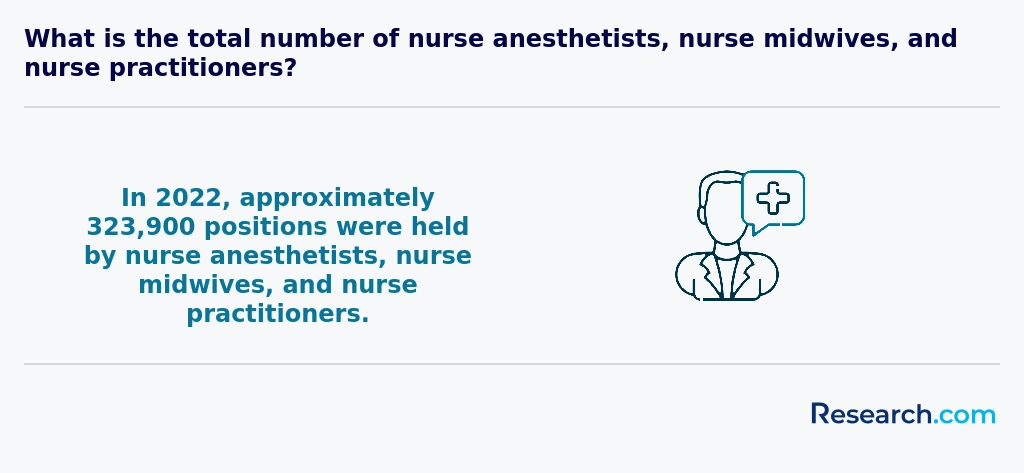
Delaware nursing graduates aiming for advanced practice roles should consider specializations that offer both professional satisfaction and manageable workloads. Choosing nurse practitioner (NP) tracks with consistent hours and lower patient acuity can enhance career longevity and reduce burnout. Specialties such as School Nurse Practitioner, Occupational Health NP, and Public Health NP often feature predictable caseloads, minimal on-call duties, and opportunities to focus on education, prevention, and wellness rather than high-pressure acute care scenarios. Among these, the School Nurse Practitioner role allows you to work within educational settings, promoting child and adolescent health, administering routine screenings, and coordinating care plans with families and school staff. Occupational Health NPs support workplace wellness programs, conduct ergonomic assessments, and educate employees on injury prevention-tasks that blend clinical expertise with health promotion in a controlled environment. Public Health NPs partner with community organizations and local health departments to lead vaccination drives, disease surveillance, and health education campaigns, often enjoying regular office hours and project-based responsibilities. If you’re exploring advanced practice pathways that deliver both career growth and lifestyle balance, consider reviewing our guide to low stress nurse practitioner jobs. This resource details the most accessible NP specialty programs, admission tips, and real-world insights from professionals who have successfully transitioned into roles that prioritize well-being alongside clinical impact.
Nursing degrees in Delaware immerse students in a blend of rigorous science and compassionate care courses, essential for thriving in local healthcare settings. Graduates from institutions like the University of Delaware or Delaware Technical Community College often recall how foundational classes such as anatomy, physiology, and microbiology laid the groundwork for understanding the human body-knowledge they found vital during clinical rotations at ChristianaCare or Bayhealth.
The core nursing curriculum challenges students beyond theory, offering courses like Adult Health Nursing and Mental Health Nursing that call for both critical thinking and empathy. Hands-on learners thrive as they navigate Pediatrics or Maternal and Newborn Nursing, where classroom lessons transform into meaningful patient interactions. A graduate remarked that these immersive courses made the demanding nursing path feel rewarding and deeply personal.
Moreover, Delaware programs intentionally include subjects like nursing ethics, leadership, and pharmacology, preparing students to lead and advocate in diverse medical environments. This holistic coursework, combined with real-world clinical experience, cultivates confident graduates ready to impact healthcare with both skill and heart.
Delaware nursing degree specializations are far from one-size-fits-all; they offer pathways that reflect both the state's healthcare demands and students' evolving passions. Graduates from popular programs at the University of Delaware and Wilmington University often describe how Registered Nurse (RN) to Bachelor of Science in Nursing (BSN) tracks opened doors to focused areas like pediatric or community health nursing, enabling them to connect deeply with patients across diverse age groups and settings.
For those seeking greater autonomy, Advanced Practice Registered Nurse (APRN) options stand out. Specialties such as Certified Nurse Practitioner (CNP) with concentrations in Family or Psychiatric-Mental Health provide graduates with the confidence to impact patient care more independently. Experiences shared by recent grads reveal a strong draw toward Certified Nurse Midwife (CNM) or Certified Registered Nurse Anesthetist (CRNA) paths, emphasizing hands-on work in women's health or surgical environments.
Interestingly, Delaware nursing program career options also include public health and education emphases, equipping nurses to influence policy and teach future professionals. Many alumni highlight how these specializations encourage thoughtful leadership beyond bedside care, aligning their work with community needs and personal growth. Students curious about where to find these meaningful roles have also explored low stress nurse practitioner jobs as part of their career planning.
Choosing your nursing degree in Delaware means grappling with more than just program length or tuition costs. Graduates from the University of Delaware often reflect on how the comprehensive BSN program challenged them to grow beyond clinical skills, opening doors to leadership roles and deeper specialization. Meanwhile, those from Delaware's community colleges appreciate the affordability and timely entry into the workforce that ADN programs provide, emphasizing how practical experience often offsets initial academic prestige.
When weighing affordable nursing degree programs Delaware offers, it's tempting to prioritize cost alone, but consider this: one graduate found that the financial aid and scholarships at a well-known university balanced the higher tuition, ultimately making the investment worthwhile. The strategic choice of program type directly impacts your career trajectory, so understanding accreditation and NCLEX pass rates of different schools matters profoundly for your future security and confidence.
Also, flexibility is crucial-students juggling work and family value hybrid programs that offer online components, allowing steady progress without sacrificing income. For those aiming higher, exploring the best online rn to fnp programs provides an exciting pathway beyond initial qualifications, a key consideration in Delaware's evolving nursing landscape.
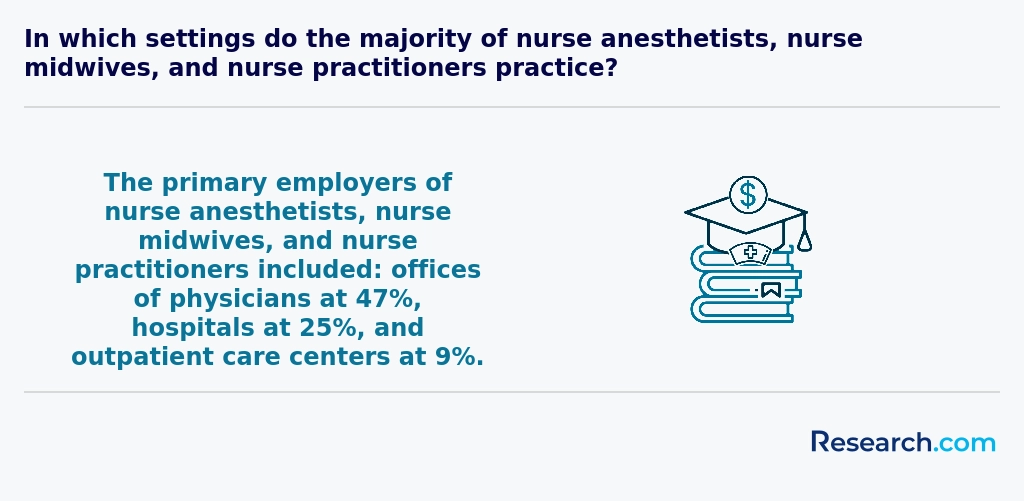
Graduates of nursing programs in Delaware often find themselves at pivotal crossroads, navigating a landscape rich with diverse opportunities. The traditional path of becoming a Registered Nurse (RN) in busy Delaware hospitals or community clinics turns into a launching pad for specialized roles such as Pediatric Nursing or Geriatric Nursing-each demanding unique empathy and expertise. Imagine graduates from the University of Delaware embracing Medical-Surgical Nursing, caring for adults in complex hospital environments, while others from Delaware State University gravitate toward Emergency Nursing, managing the adrenaline and precision required in urgent care.
Exploring nursing career opportunities in Delaware, many graduates are drawn beyond bedside care into fields like nursing education or healthcare administration, driven by a desire to influence the system itself. Some are inspired to advance to Nurse Practitioner roles, taking on more autonomy and higher salaries, responding to the expanding needs of Delaware's aging population. For those balancing work and study, programs like the Most Affordable Online Doctorate in Nursing Degree Programs Ranking in Pittsburgh, PA offer flexibility while expanding horizons.
The nursing job outlook in Delaware offers promising prospects for graduates willing to embrace the state's dynamic healthcare environment. Graduates from well-known programs at Delaware Tech or the University of Delaware often share how clinical placements in nearby hospitals expose them to hands-on experience, making the leap into employment smoother and more confident. Unlike the conventional view that nursing jobs are limited to hospitals, many have found rewarding roles in outpatient centers and home health care, emphasizing Delaware's expanding healthcare landscape.
Employment opportunities are bolstered by state initiatives prioritizing workforce development, particularly loan repayment programs for nurses serving underserved areas. This fosters a sense of purpose beyond just job security, connecting graduates emotionally to community health improvement. For nursing degree seekers, the balance of affordable tuition and steady demand makes Delaware a compelling choice. For those exploring options, reviewing the best college degree paths frequently includes nursing given its growth potential and meaningful career impact.
Understanding Delaware nursing degree employment opportunities means recognizing how graduates navigate a market that values BSN credentials for leadership roles, with associate degree holders gaining quick entry to entry-level positions. This flexibility allows graduates to tailor their path to personal and professional growth within a thriving job market.
2027 Most Affordable Nursing Degree Programs Ranking in Delaware
Investing in your education is a significant decision that can shape your future, and the Research.com team understands the importance of making informed choices. To assist prospective nursing students in Delaware, we have carefully developed the "2027 Most Affordable Nursing Degree Programs Ranking in Delaware." Our dedication to quality, credibility, and accuracy is demonstrated through thorough research and detailed analysis behind this ranking.
We utilized the following reputable data sources to ensure a comprehensive evaluation of nursing programs:
By reviewing this ranking, readers will gain valuable insights into the most affordable and credible nursing degree programs in Delaware, empowering them to make well-informed decisions about their education and career. For more information about our methodology, please visit our Research.com methodology page.
# 1 position
Wilmington University
Master of Science in Nursing

# 2 position
Wilmington University
Bachelor of Science in Nursing

# 4 position
Wilmington University
Doctor of Nursing Practice

Frequently Asked Questions About nursing
Nursing degree students in Delaware can maximize their learning by taking full advantage of clinical placements offered through local hospitals and healthcare facilities. Delaware's partnerships with institutions such as ChristianaCare provide valuable hands-on experience, essential for skill development. Students should actively engage in simulation labs that mimic real-world medical scenarios, strengthening critical thinking and patient care abilities.
Additionally, joining nursing student organizations and networking with professionals enhances learning outside the classroom. Delaware's Board of Nursing reports a steady demand for skilled nurses, emphasizing the importance of staying current with state regulations and continuing education. Utilizing available academic support services, including tutoring and mentoring, also improves student success rates.
The nursing field in Delaware is evolving, with several emerging niches gaining importance. One fast-growing area is geriatric nursing, driven by Delaware's increasing senior population. According to the Delaware Health and Social Services, the state's residents aged 65 and older are expected to double by 2040, creating higher demand for specialized elder care.
Another promising niche is telehealth nursing, which grew substantially during the COVID-19 pandemic. Nurses in this field provide remote care and health education, expanding access to rural or underserved Delaware communities. This trend aligns with national shifts toward digital health technology.
Additionally, psychiatric-mental health nursing is expanding due to a growing focus on mental health awareness. Delaware's Behavioral Health Consortium highlights the need for more professionals trained in psychiatric care to address rising mental health concerns statewide.
After completing a nursing degree in Delaware, graduates should focus on licensure to enter the job market. Passing the National Council Licensure Examination (NCLEX-RN) is required to become a registered nurse (RN), which opens many employment opportunities across the state. Delaware's nursing workforce demand is growing, with the Delaware Department of Labor projecting a 15% increase in RN jobs by 2030.
In addition, gaining clinical experience through internships or residencies can enhance job prospects. Networking with local healthcare facilities, such as ChristianaCare or Bayhealth, helps graduates find positions in both urban and rural areas.
Delaware nurses may also consider specialty certifications to increase competitiveness. Staying informed about state-specific continuing education requirements is key for career advancement.
Nursing employers in Delaware prioritize a combination of clinical skills and soft skills when hiring graduates. Critical thinking and clinical judgment are essential, as nurses frequently make quick decisions affecting patient care. According to the Delaware Center for Health Innovation, effective communication stands out as a key skill, crucial for collaborating with healthcare teams and educating patients.
Employers also value adaptability, given the fast-evolving nature of healthcare settings. Proficiency in electronic health records (EHR) and basic technology use is increasingly important, reflecting Delaware hospitals' modernization efforts. Lastly, strong ethical standards and empathy remain fundamental, supporting patient-centered care and fostering trust in healthcare environments.
Finding nursing internships in Delaware involves leveraging state-specific resources and academic partnerships. Many nursing programs in Delaware, such as those at the University of Delaware or Delaware Technical Community College, have established relationships with local hospitals and healthcare facilities for clinical placements and internships.
The Delaware Board of Nursing and the Delaware Health Care Association are valuable resources for locating approved internship sites. Additionally, sites like the Delaware Department of Health and Social Services often list opportunities for nursing students seeking hands-on experience.
Networking through nursing faculty and professional organizations like the Delaware Nurses Association can also help students secure internships. According to the Delaware Health Statistics Center, clinical experience is crucial for licensure and employment in the state, emphasizing the importance of these internships.
In Delaware, obtaining a nursing degree significantly enhances career mobility and advancement opportunities. Registered nurses (RNs) with degrees are eligible for higher-level positions such as nurse practitioners or nurse educators, roles that command higher salaries and greater responsibilities.
According to the Delaware Division of Professional Regulation, the demand for advanced practice nurses is expected to grow by over 15% by 2028, reflecting statewide healthcare needs. Nurses holding a Bachelor of Science in Nursing (BSN) or higher often qualify for leadership roles in hospitals, long-term care, and community health settings.
Employers in Delaware increasingly prefer or require nurses to have at least a BSN for clinical roles, directly influencing promotion and hiring decisions. Additionally, degree attainment supports eligibility for certifications that expand scope of practice and increase earning potential.
Studying for a nursing degree in Delaware provides strong preparation for interdisciplinary roles in healthcare. Delaware's nursing programs emphasize collaboration with professionals from various fields such as medicine, social work, and pharmacy. This approach aligns with national standards set by organizations like the American Association of Colleges of Nursing (AACN), which encourages teamwork in patient care.
Many Delaware institutions integrate practical experiences in diverse healthcare settings, including hospitals and community clinics, where students engage in team-based care. The Delaware Health Care Commission highlights that nurses increasingly participate in coordinated care teams, improving patient outcomes.
This training equips graduates with communication skills and a broad understanding of healthcare challenges that are essential in interdisciplinary environments. It prepares nurses not only for clinical roles but also for leadership in collaborative healthcare delivery.
When choosing between a thesis and a non-thesis nursing degree program in Delaware, students should consider their career goals and learning preferences. Thesis programs typically require original research and are suited for those aiming for advanced clinical roles, leadership, or academic positions. Non-thesis tracks often focus on practical skills and coursework, ideal for professionals seeking to enhance clinical expertise quickly.
Delaware nursing schools, such as the University of Delaware, offer both options with varying credit requirements. According to the Delaware Board of Nursing, registered nurses pursuing master's degrees often prefer non-thesis paths to meet workforce demands faster. Research-based programs might take longer but provide stronger preparation for doctoral studies.
Cost, time, and future goals should guide your decision. Exploring program specifics and speaking with advisors in Delaware can clarify which path aligns best with your ambitions and lifestyle.
Students in Delaware interested in studying nursing abroad have several pathways to consider. Many US institutions, including those in Delaware, offer exchange programs or partnerships with foreign universities. For example, Delaware Technical Community College and University of Delaware nursing programs occasionally provide study abroad opportunities that combine clinical experience with cultural immersion.
Additionally, students may enroll directly in international nursing programs, but they should ensure these programs meet US accreditation standards for nursing licensure. The Commission on Graduates of Foreign Nursing Schools (CGFNS) provides guidance on credential evaluation.
According to the Delaware Board of Nursing, nurses trained abroad must meet specific requirements to practice in Delaware, including passing the NCLEX-RN exam.
Part-time job opportunities in Delaware that complement nursing degree education include roles such as certified nursing assistant (CNA), medical assistant, and patient care technician. These positions allow students to gain hands-on experience in clinical settings while continuing their studies. According to the Delaware Health Care Commission, CNAs are among the fastest-growing healthcare occupations in the state, with a 12% increase projected over the next decade.
Working in nursing homes, hospitals, or clinics provides practical skills that align with coursework. Additionally, many facilities in Delaware offer flexible schedules to accommodate student hours.
Such jobs also help build communication and patient management skills essential for nursing careers in the state.
Nursing students in Delaware have access to numerous networking opportunities that can enhance their education and career prospects. Statewide organizations like the Delaware Nurses Association provide events, conferences, and leadership workshops specifically designed for nursing students. These gatherings help students connect with practicing nurses and healthcare leaders.
Delaware's nursing programs often partner with local hospitals such as ChristianaCare and Bayhealth, offering clinical rotations and internships where students can build professional relationships. Furthermore, the Delaware Center for Health Innovation supports nursing workforce development, fostering connections between students and employers.
National groups like the National Student Nurses' Association also have active Delaware chapters, creating additional avenues for networking and mentorship.
Alumni networks provide valuable support for nursing degree students in Delaware by connecting them with experienced professionals who have graduated from the same programs. These networks offer mentorship opportunities, helping students navigate clinical placements and career decisions. According to the Delaware Nurses Association, strong alumni ties can increase job placement rates by up to 20%, as many healthcare employers prefer candidates recommended through established contacts.
Furthermore, alumni networks often share job openings and continuing education resources within the state, keeping students informed about local healthcare trends. They also host events that promote professional development and community engagement, which are vital in Delaware's growing healthcare sector.
Customizing a nursing degree program in Delaware involves selecting courses and clinical experiences that align with your specific career goals. Many Delaware institutions offer flexible tracks, such as registered nurse (RN) to bachelor of science in nursing (BSN) programs or specialized certificates in areas like pediatrics, geriatrics, or mental health.
The Delaware Department of Health and Social Services highlights the growing demand for nurse practitioners and specialized nurses, which can guide your choice of focus areas.
Additionally, some programs provide elective courses and partnerships with local healthcare facilities, allowing hands-on experience in preferred specialties.
Advisors and faculty often assist in tailoring your study plan to meet licensing and employment requirements in Delaware's healthcare market.
Nursing students in Delaware face several common challenges during their education. One significant hurdle is managing demanding clinical rotations, which require balancing hands-on patient care with academic coursework. According to the Delaware Board of Nursing, clinical placements are limited, causing competition among students for quality experiences.
Financial pressure is another concern. Delaware nursing programs can be costly, and many students rely on loans or work part-time, which may impact study time. Additionally, students must adapt to fast-changing healthcare technologies and adhere to rigorous licensing exam requirements set by the National Council Licensure Examination (NCLEX).
Time management and stress are also frequent issues, given the intensity of nursing curricula and the need for critical thinking skills in high-pressure environments.
With a nursing degree in Delaware, graduates can pursue various professional certifications to enhance their career options. Common certifications include the Registered Nurse (RN) license, required to practice nursing and issued by the Delaware Board of Nursing. Many nurses advance by earning credentials such as Certified Nurse Practitioner (CNP), Certified Nurse Midwife (CNM), or Clinical Nurse Specialist (CNS).
Additional certifications focus on specialties like pediatric nursing, gerontology, or critical care. For example, the American Nurses Credentialing Center offers recognized certifications. These credentials often require specific clinical experience and passing an exam. Pursuing certification can lead to higher salaries and expanded job roles within Delaware's growing healthcare system, as reported by the Delaware Department of Labor's most recent employment statistics.
To write a winning application for a nursing program in Delaware, start by thoroughly researching programs approved by the Delaware Board of Nursing. Meeting all prerequisite coursework and maintaining a strong GPA-often above 3.0-is essential, as competition can be high. Highlight your healthcare experience, volunteer work, or certifications like CNA to strengthen your candidacy. Craft a clear personal statement that explains your motivation for nursing and commitment to patient care, reflecting Delaware's growing need for registered nurses, which is expected to increase by 15% through 2030, according to the Delaware Department of Labor. Lastly, secure strong letters of recommendation from academic or healthcare professionals familiar with your skills.
Globally, nursing is recognized as a vital healthcare profession, with growing demand due to aging populations and increased chronic illnesses. In the United States, and specifically Delaware, the nursing profession offers broad opportunities, including international work and diverse specialties. According to the Delaware Board of Nursing, over 15,000 nurses are licensed in the state, reflecting a strong local workforce ready to meet both domestic and global healthcare needs.
Many U.S. nursing programs, including those in Delaware, align their curriculum with international standards such as those set by the World Health Organization. This alignment allows graduates to pursue careers abroad more easily.
Furthermore, global health initiatives often seek skilled nurses from U.S.-trained institutions because of their rigorous training. Nursing degrees from Delaware prepare professionals with essential clinical skills and cultural competency needed worldwide, making nursing a meaningful and flexible career choice on a global scale.
Gaining practical experience is essential for nursing students in Delaware to prepare for careers in healthcare. Most nursing programs in the state, including those at Delaware Technical Community College and the University of Delaware, require clinical rotations in local hospitals and healthcare facilities. These rotations provide hands-on patient care experience under the supervision of licensed nurses and instructors.
Students typically complete between 500 and 1,000 clinical hours, depending on their program level. Delaware's healthcare network, including ChristianaCare and Bayhealth, offers diverse clinical placements. Additionally, some programs encourage internships and volunteer positions to further develop skills.
Engaging in simulation labs is another practical method used by Delaware nursing schools to replicate real-life medical scenarios safely. According to the Delaware Board of Nursing, practical experience is critical for licensure and job readiness in the state.
Choosing the right concentration within a nursing degree program in Delaware requires careful consideration of your career goals and local healthcare needs. Delaware offers various specializations, including pediatric, geriatric, and psychiatric nursing, each addressing different patient populations. According to the Delaware Healthcare Commission, there is a growing demand for nurses in geriatric care due to the state's aging population.
Evaluating the curriculum and clinical opportunities provided by each program is key. Programs affiliated with Delaware Health and Social Services often offer practical experience in diverse settings. Additionally, consider certification requirements and job placement rates specific to the concentration.
- 2027 Most Affordable Online Nursing Degree Programs Ranking in New Jersey
- 2027 Most Affordable Online Nursing Degree Programs Ranking in Pennsylvania
- 2027 Most Affordable Online Nursing Degree Programs Ranking in Virginia
- 2027 Most Affordable Online Nursing Degree Programs Ranking in New York
- 2027 Most Affordable Online Nursing Degree Programs Ranking in Connecticut
- 2027 Most Affordable Online Nursing Degree Programs Ranking in North Carolina
- 2027 Most Affordable Online Nursing Degree Programs Ranking in Ohio
- 2027 Most Affordable Online Nursing Degree Programs Ranking in Kentucky
- 2027 Most Affordable Online Nursing Degree Programs Ranking in Massachusetts
- 2027 Most Affordable Online Nursing Degree Programs Ranking in South Carolina
See What Experts Have To Say About Studying Nursing
Read our interview with Nursing experts


- Best Delaware Nursing Schools and Programs | NursingEducation https://nursingeducation.org/state/delaware/
- Do I Have to Write a Thesis to Complete a Master’s Degree in Nursing? https://www.bestmasterofscienceinnursing.com/faq/write-thesis-complete-masters-degree-nursing/
- Top Skills Employers Want in Practical Nursing Graduates https://vervecollege.edu/what-employers-look-for-in-practical-nursing-graduates/
- 10 Nursing Fields That Are Growing in Demand https://promedcert.com/blog/10-nursing-fields-that-are-growing-in-demand
- How to Set and Achieve Your Nursing Career Goals | HealthTrust https://engage.healthtrustjobs.com/how-to-set-achieve-nursing-career-goals
- Essential Tips for Nursing Students to Advance Their Careers https://almanaltraining.com/essential-tips-for-nursing-students-to-advance-their-careers/
- Career Advancement Pathways for Nurses : Expert RN shares 10+ Professional growth opportunities - MuminMed https://blog.muminmed.com/career-advancement-pathways-for-nurses/
- How to Choose a Nursing Program | All Nursing Schools https://www.allnursingschools.com/how-to-get-into-nursing-school/choose-the-right-school/
- Study Nursing Abroad | Boomerang International Educational Services https://boomerangedu.com/study-nursing-abroad/
- Working While in Nursing School: 25 Ways to Make Money as a Nursing Student https://credenzahealth.com/career-advice/working-while-in-nursing-school-25-ways-to-make-money-as-a-nursing-student