2027 Most Valuable Nursing Degree Programs Ranking in Durham

Co-Founder and Chief Data Scientist
Choosing the right nursing degree program in Durham can feel overwhelming, but we're here to help. This article presents the 2027 Most Valuable Nursing Degree Programs Ranking in Durham, created by the Research.com team of data scientists. It's designed to guide you toward programs that offer real value and strong career prospects.
By exploring this ranking, you'll gain clarity and confidence in your decision. Pursuing a nursing degree here is a rewarding path that opens doors to meaningful work and personal growth.
Let's explore the best programs together, so you can take your next step with assurance.
Key benefits of getting nursing degree in Durham
- Salary for nursing degree graduates: Graduates in Durham can expect strong earning potential, with roles like Registered Nurse and Public Health Nurse averaging about $94,480 annually, while Operating Room Nurses can earn up to $128,490.
- Career paths: Nursing graduates from local institutions often find diverse opportunities, including emergency room, clinical educator, or public health nursing, allowing a rewarding and flexible career journey.
- Benefits of online degrees: Earning a nursing degree online from Durham universities offers convenience and the ability to balance work and study, providing an accessible path to advance your career without sacrificing personal commitments.
- 2027 Most Valuable Nursing Degree Programs Ranking in Durham
- What can I expect from nursing degree in Durham?
- Where can I work with nursing degree in Durham?
What can I expect from nursing degree in Durham?
When considering the cost of a nursing degree in Durham, it's important to understand the range you might encounter based on the institution and program level. For example, graduate programs at Duke University School of Nursing, known for their exceptional clinical training, charge around $1,500 per credit hour. This investment reflects the quality and depth of education you receive, preparing you for a rewarding nursing career.
On the other hand, local community colleges in Durham offer Associate Degree in Nursing (ADN) programs at much more affordable rates, making nursing education accessible without compromising hands-on experience. Graduates from these programs often share how flexible tuition helped them balance work and study, fueling their determination to succeed.
Imagining yourself walking through Duke's campus or attending clinical placements at Duke University Hospital, you can feel confident that each dollar spent supports a thorough education paired with invaluable real-world training. The financial commitment, though variable, opens doors to strong career opportunities right here in Durham's vibrant healthcare community.
Where can I work with nursing degree in Durham?
Graduates with a nursing degree in Durham find themselves welcomed by a vibrant healthcare community eager for skilled professionals. Many secure meaningful roles at places like Duke University Health System, where nurses work in diverse specialties ranging from oncology to critical care. Picture a recent graduate joyfully applying skills in a busy surgical unit or gaining hands-on experience in pediatric care at the Durham VA Medical Center-these real-world roles keep careers exciting and impactful.
Nursing students from local colleges often share how the city's thriving outpatient clinics and community health organizations offer opportunities beyond hospital walls. They assist patients in primary care settings, engage in health education, or take on leadership roles, which builds confidence and sharpens expertise.
For those drawn to research or education, Durham's connection with universities like UNC's School of Nursing opens doors to cutting-edge clinical trials and nurse educator positions. Graduates tell of feeling energized by this collaborative environment, knowing their advanced skills make a tangible difference.
If you complete a nursing degree in Durham, such as those offered by Duke University or Durham Technical Community College, you can anticipate a rewarding financial future. Registered Nurses typically earn a mean annual wage of around $94,480 in this region, reflecting the high demand for skilled healthcare professionals.
Graduates often start with salaries near $55,000 to $60,000, but with experience and further certifications, that figure can rise dramatically. For example, specialized roles like Clinical Nurse Educator or Public Health Nurse also average about $94,480 annually, offering both stability and growth.
Consider the case of recent graduates who began in general nursing roles and, within a few years, advanced to Emergency Room nursing, maintaining similar mean salaries. Those pursuing Operating Room Nurse positions can earn significantly more-around $128,490 per year-demonstrating the financial benefit of specializing.
Living and working in Durham means access to top institutions and healthcare centers that value nursing expertise, making your investment in a nursing degree truly worthwhile.
- Tuition and fees for nursing programs in Durham range from about $7,000 to $15,000 per year for in-state students.
- Costs vary depending on whether students pursue an associate degree in nursing (ADN) or a bachelor of science in nursing (BSN) program.
- Starting salaries for nursing graduates in Durham are around $55,000 annually and can rise to $75,000 or more with experience and specialization.
- Major employers like Duke University Health System and regional hospitals actively recruit from local nursing programs.
- Most nursing programs in Durham are accredited by ACEN or CCNE, which is important for licensure and employment eligibility.
Completing a nursing degree in Durham typically takes different amounts of time depending on the path you choose, but every option offers a fulfilling journey toward becoming a nurse. Many students at universities such as Duke University or North Carolina Central University commit to the traditional Bachelor of Science in Nursing program, which usually requires four years of full-time study. Graduates from these programs often recall the balance between rigorous coursework and hands-on clinical experiences as deeply rewarding.
If you already hold a bachelor's degree in another field, accelerated BSN programs at local schools like Durham Technical Community College can be an inspiring way to fast-track your nursing career, often finishing in just 12 to 18 months. Many graduates appreciate how this intensive path immerses them quickly into the nursing profession.
Alternatively, associate degrees in nursing, offered through Durham's community colleges, often take two to three years and appeal to students looking for affordability and flexibility. Graduates frequently share how the smaller class sizes and supportive faculty helped them thrive, even when balancing work and family.
Remember, factors such as part-time study or clinical placement scheduling can influence your timeline, but the vibrant Durham community provides excellent advising to keep you on track and motivated.
When considering nursing programs, it's essential to look beyond just the curriculum and consider the value that a school can offer. Choosing a valuable nursing school in North Carolina can significantly impact one's career prospects and overall educational experience. For instance, institutions that are highly ranked, such as those found through a valuable nursing school in North Carolina, often provide students with access to state-of-the-art facilities, experienced faculty, and a wide range of clinical opportunities. This not only enhances the learning experience but also prepares graduates to excel in their careers. Furthermore, valuable nursing schools tend to have strong industry connections, which can lead to better job placement rates and higher starting salaries for their graduates. By prioritizing the value of a nursing program, prospective students can make an informed decision that sets them up for success in the competitive healthcare field.
Choosing between online and on-campus nursing degrees in Durham means weighing your lifestyle and learning preferences carefully. On-campus programs, like those at Duke University School of Nursing, immerse you in a vibrant classroom and clinical environment, where direct interaction with faculty and peers sharpens your skills and confidence. Graduates often speak fondly of the immediate feedback they received during hands-on hospital training, which made them feel truly prepared for demanding nursing roles.
Online programs offer remarkable flexibility, ideal for those balancing work or family. You can dive into courses at your own pace while still completing essential clinical hours in local healthcare facilities around Durham. Many online graduates appreciate how they could maintain their responsibilities without sacrificing the quality of their education.
Ultimately, the choice hinges on how you thrive-whether you crave structured, face-to-face guidance or the freedom to learn remotely, both paths lead to accredited nursing careers rooted in Durham's community health needs.
Many aspiring nurses in Durham, NC, are turning to accelerated and fast-track pathways to enter the workforce more quickly and boost long-term earnings. Accelerated programs are designed for individuals who already hold a bachelor’s degree in another field or current RNs seeking advanced practice roles. These intensive curricula condense foundational nursing coursework and clinical rotations into 12–18 months, allowing graduates to prepare for the NCLEX-RN exam in under two years. Key advantages of accelerated paths include:
- Time Efficiency: By overlapping courses and clinical experiences, accelerated tracks can shave 1–2 years off a traditional BSN or MSN timeline.
- Cost Savings: Shorter program lengths often translate into lower overall tuition and reduced living expenses.
- Career Momentum: Graduates enter the job market sooner, capitalizing on Durham’s strong demand for nurses and commanding competitive starting salaries. When selecting an accelerated program, consider factors such as accreditation status, NCLEX-RN pass rates, and clinical partnerships with local hospitals like Duke University Health System. Additionally, online and hybrid formats offer flexibility for working adults; blend synchronous virtual lectures with on-site skills labs to maintain hands-on proficiency. For nurses aiming to advance to the Nurse Practitioner level, it’s crucial to compare program length, clinical hour requirements, and specialty tracks. For a comprehensive overview, explore our ranking of the best accelerated online nurse practitioner programs, which details accelerated NP options, admission prerequisites, and graduate outcomes. Whether you’re transitioning from a non-nursing background or seeking an expedited route to advanced practice, fast-track programs in Durham empower you to achieve licensure and begin making an impact in patient care-faster than ever before.
The average cost of a nursing degree in Durham typically varies depending on where you choose to study and your residency status. For in-state students at public universities, costs tend to fall in the range of about $8,800 to $12,000 annually for a Bachelor of Science in Nursing (BSN). Graduates from these programs often share how the tuition rates allowed them to pursue their passion for nursing without overwhelming financial stress, making the investment feel both manageable and worthwhile.
Community colleges in Durham offer a more affordable route with Associate Degree in Nursing (ADN) programs, where annual tuition can be closer to $4,000 for county residents. Many students appreciate this pathway, especially as it provides a way to enter the workforce quickly and later bridge to a BSN if they choose. This affordability helps keep the average cost of nursing degree in Durham within reach for many, easing the pressure of long-term debt.
Private institutions, meanwhile, can be more expensive, with tuition ranging from $20,000 to $35,000 yearly. Despite higher costs, students often highlight the additional resources and networking opportunities that come with these programs. It's important to factor in not only tuition but also extra expenses like textbooks, uniforms, and licensing fees-these can add between $3,500 and $5,000 over the full course of study.
Thankfully, financial aid, scholarships, and grants are widely accessible and play a vital role in making nursing degrees affordable. Many Durham nursing students successfully reduce their overall costs through these supports. For those comparing options, local schools such as Durham Technical Community College and North Carolina Central University remain popular and affordable choices. The balance of cost, quality, and a strong community makes Durham a promising place to invest in your nursing education.
For a deeper understanding of options available in the state, students often consult resources like the valuable nursing school in North Carolina rankings, helping them make informed and inspiring decisions about their future.

For students seeking greater flexibility or lower tuition costs than on-campus options in Durham, accredited online nursing degrees offer a compelling pathway. By leveraging asynchronous lectures, virtual simulations, and remote mentoring, these programs allow you to balance work, family, and study without relocating. Many online curricula mirror on-campus coursework in rigor and accreditation, ensuring you still meet NCLEX preparation standards and clinical hour requirements through local healthcare partnerships. When cost is a primary concern, it’s worth comparing tuition rates, fees, and available financial aid packages across regions. Our sister ranking of Affordable Online Nursing Degree Programs Ranking in the Northeast highlights institutions with the lowest total cost of attendance, robust student support services, and high graduation rates. Even if you’re based in North Carolina, exploring these Northeast programs can uncover generous scholarships, streamlined transfer policies, and innovative hybrid practicum placements. In addition to financial savings, online formats often provide enhanced career services-resume workshops, virtual job fairs, and alumni networking events-that prepare you for remote or local positions upon graduation. Before enrolling, verify clinical placement assistance in your state, ensure regional accreditation (ACEN or CCNE), and review NC Board of Nursing approval. By considering these affordable online alternatives, you can expand your options while maintaining the quality and outcomes you expect from a valuable nursing education.
Many nursing students in Durham discover that financial aid can transform their educational journey from intimidating to achievable. Completing the FAFSA is a crucial first step to unlock federal grants like the Pell Grant, which offers up to $7,395 annually to deserving students. Graduates often share how these funds eased their tuition burden while studying at Durham Technical Community College or Duke University School of Nursing.
State programs such as the North Carolina Nursing Scholarship provide significant support, especially for those ready to serve underserved areas after graduation. These scholarships relieve stress by covering thousands in tuition, allowing students to focus on learning rather than finances.
Local scholarships from healthcare institutions and Durham-based organizations also play a vital role. Many students find these awards, whether merit- or need-based, make a substantial difference by paying for supplies, books, or part of their tuition.
For those working in healthcare already, employer tuition assistance is a welcome option, offering reimbursement that feels like a mentor's encouragement through challenging times. Additionally, loan forgiveness programs reward nurses who commit to critical local specialties, alleviating long-term debt worries and inspiring confidence in their chosen path.
Durham nursing programs report first-time NCLEX-RN pass rates between 92% and 95%, exceeding North Carolina’s 88% state average. This outcome demonstrates strong alignment between coursework and licensure requirements.
Key factors driving high pass rates:
- Organised review sessions aligned to the NCLEX test plan
- Regular practice exams with detailed performance feedback
- Faculty-led remediation for students needing extra support
Tips to maximise your NCLEX success:
- Schedule weekly question bank practice
- Attend on-campus simulation labs and workshops
- Engage in peer study groups for accountability
To benchmark success nationally, compare these outcomes with nursing programs in california pass rates when researching top-value options.
To enroll in a nursing degree program in Durham, you'll need a high school diploma or GED, along with strong foundations in science and math-think biology, chemistry, and algebra. These subjects truly prepare you for the challenges ahead, just like many graduates from Durham Technical Community College have shared about their smooth transition into clinical courses.
Before full admission, schools such as those affiliated with Duke University often require official college transcripts showing completion of key prerequisites like human anatomy, microbiology, and English composition. These courses build the knowledge base necessary for success in demanding nursing studies.
Many programs also ask students to pass the TEAS exam, testing your skills in math, reading, science, and English. Graduates recall how preparing for this exam helped them build confidence and sharpened their focus for the academic journey.
In addition, expect to complete background checks, immunizations, and CPR certification before clinical placements, ensuring safety and professionalism in real healthcare settings around Durham. These requirements may seem tough now, but they pave the way for your rewarding career in nursing.

Choosing a nursing program in Durham, NC that is accredited and delivers strong NCLEX pass rates is essential for meeting state licensure requirements and launching your career with confidence. All top programs in Durham carry accreditation from bodies such as the Accreditation Commission for Education in Nursing (ACEN) or the Commission on Collegiate Nursing Education (CCNE), and maintain approval from the North Carolina Board of Nursing. These endorsements confirm that curricula meet rigorous standards and that graduates are eligible to sit for the NCLEX-RN exam. Recent data highlight the exceptional performance of Durham’s leading institutions: Duke University’s BSN program boasts a five-year average NCLEX-RN pass rate of 97%, while North Carolina Central University averages 91%. Durham Technical Community College reports an 88% pass rate for ADN graduates. High pass rates not only reflect program quality but also translate into faster entry into the workforce and higher employer confidence. Many schools offer dedicated NCLEX review courses, simulation labs, and faculty-led study groups to reinforce critical thinking and test-taking strategies. For students aiming to advance into practice roles, selecting a program that balances accreditation, licensure preparation, and student support is key. Prospective nurse practitioners seeking streamlined pathways might explore the easiest np degree, designed to optimize clinical training while maintaining accredited standards for board certification. By prioritizing accredited programs with proven NCLEX success, you’ll set the foundation for a thriving nursing career in Durham and beyond.
If you're pursuing a nursing degree in Durham, expect a blend of foundational science and hands-on courses that truly prepare you for the realities of healthcare. At institutions like Duke University, students dive into Human Anatomy and Physiology, Microbiology, and Pharmacology to build a strong understanding of the human body and medication effects. Graduates often share how these classes gave them confidence when first seeing patients.
Alongside these, courses such as Health Assessment teach you critical skills for evaluating patient conditions, while Pathophysiology deepens your insight into disease processes. Nursing Ethics and Communication classes are vital-they equip you to navigate complex situations with empathy and professionalism, something many alumni highlight as essential in their early clinical experiences.
Specialized courses in Pediatric, Mental Health, and Community Health Nursing allow you to explore diverse patient needs. Plus, real-world clinical rotations at top local centers like Duke University Hospital bring everything to life, turning theory into practice and making your training in Durham both rich and rewarding.
When exploring nursing degree specializations in Durham, students commonly choose paths like family nurse practitioner, pediatric nursing, geriatric care, and psychiatric-mental health nursing. Graduates from popular Durham colleges often share how pediatric nursing shines due to clinical opportunities at nearby children's hospitals, making real-life child care experience both exciting and inspiring. Durham's nursing programs with specialization options also emphasize adult-gerontology, a timely field given the rising elder population; many graduates find fulfillment managing chronic conditions and promoting wellness among seniors.
Psychiatric-mental health nursing is another rewarding specialization, especially here in Durham where mental health services are expanding. Students gain hands-on skills meeting the growing statewide demand, deeply impacting patients' lives. Critical care nursing, focusing on intensive care units, also prepares learners for high-stakes environments where swift action can save lives. By considering clinical chances, faculty expertise, and costs, prospective nurses in Durham craft educational journeys best suited to their goals. For those ready to accelerate their career, reviewing the ranking of the best accelerated online nurse practitioner programs can provide valuable insight.
When choosing the best nursing degree in Durham, focus first on program quality and outcomes. Graduates from Durham Technical Community College and Duke University Health System programs often share how accreditation from bodies like CCNE or ACEN gave them confidence that their education met national standards. This is crucial because it ensures eligibility to sit for the NCLEX-RN exam, a key step to becoming a registered nurse.
Consider cost carefully; many students find that affordable nursing schools Durham NC offer excellent value without sacrificing clinical experience. Real-life exposure through partnerships with local hospitals helped many graduates to feel empowered and ready to face the demands of nursing. Flexibility is another essential factor-programs offering evening or hybrid classes helped working students balance life and study effectively.
Don't overlook program details like NCLEX pass rates and clinical placement opportunities, as these often reflect how well-prepared students feel on graduation. For those aiming higher, exploring options such as accelerated paths or the easiest np degree can open doors to advanced roles with a Bachelor of Science in Nursing and beyond.
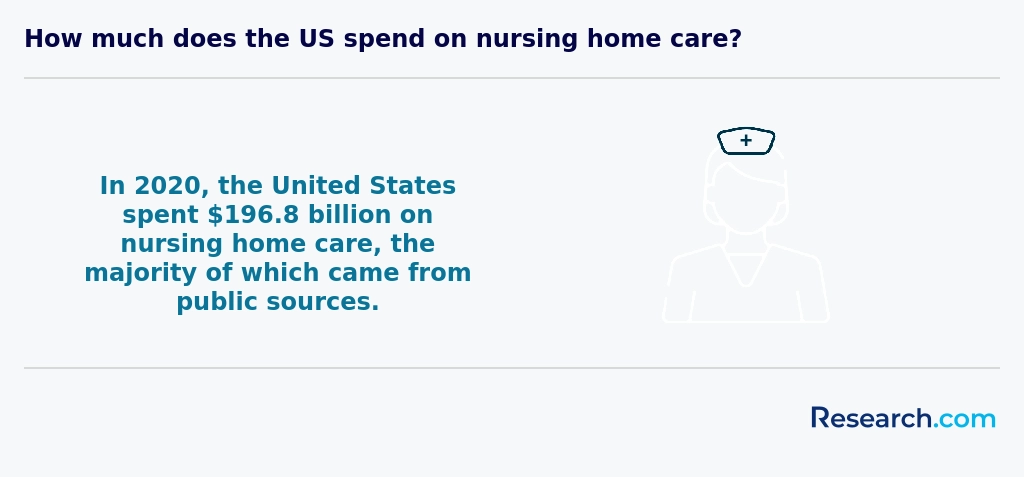
Nursing graduates in Durham find a wealth of career options that align with their passions and skills. Many start as Registered Nurses, gaining hands-on experience in dynamic hospitals like those affiliated with Durham's renowned universities. These graduates often describe the rewarding feeling of supporting patients and families during critical moments. Beyond this, some opt for Licensed Practical Nurse roles, which allow quicker entry into the field while building essential skills.
Others pursue advanced practice roles such as Nurse Practitioners or Clinical Nurse Specialists, diving deep into specialties like cardiology or oncology. Durham's strong healthcare network, including Duke University Health System, offers opportunities to grow in leadership or education, where nurses mentor the next generation and shape future care standards. Graduates often highlight the excitement of progressing to nurse management, guiding teams with both compassion and expertise.
For those weighing costs and programs, considering the Affordable Online Nursing Degree Programs Ranking in the Northeast can provide practical pathways to achieve these goals. Nursing career opportunities in Durham are truly multifaceted, allowing each graduate to find a meaningful, fulfilling path.
Graduates with a nursing degree in Durham find a vibrant job market brimming with opportunity. The city's healthcare institutions-like Duke University Health System and Durham VA Medical Center-regularly seek new nurses, making nursing job opportunities in Durham both steady and promising. Many alumni from local programs share how their clinical rotations in these renowned hospitals helped them secure rewarding roles soon after graduation, reinforcing the area's strong employment outlook.
The demand stretches beyond hospitals to community clinics and long-term care facilities, offering diverse paths for both entry-level and advanced nursing roles. Durham nursing degree employment outlook is bolstered by the city's expanding healthcare network and research affiliations, creating prospects for advancement into specialized fields such as nurse anesthetists or nurse midwives. Many graduates describe their journey from local community colleges and universities as a fulfilling blend of rigorous education and real-world experience.
Those aiming to begin their career quickly might explore pathways like the best online associate degree in 6 months, which provides a swift route into the nursing profession while aligning with Durham's healthcare demands. The city's balance of strong salaries and accessible education makes it an encouraging place to build a nursing career.
2027 Most Valuable Nursing Degree Programs Ranking in Durham
Investing in your education is a significant decision that can profoundly impact your career and life, and the Research.com team is keenly aware of the responsibility to provide trustworthy information. To support prospective nursing students in Durham, we have carefully developed the "2027 Most Valuable Nursing Degree Programs Ranking in Durham." Our dedication to quality, credibility, and accuracy is demonstrated through rigorous research and thorough analysis behind this ranking.
We utilized the following reputable data sources to ensure a comprehensive and objective evaluation of nursing programs:
By reviewing this ranking, readers will obtain valuable insights into the most rewarding nursing degree programs in Durham, empowering them to make well-informed educational choices. For a detailed overview of how this ranking was compiled, please consult our Research.com methodology page.


# 4 position
Watts College of Nursing
Bachelor of Science in Nursing
Frequently Asked Questions About nursing
Nursing degree students in Durham can enhance their learning by actively engaging in clinical experiences offered through local hospitals such as Duke University Hospital, known for its high patient volume and diverse case types. Practical exposure allows students to apply theory to real-world settings, improving critical thinking. Additionally, students should leverage Durham's strong academic community by participating in nursing research projects, which are prominent at institutions like Duke University School of Nursing.
Time management and strong study habits are essential, given the demanding curriculum. Utilizing campus resources, including tutoring and simulation labs, also supports skill development.
According to the North Carolina Board of Nursing, Durham's NCLEX pass rates consistently exceed 90%, indicating the effectiveness of rigorous academic and clinical training available locally.
The nursing field in Durham is expanding into several emerging niches that reflect evolving healthcare needs. One growing area is geriatric nursing, addressing the rising elderly population in North Carolina, where the proportion of residents aged 65 and older is expected to increase by 20% over the next decade (NC Office of State Budget and Management).
Another developing niche is informatics nursing, combining healthcare and technology to improve patient data management. Durham's concentration of tech companies supports this trend, making it a promising specialty for new nurses.
Additionally, public health nursing is gaining importance due to increased focus on community wellness and preventive care, especially following the COVID-19 pandemic's local impact.
These areas provide exciting career paths for nursing students seeking specialized roles in Durham's dynamic healthcare environment.
After completing a nursing degree in Durham, preparing for the job market requires a strategic approach. First, obtaining licensure by passing the NCLEX-RN exam is essential for all registered nurses in North Carolina. The North Carolina Board of Nursing provides detailed guidance and support for this process.
Networking plays a critical role; consider joining local chapters of nursing associations like the North Carolina Nurses Association. Durham's healthcare sector, including Duke University Hospital, offers numerous employment opportunities for new graduates.
Internships or clinical rotations during your studies often lead to job offers, so engage fully in these experiences. Additionally, tailoring your resume to highlight specific skills such as patient care, electronic medical records proficiency, and adaptability to fast-paced environments will increase your chances in the competitive market.
Staying updated with continuing education and certifications in specialty areas can further distinguish you in Durham's evolving healthcare landscape.
Employers in Durham highly value nursing degree graduates who demonstrate strong clinical skills combined with effective communication. According to the North Carolina Board of Nursing, nearly 90% of healthcare facilities in the region emphasize critical thinking and adaptability as essential for patient care.
Additionally, teamwork is crucial since nurses often collaborate with multidisciplinary teams. The ability to manage time efficiently and maintain attention to detail is also frequently cited in job announcements within Durham hospitals such as Duke University Health System.
Technical proficiency with electronic health records (EHR) systems is increasingly important, reflecting the digitization of healthcare.
Finding internships in Durham relevant to nursing degrees involves exploring local hospitals, clinics, and community health organizations. Duke University Hospital and Durham VA Medical Center are two key institutions offering clinical placements and internships for nursing students. These internships provide hands-on experience crucial for skill development and professional growth.
Students can also check with nursing schools affiliated with Durham colleges, such as Durham Technical Community College, which often have established partnerships to facilitate internship opportunities. Additionally, using platforms like Handshake or contacting the career services of your institution can help identify openings.
The North Carolina Board of Nursing reports that clinical internships are essential for meeting state licensure requirements, emphasizing the importance of securing quality placements.
Obtaining a nursing degree in Durham significantly enhances career mobility and advancement opportunities within the healthcare sector. Registered nurses (RNs) with a bachelor's degree (BSN) in Durham earn approximately 15% more on average than those with an associate degree, according to the U.S. Bureau of Labor Statistics. Employers in Durham's expanding medical district often prefer nurses holding a BSN or higher, as these qualifications are linked to improved patient outcomes and leadership readiness.
Furthermore, a nursing degree opens pathways to specialized roles such as nurse practitioner, nurse educator, or healthcare administrator. Many Durham healthcare facilities, including Duke University Health System, prioritize advanced degree holders for promotions and management positions. This creates clear upward mobility for graduates continuing education in nursing.
Overall, nursing degrees in Durham serve as a critical foundation for both entry-level roles and long-term career growth within the region's robust healthcare market.
Studying for a nursing degree in Durham equips students with skills essential for interdisciplinary healthcare roles. Durham's nursing programs emphasize collaboration with professionals in medicine, social work, and public health. This approach reflects the growing demand for integrated care teams, improving patient outcomes. According to the North Carolina Board of Nursing, interdisciplinary training is a key curricular focus in Durham's accredited nursing schools.
Students gain hands-on experience through clinical rotations in local hospitals and community health centers, fostering teamwork with diverse healthcare providers. Durham's emphasis on communication and leadership further prepares graduates to navigate complex care environments efficiently.
When choosing between a thesis and a non-thesis nursing degree program in Durham, consider your career goals carefully. Thesis programs often appeal to those interested in research or pursuing doctoral studies. They require completing a substantial research project, which can enhance critical thinking and writing skills. Non-thesis options usually focus more on clinical practice and coursework, ideal for students aiming to enter nursing leadership or advanced clinical roles quickly.
Durham's nursing programs align with national trends. According to the American Association of Colleges of Nursing, about 60% of master's nursing students choose non-thesis tracks. Local healthcare employers in Durham often value hands-on experience, which non-thesis programs emphasize.
Students based in Durham who wish to study nursing abroad have several pathways linked to US nursing programs. Many US universities with study abroad options offer partnerships with healthcare institutions worldwide to gain clinical experience. For example, Durham's nursing students may explore exchange programs in countries like the United Kingdom or Australia, where nursing curricula align closely with US standards.
According to the American Association of Colleges of Nursing (2023), approximately 20% of nursing programs in the US offer study abroad opportunities, helping students gain global perspectives on healthcare delivery.
Before applying, students should consider state licensure requirements and the relevance of international clinical hours for NCLEX-RN eligibility, especially important for those aiming to practice in North Carolina later.
Durham offers various part-time job opportunities that can effectively complement nursing degree education. Many students find roles as patient care technicians or nursing assistants in local hospitals like Duke University Hospital. These positions provide hands-on experience with patient care while balancing academic commitments. According to the U.S. Bureau of Labor Statistics, such roles can enhance clinical skills and increase employment prospects post-graduation. Additionally, jobs in community health centers or outpatient clinics allow nursing students to engage in health promotion activities, improving their communication and organizational abilities. These experiences are valuable for those aiming to excel in the nursing profession in Durham.
Nursing students in Durham benefit from strong networking opportunities that support both academic and professional growth. Local universities often host nursing-focused events, including career fairs, workshops, and guest lectures, providing access to healthcare professionals and alumni networks. For example, Duke University School of Nursing regularly facilitates connections through mentorship programs and student nursing associations, which link students with clinical experts and potential employers.
The Durham area's proximity to major hospitals, such as Duke University Hospital and Durham VA Medical Center, offers students chances to engage in clinical rotations and networking events that can lead to job placements. Additionally, local chapters of national organizations like the American Nurses Association provide forums for knowledge sharing and professional development.
According to the North Carolina Board of Nursing, networking plays a critical role in career advancement within the state's healthcare system. Students who actively participate in these opportunities are often better positioned to secure residencies and specialized training roles after graduation.
Alumni networks provide essential support for nursing degree students in Durham by offering valuable connections within the local healthcare community. These networks often include graduates working at major institutions like Duke University Hospital and UNC Health, facilitating mentorship and job placement opportunities. According to the North Carolina Board of Nursing, networking significantly improves employment rates for new nurses in the state.
Students benefit from career workshops, internships, and guidance on clinical practices through these alumni links. Additionally, alumni can share insights on licensure exam preparation and continuing education, which are critical for maintaining nursing credentials.
Such networks also foster a sense of community, helping students navigate challenges and build professional confidence early in their careers.
Customizing a nursing degree program in Durham allows students to align their education with specific career ambitions. Many local institutions offer various specialties, such as pediatrics, geriatrics, or acute care, which enable focused skill development. Students can often choose elective courses or clinical rotations that match their interests, providing hands-on experience relevant to their goals.
Durham's proximity to top healthcare centers like Duke University Hospital facilitates diverse practicum opportunities. Additionally, some programs incorporate leadership, research, or community health tracks to prepare nurses for roles beyond bedside care.
According to the North Carolina Board of Nursing, nearly 70% of Durham nursing students in 2023 selected specialties tailored to their career paths, reflecting a growing trend toward personalized education.
Nursing students in Durham face several common challenges during their studies. One significant hurdle is balancing intense clinical hours with classroom learning. Clinical placements often require long shifts in hospitals, which can lead to fatigue and stress.
Another issue is academic pressure, especially given the rigorous coursework and the need to master both theory and practical skills. According to data from the North Carolina Board of Nursing, students often report anxiety related to passing the NCLEX-RN licensing exam.
Financial concerns also impact many nursing students in Durham. The cost of tuition along with expenses for textbooks and equipment can be substantial, sometimes requiring students to work part-time jobs.
Finally, adapting to the fast-paced healthcare environment and staying updated with evolving medical technologies present ongoing challenges during training in Durham's nursing programs.
With a nursing degree in Durham, graduates can pursue several professional certifications that enhance career opportunities and expertise. The most common certification is the Registered Nurse (RN) license, which requires passing the NCLEX-RN exam, mandatory across North Carolina.
Beyond the RN license, nurses may obtain specialized certifications such as Certified Nurse Practitioner (CNP), Certified Nurse Midwife (CNM), and Certified Clinical Nurse Specialist (CNS). These require additional education and passing national exams offered by organizations like the American Nurses Credentialing Center (ANCC).
Durham's healthcare sector, including Duke University Health System, encourages certifications to meet advanced care demands. According to the North Carolina Board of Nursing, specialized certifications can lead to better salaries and expanded job roles.
Applying to nursing programs in Durham requires a clear and focused approach. Start by thoroughly researching programs such as those at Duke University or Durham Technical Community College, noting their prerequisites and values. Tailor your personal statement to highlight your dedication to patient care and any relevant clinical experience. According to the North Carolina Board of Nursing, demonstrating strong communication and empathy skills is essential.
Include official transcripts showing a competitive GPA, typically above 3.0 for many programs. Letters of recommendation from healthcare professionals can strengthen your application. Additionally, prepare for any required entrance exams like the TEAS, which assess your readiness for nursing coursework.
The nursing profession is recognized worldwide as essential to healthcare systems. In the United States, including Durham, nursing offers diverse opportunities driven by the growing demand for qualified professionals. According to the U.S. Bureau of Labor Statistics, employment of registered nurses is projected to grow 9% from 2022 to 2032, faster than the average for all occupations. This trend reflects global aging populations and increased healthcare needs.
Durham, home to several respected nursing programs, benefits from proximity to major medical centers like Duke University Hospital, enhancing practical experience for students. Globally, nursing careers emphasize cultural competence and adaptability, skills increasingly integrated into U.S. curricula to prepare nurses for varied patient populations.
Internationally, nursing roles differ in scope and responsibility, but the consistent theme is the profession's vital role in patient care quality and healthcare innovation.
Students pursuing a nursing degree in Durham can gain practical experience through clinical placements, which are an essential part of accredited nursing programs. These placements typically occur at local hospitals and healthcare facilities, such as Duke University Hospital, providing hands-on training under professional supervision.
Many Durham nursing programs integrate simulation labs that replicate real clinical settings to enhance skills before entering patient care environments. According to the North Carolina Board of Nursing, students must complete a minimum of 500 clinical hours to qualify for licensure.
Additionally, volunteering or internships at community health centers in Durham can complement formal education. This combination helps students build confidence and meet state requirements effectively.
Choosing the right concentration within a nursing degree program in Durham begins with understanding your career goals and interests. Common concentrations include pediatrics, adult-gerontology, psychiatric-mental health, and community health nursing. Durham is home to diverse healthcare settings-from Duke University Hospital to local clinics-offering varied clinical experiences aligned with these specialties.
Students should also consider local job market demands. According to the North Carolina Department of Commerce, nursing roles focused on gerontology and mental health are growing steadily in the region. Researching faculty expertise and clinical partnerships at Durham-area institutions can help determine where you'll receive the best support and opportunities.
Lastly, review program accreditation and NCLEX pass rates to ensure quality education and licensure success.
- 2027 Most Valuable Nursing Degree Programs Ranking in Charlotte
- 2027 Most Valuable Nursing Degree Programs Ranking in Virginia Beach
- 2027 Most Valuable Nursing Degree Programs Ranking in Columbia
- 2027 Most Valuable Nursing Degree Programs Ranking in Washington
- 2027 Most Valuable Nursing Degree Programs Ranking in Baltimore
- 2027 Most Valuable Nursing Degree Programs Ranking in Macon
- 2027 Most Valuable Nursing Degree Programs Ranking in Atlanta
- 2027 Most Valuable Nursing Degree Programs Ranking in Columbus
- 2027 Most Valuable Nursing Degree Programs Ranking in Cincinnati
- 2027 Most Valuable Nursing Degree Programs Ranking in Louisville
See What Experts Have To Say About Studying Nursing
Read our interview with Nursing experts

Lisa Grubb
Nursing Expert
Assistant Professor
Johns Hopkins School of Nursing

- Medical University of GdaÅsk https://admission.mug.edu.pl/29318.html
- How to Choose the Right Nursing School for Your Career Goals | Archer Review https://www.archerreview.com/blog/how-to-choose-the-right-nursing-school-for-your-career-goals
- Interdisciplinary Education and Practice https://www.aacnnursing.org/news-data/position-statements-white-papers/interdisciplinary-education-and-practice
- Practical Nursing Durham College https://www.aplicar.io/program_details/practical-nursing-at-durham-college
- Study Nursing Abroad | Boomerang International Educational Services https://boomerangedu.com/study-nursing-abroad/
- What Nursing Concentration Is Right for Me? | Maryville Nursing https://nursing.maryville.edu/blog/what-nursing-concentration-is-right-for-me
- Do I Have to Write a Thesis to Complete a Master’s Degree in Nursing? https://www.bestmasterofscienceinnursing.com/faq/write-thesis-complete-masters-degree-nursing/
- What Are the Best Jobs to Work While in Nursing School? https://www.dewv.edu/what-are-the-best-jobs-to-work-while-in-nursing-school/
- How to Choose the Right Nursing Program for Your Career Goals - Maria College https://mariacollege.edu/blog/how-to-choose-the-right-nursing-program-for-your-career-goals
- What Are the Best RN Certifications for Your Career? https://credenzahealth.com/career-advice/what-are-the-best-rn-certifications-for-your-career