2027 Best Nursing Degree Programs Ranking in Milton

Co-Founder and Chief Data Scientist
Choosing the right nursing degree program is a crucial step for students in Milton who aspire to make a meaningful impact in healthcare. This article introduces the 2027 Best Nursing Degree Programs Ranking in Milton, developed by the Research.com team of data scientists. It is designed to guide you in discovering high-quality programs that match your goals and ambitions.
By exploring this ranking, you'll gain valuable insights to help you confidently select a program that supports your success. A nursing degree opens doors to rewarding career opportunities and personal growth, making this a meaningful journey worth taking.
Key benefits of getting nursing degree in Milton
- Salary for nursing degree graduates: Nursing graduates in Milton can expect competitive salaries, such as $94,480 annually for Registered Nurses and up to $128,490 for Operating Room Nurses, providing financial stability and rewarding careers.
- Potential career paths: Graduates from popular Milton colleges often find diverse opportunities in hospitals, public health, or emergency rooms, allowing them to choose roles that match their passions and skills.
- Benefits of an online nursing degree: Online nursing programs in Milton offer flexibility and convenience, enabling graduates to balance studies with life commitments while still accessing quality education and career support.
- 2027 Best Nursing Degree Programs Ranking in Milton
- What can I expect from nursing degree in Milton?
- Where can I work with nursing degree in Milton?
What can I expect from nursing degree in Milton?
Students pursuing a nursing degree in Milton can generally expect to invest between $10,000 and $30,000 annually, depending on the institution and program type. Graduates from local colleges often share how the affordability of ADN and BSN programs made advanced nursing education feel within reach, especially with flexible payment options and financial aid support. For example, attending a community college in Milton for an ADN program typically costs less than at a four-year university, making it an excellent choice for those balancing work and study.
Many nursing students appreciate how the moderate cost aligns with strong clinical training partnerships at Milton's healthcare facilities, offering valuable hands-on experience without excessive financial burden. This balance encourages students to focus on mastering skills rather than stressing over tuition fees. The overall positive emotional experience of manageable costs combined with comprehensive nursing education leaves many graduates feeling confident and optimistic about entering the nursing workforce in this growing healthcare market.
Where can I work with nursing degree in Milton?
Graduates from nursing programs at popular Milton institutions often find themselves stepping into high-demand roles at local hospitals like Milton Hospital or larger centers such as Boston Medical Center. Many describe the excitement of joining specialized teams in emergency rooms or surgical units, where the skills learned in college come alive in fast-paced, impactful ways. As healthcare evolves, nurses trained in Milton are increasingly drawn to outpatient clinics offering preventive care and chronic disease management, which graduates praise for better work-life balance and patient relationships.
Long-term care facilities and home health agencies also hold promise for those passionate about geriatric nursing or personalized care. Milton graduates frequently share how rewarding it feels to provide comfort and independence to aging patients in these settings. Moreover, expanding public health roles and administrative positions in the area reveal new career pathways, especially for those eager to influence healthcare systems beyond bedside care.
With a solid local network and rising demand, nursing graduates from Milton's colleges feel confident and hopeful about diverse and fulfilling career opportunities right in their community.
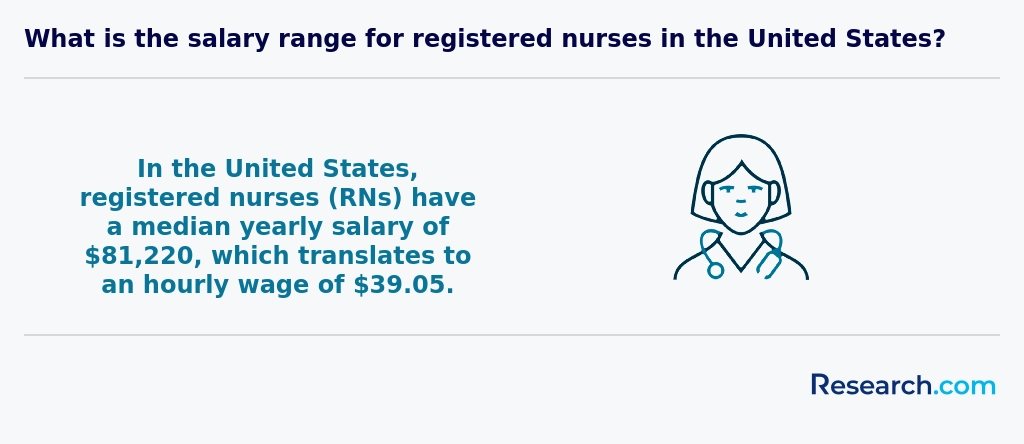
Nursing graduates in Milton can anticipate promising earnings that reflect both the region's healthcare demand and education quality. For example, a registered nurse (RN) starting out from one of Milton's well-regarded nursing programs might expect an annual salary close to the local average of $94,480, aligning with data for RNs, clinical nurse educators, and public health nurses.
Graduates often share a sense of pride when landing their first roles in hospitals or community health centers, where shift differentials and overtime can further boost income. Those pursuing specialized roles such as emergency room nursing also see similar earnings near $94,480 annually, reinforcing the value of their degree within dynamic care settings.
For students aiming higher, operating room nurses represent a lucrative path with mean salaries around $128,490. This level of compensation, combined with advanced skills learned through Milton's clinical opportunities, motivates many to continue their education and certifications.
Overall, the nursing degree in Milton opens doors to competitive wages and fulfilling careers, with graduates frequently expressing excitement over the financial stability and growth potential they experience early on.
- Tuition for an Associate Degree in Nursing (ADN) ranges from $8,000 to $15,000, while a Bachelor of Science in Nursing (BSN) can cost between $20,000 and $40,000, excluding extra expenses.
- Starting salaries for nursing graduates with an ADN or BSN average around $58,000 annually, with median salaries rising to over $75,000 as experience increases.
- The job market for registered nurses in Milton is expected to grow approximately 7% over the next decade, driven by demand from hospitals and healthcare facilities.
- Nursing programs include clinical experience opportunities and focus on preparing students to pass the NCLEX-RN licensing exam required for registration.
- Many programs promote continuing education, offering pathways to advanced degrees like a Master of Science in Nursing (MSN) or Nurse Practitioner certification to boost career options.
Completing a nursing degree in Milton typically spans from one to four years, shaped by the type of program and pace chosen. Many graduates who pursued the Associate Degree in Nursing (ADN) at local community colleges recall how the two-year timeline allowed them to quickly step into the healthcare field, feeling motivated by gaining hands-on experience early.
Those who attended Lipscomb University or Trevecca Nazarene University for a Bachelor of Science in Nursing (BSN) describe a more immersive four-year journey filled with both academic rigor and meaningful clinical rotations. These experiences often sparked excitement about future opportunities in specialized nursing roles.
Accelerated BSN programs appeal to career changers in Milton, compressing nursing education into 12 to 18 months. Graduates often express a sense of accomplishment and relief at completing their degree swiftly while building confidence through focused study and real-world practice.
With evolving healthcare needs and flexible scheduling options, nursing students in Milton foresee even more personalized and efficient pathways emerging, blending technology and experiential learning to further reduce completion time without sacrificing quality.
As healthcare evolves, many nursing graduates seek advanced degrees to expand clinical expertise, assume leadership roles, or specialize in areas like family practice or nurse anesthesia. An Online Master of Science in Nursing (MSN) offers the flexibility to balance work, family, and academic goals. • Career Advancement and Specializations: With an MSN, nurses can become Nurse Practitioners, Clinical Nurse Specialists, Nurse Educators, or Nurse Administrators. Each specialization commands higher salaries-often ranging from $95,000 to $140,000 annually-and greater autonomy in patient care or management. • Flexible Online Learning: Online MSN programs allow you to complete coursework asynchronously, attend virtual simulations, and engage in remote clinical preceptorships. This structure benefits working RNs who need to maintain steady income while progressing academically. • Accreditation and Credibility: Ensure your chosen program is accredited by the Commission on Collegiate Nursing Education (CCNE) or the Accreditation Commission for Education in Nursing (ACEN). Accredited online MSN graduates are eligible for national certification exams, state licensure, and leadership positions. • Affordability and Rankings: Tuition for online MSN programs varies, but research shows that affordable, high-quality options exist beyond Massachusetts. For those open to out-of-state or fully online pathways, explore our Affordable Online Master’s in Nursing Degree Programs Ranking in Texas for insights on cost-effective, reputable programs: Affordable Online Master's in Nursing Degree Programs Ranking in Texas. • Support and Resources: Top online MSN programs provide dedicated academic advisors, virtual writing centers, online libraries, and peer discussion boards to foster engagement. Clinical coordinators assist in aligning your practicum placements with local healthcare facilities, ensuring a seamless blend of online study and hands-on training. By pursuing an online MSN, Milton graduates can elevate their scope of practice, increase earning potential, and contribute at the forefront of nursing innovation-all without sacrificing their current professional commitments.
Online nursing degrees in Milton allow students to balance studies with work or family through flexible, asynchronous classes, ideal for busy adults. Graduates from popular local institutions often share how this format helped them complete theoretical coursework remotely while gaining clinical experience at nearby hospitals, blending convenience with essential hands-on training.
On-campus programs at well-known Milton colleges provide a dynamic atmosphere with face-to-face interactions, fostering strong peer connections and immediate access to simulation labs. Graduates frequently describe the energizing campus environment as motivating, with ready support from faculty and classmates that deepened their practical skills.
Cost plays a big role: online study can reduce expenses tied to commuting or housing, a vital consideration for many Milton residents. However, those who thrive on structure and networking often find on-campus schedules and direct engagement better suit their ambitions, especially for local job placements in healthcare facilities.
Looking ahead, hybrid models may emerge, combining the best of both worlds-flexibility plus immersive, in-person practice-aligning well with the evolving needs of nursing students in Milton.
Accreditation and licensure pass rates are critical indicators of program quality for nursing students in Milton, MA. All nursing programs in the area are approved by the Massachusetts Board of Registration in Nursing and accredited by either the Commission on Collegiate Nursing Education (CCNE) or the Accreditation Commission for Education in Nursing (ACEN). These endorsements ensure curricula meet rigorous standards for faculty qualifications, clinical experiences, and student support services. Local NCLEX-RN first-attempt pass rates for 2023 highlight program effectiveness:
- Curry College: 95%
- Boston College Milton Campus: 98%
- MassBay Community College: 92% High pass rates reflect comprehensive exam preparation, simulation labs, and dedicated NCLEX review workshops. Students benefit from faculty-led study groups, personalized remediation plans, and access to digital question banks that mirror real-world testing scenarios. When comparing programs, verify accreditation status on the CCNE or ACEN websites and review each school’s yearly NCLEX outcomes. Programs with consistent pass rates above 90% demonstrate strong alignment between coursework and licensure requirements. For nurses aiming to advance rapidly into advanced practice roles, exploring top 1-year fnp programs can complement a solid foundational education, offering both accreditation assurance and accelerated preparation for the Family Nurse Practitioner certification exam.
The average nursing degree cost in Milton currently centers around a median total of approximately $59,470, with in-state tuition averaging near $47,970 and out-of-state tuition aligning closely at the median. Graduates from well-known local universities frequently share how managing these expenses felt daunting initially, yet through financial aid and scholarships, they found ways to make the investment worthwhile. Many recall the transformative experience of studying at community colleges known for competitive nursing programs, appreciating how the relatively moderate tuition fees helped them stay focused on learning rather than financial stress.
Looking ahead to the cost of nursing programs in Milton 2027, it's likely that tuition and additional expenses like lab fees and clinical placements will see modest increases, but growing support mechanisms may also emerge. Students can anticipate universities and colleges innovating financial aid packages that match rising education costs, inspired by feedback from recent cohorts. The cost spectrum will probably still range from affordable associate degrees at community colleges to higher-priced Bachelor of Science in Nursing tracks at private institutions.
Many students report how hands-on training paired with flexible learning options fueled their excitement despite the price tag. For those weighing expenses, exploring diverse program offerings in Milton and applying for grants or scholarships can ease the journey. For instance, individuals curious about expanding practical skills and future job prospects might consider programs connected to nurse practitioner careers, such as those highlighted for nurse practitioner jobs in california, which illustrate the career pathways encouraging ongoing education.

Monitoring licensure success and recognized accreditation helps gauge program quality and graduate preparedness.
- Curry College BSN (CCNE-accredited): 94% first-time NCLEX-RN pass rate.
- Boston College–Milton BSN (CCNE-accredited): 97% first-time pass rate.
- Labouré College ADN (ACEN-accredited): 92% first-time pass rate.
Accreditation by bodies like CCNE and ACEN confirms curriculum standards and clinical rigor. Graduates seeking advanced practice can explore nurse practitioner programs in texas online to continue their educational journey.
Nursing students in Milton often find financial aid that goes beyond traditional loans, helping to ease the burden of tuition at popular colleges like those specializing in health sciences. Graduates frequently share how federal Pell Grants accessed through FAFSA made a tangible difference, covering significant portions of their undergraduate nursing expenses. Imagine starting your BSN program knowing a major part of the cost is already funded without future repayment stress.
State scholarships in Massachusetts also play a pivotal role, especially for those motivated to serve local communities after graduation. Many nursing students at Milton institutions report feeling a strong incentive to stay in Massachusetts, supported by workforce retention scholarship programs that reward commitment to local healthcare.
Additionally, institutional scholarships from nursing schools in Milton can reduce tuition by up to half, which students often describe as a game changer for balancing education costs and living expenses. Employer-based programs from area hospitals provide yet another layer of support, combining financial aid with career opportunities, making the path to becoming a nurse both affordable and strategically sound.
When considering a nursing degree in Milton, MA, one crucial aspect is the financial investment required. Prospective students should research the total costs of their desired program, including tuition, fees, and living expenses. For those looking to minimize their expenses, exploring the cheapest nursing schools in Massachusetts can be a strategic move. Understanding the cost breakdown of nursing programs, from Associate Degrees to Doctoral degrees, is essential for creating a realistic financial plan. Additionally, students should investigate available financial aid options, such as scholarships, grants, and loans, to help fund their education. By carefully considering these cost factors and planning ahead, aspiring nurses can make informed decisions about their educational pathway and set themselves up for success in their future careers.
To enroll in a nursing degree program in Milton, students typically need a high school diploma or equivalent, with a strong foundation in subjects like biology, chemistry, and math. Graduates from popular local colleges recall how mastering these courses early helped them feel confident once starting the rigorous nursing curriculum. Many programs also require completion of prerequisite classes such as human anatomy, microbiology, and nutrition to ensure readiness for advanced studies.
Applicants often submit transcripts showing at least a "C" or better, and some colleges in Milton use entrance exams like the TEAS, which challenge reading, math, and science skills-something many students describe as rewarding once passed. Background checks and immunization records are standard due to clinical placement demands, adding a layer of responsibility that helps future nurses appreciate patient safety from day one.
Local programs increasingly value volunteer healthcare experience or personal statements as part of the application. Many nursing graduates share how these elements allowed them to express passion and gained acceptance in competitive nursing schools, building early connection with the profession.
Choosing an accredited nursing program ensures that graduates meet the educational standards required for state licensure and deliver quality patient care. In Massachusetts, prospective students should verify program accreditation by bodies such as the Accreditation Commission for Education in Nursing (ACEN) or the Commission on Collegiate Nursing Education (CCNE), as well as approval by the Massachusetts Board of Registration in Nursing (BORN). Key factors to consider:
- ACEN/CCNE Accreditation: Confirms the curriculum meets national benchmarks for nursing education.
- Massachusetts BORN Approval: Mandatory for eligibility to sit for the NCLEX-RN exam.
- NCLEX-RN Pass Rates: A strong indicator of program effectiveness; top Milton programs report pass rates between 85% and 98% over the past three years. For example, the nursing program at Curry College boasts a three-year average NCLEX-RN pass rate of 92%, while Boston College’s undergraduate nursing graduates consistently achieve a 96% pass rate. High pass rates correlate with comprehensive exam preparation resources, including simulation labs and dedicated NCLEX review courses. After earning an accredited degree and passing the NCLEX-RN, graduates receive licensure from the Massachusetts BORN. Many students interested in advancing their careers further explore our ranking of most affordable online master of science in nursing programs to compare accredited MSN pathways that offer specialized tracks and streamlined licensure for advanced practice roles.
Nursing degree programs in Milton thoughtfully blend foundational sciences and specialized courses to prepare students for dynamic healthcare roles. Graduates from popular local colleges often reflect on how courses like anatomy, physiology, and microbiology brought the human body vividly to life, sparking excitement as they connected theory to clinical experiences. These core classes build essential scientific knowledge that underpins every nursing task.
Alongside these, students embrace specialized nursing topics such as health assessment, pharmacology, and mental health nursing. One graduate recalls mastering medication administration during a clinical rotation at a nearby hospital, where theory seamlessly translated to confident patient care. Courses in maternal and child health or community nursing often inspired meaningful engagement with diverse populations, emphasizing compassion and critical thinking.
Looking ahead, nursing programs in Milton may integrate emerging technologies like virtual simulations and AI-driven diagnostics into their curricula. This evolution could offer students even more immersive, real-world practice before entering fast-paced healthcare environments, strengthening both technical and empathetic skills essential for successful nursing careers.
Nursing degree specializations in Milton reflect both traditional and emerging healthcare needs, offering pathways that prepare students for dynamic roles. Graduates from popular colleges in Milton often share experiences of hands-on training in areas like Adult-Gerontology Acute Care Nursing, where they cared for patients with complex conditions, discovering the fulfillment of making critical differences in lives. Others enthusiastically describe their journey through Family Nurse Practitioner (FNP) programs, enjoying the challenge of providing continuous care for diverse age groups within their community.
Milton nursing program specialization options also include Pediatric Nursing, attracting students passionate about supporting children's health, and Psychiatric-Mental Health Nursing, which meets a growing demand as mental wellness gains prominence locally. Clinical Nurse Specialist (CNS) tracks empower graduates to innovate patient care systems, reflecting the forward-thinking ethos valued at local institutions.
Students curious about exploring these specializations further often benefit from reviewing detailed comparisons in online nursing programs reviews, helping them envision a clear path tailored to their goals. Choosing the right focus in Milton means stepping confidently into a rewarding healthcare future.
Choosing the best nursing degree in Milton involves weighing practical factors like accreditation and clinical opportunities, but also considering how the program fits your personal and professional life. Graduates from popular nursing schools in the area often highlight how hands-on clinical placements at Milton Hospital helped them build confidence and real-world skills early on, making the coursework feel relevant and energizing. Many students find that programs with a strong focus on flexible schedules are crucial, especially if balancing work or family commitments.
For those seeking affordable nursing schools in Milton, community colleges offer a balance of quality education and lower tuition, which graduates appreciate as a smart investment given the competitive job market. Looking ahead, accelerated BSN pathways might become more common, enabling quicker career progression.
Students aiming to expand their options might explore online programs or hybrid formats, such as online nursing degrees colorado universities offer, to complement their Milton studies, combining convenience with robust coursework.
Graduates with a nursing degree in Milton often find themselves stepping into diverse roles shaped by the evolving healthcare landscape. Many begin as Registered Nurses (RNs) in local hospitals and clinics, benefitting from hands-on experience in high-demand departments like emergency care or pediatrics. Some alumni from well-regarded Milton colleges share how they leveraged their early careers into management or education positions, influenced by the region's expanding healthcare networks.
Looking ahead, nursing career opportunities in Milton increasingly include advanced practice roles. For example, Advanced Practice Registered Nurses (APRNs) gain authority to diagnose and treat independently, a prospect attracting BSN graduates eager to specialize. Other graduates highlight their journey into niches such as oncology or critical care, citing specialized certification paths that cultivate both expertise and satisfaction in their work.
Students at Milton institutions also tap into research and health policy avenues, inspired by proximity to Boston's resources. Those interested in customization often explore specialized nursing programs that prepare them for future-focused practice models, making the Milton nursing degree job prospects exceptionally promising.
The nursing job opportunities in Milton remain exceptionally strong as the local healthcare sector grows to meet the needs of an expanding and aging population. Graduates from prominent nursing programs at Boston-area colleges often find themselves quickly absorbed into large hospital systems, community clinics, and home health care agencies. Many report feeling motivated by the diverse range of settings available, which allows them to match their skills with their interests and lifestyle preferences.
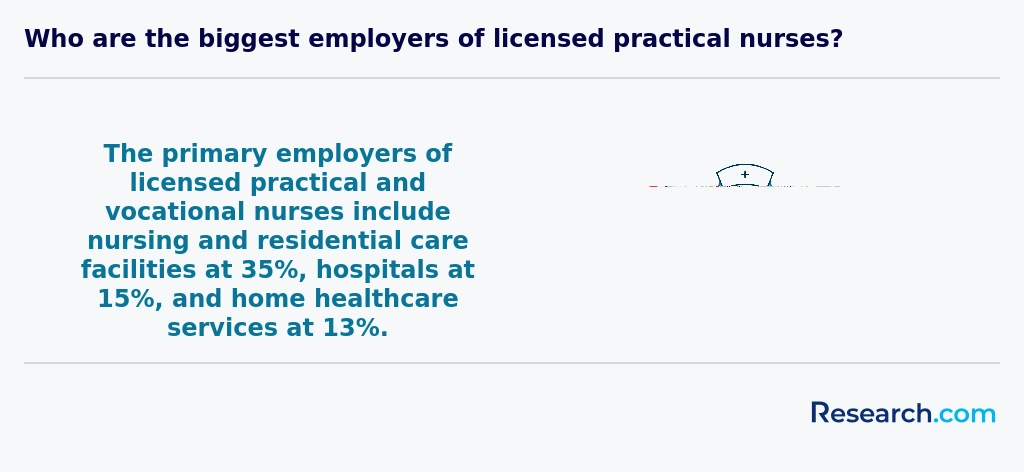
Milton nursing degree employment outlook is bright, with multiple pathways including Licensed Practical Nurse positions that enable faster entry into the workforce, giving students the chance to gain experience while planning future upgrades to higher degrees. For example, some graduates opt for roles highlighted in lpn salary nc data to sustain themselves financially as they pursue advanced nursing certifications. The competitive wages in Massachusetts, often exceeding national averages, reflect this positive trend and encourage enthusiasm among students.
2027 Best Nursing Degree Programs Ranking in Milton
Investing in your education is a significant decision that can shape your future, and the Research.com team understands the importance of making informed choices. To assist prospective students in Milton, we have meticulously crafted the "2027 Best Nursing Degree Programs Ranking in Milton." Our commitment to quality, credibility, and accuracy is reflected in the extensive research and analysis conducted to compile this ranking.
We utilized the following reputable data sources to ensure a comprehensive evaluation of nursing programs:
By exploring this ranking, readers will gain valuable insights into the best nursing degree programs available in Milton, helping them make informed decisions about their educational paths. For more details on our methodology, please visit our Research.com methodology page.


Frequently Asked Questions About nursing
Nursing students in Milton can enhance their learning by actively engaging in clinical rotations offered by local healthcare facilities. These practical experiences, which often make up over 50% of nursing curricula in accredited US programs, allow students to apply classroom theory in real-world settings. According to the Massachusetts Board of Registration in Nursing, hands-on practice is essential for obtaining licensure.
Additionally, forming study groups can improve understanding of complex subjects such as pharmacology and anatomy. Utilizing resources like the American Nurses Association's online libraries and attending workshops hosted by Boston-based nursing organizations can deepen knowledge and professional skills.
Time management and seeking mentorship from experienced nurses also contribute significantly to student success in Milton's competitive nursing environment.
The nursing field is evolving, and several emerging niches are gaining importance in the Milton area. One notable specialty is geriatric nursing, driven by the increasing elderly population in Georgia and a rising demand for skilled care providers. According to the Georgia Department of Public Health, this segment is expected to grow by 15% over the next decade. Another key niche is telehealth nursing, which expanded rapidly during the COVID-19 pandemic and continues to provide remote patient monitoring and virtual care services.
Additionally, psychiatric and mental health nursing is a growing area due to heightened awareness of mental wellness. These niches offer promising career paths for nursing students in Milton seeking to address evolving healthcare needs.
After completing a nursing degree in Milton, preparing for the job market involves several key steps. First, obtaining licensure by passing the NCLEX-RN exam is essential to practice as a registered nurse (RN) in Massachusetts. According to the Massachusetts Board of Registration in Nursing, over 90% of nursing graduates in the state pass this exam on their first attempt.
Networking within local healthcare facilities and professional nursing organizations can significantly enhance job prospects. Many hospitals and clinics in the Greater Boston area, including those near Milton, offer graduate residency programs that support new nurses.
Additionally, gaining clinical experience through internships or volunteer opportunities helps build skills and improve employability. Staying current with continuing education also benefits long-term career growth.
Employers in Milton highly value nursing graduates who demonstrate strong clinical skills, including patient assessment and care planning. According to the Massachusetts Department of Elementary and Secondary Education, proficiency in evidence-based practice is essential for delivering quality patient outcomes. Communication skills are equally important, as nurses often coordinate with diverse healthcare teams and interact with patients from various backgrounds.
Critical thinking and problem-solving abilities are also prioritized. The Massachusetts Board of Registration in Nursing highlights that graduates must adapt quickly to evolving medical technologies and complex clinical situations. Finally, professionalism and ethical standards remain fundamental traits sought by healthcare employers in Milton's competitive job market.
Finding nursing internships in Milton involves targeting local hospitals, clinics, and healthcare centers known for their involvement in nursing education. Major healthcare institutions like Milton General Hospital and Community Health Clinic often partner with nursing schools to offer clinical placements. According to the Massachusetts Board of Registration in Nursing, internships are typically required for licensure and provide crucial hands-on experience.
Students should also consult their nursing program's academic advisors who usually have established connections with local healthcare providers. Additionally, websites like the Massachusetts Nurses Association list internship opportunities specific to the region.
Networking at nursing conferences and joining local nursing organizations help uncover less-publicized internships. Early application is important since spots are limited.
In Milton, obtaining a nursing degree significantly enhances career mobility and advancement opportunities. The healthcare sector in Massachusetts is growing, with a projected 16% increase in nursing jobs by 2030 according to the U.S. Bureau of Labor Statistics. Having a degree such as an ADN, BSN, or higher allows nurses to qualify for a wider range of roles, from bedside care to specialized clinical positions.
Employers in Milton often prefer or require BSN-prepared nurses for leadership and specialized roles, reflecting national trends emphasizing advanced education. Nurses with bachelor's or master's degrees generally earn higher salaries and have access to management or teaching positions.
Additionally, a formal nursing degree enables smoother transitions into advanced practice roles or continuing education, fostering long-term career growth in the region's competitive healthcare market.
Studying for a nursing degree in Milton offers significant preparation for interdisciplinary roles within healthcare teams. Nursing programs here emphasize collaboration with professionals from medicine, social work, and pharmacy to provide holistic patient care. Coursework and clinical experiences in Milton's accredited institutions integrate teamwork skills, critical thinking, and communication strategies essential for working alongside diverse specialists.
Milton's nursing students often engage in simulation labs and community health projects that mirror real-world settings, fostering adaptability and shared decision-making. According to data from the Massachusetts Board of Registration in Nursing, over 70% of recent graduates secured interdisciplinary team roles within a year of completing their studies. This reflects a strong local demand for nurses trained in collaborative practices.
Choosing between a thesis and a non-thesis nursing degree in Milton depends on your career goals and learning preferences. Thesis programs emphasize research; they require students to complete an original study, which can be ideal for those aiming to pursue doctoral education or research careers.
Non-thesis tracks usually focus more on clinical practice and coursework. These tend to suit students planning to work directly in healthcare settings, such as hospitals or community nursing roles, where practical skills are prioritized.
According to the Texas Board of Nursing, about 60% of Milton-based nursing programs currently offer both options, allowing flexibility depending on student needs.
Consider factors like time commitment, as thesis programs may take longer to complete due to research demands. Also review local job market statistics, which show a 15% growth in clinical nursing roles in Milton through 2028, supporting non-thesis pathways.
Students based in Milton who wish to study nursing abroad have several pathways available within the US higher education framework. Many universities offer study-abroad programs or international clinical placements as part of their Bachelor of Science in Nursing (BSN) curricula. These experiences allow students to gain global healthcare perspectives while earning credits toward their degree.
Additionally, some nursing schools in Milton collaborate with overseas institutions, especially in Canada and Europe, facilitating exchange programs. According to the American Association of Colleges of Nursing, over 30% of nursing programs nationwide now include international opportunities, reflecting a growing emphasis on global health.
Financial aid and scholarships may also be available to support such endeavors, although students should verify eligibility with their home institutions. These options help Milton-based students gain valuable cross-cultural nursing skills and enhance employability in an increasingly globalized field.
Students pursuing nursing degrees in Milton can find several part-time job opportunities that enhance their education and practical skills. Working as a certified nursing assistant (CNA) or medical assistant in local hospitals and clinics offers real-world experience in patient care. According to the Bureau of Labor Statistics, the demand for CNAs in the Massachusetts area, which includes Milton, is expected to grow by 8% from 2022 to 2032.
Other roles like pharmacy technician or home health aide also provide relevant exposure to healthcare settings and patient interaction. These jobs help develop communication and clinical skills essential for nursing students. Additionally, some students find part-time work in research labs affiliated with universities nearby, which can deepen their understanding of medical science and nursing practices.
Nursing students in Milton have access to multiple networking opportunities essential for career development. Local institutions like Middlesex Community College and Brandeis University often host nursing-focused events, workshops, and guest speaker sessions. These provide platforms to connect with experienced healthcare professionals and peers.
Additionally, the Massachusetts Nurses Association supports student members with networking events and mentorship programs tailored to nursing students statewide, including Milton. Clinical placements at nearby hospitals such as Milton Hospital allow students to build real-world contacts in healthcare settings.
Professional conferences and seminars in Boston, just miles from Milton, also offer valuable networking channels. Students can join organizations like the National Student Nurses' Association for broader national connections. These resources collectively enhance students' professional growth and career opportunities.
Alumni networks play a crucial role for nursing degree students in Milton by providing valuable support and professional connections. These networks often offer mentorship programs where experienced nurses guide students through clinical challenges and career decisions.
In Milton, alumni groups frequently organize local job fairs and networking events that improve students' access to healthcare employers. According to recent data from the Massachusetts Board of Registration in Nursing, graduates with active alumni engagement report a 15% higher employment rate within six months after graduation.
Additionally, alumni can share insights on specialty certifications and continuing education opportunities that are vital to career advancement in nursing.
Customizing your nursing degree program in Milton allows you to align your education with specific career goals. Many local colleges and universities offer flexible curricula, including elective courses and clinical placements tailored to specialties such as pediatric, geriatric, or mental health nursing. Milton's healthcare market, with a 12% growth in registered nurse jobs projected through 2030 by the Bureau of Labor Statistics, supports diverse nursing roles.
Students can choose between online, hybrid, or traditional on-campus formats to accommodate work schedules. Additionally, some programs offer accelerated tracks or dual degrees, combining nursing with healthcare administration or public health. Exploring partnerships with Milton-area hospitals for internships further personalizes practical training.
Nursing students in Milton face several challenges common across U.S. nursing programs. One significant hurdle is balancing rigorous coursework with clinical practice hours. According to data from the American Association of Colleges of Nursing, students often report stress from managing both classroom and on-site patient care requirements.
Another challenge is the high cost of nursing education. Tuition and fees for nursing programs in the Massachusetts region, including Milton, average around $15,000 annually, which can be a financial strain.
Additionally, students must develop strong critical thinking and time management skills to succeed. Local hospitals serving as clinical sites may have limited availability, leading to intense competition for placements.
With a nursing degree in Milton, professionals can pursue several certifications to advance their careers. Common options include becoming a Certified Registered Nurse Anesthetist (CRNA), Certified Nurse Midwife (CNM), or Nurse Practitioner (NP). Each certification requires passing a national exam and meeting clinical experience standards.
Many nurses in Milton also opt for specialty certifications such as the Certified Pediatric Nurse (CPN) or Certified Oncology Nurse (OCN). These credentials enhance job prospects and often lead to higher salaries.
According to the American Nurses Credentialing Center, nationally about 20% of registered nurses hold at least one specialty certification, and Milton follows this trend with growing professional development support.
Writing a winning application for a nursing program in Milton requires attention to detail and understanding of local admissions standards. Most nursing schools value strong academic records, especially in biology, anatomy, and chemistry, often requiring a minimum GPA around 3.0. Including relevant healthcare experience, such as volunteering or working as a CNA, can strengthen your application significantly.
Applicants should carefully craft a personal statement that reflects their passion for nursing and connects their goals to community healthcare needs in Milton. According to the Massachusetts Board of Nursing, demonstrating knowledge of state-specific regulations and healthcare challenges can improve your chances.
Letters of recommendation from healthcare professionals or professors who know your character and work ethic are essential. Lastly, prepare thoroughly for any required entrance exams like the TEAS, which many schools in Milton use to assess readiness.
The nursing profession holds a vital role worldwide, and in the United States, it is one of the fastest-growing careers. In Milton, as in many US cities, the demand for qualified nurses continues to rise due to an aging population and expanding healthcare needs.
Globally, nursing is recognized as a profession requiring both technical skills and compassionate care. According to the Bureau of Labor Statistics, registered nursing jobs in the US are projected to grow by 9% from 2020 to 2030, which is faster than the average for all occupations. This trend highlights the stability and importance of nursing careers.
In Milton, nursing programs offer pathways like Associate and Bachelor of Science in Nursing degrees, which meet national accreditation standards to prepare students for the NCLEX-RN licensing exam. Graduates can pursue roles not only locally but also internationally, as nursing qualifications from accredited US institutions are highly regarded in many countries.
Furthermore, advanced practice roles such as nurse practitioners are expanding, offering nurses more autonomy and specialization worldwide. For Milton students, understanding these global and local trends can guide their educational choices effectively.
Gaining practical experience while studying for a nursing degree in Milton typically involves clinical placements integrated into your program. These hands-on opportunities occur in hospitals, clinics, and community health settings, allowing students to apply theory to real patient care. For example, many nursing programs partner with local facilities such as Milton General Hospital and specialized eldercare centers.
Additionally, students can participate in volunteer programs or internships, which help build essential skills and professional networks. According to the American Association of Colleges of Nursing, clinical hours usually range between 500 and 700 throughout a bachelor's degree.
Engaging actively in these experiences improves job readiness and fulfills state licensure requirements after graduation.
Choosing the right concentration within a nursing degree program in Milton starts with understanding your career goals and interests. Nursing offers many paths such as pediatrics, geriatrics, or emergency care, each requiring different skills. Research programs offered by local colleges and check if they align with your desired specialty. According to the Bureau of Labor Statistics, registered nurses in Massachusetts, including Milton, can expect strong job growth, especially in specialized fields.
Consider practical factors like clinical placement opportunities in Milton-area hospitals, such as Beth Israel Deaconess Hospital- Milton. Talk to current students and advisors to assess program strengths. Licensing requirements remain uniform but some specialties may need additional certification.
Reflect on your preferred work environment and patient population to make an informed choice that supports long-term success.
- 2027 Best Nursing Degree Programs Ranking in Boston
- 2027 Best Nursing Degree Programs Ranking in Bronx
- 2027 Best Nursing Degree Programs Ranking in New York
- 2027 Best Nursing Degree Programs Ranking in Brooklyn
- 2027 Best Nursing Degree Programs Ranking in Rochester
- 2027 Best Nursing Degree Programs Ranking in Baltimore
- 2027 Best Nursing Degree Programs Ranking in Washington
- 2027 Best Nursing Degree Programs Ranking in Virginia Beach
- 2027 Best Nursing Degree Programs Ranking in Pittsburgh
- 2027 Best Nursing Degree Programs Ranking in Harrisonburg
See What Experts Have To Say About Studying Nursing
Read our interview with Nursing experts

Lisa Grubb
Nursing Expert
Assistant Professor
Johns Hopkins School of Nursing

- Nursing - SUM Admission https://admission.sum.edu.pl/nursing/
- How Long Is Nursing School? https://nurse.plus/become-a-nurse/how-long-is-nursing-school/
- THE FIELD OF NURSING - FIRST-DEGREE OF STUDIES https://wnoz.wum.edu.pl/pl/content/field-nursing-first-degree-studies
- BSc (Hons) Nursing (Adult) [Pre-registration Nursing] https://www.bpp.com/nursing-and-healthcare/bsc-nursing-adult
- From our readers…Strengthening nursing networks https://www.myamericannurse.com/from-our-readersstrengthening-nursing-networks/
- Know more about thesis vs non- thesis: what is the difference? https://studyfans.com/en/blogs/816
- Top Skills Employers Want in Practical Nursing Graduates https://vervecollege.edu/what-employers-look-for-in-practical-nursing-graduates/
- Nursing Career Paths [Infographic] https://nursinglicensemap.com/blog/nursing-career-pathways/
- How to Choose a Nursing Program | All Nursing Schools https://www.allnursingschools.com/how-to-get-into-nursing-school/choose-the-right-school/
- 7 Nursing School Tips for Studying https://www.denvercollegeofnursing.edu/blog/nursing/7-Nursing-School-Tips-for-Studying.html