
2027 Fastest Online Bachelor's in Nursing Degree Programs Ranking in Massachusetts

Co-Founder and Chief Data Scientist
If you're considering advancing your nursing career in Massachusetts, finding the right program matters. Our article introduces the 2027 Fastest Online Bachelor's in Nursing Degree Programs Ranking in Massachusetts, created by the Research.com team of data scientists to guide you toward the best choices.
This ranking highlights programs that combine quality education with flexibility and speed, ideal for busy students. Earning your nursing degree opens doors to rewarding opportunities and personal growth. Read on to discover programs that fit your goals and lifestyle, and take confident steps toward a brighter future in nursing.
Key benefits of getting online nursing degree in Massachusetts
- Nursing degree graduates in Massachusetts can expect strong salaries, such as Operating Room Nurses earning a mean annual wage of $128,490 and Registered Nurses earning around $94,480.
- Graduates from universities like the University of Massachusetts have varied career paths, including roles as Clinical Nurse Educators, Public Health Nurses, and Emergency Room Nurses, offering diverse opportunities to grow.
- Online nursing degrees provide flexible learning that fits busy schedules and allow students from Massachusetts to gain accredited education without relocating, making it easier to balance work and study.
- 2027 Fastest Online Bachelor's in Nursing Degree Programs Ranking in Massachusetts
- What can I expect from online nursing degree in Massachusetts?
- Where can I work with online nursing degree in Massachusetts?
What can I expect from online nursing degree in Massachusetts?
The average cost of pursuing an online nursing degree in Massachusetts drifts around $30,000 to $60,000, depending on the institution and program structure. Imagine a graduate from a well-known Massachusetts university balancing late-night study sessions with clinical hours at a nearby hospital, all while managing family responsibilities. Their tuition investment feels like a staircase leading to a rewarding career where the state's potential for higher-than-average RN salaries justifies the expense.
Popular programs, such as those offered at institutions around Boston or Worcester, often bundle tuition with essential resources-interactive virtual labs, live lectures, and academic support-creating a comprehensive learning experience that feels anywhere but conventional. Graduates recount how the cost reflects not just classes but access to mentorship and hands-on clinical placement at local health facilities, which is key to fulfilling state licensing requirements.
For many, the price tag is a gateway, translating into flexible schedules and a credential recognized by the Massachusetts Board of Registration in Nursing, opening doors to thriving healthcare careers in a state hungry for skilled nurses.
Where can I work with online nursing degree in Massachusetts?
Graduates from online nursing programs at popular Massachusetts schools like UMass Boston or Northeastern find themselves stepping into bustling hospital halls or serene community clinics with equal confidence. One might picture a new nurse navigating the fast-paced environment of Massachusetts General Hospital, stitching together critical care with compassion, while another thrives in a cozy elder care facility, providing tender support to an aging population.
Some enjoy the challenge of specialized outpatient centers focusing on pediatric or oncology care, translating their online education into hands-on expertise. Their days might unfold in school health offices, imparting wellness advice, or within the framework of public health campaigns across Boston neighborhoods, actively combating outbreaks with empathy strengthened by remote learning rigor.
The beauty of an online nursing degree here is the seamless path to licensure recognized statewide, opening doors from busy urban campuses to quieter rural communities. Graduates often speak of the pride and purpose felt when blending coordinated teamwork with deep-rooted Massachusetts healthcare traditions, turning digital classrooms into real-world healing spaces.
Imagine stepping out of your online nursing program at a well-known Massachusetts school like UMass Amherst or Boston College, diploma in hand, and landing your first role as a registered nurse with a starting salary around $65,000 to $75,000. These figures are supported by real Massachusetts data, reflecting what many new graduates are earning, depending on whether you're in bustling Boston or quieter Worcester.
Fast forward a few years, and your journey could catapult you to specialized roles such as an Operating Room Nurse, where the mean annual wage hits an impressive $128,490, or Clinical Nurse Educator earning about $94,480.
Graduates frequently share stories of feeling both pride and relief as their paychecks reflect the high demand and dedication required. They report that working in Massachusetts' rich healthcare environment, surrounded by leading hospitals and research centers, offers not just a job-but a meaningful career that truly values your hard work and continuous growth.
- Tuition for a bachelor's nursing degree in Massachusetts ranges from $25,000 to $40,000 for in-state students, with out-of-state fees typically higher.
- Starting salaries for entry-level registered nurses are about $75,000 annually, with experienced nurses earning over $95,000 per year.
- Employment growth for nursing jobs in Massachusetts is expected to surpass the national average due to an aging population and expanded healthcare services.
- Online nursing programs must be accredited by agencies recognized by the Massachusetts Board of Registration in Nursing for licensure eligibility.
- Clinical practice hours usually need to be completed in person, even though coursework can be done online.
Imagine juggling your day job while diving into complex nursing theories from the comfort of your home in Boston or Springfield. For many students at Massachusetts' well-known universities, completing a fully online Bachelor of Science in Nursing stretches across four to five years. This timeframe mirrors the traditional path but with the flexibility to attend lectures between shifts or on weekends.
Graduates often recall how RN-to-BSN programs, common at institutions like UMass Amherst or Simmons University, accelerated their journey-it's not unusual to wrap up in 12 to 24 months if you're already a licensed nurse. One proud graduate described balancing clinical hours scheduled on evenings or Saturdays, turning "crunch time" into manageable sprints rather than overwhelming marathons.
Part-time learners treasure this adaptability, savoring the thrill of progressing at their own pace. Massachusetts' blend of online coursework paired with essential hands-on clinical practice brings alive nursing education, crafting a realistic rhythm for busy adult learners chasing their dreams.
Imagine juggling a full-time job in Boston while completing your nursing courses on a laptop at midnight-this is the reality for many online nursing students in Massachusetts. Graduates from schools like Northeastern University often praise the flexibility of digital classrooms, where lectures stream seamlessly into their busy lives, letting them learn between shifts or family dinners. Meanwhile, those attending on-campus programs at UMass Amherst soak in the tactile energy of lab experiments and spontaneous hallway chats with professors and peers, grounding their education in real-time connection.
Both paths demand rigorous clinical hours, but online learners arrange local placements-say at a community hospital near Worcester-turning their hometowns into living classrooms. Tuition-wise, while public institutions like Salem State hover around $15,000 to $35,000 annually, the online route trims costs typically eaten by commuting and campus fees, stretching budgets without sacrificing quality.
Graduates resonate with a shared confidence, having passed the NCLEX-RN licenses, proving Massachusetts' online and on-campus programs are equally formidable, each carving distinct yet equally rewarding routes into nursing careers.
The average cost of an online nursing degree in Massachusetts weaves a story of balance between ambition and investment. Imagine a graduate from the University of Massachusetts navigating their classes online, who found the entire Bachelor of Science in Nursing program to hover around $10,292 in total. This figure reflects a sweet spot where aspiration meets accessibility, especially for residents who know the value of affordable education close to home. For those chasing nursing dreams elsewhere, costs might climb, but within the state, this median cost signals encouraging possibilities.
Massachusetts online nursing degree tuition fees offer a financial rhythm that's both predictable and manageable. A graduate from a private college recalls juggling textbook fees and clinical expenses on top of tuition, yet the overall journey remained within reach thanks to financial aid and employer tuition reimbursement programs. These hidden helpers transform the daunting price tag into a hopeful investment, especially when you envision no commuting or relocation costs dragging you away from family or work.
Students at renowned schools often celebrate the flexibility and cost savings of online formats, allowing them to blend studies with life's unpredictable pace. Those curious about what's the easiest phd to get might find this pathway similarly approachable, where financial and personal balance align.

Imagine unlocking your online nursing degree from a Massachusetts college without drowning in debt-this is not a dream but a reality for many. Federal aid kicks things off with FAFSA, unlocking Pell Grants that can cover up to $7,395 annually, a lifeline many grads from schools like UMass Boston cherish. Then there's the state's special touch: the Nursing Incentive Program, rewarding those ready to serve in underserved corners of Massachusetts with scholarships and loan forgiveness, a beacon of hope for committed students.
Picture a working nurse mid-study, tapping into the Workforce Training Fund through their hospital employer, who chips in to ease tuition costs. Institutional scholarships at places like Simmons University don't just help-they transform dreams, especially for underrepresented students chasing BSN or RN-to-BSN paths. National awards from nursing foundations add sparkle, easing financial weight and fueling passion.
Massachusetts nurses often share how these layered aids create a web of support, making the online journey not just affordable but a thrilling step toward a rewarding career.
Imagine gearing up to join an online nursing program at a renowned Massachusetts college, where every prerequisite feels like a stepping stone to your dream career. Graduates often recall starting with a solid foundation-a high school diploma or GED paired with proven skill in biology, chemistry, and algebra, the very subjects that build your scientific compass.
One graduate from a popular Boston university remembers the challenge and excitement of acing the TEAS exam, a rite of passage many Massachusetts nursing hopefuls face. For Bachelor of Science in Nursing (BSN) candidates, the path winds through college-level courses in anatomy, physiology, and microbiology-think of these as the body's blueprint unveiled just for you.
Many accelerated programs welcome those with previous degrees, often asking for some hands-on healthcare experience like CNA certification, bridging knowledge with real-world compassion. Massachusetts students feel pride knowing their program meets the Massachusetts Board of Registration in Nursing standards, ensuring their journey is both rigorous and rewarding.
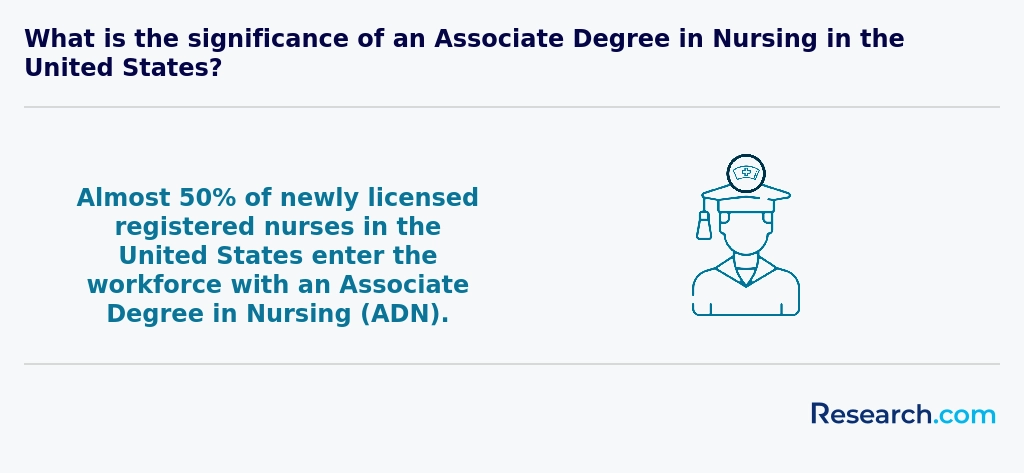
Imagine diving into human anatomy while picturing yourself navigating the bustling hallways of a Massachusetts hospital-graduates from top institutions like UMass Amherst describe this course as their compass for understanding patients' bodies inside and out. Online nursing programs here weave microbiology and pharmacology into your virtual lecture hall, making invisible bacteria and the power of medications feel tangible, as if you're already prepping to save a life.
Courses in nutrition and health assessment aren't just textbooks; they're your tools for reading real patient stories, taught through case studies shaped by Massachusetts' diverse communities. Ethics and law classes here spark lively debates about care decisions in local clinics, empowering you to wield knowledge responsibly.
Many graduates recall how evidence-based practice transformed their thinking, turning abstract research into critical lifesaving tactics. And nowhere is this more vivid than clinical nursing care, where you'll step virtually through maternity and mental health units, guided by programs at colleges like Northeastern or Simmons, marrying theory with the pulse of Massachusetts' healthcare landscape.
Opting for an online nursing degree in Massachusetts unlocks a kaleidoscope of specializations tailored to real-world challenges. Imagine a graduate from a renowned Boston university glowing with pride as they describe moving from an RN to a BSN completion program, now confidently navigating hospital corridors armed with enhanced skills and opportunities. Or consider those diving into Family Nurse Practitioner roles, blending urban hustle with rural calm, meeting Massachusetts' diverse healthcare needs.
Another popular path channels passion into Psychiatric-Mental Health Nursing, where graduates find fulfillment aiding patients grappling with mental health in community clinics around Worcester or Springfield. Meanwhile, Nursing Leadership and Management programs cultivate narratives of nurses at top colleges stepping up as giants of healthcare innovation in Massachusetts. And Public Health Nursing graduates, energized by state-wide outreach efforts, weave hope into the fabric of neighborhoods through education and disease prevention. Exploring these online nursing specializations in Massachusetts feels like joining a vibrant, pulsating network of caregivers shaping tomorrow's world.
For those looking to accelerate their journey, a fastest associates degree might be a strategic start to entering this dynamic field.
Choosing the best online nursing degree in Massachusetts feels like assembling a puzzle where each piece holds your future. Graduates from top schools in Boston and Worcester often highlight how accreditation, like from CCNE or ACEN, transforms their learning journey-one graduate celebrated how it opened doors for licensure and meaningful clinical placements at local hospitals. The secret axis? Affordability mixed with quality. An affordable online nursing degree in Massachusetts means weighing tuition costs against scholarships and grants, especially in a landscape where public universities hover around $16,000 to $27,000 annually, while privates might push beyond $40,000. Consider those who juggle 12-hour shifts and assignments simultaneously; flexible asynchronous courses offered by institutions like UMass or Northeastern let you study on your own rhythm, essentials for balancing work and family.
Imagine diving into clinical rotations within Massachusetts healthcare hubs, a highlight many alumni cherish for real-world experience that sharpens skills and builds confidence. Don't underestimate the power of NCLEX-RN pass rates-graduates from these programs often share pride in pass rates hovering between 85% and 95%, proof that they're leaving ready for the frontlines. For those thinking beyond just fees and schedules, searching for the quickest cheapest masters degree could keep your budget intact without sacrificing quality, as some students discovered through platforms like quickest cheapest masters degree resources.
In sum, the best online nursing programs Massachusetts offers are those that intertwine flexibility, solid accreditation, localized clinical opportunities, and financial sense-all vital for thriving both in your education and future nursing career.
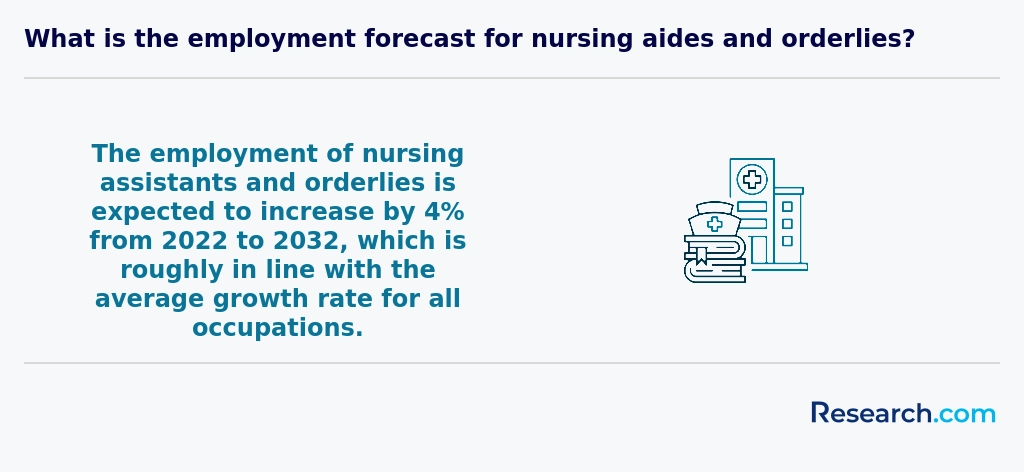
Graduates with an online nursing degree in Massachusetts find themselves stepping into a vibrant mosaic of career paths, each pulsating with opportunity. Picture a graduate from a well-known Massachusetts college, energized as they begin as a Registered Nurse, gently navigating bustling hospital corridors or calm community clinics. The state's diverse healthcare landscape invites exploration into specialties like pediatric or geriatric nursing, where compassionate care shapes young lives or supports elders with dignity-real stories from alumni vividly illustrate this.
Others venture into the profound realm of psychiatric or critical care nursing, fields where empathy and quick thinking fuse to heal both mind and body. This dynamic shift mirrors the evolving demands of Massachusetts' healthcare sector, pushing graduates to embrace roles such as nursing educators or healthcare administrators, guiding teams with both knowledge and heart.
For those fueled by ambition, moving beyond the basics through an online nursing degree in Massachusetts unlocks advanced certifications like Nurse Practitioner, empowering graduates to diagnose and prescribe independently. Inspired alumni from top programs share how this autonomy transforms their daily impact. Exploring such diverse options reflects the richer job market and the rising appeal of earning highest paying bachelor degrees as a strategic investment for future-proof careers in Massachusetts nursing degree job opportunities.
The job market for graduates with an online nursing degree in Massachusetts is buzzing with opportunity. From the bustling corridors of Boston's hospitals to community clinics in Springfield, nurses with online credentials find themselves welcomed warmly, especially when they combine licensure and practical skills. Graduates from well-known institutions such as UMass Amherst and Northeastern report stepping into a variety of roles with confidence, buoyed by the state's chief priorities: real-world nursing ability and strong clinical experience.
Massachusetts online nursing degree job outlook glimmers with prospects fueled by the state's focus on healthcare innovation and a growing elderly population. Imagine a newly licensed nurse landing a residency in a Boston hospital, part of a program designed to cultivate fresh talent regardless of how the degree was earned. This pathway illustrates a hopeful, hands-on future for many.
Tuition investment in these online programs - ranging roughly between $15,000 and $45,000 - is balanced by rewarding career outcomes and solid salaries topping $90,000 annually. For students weighing life choices, exploring the most lucrative college majors can be an eye-opener, aligning nursing's promise with lasting financial stability.
Those pursuing nursing career opportunities in massachusetts online programs often discover that doors open in diverse settings: from innovative research hospitals to outpatient centers keen on embedding technology in care. Their stories echo enthusiasm and practical optimism about the future.
2027 Fastest Online Bachelor's in Nursing Degree Programs Ranking in Massachusetts
Investing in your education is a significant decision that can shape your future, and the Research.com team understands the importance of making informed choices. To assist prospective students in Massachusetts, we have meticulously crafted the "2027 Fastest Online Bachelor's in Nursing Degree Programs Ranking in Massachusetts." Our commitment to quality, credibility, and accuracy is reflected in the extensive research and analysis conducted to compile this ranking.
We utilized the following reputable data sources to ensure a comprehensive evaluation of nursing programs:
By exploring this ranking, readers will gain valuable insights into the fastest online nursing degree programs in Massachusetts, helping them make well-informed decisions about their educational journey. For more details on our methodology, please visit our Research.com methodology page.


# 3 position
UMassOnline
Nursing, RN to BS
Frequently Asked Questions About nursing
Online nursing degree students in Massachusetts can maximize their learning by engaging actively with their coursework and clinical experiences. It is important to use available technology tools for simulation labs and virtual study groups. Massachusetts has over 20 accredited nursing programs offering online courses, ensuring students can access quality resources (Massachusetts Board of Registration in Nursing, 2023).
Students should also seek local clinical placements in Massachusetts healthcare settings, allowing them to apply theory in real-world environments. The state supports nursing students through initiatives like the Massachusetts Nursing Initiative, which enhances clinical training opportunities. Staying connected with faculty and peers through regular communication helps deepen understanding and build professional networks.
Finally, taking advantage of state licensing exam preparation resources is essential. The Massachusetts Board of Registration in Nursing provides up-to-date NCLEX-RN pass rates and study materials that guide students toward licensure success. These strategies help ensure that online learners in Massachusetts gain comprehensive, practical knowledge alongside their academic studies.
The nursing field in Massachusetts is rapidly evolving, with several emerging niches attracting attention from prospective students. One growing area is geriatric nursing, driven by the state's aging population; Massachusetts had nearly 17% of its residents aged 65 or older in 2020, according to the U.S. Census Bureau. This increases demand for nurses specialized in elderly care and chronic disease management.
Another niche is telehealth nursing, which has expanded during the COVID-19 pandemic. Nurses in this field provide remote patient monitoring and virtual consultations. The Massachusetts Department of Public Health supports telehealth growth, improving access to care across urban and rural areas.
Additionally, psychiatric nursing sees increased emphasis due to rising mental health awareness. Specialized nurses work in diverse settings to address behavioral health needs. These niches reflect evolving healthcare demands and offer promising career opportunities for online nursing degree graduates.
After completing an online nursing degree in Massachusetts, graduates should focus on licensure to enter the job market. Passing the NCLEX-RN exam is required to become a Registered Nurse (RN) in Massachusetts. The state requires candidates to meet the Massachusetts Board of Registration in Nursing's standards for licensure.
Networking is essential. Joining organizations like the Massachusetts Nurses Association can provide job leads and professional development resources. Additionally, Massachusetts has a strong healthcare sector, with nurses earning a median annual wage of about $91,000 as of 2022, according to the U.S. Bureau of Labor Statistics.
Consider internships or clinical experiences if your online program offers them, as practical skills are highly valued by employers.
Employers in Massachusetts prioritize a mix of technical and interpersonal skills when hiring nursing degree graduates. Clinical competency is essential; nurses must demonstrate proficiency in patient care, medication administration, and emergency response. According to the Massachusetts Board of Registration in Nursing, nurses with strong critical thinking and decision-making abilities tend to perform better in fast-paced healthcare environments.
Communication skills are also highly valued. Nurses frequently interact with patients, families, and medical teams, making clear and compassionate communication vital. Additionally, familiarity with electronic health records (EHR) systems is increasingly important due to digitization in Massachusetts healthcare facilities.
Adaptability and teamwork are critical since nurses often collaborate across diverse settings, including hospitals, clinics, and community health centers. The Massachusetts Department of Public Health highlights these skills as key for improving patient outcomes and workplace efficiency.
Finding nursing internships in Massachusetts involves leveraging partnerships between online nursing programs and local healthcare facilities. Many accredited nursing schools require clinical hours completed through affiliated hospitals or clinics. Students can also consult the Massachusetts Board of Registration in Nursing, which provides resources and guidance on approved clinical sites.
Popular healthcare employers in Massachusetts, like Massachusetts General Hospital and Brigham and Women's Hospital, often offer internships or clinical placements for nursing students. Networking through professional organizations such as the Massachusetts Nurses Association can also open opportunities.
Online nursing students should proactively communicate with academic advisors to identify local internship options. According to the U.S. Bureau of Labor Statistics, Massachusetts has a strong demand for registered nurses, increasing available internship positions in urban centers.
Obtaining an online nursing degree in Massachusetts significantly enhances career mobility and advancement opportunities. The state's healthcare sector is growing, with the Massachusetts Department of Labor projecting a 15% increase in registered nurse jobs through 2030. Online programs accredited by organizations like the CCNE or ACEN ensure graduates meet licensing requirements set by the Massachusetts Board of Registration in Nursing.
Online degrees enable working nurses to advance to higher roles, such as nurse managers or specialized practitioners, without interrupting their employment. They also facilitate seamless transitions between healthcare settings statewide. According to the Massachusetts Nurses Association, nurses with a BSN or higher earn on average 30% more than those without advanced degrees.
Studying for a nursing degree in Massachusetts equips students with interdisciplinary skills essential for modern healthcare environments. Many Massachusetts nursing programs emphasize collaboration with other healthcare professionals such as physicians, social workers, and pharmacists. This approach aligns with the state's healthcare model, which prioritizes team-based care to improve patient outcomes.
The Massachusetts Department of Higher Education supports curricula that integrate clinical practice with leadership and communication training. According to the Massachusetts Board of Registration in Nursing, about 75% of nursing roles require coordination across multiple disciplines.
Online programs also incorporate case studies and simulations that mirror real-world interdisciplinary challenges, preparing graduates to navigate complex care settings efficiently.
Choosing between a thesis and a non-thesis nursing degree program in Massachusetts depends on your career goals and learning preferences. A thesis program typically involves conducting original research and writing a detailed paper, which is ideal for students interested in advanced clinical roles or pursuing graduate studies.
Non-thesis programs focus more on practical skills and coursework, appealing to those aiming for immediate employment or professional certifications. According to the Massachusetts Board of Registration in Nursing, the state's demand for nurses with practical experience remains high, making non-thesis options attractive for quick workforce entry.
Consider your time availability, research interests, and career plans when selecting the program type.
Students based in Massachusetts seeking to study nursing abroad have limited but notable options primarily through international exchange programs and partnerships between Massachusetts institutions and foreign universities. Most nursing degrees are offered locally due to state-specific licensing requirements governed by the Massachusetts Board of Registration in Nursing. However, select online programs may include clinical experiences abroad, typically arranged through affiliated hospitals or health centers.
According to the Massachusetts Department of Higher Education, less than 5% of nursing students pursue parts of their education internationally, underscoring the challenge of meeting U.S. clinical and accreditation standards overseas.
Prospective students should ensure any foreign study component aligns with Massachusetts' licensure prerequisites to maintain eligibility for the NCLEX-RN exam and professional registration.
Part-time job opportunities in Massachusetts that complement nursing education often include roles such as certified nursing assistant (CNA), medical scribe, or home health aide. These positions provide practical experience in patient care and healthcare settings, enhancing skills applicable to nursing coursework. According to the Massachusetts Department of Public Health, CNAs in the state earn a median hourly wage of about $16, enabling students to support themselves financially while gaining clinical exposure.
Many healthcare facilities near Boston and Worcester offer flexible part-time hours tailored to students' schedules. Additionally, pharmacy technician roles allow nursing students to deepen their pharmacology knowledge. Such jobs align well with course demands and improve time management, essential for online learners balancing work and study.
Online nursing students in Massachusetts have access to various networking opportunities despite the virtual format. Many universities offer virtual career fairs, online nursing clubs, and discussion forums that connect students with peers and local healthcare professionals. Organizations like the Massachusetts Nursing Association provide virtual events and regional chapter meetings, helping students build professional contacts in the state.
Additionally, some programs partner with healthcare facilities throughout Massachusetts, facilitating clinical placements and internships that encourage in-person networking. According to the Massachusetts Board of Registration in Nursing, over 130,000 registered nurses work statewide, indicating a robust professional community for new graduates to engage with.
Alumni networks offer valuable support to online nursing degree students in Massachusetts by connecting them with experienced professionals across the state. Many nursing programs maintain active networks that help graduates access job opportunities, mentorship, and continuing education resources. According to the Massachusetts Board of Registration in Nursing, strong professional connections can enhance career advancement in this competitive field.
In Massachusetts, where nursing demand is projected to grow 12% by 2030, alumni networks facilitate introductions to hospital systems and clinics statewide. These networks also provide forums for sharing best practices and updates on state nursing regulations, helping online students stay informed despite remote learning setups.
Overall, alumni connections help nursing students translate education into employment and professional growth throughout Massachusetts' healthcare landscape.
Customizing your online nursing degree program in Massachusetts allows you to align your education with specific career goals. Many Massachusetts institutions offer specialized tracks such as pediatric nursing, gerontology, or community health. You can also select electives focused on healthcare management or informatics to prepare for leadership roles.
Flexible clinical placement options let you gain experience in local hospitals or community clinics, enhancing practical skills relevant to your preferred setting. Additionally, some programs support accelerated pathways and credit for prior nursing certifications, helping you advance faster.
According to the Massachusetts Board of Registration in Nursing, pursuing a tailored program can improve job prospects in a competitive market where registered nurses earn a median salary of over $90,000 annually. Researching different school offerings and accreditation status ensures your degree meets licensure requirements and industry standards.
Online nursing students in Massachusetts often face challenges balancing rigorous coursework with clinical practice requirements. The state mandates hands-on clinical hours, which generally cannot be completed online, requiring students to find suitable local placements. This can be difficult given the competition for clinical sites and the ongoing nursing shortage reported by the Massachusetts Board of Registration in Nursing.
Technical issues also impact students. Reliable internet access and familiarity with educational technology are essential, but not all students have these consistently. Additionally, many online programs require synchronous classes that may conflict with students' work schedules.
Lastly, staying motivated without in-person support can challenge some learners. Research shows that online students benefit from strong time management and self-discipline skills to succeed in demanding nursing programs.
With an online nursing degree in Massachusetts, graduates can pursue various professional certifications to enhance their careers. Common certifications include the Registered Nurse (RN) license, which is required to practice nursing in the state. Additional specialized credentials such as the Certified Nurse Specialist (CNS), Certified Nurse Midwife (CNM), and Nurse Practitioner (NP) are also options, depending on the level of education and clinical experience.
The Massachusetts Board of Registration in Nursing oversees licensure and certification. According to the U.S. Bureau of Labor Statistics, Massachusetts employs over 70,000 registered nurses, with demand growing steadily due to the aging population.
National certifications like the American Nurses Credentialing Center (ANCC) certifications are widely respected and often required by employers.
Applying to an online nursing program in Massachusetts requires careful preparation. Start by thoroughly researching programs accredited by the Commission on Collegiate Nursing Education (CCNE) or the Accreditation Commission for Education in Nursing (ACEN). Accreditation ensures the program meets state and national standards, critical for licensure and employment.
Craft a strong personal statement that highlights your motivation for nursing, experience in healthcare, and commitment to serving Massachusetts' diverse populations. Massachusetts has a high demand for nurses, with a 2022 report by the Massachusetts Department of Public Health noting a 16% employment growth expected by 2030, so emphasize your readiness to meet this need.
Finally, gather all transcripts, letters of recommendation, and any required test scores early to avoid delays. Tailoring your application to reflect local healthcare challenges and nursing opportunities can strengthen your candidacy.
The nursing profession is increasingly recognized worldwide as a vital component of healthcare. In the United States, including Massachusetts, nursing offers broad career opportunities and high job growth. According to the Bureau of Labor Statistics, registered nursing jobs are expected to grow 9% nationally from 2022 to 2032, reflecting strong demand.
Globally, nursing is valued for its critical role in patient care and public health. However, education standards and career pathways vary. In Massachusetts, online nursing degrees provide flexible options while meeting rigorous state licensure requirements. This enables graduates to compete both locally and in broader healthcare markets.
Massachusetts also benefits from numerous nursing research programs, linking clinical practice with innovation, enhancing the profession's standing worldwide.
Gaining practical experience while studying for an online nursing degree in Massachusetts is essential for licensure and skill development. Most accredited programs require clinical rotations or hands-on training at local healthcare facilities. Students often partner with hospitals, clinics, or community health centers near their residence to complete these placements.
The Massachusetts Board of Registration in Nursing mandates supervised clinical hours to qualify for the NCLEX-RN exam. These experiences allow students to apply theoretical knowledge in real-world settings, improving patient care skills.
Many online programs in Massachusetts also offer simulation labs and virtual clinical experiences to complement in-person training. According to the Massachusetts Department of Higher Education, nearly 85% of nursing students complete clinical hours within six months of their coursework.
Choosing the right concentration within an online nursing degree program in Massachusetts begins with understanding your career goals and the local healthcare landscape. Massachusetts has a growing demand for specialized nurses in areas like gerontology, pediatrics, and mental health, reflecting its aging population and statewide healthcare priorities (Massachusetts Department of Public Health, 2023).
Next, evaluate how each concentration aligns with your interests and job prospects. For example, gerontological nursing is vital due to Massachusetts' increasing elderly demographic, while mental health nursing is expanding with supportive state initiatives.
Consider program accreditation and clinical placement opportunities in Massachusetts hospitals, which can boost licensure and employment chances. Additionally, review the curriculum focus, as some programs emphasize leadership or community health, affecting your future roles.
- 2027 Fastest Online Bachelor's in Nursing Degree Programs Ranking in Connecticut
- 2027 Fastest Online Bachelor's in Nursing Degree Programs Ranking in New York
- 2027 Fastest Online Bachelor's in Nursing Degree Programs Ranking in Pennsylvania
- 2027 Fastest Online Bachelor's in Nursing Degree Programs Ranking in Maryland
- 2027 Fastest Online Bachelor's in Nursing Degree Programs Ranking in Virginia
- 2027 Fastest Online Bachelor's in Nursing Degree Programs Ranking in Ohio
- 2027 Fastest Online Bachelor's in Nursing Degree Programs Ranking in West Virginia
- 2027 Fastest Online Bachelor's in Nursing Degree Programs Ranking in Kentucky
- 2027 Fastest Online Bachelor's in Nursing Degree Programs Ranking in North Carolina
- 2027 Fastest Online Bachelor's in Nursing Degree Programs Ranking in South Carolina
See What Experts Have To Say About Studying Nursing
Read our interview with Nursing experts

Lisa Grubb
Nursing Expert
Assistant Professor
Johns Hopkins School of Nursing

- Scholarships & Financial Aid https://www.aacnnursing.org/students/scholarships-financial-aid
- Nurse Salary https://nursinglicensemap.com/resources/nurse-salary/
- | NRR | Dove Medical Press https://www.dovepress.com/internship-challenges-encountered-by-nursing-students-a-qualitative-st-peer-reviewed-fulltext-article-NRR
- Guide to Making a Career Change to Nursing https://teach.com/online-ed/healthcare-degrees/online-msn-programs/career-change-to-nursing/
- Bachelor of Science in Nursing (BSN) https://www.elms.edu/school-of-nursing/bachelor-science-programs/bachelor-of-science-in-nursing/
- How to Choose the Right Nursing School for Your Career Goals | Archer Review https://www.archerreview.com/blog/how-to-choose-the-right-nursing-school-for-your-career-goals
- Study Nursing Abroad | Boomerang International Educational Services https://boomerangedu.com/study-nursing-abroad/
- Top Skills Employers Want in Practical Nursing Graduates https://vervecollege.edu/what-employers-look-for-in-practical-nursing-graduates/
- Do I Have to Write a Thesis to Complete a Master’s Degree in Nursing? https://www.bestmasterofscienceinnursing.com/faq/write-thesis-complete-masters-degree-nursing/
- Online versus Face-to-Face Nursing Degrees: A Study of Recruiters’ Perceptions - OJDLA https://ojdla.com/articles/online-versus-face-to-face-nursing-degrees-a-study-of-recruiters-perceptions


