
2027 Best Nursing Degree Programs Ranking in Grand Rapids

Co-Founder and Chief Data Scientist
Choosing the right nursing degree program is a big step toward a rewarding career in healthcare. This article introduces the 2027 Best Nursing Degree Programs Ranking in Grand Rapids, created by the Research.com team of data scientists to guide you in making an informed decision.
By exploring this ranking, you'll discover programs that stand out for quality education and support, helping you find the perfect fit for your goals.
Investing in a nursing degree opens doors to meaningful work and personal growth, and this guide is here to help you take that first step with confidence.
Key benefits of getting nursing degree in Grand Rapids
- Nursing degree graduates in Grand Rapids can expect competitive salaries, with Registered Nurses typically earning around $94,480 annually and Operating Room Nurses earning up to $128,490 per year.
- A nursing degree opens doors to diverse career paths such as Clinical Nurse Educator, Public Health Nurse, and Emergency Room Nurse, offering opportunities to specialize and grow in a thriving healthcare community.
- Completing a nursing degree online in Grand Rapids provides flexibility and convenience, helping students balance work and study while gaining the same valuable skills and knowledge as traditional programs.
- 2027 Best Nursing Degree Programs Ranking in Grand Rapids
- What can I expect from nursing degree in Grand Rapids?
- Where can I work with nursing degree in Grand Rapids?
What can I expect from nursing degree in Grand Rapids?
The average cost of a nursing degree in Grand Rapids varies depending on the program and institution, but students often find it manageable with available financial support. Graduates from well-known local colleges recall tuition expenses for an Associate Degree in Nursing typically ranging from $8,000 to $15,000, while Bachelor of Science in Nursing programs can cost between $20,000 and $40,000. Many of them emphasize how scholarship opportunities and grants helped ease the financial burden.
One graduate shared how attending a community college focused on nursing allowed them to gain strong clinical skills through partnerships with Spectrum Health without overwhelming debt. Another reflected on how a bachelor's degree from a four-year college in Grand Rapids required careful budgeting but was ultimately rewarding, thanks to financial aid and work-study options.
These students highlight that nursing programs here provide not only education but also accessible pathways through financial assistance, making nursing degrees achievable for many driven individuals in the area.
Where can I work with nursing degree in Grand Rapids?
Graduates with a nursing degree from institutions like Grand Valley State University often find themselves welcomed into a robust healthcare environment in Grand Rapids. Many start their careers in large hospitals such as Metro Health or Mercy Health Saint Mary's, where they gain hands-on experience across emergency rooms, outpatient clinics, and specialized care units. These settings provide a dynamic, fast-paced atmosphere that many graduates find both challenging and deeply rewarding.
Others have shared how working in long-term care facilities or skilled nursing centers allows them to build meaningful relationships with patients, especially elderly individuals who rely on consistent care. The city's growing home healthcare sector is another avenue, offering the chance to deliver personalized medical support in patients' homes-a path that appeals to those valuing community connection and autonomy in their roles.
For those pursuing advanced practice roles or public health nursing, Grand Rapids offers opportunities through universities and health departments, fostering career growth aligned with specialized interests. Graduates often speak of a genuine sense of purpose when contributing to community health programs or engaging in clinical research at local institutions. Studying nursing here means stepping into a wide spectrum of careers, each rich with potential and personal fulfillment.
Graduates from nursing programs in Grand Rapids often find promising salary paths aligned with the strong healthcare environment here. Registered Nurses, for example, can anticipate a mean annual wage around $94,480, reflecting data from prominent local employers and statewide trends. This figure resonates with the experiences of many who have completed degrees at well-regarded institutions like Grand Valley State University or Davenport University.
For those pursuing specialized roles, the financial rewards grow noticeably. Operating Room Nurses in the area earn a mean annual wage of approximately $128,490, illustrating the value of advanced skills and certifications. Graduates stepping into clinical educator or public health nurse positions also benefit from mean annual salaries near $94,480, supporting a stable and fulfilling career.
These salary ranges help nursing graduates in Grand Rapids feel confident about their educational investment, knowing that demanding healthcare settings and institutions such as Spectrum Health offer competitive compensation. The balance of commendable pay and meaningful work often sparks pride and motivation among new nurses, encouraging continuous professional growth.
- Nursing degrees in Grand Rapids range from associate (ADN) to bachelor's (BSN) and advanced degrees (MSN), with costs averaging between $10,000 and $25,000 per year depending on the institution and program level.
- The demand for registered nurses (RNs) in Grand Rapids is expected to grow by about 15% over the next decade due to an aging population and expanding healthcare services.
- Starting salaries for entry-level nurses in the area average around $55,000 per year, with median wages increasing to $75,000-$85,000 within five to ten years with experience or additional certifications.
- Licensing requires passing the NCLEX-RN exam after completing an accredited nursing program from recognized agencies like CCNE or ACEN.
- Community colleges generally offer more affordable ADN programs, while universities have higher tuition for BSN and graduate nursing degrees.
Completing a nursing degree in Grand Rapids usually depends on your chosen path. Many graduates from local community colleges often share how the ADN program, taking about 2 to 3 years, fits well into busy lives, allowing them to quickly join the workforce as Registered Nurses. This shorter timeline is a relief for those eager to start hands-on nursing work without delay.
Others who enrolled in BSN programs at universities in Grand Rapids describe the full 4-year journey as transformative. They appreciate the deeper knowledge gained in leadership and clinical research, which opens doors to advanced career roles. These students often mention how the extended study period feels rewarding as they become confident nursing professionals well-prepared for Michigan's evolving healthcare demands.
For those balancing work and study, accelerated options like the RN-to-BSN programs provide flexibility, often completed within 1 to 2 years. Graduates say this route feels manageable and empowering, blending continued employment with academic growth. The time invested aligns well with their goals of advancing without taking a career break.
Pursuing a Master of Science in Nursing (MSN) can significantly expand your clinical expertise, leadership opportunities, and earning potential. In Grand Rapids, MSN tracks-ranging from nurse practitioner and nurse educator to nurse administrator-equip graduates with specialized skills to meet complex healthcare demands. Understanding tuition estimates and program formats is vital; traditional on-campus programs at local universities may average $30,000–$40,000 per year, while hybrid and fully online options can offer greater flexibility and cost savings for working professionals. When evaluating MSN pathways, comparing tuition, credit requirements, and clinical practicum arrangements ensures you choose the best fit. For those balancing work, family, and study, exploring a curated list of most affordable online msn programs can reveal accredited, budget-friendly choices that maintain rigorous academic standards. Scholarships, employer tuition reimbursement, and graduate assistantships further reduce out-of-pocket expenses, making the transition from BSN to MSN both attainable and strategic for long-term career growth.
Online and on-campus nursing degrees in Grand Rapids present distinct experiences shaped by their formats. Graduates from Calvin University often recall the energizing atmosphere of face-to-face classes, where hands-on interaction and immediate feedback from instructors enriched their learning journey. Being physically present on campus was especially valuable when practicing clinical skills at nearby hospitals, fostering a sense of community and routine that supported their motivation.
In contrast, online degree holders appreciate the flexibility to balance studies with work or family life, a common scenario among students enrolled through Grand Rapids Community College's remote offerings. They describe a rewarding challenge in managing their schedules independently while still completing required clinical hours in local healthcare settings, blending convenience with real-world application.
Both paths demand dedication and provide accredited credentials, but your choice hinges on how you learn best and your lifestyle in Grand Rapids. Whether thriving in-person amid peers or thriving through self-paced study at home, nursing students here share a deep satisfaction in advancing toward a meaningful career.
The average cost of a nursing degree in Grand Rapids reflects a balance between quality education and financial investment. Nursing students attending popular institutions like Grand Rapids Community College or Grand Valley State University often discover that pursuing an ADN or BSN involves a median total cost around $33,160. In-state students generally benefit from lower tuition, with a median in-state total cost near $24,466, highlighting the advantage of residency status in managing expenses related to nursing degree tuition and fees Grand Rapids.
Graduates recall that while tuition expenses form the core of the total cost, additional fees for books, supplies, clinical placements, and licensing exams can add up and should not be overlooked. One student from Grand Valley State mentioned how budgeting for these extra costs alongside tuition was crucial. The relatable experience of balancing these expenses often fosters resilience and a strong sense of accomplishment once the degree is earned.
Many nursing students value the vibrant community and [nursing colleges fort worth alumni network](https://universities-colleges/best-nursing-schools-in-fort-worth) as a source of inspiration despite studying out of state or transferring. Those who navigate the tuition fees challenge often emphasize how affording a nursing degree in Grand Rapids is an investment not just financially but also personally, leading to rewarding career opportunities in healthcare fields close to home or beyond.
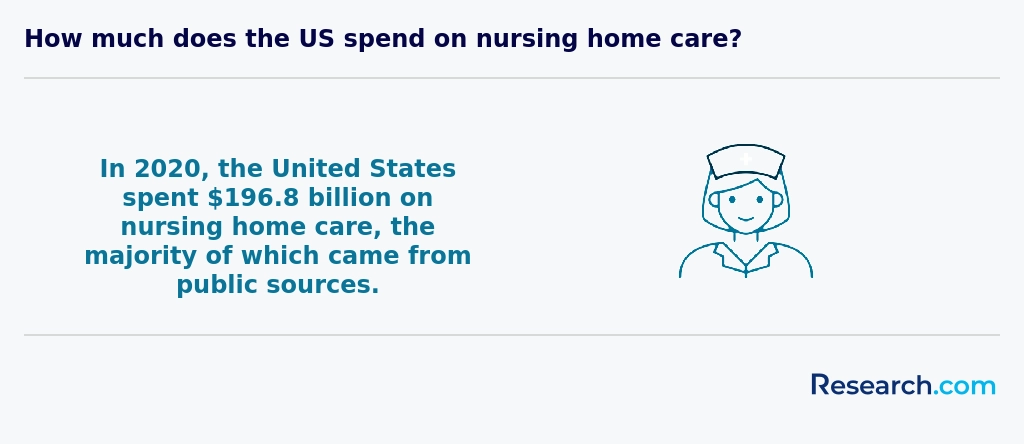
Becoming a licensed Registered Nurse in Michigan involves meeting state board criteria and passing the NCLEX-RN exam. Grand Rapids programs typically prepare students with strong clinical training that translates into high pass rates.
- Graduate from an accredited program approved by the Michigan Board of Nursing.
- Submit an application, official transcripts and required fees to the Michigan Board of Nursing.
- Register for the NCLEX-RN through Pearson VUE, scheduling your exam within 90 days of eligibility.
- Complete fingerprinting and background check as part of the licensure process.
- Receive your official NCLEX results; a passing score grants you an RN license in Michigan.
Most local programs report NCLEX-RN pass rates above 90%, reflecting rigorous preparation. After licensure, some nurses advance to specialty roles by exploring nurse practitioner programs in texas online. Check board guidelines regularly for updates on requirements and fees.
Many nursing students in Grand Rapids find that federal aid through FAFSA is a practical starting point. Graduates from both Grand Rapids Community College and Ferris State University often share how Pell Grants help ease tuition pressures, sometimes covering up to $7,500 annually based on need. This kind of support feels like a genuine relief during those early semesters.
Local scholarships also play a meaningful role. Students have benefitted from awards sponsored by healthcare employers like Spectrum Health, which provide both financial assistance and a sense of encouragement to remain in the community's healthcare system after graduation.
State programs, such as Michigan's Tuition Grant, frequently assist students attending private colleges nearby, while the Michigan Health Professions Scholarship offers a rewarding path for those willing to serve underserved areas around Grand Rapids. Graduates often mention these supports as pivotal when choosing their career paths.
Loan forgiveness opportunities, like the Nurse Corps program, resonate with many nursing candidates focused on long-term service in critical shortage facilities. For students balancing part-time jobs or employer tuition reimbursements, these layered aids transform the challenge of financing a nursing degree into an achievable journey filled with hope and purpose.
One of the most important measures of a nursing program’s quality is its NCLEX-RN first-time pass rate, which reflects how well graduates are prepared for state licensure and clinical practice. In Grand Rapids, leading institutions report impressive outcomes:
- Grand Valley State University: 94% first-time NCLEX-RN pass rate, with 98% of graduates employed within six months of licensure.
- Calvin University: 92% NCLEX success on the first attempt and a 95% job placement rate in local healthcare facilities.
- Grand Rapids Community College (ADN program): 89% first-time pass rate, with strong partnerships offering direct hires at partner hospitals. These outcomes are bolstered by dedicated NCLEX review workshops, simulation labs, and faculty mentorship programs that guide students through exam strategies and clinical reasoning skills. Graduates consistently cite these support services as key factors in achieving licensure and launching their careers. While high pass rates and quick job placement are hallmarks of quality nursing education, affordability can also play a significant role in your decision. To compare cost-efficient online options, explore our Most Affordable Online Nursing Degree Programs Ranking in North Carolina.
To enroll in a nursing degree in Grand Rapids, candidates must first hold a high school diploma or GED and demonstrate strong skills in key subjects like biology, chemistry, and algebra. Graduates from local programs, such as those at Grand Rapids Community College, often recall the challenge and satisfaction of mastering these foundational courses, which truly build confidence for nursing studies.
Many students emphasize the importance of completing prerequisite college courses like anatomy, physiology, microbiology, and nutrition with solid grades. These courses are more than just requirements-they prepare you to excel in demanding nursing classes. The commitment to meeting minimum grade standards, often a "C" or better, is a common theme among successful applicants in the area.
Beyond academics, proof of English proficiency and health documentation, including immunizations and background checks, are indispensable. Passing the TEAS exam is another hurdle some students face, but overcoming it tends to bring a strong sense of accomplishment that resonates throughout their nursing journey in Grand Rapids.

When considering a nursing program in Grand Rapids, MI, understanding the financial implications is crucial. Prospective students often find themselves weighing the costs of tuition, fees, and living expenses against the potential benefits of a nursing career. To alleviate some of the financial burden, many institutions in Grand Rapids offer financial aid packages, including scholarships, grants, and loans. For instance, exploring the most affordable nursing programs in Michigan can provide valuable insights into budget-friendly options. Additionally, some employers offer tuition reimbursement programs or loan forgiveness options for nursing students who commit to working with them after graduation. By carefully evaluating these financial aspects and exploring available aid, aspiring nurses can make informed decisions about their educational path and set themselves up for success in this rewarding field.
Nursing degree programs in Grand Rapids typically include a well-rounded selection of courses that prepare students for the demanding and rewarding nature of healthcare work. Graduates from popular local institutions often recall how foundational courses like human anatomy, physiology, microbiology, and chemistry gave them a solid grasp of the body's complexities, which made clinical practice far more meaningful.
Students frequently mention the value of specialized nursing courses that are tailored to real-world challenges in Grand Rapids' healthcare settings. For example, health assessment and clinical skills training build confidence for hands-on patient care, while pharmacology courses illuminate the critical importance of safe medication administration. Other vital areas include adult and pediatric nursing, mental health, maternal and neonatal care, and community health-each shaping graduates into compassionate, versatile caregivers.
Experiencing these courses at institutions such as Grand Rapids Community College and Calvin University, students appreciate how theory seamlessly connects with practice through clinical rotations in local hospitals. This practical training fosters a strong sense of readiness and excitement for their future roles.
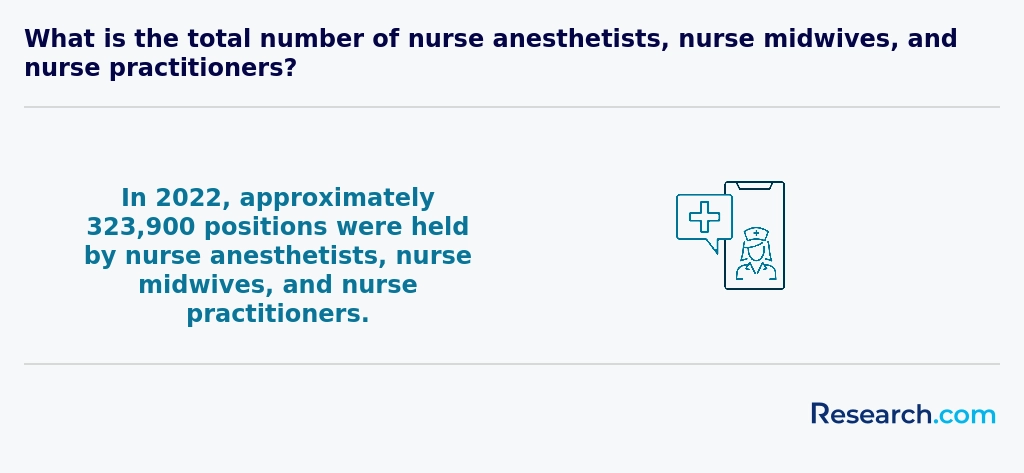
Nursing specializations in Grand Rapids reflect the city's dynamic healthcare landscape, offering pathways that meet both local and statewide needs. Graduates from popular universities often find themselves drawn to programs like Registered Nurse (RN) to Bachelor of Science in Nursing (BSN) pathways, which balance working professionals' schedules with leadership and clinical skill development. Many students recall valuable hands-on experience gained through clinical rotations in pediatric and geriatric nursing, highlighting the rewarding nature of caring for Michigan's diverse age groups.
Others choose Family Nurse Practitioner (FNP) tracks, feeling a strong connection to providing primary care across urban and rural communities. Psychiatric-Mental Health Nursing is another specialization that resonates deeply, especially as graduates witness firsthand the growing need for mental health support in Grand Rapids clinics. For those interested, it's worth exploring rn to bsn programs for non-nurses locally, which offer tailored options to fit various career goals and personal commitments.
Students and graduates appreciate how these specializations align well with regional demands, making the journey both meaningful and promising for those pursuing Grand Rapids nursing degree options.
Choosing the best nursing degree in Grand Rapids starts with understanding the unique offerings of local institutions like Grand Valley State University and Grand Rapids Community College. Graduates often reflect on how program accreditation influenced their confidence in achieving licensure and employment. Selecting a program accredited by CCNE or ACEN ensures you are on a trusted path, enhancing your willingness to navigate demanding clinical hours with assurance. Considering program length is also key-an ADN might suit those eager to enter the workforce quickly, while a BSN opens doors to advanced roles, fitting with many employers in Grand Rapids who now prefer BSN-prepared nurses, making it a popular choice among students in the best nursing programs Grand Rapids offers.
Cost and financial aid can deeply affect your experience. Many find that affordable nursing degrees Grand Rapids provide enable them to balance work, study, and life without overwhelming stress. Local scholarships and grants make investment worthwhile, especially given the steady nursing demand here. A common theme among students is valuing clinical placements within trusted health systems in Grand Rapids, which bring learning to life and build professional networks.
For those currently in healthcare, exploring bridge options can transform careers without starting over. If you seek further guidance, learning more here can help clarify your path.
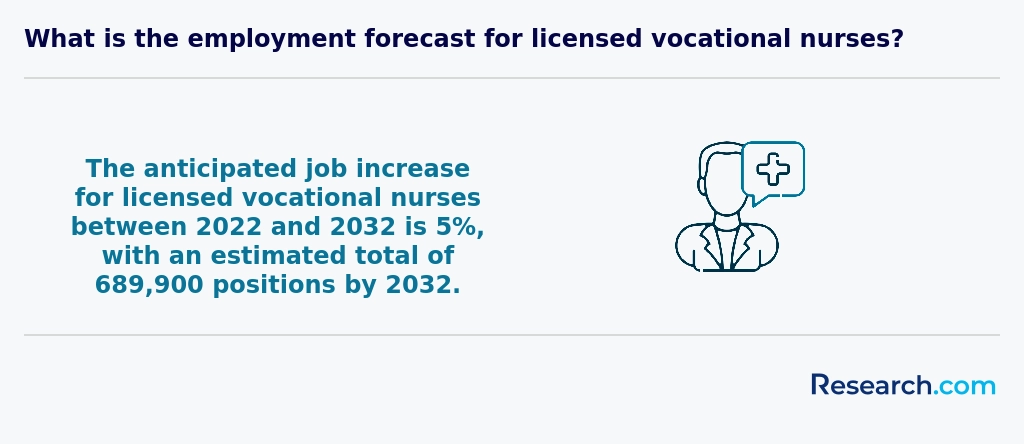
Graduates with a nursing degree in Grand Rapids find a welcoming landscape rich with diverse opportunities shaped by the city's respected healthcare institutions and educational environments. Many begin their journey as registered nurses, engaging hands-on at renowned facilities like Spectrum Health, where their skills directly impact patient recovery and well-being. Reflecting on the nursing career opportunities in Grand Rapids, it becomes clear how local programs emphasize both clinical expertise and compassionate care, preparing students for roles in pediatrics, geriatrics, oncology, emergency nursing, and critical care.
Others from programs at popular colleges often pursue advanced roles such as nurse practitioners, enabled to provide diagnoses and prescribe treatments, enjoying the autonomy and respect this position offers. Equally rewarding are careers in nursing education or healthcare administration, where graduates share their knowledge or shape policies that enhance patient safety and care quality. Many alumni recall their experiences with nursing mentorship and guidance, vital in bridging classroom knowledge to real-world impact, enriching their professional growth profoundly.

The nursing job outlook Grand Rapids offers a promising path for graduates who seek stable and rewarding careers. Graduates from well-known local institutions often find themselves in demand across the region's expanding healthcare facilities, which include major employers like Spectrum Health and Mercy Health Partners. Their firsthand experiences reflect a steady stream of job postings and competitive salaries, with many entering roles soon after completing their degrees.
Healthcare employment opportunities Grand Rapids are bolstered by a projected 10% growth in registered nurse positions through 2030, surpassing the national average. This growth stems from the expanding needs of an aging community and the emphasis on eldercare and chronic disease management. Graduates frequently describe the satisfaction of joining specialty departments as their skills develop, enhancing both personal fulfillment and career prospects.
Many nursing students appreciate the region's accessible education costs at public colleges, which help make pursuing a nursing degree within reach. For those considering related health fields, exploring the best nutritional science programs nearby offers an additional option to enter healthcare with solid foundations.
2027 Best Nursing Degree Programs Ranking in Grand Rapids
Investing in your education is a significant decision that can shape your future, and the Research.com team understands the importance of making informed choices. To assist prospective students in Grand Rapids, we have meticulously crafted the "2027 Best Nursing Degree Programs Ranking in Grand Rapids." Our commitment to quality, credibility, and accuracy is reflected in the extensive research and analysis conducted to compile this ranking.
We utilized the following reputable data sources to ensure a comprehensive evaluation of nursing degree programs:
By exploring this ranking, readers will gain valuable insights into the foremost nursing degree programs in Grand Rapids, empowering them to make well-informed decisions about their educational paths. For more details on our methodology, please visit our Research.com methodology page.


Frequently Asked Questions About nursing
Students pursuing nursing degrees in Grand Rapids can enhance their learning by engaging actively in clinical placements offered through local hospitals like Spectrum Health and Mercy Health Saint Mary's. These hands-on experiences are essential for applying classroom knowledge to real-world situations. According to the Michigan Center for Nursing, over 6,000 nurses are employed in the Grand Rapids area, providing ample opportunities for mentorship and networking.
Additionally, students should take advantage of simulation labs available at institutions such as Grand Rapids Community College, which use advanced technology to replicate patient care scenarios. Combining these resources with participation in student nursing organizations helps develop leadership and teamwork skills. Utilizing the area's diverse healthcare settings increases exposure to various specialties, enriching educational outcomes.
The nursing field in Grand Rapids is expanding into several emerging niches that reflect broader healthcare trends. One growing area is geriatric nursing, driven by Michigan's aging population, which is expected to increase the demand for specialized elder care. According to the Michigan Center for Rural Health, nurses trained in elder care will see growing opportunities through 2030. Another notable niche is telehealth nursing, which gained traction amid the COVID-19 pandemic and continues to evolve with digital health technologies adopted by local healthcare providers.
Additionally, mental health nursing is becoming more prominent as Grand Rapids hospitals and clinics address rising behavioral health needs. Pediatric nurse practitioners and community health nurses also represent areas where Grand Rapids shows increased hiring, influenced by public health initiatives in Kent County. These niches offer unique career paths for nursing graduates seeking roles beyond traditional hospital settings.
Graduates with nursing degrees in Grand Rapids should focus on obtaining licensure promptly by passing the NCLEX-RN exam, which is essential for all registered nurses in the US. Preparation courses and practice tests tailored to Michigan's requirements can increase success rates.
Networking with local healthcare employers, such as Spectrum Health and Mercy Health Saint Mary's, can improve job prospects. These institutions account for a significant portion of nursing employment in the area.
Continuing education and certifications in specialties like gerontology or critical care are valuable. The Michigan Department of Licensing and Regulatory Affairs offers resources on maintaining licensure and pursuing specialty certifications.
In 2023, the Bureau of Labor Statistics reported a 9% growth projection for registered nurses in Michigan, reflecting steady demand in Grand Rapids' healthcare sector. Engaging in internships or clinical placements during study also enhances practical skills and employability.
Employers in Grand Rapids seek nursing graduates with a blend of technical skills and soft skills essential for high-quality patient care. Clinical competence, including proficiency in patient assessment, medication administration, and electronic health records, is fundamental. According to the Michigan Nurses Association, attention to detail and critical thinking rank among the top attributes valued locally.
Effective communication is crucial, as nurses must collaborate with healthcare teams and interact sensitively with diverse patients. Adaptability is also important due to the fast-paced nature of Grand Rapids hospitals. Moreover, cultural awareness and empathy enable nurses to address the needs of the community effectively. These combined skills help graduates stand out in the competitive healthcare job market of Grand Rapids.
Finding nursing internships in Grand Rapids involves leveraging local healthcare institutions and educational resources. Prospective nursing students should start by exploring internship opportunities at prominent hospitals such as Grand Rapids Medical Mile and Spectrum Health, which frequently offer clinical placements for nursing students.
Additionally, nursing programs at Grand Rapids Community College and Ferris State University's Grand Rapids campus often assist students in securing internships through established partnerships with healthcare providers. The Michigan Nurses Association and the West Michigan Chapter of the National Student Nurses' Association provide networking events and resources that can further aid in finding internships.
It is also advisable to contact the Michigan Board of Nursing or visit their website for guidance on approved clinical experiences. Networking with local nurses and faculty can be invaluable to identify openings and gain firsthand advice on competitive internships specific to Grand Rapids' healthcare environment.
A nursing degree significantly enhances career mobility and advancement opportunities in Grand Rapids. According to the Bureau of Labor Statistics, the healthcare sector in Michigan, including Grand Rapids, is growing steadily, creating demand for qualified nurses. With a degree, graduates can access a broader range of roles, such as registered nurse (RN), nurse practitioner (NP), or specialized nursing positions, which often come with higher salaries.
Local healthcare providers, like Spectrum Health and Mercy Health, prioritize candidates with accredited nursing degrees for leadership and specialized clinical roles. Additionally, advanced degrees facilitate eligibility for certifications and management positions, supporting long-term career growth within the region's healthcare system.
Studying for a nursing degree in Grand Rapids offers strong preparation for interdisciplinary roles through comprehensive curricula that emphasize collaboration. Programs typically include clinical experiences in diverse healthcare settings, where students work alongside professionals from medicine, pharmacy, social work, and other fields. This holistic approach develops communication and teamwork skills essential for coordinated patient care.
Local nursing schools often partner with Grand Rapids health systems, such as Spectrum Health, providing access to interdisciplinary practicum opportunities. According to the Michigan Center for Nursing, graduates from this region report higher confidence in engaging interdisciplinary teams than the state average. This preparation aligns with growing national trends encouraging team-based approaches in healthcare to improve patient outcomes.
Choosing between a thesis and a non-thesis nursing degree program in Grand Rapids depends largely on your career goals and learning preferences. Thesis programs typically focus on research skills, preparing students for doctoral studies or roles in academic and clinical research. These programs often require a significant time commitment to complete a research project.
Non-thesis programs emphasize practical skills and may include additional clinical hours or coursework instead of research. This option suits students aiming for advanced practice roles or management positions. According to Grand Rapids nursing education data, about 60% of local programs offer both options, reflecting diverse student needs.
Consider your long-term plans, time availability, and interest in research when making your choice.
Students in Grand Rapids interested in studying nursing abroad have several pathways available through partnerships between local institutions and international universities. While most nursing programs in Grand Rapids focus on domestic training, some schools like Grand Valley State University offer study abroad opportunities or exchange programs in countries such as Ireland and Australia. These programs enable students to gain global clinical experience and understand varied healthcare systems.
The U.S. higher education system requires that credits earned abroad align with nursing accreditation standards. Students should ensure their chosen overseas institution meets criteria recognized by the Commission on Collegiate Nursing Education (CCNE) or the Accreditation Commission for Education in Nursing (ACEN).
Additionally, students planning to study abroad must consider state nursing board requirements for licensure after graduation. Michigan's Board of Nursing provides guidelines to ensure international coursework prepares students for the NCLEX-RN exam and licensure.
According to the American Association of Colleges of Nursing (2023), less than 10% of nursing students nationally participate in formal study abroad programs, highlighting the selective nature of these opportunities.
Students pursuing nursing degrees in Grand Rapids have several part-time job opportunities that align well with their education. Working as a certified nursing assistant (CNA) or patient care technician in local hospitals, such as Spectrum Health or Metro Health, provides valuable clinical experience. These roles improve patient interaction skills and offer practical exposure to healthcare settings.
Other options include positions as medical scribes or administrative assistants in medical offices, which help develop understanding of healthcare documentation and procedures. According to the Michigan Department of Labor, healthcare support occupations in Grand Rapids are expected to grow by 12% through 2030, emphasizing availability and demand.
Nursing students in Grand Rapids benefit from numerous networking opportunities that help build professional connections. The city hosts chapters of major nursing organizations such as the Michigan Nurses Association and the American Nurses Association, offering local events and seminars. These groups provide a platform for students to meet experienced nurses, experts, and healthcare employers.
Local hospitals like Spectrum Health and Mercy Health also partner with nursing programs to offer clinical placements and workshops. Students can attend health conferences and job fairs frequently held in the Grand Rapids area, increasing their exposure to potential employers.
Additionally, nearby universities often organize networking mixers and mentorship programs specifically for nursing students.
Alumni networks play a crucial role in supporting nursing degree students in Grand Rapids. These networks provide access to experienced professionals who offer mentorship, career advice, and guidance tailored to the local healthcare environment. Connecting with graduates enhances job placement opportunities, as many hospitals and clinics in Grand Rapids prefer candidates recommended through alumni relationships.
According to the Michigan Nurses Association, strong professional networks can increase employment rates by up to 20% for new nursing graduates. Alumni events and online platforms facilitate knowledge sharing about clinical practices and local licensing requirements.
This ongoing engagement helps students build confidence and professional competence as they transition into nursing careers within Grand Rapids' dynamic health sector.
In Grand Rapids, nursing degree programs often provide flexible options to tailor your education according to your career goals. Many local colleges and universities offer specializations such as pediatric, geriatric, or psychiatric nursing, allowing students to focus on areas of interest early in their studies.
Students can customize their path by selecting electives, clinical placements, and capstone projects that align with specific career objectives. Clinical experience in Grand Rapids hospitals and healthcare facilities enhances practical skills and networking opportunities. According to the Michigan Center for Nursing, registered nurses in the area earn a median salary of approximately $65,000, with advanced specializations yielding higher wages.
Additionally, part-time and online course options are available to accommodate working professionals seeking degree advancement. This flexibility helps balance education with personal and professional responsibilities while advancing toward roles such as nurse practitioner or nurse educator.
Nursing students in Grand Rapids face several notable challenges that can impact their academic progress. A significant difficulty is managing the demanding clinical hours required by programs, which often interfere with part-time jobs or family responsibilities. According to the Michigan Center for Nursing, clinical placements in Grand Rapids can be competitive due to limited local hospital partnerships, creating stress around securing hands-on experience.
Students also confront high costs of tuition and costly textbooks, with average annual prices ranging from $10,000 to $15,000 at area institutions, per College Board data. Furthermore, balancing rigorous coursework with practical skills testing increases pressure, contributing to higher attrition rates seen statewide.
With a nursing degree in Grand Rapids, graduates can pursue several professional certifications to enhance their careers. Common credentials include the Certified Nurse Assistant (CNA), Registered Nurse (RN), and Licensed Practical Nurse (LPN) licenses, which are foundational for nursing practice in Michigan.
Advanced certifications include the Certified Nurse Educator (CNE) and Registered Nurse-Board Certified (RN-BC), which specialize in teaching and clinical expertise. According to the Michigan Board of Nursing, over 30,000 RNs hold licenses statewide, many residing near Grand Rapids.
Specialty certifications such as Critical Care (CCRN) or Pediatric Nursing (CPN) provide career advancement opportunities in hospitals and clinics across the region.
Writing a winning application for a nursing program in Grand Rapids requires attention to several key components. First, ensure your academic records demonstrate a strong foundation in science and mathematics, with an emphasis on biology and chemistry. Most programs look for a minimum GPA of 3.0, though this varies by institution.
Next, gather relevant healthcare experience; volunteering or working in clinical settings in Grand Rapids can strengthen your application. Highlight any certifications such as CPR or CNA, which add credibility.
Personal statements should clearly express your motivation for nursing, referencing specific healthcare challenges in Michigan when possible. Letters of recommendation from healthcare professionals or instructors familiar with your skills are essential.
Grand Rapids nursing programs often require standardized test scores like the TEAS, so preparing thoroughly is important. According to the Michigan Center for Nursing, the demand for nurses in Grand Rapids is expected to grow by over 12% through 2030, making competitive applications crucial.
Nursing is recognized globally as a vital healthcare profession, with many countries facing nursing shortages. In the United States, including Grand Rapids, the demand for registered nurses is projected to grow 8% from 2020 to 2030, according to the U.S. Bureau of Labor Statistics. This trend reflects a broader international need for skilled nurses to support aging populations and increasing healthcare needs.
Grand Rapids offers various nursing programs that align with global standards, enabling graduates to work both locally and abroad. The strong focus on clinical experience prepares students for diverse healthcare environments worldwide.
Understanding global perspectives highlights the value of nursing as a flexible and respected career path with opportunities for international collaboration and advancement.
Students pursuing nursing degrees in Grand Rapids can gain practical experience through clinical placements and internships offered by local healthcare facilities. Many nursing programs collaborate with hospitals like Spectrum Health and Mercy Health, providing direct patient care opportunities. These experiences allow students to apply theoretical knowledge in real-world settings under supervision.
The Michigan Board of Nursing requires a minimum number of clinical hours, often between 500 and 700, depending on the program level. Participating in simulation labs at nursing schools also enhances hands-on skills before clinical rotations. Additionally, local community health centers and nursing homes frequently accept student volunteers, further broadening practical exposure in diverse healthcare environments.
Choosing the right concentration within a nursing degree program in Grand Rapids requires understanding your career goals and the local healthcare needs. Popular options include Family Nurse Practitioner, Psychiatric-Mental Health, and Pediatric Nursing, all reflecting demand in Michigan's healthcare system.
Consider program accreditation and clinical placement opportunities in Grand Rapids hospitals, such as Spectrum Health or Mercy Health Saint Mary's. These partnerships enhance hands-on experience in your chosen field.
Review current labor market data from the Michigan Department of Labor, which highlights strong growth in specialties like geriatric and critical care nursing.
Lastly, think about your personal interests and aptitude for specific patient populations or healthcare settings to make an informed choice.
- 2027 Best Nursing Degree Programs Ranking in Milwaukee
- 2027 Best Nursing Degree Programs Ranking in Chicago
- 2027 Best Nursing Degree Programs Ranking in Detroit
- 2027 Best Nursing Degree Programs Ranking in Madison
- 2027 Best Nursing Degree Programs Ranking in Indianapolis
- 2027 Best Nursing Degree Programs Ranking in Cleveland
- 2027 Best Nursing Degree Programs Ranking in Peoria
- 2027 Best Nursing Degree Programs Ranking in Louisville
- 2027 Best Nursing Degree Programs Ranking in Pittsburgh
- 2027 Best Nursing Degree Programs Ranking in Saint Louis
See What Experts Have To Say About Studying Nursing
Read our interview with Nursing experts


- nursing colleges fort worth alumni network https://universities-colleges/best-nursing-schools-in-fort-worth
- How to Choose a Nursing Program | All Nursing Schools https://www.allnursingschools.com/how-to-get-into-nursing-school/choose-the-right-school/
- How to Choose the Right Nursing School for Your Career Goals | Archer Review https://www.archerreview.com/blog/how-to-choose-the-right-nursing-school-for-your-career-goals
- Exploring Diverse Nursing Career Horizons - N2S Healthcare Blog https://n2shealthcare.com/blog/exploring-diverse-nursing-career-horizons-n2s-healthcare-blog
- What Nursing Concentration Is Right for Me? | Maryville Nursing https://nursing.maryville.edu/blog/what-nursing-concentration-is-right-for-me
- School of Nursing Alumni Resources https://nursing.utmb.edu/About/Alumni
- How Do Nurses Navigate Career Advancement? | NursingEducation https://nursingeducation.org/insights/career-advancement/
- Career Advancement Pathways for Nurses : Expert RN shares 10+ Professional growth opportunities - MuminMed https://blog.muminmed.com/career-advancement-pathways-for-nurses/
- 10 Nursing Career Advancement Ideas https://credenzahealth.com/career-advice/10-nursing-career-advancement-ideas
- Medical University of GdaÅsk https://admission.mug.edu.pl/29318.html


