2027 Most Popular Nursing Degree Programs Ranking in Azusa

Co-Founder and Chief Data Scientist
If you're considering a nursing career in Azusa, finding the right program is key to your success. Our article presents the 2027 Most Popular Nursing Degree Programs Ranking in Azusa, created by the Research.com team of data scientists to guide you through your options with reliable, data-driven insights.
Whether you're starting fresh or advancing your education, this ranking helps you discover nursing programs that fit your goals and lifestyle.
Explore opportunities that empower you to make a meaningful impact on healthcare while building a fulfilling future.
Key benefits of getting nursing degree in Azusa
- Graduates with a nursing degree in Azusa can expect strong salaries, such as $94,480 annually for Registered Nurses and Public Health Nurses, while Operating Room Nurses can earn up to $128,490 per year.
- A nursing degree opens various career paths, including Clinical Nurse Educator, Emergency Room Nurse, and Public Health Nurse, offering exciting opportunities in diverse healthcare settings near Azusa.
- Online nursing degrees provide flexibility for busy students in Azusa, allowing them to balance work and study while gaining the same valuable skills as traditional programs, making the journey smoother and more accessible.
- 2027 Most Popular Nursing Degree Programs Ranking in Azusa
- What can I expect from nursing degree in Azusa?
- Where can I work with nursing degree in Azusa?
What can I expect from nursing degree in Azusa?
The average cost of pursuing a nursing degree in Azusa often feels like an investment in both your future and your community's health. Graduates from Azusa Pacific University recall balancing tuition fees-hovering around $30,000 a year for their BSN program-with scholarships and part-time work, making the financial stretch feel manageable rather than overwhelming. For those eyeing the quicker Associate Degree in Nursing (ADN) path at local community colleges, the price tag drops significantly, often settling near $10,000 to $15,000 for the entire program, sparking hope for many who juggle family, work, and study.
Imagine sitting in a bustling Azusa classroom, textbooks open, as you chat with classmates about hospital rounds at Foothill Presbyterian, knowing the cost of your education is not just a number but a door opening to steady demand for skilled nurses. The sense of pride and purpose that washes over recent graduates, who've navigated financial hurdles and emerged ready for the NCLEX-RN, is palpable and deeply motivating.
Where can I work with nursing degree in Azusa?
Graduates from nursing programs in Azusa, such as those at Citrus College, often find themselves stepping confidently into bustling hospital corridors like Alhambra Hospital Medical Center or East Valley Community Hospital. Imagine starting your shift in the ICU, where every moment counts, or guiding patients through recovery on the medical-surgical floors-these settings transform textbook knowledge into lifesaving action. Many find fulfillment beyond hospitals, joining community health centers where their care helps prevent illness and empower families, blending education with compassion.
Others chase the rewarding challenge of long-term care, supporting Azusa's aging population in senior living centers, developing warm bonds that brighten both patient and nurse days. Some take adventurous detours into schools, correctional facilities, or home health agencies, carving niches that blend clinical skills with real-life unpredictability. Nursing grads from Azusa colleges share stories of evolving leadership roles, from classroom teaching to healthcare administration, reflecting the rich, layered paths that a nursing degree here unlocks.
With a nursing degree earned in Azusa, graduates find themselves stepping into a world where hard work meets rewarding paychecks. Imagine completing your program at a well-regarded local college and soon after landing a role as a Registered Nurse earning an average $94,480 annually. That's more than just a number-it's the financial freedom to explore your passions beyond the hospital walls.
Many grads talk about the thrill of their first paycheck, close to $45.42 an hour, which quickly grows as they gain experience or specialize. Emergency Room Nurses and Public Health Nurses share similar salary landscapes, each bringing home around $94,480 per year, making your nursing degree a golden ticket.
Then there's the Operating Room Nurse, a coveted role where graduates can earn a striking $128,490 annually-translating into $61.78 hourly. Picture the pride and satisfaction of joining this elite circle, enhanced by Azusa's proximity to major medical centers like those in Pasadena and Los Angeles, which amplify opportunities and pay.
- Nursing programs in Azusa offer accredited ADN and BSN degrees preparing students for the NCLEX-RN licensing exam.
- The cost of ADN programs ranges from $8,000 to $15,000, while BSN programs cost between $30,000 and $50,000.
- Starting salaries for new nursing graduates in Azusa are around $70,000 to $80,000, with experienced nurses earning over $110,000 annually.
- Employment for registered nurses in Los Angeles County is projected to grow by 9% through 2030, indicating strong job prospects.
- Licensing in California requires completion of an accredited program and passing the NCLEX-RN exam, with additional certifications encouraged for career advancement.
Picture yourself walking the sunny paths of Azusa Pacific University, where the clock ticks through four transformative years of a Bachelor of Science in Nursing. Graduates often describe this journey as a blend of excitement and growth, with coursework unfolding like chapters in a story that prepares them for leadership and specialized nursing roles.
Alternatively, community colleges nearby offer the faster lane: an Associate Degree in Nursing that wraps up in about two to three years. Many grads recall the intensity of this route but cherish how swiftly they could step into their roles as registered nurses, ready to pass the NCLEX-RN with confidence.
For those juggling life's demands yet eager to speed ahead, accelerated BSN programs in Azusa's institutions condense the experience into 12 to 18 months-like an express elevator to a nursing career, fueled by determination and weekend study marathons.
The rhythm changes for advanced degrees, where an MSN adds approximately two more years beyond the BSN, deepening expertise for specialized paths, often inspired by the real-world stories of local nurse practitioners.
To practice as an RN in California, graduates must follow a defined licensure process:
- Graduate from a Board of Registered Nursing–approved nursing program.
- Apply to the California BRN online and submit required documentation and fees.
- Register for the NCLEX-RN with Pearson VUE and schedule your exam.
- Complete a background check and meet immunization and health screening requirements.
- Receive exam results and, upon passing, obtain your RN license.
Licenses renew every two years with 30 hours of continuing education. For those aiming for advanced practice roles, explore easy dnp programs.
Imagine stepping onto the buzzing Citrus College campus in Azusa, where on-campus nursing students dive into lively labs, swapping stories and sharing nervous excitement before clinical shifts. These graduates often recall the electric buzz of hands-on practice at nearby hospitals-real-world moments that sharpen skills and build confidence. There's a tangible heartbeat to on-campus life, with professors just a few steps away and peers who become your lifelong network.
Contrast this with the online learner who crafts study routines between work calls or family breakfasts, accessing anatomy videos from their living room in Azusa. Their freedom to balance life's jigsaw pieces is a game changer. Yet, they still lace up shoes for clinical hours, often partnering with local clinics, merging virtual knowledge with real human touch. Both paths lead to NCLEX-RN success, but the vibe is different-one rooted in vibrant campus camaraderie, the other in flexible, self-paced determination.
Attending a popular nursing school can significantly impact one's nursing career, offering a wide range of benefits that enhance both personal and professional growth. By considering factors such as accreditation, curriculum, clinical training, and success rates, prospective students can make an informed decision about which nursing program to attend. For instance, a popular nursing school often boasts high NCLEX pass rates, indicating a strong educational foundation that prepares graduates for the demands of the nursing profession. Moreover, these schools typically have established relationships with local healthcare facilities, providing students with diverse clinical experiences that are invaluable for building practical skills and networking within the profession. Ultimately, choosing the right nursing program can be the key to unlocking a fulfilling and successful nursing career, filled with opportunities for growth, specialization, and making a meaningful difference in the lives of others.
The average nursing degree cost in Azusa settles around $67,608, a figure that feels like both a challenge and an investment in a vibrant future. Imagine students embarking on their clinical rotations at Azusa Pacific University, where the tuition reflects a commitment to top-tier training. Graduates often share how, despite the steep price tag, the enriched hands-on experiences and close-knit community support made every dollar feel worth it. Meanwhile, those who choose the community college path often find a budget-friendlier route closer to $44,458 if they're in-state residents, balancing ambition with financial prudence.
Consider the journey of a nursing student at a local community college: the access to flexible class schedules and strong ties to Azusa's healthcare providers can turn the daunting total cost of nursing programs Azusa into a manageable climb. For many, the dream is fueled not just by numbers but by the moments spent preparing for the NCLEX-RN exam, networking with mentors, and envisioning a future that transcends the price.
Extra costs, from textbooks to uniforms, add texture to these financial layers, but financial aid and scholarships frequently act as a safety net. Many Azusa students discover California state aid significantly eases the burden, especially when paired with federal grants. After all, nursing is an investment in care, growth, and community.
For those wondering about their endgame, tapping into the knowledge of the critical care nurse salary can inspire the grit needed to make it through. The nursing degree cost is real, but so is the rewarding life it leads to.
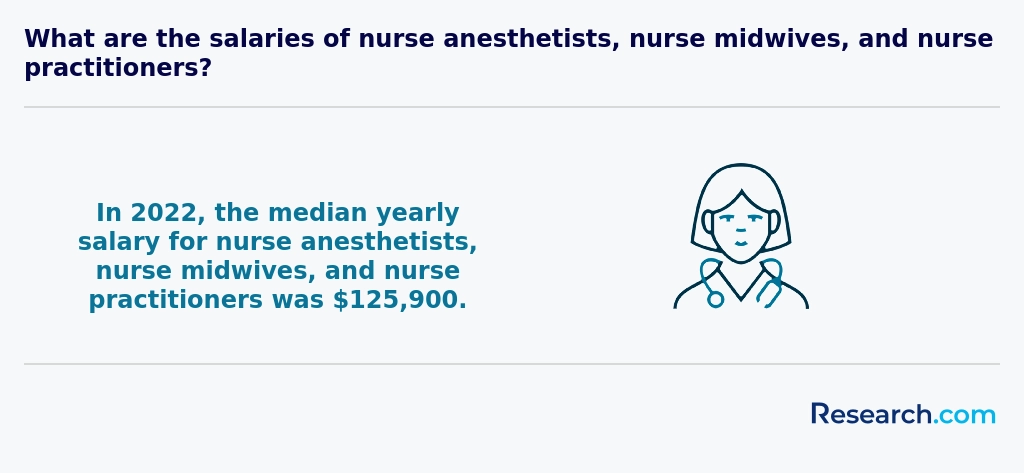
Navigating the application process for nursing programs in Azusa, CA requires careful planning to meet each institution’s requirements and deadlines. To ensure you submit a competitive application, follow these critical steps: 1. Research Program Requirements – Verify prerequisite coursework (biology, chemistry, anatomy) and minimum GPA thresholds for ADN, BSN, or MSN tracks. – Confirm required standardized tests, such as the TEAS or HESI, and schedule your exam at least two months before the application deadline. 2. Prepare Application Materials – Request official transcripts from high school and all postsecondary institutions. – Draft a concise personal statement highlighting your passion for nursing and any relevant volunteer or clinical experience. – Secure two to three professional references, ideally from healthcare supervisors or academic instructors. 3. Track Important Deadlines – ADN programs at Citrus College typically accept applications for fall entry until May 1 and spring entry until November 1. – BSN programs at Azusa Pacific University often require applications by February 15 for fall and September 15 for spring. – MSN and specialty tracks may have rolling admissions but recommend submitting materials at least four months before your intended start date. 4. Complete Interviews and Campus Visits – Many programs conduct panel interviews to assess communication skills and clinical readiness. – Attend open houses or schedule campus tours to evaluate lab facilities and meet faculty. 5. Finalize Enrollment and Financial Aid – Submit your enrollment deposit by the program’s deadline (usually two weeks after acceptance). – Apply for scholarships, grants, and loans by respective financial aid deadlines-often March 1 for fall admission. – Explore alternative pathways such as a cma to lpn bridge program if you hold a medical assistant credential and wish to fast-track into licensed practice. By following this timeline and preparing each component early, you’ll maximize your chances of acceptance into the most competitive nursing programs in Azusa.
Imagine walking through the vibrant campus of Citrus College in Azusa, knowing your journey to becoming a nurse is supported by a mosaic of financial aids designed just for you. Many nursing students there tap into federal resources like the Pell Grant, which can gift you up to $7,395 annually-enough to ease those daunting tuition worries. Others find themselves clutching subsidized loans where interest takes a backseat while you're hitting the books, a relief that students at Azusa Pacific University often celebrate.
Scholarships from local hospitals spark hope too; graduates often share stories of snagging funds tied to Azusa's healthcare community, turning financial stress into motivation. State grants like the California College Promise Grant whisper possibilities to community college enrollees, shaving costs dramatically. Plus, some employers double as champions, offering tuition reimbursements if you pledge your nursing skills post-graduation-transforming work into a pathway of giving back and gaining.
Early FAFSA filings play a starring role here. Nursing hopefuls who leap into applications early often unlock the fullest treasure trove of grants, loans, and scholarships, making your nursing dreams in Azusa not just a vision, but a vivid, affordable reality.
Ensuring your nursing program is properly accredited is a critical step toward a successful career in California. Accredited programs meet rigorous standards set by national bodies such as the Commission on Collegiate Nursing Education (CCNE) and the Accreditation Commission for Education in Nursing (ACEN). Graduating from a CCNE- or ACEN-accredited institution not only guarantees quality education but also satisfies eligibility criteria for the NCLEX-RN exam and state licensure. California Board of Registered Nursing (BRN) Approval All nursing programs in Azusa, CA, must hold approval from the California BRN. This state-level endorsement ensures curriculum alignment with California’s scope of practice and patient-care standards. Before applying, verify program approval on the BRN website to avoid delays in licensure application processing. NCLEX-RN Preparation and Pass Rates Passing the NCLEX-RN is mandatory for licensure as a Registered Nurse. Top-ranked programs in Azusa report first-time NCLEX pass rates above the state average of 74%. Look for schools that offer dedicated review courses, practice question banks, and simulated exams. These resources significantly enhance exam readiness and reduce study time. Licensure Application Process After graduation, follow these steps to secure your California RN license: 1. Submit an online application and fee to the BRN. 2. Complete a fingerprint-based background check. 3. Register for the NCLEX-RN through Pearson VUE and schedule your exam. 4. Receive authorization to test (ATT) and sit for the NCLEX-RN within the ATT validity period. 5. Upon passing, the BRN mails your official license. For students comparing tuition rates and outcome metrics, our Low Cost Online Bachelor’s in Nursing Degree Programs Ranking in Texas provides valuable insights into affordable, accredited online BSN pathways.
To step into a nursing degree program in Azusa, you must first build a solid foundation-think of it as assembling your toolkit for future patient care. Graduates from local colleges often recall how conquering biology, chemistry, anatomy, and physiology courses with at least a "C" grade was their rite of passage. These classes aren't just hurdles; they're the lenses through which you'll understand the human body's mysteries.
Imagine sitting in a lively classroom at one popular Azusa college, discussing microbiology concepts that later come alive in clinical rotations. Many students share stories of conquering TEAS test challenges, feeling a thrilling mix of nerves and confidence as these exams unlock doors.
Proof of immunizations and clean health screenings also become badges of responsibility, ensuring safety for both students and patients. Background checks quietly underscore the trust placed in candidates. Alongside, math courses like algebra or statistics sharpen critical thinking-a skill graduates say brightens every moment spent interpreting patient data.
- High school diploma or GED completion
- Completion of prerequisite science and math courses with minimum grades
- Standardized test scores such as TEAS
- Proof of immunizations and health screenings
- Background checks and drug screenings

All nursing degree programs in Azusa, CA must hold accreditation from recognized bodies to ensure graduates are eligible for federal aid, state licensure, and employment. The Commission on Collegiate Nursing Education (CCNE) and the Accreditation Commission for Education in Nursing (ACEN) are the two primary accrediting agencies for pre-licensure and advanced nursing programs. Accreditation verifies that a curriculum meets national standards for quality instruction, clinical training, and student support services. Prospective students should confirm a program’s status by checking the CCNE or ACEN directories and verifying with the California Board of Registered Nursing (BRN). To become a licensed Registered Nurse (RN) in California, graduates must:
- Complete an accredited ADN, BSN, or MSN program approved by the BRN.
- Submit an application to the BRN, including fingerprinting and background clearance.
- Register for and pass the NCLEX-RN exam within two years of program completion. Maintaining an active license requires biannual renewal and completion of continuing education credits, which vary by specialization. For those seeking an advanced pathway, accredited master’s tracks often include nurse practitioner, clinical nurse specialist, or nurse educator roles. To explore cost-effective graduate options that meet stringent accreditation standards, consider affordable online msn nursing education programs that align with California’s licensure requirements.
Walking through the halls of an Azusa nursing school like Citrus College, graduates often recall their first encounter with the intricate dance of human anatomy and physiology - a vivid exploration of how life pulses through the body. Courses here blend the raw science of microbiology with the artful precision of pharmacology, giving students the tools to understand not just what medications do but why they matter in a patient's recovery journey.
In practical sessions, future nurses master fundamentals-everything from gentle patient care to safety protocols. One graduate remarked how studying Adult Health Nursing felt like stepping into real hospital wings, managing common illnesses with newfound confidence. Pediatric Nursing brought a different rhythm, tuning into the delicate needs of children, while Mental Health Nursing revealed the empathetic heart beneath clinical expertise.
Community Health Nursing courses transform classrooms into neighborhoods, where students learn to advocate and protect public wellness. Leadership classes prepare these hopeful professionals to guide teams, turning theory into action across Azusa's bustling clinics and care centers.
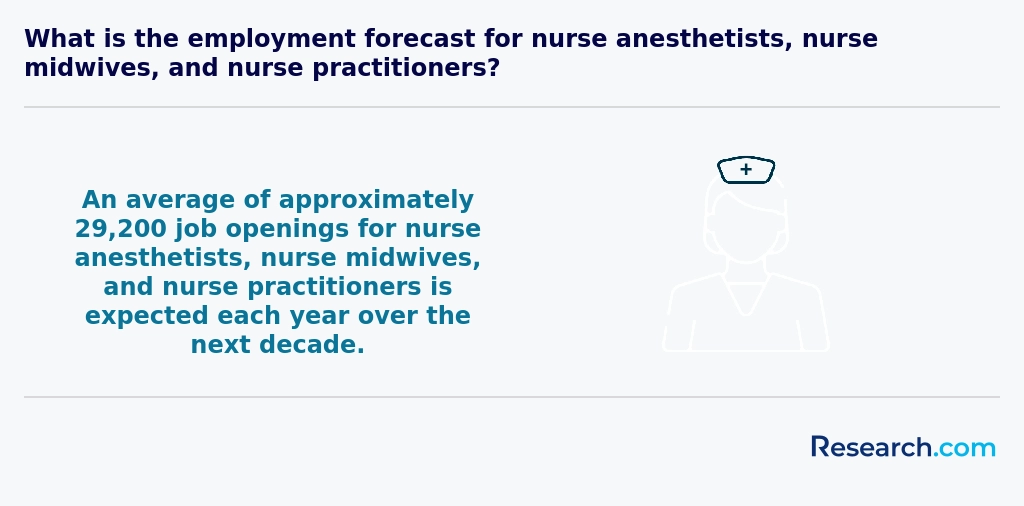
Imagine stepping into a bustling Azusa nursing program where every student embarks on a path sculpted by passion and purpose. Nursing specializations in Azusa stretch far beyond textbooks-graduates from local institutions often share how the RN to BSN track unlocked leadership doors, while others found their calling as Family Nurse Practitioners, thriving in diverse outpatient clinics. Pediatric nursing students tell stories of delivering comfort and care to children in nearby hospitals, a comforting mission close to home.
Azusa's nursing degree specialization options also embrace surgical nursing, mental health, and geriatric care, reflecting California's evolving healthcare mosaic. Those drawn to mental health speak of transforming patient lives with empathy, while geriatric nurses celebrate the deep connections built caring for aging adults. Learning amid LA County's vibrant clinical sites cements theory into vivid practice.
For those ready to challenge themselves, specialized courses require focus-and resources. Prospective students preparing for hands-on exams have found invaluable support through NCLEX-PN exam review materials to elevate their readiness.
The secret to picking the best nursing degree in Azusa lies in imagining your future scrubs and stethoscope in action. Graduates from Citrus College often rave about how the Associate Degree in Nursing (ADN) programs crystallized their hands-on skills through clinical rotations across Los Angeles County's bustling healthcare hubs, creating confident nurses ready to hit the ground running. Meanwhile, those eyeing a Bachelor of Science in Nursing (BSN) at Azusa Pacific University cherish the blend of rigorous academics and faith-based community support, fueling their passion beyond textbooks into real-life care.
Think about tuition-ADN programs in Azusa hover around $5,000 yearly, a stark but exciting contrast to BSN courses inching past $15,000 annually. This price gap isn't just about numbers; it shapes your experience, ambitions, and flexibility. For students balancing family or work, exploring affordable nursing programs st petersburg fl for inspiration might spark creative funding solutions to navigate Azusa's academic landscape.
Dream beyond the diploma. Choose programs accredited by ACEN or CCNE to ensure your degree is your ticket to the licensure test and a thriving career. Azusa's nursing programs showcase strong NCLEX-RN pass rates, a beacon for those craving assurance their education equips them for real-world challenges. The best nursing degree programs in Azusa marry quality, community, and opportunity in ways that turn ambition into action.
Picture yourself as a nursing graduate from one of Azusa's well-loved colleges, stepping into vibrant hospitals or community centers where every day brings new challenges and rewards. Nursing career opportunities in Azusa are vast: you might start as a Registered Nurse (RN), directly impacting patient care in bustling Los Angeles-area hospitals, or choose the quicker route through Licensed Practical Nurse programs, often a popular choice among locals aiming to enter the workforce swiftly. Some graduates find fulfillment in advanced roles like Nurse Practitioners, combining clinical mastery with leadership, or they become educators, shaping future nurses from classrooms right in this city. Others shine as public health nurses, weaving wellness programs into Azusa's diverse communities.
Thanks to Azusa's dynamic health scene and the strong Azusa nursing degree job outlook, the path you take can match your passion. For example, many students explore lpn classes online Florida options to balance work and study while securing hands-on experience that fuels their drive to excel.
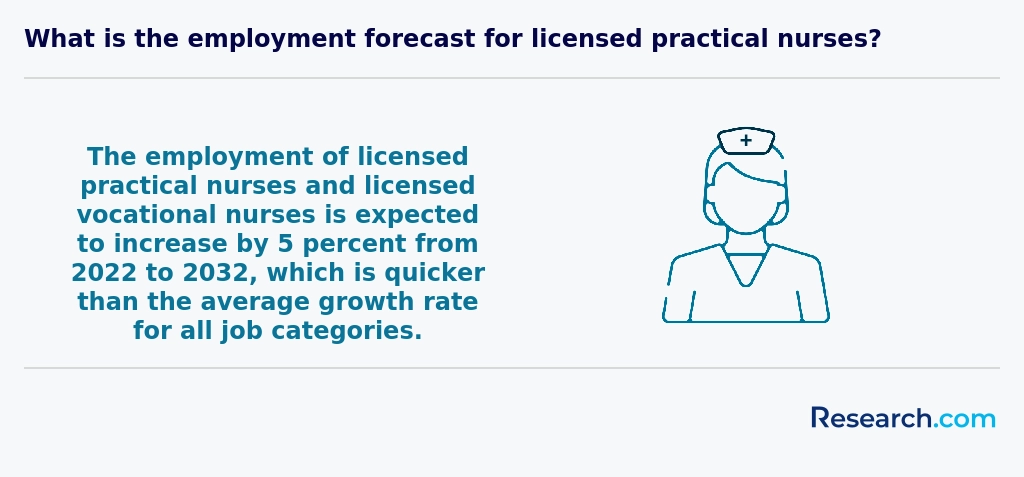
The nursing job outlook Azusa graduates face is energized by a vibrant local healthcare scene anchored by hospitals and clinics eager for qualified nurses. Graduates from Azusa Pacific University and Mt. San Antonio College often share stories of landing positions swiftly, buoyed by a community that values their fresh skills. Picture a recent graduate walking into Adventist Health, welcomed by a team ready to tap into that blend of hands-on training and compassionate care.
Employment opportunities in Azusa nursing degree programs extend beyond traditional hospitals. Numerous community health clinics and outreach programs fuel demand for nurses skilled in home care and outpatient services. Local initiatives push for enhanced healthcare access, opening doors to roles rich with responsibility and growth. Many graduates highlight how specializing or exploring online nurse practitioner programs no GRE options lifted their careers to new heights.
For those pursuing Azusa nursing degree employment opportunities, the pathway is paved with rising wages and expanding roles. Nurses here benefit from California's Nurse Licensure Compact, which broadens horizons while maintaining strong local ties. The combination of solid salaries, community impact, and flexible career routes paints a compelling picture for any aspiring nurse ready to step into Azusa's healthcare landscape.
2027 Most Popular Nursing Degree Programs Ranking in Azusa
Investing in your education is a significant decision that can shape your future, and the Research.com team understands the importance of making informed choices. To assist prospective students in Azusa, we have meticulously crafted the "2027 Most Popular Nursing Degree Programs Ranking in Azusa." Our commitment to quality, credibility, and accuracy is reflected in the extensive research and analysis conducted to compile this ranking.
We utilized the following reputable data sources to ensure a comprehensive evaluation of nursing programs:
By exploring this ranking, readers will gain valuable insights into the most popular nursing degree programs available in Azusa, empowering them to make well-informed decisions about their educational paths. For more details on our methodology, please visit our Research.com methodology page.

Frequently Asked Questions About nursing
Nursing degree students in Azusa can maximize their learning experience by actively engaging in clinical rotations offered through local healthcare facilities such as Citrus Valley Medical Center. These rotations provide hands-on practice essential for applying theoretical knowledge. Additionally, students should take advantage of tutoring and study groups often available on campus to reinforce difficult concepts.
Azusa's proximity to Los Angeles County health resources allows students to access diverse patient populations, enhancing cultural competence-an important skill in nursing. According to the California Board of Registered Nursing, registered nurses in the region show improved outcomes when participating in community-based learning.
Finally, balancing coursework with certification preparation, such as the NCLEX-RN exam, while utilizing resources like academic advising ensures steady progress toward licensure and career readiness.
The nursing field is rapidly evolving, with several emerging niches gaining importance in Azusa and across the United States. One notable area is geriatric nursing, driven by the growing elderly population needing specialized care. According to the U.S. Census Bureau, the senior population in California increased by over 15% in the past decade, leading to higher demand for nurses trained in elder care.
Another emerging niche is telehealth nursing. The COVID-19 pandemic accelerated the use of remote healthcare services, creating opportunities for nurses to provide virtual care and monitor patients from a distance. The California Board of Registered Nursing reports increasing certifications in telehealth practices among nurses in the Azusa region.
Additionally, nurse informaticists who manage healthcare data and improve electronic health records are highly sought after. This specialty combines clinical expertise with IT skills to enhance patient outcomes. As healthcare technology expands, Azusa-area hospitals and clinics show growing interest in professionals with this expertise.
Graduates of nursing programs in Azusa should focus on several key steps to prepare for the job market. First, obtaining licensure is essential; passing the NCLEX-RN exam allows you to become a registered nurse in California. According to the California Board of Registered Nursing, successful licensure rates in the region typically hover around 85%, reflecting strong educational outcomes.
Networking locally is also important. Azusa has several healthcare facilities, such as the Foothill Presbyterian Hospital, which regularly hire new nurses. Engaging in externships or clinical placements during your studies can create valuable connections.
Additionally, consider obtaining certifications in specialized areas like pediatrics or geriatrics to improve your employability. Keeping up with continuing education is vital in this rapidly evolving field.
Employers hiring nursing degree graduates in Azusa prioritize strong clinical skills combined with effective communication. According to the California Board of Registered Nursing, proficiency in patient care, medication administration, and critical thinking are essential for new nurses.
Interpersonal skills are highly valued since nurses must collaborate with diverse healthcare teams and interact with patients from various backgrounds. The California Employment Development Department highlights that employers seek graduates who demonstrate empathy and adaptability in fast-paced environments.
Additionally, familiarity with electronic health records (EHR) systems is increasingly important, as healthcare facilities in Azusa integrate digital technologies to improve patient outcomes. Leadership potential and commitment to ongoing education are also frequently mentioned in job postings across local hospitals and clinics.
Finding nursing internships in Azusa involves several practical steps. First, students often begin by contacting their nursing program's career services or academic advisors, as many local colleges have established partnerships with healthcare facilities. Azusa Pacific University, for example, collaborates with nearby hospitals and clinics to place nursing students in practical settings.
Additionally, local hospitals such as Adventist Health and Citrus Valley Medical Center frequently offer internship opportunities or clinical rotations. It is important for students to apply early and meet any state requirements for clinical practice, including background checks and immunizations. The California Board of Registered Nursing provides guidelines helpful for students navigating internships.
Networking at local nursing association events and using online platforms like the California Nursing Students' Association can also increase internship chances. Azusa's proximity to Los Angeles expands access to a variety of healthcare facilities featuring diverse patient care experiences.
Obtaining a nursing degree in Azusa significantly enhances career mobility and advancement opportunities within the local healthcare sector. Nurses with credentials such as an Associate Degree in Nursing (ADN) or a Bachelor of Science in Nursing (BSN) are highly sought after by hospitals and clinics in the Los Angeles County region, which includes Azusa. According to the California Board of Registered Nursing, BSN-prepared nurses have a 15% higher likelihood of promotion to leadership roles compared to those with only an ADN.
In addition, Azusa's proximity to well-established medical centers provides numerous entry points for degree holders to gain experience and specialize in fields like geriatrics or emergency care. Career advancement often involves further education, such as obtaining a Master's or Nurse Practitioner license, both facilitated by foundational nursing degrees earned locally. The Bureau of Labor Statistics notes a projected 12% employment growth for registered nurses in California through 2030, underscoring expanding opportunities for graduates.
Studying for a nursing degree in Azusa offers students comprehensive training that emphasizes collaboration across healthcare disciplines. Programs often integrate clinical experiences in local hospitals and community health settings, where nursing students work alongside physicians, pharmacists, social workers, and therapists. This hands-on teamwork develops essential communication and coordination skills required for interdisciplinary roles.
Azusa's nursing curricula typically include courses on healthcare systems, patient-centered care, and ethics, preparing graduates to navigate complex medical environments. According to the California Board of Registered Nursing, graduates in the state demonstrate strong competency in collaborative practice, a key factor in improving patient outcomes.
Overall, nursing education in Azusa equips students not only with clinical expertise but also with the interpersonal skills necessary for effective interdisciplinary work.
When choosing between a thesis and a non-thesis nursing degree program in Azusa, consider your career goals first. Thesis programs often appeal to students aiming for research roles or doctoral studies, requiring original research and a formal defense. Non-thesis options focus more on practical skills and clinical experience, ideal for those seeking immediate nursing practice or leadership roles.
Many Azusa nursing programs follow California Board of Registered Nursing guidelines, emphasizing clinical hours. According to the California Board of Nursing, 87% of graduates find employment within six months, regardless of thesis completion. Evaluate program curriculum, faculty expertise, and your interest in research to decide which path fits best.
Students based in Azusa seeking nursing degrees abroad have several promising pathways through established exchange programs and international partnerships. Many universities in California, including those near Azusa, participate in study abroad initiatives with institutions in countries like Ireland, Australia, and the United Kingdom, where nursing education standards align with the U.S. system.
Azusa's proximity to Los Angeles, a hub for higher education, offers access to programs supported by organizations such as the American Association of Colleges of Nursing, promoting global nursing education.
It is essential that students verify accreditation and licensing equivalencies to ensure international credits transfer correctly toward U.S. nursing qualifications, especially for future Registered Nurse (RN) licensure.
Currently, international nursing programs vary in length but often include clinical components that meet U.S. Board of Nursing standards, facilitating smoother professional integration upon return.
Students pursuing nursing degrees in Azusa often seek part-time jobs that align with their field of study to gain practical experience. Common positions include certified nursing assistant (CNA) roles in local hospitals and long-term care facilities. Azusa is home to several healthcare centers, such as Foothill Presbyterian Hospital, which occasionally hire part-time nursing aides.
Working as a medical receptionist or patient care technician also helps build relevant skills. According to the U.S. Bureau of Labor Statistics, healthcare support occupations in California are projected to grow 15% through 2030, highlighting strong job prospects for nursing students.
Volunteer opportunities in clinics and public health organizations in Azusa can further complement education with community health exposure.
Nursing students in Azusa benefit from a variety of strong networking opportunities that help them connect with professionals and peers. Azusa Pacific University, one of the main institutions offering nursing degrees locally, organizes regular events such as career fairs, clinical workshops, and guest lectures by healthcare experts. These gatherings allow students to engage directly with nurses, hospital administrators, and educators.
The proximity to Los Angeles County medical centers expands networking potential, as students often undertake clinical rotations in major hospitals, building valuable professional relationships. Additionally, organizations like the California Nursing Students Association provide regional networking platforms supporting career growth and mentorship.
Alumni networks provide valuable support for nursing degree students in Azusa by connecting them with experienced professionals in the healthcare field. These networks often offer mentorship programs that help current students navigate clinical placements and job searches.
In Azusa, where healthcare facilities seek qualified nurses, alumni connections can lead to increased internship and employment opportunities. According to the California Board of Registered Nursing, graduates with strong professional networks tend to secure positions faster after completing their programs.
Additionally, alumni groups frequently share updates on industry trends and continuing education, keeping students informed about evolving nursing practices and requirements.
Customizing a nursing degree program in Azusa allows students to align their education with specific career goals. Many local institutions offer flexible course options, including specialties like pediatric, geriatric, or mental health nursing. Students can often select electives and clinical rotations that match their interests.
Azusa residents may benefit from programs that integrate practical experience in nearby hospitals, providing hands-on training relevant to regional healthcare needs. Additionally, accelerated and part-time formats help accommodate different schedules, making it easier for working professionals to advance.
According to the California Board of Registered Nursing, tailored programs enhance job readiness and can improve employment outcomes within the Southern California healthcare market.
Nursing students in Azusa often face significant challenges balancing rigorous coursework and clinical hours. The demanding curriculum requires strong time management skills, as students must master both theoretical knowledge and practical skills to succeed. According to the California Board of Registered Nursing, the state's NCLEX pass rate fluctuates around 85%, indicating that exam preparation is a critical hurdle.
Additionally, clinical placements in Azusa and surrounding Los Angeles County can be competitive, limiting hands-on learning opportunities. Financial pressures also affect students, with many relying on loans or part-time jobs to fund their studies, which can impact focus and well-being. These challenges are common but surmountable with proper planning and support.
With a nursing degree in Azusa, you can pursue various professional certifications that enhance your career prospects. Common certifications include the Certified Nursing Assistant (CNA), Licensed Vocational Nurse (LVN) or Licensed Practical Nurse (LPN), and Registered Nurse (RN) licenses. Many nurses also obtain specialized credentials such as the Certified Nurse Educator (CNE) or the Certified Pediatric Nurse (CPN).
These certifications are often required to work in clinics, hospitals, or community health settings throughout California, including Azusa. According to the California Board of Registered Nursing, over 4,000 RNs hold licenses in the Los Angeles area, signifying a competitive local workforce.
Certifications require passing national or state exams and often involve ongoing education. Completing such credentials can lead to higher salaries and expanded responsibilities in nursing roles regionally.
When applying to a nursing program in Azusa, it is essential to highlight your academic strengths and relevant experience clearly. Most local programs, including those at Citrus College and Azusa Pacific University, require a competitive GPA, often around 3.0 or higher, and completion of prerequisite courses such as anatomy and physiology.
Strong letters of recommendation from healthcare professionals or instructors enhance your credibility. Programs value applicants with direct patient care experience, such as volunteering or working as a certified nursing assistant. Including this in your application can improve your competitiveness.
Additionally, writing a compelling personal statement that explains your motivation for nursing and your long-term goals can set you apart. According to the California Board of Registered Nursing, a well-articulated essay that reflects commitment and empathy resonates well with admissions committees.
Nursing is a respected career worldwide, especially in the United States, where demand continues to grow. In Azusa and California broadly, the nursing field offers diverse opportunities that reflect global healthcare trends. Nurses often work collaboratively across borders to improve patient care and public health.
According to the U.S. Bureau of Labor Statistics, registered nursing jobs are projected to grow 9% nationally from 2022 to 2032, with California among the states leading demand. Azusa's proximity to major healthcare centers enhances local job prospects.
The global perspective emphasizes adaptability, cultural competence, and lifelong learning, all essential skills taught in U.S. nursing programs. Nurses trained in Azusa can also participate in international exchange and telehealth programs, bridging care worldwide.
Gaining practical experience during a nursing degree in Azusa is essential for career readiness. Many programs integrate clinical rotations, allowing students to work in hospitals, clinics, or community health settings. For example, Azusa Pacific University partners with local healthcare facilities for hands-on training.
Students can also seek internships or volunteer opportunities in nearby hospitals such as Citrus Valley Medical Center. This experience helps develop essential skills like patient care and communication.
According to the California Board of Registered Nursing, clinical practice hours are a requirement for licensure, making these experiences a mandatory part of nursing education in Azusa.
Choosing the right concentration within a nursing degree program in Azusa requires careful consideration of your career goals and local healthcare demands. Popular nursing specialties include gerontology, pediatrics, and acute care nursing, reflecting community needs around Azusa and Los Angeles County.
Programs in the area often align with California's wide-ranging healthcare environment, where registered nurses earn a median salary of about $95,000 annually, according to the U.S. Bureau of Labor Statistics. Azusa's growing elderly population signals strong demand for geriatric nursing.
Consider program accreditation and available clinical opportunities, as hands-on experience is critical. Engaging with local healthcare providers can reveal which concentrations offer the best job prospects in Azusa's market.
- 2027 Most Popular Nursing Degree Programs Ranking in Los Angeles
- 2027 Most Popular Nursing Degree Programs Ranking in San Diego
- 2027 Most Popular Nursing Degree Programs Ranking in Las Vegas
- 2027 Most Popular Nursing Degree Programs Ranking in Phoenix
- 2027 Most Popular Nursing Degree Programs Ranking in Tempe
- 2027 Most Popular Nursing Degree Programs Ranking in San Francisco
- 2027 Most Popular Nursing Degree Programs Ranking in Colorado Springs
- 2027 Most Popular Nursing Degree Programs Ranking in Denver
- 2027 Most Popular Nursing Degree Programs Ranking in Portland
- 2027 Most Popular Nursing Degree Programs Ranking in Lubbock
See What Experts Have To Say About Studying Nursing
Read our interview with Nursing experts


- School of Nursing Alumni Resources https://nursing.utmb.edu/About/Alumni
- Nurse Salary https://nursinglicensemap.com/resources/nurse-salary/
- Azusa Pacific University RN to BSN Nursing Degree Program https://www.rntobsnschools.org/schools/california/azusa-pacific-university-rn-to-bsn-program/
- Nursing School Requirements and Prerequisites: What to Know https://www.carerev.com/blog/nursing-school-requirements-and-prerequisites-a-guide-for-aspiring-nursing-students
- Nursing Study Abroad Programs | Go Overseas https://www.gooverseas.com/study-abroad/nursing
- What Nursing Concentration Is Right for Me? | Maryville Nursing https://nursing.maryville.edu/blog/what-nursing-concentration-is-right-for-me
- How to Choose a Nursing Program: A Comprehensive Guide - Madonna ABSN https://absn.madonna.edu/blog/how-to-choose-a-nursing-program/
- Getting RN Experience After Graduation | All Nursing Schools https://www.allnursingschools.com/articles/getting-rn-experience/
- What Are the Best Jobs to Work While in Nursing School? https://www.dewv.edu/what-are-the-best-jobs-to-work-while-in-nursing-school/
- The Nurses' Alumni Association https://giving.mainlinehealth.org/get-involved/auxiliaries-and-womens-boards/lankenau-medical-center-womens-board/the-nurses-alumni-association