2027 Best Nursing Degree Programs Ranking in Albuquerque

Co-Founder and Chief Data Scientist
Choosing the right nursing degree program is a big step towards a rewarding career in healthcare. If you're in Albuquerque and considering your options, this article offers valuable guidance.
The 2027 Best Nursing Degree Programs Ranking in Albuquerque was developed by the Research.com team of data scientists to help students like you make informed decisions. It highlights programs that stand out for quality, support, and outcomes.
Exploring this ranking can boost your confidence in picking a program that fits your goals and sets you up for success in nursing.
Key benefits of getting nursing degree in Albuquerque
- Nursing degree graduates in Albuquerque can expect competitive salaries, such as $94,480 annually for Registered Nurses and Clinical Nurse Educators, with Operating Room Nurses earning as much as $128,490 per year.
- Graduates from the University of New Mexico often explore diverse career paths including public health, emergency care, and clinical education, offering rewarding opportunities to make a real impact in their communities.
- Obtaining a nursing degree online through local programs provides flexibility and convenience, allowing students to balance work and study while still gaining valuable hands-on experience.
- 2027 Best Nursing Degree Programs Ranking in Albuquerque
- What can I expect from nursing degree in Albuquerque?
- Where can I work with nursing degree in Albuquerque?
What can I expect from nursing degree in Albuquerque?
The average cost of pursuing a nursing degree in Albuquerque varies depending on the program and institution but generally remains accessible compared to national figures. Graduates from the University of New Mexico and Central New Mexico Community College often share how affordable tuition combined with financial aid options made their education feel like a tangible investment rather than an overwhelming expense.
For example, ADN programs at community colleges might cost between $5,000 and $10,000 per year, whereas BSN programs at universities typically range from $15,000 to $25,000 annually for in-state students. These prices reflect tuition alone and exclude additional fees or materials, yet many students appreciate the flexibility of payment plans and scholarships tailored to Albuquerque residents.
This balance between cost and quality becomes more meaningful when students describe their clinical rotations at local hospitals. They often talk about the confidence gained through hands-on experience-not just theoretical knowledge-which helps justify the financial commitment and motivates them to persevere through challenging coursework.
Ultimately, nursing degree costs in Albuquerque are nuanced by both the institution and the student's unique circumstances, but many find these programs financially manageable. The strong community support and clear career trajectories offer reassurance that the investment will pay off emotionally and professionally.
Where can I work with nursing degree in Albuquerque?
Graduates from nursing programs at institutions like the University of New Mexico often find themselves entering vibrant healthcare environments where their skills are highly sought after. Rather than limiting their ambitions to hospital floors, many discover rewarding roles in diverse settings ranging from bustling surgical units at Presbyterian Hospital to the personalized atmosphere of community clinics such as First Nations Community Healthsource.
Imagine beginning your day visiting patients in their homes, offering wound care and medication support, a path embraced by those who crave autonomy and close patient connections. Others choose the challenge of long-term care facilities where they play a vital role in enhancing quality of life for elderly residents-a sector growing steadily as Albuquerque's population ages.
Public health organizations also beckon, engaging nurses in city-wide wellness campaigns and prevention efforts, highlighting how nursing in Albuquerque extends beyond bedside care into shaping healthier communities. Graduates often share how hands-on experiences during their studies embed confidence and compassion, creating a deep sense of purpose as they navigate these diverse, impactful career paths.
Graduates from nursing programs in Albuquerque often find themselves pleasantly surprised by the financial prospects tied to their degrees. For example, many who studied at local institutions like the University of New Mexico report stepping into roles with mean annual wages around $94,480, according to recent BLS data. This includes Registered Nurses, Clinical Nurse Educators, Public Health Nurses, and Emergency Room Nurses, all sharing similar salary ranges that can support a comfortable lifestyle in Albuquerque's moderate cost of living.
Consider a graduate entering an Emergency Room nursing position: earning approximately $45.42 per hour, they experience both professional fulfillment and financial stability in a vibrant healthcare setting. Those who push further into specialized fields, like Operating Room Nursing, see a notable leap in earnings to about $128,490 annually, highlighting the payoff for additional skills and certifications.
Such salary figures challenge the notion that nursing is a modest-paying career, especially here where large employers like Presbyterian Healthcare Services provide excellent benefits alongside competitive pay. Graduates often reflect on how these opportunities exceed their expectations and fuel their passion for patient care.
- Nursing programs in Albuquerque include certificates like LPN, associate degrees, and advanced degrees such as MSN.
- Tuition for an ADN at public community colleges ranges from $6,000 to $15,000, while bachelor's degrees cost between $20,000 and $35,000.
- Entry-level RNs earn about $64,000 annually, with experienced nurses and nurse practitioners making up to $110,000.
- The nursing job market in Albuquerque is growing at an estimated rate of 15% through 2030, driven by expanding healthcare facilities.
- Licensure requires passing the NCLEX-RN exam, and nursing programs provide clinical experience through local healthcare partnerships.
Completing a nursing degree in Albuquerque often surprises students with its variety of timelines, tailored to diverse learning paths. Graduates from Central New Mexico Community College recall how the Associate Degree in Nursing (ADN) took about two years-a focused but manageable commitment balancing study and life. Meanwhile, those aiming higher at the University of New Mexico's School of Nursing reflect on the four-year Bachelor of Science in Nursing (BSN) journey as both challenging and deeply rewarding, blending rigorous coursework with hands-on clinical experiences.
Some graduates share enthusiasm about accelerated BSN programs, which offer a condensed 12 to 18-month experience for those already holding ADN credentials. This option transforms their career trajectory quickly, fueling excitement and momentum toward becoming a registered nurse. The reality is that Albuquerque's nursing education landscape encourages flexible pacing, accommodating students' personal rhythms without compromising quality.
When envisioning your own path, consider how these timelines align with your life rhythm, financial plans, and professional aspirations-each program shapes not just a degree but a vibrant nursing identity forged in the heart of Albuquerque's supportive community.
- Research Accredited Programs
Identify ADN, BSN or MSN tracks at institutions like UNM and CNM, confirming CCNE or ACEN accreditation.
- Attend Information Sessions
Join virtual or in-person open houses to ask faculty about clinical rotations, simulation labs and student support.
- Prepare Academic Records
Request official transcripts, ensure your GPA meets the minimum (often 2.5+), and complete prerequisite courses in biology, chemistry, math and English.
- Register and Study for the TEAS Exam
Schedule the TEAS early, use practice tests to target reading, math, science and English proficiency.
- Gather Application Materials
Secure 2–3 professional references, write a concise personal statement and update your resume with healthcare or volunteer experience.
- Submit Your Application by Deadlines
Note rolling or fixed deadlines (e.g., BSN by December 1, ADN by February 1) and apply through each school’s portal.
- Complete Interviews or Assessments
Prepare for panel interviews or writing prompts; highlight teamwork, patient-care scenarios and your commitment to nursing.
- Apply for Financial Aid and Scholarships
File the FAFSA early, explore UNM College of Nursing awards, and review external options.
Applicants aiming for advanced practice roles can explore fnp programs in texas.
Choosing between online and on-campus nursing degrees in Albuquerque isn't just about location-it's about the entire experience. Graduates from the University of New Mexico often recall how hands-on clinical practice and face-to-face mentoring fueled their confidence, making every campus visit a chance to connect, ask questions, and refine skills in real time. Contrastingly, graduates from online pathways emphasize the flexibility that allowed them to balance work and family, attending lectures digitally while arranging clinical hours at local Albuquerque healthcare centers.
Cost and learning style weigh heavily in this decision. On-campus learners appreciate immediate feedback and peer interaction at Central New Mexico Community College, which creates a dynamic, supportive environment. Online students, meanwhile, often describe a greater need for self-discipline but value skipping commuting costs and housing, despite occasional extra fees for technology tools.
Ultimately, the difference is not just format; it's how each student's life rhythm and goals sync with the unique demands and rewards of their chosen path in Albuquerque's growing nursing landscape.
When pursuing a nursing degree in Albuquerque, NM, understanding the cost implications and available financial planning strategies is crucial for making informed decisions. The cost of nursing programs can vary significantly, depending on factors such as the type of degree (ADN, BSN, MSN), institution (public vs. private), and location. Prospective students should research the total cost of attendance, including tuition, fees, books, and living expenses, to plan their finances effectively. For those interested in exploring affordable options, considering the most affordable nursing programs in New Mexico can be a valuable first step. Additionally, students should look into available financial aid, such as scholarships, grants, and loan forgiveness programs, to help offset the costs of their nursing education. By carefully considering these cost factors and financial planning options, nursing students in Albuquerque can better navigate the financial aspects of their educational journey and set themselves up for success in their future careers.
The average cost of a nursing degree in Albuquerque often surprises students who expect uniformity in tuition rates. While many graduates recall the affordable tuition at community colleges like Central New Mexico Community College, where in-state students pay close to $10,000 total for their degree, others pursuing a Bachelor of Science in Nursing at the University of New Mexico face significantly higher expenses. These out-of-pocket costs, which can approach $48,916, reflect not only tuition but also additional fees and supplies. The total tuition and fees for Albuquerque nursing programs vary dramatically depending on the institution and residency status.
This variance challenges the assumption that nursing education is prohibitively expensive across the board. Many students share how navigating financial aid options helped them mitigate these costs, turning initial anxiety into a sense of achievement and possibility. The prospect of managing $48,916 in tuition may feel daunting, but when spread over a multi-year program and combined with scholarships or loans, it becomes a manageable investment in a rewarding career.
Real-life experiences of Albuquerque nursing graduates reveal that these costs do not exist in isolation; alongside tuition, students consider living expenses, clinical fees, and study materials. Yet, the hope remains strong as many find resources and support to pursue their passion. Prospective students in this city should thoroughly examine the average cost of nursing degree in Albuquerque and explore financial pathways, including specialized programs that may offer better aid.
For those open to exploring opportunities beyond New Mexico, reviewing nursing degrees louisiana scholarships might provide insights into alternative funding and program structures.

For nurses ready to elevate their practice, pursuing a Master of Science in Nursing (MSN) opens doors to roles such as Nurse Practitioner, Clinical Nurse Specialist, and Nurse Educator. MSN curricula in Albuquerque typically span 18–24 months, blending advanced coursework in pathophysiology, health assessment, and evidence-based practice with specialized clinical rotations. Many programs also incorporate flexible online components, allowing working nurses to balance shifts and study. Prospective students should compare accreditation status-look for CCNE or ACEN approval-and review NCLEX pass rates alongside program outcomes to ensure a strong return on investment. Specialization tracks often include Family Nurse Practitioner (FNP), Psychiatric-Mental Health, and Nurse Leadership. Each pathway requires a combination of didactic seminars and practicum hours under the supervision of experienced preceptors. Admission prerequisites usually demand an active RN license, a minimum GPA (often 3.0 or higher), and letters of recommendation. Accelerated “bridge” options, such as RN-to-MSN and direct-entry MSN for non-nurses, offer alternative routes for career changers and ambitious RNs alike. Cost varies by institution, but many learners offset expenses through employer tuition reimbursement, state-based scholarships, or competitive grants. To identify budget-friendly programs without compromising quality, consider exploring our detailed guide to the most affordable online master of science in nursing program. By selecting the right graduate pathway, nursing professionals in Albuquerque can sharpen clinical expertise, boost earning potential, and make a greater impact on patient outcomes across diverse healthcare settings.
Securing financial aid for a nursing degree in Albuquerque often means navigating a mix of federal grants, state scholarships, and school-specific awards that can transform the daunting price tag into a manageable investment. Many students attending the University of New Mexico's College of Nursing find hope in Pell Grants, which offer up to $7,395 without the burden of repayment, allowing them to focus on hands-on learning rather than mounting debt.
Others benefit from flexible federal loans like the Direct Subsidized Loan, easing stress by covering interest during school. Imagine a graduate recalling how this helped them concentrate on clinical rotations instead of worrying about financial strain.
The New Mexico Lottery Scholarship, tailored for residents, often relieves tuition pressure for those enrolled locally, while institutional scholarships reward academic dedication and community commitment. Graduates from Albuquerque often highlight employer tuition assistance in LPN to RN bridge programs as a gamechanger, where working healthcare professionals are supported in advancing their careers.
This layered financial support network in Albuquerque nursing schools reflects more than funding-it fuels dreams, resilience, and a deep sense of possibility.
Navigating the application process for nursing programs in Albuquerque, NM, requires careful planning and attention to deadlines. First, research each school’s admission portal-many institutions use NursingCAS for Bachelor of Science in Nursing (BSN) programs-then create your account at least six months before the program start date. Key steps include: 1. Verify Prerequisites: Confirm completion of required courses (biology, chemistry, math, and English composition) with a minimum GPA of 2.5, and schedule your TEAS exam well in advance. 2. Gather Documentation: Request official transcripts from all post-secondary institutions, prepare a current resume highlighting healthcare experience or volunteer work, and draft a personal statement detailing your motivation and career goals. 3. Complete Supplemental Requirements: Many schools require background checks, immunization records, and healthcare provider CPR certification. Check individual program pages for specifics. 4. Submit Applications Early: Aim to submit materials at least two weeks before listed deadlines-typically between October and January for fall start dates. Late applications may be reviewed on a space-available basis. 5. Prepare for Interviews: Some competitive programs schedule in-person or virtual interviews; practice articulating your clinical experiences and long-term aspirations. 6. Explore Advanced Options: If you’re considering advanced practice roles, review our guide to the 12 month fnp program online for accelerated Family Nurse Practitioner pathways. By following these steps and tracking deadlines in a calendar, you’ll position yourself for success in securing a spot in Albuquerque’s top nursing programs.
Securing a spot in a nursing program in Albuquerque means more than just submitting an application; it demands a solid foundation in key academic areas. Graduates from the University of New Mexico often recall how completing prerequisite courses like biology, chemistry, and English composition sharpened their critical thinking and communication skills-abilities they later relied on heavily in clinical settings. A high school diploma or GED is non-negotiable, but these courses transform raw ambition into readiness.
Beyond academics, Albuquerque nursing schools expect candidates to demonstrate readiness through standardized tests such as the TEAS, whose results can be a make-or-break moment for many hopefuls. One graduate shared how intense preparation for this exam boosted their confidence and opened doors, proving that perseverance pays off.
Experience, whether through a CNA certification or healthcare volunteering, isn't always mandatory but enriches applications and personal growth. Graduates often emphasize how hands-on exposure helped them feel truly connected to their future patients, making the rigorous academic journey feel more meaningful.
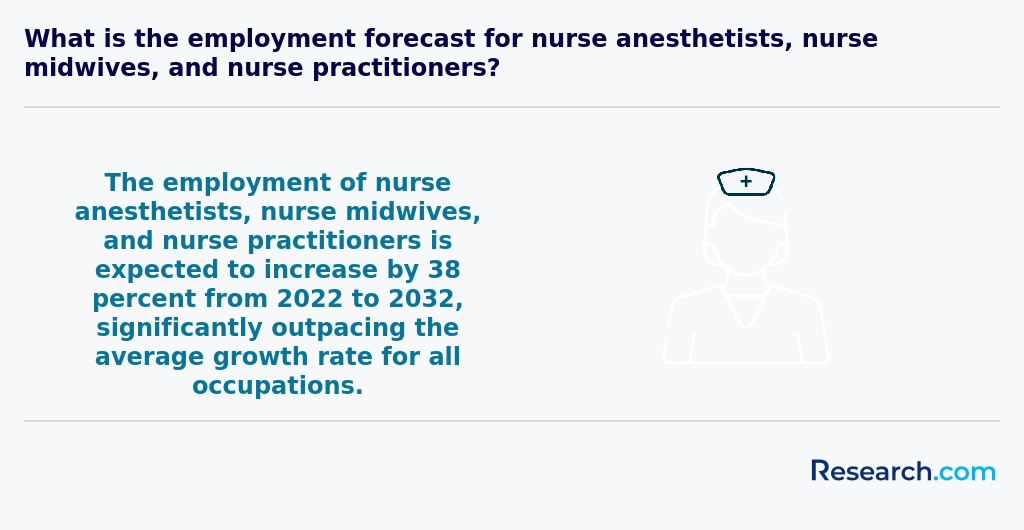
After completing an accredited nursing program in Albuquerque, aspiring Registered Nurses must obtain licensure through the New Mexico Board of Nursing and pass the NCLEX-RN exam. Understanding these steps early can streamline your transition from student to practicing nurse. 1. Meet Educational and Eligibility Criteria • Graduate from a CCNE- or ACEN-accredited ADN/BSN/MSN program • Maintain a minimum cumulative GPA (typically 2.5+) • Complete required health screenings (TB, immunizations) 2. Submit Application to the New Mexico Board of Nursing • Create an account on the NMBON eLicensing portal • Provide official transcripts and proof of degree • Complete fingerprinting and background check through FieldPrint 3. Register for the NCLEX-RN Exam • Apply via Pearson VUE after NMBON approves eligibility • Pay the NCLEX fee and receive your Authorization to Test (ATT) • Schedule your exam at a local Pearson VUE test center 4. NCLEX-RN Preparation Strategies • Enroll in a reputable review course or utilize question banks • Form study groups with classmates to reinforce concepts • Practice full-length mock exams to build endurance and time management 5. Post-Exam Steps and License Renewal • Receive official results (up to 6 weeks post-exam) • Upon passing, print your temporary license and begin practice • Renew your license biennially, completing 30 contact hours of continuing education 6. Reciprocity for Out-of-State Nurses • If you hold an active RN license in another U.S. jurisdiction, apply for endorsement • Submit verification of original licensure and meet New Mexico’s renewal requirements • For graduates exploring affordable online options in neighboring states, see our Low Cost Online Nursing Degree Programs Ranking in Arkansas for competitive tuition insights By familiarizing yourself with New Mexico’s licensure process and NCLEX-RN requirements, you’ll be well-positioned to launch a rewarding nursing career in Albuquerque and beyond.
Nursing degrees in Albuquerque dive deeply into foundational sciences like anatomy, physiology, microbiology, and chemistry-courses that graduates often recall as the keys unlocking the mysteries of the human body. At institutions like the University of New Mexico, these classes aren't abstract; they become vivid when paired with clinical experiences. Students describe moments in health assessment labs where theory suddenly clicks, realizing how crucial precise observation is for real patients.
The curriculum stretches beyond basics, incorporating specialized courses such as Adult Health, Pediatric, and Mental Health Nursing. Graduates share how tackling these subjects felt like stepping into different worlds-from comforting a frightened child during pediatric rotations to managing complex adult care scenarios in city hospitals. Pharmacology and Pathophysiology also ensure students grasp medication impacts and disease processes, vital for confident decision-making.
Many emphasize that Maternal and Newborn Nursing brought real emotional rewards, connecting classroom lessons to joyful births witnessed during clinicals. This blend of scientific rigor with human experience defines nursing education in Albuquerque, making students feel prepared, capable, and inspired.
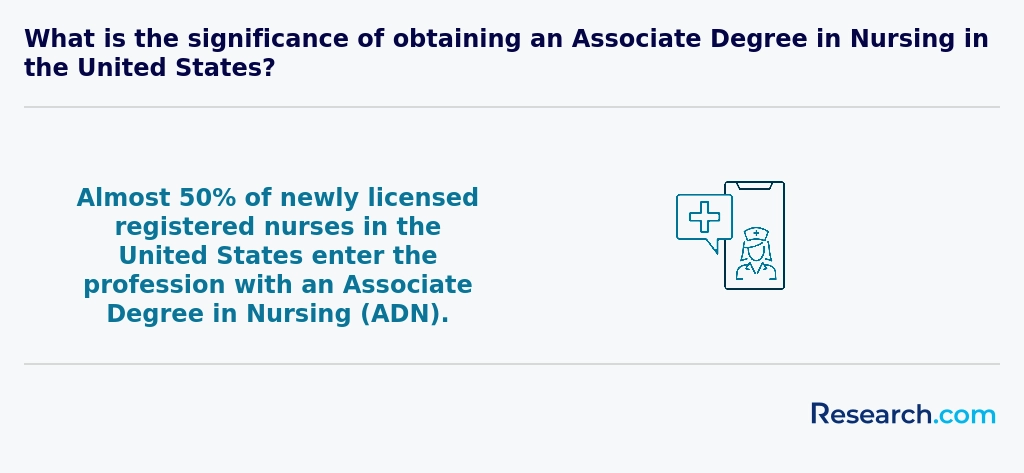
Exploring nursing degree specializations in Albuquerque reveals a landscape shaped by real community needs and advancing healthcare demands. Graduates from local programs, such as those at the University of New Mexico, often emphasize how the Registered Nurse (RN) to Bachelor of Science in Nursing (BSN) pathway helped them gain not just credentials but confidence in leadership within bustling hospital settings. This specialization directly responds to the city's evolving healthcare complexities.
Albuquerque nursing program specialization options also include pediatric and gerontological nursing, aligning perfectly with the city's demographic shifts. Many students find themselves drawn to pediatric nursing due to the rewarding experience of working closely with children in specialized clinics, while others embrace gerontological nursing to meet the vital need for elderly care as the population ages.
The appeal of mental health and critical care nursing is particularly strong here, where nursing graduates recount the emotional satisfaction of supporting patients in psychiatric units or intensive care. Nurse practitioner programs stand out as well, offering advanced training that addresses local physician shortages and deepens community impact. For those interested, ultrasound technology in high demand presents another exciting route, complementing nursing studies in the region.
Choosing the best nursing degree in Albuquerque demands more than a glance at tuition or degree length; it's about envisioning your future in healthcare and weighing what truly aligns with your goals. Graduates from popular colleges here often recall how a BSN opened doors to advanced roles and offered richer clinical experiences at places like UNM Hospital. Yet, others celebrate the quicker path of ADN programs, appreciating how they balanced study with family or work, especially in the context of affordable nursing schools in Albuquerque.
Ask yourself if immediate entry into nursing satisfies you or if preparing for leadership excites you more. Remember, schools with strong partnerships with Presbyterian Healthcare Services deliver hands-on, real-world exposure that textbook learning alone can't match. Consider how flexible learning options helped peers juggle long shifts while advancing their knowledge-sometimes incorporating online classes or evening schedules.
Beyond just deciding between ADN and BSN, think about preparing for a career enriched by diverse skills, like health data collection, which many nursing programs now emphasize. These subtleties shape not just your education but your impact as a nurse in Albuquerque's evolving medical landscape.

Graduates with a nursing degree in Albuquerque find themselves at a crossroads of diverse career paths, each offering unique challenges and rewards. Many enter clinical roles as registered nurses at leading local institutions like the University of New Mexico Hospital or Lovelace Health System, where every shift brings new opportunities to impact patient lives directly. Yet, the horizons extend far beyond bedside care.
Some graduates pursue advanced certifications to become nurse practitioners or nurse anesthetists, driven by a desire for greater autonomy and specialization. Others apply their skills in community settings, engaging in public health nursing or school nursing within Albuquerque Public Schools, roles that foster strong connections and lasting community impact. Nursing degree holders also explore healthcare administration, combining clinical insight with leadership to improve systems, or dive into research at universities, fueling innovation in nursing science.
For applicants weighing options, Albuquerque's unique landscape balances affordable education at institutions and vibrant nursing career opportunities. Many reflect on their choices by comparing local programs to costs elsewhere, sometimes considering resources like nursing colleges houston tuition for broader perspectives on value.
Understanding these Albuquerque nursing degree job prospects invites deeper thought about what a nursing career truly means beyond the conventional path, inspiring a personalized and fulfilling professional journey.

The nursing job market in Albuquerque challenges assumptions about stability and opportunity. Graduates from popular programs like the University of New Mexico quickly realize that nursing job opportunities in Albuquerque are not just abundant-they are shaped by a dynamic healthcare ecosystem that values adaptability and diverse skills. Many find themselves working in expanding facilities, such as Presbyterian Healthcare Services, where demand flows from population growth and evolving care models focused on rural health and telemedicine.
Albuquerque nursing degree employment outlook is especially promising for those with a Bachelor of Science in Nursing (BSN). Graduates often share how affordable, quality education locally, coupled with practical experience, translates into competitive salaries and meaningful roles. Success stories from these programs highlight the blend of clinical skill and community engagement necessary to thrive, and the impact of state incentives that encourage retention.
For students navigating these options, considering factors like job placement assistance can make all the difference in securing a rewarding nursing career in Albuquerque's evolving healthcare landscape.
2027 Best Nursing Degree Programs Ranking in Albuquerque
Investing in your education is a significant decision that can profoundly impact your future, and the Research.com team is fully aware of the responsibility involved in guiding prospective students. To support those considering nursing degrees in Albuquerque, we have diligently developed the "2027 Best Nursing Degree Programs Ranking in Albuquerque." Our dedication to quality, credibility, and accuracy is demonstrated through careful research and thoughtful analysis.
We utilized the following reputable data sources to ensure a comprehensive evaluation of nursing programs:
By consulting this ranking, readers will gain essential insights into the most outstanding nursing programs in Albuquerque, empowering them to make well-informed educational decisions. For a deeper understanding of how this ranking was created, please visit our Research.com methodology page.

# 3 position
Brookline College-Albuquerque
Bachelor of Science in Nursing

Frequently Asked Questions About nursing
Nursing degree students in Albuquerque can maximize their learning experience by engaging fully with both academic coursework and practical clinical opportunities. The city offers access to diverse healthcare facilities such as the University of New Mexico Hospital, providing valuable hands-on experiences crucial for skill development. According to the New Mexico Center for Nursing Workforce Studies, clinical exposure significantly improves readiness for real-world nursing challenges.
Students should also utilize campus resources like tutoring and simulation labs to strengthen critical thinking and technical skills. Joining local nursing organizations connects students to professional mentors, job openings, and continuing education.
Finally, balancing study with time management and self-care enhances academic success and long-term career growth.
The nursing field in Albuquerque is expanding rapidly with several emerging niches gaining prominence. One key area is geriatric nursing, driven by New Mexico's aging population. According to the New Mexico Department of Health, over 18% of the state's residents are aged 65 or older, increasing demand for specialized elder care.
Another growing niche is telehealth nursing, boosted by Albuquerque's investment in digital health infrastructure. Telehealth allows nurses to provide remote monitoring and consultations, improving access in rural areas surrounding Albuquerque.
Additionally, psychiatric nursing is rising due to increased mental health awareness and funding. The Albuquerque Health Care for the Homeless Consortium reports a significant need for mental health services, making psychiatric nursing crucial in the region.
These specialties offer promising career paths for nursing graduates in Albuquerque seeking to meet local healthcare needs.
After completing a nursing degree in Albuquerque, preparing for the job market involves several strategic steps. First, obtaining licensure through the National Council Licensure Examination (NCLEX-RN) is crucial for registered nurse roles. The New Mexico Board of Nursing oversees licensure requirements, ensuring candidates meet state-specific standards.
Networking in Albuquerque's healthcare community is equally important. The city hosts multiple hospitals, including Presbyterian Healthcare Services and UNM Hospital, which are major employers of nurses. Attending local job fairs and joining professional organizations like the New Mexico Nurses Association can increase job prospects.
Additionally, gaining clinical experience through internships or residencies significantly enhances employability. According to the U.S. Bureau of Labor Statistics, registered nursing jobs in New Mexico are projected to grow by 12% from 2022 to 2032, reflecting strong demand within the region.
Employers in Albuquerque seek nursing degree graduates who demonstrate strong clinical skills combined with effective communication abilities. According to the New Mexico Nursing Workforce Report 2023, nearly 85% of local healthcare employers emphasize critical thinking and patient assessment as essential competencies.
In addition to technical expertise, teamwork and adaptability rank highly. Albuquerque's diverse patient population requires nurses who can provide culturally sensitive care, as noted by the University of New Mexico Health Sciences Center.
Time management and proficiency with electronic health records are also important. Employers frequently highlight that graduates must be ready to handle fast-paced environments and evolving healthcare technologies.
These skills together prepare nurses to meet the demands of Albuquerque's healthcare settings effectively.
Finding nursing internships in Albuquerque typically starts with exploring opportunities offered through local colleges and universities such as the University of New Mexico and Central New Mexico Community College. These institutions often have partnerships with nearby hospitals and healthcare providers, including the UNM Hospital and Presbyterian Healthcare Services, which provide clinical placements for nursing students.
Students are encouraged to contact school career centers early to access listings of available internships and receive guidance on the application process. Additionally, networking with local nursing associations, such as the New Mexico Nurses Association, can open doors to internships and mentorships.
The New Mexico Department of Workforce Solutions reports steady growth in healthcare jobs, making Albuquerque a promising city for hands-on nursing experience.
Obtaining a nursing degree in Albuquerque significantly enhances career mobility and advancement opportunities. The city's healthcare sector is growing steadily, with a projected 15% increase in registered nurse jobs by 2030 according to the New Mexico Department of Workforce Solutions. A formal nursing degree meets licensing requirements, allowing graduates to qualify for higher-paying roles such as nurse practitioners or nurse educators.
Many local employers, including UNM Hospital and Presbyterian Healthcare, prioritize candidates with degrees when considering promotions or specialized positions. Advanced degrees also open pathways to leadership roles in administration and clinical research.
Overall, a nursing degree serves as a key credential for career progression in Albuquerque's competitive healthcare environment.
Studying for a nursing degree in Albuquerque equips students to work effectively in interdisciplinary healthcare teams. Local nursing programs emphasize collaboration with professionals such as physicians, pharmacists, and social workers, reflecting the integrated care models used in New Mexico's health system. According to the New Mexico Center for Nursing Excellence, over 60% of healthcare settings in Albuquerque require nurses to communicate across disciplines to improve patient outcomes.
Courses often include training in teamwork, leadership, and communication skills, alongside clinical rotations in diverse settings like hospitals and community clinics. This hands-on experience fosters adaptability in complex care environments. Albuquerque's hospitals increasingly prioritize interdisciplinary approaches, enhancing graduates' readiness for these roles.
Choosing between a thesis and a non-thesis nursing degree program in Albuquerque depends on your career goals and learning preferences. Thesis programs typically require conducting original research and writing a detailed paper, which can prepare you for doctoral studies or roles in nursing research and education. Non-thesis tracks often focus more on clinical practice and coursework, appealing to those aiming for advanced clinical positions.
In Albuquerque, nursing programs like those at the University of New Mexico offer both options. According to the New Mexico Nursing Education Workforce Center, about 40% of nursing students prefer non-thesis tracks for faster entry into the workforce. Understanding these differences can help you select the path that aligns best with your ambitions.
Students in Albuquerque who wish to study nursing abroad have several pathways through US institutions and exchange programs. Many local nursing programs, such as those at the University of New Mexico, offer study abroad opportunities or partnerships with international universities. These experiences often focus on healthcare systems in Europe, Canada, or Australia, providing valuable clinical exposure.
The New Mexico Nursing Education Consortium supports access to diverse nursing education, which may include options for global learning. According to the American Association of Colleges of Nursing, about 10% of nursing students nationally participate in international experiences, enhancing cultural competence.
While direct enrollment abroad is less common, students may use clinical placements or special coursework overseas as part of their degree. Financial aid and scholarships for such programs are often available, but students should consult advisors early to plan logistics.
Students pursuing nursing degrees in Albuquerque can find several part-time job opportunities that enhance their education and practical skills. Common roles include Certified Nursing Assistant (CNA) positions, which provide hands-on patient care experience in local hospitals like Presbyterian Healthcare Services.
Medical receptionist and unit clerk jobs offer valuable administrative experience within healthcare settings. These roles help students understand healthcare workflows and improve communication skills.
Phlebotomy technician jobs are also available and align closely with nursing coursework, allowing students to practice blood collection and lab procedures.
According to the New Mexico Department of Workforce Solutions, healthcare support occupations in Albuquerque are expected to grow by 15% from 2020 to 2030, highlighting ample part-time opportunities for students.
Nursing students in Albuquerque have various networking opportunities to support their career growth. Local educational institutions, such as the University of New Mexico's College of Nursing, organize events that connect students with healthcare professionals. These include workshops, guest lectures, and career fairs. Additionally, Albuquerque hosts chapters of national organizations like the Student Nurses Association, offering members access to mentorship and professional development.
Healthcare facilities in Albuquerque, including Presbyterian and Lovelace hospitals, often collaborate with nursing programs, providing clinical placements where students can build professional relationships. The city's growing healthcare industry fosters networking events that help students connect with potential employers and experienced nurses.
Alumni networks play a significant role in supporting nursing degree students in Albuquerque. These networks provide valuable connections with experienced graduates who understand the local healthcare environment. Nursing students gain access to mentorship opportunities, helping them navigate both academic challenges and career decisions.
According to the New Mexico Center for Nursing Workforce Studies, leveraging alumni networks improves job placement rates for new nurses across the state, including Albuquerque. Alumni can offer insights into hiring trends at major local employers such as the University of New Mexico Hospital and Presbyterian Healthcare Services.
Additionally, alumni events often facilitate professional development through workshops and seminars, enhancing skills beyond the classroom. In a competitive field like nursing, these benefits help students establish strong foundations for their future careers and expand their professional support system.
Customizing a nursing degree program in Albuquerque involves selecting courses and specializations that align with your specific career goals. Many local institutions offer flexible options, including specialties like pediatric, geriatric, or psychiatric nursing. Additionally, students can choose between traditional, accelerated, and online formats to better fit their schedules.
Clinical placement opportunities in Albuquerque's diverse healthcare settings, such as the University of New Mexico Hospital and local community clinics, provide valuable hands-on experience tailored to your interests. According to the New Mexico Board of Nursing, focusing on high-demand fields like family nurse practitioner roles can enhance job prospects in the region.
Finally, consider certifications and continuing education choices within your program to build expertise in areas critical to Albuquerque's healthcare needs, ensuring your degree matches evolving market trends.
Nursing students in Albuquerque commonly face several challenges during their education. A primary difficulty is managing demanding clinical hours alongside coursework, which requires strong time management and resilience. According to the New Mexico Nursing Education Consortium, clinical placements can be competitive, limiting student experience opportunities.
Many students also report financial strain, as nursing programs frequently involve costly supplies, uniforms, and certifications, adding to tuition fees. Furthermore, balancing work and study is a common concern, especially for those supporting families.
Academic rigor in subjects like pharmacology and anatomy often leads to high stress levels. Support services such as tutoring and counseling are available but may not fully alleviate these pressures. This creates an environment where persistence and support networks are critical for success.
With a nursing degree in Albuquerque, graduates can pursue various professional certifications that enhance career opportunities and specialization. Common certifications include Registered Nurse (RN) licensure, which is mandatory for clinical practice in New Mexico.
Beyond RN licensure, nurses can obtain specialty certifications such as Certified Nurse Assistant (CNA), Certified Pediatric Nurse (CPN), or licenses in areas like Emergency Nursing (CEN) and Critical Care Nursing (CCRN). These certifications are offered by national organizations like the American Nurses Credentialing Center (ANCC) or the Board of Nursing in New Mexico.
According to the New Mexico Board of Nursing, Albuquerque has an increasing demand for certified nurses, supporting advanced career roles with higher salaries and leadership opportunities.
To write a winning application for a nursing program in Albuquerque, start by thoroughly researching the specific program requirements of local schools such as the University of New Mexico Gallup and Central New Mexico Community College. Highlight your academic achievements, especially in science courses, as admissions committees look for strong performance in biology and chemistry.
Include relevant clinical or volunteer experience to demonstrate your commitment to nursing. Albuquerque's healthcare sector is growing, with nursing roles expected to increase by 15% through 2030 according to the New Mexico Department of Workforce Solutions.
Craft a clear personal statement explaining your motivation and career goals in nursing. Finally, ensure all transcripts and recommendations are submitted on time to meet application deadlines, typically in early spring for fall enrollment.
The global perspective on a nursing career emphasizes the growing demand for skilled nurses worldwide. In the United States, nursing remains one of the fastest-growing healthcare professions, with the U.S. Bureau of Labor Statistics projecting a 9% job growth from 2020 to 2030. Albuquerque reflects this trend, where registered nurses are vital in hospitals, clinics, and community health centers.
Internationally, nurses often face diverse healthcare challenges, requiring cultural competence and adaptability. For students in Albuquerque, understanding these global dynamics broadens career possibilities, including opportunities in global health organizations or as traveling nurses.
Obtaining a nursing degree locally prepares students for both national licensure and potential work abroad, as many U.S. standards align with global nursing requirements, offering significant professional mobility.
Gaining practical experience while studying for a nursing degree in Albuquerque is essential for building clinical skills and meeting licensure requirements. Most nursing programs in the area, including those at Central New Mexico Community College and the University of New Mexico, incorporate clinical rotations into their curriculum. These rotations take place in local hospitals, clinics, and community health centers, allowing students to work directly with patients under professional supervision.
Additionally, students can seek internships or volunteer opportunities at well-known institutions like Presbyterian Healthcare Services or Lovelace Health System. According to the New Mexico Board of Nursing, clinical hours completed during education must meet specific standards to qualify for the NCLEX exam, ensuring a strong practical foundation for future nurses.
Choosing the right concentration within a nursing degree program in Albuquerque starts with understanding your career goals and the local healthcare needs. Albuquerque offers diverse nursing specializations, including pediatric, geriatric, and psychiatric nursing, reflecting demands highlighted by the New Mexico Department of Health.
Research the curriculum of area schools, such as the University of New Mexico, to see which concentrations align with your interests. Consider Albuquerque's aging population, where geriatric nursing is growing at a rate of 12% annually according to the U.S. Bureau of Labor Statistics, indicating strong job prospects.
Internship opportunities in nearby hospitals and clinics also influence your choice. Practical experience in your concentration can improve employability. Finally, review licensing requirements for specialized fields in New Mexico to ensure your program prepares you accordingly.
- 2027 Best Nursing Degree Programs Ranking in Colorado Springs
- 2027 Best Nursing Degree Programs Ranking in Lubbock
- 2027 Best Nursing Degree Programs Ranking in Tempe
- 2027 Best Nursing Degree Programs Ranking in Phoenix
- 2027 Best Nursing Degree Programs Ranking in Denver
- 2027 Best Nursing Degree Programs Ranking in Las Vegas
- 2027 Best Nursing Degree Programs Ranking in San Diego
- 2027 Best Nursing Degree Programs Ranking in Los Angeles
- 2027 Best Nursing Degree Programs Ranking in Lincoln
- 2027 Best Nursing Degree Programs Ranking in Kansas City
See What Experts Have To Say About Studying Nursing
Read our interview with Nursing experts


- How Much Can I Earn With a BSN? https://www.allnursingschools.com/bsn/salary/
- Know more about thesis vs non- thesis: what is the difference? https://studyfans.com/en/blogs/816
- How to Choose the Right Nursing Program for Your Career Goals - Maria College https://mariacollege.edu/blog/how-to-choose-the-right-nursing-program-for-your-career-goals
- What Are the Best RN Certifications for Your Career? https://credenzahealth.com/career-advice/what-are-the-best-rn-certifications-for-your-career
- Interdisciplinary Education and Practice https://www.aacnnursing.org/news-data/position-statements-white-papers/interdisciplinary-education-and-practice
- Top Skills Employers Want in Practical Nursing Graduates https://vervecollege.edu/what-employers-look-for-in-practical-nursing-graduates/
- Take a look at the Recent articles https://www.oatext.com/nursing-student-engagement-researching-the-journey-and-its-potential-impact-on-transitions-to-practice.php/faqs.php
- How Do Nurses Navigate Career Advancement? | NursingEducation https://nursingeducation.org/insights/career-advancement/
- Essential Tips for Nursing Students to Advance Their Careers https://almanaltraining.com/essential-tips-for-nursing-students-to-advance-their-careers/
- Nursing - SUM Admission https://admission.sum.edu.pl/nursing/