2027 Most Valuable Online Master's in Nursing Degree Programs Ranking in Alabama

Co-Founder and Chief Data Scientist
If you're considering advancing your nursing career in Alabama, choosing the right online master's program is key. This article features the 2027 Most Valuable Online Master's in Nursing Degree Programs Ranking in Alabama, created by the Research.com team of data scientists to help you make an informed decision.
By exploring this ranking, you'll discover programs that stand out for their value, quality, and flexibility. Pursuing a nursing degree opens doors to new opportunities and greater impact in healthcare. Let this guide support your journey toward a rewarding future.
Key benefits of getting online nursing degree in Alabama
- Nursing degree graduates in Alabama can expect strong salaries, with roles like Nurse Practitioner and Critical Care Nurse earning a mean annual wage of $128,490 and an hourly wage of $61.78.
- Graduates from the University of Alabama often explore diverse career paths including Clinical Nurse Specialist, Nurse Educator, and Nurse Administrator, each offering rewarding opportunities and a mean annual wage around $94,480.
- Online nursing degrees from institutions like Auburn University provide flexible learning schedules, allowing students to balance work and life while gaining the same respected credentials as traditional programs.
- 2027 Most Valuable Online Master's in Nursing Degree Programs Ranking in Alabama
- What can I expect from online nursing degree in Alabama?
- Where can I work with online nursing degree in Alabama?
What can I expect from online nursing degree in Alabama?
The average cost of an online nursing degree in Alabama varies but is generally comparable to in-person programs, often ranging from moderate to affordable tuition rates depending on the institution. For example, graduates from schools like the University of Alabama at Birmingham or Auburn University have shared that while tuition is manageable, additional expenses such as clinical fees and course materials may affect the overall cost.
Many students appreciate that local employers frequently provide tuition reimbursement or financial aid, which helps ease the financial burden. One graduate noted how employer support made continuing education financially feasible without sacrificing family or work commitments.
It's important to remember that costs can fluctuate based on whether a student pursues a BSN completion program or a more advanced MSN degree with specialized tracks. Also, clinical placements require in-person attendance at approved healthcare sites, which may introduce travel costs, especially for those living farther from major Alabama university centers.
Balancing cost with quality and accreditation is crucial, as graduates emphasize feeling confident their investment led to respected credentials recognized by the Alabama Board of Nursing.
Where can I work with online nursing degree in Alabama?
Graduates with online nursing degrees in Alabama often find employment in diverse healthcare settings, reflecting the state's strong demand for skilled nurses. Many alumni from institutions like the University of Alabama at Birmingham (UAB) and Auburn University report starting their careers in major hospitals such as UAB Hospital or Huntsville Hospital, where they thrive in specialized units and acute care. These environments provide both challenges and opportunities for growth, fostering a rewarding sense of contribution to patient health.
Others leverage their degrees to work in outpatient clinics, long-term care, or public health organizations. For instance, graduates often share how roles in hospice care or rural health clinics enable them to make a tangible difference in underserved communities. These positions sometimes require advanced skills gained through online MSN programs, blending clinical expertise with leadership.
Telehealth is another emerging path, especially appealing to those who value flexibility and innovation. Nurses licensed in Alabama enjoy remote work possibilities that support mobile care teams, expanding healthcare access statewide. Students who pursue online degrees here appreciate how the curriculum prepares them for these evolving roles within Alabama's healthcare landscape.
Graduates with an online nursing degree in Alabama can expect varied earnings depending on their specialization and experience. For example, nurse practitioners earn a mean annual wage of about $128,490 according to recent data, significantly higher than the $64,000 average for registered nurses statewide. This aligns with reports from graduates of popular programs at the University of Alabama and Auburn University, who often find rewarding careers as advanced practice nurses.
Clinical nurse specialists, nurse administrators, and nurse educators in Alabama typically earn around $94,480 annually, reflecting their specialized skills and leadership roles. Many graduates report that completing advanced degrees online allowed them to balance family and work while stepping into higher-paying roles.
Critical care nurses, similarly, have mean wages near $128,490, underscoring the demand and value of nurses trained in acute settings. Graduates from institutions like Troy University frequently highlight urban hospitals in Birmingham or Huntsville as lucrative workplaces, benefiting from higher salaries than rural areas.
While salaries can vary, investing in an online BSN or MSN in Alabama offers substantial financial rewards and career flexibility.
- Online nursing programs in Alabama must be accredited by CCNE or ACEN to meet state licensing requirements.
- Tuition for online nursing degrees ranges from $10,000 to $15,000 for associate degrees, $15,000 to $25,000 for bachelor's degrees, and $20,000 to $35,000 for master's programs.
- There are about 38,000 active registered nurse licenses in Alabama, with strong job opportunities in hospitals, outpatient centers, and home healthcare.
- Newly graduated RNs in Alabama earn between $55,000 and $60,000 annually, while advanced practice nurses can earn over $90,000 per year.
- NCLEX-RN pass rates for Alabama online nursing graduates are typically 85-90%, similar to national averages.
The time it takes to complete an online nursing degree in Alabama varies significantly based on program type and personal circumstances. For example, students pursuing a traditional Bachelor of Science in Nursing (BSN) at universities like the University of Alabama often plan for about four years of full-time study. However, graduates who already hold a bachelor's degree in another field frequently share stories of completing accelerated BSN programs in as little as 12 to 18 months, appreciating the intense but rewarding pace.
Master's level nursing degrees, such as the MSN, usually span between 18 and 36 months online. Graduates from well-known programs highlight the flexibility that allows part-time study, especially crucial for working adults balancing family life in Alabama. Yet, many note that clinical practicum requirements-done locally-can add complexity and extend timelines, depending on scheduling.
A key takeaway from alumni is that prior education and program format greatly impact completion time. For example, registered nurses with associate degrees often opt for RN-to-BSN pathways that typically take 12 to 24 months, reflecting a positive progression tailored to their professional goals.
Choosing between online and on-campus nursing degrees in Alabama often comes down to how students prioritize flexibility versus direct engagement. Graduates from the University of Alabama at Birmingham recall the value of face-to-face labs and clinical rotations in nearby hospitals, which foster hands-on skills and immediate feedback from instructors. Conversely, alumni from programs offering online formats appreciate the ability to balance coursework around work and family commitments, accessing lectures through digital platforms without relocating or commuting.
Both pathways require clinical experience, but while on-campus students engage in supervised lab activities on-site, online learners depend on partnerships with local healthcare facilities across Alabama for their practical training. This regional collaboration ensures compliance with state licensing requirements but may vary in availability depending on the student's location.
Cost considerations also influence decisions: some find online tuition and reduced living expenses appealing, yet others value the campus environment for networking and support. Ultimately, these differences hinge on each student's circumstances and the specific program's resources within Alabama's higher education landscape.
The average cost of an online nursing degree in Alabama typically centers around $13,637, reflecting both undergraduate and graduate program expenses. Public universities in Alabama are often more affordable options for residents, with in-state tuition ranging roughly from $10,000 to $15,000 per year for online nursing degrees. Graduate nursing degrees, such as the MSN, can cost more, with fees usually between $12,000 and $20,000 annually. These figures align with what many graduates from well-known Alabama institutions have experienced, balancing their budgets while gaining quality education.
Private universities generally charge higher rates, sometimes exceeding $25,000 per year, which can be challenging but may offer flexible financial aid or scholarship opportunities that students have found valuable in reducing actual costs. From personal accounts of recent graduates, managing additional expenses like textbooks, technology fees, and clinical supplies requires careful preparation but remains feasible within a student's budget.
Those exploring online options must weigh these costs carefully. For example, students from popular nursing schools in Alabama often appreciate the blend of competitive tuition and accessible online coursework, which fits well with working careers or family obligations. Considering Alabama online master's in nursing tuition fees is especially critical for planning future finances as graduate programs tend to be pricier yet offer advanced career potential.
Prospective students might also explore resources like best online programs for seniors to find tailored nursing education paths that suit their lifestyle. Overall, the average cost of an online nursing degree in Alabama reflects a spectrum of choices, encouraging thoughtful investment in a rewarding healthcare career.
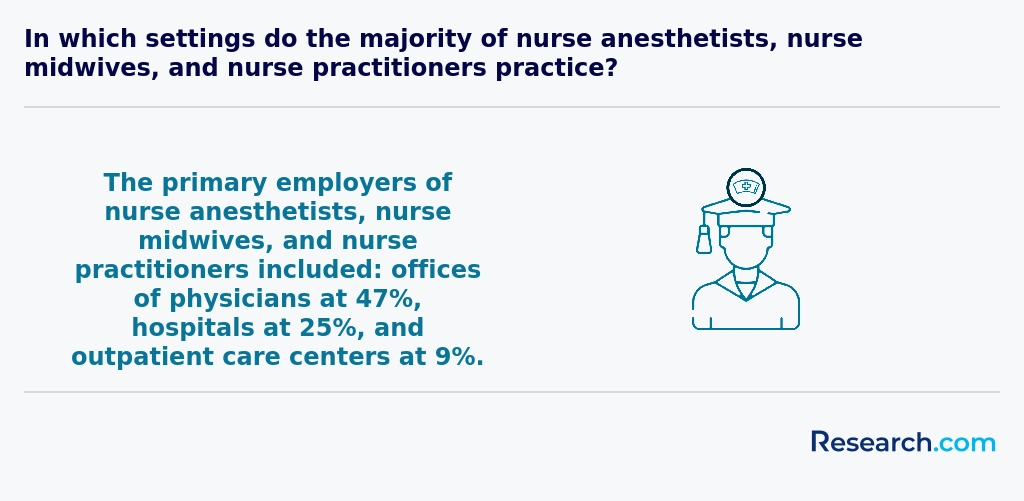
Students enrolled in online nursing programs in Alabama often rely on a combination of federal, state, and institutional financial aid to manage costs. Many graduates from the University of Alabama at Birmingham recall applying early for Pell Grants, which for 2023-2024 can cover up to $7,395 without repayment, providing crucial relief during their studies. Federal student loans such as Direct Subsidized Loans offer manageable interest rates, though borrowers must consider long-term repayment implications.
State aid, like the Alabama Student Assistance Program, targets residents attending accredited schools, including online learners at institutions like Auburn University's distance nursing program. Several graduates appreciate how ASAP grants reduce their reliance on loans, especially when combined with hospital tuition reimbursement programs offered by health systems in Birmingham and Huntsville. However, not all students qualify for these, highlighting the importance of alternative scholarships from entities such as the Alabama Board of Nursing, which can mean the difference between pausing education or progressing confidently.
Employment-focused students often balance coursework with nursing assistant roles, utilizing employer tuition assistance plans to offset costs. Furthermore, those serving rural or underserved Alabama communities might benefit from federal loan forgiveness programs like PSLF, easing long-term financial stress. Prospective students should start with FAFSA to comprehensively identify available supports tailored for Alabama's nursing education landscape.
To enroll in online nursing degree programs in Alabama, students typically need a high school diploma or GED as an essential first step. Graduates from well-regarded Alabama colleges often highlight how completing prerequisite courses-such as human anatomy, physiology, chemistry, microbiology, English composition, and statistics-helped them build confidence before diving into core nursing subjects.
For example, many students from popular institutions like the University of Alabama at Birmingham or Auburn University's nursing programs recall that mastering these foundational courses was crucial in managing the challenging online format effectively. Those pursuing an online Master of Science in Nursing usually must hold a current Alabama RN license and demonstrate a minimum GPA, often around 3.0.
Applicants also find that submitting letters of recommendation and personal statements reflecting their clinical experience positively impacts their admission chances. These requirements ensure that online nursing students in Alabama are not only academically prepared but emotionally ready to contribute meaningfully to a growing healthcare workforce.

Online nursing degree programs in Alabama commonly include courses such as Human Anatomy and Physiology, Pharmacology, and Pathophysiology, which build a strong foundation in understanding the human body and disease processes. Graduates from programs at popular institutions like the University of Alabama at Birmingham often share how mastering these subjects helped them confidently perform clinical assessments in real healthcare settings.
Courses in Health Assessment and Evidence-Based Practice equip students with practical skills to evaluate patients and apply research effectively. Many find these particularly rewarding because they transform theoretical knowledge into day-to-day nursing actions, a perspective emphasized in programs at Auburn University's online nursing track.
Leadership and Management in Nursing is another vital course, preparing students to take on supervisory roles. Graduates from online programs frequently highlight how this training instilled confidence for team coordination and navigating complex healthcare environments.
Additionally, Healthcare Ethics and Law, as well as Community and Public Health Nursing, focus on the broader social responsibilities nurses face, something Alabama students appreciate given the state's diverse and underserved populations.
Online nursing specializations in Alabama reflect both the state's healthcare needs and students' diverse career goals. Popular tracks include Family Nurse Practitioner (FNP), where graduates from well-known universities often share heartfelt stories about serving underserved rural communities. Their ability to provide comprehensive primary care across age groups is a crucial asset in Alabama's healthcare landscape.
Other specializations such as Nurse Educator address the pressing faculty shortages reported by nursing schools throughout Alabama. Graduates describe their fulfillment in shaping future nurses, a rewarding role aligned with the state's growing demand for qualified instructors. Similarly, Nurse Leadership programs prepare students for administrative roles in expanding Alabama hospitals, where leadership skills directly impact patient care quality and staff management.
Beyond these, options like Psychiatric-Mental Health Nurse Practitioner, Gerontological Nursing, Acute Care Nurse Practitioner, and Midwifery offer tailored paths for those drawn to specific populations. Many pursuing Alabama master's nursing degree programs find that the flexibility and variety help balance work and study, especially if enrolled at popular institutions famous for accommodating working nurses. Prospective students can explore more about navigating these opportunities through resources on best open admission colleges.
Choosing the best online nursing degree in Alabama means weighing accreditation, cost, and program design critically. Graduates from well-regarded Alabama universities often stress how critical accreditation by CCNE or ACEN was in ensuring their education met state licensing requirements. While some programs offer full online coursework, others require local clinical hours; understanding how each school arranges these practical experiences in Alabama healthcare facilities can be decisive for licensure.
Affordability also plays a major role. Affordable MSN degrees Alabama students pursue typically balance tuition with available scholarships and financial aid. Graduates recount relief in finding programs with transparent fees, avoiding unexpected costs for clinical placements or technology. They encourage comparing programs carefully rather than assuming higher price guarantees quality.
The curriculum should not be overlooked. Many successful alumni highlight the value of specialties and comprehensive courses in pharmacology and leadership at Alabama's popular colleges. For those still starting out, exploring options like the easiest associate's degree programs can provide clarity on the foundational steps toward nursing careers in the state.
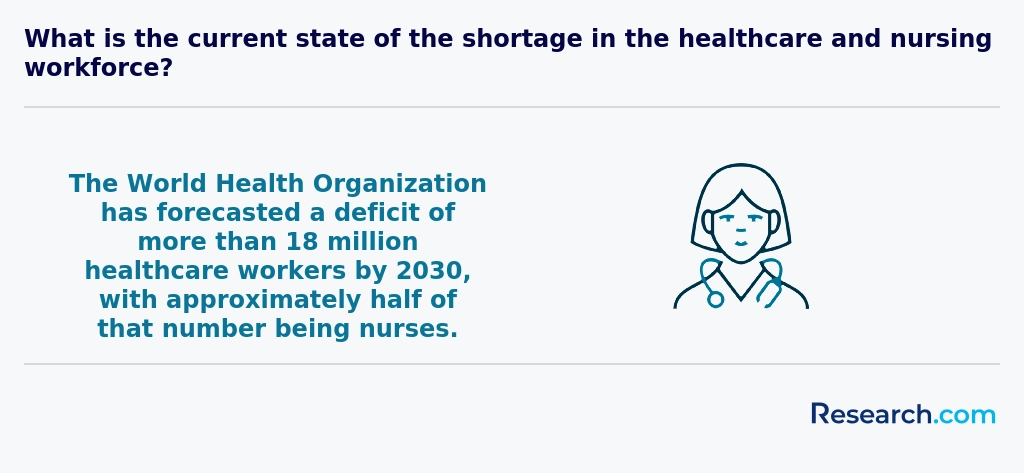
Graduates with an online nursing degree in Alabama often find diverse career paths that align with both clinical and administrative interests. Many choose to become registered nurses, working in hospitals or community clinics where the demand remains high due to Alabama's aging population. For example, graduates from esteemed programs like the University of Alabama at Birmingham frequently share how their clinical rotations prepared them for direct patient care roles. Others pursue specialized roles, such as Nurse Practitioners or Clinical Nurse Specialists, especially after earning an MSN, contributing to healthcare with advanced skills while enjoying greater autonomy and higher salaries.
Some online nursing degree careers in Alabama expand beyond bedside care; graduates have taken on roles as nurse educators or healthcare administrators at schools like Auburn University, where managing nursing staff combines leadership with patient-centered goals. These varied opportunities illustrate how nurses can adapt their careers to fit personal strengths and lifestyle preferences while serving critical community needs.
Considering costs and outcomes, potential students might explore options for the easiest bachelor degree pathways that balance affordability and job prospects in Alabama's nursing landscape.
The job market for graduates holding an online nursing degree in Alabama remains robust, shaped by increasing healthcare demands across the state. Nurses who complete programs at well-regarded institutions like the University of Alabama or Auburn University often find themselves well-prepared for immediate employment due to these schools' alignment with regional healthcare needs. Many graduates appreciate how their online programs emphasize practical skills and certification preparation, helping them secure registered nurse positions quickly.
Online nursing jobs in Alabama often come with competitive wages relative to the local cost of living, with the median registered nurse salary around $58,000, making the profession financially rewarding in the state context. Graduates from these programs report feeling confident stepping into roles in hospitals, outpatient centers, or expanding telehealth services, which are particularly relevant given modern healthcare shifts.
The Alabama nursing degree career outlook is further enhanced by opportunities in specialized roles such as nurse practitioners or educators, especially through continuing education paths many alumni pursue. For those exploring advanced online education, the availability of easiest masters degrees can provide a streamlined route to these higher-level positions.
2027 Most Valuable Online Master's in Nursing Degree Programs Ranking in Alabama
Investing in your education is a significant decision that can shape your future, and the Research.com team understands the importance of making informed choices. To assist prospective students in Alabama, we have meticulously crafted the "2027 Most Valuable Online Master's in Nursing Degree Programs Ranking in Alabama." Our commitment to quality, credibility, and accuracy is reflected in the extensive research and analysis conducted to compile this ranking.
We utilized the following reputable data sources to ensure a comprehensive evaluation of nursing programs:
By exploring this ranking, readers will gain valuable insights into the most valuable online master's nursing programs in Alabama, empowering them to make informed decisions about their educational and professional paths. For more details on our methodology, please visit our Research.com methodology page.


# 4 position
Columbia Southern University
Master of Nursing Education


Frequently Asked Questions About nursing
Online nursing degree students in Alabama can maximize their learning by actively engaging with online course materials and participating in virtual discussions. According to the Alabama Board of Nursing, hands-on clinical practice is essential, so students should seek programs with strong local clinical partnerships.
Time management is crucial, as balancing coursework with busy lifestyles can be challenging. Utilizing digital tools for scheduling and study can improve efficiency. Additionally, connecting with peers and faculty through online forums enhances understanding and networking opportunities.
Students should also stay informed about Alabama's nursing regulations and workforce needs, as outlined by the Alabama Department of Public Health, which highlights the growing demand for advanced practice nurses. This knowledge helps align studies with real-world expectations.
Emerging niches within the nursing field reflect growing healthcare demands and technological advances. In Alabama, telehealth nursing is rapidly expanding due to increased access to broadband and rural healthcare needs. Telehealth nurses provide remote patient monitoring and virtual consultations, improving care in underserved areas.
Another growing area is gerontological nursing, as Alabama's senior population rises. Nurses specializing in elder care focus on chronic disease management and quality of life improvements.
Finally, informatics nursing integrates technology and patient data management, helping healthcare systems enhance efficiency and outcomes. According to the Alabama Board of Nursing, these specialties show strong job growth and higher median salaries than general practice.
After completing an online nursing degree in Alabama, preparing for the job market requires understanding state-specific licensure and workforce demands. Graduates must pass the NCLEX-RN exam, which is mandatory for licensure by the Alabama Board of Nursing.
Networking plays a vital role; connecting with local healthcare providers through internships or clinical partnerships offered by some programs can improve job prospects. According to the Alabama Department of Labor, registered nursing employment is projected to grow 12% through 2030, indicating strong demand.
Staying current with Alabama Medicaid and patient care standards ensures a smoother transition to practice. Additionally, joining professional organizations like the Alabama Nurses Association can provide valuable resources and job leads.
Employers in Alabama seek nursing degree graduates who demonstrate strong clinical skills and critical thinking. Competency in patient assessment and care planning is essential, as reported by the Alabama Board of Nursing. Communication skills are also highly valued, enabling nurses to collaborate effectively with healthcare teams and patients.
Given Alabama's growing healthcare demands, adaptability and proficiency with electronic health records (EHR) are crucial. According to the U.S. Bureau of Labor Statistics, Alabama expects a 15% increase in registered nurse jobs by 2030, highlighting the need for skilled graduates.
Many employers emphasize compassion and ethical judgment, vital for patient-centered care.
Finding nursing internships in Alabama begins with exploring partnerships between local healthcare providers and educational institutions. Many Alabama nursing programs, including online options, have established connections with hospitals, clinics, and public health organizations to facilitate student internships.
The Alabama Board of Nursing provides regulatory oversight but does not directly offer placements, so students should leverage their school's career services for updated internship opportunities. According to the Alabama Department of Public Health, major hospitals in metropolitan areas like Birmingham and Mobile frequently seek nursing interns, especially as Alabama anticipates a 15% growth in nursing jobs by 2030.
Networking through professional associations like the Alabama Nurses Association is another key resource. Contacting clinical sites directly can also uncover unadvertised internships relevant to your nursing concentration.
An online nursing degree in Alabama significantly enhances career mobility by offering flexible access to accredited programs that align with the state's licensure requirements. Nurses with advanced degrees, such as a Master's in Nursing, often qualify for leadership roles, clinical specializations, and higher salaries. According to the Alabama Board of Nursing, professionals holding an MSN or higher often experience faster job placement and promotion opportunities in hospitals and clinics statewide.
Alabama's healthcare landscape shows strong demand for nurse practitioners and nurse educators, roles that typically require graduate-level education. Online degrees enable working nurses to advance without pausing their careers, facilitating upward movement within Alabama's diverse healthcare sector.
Studying for a nursing degree in Alabama equips students with essential skills for interdisciplinary healthcare roles. Online programs emphasize collaboration with professionals in medicine, social work, and pharmacy, reflecting real-world healthcare settings.
Alabama's nursing curricula integrate coursework on communication, leadership, and care coordination. This prepares graduates to work effectively within diverse teams focused on patient-centered care. Data from the Alabama Board of Nursing highlights that nurses with interdisciplinary training have better patient outcomes.
Moreover, state programs align with national standards, ensuring graduates understand how to navigate complex healthcare systems. Through online clinical simulations and case studies, students develop critical thinking skills important for roles beyond traditional nursing.
Choosing between a thesis and a non-thesis nursing degree program in Alabama depends on your career goals and time availability. Thesis programs typically require conducting original research and writing a detailed paper, which is ideal for those interested in pursuing a doctorate or roles in research and academia.
Non-thesis options focus more on coursework and practical skills, making them suitable for nurses aiming for leadership, clinical practice, or administrative positions. According to the Alabama Board of Nursing, nearly 60% of graduate nursing students choose non-thesis paths due to their quicker completion time.
Consider your professional goals carefully when deciding which path aligns best with your aspirations.
Students in Alabama interested in studying nursing abroad have limited direct options through online degree programs based outside the United States. Most accredited nursing degrees for U.S. students come from domestic institutions due to differing licensure requirements between countries.
However, some Alabama students pursue international experience by enrolling in U.S.-based online nursing master's programs that offer study abroad components or international clinical placements.
According to the Alabama Board of Nursing, graduates must hold a degree from a program accredited by U.S. agencies recognized by the National Council of State Boards of Nursing (NCSBN) to qualify for licensure in Alabama. This restricts the direct transferability of many foreign degrees.
Students can also explore global health nursing certifications online through U.S. universities, supplementing their Alabama nursing education with global perspectives.
Part-time jobs in Alabama can effectively complement nursing degree education by providing practical experience and flexible hours. Many students find opportunities as certified nursing assistants (CNAs) or patient care technicians. These roles offer direct patient interaction, which is valuable for nursing students seeking hands-on skills.
Hospitals in Alabama, including large systems like UAB Medicine, often hire part-time nursing aides, allowing students to work around their class schedules. According to the Alabama Department of Labor, healthcare support roles in the state are projected to grow faster than average through 2030, ensuring job availability.
Additionally, roles in medical offices or community health organizations can offer exposure to healthcare settings without full hospital commitments. These experiences enhance a student's resume and understanding of Alabama's healthcare landscape.
Online nursing students in Alabama have access to various networking opportunities essential for career growth. Many programs encourage participation in virtual events hosted by the Alabama Nurses Association, which connects over 16,000 nurses statewide. Additionally, students can join professional organizations such as the Alabama Student Nurses' Association, offering webinars, workshops, and mentorship programs specifically for nursing students. Local hospitals and healthcare institutions in Alabama often partner with online programs to provide clinical experiences and networking events, allowing students to build connections in the state's healthcare community. According to the Alabama Board of Nursing, these networks play a vital role in employment and professional development.
Alumni networks offer valuable benefits for online nursing degree students in Alabama by providing access to a wide community of professionals. These networks facilitate mentorship opportunities, allowing current students to connect with experienced nurses who can guide their career development.
In Alabama, where the demand for qualified nurses is growing, alumni connections can enhance job prospects by sharing information about local healthcare employers and openings. According to the Alabama Board of Nursing, registered nurse employment is expected to rise by 15% through 2029, underscoring the importance of strong professional ties.
Furthermore, alumni networks often host continuing education events and workshops, helping nurses stay current with industry standards and licensing requirements. This ongoing support benefits online students who might otherwise feel isolated from campus resources.
Engaging with fellow graduates also encourages collaboration and knowledge exchange, fostering a sense of community that extends beyond graduation.
Customizing an online nursing degree program in Alabama allows students to align their education with specific career goals. Many universities offer flexible course selections and elective options tailored to specialties such as nurse practitioner, nurse educator, or nurse administrator. This flexibility lets students focus on areas with high demand in Alabama, where the Alabama Board of Nursing reported over 87,000 registered nurses in 2023.
Students can often choose part-time or accelerated formats to balance work and study, which is common among Alabama's working nurses. Clinical placements may be arranged locally, allowing hands-on experience in preferred healthcare settings.
Advisors at Alabama schools typically help craft personalized degree plans, ensuring coursework matches licensure requirements and career ambitions.
Online nursing students in Alabama often face several key challenges as they pursue their degrees. One major hurdle is managing clinical practice requirements. Many programs require hands-on experience in healthcare settings, which can be difficult to arrange locally or fit into busy schedules. According to the Alabama Board of Nursing, students must complete a set number of clinical hours to qualify for licensure, making this an essential but demanding part of their education.
Connectivity issues also pose problems in rural parts of Alabama, where broadband access remains inconsistent, impacting students' ability to participate in live online classes and access resources.
Additionally, balancing coursework with work and family commitments is a common struggle. Nursing programs are rigorous, typically requiring 15-20 hours of study weekly, which can overwhelm students juggling multiple responsibilities.
Lastly, some students report challenges in feeling isolated or lacking peer support due to the virtual learning environment, which may affect motivation and engagement.
Graduates with an online nursing degree in Alabama can pursue a variety of professional certifications to advance their careers. Common options include the Certified Nurse Practitioner (CNP), Certified Nurse Midwife (CNM), and Certified Registered Nurse Anesthetist (CRNA) credentials. These certifications often require passing national exams administered by organizations like the American Nurses Credentialing Center (ANCC) or the American Association of Nurse Practitioners (AANP).
Additionally, registered nurses in Alabama holding an online degree may seek certifications in specialties such as gerontology, pediatrics, or oncology. According to the Alabama Board of Nursing, licensed RNs benefit from these credentials by increasing job opportunities and earning potential.
To write a winning application for an online nursing program in Alabama, start by thoroughly researching accredited programs. Accreditation from bodies like the Commission on Collegiate Nursing Education (CCNE) is essential to ensure quality education recognized by employers and licensing boards.
Highlight your clinical experience clearly, as Alabama nursing programs often require proof of hands-on patient care. Include specific examples that demonstrate your skills and commitment to nursing.
Maintain a strong GPA; many programs look for at least a 3.0 cumulative score. Preparing a well-crafted personal statement that explains your motivation for pursuing nursing in Alabama and your career goals is crucial. Use statistics such as Alabama's expected 15% growth in nursing jobs by 2030 (Alabama Department of Labor) to show awareness of the state's demand.
Finally, ensure all prerequisite coursework and licensure requirements are complete before applying, as most programs require proof of these to proceed.
Nursing is recognized globally as a vital profession that supports healthcare systems everywhere. In the United States, including Alabama, nursing careers offer stability, strong demand, and opportunities for advancement. According to the Alabama Board of Nursing, Alabama saw a 12% growth in registered nurse employment from 2016 to 2026, reflecting broader national trends.
Worldwide, nurses often serve as primary caregivers, educators, and patient advocates. The demand for skilled nurses continues to rise due to aging populations and increased chronic health conditions. For US students, earning an online nursing degree provides flexibility and access to accredited programs that meet state licensure requirements, which is crucial for professional mobility both domestically and internationally.
Internationally, nursing faces challenges including workforce shortages, but the profession also benefits from cross-border collaborations and educational exchanges. With Alabama's investments in online nursing education, students are well-positioned to join this global workforce, bringing valuable skills that meet evolving healthcare needs.
Gaining practical experience is essential when pursuing an online nursing degree in Alabama. Most accredited programs include clinical components that must be completed in-person. Students can fulfill these requirements through partnerships between their university and local healthcare facilities, such as hospitals, clinics, or nursing homes.
The Alabama Board of Nursing requires students to complete specific clinical hours as part of licensure preparation. Programs typically help students find nearby approved sites to gain hands-on skills safely and effectively.
Additionally, students might engage in simulations or virtual labs offered online to complement real-world practice. Volunteering or working as a nurse aide in Alabama healthcare settings can also enhance practical knowledge during studies.
Choosing the right concentration within an online nursing degree program in Alabama depends on your career goals and local healthcare needs. Alabama's healthcare system, according to the Alabama Board of Nursing, has a growing demand for family nurse practitioners and psychiatric mental health nurses. These specialties offer strong job prospects due to underserved populations.
Consider your interest in patient care settings, such as hospitals, outpatient clinics, or community health. Research shows that concentrations like nurse anesthesia and nurse midwifery are competitive and require additional certifications.
Review program accreditation and alignment with Alabama's Nurse Practice Act to ensure licensure eligibility.
- 2027 Most Valuable Online Master's in Nursing Degree Programs Ranking in Mississippi
- 2027 Most Valuable Online Master's in Nursing Degree Programs Ranking in Tennessee
- 2027 Most Valuable Online Master's in Nursing Degree Programs Ranking in Georgia
- 2027 Most Valuable Online Master's in Nursing Degree Programs Ranking in Louisiana
- 2027 Most Valuable Online Master's in Nursing Degree Programs Ranking in Arkansas
- 2027 Most Valuable Online Master's in Nursing Degree Programs Ranking in Kentucky
- 2027 Most Valuable Online Master's in Nursing Degree Programs Ranking in South Carolina
- 2027 Most Valuable Online Master's in Nursing Degree Programs Ranking in North Carolina
- 2027 Most Valuable Online Master's in Nursing Degree Programs Ranking in Missouri
- 2027 Most Valuable Online Master's in Nursing Degree Programs Ranking in Indiana
See What Experts Have To Say About Studying Nursing
Read our interview with Nursing experts


- Online versus Face-to-Face Nursing Degrees: A Study of Recruiters’ Perceptions - OJDLA https://ojdla.com/articles/online-versus-face-to-face-nursing-degrees-a-study-of-recruiters-perceptions
- Do I Have to Write a Thesis to Complete a Master’s Degree in Nursing? https://www.bestmasterofscienceinnursing.com/faq/write-thesis-complete-masters-degree-nursing/
- Career Advancement Pathways for Nurses : Expert RN shares 10+ Professional growth opportunities - MuminMed https://blog.muminmed.com/career-advancement-pathways-for-nurses/
- Nursing School Partnerships & Alumni Engagement https://www.nurseslounge.com/partners/nursing-schools/
- Know more about thesis vs non- thesis: what is the difference? https://studyfans.com/en/blogs/816
- What Nursing Concentration Is Right for Me? | Maryville Nursing https://nursing.maryville.edu/blog/what-nursing-concentration-is-right-for-me
- From our readers…Strengthening nursing networks https://www.myamericannurse.com/from-our-readersstrengthening-nursing-networks/
- 2025 Best Online Nursing Programs in Alabama https://www.onlineu.com/degrees/nursing/alabama
- Top Skills Employers Want in Practical Nursing Graduates https://vervecollege.edu/what-employers-look-for-in-practical-nursing-graduates/
- What Are the Best RN Certifications for Your Career? https://credenzahealth.com/career-advice/what-are-the-best-rn-certifications-for-your-career