2027 Most Popular Nursing Degree Programs Ranking in Maryland

Co-Founder and Chief Data Scientist
Are you considering a nursing degree in Maryland? Choosing the right program can feel overwhelming, but we're here to help. Our article features the 2027 Most Popular Nursing Degree Programs Ranking in Maryland, created by the Research.com team of data scientists.
This ranking helps you identify programs that align with your goals and offer strong opportunities. Pursuing a nursing degree is a rewarding path filled with meaningful work and career growth. Reading this guide will empower you to make an informed, confident decision about your education and future.
Key benefits of getting nursing degree in Maryland
• Graduates with a nursing degree in Maryland can enjoy competitive salaries, such as $94,480 per year for Registered Nurses and Public Health Nurses, while Operating Room Nurses can earn even higher at $128,490 annually. These figures highlight the strong earning potential in this rewarding field.
• Nursing degree holders from popular Maryland institutions like the University of Maryland have diverse career paths, including clinical nurse education and emergency room nursing, offering exciting opportunities to make a real difference in healthcare.
• Earning a nursing degree online, for example through Johns Hopkins University's online programs, offers flexibility and convenience that fit busy lifestyles, allowing students to advance their careers without sacrificing time or income.
- 2027 Most Popular Nursing Degree Programs Ranking in Maryland
- What can I expect from nursing degree in Maryland?
- Where can I work with nursing degree in Maryland?
What can I expect from nursing degree in Maryland?
Imagine stepping into a bustling nursing lab at a Maryland community college, the air thick with anticipation and the hum of hands-on practice. Here, the annual tuition is often a welcoming $4,000 to $7,000 for in-state students, a price tag that feels like an investment in a compassionate future. Graduates from these programs frequently share stories of balancing tight budgets with scholarships, making every dollar stretch toward their goal of healing others.
Shift now to a four-year university, where the cost climbs to about $10,000 to $15,000 per year for a Bachelor of Science in Nursing. Many students describe this as the crossroads where dedication meets opportunity, fueled by cutting-edge clinical rotations through Maryland's renowned hospitals and research facilities. The weight of tuition is offset by the promise of learning in a state that values rigorous training and practical experience.
These tuition fees often represent more than just numbers-they're the price of entering a vibrant healthcare ecosystem, where future nurses grow confident amid real patients in real challenges. For many, the financial journey includes aid geared toward those ready to serve Maryland's underserved communities, blending hope with a tangible path forward.
Where can I work with nursing degree in Maryland?
With a nursing degree earned from institutions like the University of Maryland School of Nursing or Towson University, graduates dive into Maryland's vibrant healthcare tapestry. Imagine stepping into the bustling hallways of Johns Hopkins Hospital, where staff nurses become lifelines in critical care or oncology wards, energized by the thrill of saving lives and mastering cutting-edge techniques.
Other graduates find solace in outpatient clinics around Baltimore's suburbs, relishing steady rhythms while fostering deep relationships in women's health or primary care. The gentle hum of community health centers calls those passionate about preventive medicine and wellness education, transforming neighborhoods one patient at a time.
Picture graduates embracing geriatric nursing in eldercare homes, their days filled with stories, compassion, and hands-on rehabilitation, serving Maryland's growing aging population. Then there are those stepping beyond bedside roles, joining the dynamic halls of university research labs or classrooms, inspiring future nurses and pioneering new discoveries-all while rooted in Maryland's strong academic ecosystem.
Each path pulses with opportunity, promising not just a career, but a deeply rewarding journey tailored to the unique pulse of Maryland's healthcare scene.
Picture this: you've just graduated from the University of Maryland School of Nursing, diploma in hand, ready to dive into the vibrant healthcare scene. What can you expect? Registered Nurses (RNs) in Maryland pull in a solid mean annual wage of about $94,480, a figure that stands proudly above the national average. This is the heartbeat starting your career, whether you're working at a bustling Baltimore hospital or a community clinic.
Imagine a friend who specialized further, stepping into the fast-paced action as an Emergency Room Nurse. Their annual paycheck matches the general RN salary around $94,480, but with the adrenaline rush and critical impact on patients' lives, it feels priceless.
Graduates from well-known programs like Johns Hopkins or Towson University who aspire to focus in the Operating Room enter a distinct realm, commanding a mean wage soaring to $128,490. It's the kind of compensation that reflects those high-stakes decisions you make as a surgical nurse.
Across Maryland's nursing landscape, advanced roles mean advanced pay. The robust salaries fuel passions and dreams, turning that nursing degree into a launching pad for lifelong achievement and meaningful impact.
- Nursing degree options in Maryland include certificates, ADN, BSN, MSN, and DNP programs, with the BSN being the most common four-year entry-level degree.
- Annual tuition for in-state students ranges from about $8,000 to $15,000 at public schools, while private institutions may cost over $40,000 for the full program.
- The average starting salary for registered nurses in Maryland is around $65,000 per year, increasing to $85,000-$95,000 with experience and specialization.
- Maryland requires passing the NCLEX-RN exam for licensure, with a state pass rate near the national average of 85% to 90% for first-time test takers.
- Nursing licenses must be renewed every two years through continuing education and registration renewal.
- Job opportunities are strongest in urban areas like Baltimore, but rural regions also have significant demand for qualified nurses.
In Maryland, diving into a nursing degree feels like setting off on an energizing journey tailored to your pace and dream. Community College of Baltimore County grads often reminisce about their intense but rewarding two-year ADN programs, where 60 to 72 credits become stepping stones to passing the NCLEX-RN and stepping confidently into the nursing world. It's a fast track that's perfect if you're eager to start helping patients and earning quickly.
For those who crave a more immersive experience, envision four vibrant years at the University of Maryland School of Nursing, where BSN students balance 120 credit hours filled with theory, clinicals, and real-world challenges. Graduates speak of the confidence gained, knowing they're primed for broader career opportunities and higher pay.
Some Maryland nurses weave their path further by enrolling in RN-to-BSN programs, expanding their expertise in just one to two years, often while balancing work and life.
And if specialization calls, imagine dedicating two more years post-BSN for an MSN, unlocking leadership and advanced practice roles within Maryland's healthcare landscape.
Nursing programs in Maryland excel not only in curriculum but also in comprehensive student support and career resources designed to boost your success from day one. Academic advising teams guide you through course selection, ensuring prerequisites like Anatomy and Physiology align with your career goals. Dedicated tutoring centers and writing labs offer personalized assistance, helping you master challenging subjects such as Pharmacology and Pathophysiology. Simulation labs equipped with high-fidelity manikins provide realistic clinical scenarios under expert supervision, sharpening your critical thinking and hands-on skills before you enter the hospital floor. For online learners, virtual simulation platforms and 24/7 library access deliver the same quality training and research materials, while career services coordinate mock interviews, resume reviews, and networking events with Maryland healthcare employers. Preparing for the NCLEX-RN exam is streamlined through targeted review workshops and practice question banks, which have contributed to the impressive pass rates of top programs. Financial aid counselors and scholarship advisors work closely with nursing students to identify grants, loans, and work-study opportunities, minimizing financial barriers so you can focus on patient care. Mentorship programs pair you with experienced RNs and alumni, fostering professional relationships that often lead to clinical placement and job offers. To explore more flexible and affordable pathways, consider our Low Cost Online Bachelor's in Nursing Degree Programs Ranking in the West, where quality meets value for Maryland students seeking online alternatives. These robust support networks ensure you graduate confident, competent, and ready to thrive in any healthcare setting.
Imagine juggling work shifts while attending the University of Maryland's nursing program from your living room couch-this is the magic of online degrees. Graduates recall the freedom of constructing study schedules around life's chaos, accessing lectures over midnight coffee, yet still driving to nearby Baltimore hospitals for hands-on clinicals. This blend of virtual and reality molds resilient nurses who master both tech and touch.
Contrast that with the campus buzz at Johns Hopkins University, where students thrive amid bustling labs and face-to-face mentorship. Here, the scent of antiseptic and the hum of simulation mannequins anchor learning in the tangible. Graduates cherish the immediate support network, the camaraderie from late-night library sessions, and the ritual of walking to clinicals with peers through Maryland's vibrant medical districts.
Both routes demand in-person clinical hours essential for licensing, but the choice is a dance between flexibility and immersive tradition. Tuition ranges from $8,000 to over $30,000 annually, yet the richness of experience-whether from a screen or a classroom-shapes Maryland's next generation of compassionate nurses.
Before enrolling, verify program accreditation and understand licensure steps to practice in Maryland. Accredited programs meet national standards, and state approval ensures your eligibility for the NCLEX-RN exam.
- Recognized accrediting bodies: ACEN or CCNE ensure curriculum rigor and quality.
- Maryland Board of Nursing approval: Required for program graduates to apply for licensure.
- NCLEX-RN pass rate: Aim for schools with at least a 75% first-time pass rate.
- Licensure steps:
- Complete an approved nursing program.
- Register and schedule your NCLEX-RN exam.
- Submit background check, transcripts and application fees.
Many nurses expand their qualifications through online dnp programs without dissertation.
The average nursing degree cost in Maryland paints a picture of both opportunity and investment. Public universities offer a sweet spot for residents, with in-state tuition hovering around $11,728 total, allowing many aspiring nurses to chase their dreams without breaking the bank. Graduates from these schools often share stories about balancing textbooks, clinical hours, and part-time jobs, feeling proud of the manageable financial commitment compared to out-of-state peers whose costs can soar to $43,643 or beyond.
Private institutions in Maryland, while pricier, provide enriched experiences through smaller class sizes and specialized programs, drawing students willing to invest deeply in an intensive nursing education. Imagine the exhilaration of a student at a renowned private college diving into clinical rotations with personalized faculty mentorship-an education worth every dollar for those ready to embrace it.
Expenses extend beyond tuition, including supplies and living costs, weaving into the fabric of Maryland nursing program tuition and fees. Many students find creative ways to navigate these through scholarships or grants, which can ease the burden significantly and open doors to hidden opportunities within healthcare.
For those exploring options, the most affordable nursing schools in Maryland offer a roadmap to smart decisions, blending quality and cost-effectiveness. This dynamic landscape means a nursing degree here is an achievable goal, rich with promise and personal growth.
To address the financial concerns of prospective nursing students in Maryland, it's essential to explore the various affordable options available. Pursuing a nursing degree can be costly, but with the right information, students can make informed decisions about their education. For those looking for affordable nursing programs, considering the most affordable nursing schools in Maryland can be a crucial step. By examining the cost of tuition, fees, and living expenses, as well as the availability of financial aid and scholarships, students can find a program that fits their budget and helps them achieve their nursing career goals. Additionally, online and part-time programs can offer flexibility, allowing students to balance their studies with work or family commitments, making nursing education more accessible and affordable for a wider range of individuals.
Imagine walking through the campus of the University of Maryland School of Nursing, feeling the weight of tuition lightened by a Pell Grant that blankets your expenses up to $7,395 a year. That's the magic of federal aid-grants that don't demand repayment, carving a stress-free path for many aspiring nurses. A graduate recalls how a Direct Subsidized Loan offered relief with low interest, making balancing studies and finances manageable.
State programs bring a powerful heartbeat to Maryland's nursing students. At Johns Hopkins School of Nursing, recipients of the Nurse Support Program II scholarship shared their stories of committing to serve in Maryland's healthcare deserts, transforming scarcity into hope. The Maryland Community Health Resources Commission also acts like a secret benefactor, funding scholarships for students eyeing service in underserved areas, turning dreams into tangible futures.
Institutional scholarships at schools like Towson University sparkle with merit-based rewards, while employer tuition reimbursement feels like a nod of faith for those already wearing scrubs, eager to ascend their careers. Service-for-aid agreements become a pact of passion, blending education with meaningful service in Maryland's vibrant healthcare tapestry.
For students eager to begin their healthcare careers in under 12 months, a fast track lpn program in Maryland delivers intensive, focused training on fundamental nursing skills, patient assessment, and clinical procedures. These accelerated Licensed Practical Nurse (LPN) pathways typically combine:
- Core Coursework in anatomy, pharmacology and medical-surgical nursing condensed into accelerated terms
- Hands-on Clinical Rotations at partnering hospitals or long-term care facilities, ensuring you log the state-required practicum hours
- NCLEX-PN Exam Preparation workshops with live reviews, practice questions and peer study groups Admission requirements often include a high school diploma or equivalent, prerequisite courses in biology or chemistry, background checks, and immunizations. Graduates can expect to sit for the NCLEX-PN within weeks of program completion and step directly into roles such as LPN in nursing homes, physician offices or home-health agencies-positions that report mean hourly wages upwards of $25 in Maryland. Beyond entry-level practice, many LPNs leverage the accelerated credential to bridge into RN studies. Seamless “LPN-to-RN” articulation agreements at Maryland community colleges allow program credits and clinical hours to transfer, reducing the time and cost to earn an ADN or BSN. By choosing an accredited, high-pass-rate fast track LPN program, you not only launch your career swiftly but also lay the groundwork for continued advancement in nursing.
Imagine stepping onto the vibrant campus of the University of Maryland School of Nursing, where your journey begins with a solid foundation-a high school diploma or GED is your golden ticket. Graduates often recall how mastering prerequisite courses like anatomy and physiology felt like unlocking the secrets of the body, turning abstract textbooks into living, breathing knowledge.
Maryland's nursing programs, from Towson University to Johns Hopkins, expect more than just book smarts. Many students share how the TEAS test challenged them to sharpen their reading, math, and science skills, igniting a newfound confidence that carried them through clinicals.
Before donning scrubs, you'll need to clear background checks and present proof of immunizations, safeguarding both you and your future patients. Hands-on experience? It's highly recommended-volunteering in local hospitals or clinics paints a vivid picture of nursing life, transforming nervous anticipation into eager determination.
And don't forget CPR certification, a badge of readiness that many students earn early to embrace their first clinical rotations with assurance and pride.
Licensed Practical Nurses (LPNs) seeking to advance their careers can enroll in accelerated bridge programs that build on prior clinical experience and lead to RN licensure in as little as six months. These hybrid or fully online pathways typically grant up to 30 credits for completed LPN coursework, allowing students to focus on advanced nursing theory, leadership, and community health. Key features include:
- Prerequisites: Active LPN license in good standing, minimum GPA (often 2.5–3.0), completion of foundational courses such as Anatomy & Physiology and Microbiology.
- Curriculum: Intensive modules covering nursing assessment, pharmacology, pediatrics, and mental health, paired with supervised clinical rotations in Maryland hospitals or community clinics.
- Flexibility: Many schools offer evening and weekend lab sessions, while a growing number deliver core content online-see our guide to top 6 month online lpn to rn degree programs for programs that balance speed with quality.
- Outcomes: Graduates are eligible to sit for the NCLEX-RN exam and often benefit from established clinical partnerships guaranteeing interview pipelines at leading Baltimore and Annapolis health systems.
- Cost and Financial Aid: Bridge program tuition ranges from $8,000 to $15,000; eligible students may apply for state-specific grants or federal loans to offset expenses. By choosing an accredited accelerated LPN to RN program in Maryland, experienced nurses can capitalize on their existing skill set, minimize repetitive coursework, and transition swiftly into higher-paying RN roles-often achieving a 20–30% boost in annual earnings upon licensure.
Imagine diving into the world of nursing at a Maryland institution like the University of Maryland or Towson University, where your days are packed with courses that lay the foundation for a dynamic healthcare career. Graduates often recall early mornings dissecting human anatomy and physiology, which unlock the mysteries of the body's inner workings-like understanding how the heart pumps life with every beat.
Microbiology lessons turn microscopes into time machines, revealing tiny organisms that shape patient outcomes, while pharmacology introduces you to the dance of medications and their effects on the body, a skill that graduates describe as empowering and crucial for patient safety.
Pathophysiology unveils the battle raging inside diseased bodies, making textbook concepts feel like real-life detective work. Nutrition and psychology courses connect science with compassion, helping students at Johns Hopkins School of Nursing see patients as whole beings, not just symptoms.
Much loved by Maryland nursing students are clinical practicums-imagine stepping into a bustling Baltimore hospital, where 500+ hours of hands-on experience transform theory into confident care. Specialized courses, from pediatric to mental health nursing, prepare students to embrace diverse patient stories, fostering resilience and empathy in every step.
Maryland's nursing degrees open doorways to vibrant specialization paths that spark enthusiasm among students at institutions like the University of Maryland School of Nursing or Johns Hopkins University. Imagine yourself mastering pediatric care through an RN to BSN Completion program, where graduates describe a profound connection to children's health, or stepping into emergency nursing, thriving amid Baltimore's fast-paced trauma centers. These are not just classes; they are immersive experiences molding future caregivers who feel energized by challenges and compassion alike.
For those intrigued by Maryland nursing program specialization options, consider the growing momentum behind geriatrics-a field alive with stories from graduates inspired by Maryland's aging population. Likewise, the mental health focus nourishes nurses ready to transform community clinics and hospital wards with empathy and expertise. Some even pursue neonatal nursing, drawn by the critical role they play in the state's maternal care landscape.
A few adventurous minds also explore accelerated pathways, including a fast track lpn program, a stepping stone for those eager to dive quickly into nursing careers, especially within Maryland's dynamic healthcare settings.
Imagine stepping into the bustling corridors of the University of Maryland School of Nursing, where graduates recall how choosing their degree wasn't just about a piece of paper-it was a gateway to vibrant hospitals across Baltimore and clinics in quieter corners of Maryland. Selecting the best nursing degree here means balancing the dream of hands-on clinical experience with practical realities like cost and program duration. Some found that pursuing an ADN at a community college was a smart start, easing financial strain without sacrificing quality. Others aimed higher, chasing the BSN for its growing demand among Maryland employers.
Affordability matters-a lot. Many students celebrate Maryland's affordable nursing schools in Maryland, where public universities and community colleges blend strong accreditation with lower tuition than pricier private schools. If flexibility is your ally, consider programs offering part-time or online options to juggle study and life. One graduate swears by a flexible schedule that allowed evening classes plus rewarding shifts at local hospitals.
For those ready to leap, the top 6 month online lpn to rn degree programs in Maryland are a beacon, transforming dedication into career momentum fast. Whether ADN, BSN, or beyond, your best nursing degree in Maryland is the one that fits your lifestyle while opening doors to real-world clinical adventures.
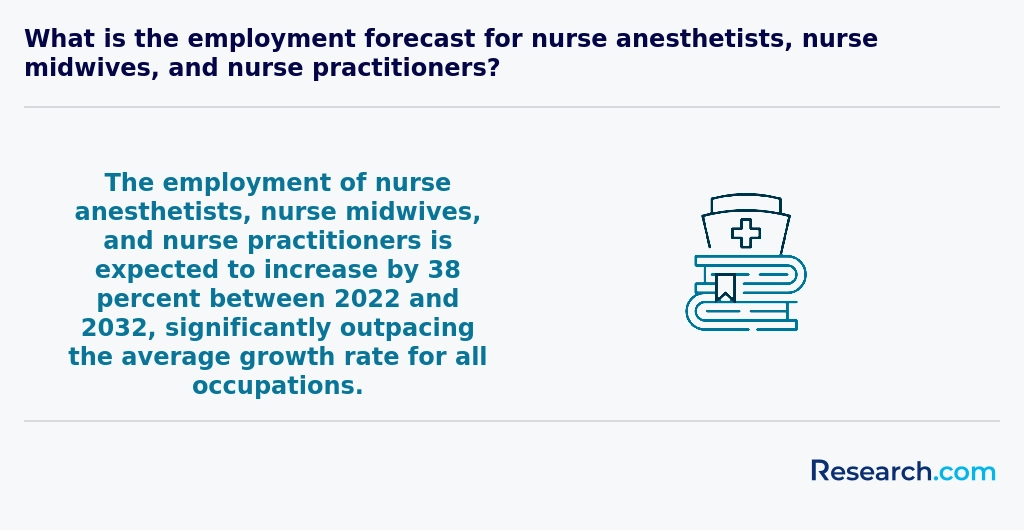
Graduates from Maryland's nursing programs, like those at the University of Maryland School of Nursing, don't just step into jobs-they dive into vibrant roles that shape healthcare's future. Imagine starting as a Registered Nurse (RN), where you're the heart of patient care in bustling hospitals or serene long-term care facilities. Some graduates embrace the Licensed Practical Nurse (LPN) path, gaining hands-on experience supporting RNs in outpatient clinics or assisted living communities, creating deeply personal patient connections. Others surge forward to become Nurse Practitioners (NPs), diagnosing and prescribing with advanced skills that few other roles offer. These nursing career options in Maryland reflect thrilling possibilities, from Community Health Nurses educating neighborhoods to Nurse Educators inspiring tomorrow's heroes in academic halls.
Maryland students often discover that combining clinical skills with leadership can open doors to becoming Healthcare Administrators or Clinical Nurse Specialists, roles flourishing amid the state's evolving healthcare landscape. For those exploring affordable pathways, programs listed in the Low Cost Online Bachelor's in Nursing Degree Programs Ranking in the West offer flexible options that balance cost and quality.
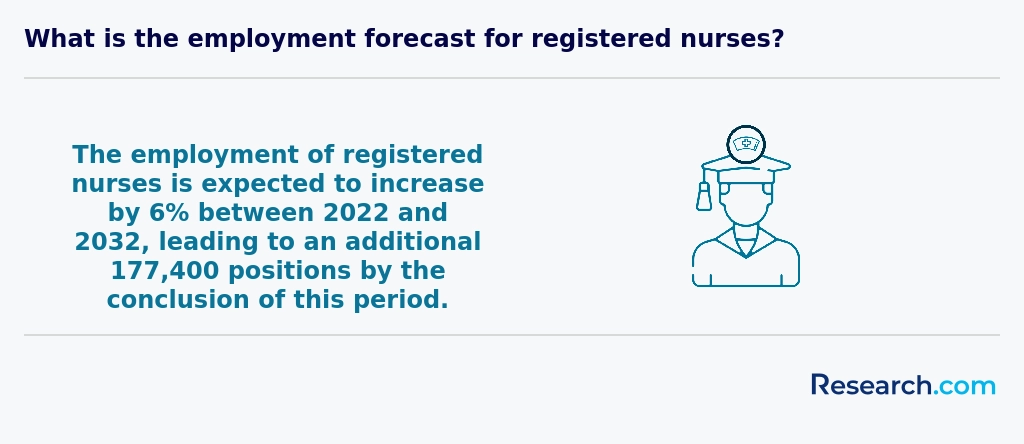
Looking ahead, the best nursing jobs in Maryland 2027 show promise through competitive salaries and expanding roles, reflecting the dynamic journey awaiting every graduate invested in this rewarding field.
The nursing degree job market Maryland offers feels like stepping into a booming healthcare ecosystem where demand meets opportunity. Graduates from top institutions like the University of Maryland and community colleges find themselves welcomed by diverse employers-from bustling hospitals to intimate outpatient clinics. Many recall juggling clinical hours and coursework, confident that their effort will land them roles with wages around $77,000 annually, a figure that dreams of stability and growth.
Maryland's healthcare scene, powered by giants such as Johns Hopkins, creates constant openings, especially for advanced practice registered nurses. Those who took the leap into nursing share stories of rapid career boosts, thanks to statewide shortages and rising retirements. The Maryland nursing career outlook 2027 suggests a nearly 10% growth in healthcare jobs, energizing both fresh graduates and established nurses alike.
For those eyeing education costs, some explore a fast-track online associates degree from local colleges, blending affordability with accelerated entry into this thriving market.
2027 Most Popular Nursing Degree Programs Ranking in Maryland
Investing in your education is a significant decision that can shape your future, and the Research.com team understands the importance of making informed choices. To assist prospective students, we have meticulously crafted the "2027 Most Popular Nursing Degree Programs Ranking in Maryland." Our commitment to quality, credibility, and accuracy is reflected in the extensive research and analysis conducted to compile this ranking.
We utilized the following reputable data sources to ensure a comprehensive evaluation of nursing degree programs:
By exploring this ranking, readers will gain valuable insights into the most popular nursing degree programs available in Maryland, empowering them to make confident decisions about their educational futures. For more details on our methodology, please visit our Research.com methodology page.


# 18 position
University of Maryland, Baltimore
Bachelor of Science in Nursing

# 19 position
University of Maryland, Baltimore
Master of Science in Nursing
# 20 position
University of Maryland Global Campus
Bachelor of Science in Nursing

Frequently Asked Questions About nursing
Nursing degree students in Maryland can maximize their learning by engaging in clinical placements early and frequently. Maryland offers diverse healthcare settings, such as Johns Hopkins Hospital and the University of Maryland Medical Center, providing valuable hands-on experiences. According to the Maryland Board of Nursing, practical exposure is essential for skill development and licensure preparation.
Students should also take advantage of academic resources like tutoring centers and study groups, which improve retention of complex material. Maryland colleges often partner with local healthcare providers for internships, enhancing real-world understanding. Additionally, pursuing certification in specialties such as gerontology or pediatrics can improve marketability in Maryland's healthcare job market.
The nursing field in Maryland is expanding into several emerging niches driven by shifts in healthcare needs and technology. One rapid growth area is gerontological nursing, focusing on elder care as Maryland's population ages-over 16% of residents are 65 or older according to U.S. Census data. Nurses specializing in psychiatric and mental health are also in demand due to increasing awareness of mental wellness.
Telehealth nursing is another expanding niche, with Maryland hospitals adopting remote care technologies. This offers flexibility and broader patient access. Additionally, nursing roles in informatics are growing, integrating data management and electronic health records to improve care efficiency. These niches reflect evolving healthcare trends and offer diverse opportunities for Maryland nursing students.
After completing a nursing degree in Maryland, preparing for the job market involves several strategic steps. First, graduates must successfully pass the NCLEX-RN exam to obtain licensure, which is mandatory for registered nurses in Maryland. According to the Maryland Board of Nursing, the state's NCLEX pass rate consistently hovers around 85%, reflecting a competitive but achievable standard.
Networking plays a crucial role; joining professional organizations such as the Maryland Nurses Association can connect new nurses to local employers and continuing education resources. Additionally, practical experience through internships or clinical rotations enhances employability.
Maryland's demand for nurses is growing, with a projected 15% increase in registered nurse jobs by 2030, according to the U.S. Bureau of Labor Statistics. Staying updated with specialized certifications or advanced training can further improve job prospects in hospitals, clinics, and community health settings across the state.
Employers in Maryland highly value nursing graduates who demonstrate strong clinical skills, including patient assessment, medication administration, and wound care. According to the Maryland Board of Nursing, proficiency in electronic health records (EHR) systems is increasingly essential due to widespread digital record-keeping. Effective communication skills are critical, as nurses must interact clearly with patients, families, and healthcare teams. Additionally, critical thinking and problem-solving abilities are sought after for managing complex patient cases and emergencies.
Maryland healthcare employers also emphasize cultural competence, reflecting the state's diverse population. Time management and adaptability contribute to better patient outcomes in fast-paced settings. According to the Maryland Hospital Association, nursing programs that embed leadership training tend to produce graduates who advance quickly in their careers.
Finding nursing internships in Maryland involves utilizing a range of resources tailored to healthcare education. Many accredited nursing programs in Maryland, such as those at Johns Hopkins University and the University of Maryland, offer structured internships or clinical rotations as part of their curriculum. These connections help students gain hands-on experience in hospitals and community health settings.
Students should visit local healthcare providers' websites, including large systems like University of Maryland Medical Center and Johns Hopkins Hospital, which frequently post internship opportunities. Additionally, the Maryland Department of Health provides guidance on clinical placements and licensing requirements, which is important for nursing interns.
Networking through nursing associations in Maryland, such as the Maryland Nurses Association, can also support internship searches. According to the Maryland Higher Education Commission, nursing remains one of the state's fastest-growing fields, which increases internship availability across diverse clinical environments.
In Maryland, obtaining a nursing degree significantly enhances career mobility and opportunities for advancement. Registered Nurses (RNs) with at least an Associate Degree in Nursing (ADN) can enter the workforce, but a Bachelor of Science in Nursing (BSN) is increasingly preferred by employers for leadership roles and specialized positions. According to the Maryland Board of Nursing, over 60% of nurses hold a BSN or higher, reflecting the state's emphasis on advanced education.
The Maryland Department of Labor highlights that nurses with BSN or higher degrees earn approximately 15% more on average and have access to a wider range of clinical and administrative roles. Advanced degrees, such as a Master of Science in Nursing (MSN), enable nurses to become nurse practitioners or clinical nurse specialists, positions experiencing 25% growth statewide, per the Bureau of Labor Statistics.
Overall, a nursing degree in Maryland offers a clear pathway to professional growth, higher wages, and increased job security within a competitive healthcare market.
Studying for a nursing degree in Maryland equips students with essential skills for interdisciplinary roles by emphasizing collaboration across healthcare professions. Maryland nursing programs often incorporate team-based projects and clinical experiences alongside professionals like social workers, physicians, and therapists. This approach aligns with guidelines from organizations such as the Maryland Board of Nursing and the Institute of Medicine, which highlight teamwork as vital for patient care.
Maryland's healthcare system, featuring institutions like Johns Hopkins and the University of Maryland Medical System, provides diverse clinical placements, allowing nursing students to engage in multifaceted care environments. According to the Maryland Higher Education Commission, over 75% of nursing graduates report preparedness for collaborative roles in real-world settings.
These programs blend nursing theory with communication, leadership, and problem-solving skills, preparing students to participate effectively in interdisciplinary healthcare teams.
When choosing between a thesis and a non-thesis nursing degree program in Maryland, consider your career goals. Thesis programs focus on research and prepare students for doctoral studies or research roles. Non-thesis programs emphasize clinical practice and applied skills, ideal for nursing professionals seeking leadership or advanced practice roles without conducting research.
Maryland hosts several accredited nursing schools offering both options, such as the University of Maryland and Johns Hopkins University. According to the Maryland Board of Nursing, clinical experience is essential, but students aiming for academic or research careers may prefer thesis programs.
Cost and program length also vary; non-thesis paths are often shorter and less costly.
Students based in Maryland who wish to study nursing abroad have several pathways available, often through partnerships between Maryland institutions and foreign universities. Many Maryland nursing programs encourage exchange or study abroad opportunities, particularly in countries with established nursing education systems like the United Kingdom, Canada, and Australia.
These programs typically include clinical placements and coursework recognized back home, ensuring students meet Maryland Board of Nursing requirements. According to the Maryland Higher Education Commission, about 15% of nursing students express interest in international study experiences, reflecting growing demand.
Additionally, online or hybrid programs offered by international universities may allow Maryland students to gain global nursing perspectives while completing clinical hours locally, an option appealing amid travel constraints. Prospective nursing students should consult their academic advisors and the Maryland Board of Nursing to verify credit transferability and licensure eligibility when considering studying abroad.
Maryland offers several part-time job opportunities that align well with nursing degree education. Many students find roles as Certified Nursing Assistants (CNAs) or Patient Care Technicians useful for gaining clinical experience while studying. These positions provide hands-on patient care experience, which complements classroom learning.
Additionally, medical scribing positions are growing in popularity. Medical scribes assist healthcare providers by documenting patient visits, improving understanding of medical terminology and clinical workflows. According to the Maryland Board of Nursing, working in such roles can enhance critical skills.
Phlebotomy technician jobs are also accessible and valuable for nursing students, allowing them to practice blood collection techniques.
Maryland's healthcare sector is among the fastest-growing in the region, increasing opportunities for flexible, part-time work.
Nursing students in Maryland have access to numerous networking opportunities that enhance their education and career prospects. Professional organizations such as the Maryland Nurses Association offer student memberships, promoting connections with practicing nurses and leaders in the field. Annual conferences, workshops, and local chapter meetings provide valuable chances to meet peers and mentors.
Maryland's nursing schools often partner with regional hospitals and healthcare facilities, creating internship and clinical placement programs where students build professional relationships. The Maryland Nurses Association reports that nearly 70% of nursing students participate in at least one clinical network before graduation, improving job placement rates.
Online platforms and social media groups focused on Maryland nursing also support peer collaboration and job leads, offering a convenient way to stay connected beyond campus.
Alumni networks provide essential support for nursing degree students in Maryland by connecting them with experienced professionals in the field. These networks offer mentorship opportunities, which can help students navigate clinical placements and understand the evolving healthcare environment. According to the Maryland Nurses Association, about 65% of nursing students report that alumni connections improved their job prospects within the state's competitive healthcare sector.
Moreover, alumni networks facilitate access to job openings and internships exclusive to graduates, often shared through dedicated platforms. Maryland's growing healthcare industry, with major employers like Johns Hopkins and the University of Maryland Medical System, benefits from active alumni collaborations, enhancing student career pathways.
Networking through alumni groups also supports professional development via workshops and seminars tailored to Maryland's nursing regulations and standards, helping students stay informed about licensure and continuing education requirements.
Customizing a nursing degree program in Maryland allows students to align their education with specific career goals. Many Maryland institutions offer flexible options such as choosing between Bachelor of Science in Nursing (BSN), accelerated BSN, or RN-to-BSN pathways depending on your prior experience.
Students can select electives or specialized courses in areas like pediatrics, gerontology, or community health to gain targeted expertise. Clinical placements within Maryland's diverse healthcare settings provide real-world experience tailored to your interests.
Additionally, certifications in fields such as wound care, nurse leadership, or informatics can be pursued alongside degree requirements. According to the Maryland Board of Nursing, nearly 30% of registered nurses pursue advanced certifications to enhance their career prospects.
State grants and scholarships also support students choosing focused tracks, helping to reduce financial barriers. This flexibility ultimately helps nursing graduates meet employer demands and regional healthcare needs effectively.
Nursing students in Maryland face several common challenges during their studies. One major difficulty is balancing demanding coursework with clinical rotations. Maryland requires comprehensive hands-on experience, often in high-pressure hospital environments, which can be stressful for students.
Additionally, many students must manage financial burdens. According to the Maryland Higher Education Commission, nursing program costs, including tuition and materials, can exceed $20,000 annually at public institutions.
Another challenge involves meeting strict licensure requirements set by the Maryland Board of Nursing. Students must pass the NCLEX-RN exam, which has a first-time pass rate near 87% statewide as of 2023, lower than the national average, indicating the exam's rigor in Maryland.
Time management and mental health issues also affect many students. The demands of nursing programs may lead to burnout, which requires effective coping strategies and support systems.
With a nursing degree in Maryland, graduates can pursue various professional certifications to advance their careers and increase their expertise. Common options include the Registered Nurse (RN) license, which is required for clinical practice and regulated by the Maryland Board of Nursing. Beyond licensure, nurses can obtain specialty certifications such as Certified Nurse Practitioner (CNP), Certified Nurse Midwife (CNM), and Certified Registered Nurse Anesthetist (CRNA).
Maryland also supports certifications in areas like pediatrics, gerontology, and oncology nursing through recognized bodies like the American Nurses Credentialing Center (ANCC). These credentials improve job prospects, with Maryland's nursing demand expected to grow 15% through 2030, according to the U.S. Bureau of Labor Statistics. Certifications require passing exams and meeting clinical experience criteria.
Writing a winning application for a nursing program in Maryland requires clear organization and attention to detail. Start by thoroughly researching each program's specific requirements, as some schools may request transcripts, letters of recommendation, or essays. According to the Maryland Higher Education Commission, highlighting strong academic performance, especially in science and math courses, can improve your chances.
Maryland nursing programs often value clinical experience. Including any volunteer or work experience in healthcare can strengthen your application. Also, clearly communicate your motivation for nursing and career goals in your personal statement.
Make sure to meet deadlines and submit all required documents. Proofreading your application for errors shows professionalism, which is critical in a competitive field like nursing.
The nursing profession is increasingly seen as a vital and respected career worldwide, with global demand for qualified nurses projected to grow significantly. In the United States, including Maryland, nursing remains among the fastest-growing occupations. According to the Bureau of Labor Statistics, nursing jobs are expected to increase by 7% from 2021 to 2031, faster than many other fields.
Globally, nurses play critical roles in healthcare delivery, public health, and emergency preparedness. Maryland's nursing programs prepare students to meet both local and international health care standards, reflecting worldwide trends focused on patient-centered care and technological advancements.
For Maryland students, a nursing degree offers opportunities beyond state borders, as U.S. nursing credentials are often recognized in other countries. This global mobility highlights nursing's broad impact and the importance of advanced education for those entering the profession.
Gaining practical experience is an essential part of nursing education in Maryland. Most accredited nursing programs require students to complete clinical rotations in hospitals, community health centers, and long-term care facilities. These placements provide hands-on experience under the supervision of licensed nurses and healthcare professionals.
Maryland offers a variety of clinical sites through partnerships with major healthcare systems like Johns Hopkins Medicine and the University of Maryland Medical System. Students typically complete 500 to 1,000 hours of clinical practice as part of their degree requirements, depending on the program level.
Additionally, Maryland's Board of Nursing emphasizes simulation labs and skills training to enhance practical learning alongside clinical hours. Volunteering and internships are other valuable ways to build experience during study.
Choosing the right concentration within a nursing degree program in Maryland depends on your career goals and interests. Maryland offers various specialties including family nurse practitioner, pediatrics, and gerontology, reflecting local healthcare needs. According to the Maryland Board of Nursing, areas like acute care and primary care are in high demand due to an aging population and diverse urban communities.
Consider the curriculum and clinical opportunities each concentration provides. Programs with strong hospital partnerships enhance hands-on learning. Also, review licensing pass rates and employment statistics available from the Maryland Higher Education Commission to assess program effectiveness.
Finally, align your choice with certification requirements for the specialty you want, ensuring your education prepares you for Maryland state licensure exams and specialty certifications.
- 2027 Most Popular Nursing Degree Programs Ranking in Delaware
- 2027 Most Popular Nursing Degree Programs Ranking in New Jersey
- 2027 Most Popular Nursing Degree Programs Ranking in New York
- 2027 Most Popular Nursing Degree Programs Ranking in Ohio
- 2027 Most Popular Nursing Degree Programs Ranking in Connecticut
- 2027 Most Popular Nursing Degree Programs Ranking in Massachusetts
- 2027 Most Popular Nursing Degree Programs Ranking in Indiana
- 2027 Most Popular Nursing Degree Programs Ranking in Georgia
- 2027 Most Popular Nursing Degree Programs Ranking in Florida
- 2027 Most Popular Nursing Degree Programs Ranking in Illinois
See What Experts Have To Say About Studying Nursing
Read our interview with Nursing experts

Lisa Grubb
Nursing Expert
Assistant Professor
Johns Hopkins School of Nursing

- How to Become a Nurse in Maryland? Various Pathways Available https://joinmdhealth.org/blog/how-to-become-a-nurse-in-maryland/
- State of Maryland Job Openings https://jobapscloud.com/MD/
- How to Write https://esign.com/letter-of-intent/school/nursing/
- Career Advancement Pathways for Nurses : Expert RN shares 10+ Professional growth opportunities - MuminMed https://blog.muminmed.com/career-advancement-pathways-for-nurses/
- How Much Can I Earn With a BSN? https://www.allnursingschools.com/bsn/salary/
- How to Choose a Nursing Program: A Comprehensive Guide - Madonna ABSN https://absn.madonna.edu/blog/how-to-choose-a-nursing-program/
- What Are the Best RN Certifications for Your Career? https://credenzahealth.com/career-advice/what-are-the-best-rn-certifications-for-your-career
- How Do Nurses Navigate Career Advancement? | NursingEducation https://nursingeducation.org/insights/career-advancement/
- Nursing Careers | Maryland | Adventist HealthCare https://www.adventisthealthcare.com/careers/areas/nurses/
- Nursing Careers: From the Bay to the Mountains https://www.nurserecruiter.com/maryland