
2027 Most Valuable Nursing Degree Programs Ranking in Oakland

Co-Founder and Chief Data Scientist
Choosing the right nursing degree program in Oakland is an important step toward a rewarding healthcare career. This article introduces the 2027 Most Valuable Nursing Degree Programs Ranking in Oakland, crafted by the Research.com team of data scientists. The ranking is designed to help you make an informed decision about which programs offer the best opportunities and value.
Whether you're just starting or advancing your education, this guide highlights programs that combine quality education with real-world benefits. Exploring these options can bring you closer to a fulfilling and impactful nursing career.
Key benefits of getting nursing degree in Oakland
- Graduates with a nursing degree in Oakland can expect competitive salaries, such as $94,480 annually for roles like Registered Nurse or Public Health Nurse, with Operating Room Nurses earning up to $128,490 per year.
- Career paths are diverse, ranging from clinical nursing to education or emergency care, offering opportunities to make a meaningful impact on community health.
- Online nursing degrees provide flexibility and convenience, enabling students to balance work and study while gaining the credentials needed to advance quickly in their nursing careers.
- 2027 Most Valuable Nursing Degree Programs Ranking in Oakland
- What can I expect from nursing degree in Oakland?
- Where can I work with nursing degree in Oakland?
What can I expect from nursing degree in Oakland?
When considering the average cost of pursuing a nursing degree in Oakland, expect a range that largely depends on the type of institution you choose. Graduates from community colleges, like Laney College, often share how manageable tuition fees felt, typically falling in the moderate range, which made balancing work and study less stressful. In contrast, students attending California State University, East Bay, report higher costs but also emphasize the value of strong financial aid and scholarships that helped ease the burden.
Most nursing students find it practical to plan for expenses including tuition, textbooks, and clinical supplies. For instance, while community college programs might cost a few thousand dollars per year, universities can reach significantly higher-sometimes upwards of $10,000 annually before aid. Many students suggest applying early for financial support to reduce out-of-pocket costs.
These costs often come with access to valuable clinical experiences in East Bay hospitals, which graduates say gave them confidence and prepared them well for licensing exams and career readiness in Oakland's competitive healthcare field.
Where can I work with nursing degree in Oakland?
Graduates from nursing programs at institutions like Merritt College and the California State University East Bay find diverse opportunities in Oakland's healthcare system. Most begin working in hospitals such as Highland Hospital or UCSF Medical Center, where roles range from registered nurses to nurse practitioners. This hands-on hospital experience builds confidence quickly and often leads to specialized nursing positions.
Many graduates also secure positions in long-term care facilities and nursing homes, responding to the rising demand driven by Alameda County's aging population. Working in these settings provides close patient interaction, focusing on chronic condition management and rehabilitation, which graduates often describe as rewarding and impactful.
Outpatient clinics and community health centers offer a growing field emphasizing preventive care and patient education. Graduates who transitioned into these roles appreciate the chance to influence public health directly, particularly in managing conditions like diabetes and hypertension common in Oakland.
Additionally, some graduates leverage their Oakland education to pursue clinical teaching or administrative roles, expanding their career paths beyond bedside care while maintaining strong community ties.
Graduates holding nursing degrees from Oakland's well-regarded programs often start their careers with solid earning potential. Registered nurses (RNs) in the area can expect mean annual wages around $94,480, according to the latest Bureau of Labor Statistics data, a figure that reflects Oakland's strong healthcare demand. For those entering more specialized roles, such as operating room nurses, salaries increase significantly, with mean annual wages reported at $128,490.
Many graduates from local colleges share that their first jobs pay around $85,000 to $95,000, aligning with practical expectations for entry-level nursing positions in the region. As they gain experience, their income typically rises, especially when pursuing certifications or advanced degrees.
The vibrant healthcare community in Oakland, including hospital networks affiliated with nearby universities, offers diverse settings-from emergency rooms to clinical education roles-each providing a competitive wage near the RN average of $94,480. This pathway offers both job security and personal growth.
- Nursing degree costs in Oakland range from $7,000 to $15,000 for associate degrees and $20,000 to $40,000 for bachelor's degrees, excluding additional fees and materials.
- Registered Nurse (RN) jobs in Oakland are expected to grow by about 15% over the next decade, which is above the national average.
- Entry-level nurses earn around $85,000 annually, with experienced and specialized nurses making over $110,000 per year.
- Many nursing programs offer clinical training through local hospitals, supporting license requirements and job readiness.
- Accreditation is essential to qualify for the NCLEX-RN exam, the mandatory licensing test for nurses in California.
Completing a nursing degree in Oakland depends largely on the program you choose. For example, graduates from Licensed Vocational Nurse (LVN) programs often share how the 12 to 18 months duration was manageable alongside part-time jobs, thanks to the program's focused curriculum and flexible schedules.
Associate Degree in Nursing (ADN) programs at community colleges like Laney College typically take 2 to 3 years full-time. Many report appreciating the balance between affordability and a solid foundation to quickly enter the workforce. These graduates often highlight how accessible prerequisite courses and evening classes helped them stay on track despite personal commitments.
For those attending Holy Names University, the Bachelor of Science in Nursing (BSN) program requires about four years of full-time study. Graduates describe the comprehensive clinical rotations as demanding but rewarding experiences that fully prepared them for nursing careers. Accelerated BSN options offered in Oakland also appeal to students with prior degrees, finishing in 12 to 18 months and providing a fast track to advanced nursing roles.
Planning your educational pathway in nursing involves understanding how long each step takes and how it aligns with your career goals. Most students begin with an Associate Degree in Nursing (ADN), which typically requires 2 years of full-time study and prepares you for entry-level Registered Nurse (RN) roles. If you aim for a Bachelor of Science in Nursing (BSN), expect around 4 years of coursework, clinical rotations, and leadership training. For those pursuing advanced practice roles, such as Nurse Practitioner (NP) or Clinical Nurse Specialist (CNS), a Master of Science in Nursing (MSN) usually adds 2 more years after your BSN. To specialize as a Certified Nurse Midwife (CNM), you’ll complete a BSN, then an accredited MSN-midwifery program-often spanning 2–3 years. If you’re curious about the exact commitment required to become a midwife, check out this guide on how many years to become a midwife. Finally, Doctor of Nursing Practice (DNP) programs, designed for leadership and advanced clinical roles, range from 2 to 4 years post-MSN. Key considerations for mapping your timeline:
- Transfer credits from ADN to BSN programs can shorten your path.
- Accelerated BSN tracks are available for students holding non-nursing bachelor’s degrees, often completed in 12–18 months.
- Part-time and online options can extend program durations but offer needed flexibility. By outlining these milestones, you can create a realistic timeline that balances education, clinical experience, and personal commitments, ensuring a clear roadmap from your first nursing class to your advanced practice role.
Online nursing degrees at institutions like Chamberlain University in Oakland offer flexibility for students balancing work or family. Graduates often praise being able to watch lectures on their own schedule and use virtual simulations to practice skills. However, these programs still require in-person clinical hours, which students arrange at local hospitals or clinics in Oakland.
On-campus programs, such as those at Merritt College, provide a hands-on environment with face-to-face interaction during lectures and group work. Graduates highlight the benefit of immediate feedback from instructors and the chance to build peer connections in real-time. Clinical placements are scheduled directly through the college, giving a more structured experience in nearby healthcare settings.
Time management differs: online learners must be disciplined to keep up without set class times, while on-campus students follow a fixed schedule. Both pathways meet California's requirements, but choosing depends on your lifestyle and learning style in Oakland's nursing community.
Planning ahead is crucial when applying to nursing programs in Oakland. Follow this timeline to streamline your application and boost your chances of acceptance: 1. Research and Shortlist (12–10 Months Before Start Date) - Identify accredited programs in Oakland, such as those at Samuel Merritt University or Holy Names University. - Compare tuition, clinical opportunities, and NCLEX-RN pass rates. To benchmark program costs and explore affordability, consider our Most Affordable Online Nursing Degree Programs Ranking in Kansas. - Attend virtual info sessions or campus tours to assess faculty support and student resources. 2. Complete Prerequisites and Standardized Tests (9–6 Months Before) - Ensure you’ve finished required courses (anatomy, chemistry, microbiology) with a competitive GPA (ideally 3.0 or higher). - Register for and prepare thoroughly for the TEAS exam. Many programs require a minimum score in each section-use practice tests and study guides to meet or exceed benchmarks. 3. Prepare Application Materials (6–4 Months Before) - Gather official transcripts, immunization records, and proof of CPR certification. - Draft a compelling personal statement that highlights your passion for patient care, leadership experiences, and community involvement. - Request 2–3 strong recommendation letters from instructors or healthcare supervisors who can attest to your clinical aptitude and work ethic. 4. Submit Applications and Follow Up (4–2 Months Before) - Complete online applications and pay any fees before deadlines. - Confirm receipt of all documents with the admissions office. - Schedule interviews or panel assessments, if required-practice common nursing interview questions and scenarios. 5. Financial Aid and Enrollment (2–0 Months Before) - Apply for scholarships, grants, and loans as soon as admissions decisions are announced. - Attend orientation sessions to finalize course registration, obtain clinical placement details, and connect with academic advisors. By adhering to this structured approach-researching programs, mastering prerequisites, crafting standout essays, and securing financial aid-you’ll navigate the competitive Oakland nursing admissions process with confidence and clarity.
Expect the average nursing degree cost in Oakland to vary significantly depending on your chosen path. For those aiming at an Associate Degree in Nursing (ADN), community colleges like Merritt College offer a practical and affordable route. Graduates from these programs often share how starting with an ADN, costing roughly $3,000 to $5,000 in total tuition for two years, allowed them to enter the workforce sooner without a heavy financial burden. This makes budgeting easier and helps students focus on developing their clinical skills and confidence.
If a Bachelor of Science in Nursing (BSN) is your goal, schools such as California State University, East Bay, near Oakland typically charge between $7,000 and $12,000 annually for in-state tuition. Over four years, this results in tuition expenses ranging between about $28,000 and $48,000. Alumni recall the excitement of gaining deeper nursing knowledge despite the higher investment. However, these figures exclude additional costs like textbooks, uniforms, and clinical placement fees, which can add an extra $4,000 to $6,000 over the program duration.
Students considering the total cost nursing programs Oakland 2027 should also explore financial aid options. Many find relief through state grants or scholarships offered by hospitals and nursing organizations. Additionally, practical advice from former students emphasizes the importance of reviewing funding opportunities early to reduce out-of-pocket expenses.
Those interested in alternative nursing pathways might look into Minnesota lpn bridge programs, which serve as examples of affordable, flexible education routes that some Oakland students have found inspiring when planning their nursing careers.

Nursing programs in Oakland, CA, distinguish themselves through the depth of faculty expertise and robust clinical partnerships that bridge classroom theory with real-world practice. Leading institutions employ faculty members who hold advanced degrees-many are Doctor of Nursing Practice (DNP) or PhD-trained professionals-and actively contribute to research in areas like community health, critical care, and psychiatric nursing. Their published articles and presentations at national conferences reinforce the program’s commitment to Evidence-Based Practice, ensuring students learn the latest protocols and patient safety standards. Complementing academic instruction, these programs maintain formal agreements with top Bay Area healthcare providers, including UCSF Medical Center, Kaiser Permanente Oakland, and Alta Bates Summit Medical Center. Clinical rotations and simulation lab experiences are designed in collaboration with nursing supervisors and medical educators, who mentor students during acute care, pediatric, and geriatric placements. Such partnerships not only enhance technical skills-like central line care and medication administration-but also foster professional networking, often leading to post‐graduation job offers. Beyond traditional RN tracks, some Oakland schools offer pathways to Licensed Practical Nursing (LPN) roles, integrating specialized modules that mirror on‐site training at partner clinics. For students exploring versatile options, resources like the online lpn programs in ohio showcase best practices in LPN education models, which can inspire curriculum enhancements locally. By combining high‐caliber faculty research with hands‐on experiences in cutting‐edge clinical settings, these nursing degree programs provide a balanced, expert‐led environment that supports student success, licensure readiness, and seamless entry into the dynamic healthcare workforce.
Students pursuing nursing degrees at institutions like California State University, East Bay, or Merritt College in Oakland can tap into multiple financial aid sources to ease their costs. To start, completing the FAFSA is essential for accessing federal aid such as the Pell Grant, which can provide up to $7,395 per year, significantly reducing tuition worries for many undergraduates.
Graduates often share how the California College Promise Grant helped waive community college fees early in their studies, making programs at Merritt College more affordable. Additionally, scholarships from the California Nurses Foundation or local healthcare providers offer targeted support, sometimes covering fees and living expenses in exchange for future service commitments.
Many students find Stafford Loans helpful due to their low interest and flexible repayment, though loans require careful planning. Some also benefit from employer tuition reimbursement and work-study programs, gaining hands-on nursing experience while working and studying simultaneously.
By layering these aids, nursing students in Oakland strategically manage expenses and build financial confidence throughout their education.
For individuals looking to pursue a career in nursing, considering schools in California can be a strategic move, given the state's continuous demand for skilled healthcare professionals. To find the best fit, prospective students can explore the valuable nursing schools in California, which offer a range of programs from Associate Degrees in Nursing (ADN) to Master of Science in Nursing (MSN) and beyond. This diversity in educational offerings allows students to choose a path that aligns with their career aspirations, whether they aim to work in clinical settings, research, education, or leadership roles within the healthcare sector. By opting for a California-based nursing program, students not only gain access to quality education but also become part of a vibrant community of healthcare professionals who are shaping the future of patient care and medical research.
To enroll in a nursing degree program in Oakland, you first need a high school diploma or GED. This baseline ensures you have the fundamental academic skills necessary to tackle college courses. Many graduates recall how doing well in high school biology, chemistry, and math gave them a confident edge when starting nursing classes.
Next, completing prerequisite courses is crucial. At institutions like Laney College, students often take human anatomy and physiology, microbiology, general and organic chemistry, introductory psychology, and English composition before applying. These classes build the foundation for understanding complex nursing topics later.
Passing the TEAS exam is another key step. It tests reading, math, science, and English skills to confirm readiness. Many Oakland students find preparing for TEAS alongside prerequisite courses helps them feel prepared and motivated.
Finally, applicants often provide recommendation letters, personal statements, or participate in interviews, helping showcase their passion and communication skills-qualities that Oakland nursing programs value deeply.
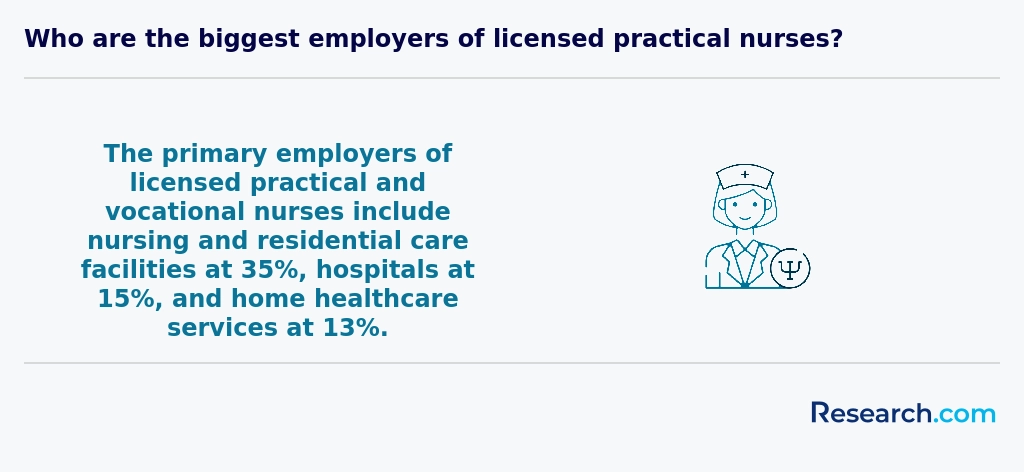
Understanding the balance between educational costs and career earnings can help you make a smart investment in your future.
- Average Program Costs: ADN programs range from $23,900 to $66,320; BSN programs from $89,556 to $211,392.
- Starting Salaries: Registered Nurses earn an average of $89,010 annually; BSN-prepared RNs often command a $5,000–$10,000 premium.
- Breakeven Timeline:
- ADN graduates typically recoup tuition costs within 12–18 months of full-time employment.
- BSN graduates break even in about 2–3 years but benefit from faster career advancement and higher leadership roles.
- Long-Term Earnings: Over a 10-year period, BSN holders can earn $150,000–$250,000 more than ADN graduates, thanks to higher base salaries and specialization opportunities.
- Maximizing ROI:
- Apply for targeted scholarships and loan forgiveness programs early.
- Consider high-demand specializations (e.g., Operating Room Nursing) that boost salary potential.
- Leverage accelerated or bridge programs to shorten your time to graduation.
For national comparisons of quality and value, explore our guide to the best nursing colleges in florida.
Nursing degree programs in Oakland typically start with essential sciences such as human anatomy, physiology, microbiology, and chemistry. These foundational courses give you a clear understanding of how the body works and how diseases develop, a must-have for any aspiring nurse. Graduates from local institutions like Merritt College often mention how these courses helped them confidently handle patient assessments during early clinical rotations.
After mastering the basics, expect to dive into specialized subjects like medical-surgical nursing, pediatric nursing, maternal and newborn care, and mental health nursing. For example, students from California State University, East Bay share how pediatric nursing classes prepared them for real-world hospital experiences, making their first child patient interactions more comfortable and rewarding.
Community and public health nursing, along with leadership and management courses, round out the curriculum, focusing on teamwork and healthcare coordination in diverse urban settings. Clinical practicums offered through Oakland's healthcare facilities provide hands-on practice that students describe as invaluable for professional growth and confidence-building.

Nursing degree specializations in Oakland cover a range of practical tracks tailored to meet local healthcare demands. Graduates from well-known schools in the area often highlight Family Nurse Practitioner (FNP) programs that prepare nurses to deliver primary care at community clinics or private practices. This specialization is especially valued due to the growing need for accessible primary care in Oakland neighborhoods. Other graduates pursuing psychiatric-mental health nursing describe their rewarding work in local facilities, addressing mental health challenges that are increasingly recognized in the community.
Programs in Oakland also offer specialties like Acute Care Nursing, ideal for those wanting to work in fast-paced hospital settings such as Highland Hospital. Pediatrics and Geriatric Nursing are common choices, reflecting the city's focus on diverse age groups from children to seniors. Public Health Nursing graduates find themselves working on outreach programs, often connecting well with community health initiatives. If you want to explore specific options and understand the connection to real-world jobs, check out this resource on nursing job opportunities in the region.
Oakland nursing program specialty options are robust and intertwined with local healthcare providers, giving students valuable clinical experience that eases the transition into their careers.
Start by identifying your career goals to choose the appropriate degree in Oakland. Graduates from local community colleges often share how their two-year ADN programs provided a quick path to becoming registered nurses, ideal if you seek to enter the workforce promptly. However, those aiming for leadership roles or advanced nursing positions tend to favor BSN degrees from well-known universities in Oakland, appreciating the broader opportunities and better patient outcomes they experienced.
Next, verify the nursing degree accreditation of programs by pinpointing those certified by the CCNE or ACEN to ensure quality education and licensure eligibility. Affordable nursing degrees Oakland California students praise usually come from community colleges, charging around $1,500 per semester, whereas private institutions can surpass $15,000 annually, so factor cost and financial aid into your decision.
Consider practical elements like clinical placement at local health systems such as Kaiser Permanente, which graduates often highlight as key to gaining hands-on experience and valuable networking. Lastly, flexible schedules and NCLEX-RN exam pass rates at Oakland colleges can make a real difference for working students balancing life and study.

Graduates with a nursing degree in Oakland often step into diverse roles that match both their interests and the dynamic healthcare landscape here. Many start as Registered Nurses, working hands-on in busy environments like Highland Hospital or Kaiser Permanente Oakland Medical Center. These positions offer immediate practical experience in patient care across hospitals, clinics, and long-term facilities. Some graduates from popular local colleges recall the satisfaction of directly impacting patient recovery, which fuels their passion for the profession.
Others choose to specialize in areas such as Emergency Room Nursing, Pediatric Nursing, or Oncology Nursing, where they handle specific patient needs and challenges. Many find these specialties energizing, knowing they provide critical care in high-demand situations. This variety highlights the wide nursing career opportunities in Oakland, allowing graduates to tailor their paths.
For those aiming higher, pursuing advanced roles as Nurse Practitioners or Clinical Nurse Specialists is common. Oakland's institutions encourage continuing education, with ample support for students exploring second-degree bsn programs tuition options. This practical approach ensures strong job outlook for nursing graduates Oakland, with promising salaries and career growth.
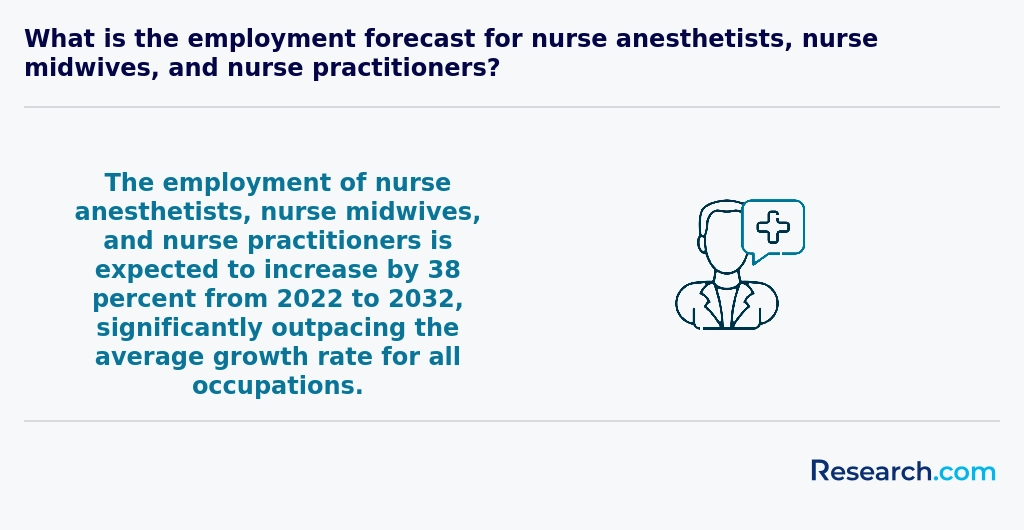
Graduates with nursing degrees from institutions in Oakland often find a robust job market waiting for them. Local healthcare giants like Kaiser Permanente and UCSF Medical Center actively recruit nurses, reflecting the steady growth in nursing job opportunities in Oakland. For example, many alumni from community colleges and state universities in the area report smooth transitions into clinical roles at nearby hospitals and outpatient centers, thanks in part to partnerships these schools maintain with local employers.
The Oakland nursing degree employment outlook remains positive as the demand for healthcare professionals grows, especially in long-term care and community health. Nursing students frequently gain firsthand experience through clinical rotations in these settings, better preparing them for real-world challenges. Salaries here are competitive, with registered nurses earning an average of around $110,000 annually. Additionally, those who have pursued specialized credentials or combined their nursing skills with knowledge of public health interventions and advocacy often secure more advanced positions.
2027 Most Valuable Nursing Degree Programs Ranking in Oakland
Investing in your education is a significant decision that can shape your future, and the Research.com team understands the importance of making informed choices. To assist prospective students in Oakland, we have meticulously developed the "2027 Most Valuable Nursing Degree Programs Ranking in Oakland." Our commitment to quality, credibility, and accuracy is reflected in the thorough research and analysis conducted to compile this ranking.
We utilized the following reputable data sources to ensure a comprehensive evaluation of nursing degree programs:
By reviewing this ranking, readers will gain valuable insights into the most valuable nursing programs available in Oakland, empowering them to make well-informed decisions about their educational and professional futures. For more details on our methodology, please visit our Research.com methodology page.
# 1 position
Samuel Merritt University
Bachelor of Science in Nursing

# 2 position
Samuel Merritt University
Master of Science in Nursing
Frequently Asked Questions About nursing
Nursing degree students in Oakland can maximize their learning experience by engaging actively in both academic and clinical opportunities. Oakland hosts several accredited nursing programs, including those at Merritt College and California State University, East Bay, offering access to diverse patient populations in nearby hospitals. Clinical rotations in local medical centers provide practical experience crucial for skill development.
Students should also take advantage of tutoring services and study groups to strengthen their understanding of complex subjects like pharmacology and anatomy. According to the California Board of Registered Nursing, students who participate in hands-on learning generally perform better on the NCLEX exam.
Networking with local healthcare professionals and joining nursing associations can further enhance career prospects and practical knowledge. Time management and self-care play essential roles in maintaining academic success in this demanding field.
The nursing field is evolving rapidly, with emerging niches offering new opportunities for students pursuing degrees in Oakland. One growing area is geriatric nursing, driven by California's aging population. According to the California Employment Development Department, healthcare jobs including geriatric nursing are projected to grow significantly by 2028.
Another important niche is nurse informatics, where nurses combine healthcare expertise with information technology to improve patient care systems. This specialty is gaining traction in Oakland hospitals adapting to digital records.
Additionally, psychiatric-mental health nursing is expanding as mental health awareness increases nationwide. The U.S. Bureau of Labor Statistics notes above-average growth in this area, reflecting demand in urban centers such as Oakland.
Preparing for the job market after completing a nursing degree in Oakland requires a strategic approach. First, ensure you pass the NCLEX-RN exam, which is mandatory to become a licensed registered nurse in California. According to the California Board of Nursing, passing rates for first-time test takers in the state average around 85%. Networking plays a vital role; attending local healthcare job fairs and joining associations like the California Nurses Association can increase employment opportunities.
Gaining clinical experience through internships or residency programs in Oakland's major hospitals, such as Highland Hospital, strengthens your resume. Additionally, consider certifications in specialized nursing areas to boost your marketability.
Employers in Oakland seek nursing graduates with strong clinical skills and effective communication abilities. According to the California Board of Registered Nursing, practical knowledge in patient care and proficiency in technology are essential for local healthcare facilities. Critical thinking and adaptability also rank highly, as Oakland's diverse patient population demands flexible problem-solving.
Interpersonal skills are crucial, enabling nurses to collaborate well within multidisciplinary teams. Additionally, familiarity with electronic health records (EHR) systems is increasingly important in Oakland's hospitals, where digital documentation is standard.
Other key skills include time management and cultural competence, as Oakland's healthcare providers serve varied communities with differing needs.
Finding nursing internships in Oakland involves a combination of research, networking, and utilizing local resources. Many nursing programs in the area partner with hospitals and clinics such as Kaiser Permanente and Alta Bates Summit Medical Center, which offer clinical placements for students. According to the California Board of Registered Nursing, internships and clinical hours are essential components for licensure and practical experience.
Students should explore internship opportunities through their college's career services, which often maintain connections with local healthcare providers. Additionally, organizations like the Oakland Nurses Association can provide leads on internships and mentorships.
Online platforms, including regional job boards and hospital websites, also list available nursing internships. It is advisable to apply early and prepare a strong resume reflecting relevant coursework and skills. Combining these approaches increases the chances of securing a valuable internship within Oakland's healthcare system.
Obtaining a nursing degree in Oakland significantly enhances career mobility and advancement opportunities. According to the California Board of Registered Nursing, the demand for registered nurses in Oakland is projected to grow by 15% through 2030, reflecting expanding healthcare needs. A nursing degree provides essential clinical skills and licensure eligibility, which are required for many advanced roles.
Higher education levels, such as a Bachelor of Science in Nursing (BSN), often lead to leadership positions and specialized fields, including nurse practitioner or nurse educator roles. Employers in Oakland's hospitals and clinics increasingly prefer candidates with a BSN or higher for competitive roles and promotions.
Moreover, nurses with advanced degrees tend to earn notably higher salaries and have greater job security. This is supported by data from the U.S. Bureau of Labor Statistics, which shows that registered nurses with a BSN in California earn approximately 20% more than those with only an associate degree. Therefore, pursuing a nursing degree in Oakland aligns well with long-term career growth and diversification.
Studying for a nursing degree in Oakland equips students with skills essential for interdisciplinary healthcare roles. Programs emphasize collaboration between nurses, physicians, social workers, and other professionals to promote comprehensive patient care. Oakland's diverse healthcare environment offers clinical placements in varied settings, enhancing teamwork experience.
Curricula often integrate courses in communication, healthcare ethics, and team dynamics, reflecting national nursing education standards set by the American Association of Colleges of Nursing (AACN). According to the California Board of Registered Nursing, graduates from Oakland schools show strong competencies in coordinated care.
Additionally, partnerships with local hospitals in Oakland provide students real-world exposure to multidisciplinary teams, preparing them for evolving healthcare demands and improving patient outcomes.
When choosing between a thesis and a non-thesis nursing degree program in Oakland, consider your career goals. Thesis programs typically emphasize research skills and suit students aiming for advanced clinical roles, academia, or doctoral studies. Non-thesis options focus more on practical nursing skills and may be faster to complete, appealing to professionals seeking immediate career advancement.
In Oakland, public data shows that about 40% of nursing graduates pursue research-focused careers, reflecting regional healthcare priorities. Universities like California State University, East Bay offer both formats, allowing flexibility based on student preference. Understanding program requirements, time commitments, and professional aspirations is key to making an informed decision.
Students based in Oakland who wish to study nursing abroad have several pathways through U.S. universities with established exchange programs. Many nursing programs in California, including those at nearby universities, offer partnerships with institutions in countries such as Canada, the United Kingdom, and Australia. These programs allow students to complete clinical rotations or semesters overseas while earning credits toward their U.S. nursing degree.
Since California is home to a large and diverse healthcare sector, local nursing schools emphasize global healthcare experiences. According to the California Board of Nursing, approximately 20% of Oakland-area nursing students engage in study abroad or international clinical placements annually, enhancing cultural competence and clinical skills.
Students considering studying nursing abroad should consult advisors early to identify accredited programs that comply with U.S. nursing licensure requirements, ensuring smooth credential recognition upon return.
Students pursuing nursing degrees in Oakland have access to several part-time job opportunities that enhance their clinical skills and academic knowledge. Popular roles include certified nursing assistant (CNA) positions, which provide hands-on patient care experience. These jobs typically require short certification courses and offer flexible hours suited to students' schedules.
Hospitals like Highland Hospital and Kaiser Permanente Oakland offer part-time roles that allow nursing students to gain exposure to diverse medical settings. According to the California Employment Development Department, healthcare support occupations in the Oakland metropolitan area are projected to grow by 14% from 2022 to 2032, increasing opportunities for students.
Additionally, roles in medical offices or community health centers provide valuable administrative and patient interaction experience. These positions allow students to apply classroom knowledge in real-world environments while balancing educational commitments.
Nursing students in Oakland benefit from varied networking opportunities crucial for career growth. Local colleges such as Merritt College and the California College of Alameda offer connections through clinical placements at nearby hospitals like Alta Bates Summit Medical Center. These partnerships provide students direct access to healthcare professionals and potential employers.
Professional organizations, including the American Nurses Association California and the Oakland Nurses Association, hold regular events and workshops. These gatherings help students expand their professional circles and stay informed about industry trends.
Additionally, Oakland's strong healthcare sector, with over 15,000 nursing jobs projected by 2028 according to the Bureau of Labor Statistics, creates ample networking chances through job fairs and community health initiatives.
Alumni networks offer significant advantages for nursing degree students in Oakland by providing professional connections that can lead to internship and job opportunities. Many Oakland nursing programs emphasize strong alumni engagement, helping students access a community of more than 5,000 registered nurses locally, according to data from the California Board of Registered Nursing.
These networks often organize events and workshops, sharing industry insights and licensing updates. For students, this creates mentorship possibilities with experienced nurses who understand Oakland's healthcare landscape. Such relationships can improve job placement rates post-graduation, which currently average around 85% within six months in the region, per the National League for Nursing statistics.
Moreover, alumni networks help nursing students navigate continuing education and certifications essential for career advancement in California's competitive nursing field.
Nursing degree programs in Oakland offer flexibility to tailor your education according to your career goals. Many local institutions provide various specialization options such as pediatric, geriatric, or critical care nursing, allowing you to focus on your preferred field. You can often choose elective courses, clinical placements, and internships that align with your interests and desired work environment.
Additionally, programs may include options for accelerated study, part-time enrollment, or online courses to fit different schedules. According to the California Board of Registered Nursing, Oakland's diverse healthcare settings provide ample clinical opportunities, enhancing practical experience tailored to specific career paths.
Nursing students in Oakland face several significant challenges throughout their education. One primary obstacle is managing the demanding clinical hours required by California nursing programs, often overlapping with work or family responsibilities. According to the California Board of Registered Nursing, students must complete extensive hands-on practice, which can limit flexibility.
Another challenge is the competitive admission process. Many Oakland nursing schools report acceptance rates below 50%, making entry highly selective due to high demand and limited spots. This puts pressure on applicants to maintain strong academic records and relevant experience.
Additionally, the cost of living in Oakland affects students' financial stability. Many must balance tuition expenses with housing and transportation costs, leading to potential stress and work-study conflicts. Mental health concerns also arise from these combined pressures, impacting student well-being and academic performance.
With a nursing degree in Oakland, graduates have access to various professional certifications that can enhance their career opportunities. Common certifications include the Certified Nurse Assistant (CNA), Licensed Practical Nurse (LPN), and Registered Nurse (RN) credentials. Beyond entry-level options, nurses can pursue advanced certifications such as Certified Nurse Educator (CNE), Clinical Nurse Specialist (CNS), and Certified Registered Nurse Anesthetist (CRNA).
According to the California Board of Registered Nursing, Oakland nurses benefit from a growing healthcare market, which values specialty certifications for roles in geriatrics, pediatrics, and critical care. Obtaining these certifications requires passing exams approved by organizations like the American Nurses Credentialing Center.
These credentials often lead to higher salaries and increased job security in Oakland's competitive healthcare environment.
Writing a winning application for a nursing program in Oakland requires clear focus and attention to detail. Admissions committees prioritize applicants with strong academic records, especially in science and math courses. Including a competitive GPA-typically above 3.0-can improve your chances.
Highlight relevant experience such as volunteer work or healthcare internships to show your commitment to nursing. Oakland nursing programs often value community involvement, given the city's diverse population and healthcare needs.
Craft a compelling personal statement that explains your motivation for becoming a nurse and how you plan to contribute locally. Be concise and authentic.
Remember to meet all deadlines and submit standardized test scores like the TEAS if required by the program. According to the California Board of Registered Nursing, programs in Oakland receive hundreds of applications, so attention to every detail counts.
Nursing is a globally respected profession, with strong demand across many countries, including the United States. In Oakland, the nursing field reflects this global trend, as healthcare providers increasingly seek well-trained nurses to address diverse patient needs. According to the U.S. Bureau of Labor Statistics, registered nursing jobs are projected to grow 6% from 2021 to 2031, demonstrating steady demand.
Globally, nurses often work in varied environments, including hospitals, community centers, and research settings. American nursing education, including programs in Oakland, emphasizes evidence-based practices and cultural competence, preparing students for a range of international healthcare challenges.
Many nursing degrees in Oakland offer pathways for licensure that meet international standards, supporting career mobility. This international recognition allows Oakland-trained nurses to contribute effectively to global health efforts and respond to pandemics or humanitarian needs worldwide.
Students pursuing nursing degrees in Oakland can gain practical experience through clinical rotations, which are integrated into accredited nursing programs. These rotations allow students to work directly with patients under supervision in hospitals, clinics, and community health centers. For example, facilities like Highland Hospital and Kaiser Permanente Medical Center often host nursing students for hands-on training.
Additionally, many Oakland schools partner with local health organizations to offer internships and externships. Volunteering in healthcare settings or participating in simulation labs also strengthens practical skills.
According to the California Board of Registered Nursing, clinical hours are mandatory for licensing and usually total over 700 hours, emphasizing the importance of experiential learning in the region's nursing education.
Choosing the right concentration within a nursing degree program in Oakland requires evaluating your career goals and local healthcare needs. Popular specialties include pediatrics, geriatrics, and acute care, reflecting Oakland's diverse patient population. According to the California Board of Registered Nursing, areas like gerontology are growing due to the aging Bay Area demographic. Research local hospitals and clinics to identify high-demand skills. Additionally, consider programs that offer clinical rotations with leading Oakland healthcare providers, as hands-on experience is critical. Accreditation by bodies such as the CCNE ensures quality education. Aligning your concentration with job market trends increases employment prospects within Oakland's healthcare system.
- 2027 Most Valuable Nursing Degree Programs Ranking in San Francisco
- 2027 Most Valuable Nursing Degree Programs Ranking in Los Angeles
- 2027 Most Valuable Nursing Degree Programs Ranking in Las Vegas
- 2027 Most Valuable Nursing Degree Programs Ranking in San Diego
- 2027 Most Valuable Nursing Degree Programs Ranking in Portland
- 2027 Most Valuable Nursing Degree Programs Ranking in Phoenix
- 2027 Most Valuable Nursing Degree Programs Ranking in Tempe
- 2027 Most Valuable Nursing Degree Programs Ranking in Denver
- 2027 Most Valuable Nursing Degree Programs Ranking in Colorado Springs
- 2027 Most Valuable Nursing Degree Programs Ranking in Lincoln
See What Experts Have To Say About Studying Nursing
Read our interview with Nursing experts

Lisa Grubb
Nursing Expert
Assistant Professor
Johns Hopkins School of Nursing

- Essential Tips for Nursing Students to Advance Their Careers https://almanaltraining.com/essential-tips-for-nursing-students-to-advance-their-careers/
- From our readers…Strengthening nursing networks https://www.myamericannurse.com/from-our-readersstrengthening-nursing-networks/
- Medical University of GdaÅsk https://admission.mug.edu.pl/29318.html
- Nursing Program | Oakland County, MI | Oakland Community College https://www.oaklandcc.edu/health/nursing/
- Nursing Study Abroad Programs | Go Overseas https://www.gooverseas.com/study-abroad/nursing
- How Do Nurses Prepare to Work in a Multidisciplinary Team? | NursingEducation https://nursingeducation.org/insights/multidisciplinary-team/
- Top Skills Employers Want in Practical Nursing Graduates https://vervecollege.edu/what-employers-look-for-in-practical-nursing-graduates/
- Work-life balance | Careers Crossroads | RCN Careers Resources | Royal College of Nursing https://www.rcn.org.uk/Professional-Development/Your-career/Nurse/Career-Crossroads/Career-Ideas-and-Inspiration/work-life-balance
- Your Questions About Online Nursing School, Answered https://www.allnursingschools.com/how-to-get-into-nursing-school/online-programs/
- What Are the Best Jobs to Work While in Nursing School? https://www.dewv.edu/what-are-the-best-jobs-to-work-while-in-nursing-school/


