
2027 Most Valuable Online Bachelor's in Nursing Degree Programs Ranking in the USA

Co-Founder and Chief Data Scientist
Choosing the right nursing degree can shape your future and open doors to meaningful careers. This article presents the 2027 Most Valuable Online Bachelor's in Nursing Degree Programs Ranking in the USA, developed by the Research.com team of data scientists. It's designed to help you confidently evaluate which programs offer the best value for your time and investment.
Discover options that match your goals and learn what makes these nursing degrees stand out. Whether you're starting fresh or advancing your career, this guide supports your journey toward a rewarding future in healthcare.
Key benefits of getting online nursing degree in America
- Graduates with a nursing degree can earn strong salaries, with Registered Nurses and Public Health Nurses making around $94,480 annually and Operating Room Nurses earning up to $128,490 per year.
- Nursing graduates from universities like the University of Michigan enjoy diverse career paths, including roles as Clinical Nurse Educators, Emergency Room Nurses, and Public Health Nurses, offering exciting and meaningful work opportunities.
- Online nursing degrees from schools such as Arizona State University provide flexibility, allowing students to balance work and study while gaining the same respected credentials as traditional programs.
- 2027 Most Valuable Online Bachelor's in Nursing Degree Programs Ranking in the USA
- What can I expect from online nursing degree in America?
- Where can I work with online nursing degree in America?
What can I expect from online nursing degree in America?
The average cost of an online nursing degree in America can vary widely, but many students find that public universities offer more affordable options, especially for in-state residents. For instance, graduates from programs at well-known institutions like the University of Florida or Arizona State University often share how competitive tuition rates helped them manage expenses without sacrificing quality education.
Many students balance part-time work and coursework because the flexible structure allows them to study around their busy lives. Financial aid, scholarships, and loans specific to nursing are commonly available and can significantly ease the burden. Graduates frequently express relief and pride, having invested wisely in their education while still pursuing their passion for nursing.
Keep in mind that accredited programs, such as those approved by the Commission on Collegiate Nursing Education (CCNE), are key to ensuring your degree opens doors. Real-life successes come from those who chose reputable programs and were able to pass the licensure exam without unexpected hurdles.
Where can I work with online nursing degree in America?
Graduates with an online nursing degree in America find themselves stepping into a world full of meaningful opportunities. Many alumni from well-respected programs like those at the University of Phoenix or Ohio State University have shared how becoming Registered Nurses (RNs) opened doors in bustling hospitals, where their BSN training empowered them to lead with confidence, critical thinking, and compassion.
Outpatient clinics and specialty centers also eagerly hire these graduates, trusting their skillset to provide top-notch care in fast-paced environments like dialysis or urgent care. Public health roles resonate strongly, especially for those passionate about community wellness-graduates often speak about the pride they feel working with local health departments to educate and protect populations.
Long-term care facilities offer stability and the chance to make a direct impact on aging patients' lives, a path many find deeply rewarding. For those dreaming beyond bedside nursing, fields like healthcare administration and education beckon, where an online BSN lays the foundation for future leadership and innovation.
Graduates from online nursing programs in America see promising salaries that reflect their dedication and training. For instance, registered nurses with degrees from respected schools like the University of North Carolina or Ohio State University earn around a mean annual wage of $94,480. This solid earning potential proves that an online degree holds the same value as traditional paths when paired with proper accreditation.
Specialized roles, such as operating room nurses, command even higher salaries, averaging $128,490 annually. Imagine yourself working in a cutting-edge hospital in New York or California, where such advanced skills lead not only to professional fulfillment but also financial rewards.
Jobs like clinical nurse educators, public health nurses, and emergency room nurses share similar earnings near $94,480 a year. Graduates often find themselves rising quickly through their careers, supported by this steady income while making a real impact in communities.
With the healthcare field constantly expanding, holding a BSN from a reputable online program can open doors to rewarding opportunities that balance passion with financial security.
- Online nursing degrees offer various levels including ADN, BSN, and MSN, with most programs requiring some in-person clinical practice.
- BSN programs typically cost between $20,000 and $60,000, with public universities usually cheaper for in-state students.
- Registered nurse employment is projected to grow 7% from 2021 to 2031, driven by an aging population and healthcare demand.
- Starting salaries for BSN graduates range from $60,000 to $70,000, with median RN wages around $77,600 in 2022 and top earners making over $120,000.
- Online nursing programs are accredited by CCNE or ACEN, ensuring education meets national standards for licensure.
Completing an online nursing degree in America usually takes different paths depending on your background and goals. Graduates from well-known universities like the University of Illinois Chicago often share how the traditional BSN pathway took them about four years-they balanced rigorous online coursework with in-person clinical practice, turning challenges into confidence-building experiences.
Many working nurses find RN-to-BSN programs especially rewarding. For instance, nurses attending Ohio State University's online RN-to-BSN program often complete their degrees within 12 to 24 months, managing part-time study alongside demanding careers. This flexibility transforms their busy days into stepping stones toward advancement and greater job satisfaction.
Accelerated BSN programs at schools such as Northeastern University are intense but inspiring, typically completed in 12 to 18 months by students who already hold bachelor's degrees in other fields. Graduates recall how this fast-paced journey ignited their passion and readiness to succeed on the nursing licensure exams quickly.
In America, your dedication and the program you choose shape your path-embracing this timeline opens doors to a rewarding career in nursing. Many students cherish how online learning worked for their lifestyle, making their dreams feel within reach.
Online BSN programs integrate virtual learning with essential in-person clinical experiences to prepare you for real-world nursing. Key elements include:
- Structured orientation and high-fidelity simulation labs before clinical placements
- 500–800 supervised clinical hours at local hospitals, clinics or community health centers
- Partnerships between your school and healthcare facilities to coordinate schedules
- Dedicated clinical instructors or preceptors guiding your patient care practice
- Flexible shift options-including evenings and weekends-to fit around work or family commitments
If you’re already an RN seeking to complete a BSN without additional clinical hours, explore rn to bsn without clinicals programs for a streamlined pathway.
The key difference between online and on-campus nursing degrees in America lies in how you engage with your education. Imagine a graduate from a well-known university like the University of North Carolina studying nursing online, balancing family commitments while accessing lectures anytime through digital platforms. This flexibility helps students stay motivated without sacrificing important life moments. In contrast, peers attending on-campus programs at institutions like Ohio State University thrive in hands-on lab sessions and face-to-face mentorship, building strong connections with faculty and classmates.
Both paths require in-person clinical hours, as mandated by state boards and the American Nurses Credentialing Center, ensuring you gain real-world experience where it counts. Online students often partner with healthcare facilities near their homes, blending convenience with essential practice. Tuition may be similar across formats, but online learners often save on housing and commuting costs, turning financial stress into a manageable challenge.
Graduates often speak of the independence gained through online studies-self-discipline, time management, and adaptability-which builds confidence for nursing's demanding environment. Whether on-campus or online, both routes lead to rewarding careers by nurturing dedication and hands-on expertise.
Before enrolling in any online nursing program, verify its accreditation status and alignment with state licensure requirements. Accredited programs, typically recognized by bodies such as the Commission on Collegiate Nursing Education (CCNE) or the Accreditation Commission for Education in Nursing (ACEN), guarantee that your education meets rigorous academic and clinical standards. Prospective students should confirm that their curriculum fulfills the National Council of State Boards of Nursing (NCSBN) criteria, which is essential for eligibility to sit for the NCLEX-RN exam. State boards of nursing may have specific prerequisites-ranging from background checks to minimum clinical hours-that vary across jurisdictions. Always check the board of nursing in your state to ensure seamless licensure upon graduation. Many online institutions provide clear guidance on how to fulfill local clinical placement requirements, often partnering with healthcare facilities in your region to meet hands-on training mandates. For those looking to advance beyond the BSN, consider streamlined bridge pathways that build on your accredited foundation. Programs like rn to msn np programs not only expedite your eligibility for advanced practice roles but also maintain the accreditation and licensure standards critical for long-term career success. By prioritizing accreditation and state board alignment, you safeguard your investment in education and set the stage for a smooth transition into professional nursing practice.
The average cost of an online nursing degree in America typically centers around $41,422, with notable variations depending on residency status and school choice. For instance, in-state students might expect to pay closer to $32,450, while out-of-state learners often encounter higher fees around $52,075. Many graduates from popular universities like the University of Florida or Ohio State University recall balancing these costs with part-time work and scholarships, finding the investment worthwhile for the flexibility and quality education they received.
When considering the total expenses for nursing degree online in the USA, it's important to remember that tuition isn't the whole story. Additional costs such as technology fees, clinical placement fees, and exam preparation expenses add to the final tally. Yet, these hurdles often feel manageable and are offset by financial aid opportunities and personal determination. Online learners appreciate how programs from schools like Arizona State University embrace digital tools that reduce costs even while maintaining rigorous clinical standards.
Many students discover that a full nursing degree online represents a realistic and reachable goal. Those pursuing this path often explore options including scholarships or federal aid to soften the financial commitment. For those seeking guidance on affordable choices, exploring the cheapest nursing degree programs with great job opportunities can be a game-changer, helping students align their passion with a smart economic decision.
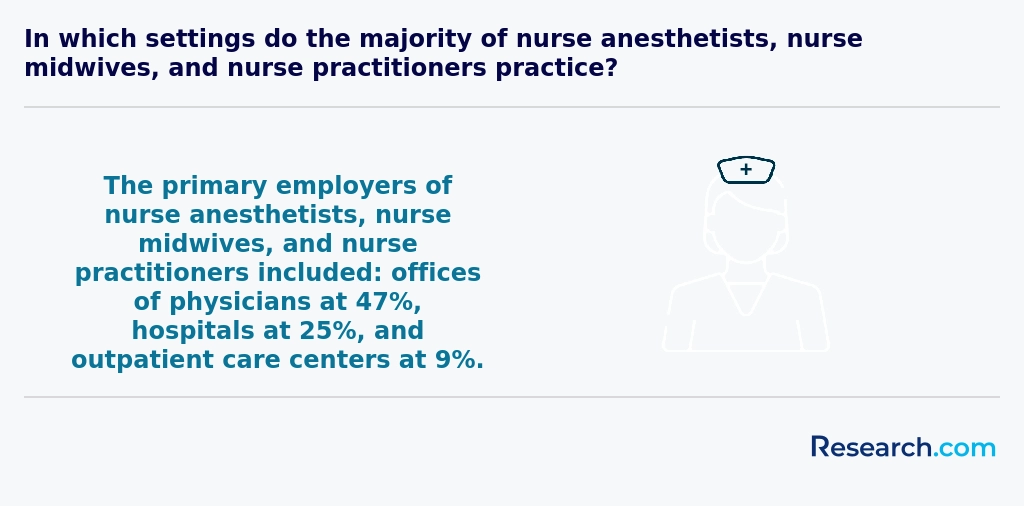
After completing an online Bachelor of Science in Nursing (BSN), many nurses choose to advance their expertise and career prospects through graduate education. Whether you aim to become a Nurse Practitioner, Clinical Nurse Specialist, or leader in healthcare administration, selecting the right program is critical. 1. Master of Science in Nursing (MSN) • Common specializations: Family Nurse Practitioner (FNP), Nurse Educator, Nurse Informatics • Typical duration: 18–24 months • Benefits: Expanded scope of practice, higher earning potential, leadership roles in patient care 2. Doctor of Nursing Practice (DNP) vs. PhD in Nursing • DNP focuses on clinical practice and evidence-based quality improvement • PhD emphasizes research, teaching, and policy development • Time to completion: DNP (2–3 years), PhD (3–5 years) • Outcomes: DNP graduates lead practice innovations; PhD graduates drive nursing science and academia 3. Choosing the Right Program • Accreditation: Ensure CCNE or ACEN approval to maintain licensure eligibility • Format: Compare fully online, hybrid, and part-time options to fit your schedule • Clinical Hours: Verify local placement support for hands-on practicum requirements • Cost & Financial Aid: Investigate scholarships, employer tuition assistance, and loan repayment programs For nurses seeking cost-effective doctoral pathways, explore the Cheapest Online Doctorate in Nursing Degree Programs Ranking in the Midwest to identify accredited, budget-friendly options that align with your career goals.
Many online nursing students at schools like the University of Phoenix or Western Governors University find that federal financial aid is their first lifeline. Completing the FAFSA early unlocks access to grants such as the Pell Grant, which offers up to $7,395 annually without repayment. This can truly lift a weight off your shoulders when tuition costs at public colleges often approach $40,000.
Loans like Stafford Loans provide manageable repayment options with fixed rates, while some students recall the Perkins Loan Program helping them bridge gaps with low-interest support. These federal loans come with flexible repayment plans tied to your income, easing anxiety about debt as you progress.
State grants and scholarships, including the Nurse Corps Scholarship, reward your commitment to serving underserved communities, adding real purpose and financial relief. Many graduates share how local scholarships from nursing associations or hospitals made their dreams achievable.
If you're currently employed in healthcare, check if your employer offers tuition reimbursement-it's a hidden gem for working nurses advancing their education. Work-study opportunities, even for online learners, offer practical part-time earnings, turning study into a sustainable journey.
To make informed decisions about their education, prospective nursing students should also consider the cost-effectiveness of online nursing degree programs. One crucial aspect is understanding that cost-effective does not mean compromising on quality. Many institutions offer affordable online nursing degrees without sacrificing the rigor and standards expected in nursing education. For those seeking the cheapest nursing degree programs with great job opportunities, it's essential to weigh factors like tuition, fees, and available financial aid against the program's reputation, accreditation, and graduate outcomes. By doing so, students can find a program that fits their budget and sets them up for success in their nursing career. Exploring these options can help aspiring nurses achieve their goals without accumulating excessive debt, making their educational investment more valuable and sustainable in the long run.
To enroll in an online nursing degree in America, you'll need more than just passion-you must meet several key prerequisites that ensure your success. Most online BSN programs, like those at well-known universities such as the University of Arizona or Ohio State University, require evidence of a high school diploma or GED. Additionally, completing foundational courses in anatomy, physiology, chemistry, microbiology, and statistics is common. These subjects prepare you for the rigorous nursing curriculum ahead.
Many graduates recall how these prerequisites built their confidence and kept them prepared for demanding classes. For registered nurses advancing through RN-to-BSN pathways, having an active nursing license is essential, often paired with clinical experience and passing exams like the TEAS. Schools use these tests not just as hurdles, but as tools to help you identify areas to strengthen, making your learning journey smoother.
Beyond academics, successful students often share how personal statements, letters of recommendation, and interviews helped them express their dedication-qualities highly valued by top nursing programs across America.
Choosing an accredited online nursing program is essential to ensure your degree meets educational standards and qualifies you for licensure. Reputable accrediting bodies include the Commission on Collegiate Nursing Education (CCNE) and the Accreditation Commission for Education in Nursing (ACEN). Programs accredited by these organizations are reviewed for curriculum quality, faculty expertise, and student outcomes, including NCLEX-RN pass rates. State Board Approval Before applying, verify that your program holds approval from the State Board of Nursing in the state where you plan to sit for the NCLEX exam. Without this approval, graduates may be ineligible for licensure. Many online programs maintain agreements with boards in multiple states, facilitating licensure portability for students who relocate. NCLEX-RN Eligibility and Pass Rates An accredited curriculum must cover core content tested on the NCLEX-RN, such as patient safety, pharmacology, and clinical judgment. Prospective students should research a program’s NCLEX pass rates-programs with pass rates above the national average (typically around 85–90%) demonstrate consistent preparation of graduates for professional practice. Advanced Practice Considerations If you aim to advance into roles such as Nurse Practitioner, it’s important to select an accredited pathway that aligns with national certification requirements. For those exploring affordable paths to advanced practice, consider cheap online nurse practitioner degree programs that hold both CCNE accreditation and state board approval, ensuring eligibility for national certification exams. By prioritizing accreditation and licensing alignment, you safeguard your investment, streamline your path to licensure, and maximize career mobility across the United States.
Online nursing degrees in America typically include a rich mix of courses designed to build strong clinical and scientific foundations. Graduates from popular nursing programs at well-known universities share how classes in anatomy, physiology, microbiology, and chemistry provide them with essential knowledge about the human body, preparing them for real patient care situations.
Students also dive into specialized nursing courses such as pharmacology, where they learn about medications and their impacts - vital when administering drugs safely. Health assessment courses train students to conduct thorough patient exams, much like graduates recall practicing on volunteers at local clinics affiliated with their universities.
Pathophysiology and nursing fundamentals bring diseases and care techniques to life, building confidence to handle complex patient needs. Many online programs in America, such as those offered by respected state colleges, include community and mental health nursing to highlight diverse patient care environments.
Leadership courses round out the curriculum, empowering students to become effective healthcare supervisors. These combined experiences help nursing students feel ready to make a positive impact in hospitals and communities across the country.
In America, online nursing degree specializations open diverse pathways tailored to your passion and career ambitions. Graduates from renowned schools like the University of Florida and Ohio State University often choose the Registered Nurse to Bachelor of Science in Nursing (RN to BSN) track, elevating their roles from bedside care to leadership with a median salary near $75,000. Many find fulfillment in advanced practice through Nurse Practitioner programs, specializing in Family NP or Pediatric NP, where salaries surpass $120,000, reflecting the high responsibility and expertise involved. Others pursue Public Health Nursing, shaping community wellness, or Healthcare Management to lead hospitals and clinics, developing vital skills in policy and finance. Geriatric Nursing also attracts those drawn to elder care, addressing growing needs in America's aging population. If you're considering further advancement, take a look at respected rn to msn np programs that offer comprehensive, flexible online options. Choosing the right specialization is key to a rewarding nursing career aligned with your goals and lifestyle.
Choosing the best online nursing degree in America means focusing on accreditation and real-world readiness. Graduates from popular universities often emphasize how programs accredited by the Commission on Collegiate Nursing Education (CCNE) gave them confidence to pass the NCLEX-RN exam and enter nursing successfully. Flexibility is essential-many students balance work and study through asynchronous classes, but remember that clinical hours still require in-person commitment. Schools that help find local placements make this much easier, which was a game-changer for many early-career nurses.
Cost plays a big role, too. Affordable online bachelor's nursing degrees America-wide provide great options without the hefty price tag of private institutions. For those seeking advanced practice roles, exploring cheap online nurse practitioner degree programs can open doors while keeping expenses manageable.
Lastly, don't overlook graduation and NCLEX pass rates. Graduates from programs with above 90% pass rates report feeling truly prepared for their careers. When you combine accreditation, cost-effectiveness, and strong licensure outcomes, you're on the right track to a fulfilling nursing journey.
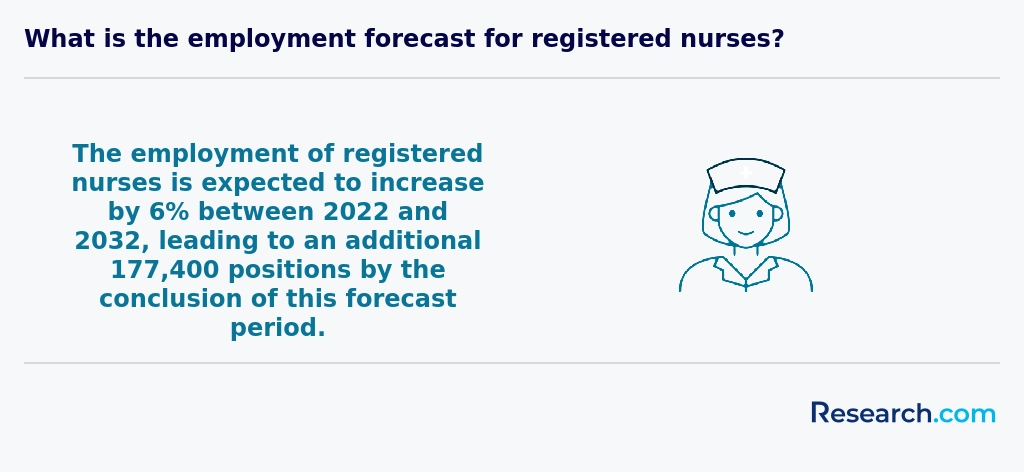
Graduates with an online nursing degree in America find themselves stepping into a world rich with diverse career opportunities. Many embrace clinical nurse roles in hospitals or outpatient clinics, where they provide compassionate patient care and gain hands-on experience-something graduates from top nursing colleges like the University of Pennsylvania often highlight as foundational. Others move into public health nursing, helping communities thrive through wellness programs and disease prevention, a path especially rewarding for those passionate about impacting larger populations-true examples of online nursing career opportunities in the USA.
Some graduates choose case management, coordinating complex patient care plans and navigating insurance to ensure their patients receive the best resources. Nurse educator roles also draw many with online degrees, giving them the chance to inspire and train the next generation of nurses in both college classrooms and clinical settings. Specialty fields like pediatric or oncology nursing offer another exciting direction, often pursued by those wanting to deepen expertise.
Many of these graduates share how online programs not only equipped them with the skills they needed but also offered flexibility and affordability, especially when considering programs featured in the Cheapest Online Doctorate in Nursing Degree Programs Ranking in the Midwest. This practical approach often makes these dreams more attainable, proving that nursing degree job prospects in America can be bright and fulfilling.
The job market for graduates holding an online nursing degree in America is vibrant and growing. Many graduates from well-known nursing schools, such as those affiliated with large state universities or private institutions, find themselves stepping into roles in hospitals and healthcare systems that urgently need skilled professionals. These graduates often share stories of how their flexible online programs empowered them to advance their careers while balancing work and family life. This adaptability is crucial as healthcare employers increasingly seek nurses with at least a Bachelor of Science in Nursing (BSN).
Across the country, nursing career opportunities in America are expanding in diverse settings like community health organizations and long-term care facilities. The online format makes it possible for students to access quality education from anywhere, whether studying through a renowned university or exploring what is the easiest bachelors degree to get. Practical, real-world skills gained through these programs prepare graduates to meet the healthcare demands of an aging population and technological advances in medicine.
With the median wage around $77,600 and higher salaries in urban centers, the outlook for those with online nursing degrees remains strong. Graduates report feeling confident and motivated, knowing their education directly contributes to improved patient care and opens doors to specialties that reflect their passion and expertise in a rapidly evolving field.
2027 Most Valuable Online Bachelor's in Nursing Degree Programs Ranking in the USA
Investing in your education is a significant decision that can profoundly impact your career and life. The Research.com team recognizes the importance of making well-informed choices, which is why we have carefully developed the "2027 Most Valuable Online Bachelor's in Nursing Degree Programs Ranking in the USA." Our dedication to quality, credibility, and accuracy is demonstrated through extensive research and rigorous analysis to provide trustworthy guidance.
We utilized the following reputable data sources to ensure a thorough evaluation of nursing programs:
By exploring this ranking, readers will gain crucial insights into the most valuable online nursing bachelor's degrees available across the USA, enabling them to choose programs that best fit their goals. For more information on how this ranking was created, please visit our Research.com methodology page.


# 8 position
Oregon Health & Science University
Bachelor of Nursing


# 17 position
Georgia Highlands College
Nursing, RN to BSN online


Frequently Asked Questions About nursing
Online nursing degree students in America can maximize their learning by actively engaging with course materials and participating in virtual simulations, which are increasingly integrated into nursing programs. According to the American Association of Colleges of Nursing (AACN), simulation-based learning enhances critical clinical skills and decision-making abilities.
Time management is crucial; students should create consistent study schedules to balance coursework and clinical hours effectively. Utilizing available online resources like interactive quizzes and discussion boards encourages deeper understanding and peer collaboration.
Students should also seek out clinical placements early, as hands-on experience is mandatory for licensure through the NCLEX-RN exam. Many accredited programs offer partnerships with healthcare facilities nationwide, aiding this process.
The nursing field in the United States is diversifying rapidly, with several emerging niches offering new career paths for online nursing degree graduates. One of the fastest-growing areas is **telehealth nursing**, where nurses provide care remotely using digital technology. According to the Agency for Healthcare Research and Quality, telehealth visits increased by 154% in 2021.
Another expanding specialty is **geriatric nursing**, reflecting the aging U.S. population. The U.S. Census Bureau projects that by 2034, adults over 65 will outnumber children under 18 for the first time ever.
**Informatics nursing** combines healthcare and information technology, aiming to improve patient care through data management. The American Nurses Association highlights strong demand driven by digital recordkeeping.
These niches emphasize versatility and adaptation, making them attractive options for students studying online nursing degrees in America.
After completing an online nursing degree in America, preparing for the job market involves several key steps. First, obtaining licensure by passing the NCLEX-RN exam is essential; this is required in all states for registered nurses. According to the National Council of State Boards of Nursing, the national pass rate in 2023 was around 85%, highlighting the exam's importance. Graduates should also build practical experience through clinical internships or volunteering.
Networking with healthcare professionals and joining nursing associations like the American Nurses Association can improve job opportunities. Additionally, refining resumes and interview skills is crucial, as the Bureau of Labor Statistics expects employment for registered nurses to grow 6% through 2032.
Employers in the U.S. healthcare system seek nursing graduates with a blend of technical expertise and interpersonal skills. Critical thinking and clinical judgment top the list, as nurses must quickly assess patient conditions and respond appropriately. The American Association of Colleges of Nursing (AACN) highlights communication skills as equally vital for effective teamwork and patient care.
Additionally, proficiency in electronic health records (EHR) systems is increasingly important due to digital recordkeeping becoming standard in hospitals and clinics. Time management and adaptability are also key, reflecting the fast-paced, high-pressure nature of nursing environments.
These competencies prepare graduates to meet evolving healthcare demands with competence and compassion.
Finding internships relevant to a nursing degree in America involves several key steps. First, students should consult their online program's career services or academic advisors, as many nursing schools have partnerships with local hospitals and clinics offering clinical placements. The American Association of Colleges of Nursing (AACN) reports that clinical experience is a required component of accredited nursing programs, making internships essential.
Second, students can explore opportunities through healthcare job boards such as those hosted by the American Nurses Association (ANA) or state nursing boards. Networking at nursing conferences and using platforms like LinkedIn also help connect with potential internship providers.
Many internships pay or offer academic credit, aiding professional growth before graduation.
Online nursing degrees in America significantly enhance career mobility by providing flexible access to education for working nurses. According to the American Association of Colleges of Nursing (AACN), nurses with a Bachelor of Science in Nursing (BSN) are more likely to advance into leadership roles and specialized positions. The Bureau of Labor Statistics notes a projected 6% job growth for registered nurses through 2032, emphasizing the importance of higher qualifications.
With an online degree, nurses can continue working while earning advanced credentials, making it easier to qualify for roles such as nurse managers, educators, or nurse practitioners. Employers increasingly prefer BSN-prepared nurses, associating their training with improved patient outcomes, thus supporting career advancement.
Studying for a nursing degree in America equips students with skills essential for interdisciplinary roles in healthcare. Online nursing programs integrate courses in communication, leadership, and healthcare informatics, fostering collaboration with professionals from diverse fields such as medicine, social work, and pharmacy. According to the American Association of Colleges of Nursing (AACN), 82% of BSN programs include content focused on teamwork and interdisciplinary practice.
Students learn evidence-based care while understanding the roles of various healthcare providers. This approach prepares graduates to participate effectively in care coordination, improving patient outcomes and safety. The emphasis on critical thinking and problem-solving also enhances nurses' ability to adapt in dynamic healthcare environments.
Choosing between a thesis and a non-thesis online nursing degree program in America depends largely on your career goals and learning preferences. Thesis programs require conducting original research and writing a formal thesis, which can prepare students for advanced roles in nursing research or graduate study. Non-thesis options often focus on coursework and practical skills, appealing to those aiming for clinical practice or leadership positions.
The American Association of Colleges of Nursing (AACN) notes that about 30% of nursing master's programs offer thesis options, reflecting demand for research skills. Consider your career path and time availability before deciding.
Students based in America seeking to study nursing abroad have several online options through international partnerships and global programs recognized by US accrediting bodies. Many American universities offer collaborative degrees with institutions overseas, allowing students to complete clinical hours internationally while following US curriculum standards.
According to the American Association of Colleges of Nursing, nearly 50% of nursing programs now include global health components, emphasizing cross-cultural competency. Additionally, students can enroll in online Bachelor of Science in Nursing (BSN) programs that offer study abroad opportunities during clinical rotations. These programs often ensure licensure eligibility in the US.
It is important for students to verify accreditation through the Commission on Collegiate Nursing Education (CCNE) and confirm state Board of Nursing requirements before enrolling in any international nursing program.
Part-time jobs that complement nursing degree education in America often include roles such as certified nursing assistant (CNA), medical scribe, and patient care technician. These positions provide valuable hands-on experience with patient care and medical procedures, aligning closely with nursing curricula.
According to the U.S. Bureau of Labor Statistics, CNAs earn a median hourly wage of about $15.50, making it a practical option for students seeking relevant work while studying. Medical scribes help healthcare providers by documenting patient encounters, improving students' understanding of medical terminology and clinical workflows.
Additionally, positions in home health aide services or volunteering in clinics offer practical exposure without overwhelming time commitments. These jobs help build essential skills, improve resumes, and increase networking opportunities within healthcare settings.
Online nursing students in America have several networking opportunities despite the virtual format of their programs. Many accredited programs connect students to professional nursing organizations like the American Nurses Association (ANA), which offers access to conferences, webinars, and local chapters. These events allow students to meet experienced nurses and industry leaders.
Students can also participate in virtual study groups and discussion boards facilitated by their schools, fostering peer collaboration. Clinical placements remain essential, offering face-to-face networking in healthcare settings.
According to the National League for Nursing, 70% of nursing graduates find professional connections through clinical experiences and school-supported mentorship programs.
Alumni networks play a crucial role for online nursing degree students in America by offering valuable professional connections. Nursing graduates often rely on these networks to discover job opportunities, mentorship, and continuing education resources. According to the American Nurses Association, about 90% of jobs in nursing are found through networking and referrals.
These networks also provide a platform for sharing clinical experiences and best practices, which is important in a field that demands up-to-date knowledge and skills. For online students, who may lack face-to-face interactions, alumni groups create a sense of community and professional support.
Furthermore, some nursing schools maintain formal alumni associations that organize career fairs, webinars, and local meetups tailored to nursing professionals across the U.S., helping graduates advance their careers more effectively.
Customizing an online nursing degree program in America allows students to align their education with specific career goals. Many accredited programs offer elective courses that focus on specialties such as pediatric nursing, gerontology, or psychiatric nursing. According to the American Association of Colleges of Nursing (AACN), about 70% of online nursing programs provide flexible curricula to meet diverse professional interests.
Students can also often choose between part-time, full-time, and accelerated tracks. Practical experiences, like clinical rotations, may be arranged near a student's location, supporting hands-on learning relevant to their desired field. This flexibility helps nurses pursue certifications and roles in high-demand areas while earning their degree online.
Online nursing students in America often face several key challenges. One common issue is balancing clinical practice hours with online coursework. Many programs require in-person clinical experiences, which can be difficult to schedule alongside remote study.
Technical difficulties also affect students, especially those without reliable internet or up-to-date devices. According to the National League for Nursing, about 20% of nursing students report connectivity issues that impact their learning.
Another challenge is the feeling of isolation. Unlike traditional settings, online students may lack direct peer and faculty interaction, which can affect motivation and networking opportunities.
Finally, navigating accreditation and state licensure requirements can be complex. Students must ensure their program complies with state boards of nursing, which varies regionally.
With an online nursing degree in America, graduates can pursue various professional certifications to advance their careers. Common certifications include the Certified Nurse Practitioner (CNP), Certified Nurse Midwife (CNM), and Certified Registered Nurse Anesthetist (CRNA), each requiring additional education and clinical hours beyond a bachelor's degree. Many also opt for the Medical-Surgical Registered Nurse (MSN-BC) or Emergency Nurse Certification (CEN).
According to the American Nurses Credentialing Center (ANCC), obtaining these certifications can lead to higher earning potential and greater job opportunities.
The Bureau of Labor Statistics (BLS) reports that in 2023, over 80% of registered nurses held at least one specialty certification, reflecting the growing importance of credentials in nursing practice.
To write a winning application for an online nursing program in America, begin by clearly demonstrating your passion for nursing and commitment to patient care. Highlight any relevant clinical experience, volunteer work, or certifications such as CNA or EMT, which showcase your preparation for rigorous nursing studies. According to the American Association of Colleges of Nursing (AACN), programs highly value applicants who meet prerequisite coursework in biology, chemistry, and anatomy with strong grades.
Include a compelling personal statement explaining why you chose online learning specifically and how you will manage time effectively in a virtual environment. Strong letters of recommendation from healthcare professionals can significantly strengthen your application. Additionally, ensure your resume emphasizes any healthcare roles and leadership skills. Finally, submit your application well before deadlines and verify all materials are complete to avoid delays.
The global demand for nurses is increasing rapidly, influencing career opportunities worldwide. In the United States, nursing remains one of the fastest-growing professions, with the U.S. Bureau of Labor Statistics projecting a 9% job growth from 2021 to 2031. This demand reflects global trends as aging populations and complex healthcare needs rise internationally.
American nursing degrees, especially online programs accredited by bodies like CCNE and ACEN, are widely respected and can often meet international standards. Such credentials support mobility for nurses seeking work abroad or participating in global health initiatives.
Furthermore, global health organizations emphasize the critical role of nurses in achieving Universal Health Coverage. This commitment creates increasing value for nursing education that aligns with international competency frameworks, including those endorsed by the World Health Organization.
Gaining practical experience is essential when pursuing an online nursing degree in America. Most accredited programs require clinical placements, allowing students to complete hands-on training in healthcare settings such as hospitals, clinics, or nursing homes. These in-person clinical hours complement online coursework and prepare students for real-world nursing responsibilities.
Students typically coordinate with program advisors to arrange local clinical sites. According to the American Association of Colleges of Nursing (AACN), completing at least 500 clinical hours is common for a Bachelor of Science in Nursing (BSN) degree.
Simulation labs and virtual clinical experiences are also increasingly used to enhance skills, especially when in-person hours are limited.
Choosing the right concentration within an online nursing degree program in America requires careful consideration of your career goals and the current healthcare landscape. Popular specializations include nurse practitioner, public health nursing, and nurse education. According to the Bureau of Labor Statistics, nurse practitioners are among the fastest-growing occupations, with a projected growth rate of 45% from 2021 to 2031.
Consider your interests in patient care settings, such as hospitals, community health, or schools. Research program accreditation, curriculum focus, and clinical practicum requirements, as these affect licensure and certification. Exploring projected salary and demand in your state can also guide your choice.
See What Experts Have To Say About Studying Nursing
Read our interview with Nursing experts

Lisa Grubb
Nursing Expert
Assistant Professor
Johns Hopkins School of Nursing

- Best Online Nursing Programs https://www.affordablecollegesonline.org/degrees/nursing-programs/
- Online Nursing Degrees & More https://www.chamberlain.edu/academics/online-education
- How to Choose a Nursing Program | All Nursing Schools https://www.allnursingschools.com/how-to-get-into-nursing-school/choose-the-right-school/
- What Nursing Concentration Is Right for Me? | Maryville Nursing https://nursing.maryville.edu/blog/what-nursing-concentration-is-right-for-me
- Top Nursing Skills U.S. Employers Want to See on Your Resume | O'Grady Peyton https://www.ogradypeyton.com/blog/job-seeker-resources/top-nursing-skills-u.s.-employers-want-to-see-on-your-resume
- Nursing Financial Aid https://nursinglicensemap.com/resources/nursing-financial-aid/
- What Are the Best RN Certifications for Your Career? https://credenzahealth.com/career-advice/what-are-the-best-rn-certifications-for-your-career
- Can I Get a Nursing Degree Online? | University of Phoenix https://www.phoenix.edu/articles/nursing/can-i-get-a-nursing-degree-online.html
- How Long Is Nursing School in The USA? | Shiftmed Blog https://www.shiftmed.com/professionals/blog/how-long-is-nursing-school-in-the-usa/
- What Are the Best Jobs to Work While in Nursing School? https://www.dewv.edu/what-are-the-best-jobs-to-work-while-in-nursing-school/


