2027 Most Valuable Nursing Degree Programs Ranking in Montana

Co-Founder and Chief Data Scientist
Exploring nursing degree programs can feel overwhelming, especially when making decisions that shape your future. This article presents the 2027 Most Valuable Nursing Degree Programs Ranking in Montana, crafted by the Research.com team of data scientists to guide students like you in choosing quality nursing programs.
By reading this ranking, you'll discover which programs offer the best value and opportunities in Montana. Pursuing a nursing degree opens doors to a fulfilling career with growing demand and meaningful impact. This guide aims to support your journey with trusted, research-based insights.
Key benefits of getting nursing degree in Montana
- Nursing degree graduates in Montana can expect competitive salaries, with Registered Nurses earning a mean annual wage of $94,480 and Operating Room Nurses earning up to $128,490, reflecting strong financial stability.
- Career paths are diverse, including roles like Clinical Nurse Educator and Public Health Nurse, offering graduates from Montana State University flexible and rewarding job options.
- Obtaining a nursing degree online from the University of Montana allows for convenient learning while balancing life commitments, providing the same valuable skills as traditional programs and enhancing career opportunities.
- 2027 Most Valuable Nursing Degree Programs Ranking in Montana
- What can I expect from nursing degree in Montana?
- Where can I work with nursing degree in Montana?
What can I expect from nursing degree in Montana?
The average cost of pursuing a nursing degree in Montana varies depending on the type of program and institution. For example, attending a community college like Missoula College typically costs significantly less than enrolling in a university nursing program. Graduates often recall balancing tuition fees around $8,000 to $12,000 per year for an Associate Degree in Nursing (ADN) at such colleges, making it an accessible entry point into the nursing profession.
On the other hand, Bachelor of Science in Nursing (BSN) programs at universities such as Montana State University or the University of Montana offer a broader curriculum and clinical experiences but come with higher tuition-around $10,000 to $20,000 annually. Many students appreciate how flexible scheduling and financial aid options help them manage costs without sacrificing quality education.
These investments reflect the comprehensive training required, including classroom instruction and hands-on clinical rotations at local hospitals. Graduates often express satisfaction knowing their education prepares them well for stable careers, with tuition expenses viewed as a worthwhile step toward meaningful and rewarding work in Montana's healthcare landscape.
Where can I work with nursing degree in Montana?
Graduates with a nursing degree from institutions like the University of Montana or Montana State University often find themselves welcomed into a variety of healthcare settings across the state. Many share how rewarding it feels to join hospitals such as Montana Children's Medical Center or Providence St. Patrick Hospital, where they engage directly in critical care units or maternity wards, gaining hands-on experience with patients in need.
Others reflect on stepping into outpatient clinics and community health centers, especially in rural areas, where their role often extends beyond clinical skills to educating patients and supporting preventive care. Those working in long-term care facilities express a deep sense of purpose caring for Montana's senior population, a demographic that creates ongoing demand for compassionate nursing professionals.
Graduates also talk about the unique challenges and fulfillment found in public health nursing and home health care, where they manage health programs and support patients recovering at home. For many, the flexibility of their nursing degree opens doors to diverse careers, allowing them to serve Montana's population in meaningful, varied ways.
Graduates from nursing programs in Montana, such as those at the University of Montana or Montana State University, often find themselves stepping into roles with competitive salaries. For example, registered nurses typically earn a mean annual wage near $94,480, which aligns closely with figures for clinical nurse educators and public health nurses, all around $94,480 annually. This consistency offers reassurance to those aiming for steady, rewarding careers post-graduation.
Many graduates recall starting in busy urban hospitals in Billings or Missoula, where salaries are positively influenced by demand and cost of living. Specialized roles like emergency room nurses share the same mean wage of about $94,480, while nurses stepping into operating room positions enjoy higher pay, with mean annual wages climbing to $128,490. These figures demonstrate the tangible benefits of advancing one's expertise.
The financial rewards often mirror the dedication invested during studies. Hearing stories from peers who advanced from associate degrees to leadership roles, many express pride and motivation knowing their efforts translate into meaningful pay and career growth within Montana's healthcare system.
- Nursing degrees in Montana include associate, bachelor's, and advanced programs, with many accredited by the Montana Board of Nursing.
- Tuition for an Associate Degree in Nursing ranges from $6,000 to $12,000 per year at public colleges; a Bachelor of Science in Nursing costs about $8,000 to $15,000 annually at public universities.
- Nursing employment in Montana is projected to grow by around 8% by 2030, driven by healthcare demand in rural and urban areas.
- Starting salaries for registered nurses typically range from $55,000 to $65,000, with experienced nurses earning between $70,000 and $85,000 depending on location and specialization.
- Graduates must pass the NCLEX-RN exam and meet licensing requirements; Montana participates in the Nurse Licensure Compact for multistate practice.
Completing a nursing degree in Montana often depends on the path you choose. Graduates from community colleges offering ADN programs typically finish in two to three years. Many recall feeling a strong sense of accomplishment entering the workforce quickly after passing the NCLEX-RN exam, as these programs focus on hands-on skills needed for immediate patient care.
Those pursuing a BSN at universities like the University of Montana or Montana State University generally commit to about four years. These students appreciate how the longer program deepens their understanding of leadership, clinical practice, and healthcare management-preparing them for broader roles within Montana's unique rural healthcare environments.
For working nurses, RN-to-BSN bridge programs offer an attractive option, usually completed in one to two years. Many find balancing study with work challenging but rewarding, enjoying flexible evening or online classes designed for Montana's busy professionals.
Ultimately, each duration reflects personal goals and lifestyles, with part-time study extending completion time but enabling more students to pursue their nursing dreams without sacrificing stability.
To practice as a registered nurse in Montana, graduates must obtain licensure through the Montana Board of Nursing, which ensures that all candidates meet state-mandated standards of education, examination, and ethical practice. First, applicants submit an online application and official transcripts verifying completion of an accredited nursing program. A criminal background check and fingerprinting are required to confirm fitness for professional practice. Next, candidates register for and pass the NCLEX-RN examination. Montana’s average NCLEX-RN pass rate consistently ranks above the national average, reflecting the rigorous preparation provided by local nursing programs. Upon passing, nurses receive their RN license and may immediately begin clinical practice in hospitals, clinics, long-term care facilities, and public health settings across the state. For nurses pursuing advanced roles, Montana offers credentialing in specialties such as Family Nurse Practitioner (FNP), Critical Care Registered Nurse (CCRN), and Nurse Midwifery, each requiring additional certification exams from bodies like the American Nurses Credentialing Center (ANCC) or the American Association of Nurse Practitioners (AANP). Maintaining these credentials involves periodic renewal, typically every two years, which includes completing a minimum of 20 contact hours of continuing education per renewal cycle. Continuing education is essential not only for license renewal but also for keeping pace with evolving clinical guidelines and technologies. Many Montana schools and professional associations partner to offer workshops, online courses, and seminars. For those seeking flexible online options, consider exploring Low Cost Online Nursing Degree Programs Ranking in Georgia to compare tuition savings and course formats. Finally, Montana requires all active RNs to renew licenses biennially, with renewal notices sent six weeks before expiration. Late renewals incur fees and require proof of completed continuing education. Understanding these steps and timelines ensures a smooth transition from graduation to a thriving nursing career in Montana.
Online and on-campus nursing degrees in Montana offer distinct experiences shaped by how you learn and interact. Graduates from the University of Montana often speak warmly of the on-campus setting, where hands-on labs and direct faculty support create a rich, immersive environment. This face-to-face experience fosters a strong sense of community and professional networking through local healthcare partnerships, making clinical placements feel like natural extensions of classroom learning.
Conversely, alumni from Montana State University highlight the flexibility of online programs, which allow balancing studies with work or family life. While coursework is completed remotely using video lectures and virtual simulations, clinical training still requires in-person attendance at approved healthcare facilities nearby. This blend offers independence without sacrificing essential practical skills.
Both paths demand dedication, but the on-campus route thrives on scheduled interaction, while online programs encourage self-motivation and time management. Understanding these differences helps align your choice with your lifestyle and career vision within Montana's evolving nursing landscape.
Registered Nurses holding an associate degree or diploma can elevate their credentials and unlock leadership roles through RN to BSN bridge programs in Montana. These pathways typically allow generous credit transfers-often 30–60 credits-toward a Bachelor of Science in Nursing. Core coursework builds on foundational skills with advanced topics such as community health, nursing research, and management. Clinical requirements remain rigorous but are tailored for working professionals, offering part-time, evening, or weekend lab and practicum options in local hospitals and community clinics across Billings, Missoula, and Great Falls. Program length varies from 12 to 24 months, depending on credit load and enrollment status. Many public universities like the University of Montana and Montana State University deliver hybrid formats, blending live online lectures with on-site skills labs. For RNs seeking an affordable, flexible pathway to a bachelor’s degree, exploring the cheapest accredited online rn to bsn programs can streamline your journey while maintaining high academic standards and NCLEX-RN preparation support. Beyond academic advancement, BSN-prepared nurses benefit from higher earning potential-often $5,000–$10,000 more annually than associate-prepared peers-and expanded career options in case management, public health, and education. Employers increasingly prefer or require a BSN for leadership, Magnet recognition, and quality improvement initiatives. By choosing a bridge program aligned with accreditation standards, you’ll strengthen your clinical expertise, boost your marketability, and join the growing cadre of Montana nurses leading innovation in patient care.
The average nursing degree cost in Montana typically reflects a midpoint between affordability and quality education. Graduates from community colleges offering Associate Degree in Nursing programs often recall their tuition falling close to $8,460 in total for in-state students. This aligns with what many find manageable without overwhelming debt, especially when attending institutions like Miles Community College or Flathead Valley Community College. These students appreciate the practical, hands-on training alongside reasonable tuition fees, which makes pursuing nursing a hopeful and attainable goal.
Those who choose to earn a Bachelor of Science in Nursing at Montana's flagship universities, such as Montana State University or the University of Montana, recognize that tuition costs are higher but still aligned with the state's moderate pricing. The total in-state cost, approximately $8,460, often includes various fees, but passionate students remember that financial planning and scholarships helped ease the burden. These schools provide a comprehensive educational environment where the investment feels worthwhile for the career opportunities that follow.
Reflecting on the average nursing degree cost Montana students encounter, it's clear that while tuition is a crucial factor, other expenses such as textbooks, uniforms, and clinical supplies contribute to the overall financial picture. For those seeking more information on affordable options, many find the affordable nursing schools in Montana to be a helpful resource, guiding them toward programs that balance cost and quality effectively.
To establish a strong foundation in nursing, it's essential to consider not just the academic and clinical aspects, but also the financial implications of pursuing a nursing degree in Montana. This involves understanding the cost of tuition, the availability of financial aid, and the potential return on investment. For those looking to minimize their expenses, exploring affordable nursing schools in Montana can be a strategic first step. By navigating the landscape of nursing education with a keen eye on affordability and value, aspiring nurses can set themselves up for success, both financially and professionally. This thoughtful approach to nursing education can lead to a sustainable and fulfilling career, where the rewards of caring for others are matched by the stability and growth opportunities that a well-planned educational investment can provide.
Nursing students at institutions like Montana State University and the University of Montana often find relief through federal Pell Grants, which cushion tuition costs without the stress of repayment. Many graduates have shared how these grants, combined with federal direct loans that offer low-interest rates, made the difference between worrying about finances and focusing on their clinical practice.
State-supported scholarships, such as the Montana Nursing Scholarship Program, provide targeted aid that feels like a vote of confidence in students' potential to serve Montana's healthcare needs. Graduates from community colleges have expressed gratitude for these awards, which ease their path and affirm their career choice.
Institutional scholarships, available through local campuses, reward academic dedication and financial need, giving many aspiring nurses a personalized form of support. Meanwhile, loan repayment programs from the National Health Service Corps and the Montana Health Care Workforce Center inspire graduates to commit to underserved rural areas, knowing their service will be honored with meaningful debt relief.
Employment opportunities during studies, especially clinical roles or campus healthcare positions, also help students manage daily expenses, often combined with employer tuition reimbursement plans that encourage further advancement.
To practice nursing in Montana, follow these key sequence:
- Graduate from a Board-approved ASN or BSN program.
- Submit an application and official transcripts to the Montana Board of Nursing.
- Register for the NCLEX-RN exam through Pearson VUE and schedule your test.
- Complete state-mandated background check and fingerprinting.
- Pass the NCLEX-RN exam to receive your Montana RN license.
- Renew your license every two years by completing 24 continuing education hours.
After earning your RN license, consider advancing your practice with a doctoral degree-explore the cheapest dnp program online to enhance your credentials.
To enroll in a nursing degree program in Montana, you'll first need a high school diploma or GED, a straightforward step but one that sets the foundation for success. Graduates from programs at universities like the University of Montana often share how essential completing core science courses-biology with lab, chemistry, anatomy and physiology-was in preparing them for the challenging coursework ahead.
These classes typically require a grade of "C" or better, ensuring you grasp the basics before advancing. Reflecting on fellow students' experiences, the TEAS exam often proved a key hurdle; it tests your readiness in reading, math, science, and English, filtering candidates who are truly prepared for the rigors of nursing study.
For those pursuing accelerated or LPN-to-RN bridge programs at Montana State University, having healthcare experience or an active license is invaluable. It's also important to be ready for background checks and immunization compliance, as clinical training demands both safety and professionalism, which past graduates say builds confidence as you step into real healthcare environments.
Investing in a nursing degree in Montana yields a strong return on investment (ROI) when you balance tuition costs against projected earnings and career growth. On average, a Bachelor of Science in Nursing (BSN) graduate in Montana spends roughly $123,536 on tuition over four years and can expect entry-level RN salaries of $89,010 annually. Factoring in benefits, overtime opportunities, and the state’s growing demand for nurses, most BSN graduates recoup their educational expenses within two to three years of full-time practice. When comparing program levels, ADN graduates often see faster break-even points-typically around 18–24 months-due to lower upfront costs (averaging $24,600 over two years). However, BSN and MSN holders enjoy higher mid-career salaries (up to $110,000 for advanced practice roles) and expanded leadership opportunities. For RNs aiming to accelerate their earning potential, a fast track dnp program can reduce time to doctoral credentials, positioning graduates for top-tier clinical and administrative positions with salaries exceeding $130,000. Key factors that influence ROI include:
- Tuition Inflation: Public institutions in Montana offer more predictable tuition increases (2–4% annually) compared to private colleges (5–8%).
- Loan Repayment Plans: Federal income-driven repayment and Public Service Loan Forgiveness can cut costs by up to 50% over ten years for nurses in underserved areas.
- Specialty Certifications: Earning credentials in areas like critical care or oncology often commands a 10–15% salary premium. By analyzing average salary trajectories, program costs, and long-term career paths, students can make data-driven decisions that maximize ROI and align with personal and financial goals.
In Montana, nursing degree programs at well-regarded institutions like the University of Montana and Montana State University combine rigorous science courses with essential nursing practice. Graduates often reflect on their early studies in human anatomy, physiology, microbiology, and chemistry, which form the backbone of their understanding of the human body and illness.
Many recall how courses in nursing fundamentals taught them not only the technical skills of patient care but also the importance of ethics and clear communication. These classes were crucial when working with diverse patient populations, from urban hospitals to rural clinics.
Advanced courses in pharmacology and pathophysiology became milestones where students connected classroom concepts to real-world medication management and disease understanding. Health assessment classes brought theory to life as students practiced physical exams during clinicals, often recalling moments of anxiety turned confidence.
Hands-on experience in Montana's hospitals and long-term care facilities enriched the curriculum, especially when caring for adults and older adults. These scenarios felt deeply rewarding, highlighting the unique community-focused nature of nursing across the state.
In Montana nursing degrees, students often find a rich variety of specializations that reflect both local healthcare needs and their own career aspirations. Graduates from programs at the University of Montana and Montana State University frequently share how focusing on specialties like Family Nurse Practitioner (FNP) or Psychiatric-Mental Health Nursing allows them to serve Montana's unique rural communities with confidence and compassion. For instance, many discover a deeper purpose in public health nursing, addressing prevention and education in areas with limited resources.
The diversity in Montana nursing programs with specializations encourages students to tailor their training, often choosing fields such as geriatric nursing to support the state's aging population. Those who pursue Registered Nurse (RN) to Bachelor of Science in Nursing (BSN) tracks appreciate the chance to specialize in areas like pediatric nursing or mental health, honing skills that resonate in real-world clinical placements.
For those weighing options, exploring the cheapest accredited online rn to bsn programs offers a practical gateway to advancing in these specializations while managing tuition costs. These pathways provide thoughtful, community-centered preparation crucial for Montana's evolving healthcare landscape.
Choosing the best nursing degree in Montana involves aligning your goals with the program's strengths. Graduates from the University of Montana often highlight the value of strong clinical experiences and accredited curriculum that helped them pass the NCLEX-RN confidently. Meanwhile, those from Montana State University appreciate programs offering flexibility through part-time options, allowing them to balance work and study effectively. If affordability is a priority, looking into affordable nursing schools Montana offers helps narrow choices without sacrificing quality.
Considering one's long-term career helps many decide between quicker diploma routes or Bachelor of Science in Nursing degrees. Some students who sought advanced roles found success pursuing a fast track dnp program, which accelerates their progress in leadership and clinical expertise. Real-life advice from alumni stresses verifying accreditation by bodies like ACEN or CCNE, as well as exploring local hospitals for strong clinical placements, especially in cities like Missoula or Bozeman to enhance networking opportunities.
Graduates holding a nursing degree in Montana find an encouraging range of career options that reflect the state's evolving healthcare needs. Many graduates from institutions like the University of Montana or Montana State University feel a strong sense of fulfillment working as Registered Nurses, where they support patients in hospitals and clinics across both rural and urban areas. This steady growth in nursing roles is a real advantage, reflecting the positive Montana nursing degree job outlook for those entering the field.
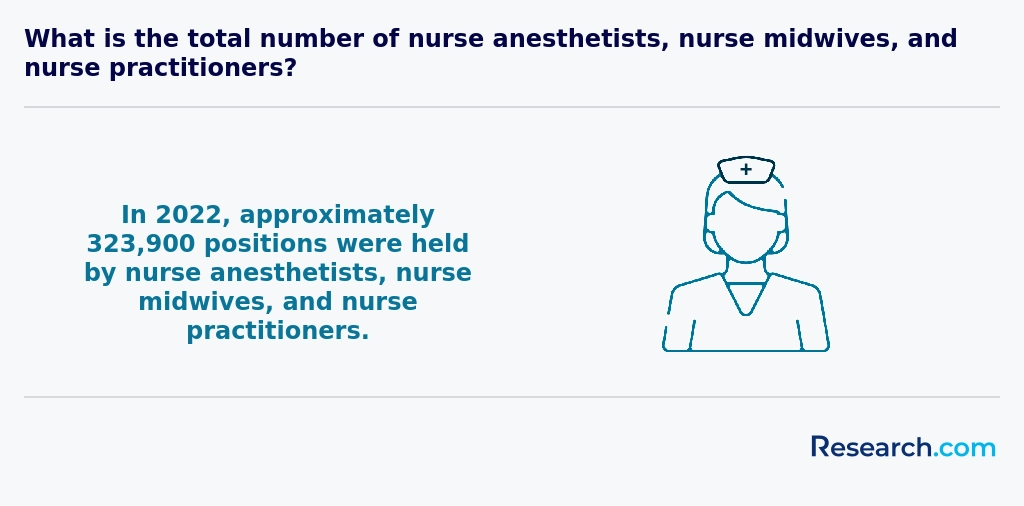
Others pursue advanced roles such as Nurse Practitioners or Nurse Anesthetists, roles that bring increased responsibility and independence to their work. Graduates often share how rewarding it feels to combine clinical knowledge with leadership when stepping into healthcare administration or nursing education positions, shaping future caregivers within Montana's communities.
The diversity of nursing career opportunities in Montana also extends to public health and practical nursing roles, offering graduates many fulfilling ways to contribute to local well-being. For prospective students exploring affordable pathways, programs featured in the Low Cost Online Nursing Degree Programs Ranking in Georgia can serve as helpful references for comparing costs and opportunities outside Montana.
The nursing job outlook in Montana is encouraging for graduates who pursue degrees from local institutions, such as the University of Montana or Montana State University. Graduates often share how their education prepared them well for real-world challenges faced in rural clinics or regional hospitals. The steady demand driven by Montana's aging population means many find employment soon after graduation, filling vital roles that strengthen healthcare delivery in underserved communities.
Montana nursing employment opportunities frequently arise in diverse settings-from bustling hospital floors to quiet elder care facilities-where wages range broadly but remain competitive given the state's cost of living. Graduates reflect on the satisfaction of providing care where it's needed most, often encouraged by scholarship and loan forgiveness programs designed to keep talent local.
The relatively affordable tuition for ADN and BSN programs makes the investment worthwhile. For those considering shorter routes to employment, exploring top paying 6 month online certifications can be a complementary step toward increasing skills and earnings potential in Montana's healthcare field.
2027 Most Valuable Nursing Degree Programs Ranking in Montana
Investing in your education is a significant decision that can profoundly impact your future, and the Research.com team is fully aware of the importance of making well-informed choices. To support prospective nursing students in Montana, we have carefully developed the "2027 Most Valuable Nursing Degree Programs Ranking in Montana." Our dedication to quality, credibility, and accuracy is demonstrated through rigorous research and analysis behind this ranking.
We utilized the following reputable data sources to ensure a comprehensive evaluation of nursing degree programs:
By consulting this ranking, readers will receive valuable insights to identify the most beneficial nursing programs available in Montana, empowering them to make confident educational decisions. For more information on our approach, please visit our Research.com methodology page.


# 4 position
Montana State University-Northern
Bachelor of Science in Nursing


Frequently Asked Questions About nursing
To maximize their learning experience, nursing degree students in Montana should engage actively in both classroom instruction and clinical practice. Montana's nursing programs emphasize hands-on training, which is essential for developing practical skills. According to the Montana Board of Nursing, students benefit from participating in diverse clinical rotations across urban and rural healthcare settings, preparing them for varied patient care environments.
Students can also take advantage of Montana's state-supported scholarships and grants aimed at reducing financial barriers. Networking with local healthcare professionals and joining nursing associations, such as the Montana Nurses Association, further enriches learning through mentorship and professional development.
Lastly, staying informed about the latest nursing research and healthcare trends supports academic success and career readiness.
The nursing field in Montana is expanding beyond traditional roles, with several emerging niches gaining prominence. One key area is gerontological nursing, driven by Montana's aging population; the U.S. Census Bureau reports that 20% of Montana's residents are over 65, increasing demand for specialized elder care.
Another growing niche is telehealth nursing, which has accelerated due to Montana's rural landscape and limited healthcare access. Telehealth offers nurses new opportunities to provide care remotely, a trend supported by Montana's Department of Public Health and Human Services.
Additionally, psychiatric-mental health nursing is becoming more vital, as mental health services expand statewide. Nurses trained in this specialty are crucial to addressing rising behavioral health needs.
These emerging areas highlight diverse pathways for Montana nursing students.
After earning a nursing degree in Montana, preparing for the job market involves several important steps. First, graduates must obtain licensure through the National Council Licensure Examination for Registered Nurses (NCLEX-RN), which is required to practice in Montana. Passing this exam is essential to begin working as a registered nurse.
Networking is also crucial. Joining local organizations such as the Montana Nurses Association can provide valuable connections and job leads. According to the Montana Department of Labor & Industry, healthcare jobs in Montana are projected to grow by 13.5% through 2030, indicating strong employment prospects.
Graduates should also seek internships or clinical experience, as practical skills are highly valued by employers. Continuing education and certifications in specialties like gerontology or pediatrics can further improve job prospects and earning potential.
Employers in Montana seek nursing graduates who demonstrate strong clinical competence and critical thinking skills. According to the Montana Board of Nursing, proficiency in patient care and familiarity with electronic health records are essential for new nurses entering the workforce. Effective communication is also highly valued, as nurses must coordinate with healthcare teams and support patient families.
In addition, Montana healthcare facilities emphasize the importance of adaptability and cultural sensitivity due to the state's diverse population, including Native American communities. Leadership potential and teamwork abilities are often highlighted in nursing job postings, reflecting the collaborative nature of healthcare environments.
Overall, practical experience combined with foundational knowledge in anatomy, pharmacology, and patient safety are key skills employers prioritize in nursing graduates across Montana.
Finding nursing internships in Montana involves leveraging both educational institutions and healthcare providers. Many nursing programs in Montana, such as those at the University of Montana and Montana State University, have partnerships with local hospitals and clinics that offer clinical placements essential for hands-on experience.
The Montana Board of Nursing emphasizes practical training through internships as a requirement for licensure. Students should proactively contact hospitals like St. Peter's Health in Helena or Providence St. Patrick Hospital in Missoula, as these facilities frequently host nursing interns.
Additionally, online resources such as the Montana Department of Labor and Industry's job portal can help identify internship openings specifically suited for nursing students.
Networking with faculty and attending local healthcare job fairs also improves chances of securing internships relevant to nursing degrees in the state.
Obtaining a nursing degree in Montana significantly enhances career mobility and advancement opportunities. According to the Montana Department of Labor & Industry, the demand for registered nurses is expected to grow by 15% through 2030, faster than the average for all occupations. A formal nursing degree, such as an Associate Degree in Nursing (ADN) or Bachelor of Science in Nursing (BSN), is essential for licensure and entry into the profession.
Higher degrees, like a BSN or MSN, provide access to specialized roles, including nurse practitioners and nurse educators, which typically offer higher salaries and leadership positions. Furthermore, Montana employers often prefer candidates with BSN qualifications for advancement.
Education also supports eligibility for certifications that improve job prospects and mobility across healthcare settings within the state, reinforcing career growth for nurses in Montana.
Studying for a nursing degree in Montana equips students with skills essential for interdisciplinary collaboration. Montana's nursing programs emphasize teamwork by integrating clinical training with professionals from fields like pharmacy, social work, and medicine. This approach reflects the healthcare environment, where patient care often involves multiple specialists.
The Montana Board of Nursing highlights that programs include simulation labs and community-based practicums, allowing students to practice communication and coordination in diverse settings. According to the Montana University System, around 70% of nursing graduates engage in interdisciplinary roles immediately after graduation.
This foundation ensures nurses can effectively participate in holistic patient care teams across various healthcare settings in Montana.
When choosing between a thesis and a non-thesis nursing degree program in Montana, students should consider their career goals and learning preferences. Thesis programs typically suit those interested in research, academia, or advancing clinical practices through evidence-based studies. Completing a thesis involves extensive research and writing, which can take more time.
Non-thesis programs focus more on practical skills and clinical experience, preparing students for immediate nursing roles. According to the Montana University System, nursing graduates with research experience might have an edge for leadership roles.
Costs and time commitments differ: thesis options may require additional semesters.
Students in Montana seeking nursing degrees abroad have several pathways through partnerships and exchange programs established by U.S. institutions. While Montana universities do not directly offer overseas nursing degrees, many collaborate with foreign schools, enabling students to gain international experience while earning credits applicable to their U.S. degrees.
The Montana Board of Nursing requires that any foreign nursing education meets U.S. standards for licensure eligibility. This means students considering studying nursing abroad should ensure programs are accredited and compliant with the Commission on Collegiate Nursing Education (CCNE) or the Accreditation Commission for Education in Nursing (ACEN).
According to the National Student Clearinghouse, approximately 1.25% of Montana students pursue study abroad, often through university-affiliated programs that provide clinical placements in countries like Canada and the UK.
Advisors recommend that Montana students carefully evaluate these opportunities, focusing on culturally relevant clinical experience and seamless credit transfer to support licensure in Montana afterward.
Students pursuing nursing degrees in Montana can find valuable part-time job opportunities that complement their education. Working as a certified nursing assistant (CNA) is a common choice, providing hands-on patient care experience while building clinical skills. Montana's Department of Labor reports steady demand for CNAs, offering flexible hours suitable for students.
Other options include medical transcription or administrative roles within healthcare facilities, allowing exposure to healthcare environments without the physical demands of clinical work. Volunteering or internships at local hospitals or clinics also provide relevant experience and networking opportunities.
These roles help develop communication, time management, and patient interaction skills essential for nursing careers.
Nursing students in Montana benefit from several networking opportunities that can enhance their education and career prospects. Many state nursing programs encourage participation in the Montana Nurses Association (MNA), which offers events, workshops, and conferences designed to connect students with practicing nurses and healthcare leaders. The MNA also supports student chapters at various colleges, providing platforms for peer interaction and professional growth.
Clinical placements across Montana's hospitals and clinics enable students to build strong professional relationships. According to the Montana Board of Nursing, these hands-on experiences are vital for developing practical skills and networking with potential employers early in their careers.
Alumni networks provide significant benefits to nursing degree students in Montana by fostering professional connections and career development. These networks often offer mentorship opportunities, which can guide students through clinical training and job searches.
According to the Montana Center for Nursing, 70% of nurses in the state find employment through professional contacts, highlighting the practical advantage of strong alumni ties. Additionally, alumni associations host events and workshops that enhance skills and expand knowledge about healthcare trends in Montana.
For students, these networks also provide access to job openings in Montana's key healthcare facilities, such as St. Peter's Health and Billings Clinic, improving their chances of employment after graduation.
Customizing a nursing degree program in Montana to align with your career goals involves selecting specific specializations and clinical experiences offered by local institutions. Many Montana nursing schools provide options such as family nurse practitioner, psychiatric-mental health, or gerontological nursing tracks. Incorporating electives and clinical rotations in areas of interest can enhance your expertise.
Montana's nursing programs often partner with healthcare facilities statewide, allowing you to gain practical experience in rural or urban settings. Additionally, some programs provide bridge options, like RN-to-BSN or accelerated pathways, to suit varied educational backgrounds and timelines.
According to the Montana Board of Nursing, tailoring your focus can improve licensure success and job placement rates in specialized fields.
Nursing students in Montana often face challenges related to limited clinical placement opportunities. Due to the state's rural nature, there are fewer hospitals and healthcare facilities available for hands-on training compared to more urban areas. This can delay practical experience, an essential part of nursing education.
Another common challenge is balancing coursework and work commitments. Many students attend school part-time while managing jobs or family responsibilities, which may extend the time needed to complete their degrees.
Additionally, the cost of nursing programs can be a barrier, as Montana's average tuition for nursing degrees remains moderate but still significant, requiring careful financial planning.
According to the Montana Board of Nursing, retention rates and NCLEX pass rates have improved but still demand rigorous academic preparation.
With a nursing degree in Montana, you can pursue a variety of professional certifications that enhance your career opportunities and expertise. Most nurses begin by obtaining the Registered Nurse (RN) license through passing the NCLEX-RN exam, which is required statewide.
Beyond the RN license, registered nurses often seek specialty certifications such as Certified Nurse Operating Room (CNOR), Certified Medical-Surgical Registered Nurse (CMSRN), or the Oncology Certified Nurse (OCN). These certifications, offered by national organizations, validate advanced skills in specific fields.
Montana's healthcare employers value certifications that demonstrate commitment to quality care, and certified nurses may see higher earning potential and improved job prospects, supported by data from the Montana Board of Nursing and the American Nurses Credentialing Center.
Writing a winning application for a nursing program in Montana requires careful preparation and attention to detail. Start by researching accredited programs approved by the Montana Board of Nursing to ensure eligibility. Many competitive programs, such as those at the University of Montana or Missoula College, require a minimum GPA of 3.0 and prerequisite courses in anatomy, physiology, and microbiology.
Include a strong personal statement that highlights your motivation, relevant experience, and understanding of healthcare challenges in Montana's rural areas. Letters of recommendation from healthcare professionals or instructors also strengthen your application.
Demonstrate any volunteer or work experience related to nursing, as practical exposure is highly valued. Finally, meet all deadlines and submit transcripts promptly to ensure full consideration.
The nursing profession holds a respected place worldwide due to its essential role in healthcare. In the United States, including Montana, nursing careers are in high demand, with the U.S. Bureau of Labor Statistics projecting a 9% growth nationally from 2020 to 2030. This reflects a global trend where aging populations and increasing chronic diseases require skilled nursing care. Montana's rural setting adds unique challenges and opportunities, highlighting the importance of adaptable nursing skills.
Globally, nurses often face differing scopes of practice and education standards, but the core goal remains patient care. For Montana students, a nursing degree offers pathways to work not only locally but also in diverse international contexts, given the universal need for healthcare professionals. The American Association of Colleges of Nursing emphasizes the value of global health experiences in enriching nursing education, preparing graduates for varied environments.
Students pursuing nursing degrees in Montana can gain practical experience through clinical rotations required by accredited programs. These placements occur in hospitals, community health centers, and long-term care facilities throughout the state. Clinical hours allow students to apply classroom knowledge in real healthcare settings under supervision.
Montana's nursing programs typically require between 500 and 1,000 clinical hours before graduation, aligning with the Montana Board of Nursing standards. Partnerships with providers like Billings Clinic and St. Vincent Healthcare offer diverse patient care exposure.
Additionally, some schools facilitate internships or externships, providing paid or volunteer experiences. Students may also participate in simulation labs to practice skills safely before patient interaction.
The Montana Nurses Association provides resources to connect students with local nursing opportunities, supporting experiential learning vital for licensure and employment readiness.
Choosing the right concentration within a nursing degree program in Montana depends on your career goals and interests. Nursing programs in the state often offer specialties like family nurse practitioner, psychiatric nursing, and gerontology. Consider the healthcare needs of Montana, where rural and aging populations create demand for primary care and elder care specialists, according to the Montana Department of Labor & Industry.
Additionally, research program accreditation and clinical opportunities available in local hospitals or community health centers. Higher wages and job growth for advanced practice registered nurses (APRNs), reported by the U.S. Bureau of Labor Statistics, can guide your choice toward more specialized areas.
- 2027 Most Valuable Online Nursing Degree Programs Ranking in North Dakota
- 2027 Most Valuable Online Nursing Degree Programs Ranking in Iowa
- 2027 Most Valuable Online Nursing Degree Programs Ranking in Wisconsin
- 2027 Most Valuable Online Nursing Degree Programs Ranking in Kansas
- 2027 Most Valuable Online Nursing Degree Programs Ranking in Illinois
- 2027 Most Valuable Online Nursing Degree Programs Ranking in Missouri
- 2027 Most Valuable Online Nursing Degree Programs Ranking in Michigan
- 2027 Most Valuable Online Nursing Degree Programs Ranking in Indiana
- 2027 Most Valuable Online Nursing Degree Programs Ranking in Texas
- 2027 Most Valuable Online Nursing Degree Programs Ranking in Arkansas
See What Experts Have To Say About Studying Nursing
Read our interview with Nursing experts


- Nursing Study Abroad Programs | Go Overseas https://www.gooverseas.com/study-abroad/nursing
- Getting RN Experience After Graduation | All Nursing Schools https://www.allnursingschools.com/articles/getting-rn-experience/
- How Do Nurses Navigate Career Advancement? | NursingEducation https://nursingeducation.org/insights/career-advancement/
- What Nursing Concentration Is Right for Me? | Maryville Nursing https://nursing.maryville.edu/blog/what-nursing-concentration-is-right-for-me
- Do I Have to Write a Thesis to Complete a Master’s Degree in Nursing? https://www.bestmasterofscienceinnursing.com/faq/write-thesis-complete-masters-degree-nursing/
- Nursing - WSEI University https://www.wsei.pl/en/admission/bachelors-degree/nursing-bachelor-degree/
- Pros And Cons Of Online Nursing In 2025 | Davis & Elkins https://www.dewv.edu/the-pros-and-cons-of-online-nusing-in-2025-is-it-right-for-you/
- From our readers…Strengthening nursing networks https://www.myamericannurse.com/from-our-readersstrengthening-nursing-networks/
- Medical University of GdaÅsk https://admission.mug.edu.pl/29318.html
- Nurse Your Passion Under Big Sky Montana https://www.nurserecruiter.com/montana