
2027 Most Affordable Nursing Degree Programs Ranking in Fairfax

Co-Founder and Chief Data Scientist
Choosing the right nursing program in Fairfax can feel overwhelming. That's why we created the 2027 Most Affordable Nursing Degree Programs Ranking in Fairfax. Our team of data scientists at Research.com carefully analyzed costs and quality to help you find options that fit your budget and career goals.
Reading this article will give you clear insights and confidence in your decision. Pursuing a nursing degree opens doors to meaningful work and personal growth. Let's explore the best affordable programs together to support your future success.
Key benefits of getting nursing degree in Fairfax
- Salary Benefits: Graduates with a nursing degree in Fairfax can expect strong earning potential, with Registered Nurses earning a mean annual wage of $94,480 and Operating Room Nurses earning up to $128,490, reflecting rewarding financial opportunities.
- Career Paths: Nursing graduates from Fairfax's popular colleges can explore diverse roles such as Clinical Nurse Educator or Emergency Room Nurse, offering dynamic work environments and fulfilling career prospects.
- Online Degree Advantages: Completing a nursing degree online through local Fairfax institutions provides flexible scheduling and the ability to balance work and study, making it easier to achieve your goals without sacrificing your current lifestyle.
- 2027 Most Affordable Nursing Degree Programs Ranking in Fairfax
- What can I expect from nursing degree in Fairfax?
- Where can I work with nursing degree in Fairfax?
What can I expect from nursing degree in Fairfax?
The average cost of pursuing a nursing degree in Fairfax typically dances between the realms of investment and opportunity. For ADN programs at Northern Virginia Community College, students often find tuition fees hovering around a few thousand dollars per year-enabling many to juggle studies and part-time jobs without drowning in debt. Imagine a graduate reminiscing about late-night study sessions, fueled by coffee and determination, all while appreciating the affordability that made their dream attainable.
Meanwhile, a BSN at George Mason University unfolds a different financial narrative, where tuition climbs higher but so do the stakes and prestige. Here, students embrace a four-year journey rich with clinical immersion and academic rigor, often supported by scholarships tailored to nursing hopefuls. Many recall the satisfaction of practical training at Inova Health System, a priceless experience woven into their tuition's value.
Financial aid programs and scholarships act as guiding stars in Fairfax, softening the cost blow and lighting paths toward a fulfilling nursing career.
Where can I work with nursing degree in Fairfax?
Graduates from nursing programs at Fairfax's renowned institutions find themselves stepping into a vibrant healthcare landscape, rich with opportunity and purpose. Imagine moving from the classrooms of Northern Virginia Community College or George Mason University directly into the bustling halls of Inova Fairfax Hospital, where every shift pulses with life and learning. Here, alumni discover their calling in emergency rooms or surgical units, thriving amid high-stakes teamwork and patient triumphs.
Others channel their compassion into outpatient clinics or rehabilitation centers, guiding patients through recovery and chronic illness with a blend of science and empathy. One graduate shared how working in a community health organization transformed her perspective, turning preventive care into a powerful tool for change.
Many embrace the unique rhythm of home health nursing, entering private homes and becoming trusted healers for Fairfax's growing elderly population. From school corridors to long-term care facilities, their impact reaches far and wide, weaving care into every corner of the community.
These paths aren't just jobs-they're deeply rewarding journeys shaped by the diverse, dynamic healthcare ecosystem that Fairfax uniquely offers.
Graduates from nursing programs in Fairfax step into the workforce with earnings that reflect both their hard work and the region's high demand. A freshly minted Registered Nurse from a local college can expect an average salary close to $94,480 annually, aligning perfectly with the realities of Fairfax's bustling healthcare scene. Imagine stepping out of graduation and into a hospital corridor where your Clinical Nurse Educator peers or Public Health Nurse colleagues all bring in similar wages, around that $94,480 mark, a solid foundation for a fulfilling career.
For those drawn to intense environments, the Emergency Room nurse role pays equally well, with a mean salary of $94,480. The adrenaline-charged hallways of Fairfax hospitals reward your grit just as generously. Meanwhile, operating room nurses-those who thrive behind the scenes in surgical precision-command a higher paycheck, close to $128,490, a testament to their specialized skill set.
One graduate recalls the excitement of landing an APRN role not far from their university, instantly boosting their income above the usual range. Numbers become more than digits-they're the keys to stability and growth in Fairfax's vibrant healthcare community.
- Associate Degree in Nursing (ADN) programs in Fairfax community colleges cost between $10,000 and $20,000 for the full course.
- Bachelor of Science in Nursing (BSN) programs at four-year universities range from $30,000 to $50,000 for in-state students.
- Financial aid and scholarships are available for nursing students in Fairfax, potentially lowering education costs.
- The healthcare industry in Northern Virginia is growing, leading to strong job prospects for registered nurses.
- Starting salaries for new nursing graduates in Fairfax range from $65,000 to $75,000 annually, with experienced nurses earning $85,000 to $100,000 or more.
- Hospital-employed nurses generally earn more than those working in outpatient or long-term care settings.
Imagine stepping onto the campus of George Mason University, buzzing with energy and the promise of a nursing career. For many students here, diving into a Bachelor of Science in Nursing (BSN) means committing to about four full years of study - a balanced mix of lectures, labs, and those crucial clinical hours nestled in Fairfax's vibrant healthcare facilities. Graduates often recall how those long days transforming theory into hands-on care felt both challenging and exhilarating, a journey where every semester felt like leveling up toward a meaningful profession.
Then there are those who chose the quicker route: the Associate Degree in Nursing (ADN) at local community colleges, wrapping up in roughly two years. These students often share stories of juggling work and study, driven by the adrenaline of entering the workforce faster while still mastering the essentials.
For the ambitious minds holding prior degrees, accelerated BSN programs swoop in like express trains, shaving completion down to 12-18 months. Fairfax's educational landscape even offers RN-to-BSN bridge programs that flex around life's demands, allowing practicing nurses to evolve their skills in just 1 to 2 years.
Accreditation ensures that nursing programs in Fairfax, VA meet rigorous standards set by recognized bodies such as the Commission on Collegiate Nursing Education (CCNE) and the Accreditation Commission for Education in Nursing (ACEN). Prospective students should verify that their chosen school holds current accreditation, as this directly impacts eligibility for the National Council Licensure Examination (NCLEX-RN) and state board approval. For example, George Mason University’s BSN program maintains a CCNE accreditation and boasts an NCLEX-RN first-time pass rate of 92%, while Northern Virginia Community College’s ADN program, accredited by ACEN, reports an 88% pass rate. High licensure success rates correlate with strong academic preparation and comprehensive clinical experiences. When evaluating programs, look for published statistics on:
- NCLEX-RN first-time pass rates over the past three years
- State board approval status and any recent compliance reviews
- Partnerships with local hospitals for clinical rotations that reinforce licensure skills Students seeking flexible, cost-effective alternatives may also compare accredited online options. For a broader view of affordable accredited programs beyond Virginia, explore our Inexpensive Online Bachelor's in Nursing Degree Programs Ranking in New York, which highlights institutions with strong licensure outcomes and competitive tuition.
Picture a graduate from Northern Virginia Community College stepping briskly between real hospital corridors, the hum of life-saving equipment syncing with their heartbeat. That's the on-campus experience-where nursing education isn't just words on a screen but the pulse of hands-on practice, face-to-face guidance, and instant camaraderie with peers and mentors. The tactile learning, the buzz of study groups in campus libraries, and spontaneous conversations with professors make every moment alive and immediate.
Now imagine a different scene: a Fairfax nursing student logging into their virtual classroom on a quiet evening, juggling assignments while sipping tea at home. Online study offers freedom, fluid schedules, and the modern magic of digital resources. Yet, despite this flexibility, clinical labs still demand stepping into real-world hospitals nearby, blending pixels with palpable patient care. Graduates recall the bittersweet challenge of forging connections through screens, yet cherishing the self-discipline and tech-savviness gained along the way.
Both paths wind through rigorous courses and require conquering the NCLEX-RN exam. Fairfax's nursing programs-whether digitally delivered or campus-rooted-offer distinct rhythms but a shared commitment to building skilled, compassionate nurses ready to serve.
- Institutional and programmatic accreditation: CCNE or ACEN accreditation plus Virginia Board of Nursing approval ensure your degree meets industry standards.
- NCLEX-RN pass rates: select programs with 90%+ first-time pass rates to maximize exam success.
- RN licensure steps in Virginia:
- Submit application and fingerprints to the Virginia Board of Nursing.
- Register for and pass the NCLEX-RN exam.
- Maintain licensure through required continuing education.
- Nurse Licensure Compact (NLC): Virginia’s participation enables multi-state practice for faster career mobility.
For regional program comparisons, see our top nursing schools in florida
The average nursing degree cost in Fairfax dances around $14,220 for in-state students, a figure that many graduates recall as a manageable investment in their future. Picture a nursing student at a local public university balancing textbooks, clinical hours, and part-time work, relieved by the reasonable tuition that often makes the dream of becoming a healthcare professional feel tangible rather than distant. The journey is real, with financial aid, scholarships, and tuition assistance programs shining like beacons for those navigating the seas of tuition bills.
Out-of-state students encounter a different financial rhythm, where costs can ascend sharply, often reaching above $55,000, painting a more expensive but still worthwhile picture. Many Fairfax nursing students share stories of juggling costs, tapping into resources, and discovering affordable nursing programs oklahoma city beyond their home state, reminding themselves that education is an investment with rewards far beyond numbers.
Community colleges embrace aspiring nurses with lower fees, creating a hopeful backdrop for affordable nursing programs Fairfax tuition significantly benefits from this structure. Graduates from these programs often describe a close-knit environment where financial concerns do not overshadow clinical learning moments. Whether it is the steady cadence of fees at public universities or the premium charges at private campuses, the extraordinary commitment of Fairfax nursing students reflects a balance of practical cost awareness and heartfelt dedication.

One of the most critical measures of a nursing program’s quality is its NCLEX-RN pass rate, since it directly reflects graduates’ readiness for licensure and practice. In Fairfax, VA, top programs consistently report first-time NCLEX-RN pass rates above 90%, outpacing the state average of 87%. For example, George Mason University boasts a 94% first-time pass rate, while Northern Virginia Community College graduates average 92%. High pass rates demonstrate effective curriculum design, strong clinical partnerships, and dedicated faculty oversight. Beyond the NCLEX, program outcomes such as job-placement rates and graduate satisfaction offer additional insight. Many Fairfax institutions report over 95% of BSN graduates employed within six months, often in high-demand specialties like emergency care and pediatrics. Moreover, alumni surveys indicate that over 85% would recommend their program based on mentorship quality and hands-on training. Prospective students seeking alternative entry points may also consider shorter pathways; those exploring an lpn online route often achieve practical nursing licensure with first-time pass rates hovering around 88–90%. Evaluating both NCLEX-RN and NCLEX-PN outcomes, along with employment statistics, ensures you choose a program that not only fits your budget but also maximizes your chances of success in nursing practice.
Picture this: a nursing student at Northern Virginia Community College, juggling clinical rotations and textbooks, discovers the lifeline known as the Federal Pell Grant. With up to $7,395 per year, it feels like a shimmering beacon cutting through the fog of tuition bills. Meanwhile, others tap into low-interest federal loans, enjoying the peace of mind that repayments can pause during intense clinical weeks.
Some Fairfax students unlock Virginia State Nursing Scholarships, trading their commitment to serve underserved communities for thousands of scholarship dollars, turning dedication into financial relief. Local colleges often surprise with institutional scholarships-those merit- and need-based gems that feel like a personal handshake of support in their journey.
Imagine a graduate smiling after the Nurse Corps Loan Repayment Program helps erase debts, rewarding their promise to care for the region's high-need areas. Even employers pitch in, with tuition reimbursement programs that feel like a vote of confidence in their nursing careers. In Fairfax, the financial aid scene isn't just aid; it's a community weaving support around every aspiring nurse.
Accreditation and NCLEX pass rates are critical indicators of a nursing program’s quality and reliability. In Fairfax, VA, top nursing schools hold accreditation from the Commission on Collegiate Nursing Education (CCNE) or the Accreditation Commission for Education in Nursing (ACEN), ensuring curricula meet rigorous national standards. For example, George Mason University’s BSN program maintains a CCNE accreditation and boasts a 92% first‐time NCLEX‐RN pass rate, while Northern Virginia Community College’s ADN graduates achieve an average pass rate of 88%. Marymount University reports an 89% pass rate, reflecting consistent preparation for licensure exams. Beyond licensure success, these accredited programs also report strong job placement outcomes. On average, 95% of graduates secure nursing positions within six months of graduation, often in local hospitals like Inova Fairfax or outpatient clinics across the region. High NCLEX pass rates coupled with robust placement statistics demonstrate that Fairfax’s most affordable nursing programs not only save students money but also yield tangible career results. For students seeking alternative entry points into nursing, exploring online lvn programs with low tuition can provide a cost‐effective pathway to build clinical skills and transition into RN tracks. Reviewing accreditation statuses and NCLEX outcomes empowers prospective students to make informed decisions that balance affordability with educational excellence.
Dreaming of donning that crisp white uniform in Fairfax? Start with the essentials: a high school diploma or GED acts like your entry ticket to this world of care and challenge. Imagine sitting in Northern Virginia Community College's halls, where graduates often smile recalling their battles with tough prerequisite courses-biology, chemistry, anatomy-each one a stepping stone transforming confusion into confidence.
It's not just about hitting the books. The whispers of past students tell stories of juggling GPA requirements, usually between 2.5 and 3.0, like a delicate dance balancing heart and mind. Many swear that passing the TEAS test felt like unlocking the secret door to their future.
Picture clinics where background checks, CPR certifications, and immunization records aren't mere paperwork-they're your backstage pass to real-world healing. Fairfax's nursing paths demand you not just learn but prove readiness, inspiring a deep sense of pride in every step taken toward a vibrant, impactful career.
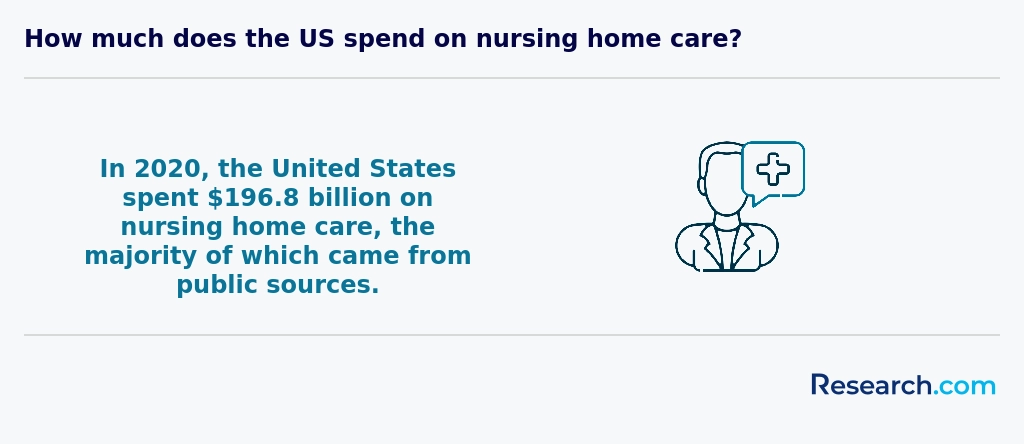
When considering nursing programs in Fairfax, VA, one crucial aspect to investigate is the cost of attending these institutions. Prospective students should look into not only the tuition fees but also the availability of financial aid, scholarships, and grants that can help offset these costs. For instance, researching the cheapest nursing schools in Virginia can provide valuable insights into affordable options. Understanding the financial implications of pursuing a nursing degree is essential, as it can significantly impact one's ability to complete the program and achieve their career goals. By exploring the various costs associated with nursing education and the resources available to mitigate them, students can make informed decisions that align with their financial situation and aspirations.
Imagine navigating the intricate dance of the human body through Anatomy and Physiology, where every heartbeat and breath feels like a secret unlocked by students at Fairfax's top nursing colleges. One graduate recalls tracing nerves and muscles on live models, sparking a newfound respect for the body's complexity. Meanwhile, Microbiology transforms invisible foes-bacteria and viruses-into tangible challenges, prepping students to become guardians of health.
In classrooms and bustling hospital wings, Pharmacology introduces the chemistry of care, where dosing precision can mean the difference between recovery and setback. The vibrant stories of graduates illustrate how Pathophysiology turns textbook diseases into real-life puzzles: understanding the body's battle against illness adds meaning to each clinical rotation.
Courses like Nursing Fundamentals and Health Assessment shape confident caregivers, ready to perform assessments and interventions with skillful empathy. Through hands-on practice in Fairfax hospitals, students learn to read a patient's story through physical signs and history.
Specialized fields such as Medical-Surgical Nursing and Maternal and Child Health Nursing deepen this expertise, with graduates often recalling moments of triumph comforting a newborn or managing complex adult care. The emotional intelligence nurtured in Mental Health Nursing rounds out the spectrum, empowering nurses to support not just bodies, but minds too.
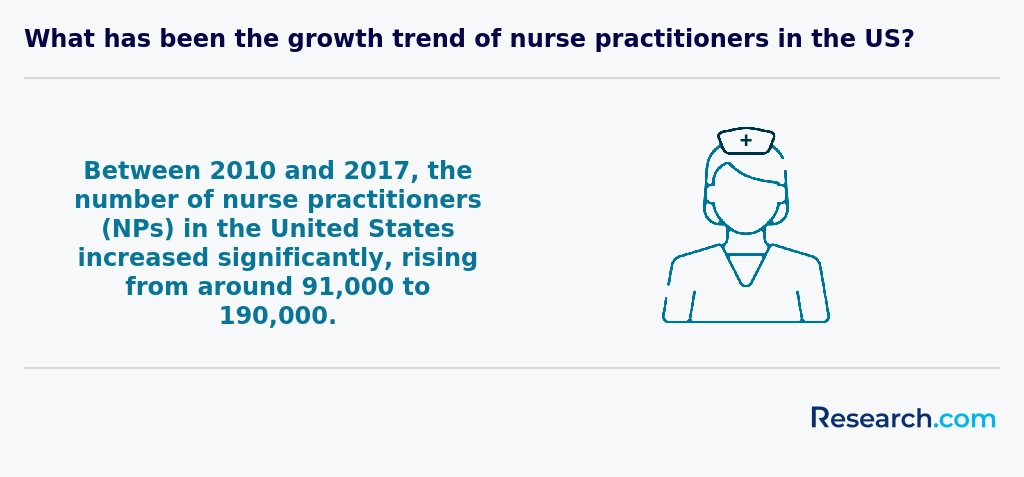
Diving into nursing degree specializations in Fairfax feels like stepping into a vibrant mosaic of care-where each tile represents a unique path. Graduates from popular universities here often share how the Registered Nurse (RN) to Bachelor of Science in Nursing (BSN) transition unlocked leadership roles and broadened their clinical expertise. Imagine caring for little ones as a Pediatric Nurse or embracing the rewarding challenge of critical care, where adrenaline meets compassion in emergency rooms and ICUs. The best nursing specializations Fairfax 2027 spotlight include areas such as Psychiatric and Mental Health Nursing, addressing vital behavioral health needs, and Geriatric Nursing, where patience and empathy bloom amidst elder care.
At Fairfax's colleges, flexibility reigns, and students often recount how community-focused tracks like Public Health Nursing thrived alongside busy schedules. For those inspired by a blend of nursing and primary care, Family Nurse Practitioner (FNP) roles beckon-with many exploring nurse practitioner degrees tennessee admission requirements for broader horizons. The journey is as dynamic as Fairfax itself, weaving professional growth with heartfelt service.
Imagine standing at a crossroads in Fairfax, where choosing the best nursing degree feels like navigating a vibrant maze. Many graduates from popular local colleges swear by the hybrid BSN programs blending online lectures with real hospital floors. This approach sparks confidence - balancing study and shifts, immersing in hands-on care while decoding complex theory from home. For those seeking affordable nursing degree programs in Fairfax, community colleges offer a practical launchpad with tuition below $10,000, proving that quality care training doesn't always demand a hefty price.
Think of a recent graduate who landed a job swiftly after completing a BSN enriched by deep clinical partnerships with nearby healthcare centers. Their secret? Researching NCLEX-RN pass rates and graduation statistics gave them tangible proof of a program's strength beyond fancy brochures. These insights illuminate your path far better than blind faith.
For future nurses pondering advanced steps, exploring nurse practitioner programs in california cost adds perspective on investment versus reward, blending ambition with clear-eyed planning.
When vetting the best nursing schools Fairfax VA offers, envision yourself thriving where faculty expertise shines and student support blooms-not just chasing credentials but crafting your unique care story.

Graduates from Fairfax nursing programs often jumpstart their careers as registered nurses in bustling hospitals or community clinics, where the fast-paced environment sharpens skills and nurtures empathy. Imagine a freshly minted RN from a popular Fairfax college confidently managing patient care in a local Inova Health System unit, balancing life-saving instincts with heartfelt support. For those craving deeper specialization, paths like critical care, pediatric, or oncology nursing unfold exciting challenges, blending advanced certifications with meaningful impact on vulnerable populations.
Some graduates discover joy in shaping the next wave of caregivers by stepping into nursing education roles at Fairfax's community colleges and universities, inspiring students with lessons drawn from real-world healthcare dramas. Others channel their passion into healthcare administration or public health, orchestrating patient care teams or launching community health programs with the Fairfax County Health Department. The dynamic nursing career opportunities in Fairfax allow graduates to align their skills with their values, all while envisioning bright futures fueled by accelerated online programs for professionals.
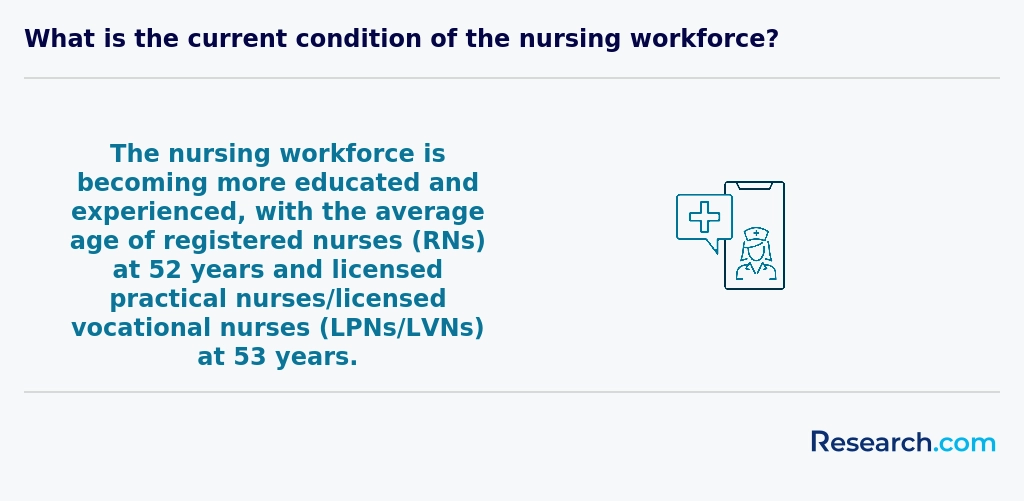
The nursing job outlook in Fairfax bursts with promise, fueled by a vibrant healthcare scene intertwined with the Washington D.C. metro area's energy. Graduates from local colleges, immersed in hands-on training at renowned institutions, find themselves welcomed by Inova Health System and other major employers eager to embrace their skills. Many recall their first days, stepping confidently into outpatient clinics or public health roles, where the blend of community care and advanced nursing techniques feels both challenging and rewarding.
Fairfax's nursing grads cherish stories of quick career leaps, propelled by the high demand for specialized nurses in home health and school systems. The healthcare employment opportunities Fairfax offers aren't just numbers-they translate into real-life adventures in patient care, growth, and meaningful impact. For those exploring the healthcare landscape in Washington, Fairfax represents a fertile ground for turning a nursing degree into a fulfilling, prosperous journey.
2027 Most Affordable Nursing Degree Programs Ranking in Fairfax
Investing in your education is a significant decision that can shape your future, and the Research.com team understands the importance of making informed choices. To assist prospective students in Fairfax, we have meticulously crafted the "2027 Most Affordable Nursing Degree Programs Ranking in Fairfax." Our commitment to quality, credibility, and accuracy is reflected in the extensive research and analysis conducted to compile this ranking.
We utilized the following reputable data sources to ensure a comprehensive evaluation of nursing degree programs:
By exploring this ranking, readers will gain valuable insights into the most affordable nursing degree options in Fairfax, empowering them to make well-informed educational decisions. For more details on our methodology, please visit our Research.com methodology page.

Frequently Asked Questions About nursing
Nursing degree students in Fairfax can enhance their learning by engaging actively in clinical rotations offered by nearby healthcare facilities such as Inova Health System. These practical experiences provide direct patient care skills essential for nursing practice. According to the Virginia Board of Nursing, Fairfax students benefit from diverse clinical settings, improving adaptability and competence.
Students should also participate in simulation labs, which replicate real-life medical scenarios to refine decision-making and critical thinking. Joining nursing student organizations or study groups encourages peer learning and networking, crucial for professional growth.
Additionally, Fairfax students are advised to utilize academic support services and seek mentorship from experienced faculty to deepen their understanding of complex subjects.
Nursing is evolving rapidly, and several new specialties are gaining importance in Fairfax and across the United States. One growing niche is geriatric nursing, driven by an aging population that requires specialized care. Additionally, mental health nursing is expanding as awareness and demand for behavioral health services increase. Another emerging field is informatics nursing, which combines nursing with information technology to improve patient outcomes through electronic health records and data analysis.
According to the Fairfax County Health Department, demand for these specialized nurses is expected to grow by over 20% in the next decade. These niches offer promising career opportunities for nursing students looking to address specific community needs.
After completing a nursing degree in Fairfax, preparing for the job market involves several key steps. First, obtaining licensure through the National Council Licensure Examination (NCLEX-RN) is essential to practice as a registered nurse in Virginia.
Networking through local healthcare facilities and nursing associations, such as the Virginia Nurses Association, can increase job opportunities. Fairfax has a growing healthcare sector, with the Bureau of Labor Statistics projecting a 12% increase in registered nurse jobs statewide by 2031.
Additionally, gaining relevant clinical experience during internships or volunteer work in Fairfax-area hospitals improves employment prospects.
Continuing education and specialized certifications in areas like gerontology or pediatrics may enhance competitiveness in this evolving job market.
Employers in Fairfax highly value nursing graduates who demonstrate strong clinical skills and critical thinking. According to the Virginia Board of Nursing, proficiency in patient assessment, medication administration, and infection control ranks among the most essential practical skills.
Communication skills are also pivotal. Effective interaction with patients and healthcare teams improves care quality and patient satisfaction. Fairfax healthcare employers, like those at Inova Health System, emphasize teamwork and cultural competency as key attributes.
Additionally, adaptability and familiarity with electronic health records (EHR) systems are increasingly important. The U.S. Bureau of Labor Statistics notes that ongoing technological changes require nurses to be comfortable with digital tools.
Overall, graduates must combine clinical expertise with interpersonal and tech skills to meet Fairfax's healthcare demands.
Finding nursing internships in Fairfax begins with exploring local healthcare facilities such as Inova Health System, one of the largest employers in the region. These hospitals and clinics often offer structured clinical internships or externships for nursing students. Contacting Fairfax-area community colleges and universities with nursing programs can also provide leads, as many institutions maintain partnerships with medical centers to facilitate student placements.
Additionally, students should utilize resources such as the Virginia Nurses Association and local workforce boards, which sometimes list internship opportunities. Online platforms specific to healthcare jobs, like Handshake or Indeed, can be filtered geographically for Fairfax internships.
It is advisable to apply early and prepare a professional resume highlighting relevant coursework, certifications, and any volunteer experience. Nursing internships typically range from 8 to 12 weeks, providing essential hands-on training required by the Virginia Board of Nursing for licensure purposes.
Obtaining a nursing degree in Fairfax significantly enhances career mobility and advancement opportunities within the local healthcare sector. The demand for qualified nurses in Fairfax is growing, driven by a rising population and expanding healthcare facilities. According to the Virginia Employment Commission, registered nurses in Fairfax earn a median annual wage above the state average, reflecting high value placed on formal education.
With a nursing degree, professionals become eligible for licensure and specialized certifications, which are critical for career growth. Advanced degrees, such as a Bachelor of Science in Nursing (BSN) or higher, provide pathways to leadership roles and specialized clinical positions.
Employers in Fairfax prioritize candidates with accredited nursing degrees, increasing the likelihood of job placement and promotion. Continued education also aligns with state regulations requiring ongoing professional development to maintain licensure.
Studying for a nursing degree in Fairfax equips students with essential skills to work effectively in interdisciplinary healthcare teams. Programs emphasize collaboration with professionals such as physicians, pharmacists, social workers, and therapists. This approach reflects the growing trend in healthcare where coordinated care improves patient outcomes.
Many Fairfax nursing programs include simulation labs and clinical rotations in diverse settings, allowing students to practice communication and teamwork in real-world environments. According to the Virginia Department of Health Professions, interdisciplinary training in Fairfax hospitals contributes to a 15% improvement in care coordination metrics.
Moreover, nursing curricula in Fairfax integrate courses on healthcare policy, ethics, and informatics, fostering a broad understanding of the healthcare system. This preparation aligns with national recommendations by the American Association of Colleges of Nursing to enhance interdisciplinary competencies in nursing graduates.
Choosing between a thesis and a non-thesis nursing degree program in Fairfax depends largely on your career goals and learning preferences. Thesis programs typically involve extensive research, preparing students for roles in nursing education, research, or advanced clinical practice.
Non-thesis options focus more on practical skills and coursework, ideal for those aiming to enter or advance in clinical settings without committing to research.
Data from the Virginia Department of Education shows that Fairfax nursing graduates often pursue advanced practice roles, making thesis programs valuable for some. However, nearly 60% of nursing professionals in Fairfax prioritize hands-on experience, reflecting a demand for non-thesis graduates.
Consider your aspirations, time commitment, and faculty expertise when deciding.
Students based in Fairfax who wish to study nursing abroad have several pathways within the US higher education framework. Many Fairfax community colleges and universities, such as Northern Virginia Community College (NOVA), offer study abroad programs or partnerships with international nursing schools, facilitating global clinical experiences.
Options include semester-long exchanges or summer practicums in countries with established nursing education systems. These programs often complement Bachelor of Science in Nursing (BSN) degrees and provide exposure to diverse healthcare environments.
According to the National Student Clearinghouse, participation in study abroad programs among nursing students has steadily increased, reflecting a growing interest in global health competencies. Fairfax students should consult their academic advisors early to align abroad opportunities with licensure requirements from the Virginia Board of Nursing.
Part-time job opportunities in Fairfax that complement nursing degree education often involve clinical support and patient care roles. Positions such as certified nursing assistants (CNAs), medical scribes, or home health aides allow students to gain practical experience while pursuing their studies. Fairfax Health District data shows a rising demand for CNAs, with employment growth projected at 8% through 2030, aligning well with nursing career paths.
Working in local hospitals like Inova Fairfax Medical Campus provides both flexible hours and exposure to various medical settings. Additionally, roles in outpatient clinics and eldercare facilities help develop communication and clinical skills crucial for nurses.
Nursing students in Fairfax benefit from a variety of networking opportunities that support their professional growth. Local colleges often host events connecting students with healthcare professionals and alumni working in Northern Virginia's hospitals. The Fairfax County Health Department frequently collaborates with educational institutions to provide seminars and workshops.
The Virginia Nurses Association (VNA) has an active chapter near Fairfax, offering nursing students chances to attend conferences, local meetings, and mentorship programs. These events enable students to build relationships with experienced nurses and potential employers.
In addition, clinical placements in Fairfax-area healthcare facilities like Inova Health System allow students to network directly with frontline medical staff, which enhances job prospects after graduation. According to the Virginia Center for Nursing, such connections significantly impact early career success in the region.
Alumni networks play a crucial role for nursing degree students in Fairfax by providing valuable professional connections and mentorship opportunities. These networks often connect recent graduates with experienced nurses working in local hospitals such as Inova Health System, enhancing career prospects.
Studies have shown that students involved in active alumni groups have up to a 30% higher job placement rate within six months of graduation. Alumni events also offer access to workshops, continuing education, and job fairs tailored to the healthcare sector in Northern Virginia.
Moreover, alumni networks facilitate knowledge sharing about licensing requirements and provide guidance on passing the NCLEX-RN exam, essential for nursing practice in Fairfax and the broader U.S.
Customizing a nursing degree program in Fairfax involves selecting coursework and clinical experiences aligned with your career goals. Many local institutions offer specializations such as pediatric, geriatric, or psychiatric nursing, allowing you to focus on areas of interest. Fairfax students may also benefit from partnerships between colleges and nearby hospitals for practical training tailored to specific fields.
Elective courses and certificate options can enhance skills in leadership, informatics, or community health, making graduates more competitive. According to the Virginia Nurses Association, 65% of nursing students in the region choose programs with flexible schedules or online components to balance work and study.
Advisors in Fairfax nursing schools often assist in planning personalized degree paths to meet licensure requirements and career ambitions.
Nursing students in Fairfax commonly face several challenges typical of rigorous healthcare programs within the US education system. One major obstacle is managing the demanding coursework alongside clinical rotations. According to data from the Virginia Board of Nursing, approximately 30% of nursing students in the state report stress related to balancing study and hands-on training.
Additionally, the cost of education tends to be a concern, as Fairfax's proximity to Washington, D.C., brings higher living expenses. Students often struggle with financial burdens despite available scholarships and state grants.
Time management is another critical challenge, especially for those working part-time or caring for family. The intensive nature of nursing programs requires strong organizational skills to succeed.
Graduates with a nursing degree in Fairfax can pursue several professional certifications to advance their careers and specialize their skills. Common certifications include the Certified Nurse Practitioner (CNP), Certified Registered Nurse Anesthetist (CRNA), and Certified Nurse Midwife (CNM). These certifications require additional clinical experience and passing national exams.
Additionally, Fairfax nurses often seek specialty certifications like Medical-Surgical Nursing (CMSRN) or Pediatric Nursing (CPN), which enhance job prospects in hospitals and clinics. According to the American Nurses Credentialing Center, over 70,000 nurses hold specialty certification nationwide, reflecting its value in the job market.
Obtaining these credentials can increase salary potential and improve patient care quality, important considerations for Fairfax nursing professionals. Certifications typically require renewal every few years, ensuring skills stay current.
Writing a winning application for a nursing program in Fairfax starts with understanding the competitive nature of these programs. Fairfax's nursing schools, such as those affiliated with George Mason University, typically require a strong academic record, especially in science courses like biology and chemistry. Applicants should aim for a GPA above 3.0 to be competitive.
In addition to grades, experience in healthcare settings, such as volunteering or working as a certified nursing assistant, strengthens the application. Fairfax programs often look for candidates demonstrating commitment and practical skills.
Crafting a clear, concise personal statement that explains your motivation for nursing and your career goals is essential. Including specific examples of your teamwork and problem-solving skills can make your application stand out.
Lastly, be sure to meet all application deadlines and submit all required documents, including recommendation letters, as Fairfax nursing programs are highly organized and detail-oriented. According to the Virginia Board of Nursing, these steps improve your chances of admission.
The nursing profession holds significant global importance, with many countries experiencing a continuous demand for qualified nurses. Within the United States, including Fairfax, nursing is recognized as a growing field due to an aging population and expanding healthcare needs.
Globally, nursing careers emphasize adaptability to diverse healthcare environments and cultural competence, skills increasingly integrated into US nursing programs. Fairfax nursing schools align with these trends by incorporating evidence-based practices and international health perspectives.
According to the Bureau of Labor Statistics, registered nursing jobs in Virginia are projected to grow 12% by 2030, reflecting strong local demand. This growth offers Fairfax nursing students opportunities to work domestically or explore global health roles supported by US education standards.
Gaining practical experience while studying for a nursing degree in Fairfax is vital for career readiness. Many nursing programs here integrate clinical rotations directly into their curriculum, allowing students to work in local hospitals, clinics, and long-term care facilities. These placements offer hands-on experience under supervision, complementing classroom learning.
Additionally, Fairfax schools often collaborate with healthcare providers such as Inova Health and Reston Hospital Center, known for strong clinical training opportunities. Some programs also support internships and externships that enhance students' real-world skills. According to the Virginia Board of Nursing, experiential learning improves licensing exam pass rates and employment outcomes for Fairfax nursing students.
Choosing the right concentration within a nursing degree program in Fairfax depends on your career goals and the local healthcare landscape. Fairfax offers various specialties, including pediatric, geriatric, and psychiatric nursing, reflecting regional healthcare needs reported by the Virginia Department of Health. Consider the demand for nurses in specific fields: for example, Fairfax County's aging population increases opportunities in geriatric care. Reviewing program curricula at local institutions is important to ensure they align with your interests and offer clinical experiences in your chosen concentration. National data from the Bureau of Labor Statistics shows high growth in specialized nursing roles, which is relevant locally.
Assess whether programs prepare you for required certifications in your concentration. Accreditation by the Commission on Collegiate Nursing Education (CCNE) ensures quality education recognized by employers. Networking with Fairfax-area healthcare providers and professionals can provide insight into which nursing roles are in demand. Lastly, reflect on your passion and strengths, as these will sustain your motivation and success in the program and your nursing career.
- 2027 Most Affordable Nursing Degree Programs Ranking in Washington
- 2027 Most Affordable Nursing Degree Programs Ranking in Baltimore
- 2027 Most Affordable Nursing Degree Programs Ranking in Harrisonburg
- 2027 Most Affordable Nursing Degree Programs Ranking in Lynchburg
- 2027 Most Affordable Nursing Degree Programs Ranking in Virginia Beach
- 2027 Most Affordable Nursing Degree Programs Ranking in Pittsburgh
- 2027 Most Affordable Nursing Degree Programs Ranking in New York
- 2027 Most Affordable Nursing Degree Programs Ranking in Cleveland
- 2027 Most Affordable Nursing Degree Programs Ranking in Rochester
- 2027 Most Affordable Nursing Degree Programs Ranking in Detroit
See What Experts Have To Say About Studying Nursing
Read our interview with Nursing experts


- From our readers…Strengthening nursing networks https://www.myamericannurse.com/from-our-readersstrengthening-nursing-networks/
- Public Health Nursing https://www.fairfaxcounty.gov/health/public-health-nursing
- Complete Guide to Mastering Virginia Nursing Prerequisites https://www.prereqcourses.com/mastering-virginia-nursing-prerequisites/
- The Nurses' Alumni Association https://giving.mainlinehealth.org/get-involved/auxiliaries-and-womens-boards/lankenau-medical-center-womens-board/the-nurses-alumni-association
- Exploring Diverse Nursing Career Horizons - N2S Healthcare Blog https://n2shealthcare.com/blog/exploring-diverse-nursing-career-horizons-n2s-healthcare-blog
- Nursing no longer a professional degree under Trump’s Education Department https://virginiaindependentnews.com/education/nursing-no-longer-a-professional-degree-under-trumps-education-department/
- Types of Nursing Careers & Specialties https://nursinglicensemap.com/nursing-specialties/
- Tips for Creating a Perfect Nursing School Application https://www.allnursingschools.com/articles/how-to-create-the-perfect-nursing-school-application/
- How Do Nurses Navigate Career Advancement? | NursingEducation https://nursingeducation.org/insights/career-advancement/
- What Are the Best Jobs to Work While in Nursing School? https://www.dewv.edu/what-are-the-best-jobs-to-work-while-in-nursing-school/


