
2027 Most Affordable Nursing Degree Programs Ranking in Buffalo

Co-Founder and Chief Data Scientist
Choosing the right nursing degree program in Buffalo can feel overwhelming, especially when balancing costs and quality. This article introduces the 2027 Most Affordable Nursing Degree Programs Ranking in Buffalo, created by the Research.com team of data scientists. It's designed to help you make an informed choice by highlighting affordable options without sacrificing education value.
Whether you're starting your nursing journey or advancing your career, this guide offers practical insights to support your goals. A nursing degree opens doors to rewarding opportunities and lasting impact in healthcare. Let's explore the best affordable programs that fit your path and budget.
Key benefits of getting nursing degree in Buffalo
- Salary for nursing degree graduates: Registered Nurses and Public Health Nurses in Buffalo can expect a mean annual wage of $94,480, while Operating Room Nurses earn a higher mean salary of $128,490, offering strong financial stability.
- Career paths: Graduates from Buffalo's top nursing programs often find rewarding careers in diverse fields such as emergency room nursing, clinical education, and public health, providing numerous opportunities to grow and specialize.
- Online nursing degrees: Earning a nursing degree online from a respected Buffalo university offers flexibility and convenience, allowing students to balance work and study while accessing quality education from home.
- 2027 Most Affordable Nursing Degree Programs Ranking in Buffalo
- What can I expect from nursing degree in Buffalo?
- Where can I work with nursing degree in Buffalo?
What can I expect from nursing degree in Buffalo?
The average cost of a nursing degree in Buffalo varies depending on the level of education and institution chosen but remains a worthwhile investment in a rewarding career. For example, students pursuing an Associate Degree in Nursing (ADN) at Erie Community College often find tuition costs more affordable, typically around $6,000 to $8,000 per year, making it a practical option for those eager to enter the nursing workforce quickly.
Graduates from bachelor's programs at the University at Buffalo or D'Youville University experience a deeper commitment, with tuition for a Bachelor of Science in Nursing (BSN) generally ranging between $10,000 and $15,000 annually. Many find this investment empowering, opening doors to advanced careers and greater earnings.
For those advancing to graduate degrees, such as the Master of Science in Nursing (MSN) or Doctor of Nursing Practice (DNP) at the University at Buffalo, tuition can be higher but is balanced by comprehensive clinical training and strong support networks. Students often describe this journey as transformational, embracing demanding yet inspiring challenges that prepare them to lead Buffalo's healthcare future.
Where can I work with nursing degree in Buffalo?
Graduates with a nursing degree in Buffalo step into a city bustling with rewarding career paths. Many find fulfilling roles within the Kaleida Health system, working at vibrant hospitals like Buffalo General Medical Center, where hands-on experience in medical-surgical and emergency nursing brings their skills to life. Others thrive at Erie County Medical Center, a leader in trauma and specialized care, embracing challenges in surgical, psychiatric, or neonatal nursing.
Buffalo's nursing graduates often share how rewarding it feels to support elders in skilled nursing facilities or rehabilitation centers, making genuine daily impacts through compassionate care. For those eager to embrace community connections, jobs in public health agencies offer meaningful opportunities to shape preventive health and education programs across Erie County.
Many graduates from SUNY Buffalo State or D'Youville University cherish their roles in home healthcare, where personal patient interactions brighten recovery journeys. Additionally, some return to academia, inspiring the next generation of nurses through teaching and research. Buffalo's nursing degree truly opens doors to diverse, impactful careers filled with purpose and opportunity.
Graduates with nursing degrees from well-regarded institutions like the University at Buffalo or D'Youville College often find rewarding careers with competitive salaries in Buffalo's healthcare landscape. Registered Nurses typically earn a mean annual wage of around $94,480, reflecting both entry-level roles and experienced positions in hospitals or clinics across the city.
Many nursing graduates enjoy inspiring career growth by advancing into specialized roles. For instance, Operating Room Nurses in Buffalo can earn impressive salaries averaging about $128,490 per year. This significant increase highlights the value of additional training and certifications, which local nursing graduates eagerly pursue to elevate their careers.
The hands-on experiences that nursing students gain through Buffalo's dynamic healthcare system prepare them well for these positions. Graduates often share how their clinical rotations in busy hospitals translate directly into confidence and competence, empowering them to deliver exceptional care and earn strong compensation.
The supportive community and moderate living costs in Buffalo further enhance nurses' quality of life, making a nursing degree here not just a path to a job but to a fulfilling and financially stable future.
- Buffalo offers nursing programs from Associate Degrees in Nursing (ADN) to Bachelor of Science in Nursing (BSN) at both undergraduate and graduate levels.
- Annual tuition for nursing programs ranges from $7,000 to $15,000 at public and community colleges, while private schools often charge over $20,000 per year.
- New nursing graduates in Buffalo start with salaries between $55,000 and $65,000, with experienced nurses earning $75,000 to $85,000 annually.
- The local job market is growing, with high demand for registered nurses in hospitals, outpatient clinics, and long-term care centers.
- Licensing requires passing the NCLEX-RN exam, and most programs in Buffalo include NCLEX preparation within their curriculum.
Completing a nursing degree in Buffalo can fit many lifestyles and ambitions, making your dream of becoming a nurse truly achievable. Many students start with an Associate Degree in Nursing (ADN) at Erie Community College, finishing in just about two years. This path gets graduates into the workforce quickly, ready to make a difference.
Others choose a Bachelor of Science in Nursing (BSN) at the University at Buffalo, embracing a comprehensive four-year journey that opens doors to advanced roles and exciting career growth. Graduates often share how the blend of rigorous learning and community support helped them thrive.
For those who already earned a bachelor's degree elsewhere, the accelerated BSN program offers an inspiring 12 to 18 months of focused study, speeding the path to a fulfilling nursing career. Clinical hours, ranging from 500 to over 1,000, provide hands-on experience that builds confidence and readiness for real-world nursing.
Buffalo's nursing programs mix dedication with opportunity, encouraging students to soar and prepare for meaningful work that impacts lives every day.
Prospective students aiming for a nursing program in Buffalo, NY, must navigate a clearly defined application process and adhere to key deadlines to secure admission. Below is a step-by-step guide to help you stay on track: 1. Research Programs Early (January–March) - Review program prerequisites, NCLEX pass rates, and accreditation status. - Compare curricula and clinical placement opportunities to match your career goals. 2. Gather Required Materials (March–May) - Official transcripts from all post-secondary institutions. - TEAS or HESI exam scores, if required by your chosen school. - Letters of recommendation from academic or professional references. - A well-crafted personal statement highlighting your passion for nursing. 3. Submit the Online Application (May–July) - Complete the institution’s application portal, double-checking for accuracy. - Pay any non-refundable application fees. - Upload supporting documents well before the July 1 deadline for fall entry. 4. Attend Information Sessions and Interviews (June–August) - Participate in virtual or on-campus info sessions to ask questions and meet faculty. - Prepare for panel interviews by reviewing common nursing scenarios and ethical case studies. 5. Financial Aid and Scholarship Deadlines (June–August) - File the FAFSA by June 30 to maximize eligibility for federal grants and loans. - Apply separately for institutional scholarships, such as the Nurse Scholars Fund at local colleges. 6. Admission Decisions and Next Steps (August–September) - Expect conditional offers by mid-August; confirm your intent by submitting a seat deposit. - Attend orientation and complete any required health screenings and background checks. Tip: If you’re considering advanced practice roles beyond Buffalo, explore the best rated nurse practitioner in texas program to compare specialized pathways and application timelines.
Choosing between an online and on-campus nursing degree in Buffalo opens doors to exciting learning paths tailored to your lifestyle. Online programs at institutions like the University at Buffalo offer the freedom to study from anywhere, perfect for those balancing work or family commitments. Graduates often share how this flexibility empowered them to manage their time efficiently while pursuing their passion for nursing.
On the other hand, on-campus nursing students at schools such as D'Youville College enjoy vibrant face-to-face interactions during lectures and hands-on labs, building strong connections with peers and mentors. Many find that the immersive campus environment nurtures motivation and offers immediate support through tutoring and counseling services.
No matter the format, Buffalo nursing programs prioritize authentic clinical experiences in local hospitals, ensuring you gain invaluable skills required for licensure. This blend of flexibility, community, and practical training makes nursing education here an inspiring journey tailored to your unique goals.
When pursuing a nursing degree, considering affordable nursing programs is crucial for managing educational expenses and minimizing debt. Prospective students in Buffalo, NY, can benefit from exploring cost-effective options that do not compromise on quality education. For instance, researching the cheapest nursing programs in New York can provide valuable insights into institutions that offer a balance between affordability and academic excellence. By evaluating factors such as tuition fees, program lengths, and available financial aid, students can make informed decisions about their nursing education. Affordable nursing programs not only reduce financial stress but also open up opportunities for students to focus on their studies, gain practical experience, and build a successful career in nursing. Furthermore, institutions that prioritize affordability often have strong connections with local healthcare facilities, enhancing job placement rates for graduates. Therefore, considering affordable nursing programs is a strategic step towards achieving career goals in the nursing profession.
The average nursing degree cost in Buffalo is shaped by a variety of factors including whether you attend a public or private institution and your residency status. For in-state students, the median total cost is approximately $20,640, making nursing education in Buffalo accessible and a smart investment in your future. Graduates from SUNY Erie Community College and the University at Buffalo often share how manageable tuition fees, paired with the vibrant local support, helped them pursue their passion without excessive financial strain. Many recall balancing hands-on clinical experiences with the affordability of their programs, which created a strong foundation for their nursing careers.
For students coming from out of state, the financial commitment rises, with a median total cost around $49,340. Yet even at this level, many find Buffalo's nursing programs provide excellent value through quality instruction and rich clinical opportunities. The city's commitment to nurturing nurses shines through in the tailored scholarships and grants that can ease these costs. If you're looking for affordable nursing programs Buffalo tuition fees reflect a landscape that respects both ambition and practicality, allowing diverse students to flourish and build rewarding careers.
Additionally, it's important to consider extra expenses such as uniforms, textbooks, and clinical fees that contribute to the overall investment but also enhance your learning experience. To explore more about cost-effective pathways and scholarships, check out the cheapest nursing programs in New York that many Buffalo students recommend as excellent starting points toward fulfilling their nursing dreams.

Starting early and staying organized ensures you meet all requirements and deadlines:
- Research programs: Compare affordable, accredited schools-including community colleges, SUNY, and private institutions. Find more options on our site, like the best nursing school in texas.
- Verify prerequisites: Confirm completion of core courses (Anatomy, Physiology, Microbiology, Chemistry, Psychology, Sociology) with a minimum 2.0 GPA.
- Schedule TEAS test: Register early for the ATI TEAS exam and aim for a competitive score (60%+).
- Prepare documentation: Gather transcripts, letters of recommendation, proof of immunizations, and résumés.
- Submit applications: Use school-specific portals before typical deadlines (January–March for fall admission).
- Interview and follow up: Practice common nursing interview questions, and check application status regularly.
Nursing students in Buffalo find plenty of financial support to help make their dreams a reality. Graduates from the State University of New York at Buffalo often recall how the Pell Grant, which can cover up to $7,395 annually, provided crucial relief during tough semesters. This federal aid, accessible through the FAFSA application, opens doors to grants, loans, and work-study programs that ease the burden of tuition costs.
Many students also benefit from scholarships offered by local organizations like the New York State Nurses Association. These scholarships not only reduce financial stress but also inspire a sense of community and commitment. Healthcare partners in Buffalo sometimes provide tuition reimbursement, creating opportunities for students to gain valuable work experience while studying.
Loan forgiveness programs, such as the Nurse Corps Loan Repayment Program, motivate graduates to serve in local critical shortage facilities by repaying a large portion of their education loans-turning ambition into a rewarding career path.
Local grants from initiatives like the Buffalo Promise Neighborhood are another beacon of hope for underrepresented students, showing that support is truly within reach in this vibrant city.
Understanding the true value of a nursing degree involves more than just comparing tuition sticker prices-it’s about balancing educational investment against long-term earning potential. In Buffalo, the average cost for a Bachelor of Science in Nursing (BSN) ranges from $89,556 to $211,392, while Associate Degree in Nursing (ADN) programs typically cost between $23,900 and $66,320. With entry-level Registered Nurses earning about $89,010 annually (and Operating Room Nurses averaging $124,680), most graduates recoup their tuition in as little as one to three years. Key factors influencing ROI:
- Debt-to-Income Ratio: Graduates with ADN debt of $40,000 can expect to repay loans within 2–3 years at a $42.80/hour wage; BSN graduates carrying $100,000 may need 3–5 years.
- Specializations: Advanced certifications (e.g., Nurse Practitioner or CRNA) can boost salaries by 30–80%, shortening payback periods significantly.
- Online vs. On-campus: Hybrid or fully online pathways often reduce indirect costs like housing; exploring Inexpensive Online Master’s in Nursing Degree Programs can further optimize affordability for MSN aspirants.
- Scholarships & Aid: Leveraging state programs (TAP, APTS) and nursing-specific scholarships can cut loan burdens by 20–50%, enhancing net ROI. Return on investment isn’t static-maintaining strong clinical performance, pursuing employer tuition-reimbursement, and aligning with high-demand specializations (e.g., Family Nurse Practitioner, Psychiatric Mental Health Nurse Practitioner) can all accelerate career earnings and maximize the value of your Buffalo nursing education.
To embark on a nursing degree journey in Buffalo, you'll need a solid foundation, starting with a high school diploma or GED. Graduates from the University at Buffalo often recall how their strong background in biology, chemistry, and math gave them the confidence to tackle rigorous nursing coursework. These prerequisite classes prepare you not only academically but also mentally for the meaningful challenges ahead.
Many nursing programs here ask for standardized test scores, like the SAT or ACT, depending on the program, while some appreciate previous college credits or associate degrees. Healthcare experience, whether volunteering or working, is highly valued and helps you connect theory with real patient care-graduates often share how these experiences fueled their passion for nursing in Buffalo's diverse clinical settings.
Additionally, Buffalo programs require background checks and immunizations to ensure everyone's safety. Maintaining a competitive GPA-usually around 3.0-and passing placement tests for English and math showcase your readiness to thrive in this rewarding field.
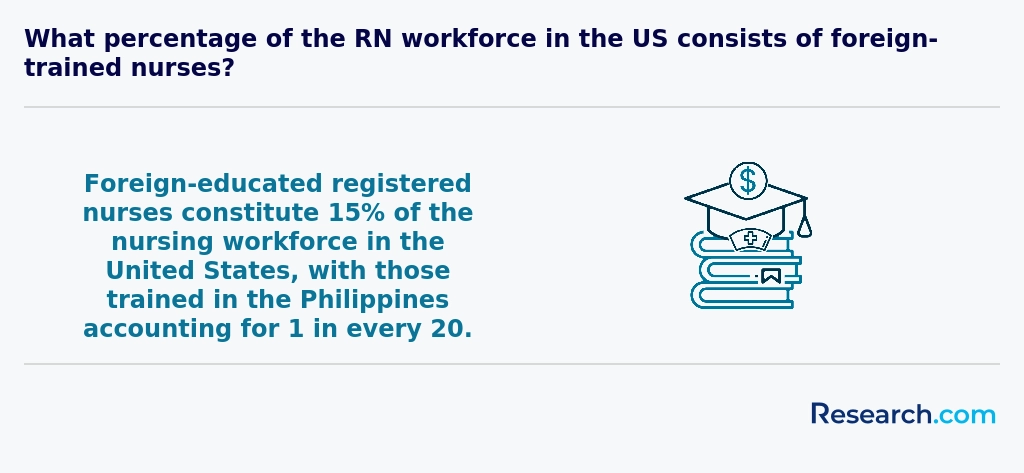
After completing your nursing program, the next critical step is obtaining licensure through the New York State Education Department (NYSED) and passing the NCLEX-RN exam. Most programs require official transcripts, proof of graduation from an accredited nursing school, and a completed application to NYSED’s Office of the Professions. Be prepared for a criminal background check and fingerprinting as part of your licensure packet. Preparing for the NCLEX-RN involves meeting eligibility standards set by your institution’s accreditation body and demonstrating competency in core nursing domains-such as safe patient care, pharmacology, and clinical judgment. Many graduates recommend enrolling in a dedicated NCLEX review course or leveraging practice exams offered by organizations like the National Council of State Boards of Nursing (NCSBN). High first-time pass rates can greatly enhance your employability and confidence. Once you hold an active RN license, consider advancing your credentials through bridge programs. For RNs aiming to complete a Bachelor of Science in Nursing efficiently, the easiest rn to bsn program offers flexible online coursework designed to fit around shift schedules and family commitments. Earning a BSN not only satisfies the growing employer preference for baccalaureate-prepared nurses but also lays the groundwork for advanced practice certifications, such as Nurse Practitioner (NP), Clinical Nurse Specialist (CNS), or Nurse Anesthetist (CRNA). Maintaining your license in New York requires fulfilling continuing education (CE) requirements every three years. NYSED mandates at least three contact hours of CE in the identification and reporting of child abuse, plus one contact hour in pain management, palliative care, or end-of-life care. Tracking CE credits through accredited providers and timely renewal ensures uninterrupted practice and promotes ongoing professional development in Buffalo’s dynamic healthcare environment.
Nursing students in Buffalo dive into a rich blend of courses designed to build confidence and competence from day one. Graduates from renowned institutions like the University at Buffalo often share how foundational science classes such as anatomy, physiology, microbiology, and chemistry illuminated the intricate workings of the human body, sparking their passion for patient care.
Alongside these sciences, hands-on courses like Fundamentals of Nursing and Health Assessment empower students to master vital clinical skills. Many students find themselves inspired during classes in Adult and Pediatric Nursing Care or Mental Health Nursing, where real-life scenarios bring textbook knowledge to life.
Courses in Pharmacology, Maternity and Newborn Care, and Community and Public Health Nursing prepare learners for diverse healthcare environments. Leadership and Management classes also nurture future nurses' ability to advocate and lead with compassion and confidence.
These thoughtfully crafted courses at Buffalo's colleges connect theory to practice, helping students feel ready and excited to make a meaningful difference in their communities.
Nursing degree specializations Buffalo offers truly empower students to step confidently into rewarding healthcare roles. Graduates from well-known colleges in the city often share how programs like Registered Nurse (RN) to Bachelor of Science in Nursing (BSN) have opened doors to leadership positions and advanced clinical work. Many find purpose in the Family Nurse Practitioner (FNP) track, meeting Buffalo's community health needs with compassionate primary care. Others feel deeply connected studying Geriatric Nursing, providing vital support for the region's growing elderly population in real-world settings.
Buffalo nursing program concentration options also include Pediatric Nursing, where students gain hands-on experience caring for children across hospitals and clinics, and Psychiatric-Mental Health Nursing, addressing critical mental health care in urban communities. Acute Care Nursing prepares students for fast-paced, high-impact work in emergency and intensive care units, molding resilient and skilled professionals ready to serve.
Many students considering advanced roles explore the best rated nurse practitioner in texas program as inspiration for their path. These specializations reflect Buffalo's vibrant healthcare landscape and inspire graduates who bring heartfelt dedication into every patient's life.
Choosing the best nursing degree in Buffalo means focusing on programs that align with your goals and lifestyle. Graduates from local universities often recall how hands-on clinical experiences at Buffalo-area hospitals enriched their learning and boosted their confidence. Many found that schools offering flexible options, including part-time or hybrid classes, allowed them to successfully balance work, family, and study. Considering affordable nursing degree programs Buffalo offers is smart-universities like the University at Buffalo provide competitive in-state tuition, easing financial stress while maintaining quality education.
Look closely at a program's NCLEX-RN pass rates, as these reflect how well-prepared students are to step into nursing careers. Don't overlook the value of accreditation by CCNE or ACEN, which guarantees recognized credentials nationwide. For those ready to accelerate their nursing journey, exploring the easiest rn to bsn program can open doors to advanced opportunities with greater flexibility.
Engage with programs that prioritize partnerships with health systems in Buffalo, ensuring you gain real-world skills and connections. This thoughtful approach transforms your ambition into a fulfilling career path.

Graduates with a nursing degree in Buffalo step into a vibrant job market filled with inspiring career paths. Many start as registered nurses working in hospitals, clinics, or long-term care facilities, gaining invaluable hands-on experience as they support patient health every day. Others find fulfilling roles in home healthcare or public health nursing, making a real difference in community wellness. Buffalo's strong healthcare system, including institutions like Erie County Medical Center, offers graduates access to diverse nursing career opportunities in a city that truly values their contribution.
For those seeking to grow beyond entry-level roles, pursuing advanced degrees can open doors to becoming nurse practitioners, educators, or administrators, with competitive salaries reflecting the region's demand. Graduates from the University at Buffalo or SUNY Erie frequently share how affordable tuition and rich clinical experiences helped launch their careers. Exploring specialized tracks such as healthcare informatics or clinical research also allows nurses to innovate and lead change.
For a deeper look at affordable advanced education options, see Inexpensive Online Master's in Nursing Degree Programs, which many local students consider as they plan their next steps in nursing career opportunities in Buffalo.
The nursing job opportunities in Buffalo NY remain vibrant and encouraging for graduates, reflecting a health sector eager to welcome skilled professionals. Many alumni from local institutions, such as the University at Buffalo and D'Youville College, share stories of quickly securing fulfilling roles at prominent hospitals like Erie County Medical Center or within community health organizations. Their experiences highlight how the region's aging population and healthcare expansion create abundant openings, especially for those holding advanced qualifications.
Buffalo nursing degree employment outlook is bright, with average annual wages around $70,000 and job growth rates outpacing national averages. Graduates often find themselves contributing meaningfully in hospitals, long-term care, and outpatient services. With the growing demand for nurse practitioners, many take advantage of opportunities to pursue higher education pathways, including 1 year masters programs, to elevate their career prospects and impact.
2027 Most Affordable Nursing Degree Programs Ranking in Buffalo
Investing in your education is a significant decision that can shape your future, and the Research.com team recognizes the importance of making well-informed choices. To support prospective students in Buffalo, we have carefully developed the "2027 Most Affordable Nursing Degree Programs Ranking in Buffalo." Our dedication to quality, credibility, and accuracy is demonstrated through comprehensive research and analysis, ensuring this ranking reflects the most reliable information available.
We utilized the following reputable data sources to create an in-depth evaluation of nursing programs:
By consulting this ranking, readers will gain valuable insights into the most affordable nursing degree programs in Buffalo, enabling them to make confident and informed educational decisions. For more information on our research approach, please visit our Research.com methodology page.


Frequently Asked Questions About nursing
Nursing students in Buffalo can maximize their learning experience by actively engaging in clinical rotations offered by local hospitals such as the Erie County Medical Center and Roswell Park Comprehensive Cancer Center. These opportunities enhance practical skills by exposing students to diverse patient populations. Buffalo's educational institutions also emphasize simulation labs, where students can practice procedures in a controlled environment, improving confidence and competency.
Participating in study groups and joining nursing organizations like the Student Nurses Association of New York State (SNANYS) can expand professional networks and provide valuable resources. Additionally, Buffalo's relatively low cost of living allows students to focus more on academics and less on financial stress, positively influencing their performance. According to the New York State Education Department, Buffalo nursing programs maintain NCLEX pass rates near or above the state average, reflecting quality education.
The nursing field in Buffalo is evolving with several emerging specialties gaining importance. One notable niche is gerontological nursing, driven by the aging population in Erie County, where nearly 17% of residents are 65 or older, according to the U.S. Census Bureau. Nurses specializing in elderly care focus on chronic disease management and improving quality of life.
Another growing area is informatics nursing, combining healthcare and technology to improve patient data management. Institutions in Buffalo, like the University at Buffalo, offer programs emphasizing this field, reflecting national trends of increased demand due to digital health technologies.
Finally, community health nursing remains vital, as Buffalo has various underserved neighborhoods requiring targeted public health initiatives. This niche emphasizes preventive care and education, essential for addressing local health disparities highlighted by New York State Department of Health reports.
After completing a nursing degree in Buffalo, preparing for the job market requires strategic steps to enhance employability. Graduates should obtain their Registered Nurse (RN) license by passing the NCLEX-RN exam, a mandatory credential for practice in New York State.
Buffalo's healthcare sector is growing, with local hospitals like Erie County Medical Center and Buffalo General Medical Center frequently hiring nursing professionals. Networking through clinical internships and attending local nursing associations can provide valuable connections.
Continuing education, such as certifications in specialized areas like gerontology or critical care, can improve job prospects. According to the New York State Department of Labor, nursing jobs in the Buffalo area are projected to grow faster than average through 2030, showing strong demand.
Employers in Buffalo highly value nursing degree graduates who demonstrate strong clinical skills and critical thinking. According to the New York State Department of Labor, nursing roles in Buffalo require proficiency in patient care, medication administration, and electronic health records management. Communication skills are also essential, as nurses must effectively interact with patients, families, and healthcare teams.
Buffalo's healthcare facilities emphasize teamwork and adaptability, given the diverse patient population and evolving medical technologies. Additionally, knowledge of local healthcare regulations and cultural competence are increasingly important to meet community needs.
Recent hospital surveys indicate that 85% of employers prefer graduates with hands-on experience through internships or clinical rotations in Buffalo-area facilities.
Finding nursing internships in Buffalo involves exploring partnerships between local healthcare facilities and educational institutions. Many nursing programs in Buffalo, such as those at the University at Buffalo and Erie Community College, offer structured clinical placements as part of their curriculum. These internships allow students to gain hands-on experience in hospitals, clinics, and long-term care centers.
Buffalo is home to notable medical centers like Buffalo General Medical Center and Roswell Park Comprehensive Cancer Center, which frequently provide internship opportunities for nursing students. It is advisable to contact your nursing school's career services for updated internship listings and application deadlines.
The New York State Department of Labor also provides resources specific to healthcare internships in the region, which can be helpful to gain insight into current openings and requirements. Networking through local nursing associations such as the Western New York Chapter of the New York State Nurses Association can increase access to relevant internship information.
Obtaining a nursing degree in Buffalo significantly enhances career mobility and advancement opportunities. Nurses with formal education, such as an Associate Degree in Nursing (ADN) or a Bachelor of Science in Nursing (BSN), are in higher demand by local healthcare systems, including Erie County Medical Center and Kaleida Health. According to the New York State Department of Labor, registered nurses in Buffalo earn a median salary above the state average, reflecting strong employer preference for credentialed candidates.
Higher degrees open doors to specialized roles, leadership positions, and increased wages. For example, BSN-prepared nurses qualify more readily for management or clinical specialist positions. Additionally, Buffalo's expanding healthcare sector places a premium on advanced education to meet state and federal healthcare regulations and improve patient outcomes.
Studying for a nursing degree in Buffalo prepares students for interdisciplinary roles by emphasizing collaboration across healthcare fields. Programs in local institutions, such as the State University of New York at Buffalo, integrate coursework that combines nursing with public health, social work, and health technologies. This approach reflects the growing need for nurses who can coordinate care within diverse teams.
Buffalo's healthcare environment includes major hospitals like Kaleida Health and Roswell Park Comprehensive Cancer Center, offering clinical placements where students work alongside doctors, therapists, and other professionals. According to New York State Education Department data, such experiences improve communication skills and clinical reasoning.
Moreover, the curriculum often includes training in electronic health records and patient-centered care, crucial for functioning in interdisciplinary settings. Overall, Buffalo's nursing education fosters adaptability and teamwork, aligning with national trends prioritizing integrated healthcare delivery.
When choosing between a thesis and a non-thesis nursing degree program in Buffalo, consider your career goals and learning preferences. A thesis program typically requires conducting original research, which prepares students for advanced roles in nursing education or research. This path is suitable if you aim to pursue a PhD or work in academic settings.
Non-thesis programs usually focus more on clinical practice and coursework, ideal for those targeting leadership or specialized nursing roles. According to the New York State Education Department, Buffalo offers several nursing programs with both options, so review curriculum details carefully.
Consider the time commitment: thesis programs often take longer to complete due to research requirements. Additionally, some employers in Buffalo value practical experience over research skills, influencing the best choice for your future.
Students based in Buffalo who wish to study nursing abroad have several pathways primarily through exchange programs and partnerships facilitated by local institutions. Universities like the University at Buffalo often collaborate with international nursing schools, allowing students to spend a semester or year overseas while earning credits that apply to their degree.
These programs typically focus on regions with established nursing education systems, such as Canada, the United Kingdom, or Australia. Students benefit from exposure to diverse healthcare practices and can meet clinical requirements abroad under supervision.
Financial aid options may also apply to study abroad periods, but students should consult their home school's international office for updated information and eligibility.
According to the New York State Education Department, maintaining proper licensure after international study remains a key factor for these students' long-term career plans.
Part-time job opportunities in Buffalo that complement nursing degree education largely focus on healthcare and patient care settings. Popular roles include certified nursing assistant (CNA), home health aide, and medical scribe positions. These roles provide hands-on experience with patient interaction and medical documentation, which are vital skills for nursing students.
According to the New York State Department of Labor, Buffalo's healthcare sector is projected to grow by 10% through 2028, offering numerous part-time roles suited for nursing students. Hospitals like Buffalo General Medical Center and ECMC frequently hire part-time nursing aides and tech assistants, allowing students to work alongside licensed nurses.
Working in pharmacies or community health clinics is another option, supporting knowledge of medication management and public health. Such opportunities enhance clinical skills while accommodating flexible schedules for students attending classes or clinical rotations.
Nursing students in Buffalo have access to various networking opportunities that can enhance their education and career prospects. Local universities like the University at Buffalo offer active chapters of professional organizations such as the American Nurses Association and the Student Nurses Association. These groups host regular events, workshops, and conferences that connect students with experienced nurses and healthcare leaders.
Buffalo's healthcare system includes major hospitals such as Kaleida Health and Erie County Medical Center, which often collaborate with nursing programs. Clinical rotations and volunteer opportunities within these institutions enable students to build professional relationships. According to Buffalo Health Careers (2023), over 70% of nursing students secure internships through local partnerships with healthcare providers.
Additionally, Buffalo hosts annual healthcare career fairs, attracting employers from the region. These events offer direct interaction between nursing students and potential employers, increasing job placement chances after graduation.
Alumni networks offer substantial benefits to nursing degree students in Buffalo by providing access to a strong professional community. Graduates often find mentorship opportunities through these networks, which can guide students in clinical skills and career advancement. Buffalo's nursing alumni groups also facilitate job placements, connecting students with healthcare employers in the region where nursing demand is steadily growing.
According to the New York State Department of Labor, the nursing workforce in Buffalo is expected to increase by over 10% by 2028, highlighting the value of these connections. Additionally, alumni events and online platforms foster continued education and resource sharing, supporting lifelong learning.
Customizing a nursing degree program in Buffalo involves choosing specializations and electives that align with your career goals. Many local institutions offer tracks such as gerontology, pediatrics, or mental health nursing. You can also select clinical placements at Buffalo's diverse healthcare facilities, tailoring hands-on experience to your interests.
Some programs allow part-time study or online classes, providing flexibility for working students. According to the New York State Education Department, over 60% of Buffalo nursing students utilize specialized courses and clinical options to better prepare for roles in hospital or community care settings.
Advisors at Buffalo nursing schools can help design study plans based on workforce needs and certification requirements, ensuring your degree supports career advancement effectively.
Nursing students in Buffalo face several common challenges during their education. One major difficulty is balancing rigorous coursework with clinical practice hours, which often exceed 300 hours in many local programs. This can create time-management stress, especially for students who work part-time. According to the New York State Education Department, securing affordable clinical placements in Buffalo-area hospitals is competitive, which sometimes delays program completion.
Additionally, the cost of tuition and living expenses in Buffalo impacts many students, with average nursing programs costing between $10,000 and $25,000 annually. Financial strain can lead to increased dropout rates.
Another challenge is adapting to rapidly evolving healthcare technologies and maintaining up-to-date knowledge, a necessity in local health systems such as Kaleida Health. Support services in Buffalo nursing schools aim to address these issues, but students still often report high stress levels and workload pressure.
With a nursing degree in Buffalo, graduates can pursue several professional certifications to advance their careers. Common options include becoming a Certified Nurse Assistant (CNA), Licensed Practical Nurse (LPN), or Registered Nurse (RN), depending on education level and experience. Further specialization is available through certifications such as the Certified Pediatric Nurse (CPN), and Critical Care Registered Nurse (CCRN), offered by national bodies like the American Nurses Credentialing Center (ANCC).
Buffalo's healthcare market supports diverse nursing roles, with certifications enhancing job prospects and salary potential. According to the New York State Department of Labor, certified nurses in Buffalo earn an average of 10-20% more than non-certified peers.
Many local institutions offer preparatory courses for these certifications, reflecting Buffalo's commitment to developing a skilled nursing workforce.
When applying to nursing programs in Buffalo, it is essential to focus on a strong academic record, particularly in science and math courses. Schools typically require a minimum GPA of around 3.0, but higher GPAs improve competitiveness. Including well-crafted personal statements that clearly express your passion for nursing and your understanding of the profession is important.
Buffalo-area nursing schools often prefer applicants with healthcare experience, such as volunteering or certified nurse aide work. References from professionals in healthcare can add significant value. Also, prepare thoroughly for any required entrance exams like the TEAS (Test of Essential Academic Skills), which many programs use to assess readiness.
Demonstrating knowledge of local healthcare challenges in Buffalo, such as the city's focus on elder care and community health, can further set your application apart. The New York State Education Department and Buffalo State College websites provide detailed program requirements and valuable guidance to tailor your application effectively.
Nursing careers are highly valued worldwide, with demand rising due to aging populations and global health challenges. In the United States, including Buffalo, nursing offers strong job security and competitive salaries. According to the U.S. Bureau of Labor Statistics, registered nurses in Buffalo enjoy a median annual wage above the national average, reflecting local healthcare needs.
Globally, nurses often face variable licensing requirements, yet U.S. nursing degrees are respected internationally. Buffalo's educational institutions offer programs aligned with the National Council Licensure Examination (NCLEX), ensuring graduates can pursue opportunities abroad.
Furthermore, international organizations like the World Health Organization promote nursing as crucial to improving global health outcomes, highlighting the career's worldwide relevance and growth potential.
Gaining practical experience while studying for a nursing degree in Buffalo is essential for career readiness. Many local nursing programs partner with area hospitals, such as the Buffalo General Medical Center and Erie County Medical Center, to provide clinical rotations. These hands-on experiences allow students to apply classroom knowledge in real healthcare settings.
Additionally, students can seek internships or volunteer roles in community health clinics or long-term care facilities. According to the New York State Education Department, clinical hours are a mandatory part of nursing curricula, often requiring more than 500 hours of supervised practice.
Participating in simulation labs equipped with realistic patient care technology is another way to develop skills safely before entering clinical environments.
Choosing the right concentration within a nursing degree program in Buffalo involves understanding local healthcare needs and your career goals. Buffalo's healthcare sector increasingly demands specialties such as gerontology, pediatric nursing, and mental health due to its aging population and community health trends, as reported by the New York State Department of Labor.
Consider your interests and strengths, whether in patient care, research, or administration. Programs in Buffalo often offer tracks like RN-to-BSN, nurse practitioner, and public health nursing, each aligning with distinct roles.
Exploring internship and clinical placement opportunities in Buffalo-area hospitals can also guide your decision, as hands-on experience shapes practical skills and job prospects.
- 2027 Most Affordable Nursing Degree Programs Ranking in Rochester
- 2027 Most Affordable Nursing Degree Programs Ranking in Cleveland
- 2027 Most Affordable Nursing Degree Programs Ranking in Pittsburgh
- 2027 Most Affordable Nursing Degree Programs Ranking in Detroit
- 2027 Most Affordable Nursing Degree Programs Ranking in Baltimore
- 2027 Most Affordable Nursing Degree Programs Ranking in Washington
- 2027 Most Affordable Nursing Degree Programs Ranking in New York
- 2027 Most Affordable Nursing Degree Programs Ranking in Harrisonburg
- 2027 Most Affordable Nursing Degree Programs Ranking in Lynchburg
- 2027 Most Affordable Nursing Degree Programs Ranking in Boston
See What Experts Have To Say About Studying Nursing
Read our interview with Nursing experts

Lisa Grubb
Nursing Expert
Assistant Professor
Johns Hopkins School of Nursing

- Top Nursing Skills U.S. Employers Want to See on Your Resume | O'Grady Peyton https://www.ogradypeyton.com/blog/job-seeker-resources/top-nursing-skills-u.s.-employers-want-to-see-on-your-resume
- What do you need to consider before becoming a student ... https://www.nurses.co.uk/blog/opinion/what-do-you-need-consider-becoming-student-nurse
- Exploring Diverse Nursing Career Horizons - N2S Healthcare Blog https://n2shealthcare.com/blog/exploring-diverse-nursing-career-horizons-n2s-healthcare-blog
- Nursing Programs (AAS and RN to BS in Nursing) https://trocaire.edu/academics/academic-program/nursing/
- Guide to Making a Career Change to Nursing https://teach.com/online-ed/healthcare-degrees/online-msn-programs/career-change-to-nursing/
- Nursing Opportunities - ECMC Hospital | Buffalo, NY https://www.ecmc.edu/careers/nursing-opportunities/
- Nursing Internship and Externship Programs https://jobs.mayoclinic.org/nursinginternexternprograms
- Top Skills Employers Want in Practical Nursing Graduates https://vervecollege.edu/what-employers-look-for-in-practical-nursing-graduates/
- Nursing Degree You Need to Become an RN https://www.allnursingschools.com/registered-nursing/degrees/
- Know more about thesis vs non- thesis: what is the difference? https://studyfans.com/en/blogs/816



