2027 Nursing Degree Recession Resilience Report: Which Career Paths Hold Up Best During Economic Downturns

Co-Founder and Chief Data Scientist
Choosing a nursing path during an uncertain economy means looking beyond passion and pay. BLS data published in 2024 projects about 194,500 registered nurse openings each year from 2023 to 2033, showing durable demand even when other sectors slow. This guide is for students, new graduates, and working nurses comparing job security, salary stability, layoff risk, industries, employer types, and transferable skills. You will learn which nursing careers tend to hold up best, where risks still exist, and how to build a more recession-resilient plan.
Key Things You Should Know
- Registered nurses, nurse practitioners, LPNs/LVNs, dialysis nurses, home health nurses, and public health nurses generally show stronger recession resilience because they support essential, recurring patient needs rather than discretionary care.
- No nursing career is completely recession-proof; stability depends on licensure, specialty, region, employer finances, shift flexibility, patient volume, and whether the role is tied to essential services or elective revenue.
- Current BLS occupational data places median 2024 pay at $93,600 for registered nurses and $132,050 for nurse practitioners, while projected annual openings remain high, making these paths strong candidates for workers prioritizing both demand and wage stability.
- What Makes a Nursing Degree Career Recession-Resistant?
- Which Nursing Career Paths Offer the Strongest Job Stability During Downturns?
What Makes a Nursing Degree Career Recession-Resistant?
Recession resilience means a career is more likely to maintain hiring demand, income continuity, and employment opportunities when the broader economy contracts. It does not mean immunity from layoffs, hiring freezes, reduced overtime, unit closures, or budget cuts. In nursing, resilience usually comes from the fact that illness, aging, chronic disease, childbirth, emergency care, and long-term care needs continue regardless of the business cycle.
The strongest nursing paths usually share several features: they require a state license, serve medically necessary needs, are employed by essential healthcare organizations, and offer skills that can transfer across settings. A nurse working in an ICU, emergency department, dialysis clinic, hospice agency, or public health role may have more durable demand than a nurse whose role depends heavily on elective procedures or corporate wellness budgets.
| Resilience factor | Why it matters in a downturn | What to look for |
| Essential patient need | Services tied to urgent, chronic, or legally required care are less likely to disappear when budgets tighten. | Emergency care, inpatient care, dialysis, home health, hospice, behavioral health, and long-term care. |
| Licensure barrier | Roles that legally require nursing licensure are harder to replace with nonlicensed labor. | RN, LPN/LVN, advanced practice registered nurse, and specialty-certified roles. |
| Multiple employer options | More settings reduce dependence on one industry or facility type. | Hospitals, clinics, schools, public agencies, insurers, telehealth firms, and long-term care organizations. |
| Stable reimbursement | Employers with more predictable payment streams may be less exposed to consumer spending shifts. | Medicare, Medicaid, public health funding, and recurring care contracts. |
| Transferable clinical skills | Broad skills make it easier to pivot if one unit, specialty, or employer slows hiring. | Triage, care coordination, documentation, medication safety, patient education, and case management. |
Education level also matters. ADN and BSN graduates can qualify for RN licensure after passing the NCLEX-RN, while LPN/LVN programs can offer a shorter route into licensed bedside care. Graduate-level roles such as nurse practitioner, nurse midwife, nurse anesthetist, nurse educator, and nurse administrator can add specialization, but the trade-off is more schooling, state-specific regulations, and sometimes greater exposure to employer budget decisions.
Which Nursing Career Paths Offer the Strongest Job Stability During Downturns?
The most stable nursing career paths are usually those connected to nondeferrable care. During recessions, patients may delay elective or preventive visits, but they still need emergency services, inpatient treatment, medication management, chronic disease care, childbirth support, dialysis, mental health care, and end-of-life care.
The table below ranks common nursing paths by relative recession resilience. Salary and outlook data should be read as national context, not a local job offer; pay and hiring can vary sharply by state, metro area, union status, shift, certification, and employer size.
| Nursing career path | Typical education or credential | Recession resilience | Why it tends to hold up | Main risk to watch |
| Registered nurse in acute care | ADN or BSN plus RN license | Very strong | Hospitals need licensed nurses for emergency, inpatient, surgical recovery, critical care, and medication administration. | Unit-level layoffs can still occur if a hospital closes beds or reduces service lines. |
| Nurse practitioner | MSN or DNP plus APRN certification and state authorization | Very strong | Primary care and specialty access gaps keep demand high, especially in underserved areas. | Scope-of-practice rules, payer mix, and clinic finances vary by state and employer. |
| Dialysis nurse | RN or LPN/LVN depending on role and state rules | Very strong | Patients with kidney failure require recurring treatment regardless of economic conditions. | Schedules can be demanding, and jobs may be concentrated among large dialysis providers. |
| Home health nurse | RN or LPN/LVN license | Strong | Aging-in-place trends and post-acute care needs support demand outside hospitals. | Travel time, staffing ratios, and reimbursement changes can affect workload and income. |
| Public health nurse | Usually BSN plus RN license; requirements vary | Strong | Immunization, disease prevention, maternal-child health, and community programs remain socially essential. | Funding cycles and government budgets can create hiring freezes. |
| School nurse | RN license; some states require additional certification | Moderate to strong | Schools need medication management, chronic condition support, emergency response, and health documentation. | School budgets and district staffing models vary widely. |
| Aesthetic or elective-procedure nurse | RN license plus specialty training | Moderate to weaker | Clinical skills remain valuable, but demand can depend on consumer discretionary spending. | Cosmetic, med spa, and elective services may slow when households cut expenses. |
Industry matters as much as job title. A nurse with the same license may face different recession risk in a children's hospital, county health department, insurance company, surgery center, pharmaceutical firm, or med spa. The more an industry depends on medically necessary care and stable reimbursement, the more resilient it tends to be.
This industry comparison can help readers separate essential healthcare demand from more cyclical healthcare-adjacent work. It is especially useful for nurses choosing internships, clinical rotations, first jobs, or specialties.
| Industry | Resilience rating | Best-fit nursing roles | Downturn trade-off |
| General medical and surgical hospitals | Very strong | Staff RN, charge nurse, ICU nurse, ED nurse, perioperative nurse | Higher stress and shift requirements may come with stronger demand. |
| Outpatient primary care and community clinics | Strong | Clinic RN, nurse practitioner, care coordinator, triage nurse | Some clinics may limit hiring if reimbursement or patient volume falls. |
| Long-term care and skilled nursing facilities | Strong | LPN/LVN, RN supervisor, wound care nurse, MDS nurse | Workload and staffing levels can be challenging. |
| Home health and hospice | Strong | Home health RN, hospice nurse, case manager | Travel demands and documentation requirements are significant. |
| Public health and government services | Moderate to strong | Public health nurse, immunization nurse, maternal-child health nurse | Hiring may slow during budget negotiations even when community need remains high. |
| Insurance, utilization review, and care management | Moderate | Utilization review nurse, case manager, quality nurse | More remote-friendly, but corporate restructuring risk can be higher than bedside care. |
| Elective surgery, aesthetics, and wellness | Moderate to weaker | Aesthetic nurse, pre-op nurse, recovery nurse, wellness nurse | Demand may soften when consumers defer nonessential spending. |
Healthcare is also becoming more data-driven. Nurses who understand documentation quality, coding logic, care coordination, and outcomes reporting can move into less physically demanding roles. Readers considering that direction may want to compare clinical nursing with the health information management job description and salary, especially if they want a healthcare career with more administrative, compliance, or analytics responsibilities.
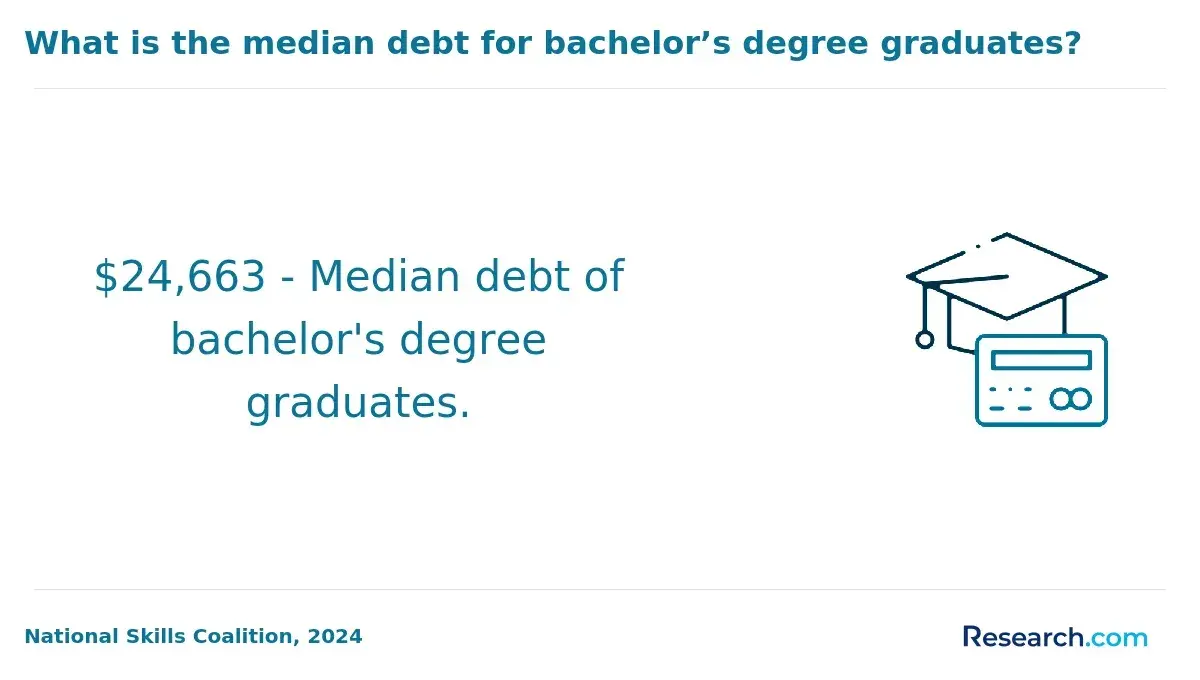
Nursing roles with the lowest layoff and unemployment risk usually have three things in common: a required license, direct patient-care responsibility, and demand across many local employers. BLS data published in 2024 reports median pay of $62,340 for licensed practical and licensed vocational nurses, which shows that even shorter licensed pathways can lead to occupations with durable demand, though wages are typically below RN and APRN levels.
The lowest-risk paths are not always the easiest jobs. In fact, some of the most resilient roles involve nights, weekends, high-acuity patients, physical work, or emotionally demanding care. That is why recession resilience should be balanced against burnout risk.
These nursing paths often carry lower relative layoff risk because patient need is recurring and employers must maintain licensed coverage:
- Emergency department nurse: Emergency care cannot be postponed in the same way elective services can, making ED experience highly portable across hospitals.
- ICU or step-down nurse: Critical care skills are valuable during high-acuity staffing needs, although the work can be intense and requires strong clinical judgment.
- Dialysis nurse: Treatment schedules are ongoing, so demand is tied to chronic kidney disease management rather than consumer confidence.
- Long-term care nurse: Skilled nursing facilities and assisted living settings need licensed staff for medication administration, wound care, assessments, and regulatory compliance.
- Home health or hospice nurse: Post-acute care, chronic illness, and end-of-life care continue during downturns and may expand as systems try to reduce hospital readmissions.
Higher-risk nursing-adjacent roles are usually those tied to elective demand, temporary contracts, discretionary employer spending, or narrow business models. Examples can include aesthetic nursing, corporate wellness, some device sales roles, and short-term contract assignments in markets where staffing shortages have eased.
The best recession-resistant nursing path is not always the one with the highest salary. A high-paying specialty can still be vulnerable if demand depends on elective procedures, one employer, or a narrow patient population. Conversely, a lower-paying role in long-term care may offer steadier work but less income upside.
This table compares the salary-security trade-off for major nursing pathways. Use it to decide whether your priority is maximum earning potential, steady employment, predictable hours, or long-term advancement.
| Path | Salary stability | Job security | Best fit | Key caution |
| Nurse practitioner | High | Very strong | RNs willing to complete graduate education and take on diagnosis, prescribing, and care-management responsibilities where allowed. | State scope rules and graduate debt should be evaluated carefully. |
| Hospital RN | High | Very strong | Students who want broad mobility, strong clinical skills, and many specialty options. | Shift work and burnout risk can be significant. |
| Public health nurse | Moderate | Strong | Nurses who value prevention, community care, and government or nonprofit work. | Budgets may limit hiring or salary growth. |
| School nurse | Moderate | Moderate to strong | Nurses seeking community impact and more predictable schedules. | Pay may be lower than hospital roles in some districts. |
| LPN/LVN | Moderate | Strong | Students who want a faster licensed pathway into care settings such as long-term care, clinics, or home health. | Scope of practice and advancement are more limited than RN roles. |
| Aesthetic nurse | Variable | Moderate to weaker | RNs with sales, patient experience, and procedure interests who can tolerate market swings. | Elective services can be sensitive to household spending cuts. |
For many learners, the strongest balance is an RN pathway with experience in acute care, community care, or chronic disease management. From there, nurses can move into higher-paid specialties, advanced practice, leadership, education, informatics, or case management without losing the protection of core clinical credentials.
Entry-level recession resilience depends on how quickly a graduate can become employable, whether the credential is licensed, and whether local employers have steady patient-care needs. New graduates may face more competition for preferred shifts or specialty units during slowdowns, but licensed entry-level roles still tend to offer better protection than many nonlicensed fields.
The most recession-resistant entry-level options are usually tied to bedside care, chronic care, and facilities with ongoing staffing requirements. Students who need a faster path into the workforce may compare an accredited 6 month LPN program with longer RN routes, while confirming state approval, clinical-hour requirements, NCLEX eligibility, and employer acceptance.
These are practical entry points for nursing graduates or near-graduates who want stability first:
- LPN/LVN in long-term care: Often available to graduates who complete a state-approved practical nursing program and pass the NCLEX-PN; demand is supported by medication administration, chronic care, and aging-related needs.
- New graduate RN residency in a hospital: A structured bridge into acute care that can improve retention and help new nurses build skills in high-demand units.
- Home health LPN/LVN or RN: A stable option for nurses who are organized, comfortable working independently, and able to manage documentation and travel.
- Clinic nurse: Often offers steadier daytime hours, though openings may be more competitive and pay may trail some hospital roles.
- Behavioral health nurse: Demand is supported by ongoing mental health and substance-use treatment needs, but the setting requires strong communication and safety skills.
New graduates should not choose a role solely because it is easy to get. A strong first nursing job should build transferable clinical judgment, documentation habits, patient communication, and medication-safety skills that remain useful if the local labor market changes.
Location strongly affects nursing resilience. A nurse in a rural county with one hospital may have fewer employer options than a nurse in a metro area with several hospitals, clinics, academic centers, school districts, and home health agencies. At the same time, rural and underserved areas may offer strong demand because providers are harder to recruit.
Remote work can improve flexibility, but it changes the risk profile. Bedside nursing is location-dependent and often more essential, while remote nursing roles may be more convenient but exposed to corporate restructuring, productivity targets, and competition from nurses across multiple states.
When comparing locations and remote options, focus on the actual labor market rather than broad national averages:
- Check employer concentration: Areas with multiple hospitals, clinics, long-term care facilities, and public agencies give nurses more fallback options if one employer cuts staff.
- Review state licensure rules: Multistate Nurse Licensure Compact participation can improve mobility for eligible nurses, but requirements and privileges still need verification.
- Compare cost of living with wages: A higher hourly rate may not improve resilience if housing, commuting, childcare, or student loan payments consume the difference.
- Evaluate remote-role competition: Telephone triage, utilization review, case management, and clinical documentation jobs may attract applicants nationwide.
- Watch local industry dependence: Communities reliant on one large employer or tourism economy may experience different healthcare demand patterns during downturns.
For nurses who value stability, the strongest geographic strategy is often to build credentials that work across states and settings. That may mean maintaining an active license, earning broadly recognized certifications, and avoiding over-specialization too early.
Transferable skills are a nurse's best protection when one unit, employer, or specialty becomes less stable. A recession-resilient nurse is not just someone with a license; it is someone who can move between direct care, coordination, education, compliance, quality, and technology-supported roles.
The most useful skills are those that employers need in many settings, including hospitals, clinics, insurers, home health agencies, schools, public health departments, and telehealth organizations:
- Clinical triage: Helps nurses assess urgency, prioritize care, and support telephone, telehealth, emergency, and ambulatory roles.
- Care coordination: Supports case management, discharge planning, chronic disease management, and utilization review.
- Documentation and compliance: Makes nurses valuable in quality improvement, reimbursement, audits, risk management, and clinical documentation improvement.
- Patient education: Transfers well to public health, diabetes education, cardiac rehab, maternal-child health, and remote coaching roles.
- Technology fluency: Electronic health records, remote monitoring tools, AI-assisted documentation, and data dashboards are increasingly part of nursing work.
- Leadership and precepting: Charge nurse, educator, supervisor, and training responsibilities can open doors when bedside roles become physically unsustainable.
Technology is changing nursing, but it is more likely to reshape tasks than replace licensed clinical judgment. Nurses who can combine bedside experience with informatics, quality, pharmacy knowledge, or interdisciplinary care may have stronger pivot options. For example, nurses interested in medication safety, clinical pharmacology, or advanced healthcare roles may compare nursing advancement with PharmD online programs before committing to a longer professional pathway.
A recession-resilient nursing career plan should combine a durable credential, flexible skills, realistic financial planning, and a clear understanding of local employer demand. The goal is not to predict every downturn; it is to reduce the number of ways a downturn can derail your income or advancement.
Use this step-by-step approach to compare nursing paths before you enroll in a program, accept a job, or specialize:
- Start with licensure and accreditation: Choose a state-approved nursing program and confirm that it prepares graduates for the relevant NCLEX exam or advanced certification.
- Compare essential-care exposure: Give extra weight to roles connected to emergency care, inpatient care, chronic disease, long-term care, home health, hospice, behavioral health, or public health.
- Research local employers: Look for the number of hospitals, clinics, agencies, school districts, and long-term care providers within commuting distance.
- Balance pay with schedule risk: Higher hourly rates, overtime, travel contracts, or per diem work may be attractive but can be less predictable than benefited staff roles.
- Build a portable skill stack: Add competencies in triage, care coordination, EHR documentation, patient education, quality improvement, and leadership.
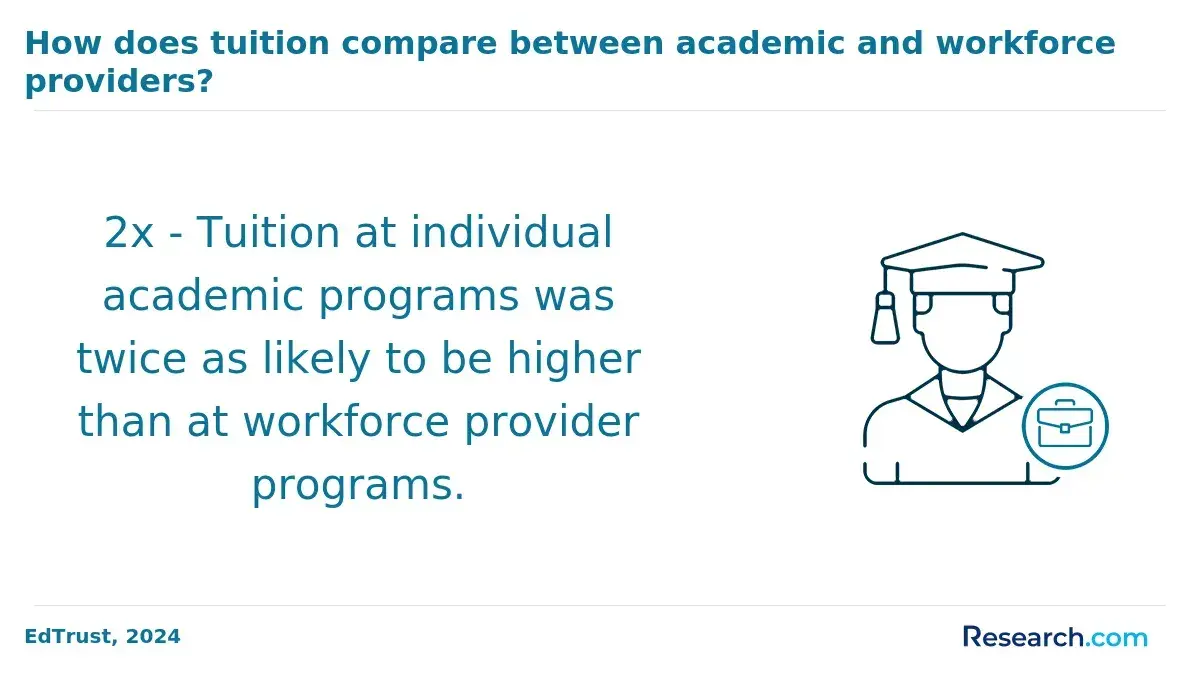
- Keep debt proportional to the role: Estimate tuition, fees, books, clinical costs, exam fees, commuting, lost wages, and likely local pay before borrowing.
- Plan a second move: Identify the next step before you need it, such as RN-to-BSN, specialty certification, nurse practitioner, nursing education, informatics, or case management.
Common mistakes can make a nursing path less resilient than it appears. Avoid assuming that any healthcare job is recession-proof, choosing only by salary, ignoring burnout, entering a narrow specialty too early, overlooking state licensure rules, or treating national salary data as a local guarantee.
Students who want healthcare stability but are unsure about nursing should also compare adjacent fields. For example, an online bachelor's in kinesiology may support paths in exercise science, rehabilitation support, wellness, or graduate preparation, but it usually does not provide the same direct licensure-based job protection as nursing unless paired with additional credentials.
The strongest plan is flexible: earn a recognized credential, gain experience in essential care, keep your license active, track local hiring signals, and develop skills that let you move between bedside and non-bedside roles as your life and the economy change.
Employer type can change job security even within the same specialty. A hospital-employed RN, travel nurse, county public health nurse, unionized staff nurse, and nurse working for a small private clinic may all experience a downturn differently. The best option depends on your risk tolerance, need for predictable income, and willingness to trade flexibility for security.
The following comparison highlights how common employer types tend to behave during economic uncertainty. These are broad patterns, not promises, because local leadership decisions and financial reserves matter.
| Employer type | Security profile | Potential advantage | Potential drawback |
| Large hospital systems | Generally strong | Multiple departments, internal transfers, benefits, training, and continuing education support. | May restructure, freeze hiring, or reduce premium shifts if margins tighten. |
| Government agencies | Often strong | Stable benefits, public-service need, and predictable role definitions. | Hiring can be slow, and budgets may limit raises or new positions. |
| Academic medical centers | Strong | Complex care, research, teaching, and specialty units create diverse opportunities. | Competitive hiring and high acuity may not fit every nurse. |
| Long-term care chains | Moderate to strong | Ongoing demand from aging populations and chronic care needs. | Staffing pressures and turnover can be high. |
| Small private practices | Variable | Closer teams and predictable daytime schedules may appeal to some nurses. | Fewer internal transfer options if revenue drops. |
| Staffing agencies and travel contracts | Variable | Can offer high pay during shortages and fast market entry. | Contract availability and rates can change quickly when demand normalizes. |
Before accepting an offer, ask how the employer handled recent staffing shortages, census changes, and budget pressure. Nurses should also review whether the role is full-time, per diem, contract, grant-funded, or tied to a temporary project, because those details often affect layoff risk more than the job title itself.
Other Things You Should Know About Nursing
Nursing is often a strong degree during economic downturns because many roles support essential care. However, outcomes vary by license level, specialty, employer, region, and experience. A recession-resistant plan should still include cost control, accredited training, and transferable skills.
Many new graduates can still find work, especially in long-term care, hospitals, behavioral health, home health, and underserved areas. Preferred specialties, day shifts, and highly selective hospitals may be more competitive, so flexibility improves early job security.
Travel nursing can be resilient when shortages are severe, but it is more variable than permanent staff employment. Contract rates, locations, cancellations, and demand can change quickly, so travel nurses should keep savings and maintain strong clinical references.
Risk-averse students may want to be cautious with specialties tied heavily to elective procedures, cosmetic services, corporate wellness, or narrow private-pay markets. These areas can still be rewarding, but they may be more sensitive to consumer spending and employer budget cuts.
See What Experts Have To Say About Studying Nursing
Read our interview with Nursing experts


- Is a Career in Nursing Recession Proof? | Eisenhower Health Careers https://careers.eisenhowerhealth.org/nursing-resources/is-a-career-in-nursing-recession-proof/
- The Importance of Continuing Education for Nurses | Safehands Recruitment https://www.safehandsrecruitment.co.uk/blog/the-importance-of-continuing-education-for-nurses/
- What are the recent trends in health sector employment? - Peterson-KFF Health System Tracker https://www.healthsystemtracker.org/chart-collection/what-are-the-recent-trends-health-sector-employment/
- Career Stability With A Nursing Degree https://www.dewv.edu/career-stability-with-a-nursing-degree-unlocking-long-term-potential/
- Nursing Workforce Fact Sheet https://www.aacnnursing.org/news-data/fact-sheets/nursing-workforce-fact-sheet
- A Closer Look at Health Care Jobs and Recessions - Tradeoffs https://tradeoffs.org/2021/10/15/health-care-jobs-recession-research/
- The Impact of Continuing Education on Nursing Careers https://www.snapcare.com/articles/continuing-education-for-nurses
- researchopenworld.com https://researchopenworld.com/exploring-barriers-to-continuing-nursing-education-among-nurses-a-descriptive-qualitative-study/