2027 Fastest Online Nursing Degree Programs Ranking in North Carolina

Co-Founder and Chief Data Scientist
Are you considering a nursing degree and want to find the best online options available in North Carolina? This article introduces the 2027 Fastest Online Nursing Degree Programs Ranking in North Carolina, crafted by the Research.com team of data scientists to guide you through your choices.
By exploring these top programs, you can make a well-informed decision that aligns with your goals and lifestyle. Earning a nursing degree opens doors to a fulfilling career with meaningful impact and growth opportunities.
Discover your path to success with confidence and clarity.
Key benefits of getting online nursing degree in North Carolina
- Nursing graduates in North Carolina can earn competitive salaries, with Registered Nurses and Public Health Nurses averaging around $94,480 annually, while Operating Room Nurses enjoy higher wages near $128,490.
- Career paths for nursing degree holders include diverse roles such as Emergency Room Nurse and Clinical Nurse Educator, offering attractive options for growth and specialization within the healthcare field.
- Obtaining a nursing degree online provides flexibility and convenience, allowing students to balance work and study effectively, as demonstrated by many successful graduates from universities in North Carolina.
- 2027 Fastest Online Nursing Degree Programs Ranking in North Carolina
- What can I expect from online nursing degree in North Carolina?
- Where can I work with online nursing degree in North Carolina?
What can I expect from online nursing degree in North Carolina?
The average cost of an online nursing degree in North Carolina varies depending on the institution and program level, typically ranging from $8,000 to $25,000 for bachelor's and master's programs. Graduates from universities such as the University of North Carolina at Chapel Hill and North Carolina State University have shared that despite these costs, the investment is worthwhile due to the quality education and flexible learning schedules.
Many students appreciate that online nursing degrees blend virtual coursework with local clinical practice, allowing them to balance work and family commitments while gaining hands-on experience nearby. This practical approach, combined with state-accredited curriculum, ensures graduates are prepared for the NCLEX-RN licensure exam, enhancing their confidence and career prospects.
Scholarships and financial aid options are commonly available, easing the financial burden. Graduates often express satisfaction with the accessibility and support offered by these programs, reinforcing the value of pursuing an online nursing degree through well-regarded North Carolina institutions.
Where can I work with online nursing degree in North Carolina?
Graduates with an online nursing degree in North Carolina frequently secure employment in diverse healthcare environments, leveraging their licensure through the NCLEX-RN exam. Many find rewarding roles in prominent hospital systems like Duke Health and UNC Health, where they contribute to patient care in areas ranging from emergency rooms to surgical units. These positions often provide robust career growth and the chance to work alongside experienced professionals from the state's top nursing schools.
Others pursue opportunities in outpatient clinics or physician offices, enjoying the balance of routine schedules and meaningful patient interaction. Long-term care facilities also attract graduates eager to support North Carolina's aging population, offering deeply personal nursing experiences.
Community health settings, especially in rural areas, provide roles focused on prevention and education, enabling nurses to make a real difference. With telehealth's rapid expansion, many online graduates appreciate the flexibility of remote nursing roles, connecting with patients statewide and beyond.
Graduates from institutions like East Carolina University and UNC Charlotte frequently express pride in their ability to adapt skills across these varied settings, supported by North Carolina's vibrant healthcare network and licensure portability within the Nurse Licensure Compact.
Graduates with an online nursing degree from well-regarded North Carolina institutions often find their skills translate into competitive salaries. Data from the U.S. Bureau of Labor Statistics reports that registered nurses in North Carolina can expect a mean annual wage of around $94,480, aligning with the state's demand for qualified nursing professionals. For example, graduates from programs at universities such as the University of North Carolina or East Carolina University report starting near $60,000 to $65,000 but quickly advancing as experience grows.
Specialized nursing roles, which many online graduates pursue, tend to offer even higher earnings. Clinical nurse educators and public health nurses report similar mean wages of about $94,480 annually. Emergency room nurses also fall in this range, reflecting the critical expertise required.
Operating room nurses command the highest wages among these roles, with an average annual salary of approximately $128,490 and a mean hourly wage of $61.78. Graduates emphasize how advanced clinical roles gained through online master's programs boost career satisfaction both financially and professionally, especially in metropolitan areas like Raleigh and Charlotte where healthcare employers provide additional incentives.
- Online nursing degrees in North Carolina include associate, bachelor's, and master's programs, often designed for registered nurses advancing their education.
- Graduates must pass the NCLEX-RN exam and programs are regulated by the North Carolina Board of Nursing to ensure quality and licensure compliance.
- Tuition costs vary: BSN programs range from $15,000 to $40,000, while associate degrees typically cost between $6,000 and $15,000, plus additional fees and clinical expenses.
- North Carolina expects about 8% job growth for registered nurses through 2030, supported by major healthcare networks in cities like Raleigh, Charlotte, and Asheville.
- Starting salaries for new nurses are usually between $55,000 and $65,000 annually, increasing to around $70,000 to $85,000 with experience; advanced nurses may earn higher wages.
- Most programs require in-person clinical hours near the student's home to provide hands-on experience alongside online coursework.
Completing an online nursing degree in North Carolina typically ranges from two to four years, depending on the program chosen and prior educational background. Many graduates from institutions like the University of North Carolina at Chapel Hill or East Carolina University share that those entering an Associate Degree in Nursing (ADN) program can expect about two years of study, combining online coursework with local clinical practice. This pathway rapidly prepares students to sit for the NCLEX-RN licensure exam.
For those pursuing a Bachelor of Science in Nursing (BSN), the timeline extends. Fresh students often invest around four years, while others benefiting from RN-to-BSN bridge programs complete the degree in 12 to 18 months as they balance work and study. Many appreciate this flexibility, describing the experience as empowering and manageable alongside personal commitments.
Accelerated BSN programs-ideal for students with a non-nursing bachelor's degree, offered at schools like Wake Forest University-can be completed in as little as 11 months full-time, inspiring graduates with their efficiency and intensity. Master of Science in Nursing (MSN) programs require 1.5 to 3 years and attract those aiming for advanced roles, with students valuing the tailored pace and speciality focus.
Affordability should be one of the first filters you apply when comparing online nursing programs in North Carolina. A lower tuition rate can help, but the best value usually comes from a program that combines reasonable cost, proper accreditation, strong licensure preparation, reliable clinical placement support, and a schedule you can actually complete.
Start by comparing in-state public universities, community college pathways, and private institutions. Public options often have lower listed tuition for North Carolina residents, while private schools may offer institutional aid or accelerated schedules that change the overall value calculation. Be sure to look beyond tuition and ask about clinical fees, technology fees, books, uniforms, background checks, exam preparation, and travel to clinical sites.
Students focused on minimizing debt should review the most affordable nursing programs in North Carolina as part of their research. Use cost data alongside graduation timelines, NCLEX preparation, and student support-not as a stand-alone measure of quality.
- Best for budget-conscious students: accredited public programs with transparent per-credit pricing and strong in-state tuition policies.
- Best for working nurses: RN-to-BSN programs with flexible course pacing and employer tuition reimbursement options.
- Best value check: compare total program cost, not just tuition, before choosing the cheapest option.
Online and on-campus nursing degree programs in North Carolina differ primarily in delivery methods and scheduling flexibility. For students enrolled at institutions like the University of North Carolina or East Carolina University, online programs offer the convenience to balance work, family, and study by accessing lectures and assignments anytime. Graduates often express appreciation for this flexibility, especially when managing busy professional lives.
In contrast, on-campus programs require attending scheduled classes, fostering direct interactions with faculty and peers, which many students find motivating and supportive. However, both formats mandate completing clinical practice hours in local healthcare facilities, as required by the North Carolina Board of Nursing. This hands-on experience is vital and cannot be done online, ensuring all students gain necessary practical skills.
Cost considerations also impact decisions. Online students at public universities benefit from competitive in-state tuition, but should anticipate fees for clinical supplies and travel. Overall, the choice often boils down to personal learning style and life circumstances, with many graduates valuing the adaptability of online options combined with essential in-person clinical training.
Student support can determine whether an online nursing program is manageable-especially for working adults, parents, first-generation college students, and nurses returning to school after time away. Strong programs do more than post lectures online. They provide academic, technical, career, clinical, and wellness support that helps students stay on track from enrollment through graduation.
Academic and technical support
Look for programs that assign an academic advisor early, offer tutoring in science and nursing courses, provide writing support, and maintain responsive technical help. In online nursing education, delays caused by registration problems, learning platform issues, or unclear degree plans can slow your progress. A dedicated advisor can help you map prerequisites, nursing courses, clinical requirements, and graduation deadlines.
Career and clinical guidance
Career services should be nursing-specific whenever possible. Useful resources include resume reviews, interview preparation, job-search workshops, employer events, and guidance on specialty certifications. Whether you are comparing competitive programs or researching the easiest nursing school to get into, support services can help you identify realistic options and prepare stronger applications.
Wellness and peer support
Nursing school can be demanding even when coursework is online. Programs that provide counseling access, stress-management resources, peer discussion spaces, and faculty availability can make the experience less isolating. Before enrolling, ask how often students meet with advisors, whether faculty hold virtual office hours, and how quickly technical or academic concerns are typically addressed.
- Ask before applying: Who helps online students arrange or complete clinical requirements?
- Ask before enrolling: Are tutoring and advising included in tuition, or do they cost extra?
- Ask before committing: What support exists if you fall behind in an accelerated course?
The average cost of an online nursing degree in North Carolina varies depending on residency status and the level of the program. Median tuition totals for in-state students typically hover around $9,949, reflecting the generally lower fees public universities in the state charge to residents. Out-of-state students can expect higher costs, with median totals near $31,025. Graduates from popular institutions such as the University of North Carolina system often share positive experiences regarding the balance of quality education and reasonable tuition fees, describing a rewarding pathway toward advancing their nursing careers remotely.
These tuition figures align well with the broader North Carolina online nursing program tuition fees landscape. Many students pursuing a Bachelor of Science in Nursing (BSN) or Master of Science in Nursing (MSN) online comment on how the programs accommodate working professionals, offering flexible schedules without sacrificing educational rigor. Such flexibility often justifies the investment, especially when supported by employer reimbursement plans or scholarships.
In real-life terms, nursing students in North Carolina frequently report that despite the financial commitment, the accessibility and comprehensive curriculum of online programs make the cost worthwhile. Prospective students are encouraged to explore various financial aid options and consider the most affordable nursing programs in North Carolina to optimize their educational investment.
A strong application starts with organization. Online nursing programs may have different requirements depending on whether you are applying to an ADN, BSN, RN-to-BSN, MSN, or nurse practitioner pathway. Use the steps below to avoid missed deadlines and incomplete files.
- Identify the right program type. Decide whether you need a pre-licensure nursing program, an RN-to-BSN bridge, an accelerated BSN, or a graduate pathway. If cost is a major concern, compare options such as the cheapest online nurse practitioner programs before finalizing your shortlist.
- Confirm accreditation and state approval. Check whether the program is accredited by CCNE or ACEN and whether it meets North Carolina Board of Nursing expectations for your intended license or credential.
- Review prerequisites carefully. Common requirements may include biology, chemistry, anatomy, physiology, microbiology, and minimum GPA standards. Some programs require proof of active RN licensure for bridge pathways.
- Collect transcripts early. Request official transcripts from every postsecondary institution you attended. Transcript delays are one of the most common reasons applications remain incomplete.
- Prepare test scores if required. Some nursing programs require entrance assessments or standardized test results. Confirm whether the requirement applies to your applicant category.
- Request recommendations. Choose instructors, supervisors, or healthcare professionals who can speak directly to your reliability, communication skills, academic readiness, and patient-care potential.
- Write a focused personal statement. Explain why nursing, why this program, and how your background prepares you for the demands of online study and clinical practice. Avoid generic statements; connect your goals to the program’s curriculum and outcomes.
- Submit the online application accurately. Upload documents in the requested format, pay any required application fee, and review every field before submission.
- Complete financial aid forms. File the FAFSA and any school-specific scholarship applications. Track deadlines for state nursing scholarships like NESLP and NSP if they apply to your situation.
- Prepare for interviews or assessments. Some programs require virtual interviews, writing samples, or additional screening. Practice explaining your motivation, time-management plan, and understanding of nursing responsibilities.
- Monitor your applicant portal. Check for missing materials, decision notices, clinical clearance instructions, and enrollment deposit deadlines. Respond quickly to avoid losing your seat.
Before accepting an offer, confirm the start date, expected graduation timeline, clinical placement process, technology requirements, and total estimated program cost.
Online nursing students in North Carolina frequently utilize a combination of federal, state, institutional, and professional financial aid sources to fund their education. Many begin by completing the FAFSA to access Pell Grants and subsidized loans, with the maximum Pell Grant of $7,395 offering significant relief. Graduates from reputable programs like those at the University of North Carolina at Chapel Hill report how these grants allowed them to focus more on their studies instead of financial stress.
At the state level, programs such as the NCSEAA Nursing Scholarship provide meaningful support, especially for those willing to work in underserved areas after graduation. Students attending institutions like East Carolina University have found these scholarships invaluable in offsetting tuition while planning careers in rural health care.
Institutional awards based on merit and financial need are common at schools such as North Carolina State University, where aid improves accessibility and eases ongoing expenses. Employed nurses pursuing degrees often benefit from employer tuition reimbursement, a program offered by many local health systems, enabling them to advance professionally without debt anxiety. Scholarships from nursing organizations further supplement aid, frequently with less competition, fostering a positive and motivated community of future nurses.
Accreditation and NCLEX preparation should be non-negotiable when choosing an online nursing program in North Carolina. A program may be flexible or fast, but it must still prepare you for licensure, clinical competence, and employer expectations.
- Program accreditation: Look for CCNE or ACEN accreditation, plus approval from the NC Board of Nursing when required for your pathway.
- Clinical readiness: Confirm that on-site or partner-affiliated clinical sites meet state requirements and that online students receive clear placement guidance.
- NCLEX preparation: Strong programs offer dedicated NCLEX review workshops, practice tests, remediation support, and faculty guidance.
- Pass-rate performance: Historic first-time pass rates at or above the state average (≥ 85%) can indicate whether students are being prepared effectively.
Clinical simulations and local hospital partnerships can support required hands-on training without making every student relocate to campus. Academic advising, tutoring, and structured NCLEX prep can also improve your ability to graduate on time and sit for your RN license with confidence.
Students planning beyond the RN level may use an online BSN foundation to pursue dnp programs that build on NCLEX-verified competencies and support advanced nursing goals.
Enrolling in an online nursing degree program in North Carolina requires meeting specific prerequisites that ensure readiness for the demanding nursing curriculum. Most applicants must present a high school diploma or GED, with strong backgrounds in science courses such as biology and chemistry, often demonstrated by a minimum GPA of 2.5 to 3.0. Graduates from nursing programs at institutions like Wilmington University and East Carolina University report that this foundation was crucial to their positive academic experience.
For RN-to-BSN or accelerated BSN tracks, holding an active RN license issued by the North Carolina Board of Nursing is mandatory. Applicants also submit official transcripts from prior nursing diplomas or associate degrees, reflecting their clinical expertise. Many students appreciate how these clear steps helped them focus on succeeding once admitted.
Entrance exams like the TEAS are common requirements, assessing academic readiness in reading, math, science, and English. Additionally, applicants prepare personal statements and health documentation, with background checks ensuring patient safety during clinical placements, typically completed at local accredited healthcare centers. These prerequisites effectively prepare students for the rewarding challenges ahead.
Online coursework does not remove licensure requirements. If your goal is to become or continue practicing as a nurse in North Carolina, you must understand how the North Carolina Board of Nursing evaluates program completion, clinical hours, background checks, and exam eligibility.
- NCLEX-RN examination: Candidates seeking RN licensure must apply for and pass the NCLEX-RN, the national licensing exam. Early registration, structured review, and practice testing can help with readiness.
- Board of Nursing application: Applicants typically submit a completed application, official transcripts from an accredited online program, required fees, and fingerprint-based criminal background check materials.
- Eligibility requirements: Programs may require completion of prerequisite and nursing coursework, proof of clinical hours, and clearance of any disciplinary issues. A minimum GPA, often 2.5, may apply in prerequisite or nursing coursework.
- Renewal and continuing education: Licenses expire biennially on your birthdate; renewal requires 30 contact hours of approved continuing education. Topics often include pharmacology updates, patient safety, and state law changes.
- Endorsement for out-of-state nurses: Nurses licensed elsewhere must meet North Carolina requirements, verify active status in their original jurisdiction, and complete any state-specific steps if required.
Licensure is one of the most important reasons to choose an accredited and state-recognized program. If you are comparing costs across states, the Cheapest Online Nursing Degree Programs Ranking in New Jersey can help you weigh affordability against each state’s licensing expectations.
Online nursing degree programs in North Carolina typically feature a robust curriculum combining foundational sciences and specialized nursing topics. Graduates from institutions like the University of North Carolina and East Carolina University often recall how courses in anatomy, physiology, microbiology, and nutrition provided essential insights into human health, forming a solid base for their nursing practice.
Core nursing courses usually cover fundamentals of nursing practice, pharmacology, medication administration, and medical-surgical nursing. Students often describe hands-on learning through virtual simulations and clinical placements arranged with local healthcare facilities, critical for meeting North Carolina's Board of Nursing requirements.
Additionally, courses in maternal and child health, mental health nursing, and community health prepare students to address diverse patient needs effectively. Leadership and management topics also equip students with skills to advance in their careers. Many find that integrating evidence-based practice and research encourages confident decision-making in clinical settings, making the rigorous curriculum both relevant and personally rewarding.
Online nursing degree specializations in North Carolina encompass a range of focused tracks designed to meet regional healthcare needs. Graduates from well-regarded universities often share how the Family Nurse Practitioner (FNP) specialization empowered them to deliver comprehensive primary care across diverse populations, a critical skill given the state's growing healthcare demands. Other commonly pursued specializations include Psychiatric-Mental Health Nurse Practitioner (PMHNP), which prepares nurses to address mental health needs, and Adult-Gerontology Nurse Practitioner, aligning with North Carolina's aging population.
North Carolina nursing degree programs specializations frequently include Clinical Nurse Specialist (CNS), Nursing Education, and Healthcare Administration. Nurses pursuing these paths benefit from flexible online formats offered by established colleges, enabling them to advance their careers while balancing professional and personal commitments. Graduates often find themselves confident in leadership roles or educational positions, contributing to the state's healthcare system in meaningful ways.
For those exploring options, identifying the easiest nursing school to get into can be a strategic first step toward specialization and career advancement.
Choosing the best online nursing degree in North Carolina requires prioritizing accredited programs recognized by the Commission on Collegiate Nursing Education (CCNE) or the Accreditation Commission for Education in Nursing (ACEN). Graduates from renowned institutions in the University of North Carolina system often highlight how this accreditation ensured their education met rigorous standards, preparing them effectively for the NCLEX-RN licensure exam. Many of these programs offer a blend of asynchronous online coursework paired with essential in-person clinical hours required by the NC Board of Nursing, allowing students to balance study with personal commitments.
Cost remains a key consideration; for those seeking affordable online nursing schools in North Carolina, tuition typically falls between $7,000 and $12,000 annually for in-state students, not including additional fees for clinicals and materials. Students appreciate programs that provide robust academic and career support, which greatly aids retention and success. Exploring options such as the cheapest online nurse practitioner programs can further assist in managing expenses while pursuing a quality education.
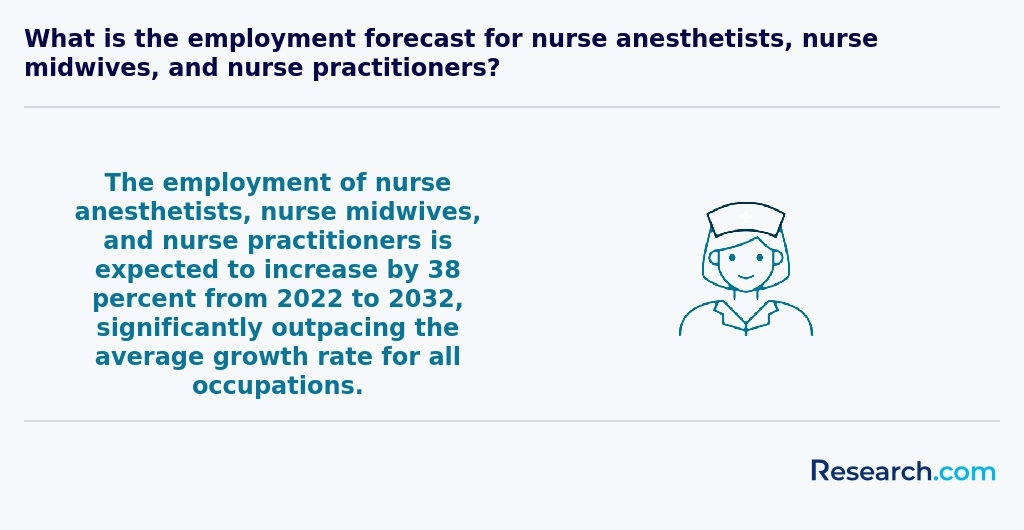
Graduates of online nursing programs in North Carolina enjoy diverse career paths that leverage their comprehensive clinical skills and leadership training. Many find rewarding positions as staff nurses in prominent hospitals throughout cities like Raleigh, Charlotte, and Durham, where they provide essential care in specialties such as critical care, emergency medicine, pediatrics, and oncology. These roles align with the strong demand reported by the North Carolina Board of Nursing for BSN-prepared nurses due to their broad expertise.
Others pursue advanced roles such as Nurse Practitioner, Clinical Nurse Specialist, or Nurse Educator, often supported by online programs at well-known institutions like the University of North Carolina at Chapel Hill or East Carolina University. Graduates express satisfaction in contributing to patient outcomes and healthcare education while advancing professionally. For those seeking leadership, healthcare administration positions offer opportunities to impact entire departments or facilities.
Students considering program costs can explore affordable options and outcomes through resources like the Cheapest Online Nursing Degree Programs Ranking in New Jersey, which provide comparative insights helpful for decision-making. The growing nursing workforce in North Carolina creates promising job opportunities supported by accessible online education pathways.
The job market for online nursing degree graduates in North Carolina remains highly favorable, reflecting steady growth in healthcare needs statewide. Graduates from well-regarded institutions such as the University of North Carolina at Chapel Hill and East Carolina University frequently secure employment quickly due to the expanding demand across hospitals and outpatient clinics. These graduates often share experiences of how the combination of flexible online coursework and local clinical placements helped them build both skills and professional networks in cities like Raleigh and Charlotte.
Employers in North Carolina emphasize licensure through the NCLEX-RN exam and value degrees accredited by bodies like CCNE or ACEN. Graduates appreciate that completing an online nursing degree here allows them to remain working while studying, easing financial burdens. Yearly tuition costs between $15,000 and $30,000 in-state also contribute to the appeal when compared to national rates. For those seeking nursing degree employment opportunities North Carolina offers a competitive environment with median wages around $63,000 and strong career growth projections.
Students exploring affordable options can find programs that combine quality and value, often benefiting from flexible pathways. Many learners researching their next steps also consider pursuing a low cost master degree online to enhance their qualifications and job prospects.
2027 Fastest Online Nursing Degree Programs Ranking in North Carolina
Investing in your education is a significant decision that can shape your future, and the Research.com team understands the importance of making informed choices. To assist prospective students in North Carolina, we have meticulously developed the "2027 Fastest Online Nursing Degree Programs Ranking in North Carolina." Our dedication to quality, credibility, and accuracy is demonstrated through thorough research and careful analysis behind this ranking.
We utilized the following reputable data sources to ensure a comprehensive evaluation of online nursing degree programs:
By exploring this ranking, readers will gain valuable insights into the fastest online nursing degree programs in North Carolina, empowering them to make well-informed decisions about their educational paths. For more information on how this ranking was created, please visit our Research.com methodology page.


Frequently Asked Questions About nursing
Online nursing degree students in North Carolina can maximize their learning by actively engaging with their program's resources. Utilizing virtual simulation labs, which many North Carolina schools offer, helps build practical skills crucial for nursing practice. According to the North Carolina Board of Nursing, clinical experience remains essential, so students should seek in-person clinical placements early to complement online coursework.
Time management and self-discipline are vital, as online learning demands consistent study habits. Joining nursing study groups or professional organizations like the North Carolina Nurses Association can provide valuable networking and mentorship opportunities. Finally, staying informed about state licensing requirements ensures students align their education with career goals.
The nursing field in North Carolina is evolving rapidly, with several emerging niches gaining attention. One key area is geriatric nursing, driven by the state's growing elderly population-about 18% of residents are aged 65 or older, according to the NC Department of Health and Human Services. Nurses specializing in elder care focus on chronic conditions and improving quality of life.
Another expanding niche is telehealth nursing, which has seen demand rise sharply during and after the COVID-19 pandemic. Telehealth allows nurses to provide remote patient monitoring and consultations, benefiting rural areas common in North Carolina.
Additionally, nurse informatics combines nursing with information technology, improving healthcare systems' efficiency. These specialties reflect broader healthcare trends and offer promising career pathways for online nursing degree graduates.
After completing an online nursing degree in North Carolina, students should focus on obtaining licensure through the North Carolina Board of Nursing. Passing the NCLEX-RN exam is crucial to practice as a registered nurse in the state. Networking with local healthcare employers and joining organizations like the North Carolina Nurses Association can open career opportunities.
Gaining clinical experience, even through internships or volunteering, helps build practical skills. According to the Bureau of Labor Statistics, registered nurses in North Carolina have a median annual wage of around $61,000, reflecting steady demand for qualified professionals. Staying current with continuing education ensures long-term career success in nursing.
Employers in North Carolina highly value nursing graduates with strong clinical skills and effective communication abilities. According to the North Carolina Board of Nursing, graduates must demonstrate competence in patient care, critical thinking, and adaptability to various healthcare settings.
Technical proficiency with electronic health records and familiarity with telehealth practices are increasingly important due to the growing use of digital tools in healthcare.
Teamwork, empathy, and cultural sensitivity also stand out as crucial skills. The North Carolina Department of Health and Human Services emphasizes these interpersonal qualities as essential for improving patient outcomes and community health.
In short, a mix of clinical expertise and soft skills is key for new nurses entering the North Carolina workforce.
Finding nursing internships in North Carolina involves leveraging multiple resources tailored to the state's healthcare and education sectors. Prospective nursing students should start by consulting their online program's career services, as many schools establish partnerships with local hospitals and clinics for clinical placements.
The North Carolina Board of Nursing mandates supervised clinical hours for licensure, so accredited programs often coordinate internships to meet these requirements. Students can also explore internships through major healthcare systems in North Carolina, such as Atrium Health and UNC Health, which frequently offer structured internship and externship programs.
Additionally, the North Carolina Nurses Association provides networking opportunities and may list internship openings relevant to student nurses. Utilizing job boards like those on NCWorks.gov can also help locate nursing internships specifically in the state. These combined strategies increase the chance of securing a valuable nursing internship that aligns with online education requirements.
Online nursing degrees in North Carolina offer significant advantages for career mobility and advancement. The state's healthcare sector is growing rapidly, with the North Carolina Healthcare Association reporting a consistent nursing shortage. Earning an online nursing degree from an accredited program allows professionals to meet licensure requirements while balancing work and personal commitments.
Graduates with advanced online degrees, such as a Bachelor of Science in Nursing (BSN) or Master of Science in Nursing (MSN), are eligible for higher-paying roles and leadership positions. The North Carolina Board of Nursing highlights that advanced education correlates with better job prospects and eligibility for specialized certifications. Employers often prefer candidates with online degrees from reputable programs due to their flexibility and rigor.
Studying for a nursing degree in North Carolina online equips students with skills essential for interdisciplinary roles in healthcare. Programs follow the North Carolina Board of Nursing standards and emphasize collaboration across fields like medicine, social work, and pharmacy. This prepares nurses to work effectively within diverse teams.
Many courses integrate case studies and simulations highlighting real-world team interactions. According to the North Carolina Center for Nursing, over 60% of healthcare settings in the state rely on nurses cooperating closely with multiple professionals. This focus ensures graduates understand different perspectives and communication methods.
Online programs also incorporate interprofessional education (IPE), promoting teamwork and shared decision-making, which is vital for patient outcomes in today's complex healthcare environment.
Choosing between a thesis and a non-thesis nursing degree in North Carolina depends largely on your career goals and learning preferences. Thesis programs typically require students to conduct original research and write a detailed paper, which suits those aiming for advanced clinical roles or doctoral studies.
Non-thesis options often focus on coursework and practical skills, ideal for professionals seeking to advance in clinical practice or leadership without engaging in research. According to the North Carolina Board of Nursing, demand for nurse leaders and educators is rising, influencing program structures.
Consider also your available time: thesis tracks may take longer due to research demands.
Students in North Carolina seeking to study nursing abroad while enrolled in online degree programs have several practical options. Many U.S.-accredited online nursing programs allow clinical practicum experiences to be completed internationally, provided the sites meet specific state and program requirements. However, North Carolina's Board of Nursing requires clinical supervision by licensed professionals following North Carolina Nurse Practice Act guidelines, which can limit some international placements.
Some programs partner with global healthcare institutions, enabling students to gain diverse clinical exposure while maintaining program accreditation. According to the North Carolina Board of Nursing, approximately 10% of nurses hold international credentials, highlighting growing global mobility in nursing careers.
Students should also verify that any abroad experiences comply with both U.S. licensing standards and the regulations of the host country for potential future practice. Online nursing degree programs in North Carolina typically provide academic advising to navigate these complexities.
Part-time job opportunities in North Carolina that complement online nursing degree education often include roles such as Certified Nursing Assistant (CNA), medical scribe, and patient care technician. These positions provide practical experience in clinical settings and improve patient communication skills.
CNAs in North Carolina earn an average hourly wage of around $14, according to the Bureau of Labor Statistics (2023), making this a viable option for students balancing work and study. Medical scribes help document patient care, enhancing students' familiarity with medical terminology and healthcare workflows.
Additionally, volunteer roles in hospitals or community health centers offer valuable exposure without conflicting with class schedules.
Networking opportunities for online nursing students in North Carolina are expanding as the state recognizes the importance of professional connections in healthcare careers. Many online programs collaborate with local hospitals and healthcare facilities, offering virtual and in-person clinical placements that help students build real-world contacts.
The North Carolina Nurses Association (NCNA) provides online nursing students with access to webinars, conferences, and regional events, fostering statewide networking. Additionally, the North Carolina Board of Nursing supports professional development through workshops relevant to licensure and practice.
Research from the NC Department of Health and Human Services highlights that 65% of nursing jobs in the state come from referrals and professional networks. Being involved in these organizations can significantly enhance job prospects.
Alumni networks provide vital support to online nursing degree students in North Carolina by connecting them with experienced professionals across the state. These networks facilitate mentorship opportunities, which can help students navigate the challenges of both their education and early nursing careers.
North Carolina has a growing healthcare sector, making networking especially important for job placement. According to the North Carolina Board of Nursing, registered nursing employment is projected to grow by over 10% from 2020 to 2030, underscoring the value of alumni connections in a competitive job market.
Participating in alumni events and online communities also allows students to share resources, stay informed about state regulations, and gain access to exclusive job postings. This sense of community can enhance professional development and improve licensing success rates for online nursing graduates in North Carolina.
Customizing an online nursing degree in North Carolina involves selecting programs that offer flexible specializations aligned with your career goals. Many accredited institutions provide options such as family nurse practitioner, nurse educator, or nurse administrator tracks. This allows students to focus on areas in demand in the state, like geriatric care or rural health.
The North Carolina Board of Nursing reports a growing need for advanced practice nurses across various specialties, supporting tailored education paths. Additionally, choosing schools with clinical placement support in your local area can enhance practical experience relevant to your objectives.
Review program curricula and elective courses carefully to ensure they match your interests and desired certifications.
Online nursing students in North Carolina often face challenges related to clinical placement requirements. Since nursing education mandates hands-on training, securing local clinical sites can be difficult due to competition and limited availability. According to the North Carolina Board of Nursing, clinical hours are essential for licensure, making this an unavoidable hurdle.
Another common challenge is balancing rigorous coursework with personal and professional responsibilities. Many students juggle jobs and family duties while studying, which can lead to stress and time management issues.
Additionally, some students experience limited access to in-person campus resources and peer support, impacting motivation and networking opportunities.
With an online nursing degree in North Carolina, graduates can pursue various professional certifications to advance their careers. The most common certification is the Registered Nurse (RN) license, granted after passing the NCLEX-RN exam, which is required to practice in the state.
Further specialization is possible through certifications such as the Certified Nurse Practitioner (CNP), Certified Nurse Educator (CNE), and Certified Clinical Nurse Specialist (CNS), offered by national organizations like the American Nurses Credentialing Center (ANCC).
North Carolina's growing healthcare sector increases demand for advanced practice nurses, with the NC Board of Nursing reporting over 110,000 licensed RNs in 2023, highlighting strong professional opportunities.
Additional certifications, including in gerontology or pediatrics, can enhance job prospects and salary potential in diverse clinical settings throughout the state.
To write a winning application for an online nursing program in North Carolina, start by clearly demonstrating your commitment to healthcare and nursing. Highlight any relevant experience, including volunteer work or clinical hours, as many programs value practical exposure. North Carolina nursing schools often require a minimum GPA of 3.0, so ensure your transcripts reflect strong academic performance.
Writing a concise, focused personal statement is essential. Explain why you chose nursing, your career goals, and how the online program fits your needs. Be sure to follow all application instructions carefully to avoid errors or omissions.
Include letters of recommendation from supervisors or professors who can attest to your skills and dedication. Finally, check the North Carolina Board of Nursing website for specific licensure requirements related to your program choice to align your application with state standards.
The global perspective on nursing as a career highlights its essential role in healthcare systems worldwide. In the United States, nursing is among the fastest-growing professions, with North Carolina reflecting this trend. According to the North Carolina Board of Nursing, the state had over 120,000 licensed nurses as of 2023, underscoring strong local demand.
Internationally, nursing is seen as a vital, respected profession, often linked to high job stability and meaningful community impact. The World Health Organization emphasizes nursing's importance in meeting global health goals, which aligns with growing opportunities for nurses trained in the U.S. to work globally.
Online nursing degree programs in North Carolina equip students with skills recognized both nationally and internationally, combining flexible learning with rigorous standards.
Gaining practical experience is essential when studying for an online nursing degree in North Carolina. Most programs require clinical hours that cannot be completed virtually. Students often arrange clinical placements at hospitals, clinics, or community health centers near their homes. These experiences provide hands-on patient care under supervision, a key step toward nurse licensure.
North Carolina supports nursing students through partnerships between online programs and local healthcare facilities. According to the North Carolina Board of Nursing, clinical requirements typically range from 500 to 700 hours, depending on the program level.
Additionally, students may engage in skills labs or simulation labs, sometimes offered by partner campuses, to practice procedures in controlled environments. This blend of virtual learning and local practical training helps prepare students for real-world nursing challenges.
Choosing the right concentration within an online nursing degree in North Carolina depends on your career goals and the state's healthcare needs. North Carolina experiences high demand for specialties like gerontology and family nurse practitioners due to its aging population and rural areas. The North Carolina Board of Nursing reports that family nurse practitioners are among the fastest-growing nursing roles in the state.
Evaluate the curriculum of each concentration and consider licensure requirements. For example, certain advanced practice roles require specific certifications recognized by the state. Research program accreditation by organizations such as the Commission on Collegiate Nursing Education to ensure quality education.
Consider the job outlook as reported by the Bureau of Labor Statistics, which predicts a 15% growth in registered nursing jobs nationally through 2032, with notable regional demand in the Southeast, including North Carolina.
- 2027 Fastest Online Nursing Degree Programs Ranking in South Carolina
- 2027 Fastest Online Nursing Degree Programs Ranking in Virginia
- 2027 Fastest Online Nursing Degree Programs Ranking in Georgia
- 2027 Fastest Online Nursing Degree Programs Ranking in Tennessee
- 2027 Fastest Online Nursing Degree Programs Ranking in Florida
- 2027 Fastest Online Nursing Degree Programs Ranking in Pennsylvania
- 2027 Fastest Online Nursing Degree Programs Ranking in Ohio
- 2027 Fastest Online Nursing Degree Programs Ranking in Mississippi
- 2027 Fastest Online Nursing Degree Programs Ranking in New Jersey
- 2027 Fastest Online Nursing Degree Programs Ranking in Arkansas
See What Experts Have To Say About Studying Nursing
Read our interview with Nursing experts


- Client Challenge https://www.springerpflege.de/nursing-graduates-perceived-future-career-pathway-and-career-shi/50653658
- Career Advancement Pathways for Nurses : Expert RN shares 10+ Professional growth opportunities - MuminMed https://blog.muminmed.com/career-advancement-pathways-for-nurses/
- | NRR | Dove Medical Press https://www.dovepress.com/internship-challenges-encountered-by-nursing-students-a-qualitative-st-peer-reviewed-fulltext-article-NRR
- Best Online Nursing Programs in North Carolina https://www.onlineu.com/degrees/nursing/north-carolina
- Interdisciplinary Education and Practice https://www.aacnnursing.org/news-data/position-statements-white-papers/interdisciplinary-education-and-practice
- Do I Have to Write a Thesis to Complete a Master’s Degree in Nursing? https://www.bestmasterofscienceinnursing.com/faq/write-thesis-complete-masters-degree-nursing/
- 7 Nursing School Tips for Studying https://www.denvercollegeofnursing.edu/blog/nursing/7-Nursing-School-Tips-for-Studying.html
- Online Nursing Prerequisites: Complete Guide & Cost Savings | StraighterLine https://www.straighterline.com/blog/which-online-nursing-prerequisites-should-you-take-online
- Getting RN Experience After Graduation | All Nursing Schools https://www.allnursingschools.com/articles/getting-rn-experience/
- Nursing Internships: Benefits, Opportunities & Tips | Maryville Nursing https://nursing.maryville.edu/blog/nursing-internships-benefits-tips