2027 Nursing Degree Automation Exposure Report: Which Career Paths Face the Most AI and Technology Disruption

Co-Founder and Chief Data Scientist
Nursing students are choosing careers in a healthcare system where AI can draft notes, flag patient risk, route claims, and monitor vitals, but still cannot replace bedside judgment or licensed care. The U.S. Bureau of Labor Statistics reported a 2024 median salary of $93,600 for registered nurses, making the stakes high for degree planning.
This guide is for nursing students, career changers, and working nurses comparing specialties. You will learn which paths face the most disruption, which remain more resilient, and how to build a career that benefits from technology instead of competing with it.
Key Things You Should Know
- Nursing roles with the highest AI exposure are usually documentation-heavy, claims-related, scheduling-driven, or protocol-based; bedside RN, emergency, critical care, and advanced practice roles face more task change than full replacement.
- BLS data shows strong labor-market value in clinical nursing: registered nurses had a 2024 median pay of $93,600, while nurse anesthetists, nurse midwives, and nurse practitioners had a combined 2024 median pay of $132,050.
- The most resilient nursing graduates combine licensure, clinical judgment, patient communication, EHR fluency, data literacy, and the ability to safely validate AI-generated recommendations.
- Which Nursing Career Paths Face the Greatest Risk of AI and Automation?
- Which Job Tasks Are Most Likely to Be Automated in Nursing Careers?
Which Nursing Career Paths Face the Greatest Risk of AI and Automation?
AI exposure in nursing depends less on the word "nurse" in the job title and more on the work mix. Roles built around repeatable documentation, coding, utilization review, triage scripts, or administrative coordination are more exposed than roles requiring hands-on assessment, rapid judgment, licensure accountability, and complex patient communication.
The table below ranks common nursing career paths by likely automation exposure. The salary figures are broad labor-market reference points from recent U.S. Bureau of Labor Statistics data where an official occupation match exists; actual pay varies by state, employer, shift differential, degree level, union status, and specialty certification:
| Career path | Typical education or credential | AI and automation exposure | Why exposure is higher or lower | Salary context |
| Utilization review nurse or clinical documentation specialist | RN license; BSN often preferred; coding, CDI, or case management experience helpful | High task disruption | AI can summarize records, compare care against criteria, detect documentation gaps, and support prior authorization workflows | Often benchmarked to RN or healthcare quality roles; varies widely by employer |
| Telehealth triage nurse | RN license; ambulatory, emergency, or primary care experience often preferred | Moderate to high task disruption | Chatbots and decision-support tools can collect symptoms and route patients, but licensed nurses remain important for escalation and risk judgment | Often aligned with RN compensation; remote roles may vary by market |
| LPN or LVN in routine outpatient or long-term care workflows | State-approved practical nursing program and NCLEX-PN | Moderate | Medication administration, patient monitoring, and care coordination remain hands-on, but documentation and routine reminders are increasingly automated | BLS listed licensed practical and vocational nurses at a 2024 median pay of $62,340 |
| Hospital registered nurse | ADN or BSN plus NCLEX-RN; BSN commonly preferred in many hospitals | Low to moderate | AI can support charting, early warning alerts, staffing, and medication safety, but bedside assessment and patient advocacy remain human-centered | BLS listed registered nurses at a 2024 median pay of $93,600 |
| Critical care, emergency, perioperative, or labor and delivery nurse | RN license; specialty training or certification often valued | Low to moderate | High-acuity care requires fast clinical judgment, physical skills, team coordination, and responsibility under licensure standards | RN pay plus potential specialty, call, overtime, or shift differentials |
| Nurse practitioner, nurse midwife, or nurse anesthetist | Graduate nursing degree, national certification, and state licensure | Lower replacement risk, moderate tool adoption | AI may assist diagnosis, documentation, and monitoring, but prescribing, assessment, procedures, and accountability remain regulated clinical functions | BLS listed nurse anesthetists, nurse midwives, and nurse practitioners at a combined 2024 median pay of $132,050 |
| Nurse educator or clinical simulation specialist | BSN for some roles; MSN, DNP, or education credential often preferred | Low to moderate | AI can create scenarios and assessments, but coaching, evaluation, professional formation, and clinical judgment training require expert oversight | Varies by academic, hospital, or staff development setting |
The highest-risk paths are not "bad" choices; they are the paths where the job description will likely change fastest. A documentation nurse who learns AI auditing, compliance, and clinical validation may become more valuable, while a nurse who only performs routine record review may face more pressure.
A useful rule is to separate automation exposure from career risk. A role can be highly exposed to AI tools and still offer strong long-term value if the nurse is responsible for interpretation, escalation, ethics, compliance, or patient-facing decisions.
Which Job Tasks Are Most Likely to Be Automated in Nursing Careers?
Nursing automation usually starts with tasks, not entire occupations. Software can handle structured, repetitive, rules-based work more easily than ambiguous clinical judgment, therapeutic communication, hands-on procedures, or advocacy during a patient crisis.
The table below shows which tasks are most likely to be automated or AI-assisted. This distinction matters because a future-ready nurse should learn where technology can save time and where human accountability remains central:
| Task category | Automation likelihood | How AI is being used | Human responsibility that remains |
| Clinical documentation | High | Ambient listening, note drafting, chart summarization, coding prompts | Verifying accuracy, correcting context, protecting privacy, documenting legally defensible care |
| Scheduling and patient reminders | High | Automated appointment reminders, staffing optimization, follow-up messages | Handling exceptions, patient barriers, urgent changes, and ethical staffing concerns |
| Medication safety checks | Moderate to high | Drug interaction alerts, dosing prompts, barcode medication administration | Assessing patient response, confirming the right patient and context, escalating unsafe orders |
| Remote patient monitoring | Moderate to high | Wearable data alerts, trend detection, risk scoring | Interpreting symptoms, prioritizing action, educating patients, coordinating care |
| Telephone or digital triage | Moderate | Symptom collection, chatbot screening, escalation rules | Recognizing atypical presentation, evaluating risk, using licensed judgment |
| Care planning | Moderate | Template plans, evidence-based suggestions, discharge planning prompts | Personalizing care for values, comorbidities, resources, and family dynamics |
| Patient education | Moderate | AI-generated handouts, language translation support, learning modules | Checking understanding, building trust, correcting misinformation, adapting to literacy level |
| Physical assessment and procedures | Low | Decision support and device-assisted monitoring | Hands-on assessment, clinical judgment, procedural skill, consent, and safety |
The practical takeaway is that nurses should not avoid AI-assisted tasks. They should become the professional who knows how to use AI output safely, detect errors, and decide when a patient's real condition does not match the algorithm's suggestion.
Common red flags include copying AI-generated notes without verification, assuming every alert is clinically meaningful, ignoring patient privacy rules, or trusting a tool that has not been validated for the patient population being served. These mistakes can create clinical, legal, and ethical risk even when the technology appears convenient.
AI adoption is uneven across healthcare. Large hospitals, insurers, technology vendors, and telehealth organizations often move faster because they have more data, larger administrative burdens, and stronger incentives to reduce delays. Smaller clinics and rural facilities may adopt tools more slowly because of cost, staffing, broadband, vendor limitations, or regulatory concerns.
The table below compares industries that employ nursing graduates and explains how technology adoption affects the work. Use it to decide whether you want a high-tech, fast-changing environment or a more traditional clinical setting with slower tool adoption:
| Industry or employer type | AI adoption pace | How nursing work is changing | Career implication for nursing graduates |
| Hospitals and health systems | Fast | Predictive alerts, documentation support, staffing analytics, command centers, smart pumps, and clinical surveillance tools | Strong opportunities for nurses who can combine bedside judgment with technology validation |
| Health insurance and managed care | Fast | Claims review, prior authorization, risk adjustment, utilization management, and care gap analytics | Higher exposure for routine review tasks; better outlook for nurses with compliance, appeals, and complex case expertise |
| Telehealth and virtual care companies | Fast | AI symptom intake, digital triage, remote monitoring, and automated follow-up | Good fit for nurses who are comfortable with protocols, escalation, digital communication, and patient education |
| Pharmaceutical, device, and clinical research organizations | Moderate to fast | Trial matching, adverse event detection, patient engagement tools, and data monitoring | Opportunities for nurses with research literacy, regulatory knowledge, and specialty clinical expertise |
| Long-term care and home health | Moderate | Fall detection, remote monitoring, medication reminders, and documentation automation | Human care remains essential, but nurses need comfort with monitoring dashboards and family communication |
| Public health and community health | Moderate | Population risk mapping, outbreak surveillance, automated outreach, and social-risk screening | Useful path for nurses interested in prevention, equity, data interpretation, and community partnerships |
| Nursing education and simulation centers | Moderate | AI simulation patients, automated skills feedback, adaptive learning, and scenario generation | Promising for nurses who enjoy teaching, assessment, curriculum design, and safe technology use |
Nursing graduates considering administrative or data-centered roles should also understand adjacent health data careers. For example, comparing nursing informatics with a health information management job description and salary can clarify whether your interests fit clinical care, data governance, coding compliance, privacy, or operations leadership.
The fastest-adopting industries can offer strong career upside, but they also require continuous learning. If you prefer predictable routines and minimal software change, a highly automated payer or telehealth environment may feel frustrating; if you like systems improvement, these settings may offer faster advancement.
The most AI-resilient nursing graduates build two skill sets at the same time: human-centered clinical skills that are hard to automate and technical literacy that helps them supervise, question, and improve digital tools. Choosing only one side is risky because modern healthcare increasingly depends on both.
The table below separates skills into practical categories. It can help students choose electives, clinical placements, certifications, simulation experiences, and continuing education that improve long-term adaptability:
| Skill area | Why it improves resilience | Where it is used |
| Clinical judgment | AI can surface patterns, but nurses must decide what matters for a specific patient | Bedside care, triage, emergency care, case management, advanced practice |
| Therapeutic communication | Trust, empathy, de-escalation, and shared decision-making are difficult to automate | Patient education, behavioral health, pediatrics, oncology, end-of-life care |
| Data literacy | Nurses need to understand trends, dashboards, risk scores, and limitations | Quality improvement, informatics, population health, utilization management |
| AI validation and critical thinking | AI output can be incomplete, biased, outdated, or clinically inappropriate | Documentation, decision support, remote monitoring, care planning |
| Privacy and ethics | Healthcare data is highly sensitive and regulated | EHR use, telehealth, AI documentation, research, administration |
| Interprofessional leadership | Technology changes workflows across physicians, pharmacists, therapists, IT, and administrators | Charge nurse roles, care coordination, informatics, management |
| Patient education and health literacy | Patients need help understanding AI-supported care without being misled by it | Chronic disease care, discharge planning, community health, telehealth |
Students can make these skills visible by choosing clinical rotations with strong technology exposure, completing quality improvement projects, documenting simulation competencies, and asking instructors how AI tools are evaluated for safety.
Another common mistake is assuming "soft skills" are less valuable because AI is advancing. In nursing, communication, ethical judgment, and advocacy often become more valuable as patients face more automated systems and need a licensed professional who can interpret, humanize, and challenge them.
The most stable nursing specializations usually combine strong licensure protection, direct patient need, complex judgment, and a shortage-driven labor market. They are not immune to AI, but technology is more likely to augment the nurse than replace the role.
The table below compares nursing specializations for long-term stability. It emphasizes resilience factors rather than claiming any path is risk-free:
| Specialization | Stability outlook | Why it is relatively resilient | Best fit for students who want |
| Nurse practitioner | Very strong | Primary care demand, prescribing authority in many states, diagnostic reasoning, chronic disease management | Advanced practice, autonomy, graduate education, patient panels |
| Nurse anesthetist | Strong | Procedural expertise, high accountability, perioperative decision-making, advanced monitoring | High-acuity practice, advanced science, intense training |
| Critical care or emergency nursing | Strong | Unpredictable patient status, rapid intervention, team coordination, hands-on assessment | Fast-paced environments and complex decision-making |
| Oncology nursing | Strong | Complex treatment regimens, symptom management, patient education, emotional support | Longitudinal patient relationships and specialty expertise |
| Behavioral health nursing | Strong | De-escalation, observation, therapeutic communication, safety planning | Human-centered care and mental health advocacy |
| Home health and hospice nursing | Moderate to strong | Aging population needs, family education, independent judgment in non-hospital settings | Autonomy, patient relationships, community-based care |
| Nursing informatics | Strong for adaptable nurses | Technology adoption creates demand for clinical workflow experts who understand both nursing and systems | Data, EHR optimization, AI governance, workflow improvement |
For students interested in prevention, rehabilitation, movement science, or wellness roles that intersect with nursing, an online bachelor's in kinesiology may also be worth comparing with nursing pathways. It is not a substitute for RN licensure, but it can fit goals in exercise science, health coaching, rehabilitation support, or graduate preparation.
Long-term stability also depends on where you practice. A rural critical access hospital, an academic medical center, a home health agency, and a national telehealth company may use technology differently even when they hire nurses with the same license.
AI may affect nursing salaries in two opposite ways. It can reduce the market value of purely routine administrative tasks, but it can increase the value of nurses who can lead technology-enabled care, validate AI output, manage complex patients, or supervise safer workflows.
The table below gives salary context for selected nursing and nursing-adjacent roles using recent BLS data where available. Use these figures as national benchmarks, not as promised earnings for any individual graduate:
| Occupation | 2024 median annual pay | AI-related salary implication |
| Registered nurses | $93,600 | RNs who combine clinical competence with informatics, charge nurse, specialty, or quality skills may be better positioned for advancement |
| Licensed practical and licensed vocational nurses | $62,340 | Automation may reduce some routine documentation burden, but advancement often requires RN education or specialty experience |
| Nurse anesthetists, nurse midwives, and nurse practitioners | $132,050 | Advanced practice roles are more likely to use AI as decision support while retaining regulated clinical authority |
| Medical records specialists | $50,250 | AI may automate parts of coding and record review, increasing demand for audit, compliance, and data-quality skills |
| Health services managers | $117,960 | Nurses who move into leadership may benefit from analytics, staffing optimization, quality measurement, and AI governance expertise |
Salary decisions should include more than the first job offer. A high-paying role with heavy automation exposure may still be a smart choice if it builds transferable skills in quality, compliance, analytics, or operations. A lower-exposure bedside role may be more stable but can become physically demanding if there is no plan for specialization, leadership, or graduate education.
The strongest long-term salary strategy is often not to avoid AI. It is to move toward roles where AI makes you more productive while your license, judgment, and accountability remain central to the work.
AI is not only a disruption risk; it is also creating new nursing career paths. Healthcare organizations need clinicians who understand patient care well enough to evaluate whether a tool is safe, useful, equitable, and practical in real workflows.
These emerging opportunities are especially relevant for nurses who like problem-solving, systems improvement, teaching, or technology-enabled care:
- Nursing informatics specialist: Helps configure EHR workflows, improve documentation, support clinical decision tools, and translate bedside needs for IT teams.
- AI clinical safety reviewer: Evaluates AI-generated summaries, alerts, risk scores, and documentation for accuracy, bias, and patient safety concerns.
- Remote patient monitoring nurse: Tracks device data, escalates concerning trends, coaches patients, and coordinates virtual care.
- Clinical product specialist: Works for health technology, device, or software companies to train users and improve tools based on clinical realities.
- Quality improvement analyst: Uses dashboards and clinical data to reduce harm, improve throughput, and support evidence-based practice.
- Telehealth care coordinator: Combines triage, education, escalation protocols, and digital communication to manage patients outside traditional visits.
- Simulation and AI education nurse: Develops training scenarios that teach students and staff how to use technology safely.
Nurses interested in medication safety, pharmacology, or advanced drug-therapy decision-making may also compare adjacent clinical education routes such as PharmD online programs. That path is distinct from nursing and has different licensure requirements, but it can help clarify whether your strongest interest is nursing care, prescribing collaboration, informatics, or pharmacy practice.
The opportunity created by AI outweighs the risk when a role requires a clinician to interpret technology, manage exceptions, teach others, or take responsibility for outcomes. The risk is higher when the role mainly involves repeating a narrow process that software can learn and scale.
Nursing students can prepare for AI-driven workplace change without becoming software engineers. The goal is to graduate with clinical competence, licensure readiness, and enough digital judgment to work safely in modern healthcare settings.
Use the following steps to build a more resilient nursing education and early career plan:
- Choose an accredited program that matches your goal, such as a state-approved LPN program, ADN, BSN, RN-to-BSN, MSN, DNP, or graduate certificate.
- Confirm licensure requirements with your state board of nursing before enrolling, especially if the program is online or located in another state.
- Ask schools how they teach EHR documentation, simulation, telehealth, clinical decision support, privacy, and AI-related ethics.
- Look for clinical placements that expose you to hospitals, community health, long-term care, telehealth, or specialty units using modern technology.
- Practice verifying AI-assisted notes, summaries, and alerts by comparing them with assessment findings and official clinical documentation standards.
- Build a portfolio of projects, such as quality improvement, patient education materials, simulation scenarios, or workflow analyses.
- Develop communication habits that technology cannot replace, including teach-back, de-escalation, cultural humility, and family-centered education.
- Plan a continuing education path after licensure, such as specialty certification, informatics training, case management, leadership, or graduate study.
Career changers who need a faster entry route sometimes explore a 6 month LPN program, but speed should never be the only deciding factor. Always verify state approval, clinical-hour requirements, NCLEX eligibility, total cost, completion expectations, and whether credits can transfer into an RN pathway.
The biggest preparation mistake is avoiding AI tools entirely. Employers are more likely to value nurses who can use technology carefully than nurses who reject it or accept it uncritically.
Students should evaluate nursing careers through a balanced lens: automation exposure, salary potential, job growth, physical demands, education cost, licensure requirements, and personal fit. A role with low automation exposure may still be a poor fit if it requires a work environment you dislike; a role with high AI exposure may be attractive if it leads to leadership, informatics, or operations opportunities.
Use this decision framework before choosing a nursing degree path or specialization:
- Identify the core tasks of the job and separate hands-on clinical judgment from documentation, scheduling, review, and routine communication.
- Check whether the role is protected by licensure, certification, scope-of-practice rules, or employer credentialing requirements.
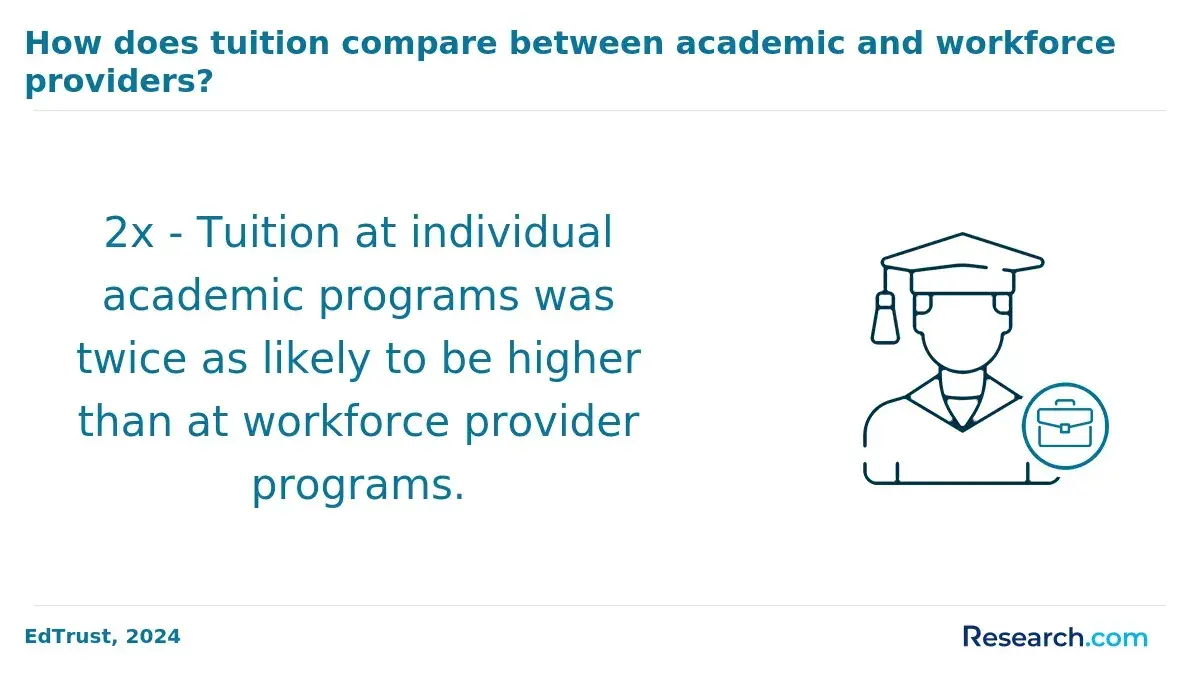
- Compare the education investment with realistic outcomes; College Board data for the 2024-2025 academic year listed average published in-district tuition and fees at public two-year colleges at $4,050 and in-state tuition and fees at public four-year colleges at $11,610.
- Look at the employer setting, because hospitals, insurers, telehealth companies, schools, and home health agencies adopt AI at different speeds.
- Ask whether AI will remove the work, speed up the work, or shift the nurse into validation, escalation, and patient communication.
- Assess physical and emotional sustainability, especially for bedside, emergency, long-term care, and hospice roles.
- Choose a path that builds transferable skills, such as care coordination, leadership, data literacy, patient education, quality improvement, and informatics.
Students should also watch for common decision mistakes. These mistakes can lead to an education path that looks attractive on paper but does not fit the realities of AI-enabled healthcare:
- Choosing a specialty based only on current salary without considering automation exposure, work setting, and advancement options.
- Assuming AI will eliminate all nursing jobs instead of changing specific tasks within many roles.
- Believing every RN job has the same risk level, even though bedside care, utilization review, informatics, and telehealth differ sharply.
- Ignoring accreditation, state approval, NCLEX eligibility, and clinical placement quality when comparing programs.
- Overlooking human-centered skills because technical tools appear more marketable.
- Relying on sensational headlines rather than labor-market data, licensure rules, and real job descriptions.
The best long-term choice is usually a nursing path that gives you a durable license, meaningful patient-care skill, exposure to modern healthcare technology, and room to specialize as the workplace evolves.
Employers increasingly expect nursing graduates to be clinically competent and technologically fluent. That does not mean every nurse must become a programmer. It means new nurses should know how to document accurately in an EHR, interpret alerts, protect patient data, communicate through digital channels, and question automated recommendations when clinical reality is more complicated than the tool suggests.
For entry-level roles, the baseline still starts with licensure. An aspiring RN usually completes an accredited ADN or BSN program, meets state board requirements, and passes the NCLEX-RN.
An LPN or LVN completes a state-approved practical nursing program and passes the NCLEX-PN. Advanced practice roles generally require graduate education, national certification, and state-specific authorization to practice.
Hiring expectations are shifting in several practical ways that students should plan for before graduation:
- Employers may value applicants who can show EHR experience, simulation training, telehealth exposure, or supervised clinical use of decision-support tools.
- Hospitals and clinics increasingly look for nurses who can explain how they verify AI-assisted documentation instead of accepting it automatically.
- Remote and hybrid nursing roles often require stronger written communication, digital etiquette, triage judgment, and comfort with patient portals.
- Quality improvement and leadership roles increasingly reward nurses who can read dashboards, understand workflow data, and translate metrics into safer care.
- Employers may ask about privacy, bias, and escalation because AI errors can affect patient safety and organizational compliance.
The mistake to avoid is treating technology as separate from nursing practice. In many workplaces, the ability to use digital tools safely is becoming part of clinical competence, not an optional add-on.
Other Things You Should Know About Nursing
AI is unlikely to replace nurses as a profession because nursing requires licensure, hands-on care, assessment, advocacy, communication, and accountability. However, AI will automate or assist many tasks, especially documentation, scheduling, triage intake, monitoring, and administrative review.
Documentation-heavy, claims-related, utilization review, telehealth intake, and routine administrative nursing roles face the most task disruption. These jobs may remain valuable, but nurses in them need skills in AI validation, compliance, escalation, and complex case review.
Roles involving high-acuity care, procedures, complex assessment, emotional support, and regulated clinical authority are more resilient. Examples include critical care nursing, emergency nursing, oncology nursing, behavioral health nursing, nurse practitioner roles, and nurse anesthetist roles.
Yes. Nursing students should learn how AI tools support documentation, monitoring, decision support, and patient communication. The key is not blind trust; nurses should know how to verify output, protect patient privacy, recognize bias, and escalate concerns when technology does not match clinical reality.
See What Experts Have To Say About Studying Nursing
Read our interview with Nursing experts

Lisa Grubb
Nursing Expert
Assistant Professor
Johns Hopkins School of Nursing

- 2026 predicted to be a breakthrough year for Nurse led Innovation in Healthcare AI https://nelsonadvisors.co.uk/blog/2026-predicted-to-be-a-breakthrough-year-for-nurse-led-innovation-in-healthcare-ai
- A.I.’s impact on nursing and health care https://www.nationalnursesunited.org/artificial-intelligence
- AI Nursing: Are Robots Replacing Nurses? A Negative Trend? - Liv Hospital https://int.livhospital.com/ai-nursing-are-robots-replacing-nurses-a-negative-trend/
- 7 Disadvantages of Automation in Healthcare https://www.vectoron.ai/blog/content-automation/disadvantages-of-automation-in-healthcare
- The Impact of AI on Nursing: Will Automation Change the Profession? https://www.himssconference.com/blog/the-impact-of-ai-on-nursing-will-automation-change-the-profession/
- Healthcare Automation Market Size and Growth Forecast ... https://www.vectorcare.com/feeds/blog/healthcare-automation-market-size
- Will Robots Replace Nurses? The Future of Nursing and AI https://vervecollege.edu/will-nursing-be-replaced-by-ai/
- AI in Healthcare | How Technology Impacts Nursing | NMU https://online.nmu.edu/ai-in-healthcare-nursing/
- Why Understanding Clinical vs. Administrative Workflow Automation Changes Everything https://naviant.com/blog/why-understanding-clinical-vs-administrative-workflow-automation-changes-everything/