
2027 Most Valuable Nursing Degree Programs Ranking in Puerto Rico

Co-Founder and Chief Data Scientist
Choosing the right nursing degree program is an important step toward a fulfilling and rewarding career in healthcare. For students in Puerto Rico, understanding which programs offer the best value can make all the difference.
This article features the 2027 Most Valuable Nursing Degree Programs Ranking in Puerto Rico, developed by the Research.com team of data scientists. It's designed to help you make an informed decision about your education path.
Discover programs that combine quality, affordability, and strong career prospects. Your journey to becoming a skilled nurse starts here.
Key benefits of getting nursing degree in Puerto Rico
- Graduates with a nursing degree in Puerto Rico can expect competitive salaries, with roles like Registered Nurse, Clinical Nurse Educator, Public Health Nurse, and Emergency Room Nurse earning a mean annual wage of $94,480, while Operating Room Nurses can earn up to $128,490 annually.
- Career paths are diverse, as seen with graduates from the University of Puerto Rico, who can work in hospitals, community health centers, or specialized nursing fields, offering flexibility and growth opportunities.
- Obtaining a nursing degree online from institutions like the Universidad Central del Caribe allows students to balance work and study, offering convenience without sacrificing quality education and opening doors to timely career advancement.
- 2027 Most Valuable Nursing Degree Programs Ranking in Puerto Rico
- What can I expect from nursing degree in Puerto Rico?
- Where can I work with nursing degree in Puerto Rico?
What can I expect from nursing degree in Puerto Rico?
The average cost of a nursing degree in Puerto Rico varies by program and institution but generally remains affordable compared to mainland U.S. universities. For example, students pursuing an ADN or BSN at well-known institutions like the University of Puerto Rico or the Interamerican University report total tuition fees ranging between $6,000 and $12,000 for the entire program. Graduates often feel relieved by these manageable costs, especially when balancing family and work commitments.
Many students find scholarships and financial aid options through their schools or local organizations, easing the financial burden even further. For instance, a graduate who completed a BSN shared how she combined part-time work with a scholarship to cover nearly half her tuition, helping her stay motivated and focused.
Considering living expenses and materials, budgeting around $10,000 to $15,000 for the entire degree is realistic. This cost aligns well with the local economy while ensuring access to accredited programs that lead to NCLEX-RN licensure. Practical training through hospital partnerships adds invaluable experience without extra fees, boosting confidence and career readiness.
Where can I work with nursing degree in Puerto Rico?
Graduates from nursing programs at institutions like the University of Puerto Rico and Bayamón Technical College find diverse job opportunities across the island's healthcare system. Many secure positions quickly in hospitals such as the Puerto Rico Medical Center, working in emergency rooms, pediatric wards, or intensive care units. One graduate shared how starting in a medical-surgical unit helped build confidence and clinical skills. This experience is common and often leads to specialization.
Nurses also thrive in community health clinics and outpatient centers, especially in rural regions where preventive care is crucial. Working directly with families managing chronic illnesses offers a rewarding connection to patients, as many graduates note. Additionally, long-term care facilities and nursing homes provide stable roles caring for elderly patients, meeting the growing demand driven by Puerto Rico's aging population.
Home healthcare is a popular path for nurses who appreciate personalized patient interaction, supporting independence. Others leverage their degree into teaching or healthcare administration at local universities and research institutions, expanding their impact beyond bedside care.
Graduates with nursing degrees from well-known institutions in Puerto Rico, such as the University of Puerto Rico or the Inter American University, typically start with salaries near $58,000 annually, reflecting local economic conditions. Many entry-level registered nurses there earn between $40,000 and $50,000, but gaining experience quickly boosts earning potential.
For example, one recent graduate shared how starting as a registered nurse led to a mean annual wage closer to $94,480 once moving into specialized roles like Clinical Nurse Educator or Public Health Nurse. These positions, common career paths after earning a nursing degree, offer significantly higher pay matching U.S. national averages, demonstrating strong growth prospects.
More advanced roles, such as Operating Room Nurse, provide even greater financial rewards with mean salaries reaching approximately $128,490 per year. Graduates focusing on certifications and practical experience, especially in larger hospitals in San Juan, find that overtime shifts and specialized skills add substantial income.
In sum, nursing degrees in Puerto Rico open doors to diverse, well-paying careers. By leveraging local education resources and targeting in-demand specialties, graduates can achieve rewarding salaries that support a fulfilling professional life.
- Nursing degrees available in Puerto Rico include ADN, BSN, and advanced degrees like MSN.
- Tuition costs range from $5,000 to $10,000 for ADN programs and $10,000 to $20,000 for BSN programs, with public universities generally more affordable.
- Entry-level nursing salaries average between $45,000 and $55,000 annually, increasing to $60,000-$75,000 with experience and specialization.
- Licensure requires passing the NCLEX-RN exam, and graduates from accredited programs are eligible to take this exam.
- Nursing programs include clinical rotations in hospitals and community health settings for hands-on experience.
Completing a nursing degree in Puerto Rico typically depends on the type of program you choose. For example, many graduates of the University of Puerto Rico find that earning an Associate Degree in Nursing (ADN) takes about two years. This shorter path allows them to quickly prepare for the NCLEX-RN exam and begin working as registered nurses, which feels rewarding as they start their careers sooner.
Students aiming for broader opportunities often pursue a Bachelor of Science in Nursing (BSN), usually a four-year commitment. Graduates from institutions like Ana G. Méndez University share how the BSN's in-depth coursework on leadership and public health opens doors for career advancement and professional growth.
For those targeting advanced roles, a Master of Science in Nursing (MSN) demands about two additional years beyond the BSN. Some find accelerated programs at local schools helpful for faster completion while balancing work and family.
Choosing a full-time, campus-based or hybrid format greatly affects your timeline. Prioritize schools with flexible options in Puerto Rico to match your life pace and stay motivated throughout the journey.
Selecting a nursing program with recognized accreditation and strong NCLEX-RN pass rates ensures rigorous training and licensure readiness.
- ACEN and CCNE accreditation: confirms the curriculum meets national quality standards
- University of Puerto Rico first-time NCLEX-RN pass rate: ~90%
- Pontificia Universidad Católica de Puerto Rico first-time NCLEX-RN pass rate: ~88%
- Other local programs average first-time pass rates: 80–85%
Aim for programs accredited by ACEN or CCNE with pass rates above 85% to maximize your success on licensure exams. For guidance on program selectivity, see easiest nursing schools to get into.
Online nursing programs in Puerto Rico offer flexibility ideal for students balancing work or family, as reported by graduates from the University of Puerto Rico Medical Sciences Campus. They can study lectures and complete assignments anytime, which helps manage busy schedules amid the island's economic realities. However, these programs require in-person clinical hours at local healthcare facilities to ensure real-world experience, blending convenience with hands-on practice.
On-campus programs, favored by many nursing students at institutions like Pontificia Universidad Católica de Puerto Rico, provide daily face-to-face interaction with instructors and peers. This environment fosters immediate feedback and strong teamwork skills crucial for nursing. Students often describe the sense of community and direct support as motivating and confidence-building.
Cost-wise, online courses may save money on commuting and housing, but tuition can be comparable to on-campus programs. Evaluating personal circumstances, such as access to clinical sites and preferred learning style, helps Puerto Rican students choose the best route for their nursing education journey.
The average cost of a nursing degree in Puerto Rico is notably affordable compared to many mainland U.S. options. Typically, students attending public universities in Puerto Rico pay around $7,050 for in-state tuition and fees. Graduates from these programs often share how this manageable expense enabled them to focus more on honing their clinical skills rather than worrying about finances. Many nursing students at popular colleges in San Juan and Ponce find that this cost structure provides an excellent balance between quality education and affordability, making it easier to pursue their passion for healthcare.
Beyond tuition, it's important to factor in additional expenses like books, supplies, licensing exam fees, and clinical training costs. Many students budget approximately $1,000 annually for these essentials. Some graduates mention that planning ahead for these costs helped them avoid unexpected financial stress during their program. Considering the total tuition and fees for nursing programs Puerto Rico offers, including these expenses, creates a realistic financial picture for prospective students.
Private institutions tend to charge more, with annual tuition sometimes nearing $12,000, but still remain competitive. Students often look for financial aid opportunities or scholarships offered by these schools. Additionally, several universities provide accelerated or part-time options, which many students find beneficial for balancing work and study. For those needing to shorten their training period without sacrificing quality, exploring fastest associate degree programs can be a strategic choice, helping students enter the workforce sooner and reduce education costs.
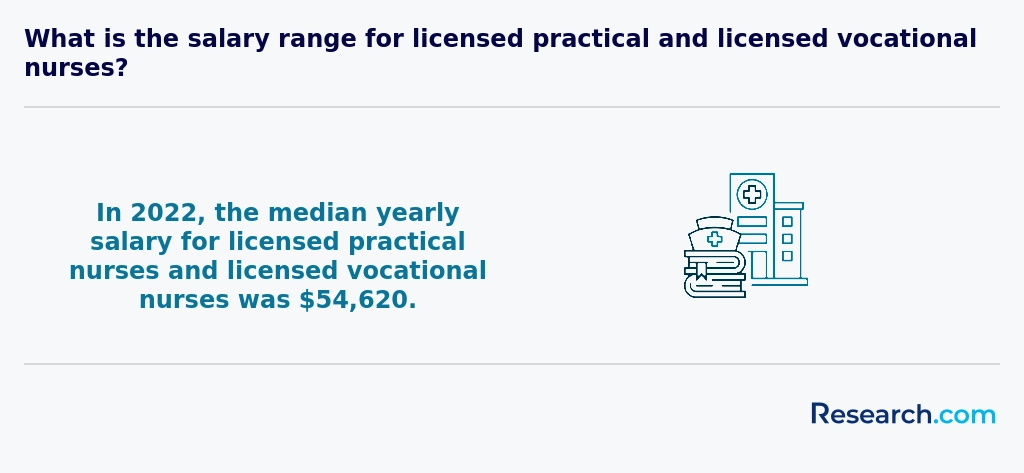
To practice nursing on the island, graduates must complete these steps:
- Graduate from a nursing program accredited by ACEN or CCNE.
- Submit an application and official transcripts to the Puerto Rico Board of Nursing.
- Register for and pass the NCLEX-RN exam.
- Provide a clean background check and proof of required immunizations.
- Renew your license biennially and complete continuing education as mandated.
Many nurses later advance their credentials by earning a BSN through online rn to bsn programs without clinical requirements.
Nursing students in Puerto Rico have access to a range of financial aid that makes pursuing their degree more affordable. Many graduates from institutions like the University of Puerto Rico have successfully used federal aid from the Free Application for Federal Student Aid (FAFSA) to secure Pell Grants, which can provide up to $7,395 per year without the need for repayment. These grants often cover a significant portion of tuition, greatly reducing financial stress.
In addition, students frequently report using Federal Supplemental Educational Opportunity Grants (FSEOG) and subsidized federal loans through the William D. Ford Program, which offer low interest rates and pause interest accumulation while enrolled half-time. This creates manageable repayment plans after graduation, easing worries about debt.
Many also tap into scholarships from local organizations like the Puerto Rico Nurses Association or university-based grants tailored specifically for nursing students. Some graduates share how employer tuition assistance from hospitals helped them finish school with less financial burden by working part-time or committing to service.
Loan repayment programs targeting nurses serving underserved areas of Puerto Rico are also a popular aid source for those wanting to give back while reducing loans. Early and thorough applications maximize chances to combine these aid types effectively.
To enroll in a nursing degree program in Puerto Rico, students must first have a high school diploma or GED, which is the standard entry requirement at popular institutions like the University of Puerto Rico and Pontifical Catholic University. Graduates often recall how strong grades in science courses such as biology and chemistry boosted their confidence during admissions.
Applicants typically need to submit official high school transcripts demonstrating completion of these prerequisite courses. Many nursing schools require standardized test scores, including the PAA or TOEFL for non-native English speakers. One recent graduate shared that preparing for the PAA helped her sharpen test-taking skills essential for nursing studies.
Additional documents often include proof of residency, completed application forms, and sometimes letters of recommendation. Practical experience, like healthcare volunteer work or observation hours, can strengthen applications, especially at institutions known for clinical excellence, such as the Interamerican University of Puerto Rico.
Health requirements like immunizations and background checks ensure eligibility for clinical placements, which nursing students frequently describe as rewarding milestones in their education journey.

To practice as a Registered Nurse in Puerto Rico, graduates must meet Board of Nursing requirements and pass the NCLEX-RN exam. Recent average pass rates:
- University of Puerto Rico: 93%
- Inter American University of Puerto Rico: 95%
- Pontificia Universidad Católica de Puerto Rico: 90%
Key steps to licensure:
- Graduate from an ACEN- or CCNE-accredited nursing program.
- Apply to the Puerto Rico Board of Nursing and submit official transcripts.
- Register for the NCLEX-RN through Pearson VUE and schedule your exam.
- Complete a criminal background check and provide required immunization records.
Many new RNs pursue advanced credentials through rn to bsn online bridge programs to expand career opportunities.
Nursing degree programs in Puerto Rico typically include courses designed to build a strong foundation for passing the NCLEX-RN and working as a registered nurse in the U.S. Common core classes cover key health sciences such as Human Anatomy and Physiology, which helps students understand the body's structure and function through lab work and interactive models.
Graduates from well-known universities share how courses like Microbiology and Pharmacology prepared them to confidently handle infections and medication management in clinical settings. For example, engaging in Pharmacology classes at popular colleges gave students practical skills for administering drugs safely during hospital rotations.
Programs also emphasize specialized nursing fields such as Medical-Surgical Nursing and Pediatric Nursing, reflecting real patient care scenarios encountered during clinical training. Graduates often describe feeling empowered by hands-on community and mental health nursing courses that sharpened their ability to provide compassionate care in diverse environments.
The curriculum's balance of theory and clinical practice ensures students from institutions trusted across Puerto Rico graduate ready to meet professional standards while feeling supported throughout their studies.
Nursing degree specializations in Puerto Rico offer practical pathways tailored to the island's healthcare needs. Popular programs at universities like the University of Puerto Rico or Ana G. Méndez University provide focused training in Family Nurse Practitioner (FNP), Pediatric Nursing, Geriatric Nursing, Psychiatric/Mental Health Nursing, and Emergency Nursing. Graduates often share how the FNP specialization equips them to handle chronic illnesses prevalent locally, such as diabetes and hypertension, making a tangible impact in community clinics.
Many students appreciate Pediatric and Geriatric Nursing for preparing them to serve vulnerable age groups, especially given Puerto Rico's aging population. Psychiatric/Mental Health Nursing is another growing field that addresses increased community awareness and demand for mental health services. Emergency Nursing stands out for its critical role during frequent hurricanes, a real challenge for island healthcare providers. Practical experiences in these specializations boost confidence and job readiness.
For those exploring advanced study options, considering what are the shortest phd programs can fit well after these nursing programs. Choosing from Puerto Rico nursing programs with specialties can unlock rewarding career prospects on the island and beyond.
To choose the best nursing degree in Puerto Rico, start by verifying that the program holds accreditation from ACEN or CCNE. Graduates from well-known universities often share how this accreditation made their NCLEX licensure exam eligibility seamless, boosting their confidence during clinical rounds. Many students recommend comparing tuition costs closely since affordable nursing schools in Puerto Rico offer quality education without overwhelming debt. For example, public institutions often provide excellent value paired with diverse clinical training across the island's public and private hospitals, which enhances hands-on experience and job readiness.
Focus also on programs reporting high NCLEX pass rates and strong employment outcomes; graduates frequently highlight how these successes reflect solid academic support and practical training. Additionally, nursing students favor schools offering flexible schedules or online courses, useful for balancing study with personal commitments. Exploring options at online colleges nationally accredited can expand accessibility while maintaining quality. This strategic approach allows prospective nurses to confidently select a path tailored to their goals and lifestyle in Puerto Rico.
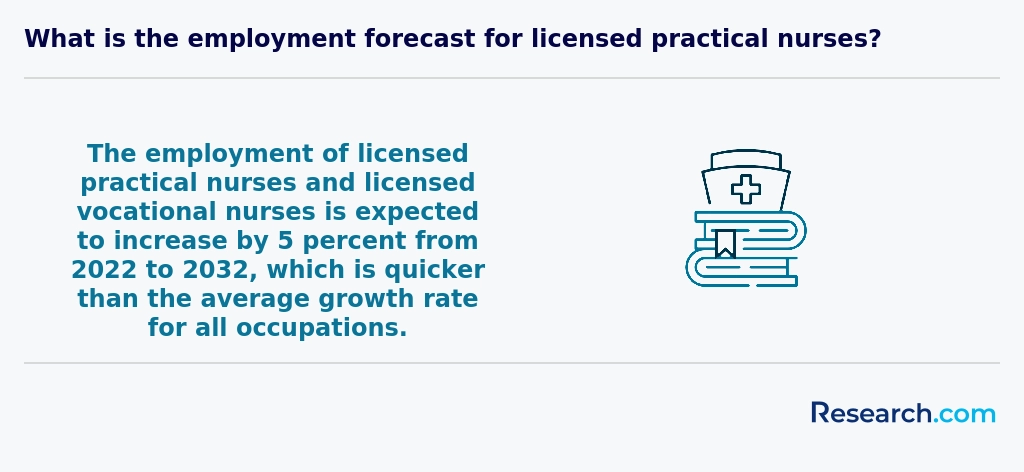
Graduates from nursing programs at prominent Puerto Rican universities often find diverse career paths open to them across the healthcare sector. Registered nurses can work in hospitals, long-term care facilities, or community clinics, addressing the island's growing healthcare demands. Many graduates specialize in areas like critical care nursing, delivering intensive support in ICU settings, or pediatric nursing, where they provide compassionate care to children and adolescents. This variety allows nurses to align their careers with personal passions and strengths, enhancing job satisfaction. Exploring different fields also helps graduates navigate healthcare job prospects for nursing graduates Puerto Rico, enabling them to contribute meaningfully in public health nursing or geriatric care, given the island's aging population.
Students who pursue their studies at well-known institutions gain practical experience through internships and clinical rotations, equipping them for roles beyond bedside care. Some graduates leverage their degrees to enter nursing education, administration, or policy-making, improving local health systems. For those interested in further advancement, pursuing a Bachelor of Science in Nursing can open doors to advanced practice roles. For students unsure where to start, resources on easiest nursing schools to get into in Puerto Rico provide actionable guidance to achieving their nursing career goals.
The nursing job outlook in Puerto Rico is shaped by both challenges and opportunities for graduates. Many who complete nursing degrees at well-known universities in Puerto Rico find a steady demand for their skills, especially in hospitals and community care centers. Graduates often share how passing the NCLEX-RN exam opens doors locally, despite some migration of nurses to the US mainland for higher salaries. The current shortage of healthcare professionals means new nurses are welcomed by employers, particularly those with expertise in gerontology or critical care.
Employment opportunities for Puerto Rico nursing degree holders can be boosted by considering specialized fields or community health roles. Some graduates have successfully transitioned to innovative care models, including telehealth, benefiting from evolving public health investments. The salary may be lower than on the mainland, but lower living costs help balance this reality. Choosing affordable nursing programs and exploring online rn to bsn programs without clinical requirements can also ease the path while expanding career potential.
2027 Most Valuable Nursing Degree Programs Ranking in Puerto Rico
Investing in your education is a significant decision that can shape your future, and the Research.com team understands the importance of making informed choices. To assist prospective students in Puerto Rico, we have meticulously developed the "2027 Most Valuable Nursing Degree Programs Ranking in Puerto Rico." Our commitment to quality, credibility, and accuracy is reflected in the rigorous research and analysis conducted to compile this ranking.
We utilized the following reputable data sources to ensure a comprehensive evaluation of nursing degree programs:
By exploring this ranking, readers will gain valuable insights into the most valuable nursing degree programs available in Puerto Rico, helping them make informed decisions about their educational paths. For more information on how the ranking was created, please visit our Research.com methodology page.
# 1 position
Universidad Ana G. Mendez-Gurabo Campus
Master of Science in Nursing
# 2 position
Dewey University-Hato Rey
Master of Science in Nursing

# 3 position
Universidad Ana G. Mendez-Cupey Campus
Master of Science in Nursing


# 6 position
Caribbean University-Bayamon
Master of Science in Nursing
# 7 position
NUC University
Bachelor of Science in Nursing

# 9 position
Columbia Central University-Caguas
Bachelor of Science in Nursing

# 11 position
EDP University of Puerto Rico Inc-San Juan
Bachelor of Science in Nursing

# 13 position
Dewey University-Manati
Bachelor of Science in Nursing

# 14 position
Dewey University-Hato Rey
Bachelor of Science in Nursing
# 15 position
Dewey University-Carolina
Bachelor of Science in Nursing

# 16 position
NUC University
Bachelor of Science in Nursing
# 17 position
Universidad Ana G. Mendez-Cupey Campus
Bachelor of Science in Nursing


# 20 position
Pontifical Catholic University of Puerto Rico-Ponce
Bachelor of Science in Nursing
Frequently Asked Questions About nursing
Nursing degree students in Puerto Rico can maximize their learning experience by actively engaging in both classroom instruction and clinical practice. Accredited programs often require hands-on clinical hours, which are vital for developing practical skills. According to the Puerto Rico Board of Nursing, students must complete a minimum of 500 clinical hours for licensure eligibility.
Seeking diverse clinical placements in hospitals, community health centers, and long-term care facilities exposes students to various patient populations and health conditions. Additionally, many institutions encourage participation in study groups and interdisciplinary projects to strengthen critical thinking and teamwork.
Leveraging resources such as the National Council Licensure Examination (NCLEX-RN) prep materials early in the curriculum can improve licensure pass rates, which currently average around 75% for Puerto Rican graduates, slightly below the U.S. national average.
The nursing field in Puerto Rico is expanding into several emerging niches driven by local healthcare needs and nationwide trends. One significant area is geriatric nursing, as Puerto Rico's population aged 65 and older is growing rapidly, increasing demand for specialized care in elder health management.
Another important niche is telehealth nursing, which leverages technology to provide remote patient monitoring and consultations. This area has grown notably since 2020, supported by federal funding to improve access in rural and underserved communities across the island.
Additionally, psychiatric-mental health nursing is gaining prominence given rising awareness and resources for behavioral health issues, particularly after the 2017 crisis response improvements. Experts from the Puerto Rico Board of Nursing forecast continued growth in these specialties through 2030.
After completing a nursing degree in Puerto Rico, preparing for the job market involves several key steps. First, graduates must pass the NCLEX-RN exam, which is required to obtain licensure and practice as a registered nurse in the U.S. and Puerto Rico. According to the National Council of State Boards of Nursing, passing rates in Puerto Rico tend to be slightly below the U.S. average, so focused exam preparation is crucial.
Networking with local healthcare providers and joining professional organizations like the Puerto Rico Nurses Association can open doors to job opportunities. Additionally, gaining clinical experience through internships or volunteer work strengthens a resume.
Finally, staying updated on local healthcare trends and continuing education ensures competitiveness in the evolving nursing job market in Puerto Rico.
Employers in Puerto Rico highly value nursing graduates who demonstrate strong clinical skills and the ability to deliver patient-centered care. Critical thinking and problem-solving are essential, especially in fast-paced healthcare settings. Communication skills, both verbal and written, are also crucial for effective collaboration with multidisciplinary teams and patient education.
According to the Puerto Rico Board of Nursing, adaptability and cultural competence stand out due to the island's diverse population. Proficiency in electronic health records and technology use is increasingly important to meet modern healthcare demands.
Finally, graduates who show professionalism, ethical judgment, and a commitment to continuing education tend to be in higher demand.
Finding internships for nursing degrees in Puerto Rico typically involves collaborating with Puerto Rican universities and local healthcare facilities. Many accredited nursing programs, such as those at the University of Puerto Rico and Ana G. Méndez University, have partnerships with hospitals like the Veterans Affairs Caribbean Healthcare System and San Juan Medical Center.
The Puerto Rico Board of Nursing requires clinical experience as part of licensure, which drives schools to secure internships with local institutions. Students should also explore opportunities through the Puerto Rico Department of Health's network.
Additionally, organizations like the National Student Nurses' Association offer resources tailored for internships. Networking with faculty and attending career fairs can further increase internship placement chances.
A nursing degree in Puerto Rico significantly enhances career mobility and advancement opportunities within the island's healthcare system. Registered nurses with an Associate Degree in Nursing (ADN) can access entry-level positions, but obtaining a Bachelor of Science in Nursing (BSN) is often necessary for promotion and higher-paying roles.
According to the Puerto Rico Department of Labor and Human Resources, nurses holding a BSN degree have a 15% higher chance of securing supervisory or specialized clinical positions compared to those with an ADN. Additionally, a BSN is increasingly preferred for roles in management, education, and public health.
Advanced degrees, such as a Master's or Doctorate in Nursing, further enable nurses to pursue leadership roles, nurse practitioner licenses, and teaching positions, which command higher salaries and greater job stability.
Studying for a nursing degree in Puerto Rico offers a strong foundation for interdisciplinary roles within healthcare. Programs accredited by the Puerto Rico Board of Nursing and aligned with U.S. standards emphasize collaboration among health professionals. This prepares students to work effectively with physicians, pharmacists, social workers, and others.
The curriculum integrates clinical practice with teamwork, communication, and leadership skills. According to the Puerto Rico Department of Health, nearly 60% of nursing graduates participate in clinical rotations across diverse settings, enhancing their practical interdisciplinary experience.
Such exposure equips students to address complex patient needs through coordinated care, a critical skill in today's healthcare environment.
When choosing between a thesis and a non-thesis nursing degree program in Puerto Rico, students should consider their career goals and interests. A thesis option typically involves conducting original research and is suited for those aiming for doctoral studies or research-intensive roles. In contrast, a non-thesis program focuses more on practical skills and coursework, preparing graduates for clinical practice or administrative positions.
According to the Puerto Rico Board of Nursing, employment in clinical nursing is expected to grow steadily, which may favor non-thesis graduates seeking direct patient care roles. The thesis path may take longer but offers a strong foundation for academic or leadership careers.
Students in Puerto Rico looking to study nursing abroad have several options within the U.S. higher education system. Many choose nursing programs in the mainland United States, benefiting from accredited institutions recognized by the Commission on Collegiate Nursing Education (CCNE) or the Accreditation Commission for Education in Nursing (ACEN). This ensures smooth licensure transfer through the National Council Licensure Examination (NCLEX).
Popular destination states include Florida, New York, and Texas, which have large Hispanic communities and offer support networks for Puerto Rican students. According to the U.S. Bureau of Labor Statistics, registered nursing employment is projected to grow 9% by 2032, making these programs practical choices.
Financial aid and scholarships are often available to out-of-state students, including federal aid and some Puerto Rico-based grants that extend to mainland institutions.
Part-time job opportunities in Puerto Rico that complement nursing degree education often include roles such as certified nursing assistants (CNAs), medical assistants, and home health aides. These positions provide valuable hands-on experience in patient care while students pursue their studies. According to the U.S. Bureau of Labor Statistics, the healthcare sector in Puerto Rico is expected to grow steadily, creating additional part-time openings for nursing students.
Many nursing students also find work in hospitals, clinics, or long-term care facilities, where flexible shifts accommodate academic schedules. Additionally, pharmacy technician roles can strengthen students' understanding of medication management, an essential nursing skill.
Nursing students in Puerto Rico have several valuable networking opportunities to support their professional growth. Many universities offer student chapters of national organizations such as the American Nurses Association (ANA) and the National Student Nurses' Association (NSNA). These groups provide access to conferences, workshops, and leadership events.
Local hospitals and healthcare systems also host networking events and clinical rotations, allowing students to connect with practicing nurses and potential employers. According to the Puerto Rico Board of Nursing, these interactions are vital for career advancement in the island's competitive healthcare market.
Additionally, virtual platforms have expanded opportunities, with webinars and online forums enabling students to engage with nursing professionals island-wide. This mix of in-person and digital networking helps students build essential contacts before entering the workforce.
Alumni networks play a vital role in supporting nursing degree students in Puerto Rico by creating pathways for mentorship and career opportunities. These networks often connect current students with experienced graduates working in hospitals and healthcare facilities across the island, aiding in job placement and internships.
According to data from the Puerto Rico Board of Nursing, networking is crucial in a market where competition for clinical practicum sites is high. Alumni can provide guidance on navigating licensing requirements specific to Puerto Rico under the U.S. nursing framework.
Moreover, alumni associations frequently host workshops and continuing education events to keep students updated on evolving healthcare standards. Such involvement enhances students' professional development and readiness for the nursing workforce.
Students seeking to customize their nursing degree programs in Puerto Rico can tailor their education through various specialization options offered by accredited institutions. Many universities provide elective courses in fields such as pediatric nursing, gerontology, and community health, allowing students to focus on areas aligned with their career goals. Additionally, accelerated programs and part-time study options support flexible pacing.
The Puerto Rico Board of Nursing regulates program standards, ensuring graduates meet licensure requirements for the U.S. and Puerto Rico, which is critical for career mobility. According to the National Council of State Boards of Nursing, over 12,000 licensed nurses practice in Puerto Rico, demonstrating strong local demand for specialized skills.
Some programs also integrate clinical placements in various healthcare settings, enabling students to gain practical experience in their chosen specialty. Prospective nurses should research schools' partnerships and continuing education opportunities to best align learning with professional aspirations.
Nursing students in Puerto Rico face several notable challenges throughout their education. A primary issue is limited access to updated clinical training facilities, which affects hands-on learning experiences crucial for nursing competencies. According to the Puerto Rico Board of Nursing, there is a shortage of qualified clinical instructors, which can impact student supervision and skill development. Additionally, economic constraints and rising tuition costs burden many students, especially given Puerto Rico's recent economic struggles.
Language barriers also present difficulties, as instruction often requires proficiency in both English and Spanish, demanding bilingual competency. Furthermore, students must prepare for the NCLEX-RN exam, which requires mastery of U.S. healthcare standards, sometimes differing from local practices.
With a nursing degree in Puerto Rico, graduates can pursue several professional certifications recognized across the United States. The most common is the Registered Nurse (RN) license, obtained by passing the NCLEX-RN exam administered by the National Council of State Boards of Nursing. This licensure is essential for practicing nursing professionally.
Beyond the RN license, nurses can specialize and earn certifications such as Certified Nurse Practitioner (CNP), Certified Nurse Midwife (CNM), or Certified Registered Nurse Anesthetist (CRNA). These require additional education and certification exams by national boards.
In Puerto Rico, data from the Puerto Rico Nursing Board shows steady growth in the number of licensed nurses pursuing advanced certifications, reflecting the increasing demand for specialized nursing care in the island's healthcare system.
Writing a winning application for a nursing program in Puerto Rico requires careful preparation and a clear demonstration of your commitment to healthcare. Start by ensuring your academic transcripts meet the required GPA, commonly at least 3.0, as most programs are competitive. Include a compelling personal statement explaining why you want to pursue nursing and your connection to serving the Puerto Rican community.
Highlight relevant experience such as volunteering or working in healthcare settings. Many schools value bilingual skills due to Puerto Rico's unique population. Also, prepare for entrance exams like the TEAS, which evaluates your readiness for nursing school.
Strong letters of recommendation from educators or health professionals can bolster your application. Lastly, research program-specific requirements and deadlines carefully to submit a complete and polished application.
The nursing profession is recognized globally as a vital component of healthcare systems. In the United States, including Puerto Rico, nursing offers diverse career opportunities and a strong outlook. The U.S. Bureau of Labor Statistics projects a 9% growth in nursing jobs from 2022 to 2032, reflecting steady demand.
Puerto Rico, as a U.S. territory, follows the same professional standards and licensure requirements as the mainland. This alignment facilitates mobility for nurses both within the island and to other states.
Internationally, U.S.-trained nurses are valued for their rigorous education and clinical experience. Many countries seek American nursing graduates to improve healthcare quality and management standards.
According to the Puerto Rico Nursing Association, nurses on the island contribute significantly to addressing local health disparities, emphasizing preventive care and chronic disease management.
Gaining practical experience while studying for a nursing degree in Puerto Rico is essential for developing clinical skills and meeting state licensing requirements. Many nursing programs in Puerto Rico partner with local hospitals, clinics, and community health centers to provide hands-on clinical rotations. These placements allow students to work under supervision, applying classroom knowledge in real healthcare settings.
According to the Puerto Rico Board of Nursing, students must complete a minimum number of clinical hours-usually between 500 and 900-depending on the program level. These hours enable exposure to diverse patient care scenarios, improving readiness for the NCLEX-RN licensing exam.
Additionally, some institutions encourage volunteering or internships in public health initiatives, which can supplement formal clinical experience and build professional networks.
Choosing the right concentration within a nursing degree program in Puerto Rico involves evaluating your career goals and the demand for specialized nurses locally. Common concentrations include Adult-Gerontology, Pediatrics, and Psychiatric-Mental Health, each addressing different patient populations.
According to the Puerto Rico Department of Health, the island faces a growing need for geriatric nurses due to its aging population, making Adult-Gerontology a promising focus. Additionally, the shortage of mental health professionals highlights opportunities in Psychiatric-Mental Health nursing.
Consider your personal interests, clinical experience opportunities, and licensure requirements set by the Puerto Rico Board of Nursing. Research each concentration's curriculum and clinical hours to ensure it aligns with your professional aspirations.
See What Experts Have To Say About Studying Nursing
Read our interview with Nursing experts

Lisa Grubb
Nursing Expert
Assistant Professor
Johns Hopkins School of Nursing

- Working While in Nursing School: 25 Ways to Make Money as a Nursing Student https://credenzahealth.com/career-advice/working-while-in-nursing-school-25-ways-to-make-money-as-a-nursing-student
- How a BSN Prepares You for Graduate Nursing Degrees (MSN, DNP) https://blog.methodistcollege.edu/bsn-prepares-you-graduate-nursing-degrees
- Nursing Study Abroad Programs | Go Overseas https://www.gooverseas.com/study-abroad/nursing
- Advanced Practice Nursing in Puerto Rico https://internationalapn.org/2017/04/07/advanced-practice-nursing-in-puerto-rico/
- Work-life balance | Careers Crossroads | RCN Careers Resources | Royal College of Nursing https://www.rcn.org.uk/Professional-Development/Your-career/Nurse/Career-Crossroads/Career-Ideas-and-Inspiration/work-life-balance
- Nursing Program of the Universidad del Sagrado Corazón Heart https://www.sagrado.edu/en/enfermeria/
- | NRR | Dove Medical Press https://www.dovepress.com/internship-challenges-encountered-by-nursing-students-a-qualitative-st-peer-reviewed-fulltext-article-NRR
- Sign Up for the Journal of Nursing. https://www.asrn.org/journal-advanced-practice-nursing/3399-10-business-ideas-for-nurses-in-2026.html
- How to Write https://esign.com/letter-of-intent/school/nursing/
- What Are the Best Jobs to Work While in Nursing School? https://www.dewv.edu/what-are-the-best-jobs-to-work-while-in-nursing-school/





